Search for Falkland Islands
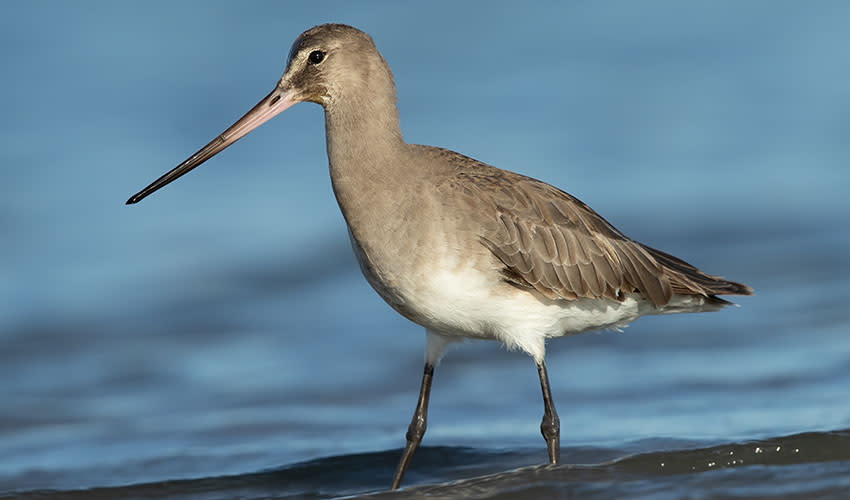


Hudsonian godwit
Despite traveling across entire hemispheres, they often return to the exact same marsh or mudflat

Upland sandpiper
Often called the “shorebird that forgot the shore”

Greater yellowlegs
The very tip of the bill has special “pits” that can detect the vibrations of a moving fish in murky water

Red-legged cormorant
Its bright red legs and feet are one of the most colorful features seen in any cormorant species

Snow petrel
Early explorers often wrote about these birds as friendly companions during long, lonely expeditions across the ice

Sooty albatross
It’s the “dark-themed” albatross

Chilean flamingo
Standing on one leg isn’t just a pose—it helps them save body heat while they rest in cool, windy wetland weather
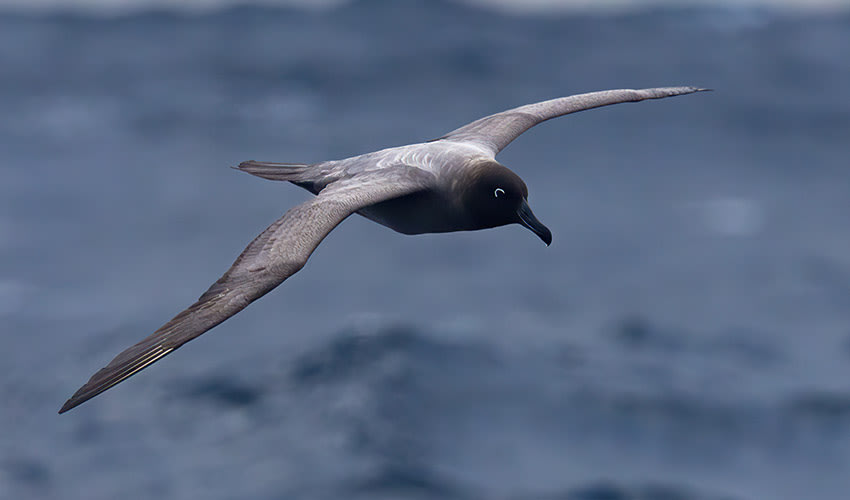
Light-mantled albatross
Often considered one of the most beautiful albatross species because of its soft gray coloring and gentle contrast
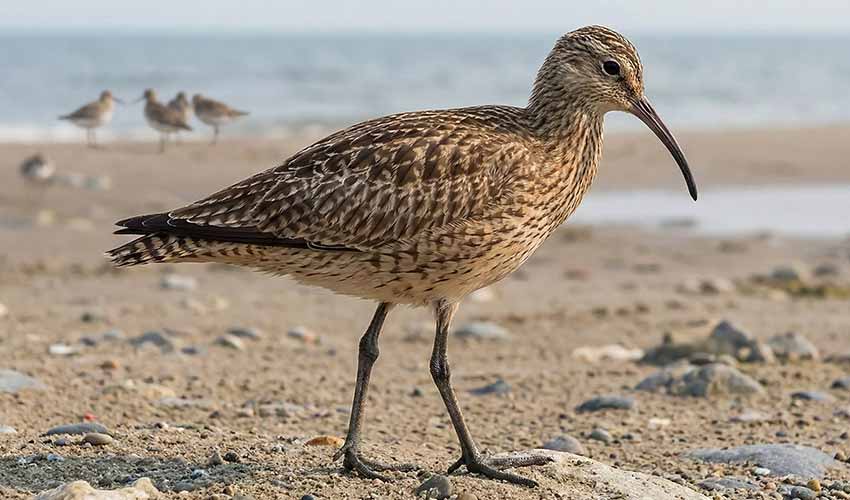
Eskimo curlew
Once a sky-filling spectacle—today, most of what we have are museum skins and stories

American golden plover
These birds perform a massive, circular migration that covers nearly 32,000 km (20,000 miles) annually
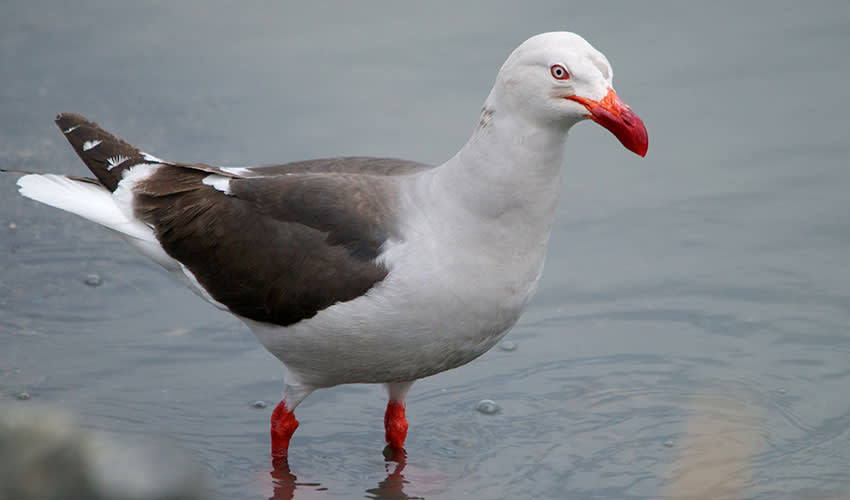
Dolphin gull
Their name has nothing to do with dolphins

Franklin’s gull
These gulls aren’t scavengers; they are specialized insect eaters.
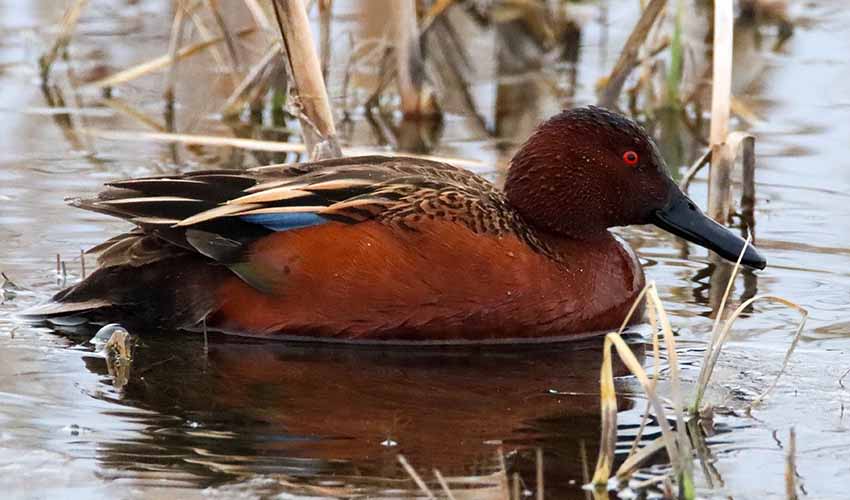
Cinnamon teal
Its speed and size make it harder for predators (and hunters) to track
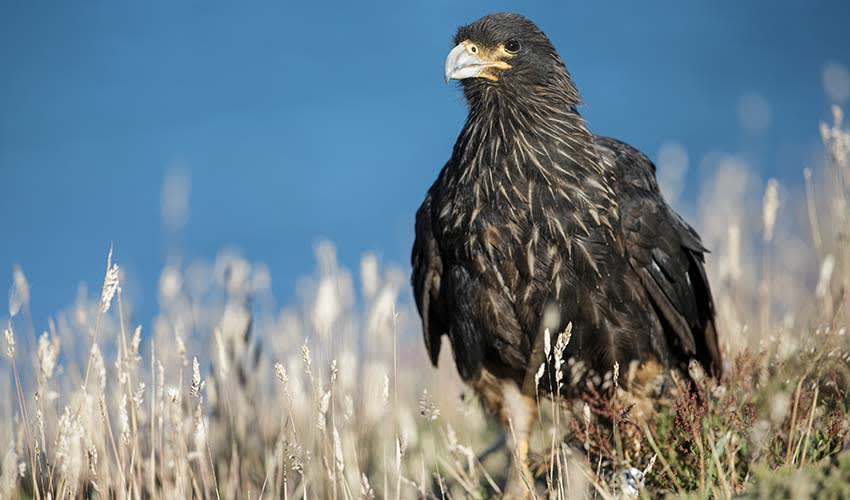
Striated caracara
These birds will walk right up to people, inspect backpacks, and steal anything loose—hats, gloves, even camera parts
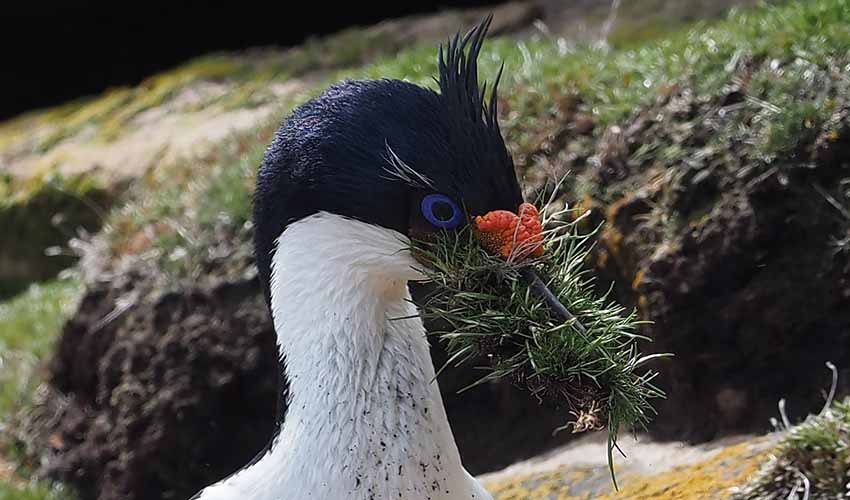
Imperial shag
Can dive deeper than many seals

Atlantic yellow-nosed albatross
This bird can circle the South Atlantic without breaking a sweat (or a wingbeat)

Grey-headed albatross
Built to “ride the wind,” using long glides and smooth turns to save energy

Shy albatross
Often follow ships and fishing boats, attracted by food stirred up near the surface
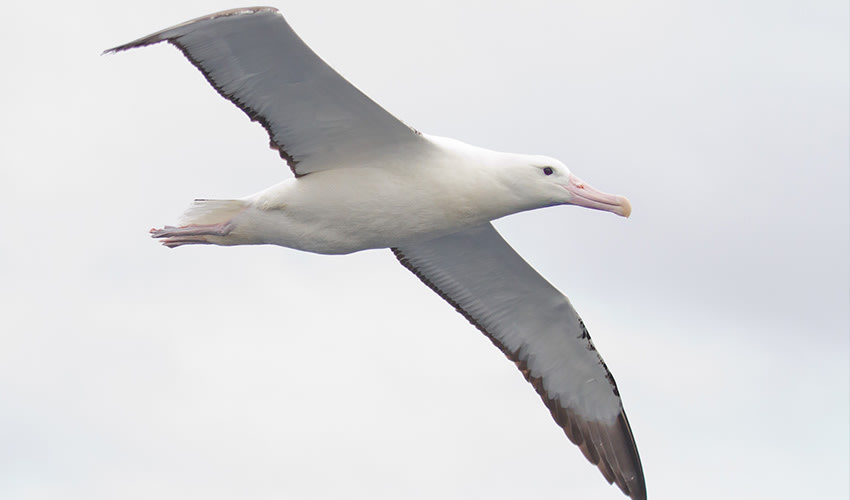
Northern royal albatross
Among the biggest flying birds on Earth
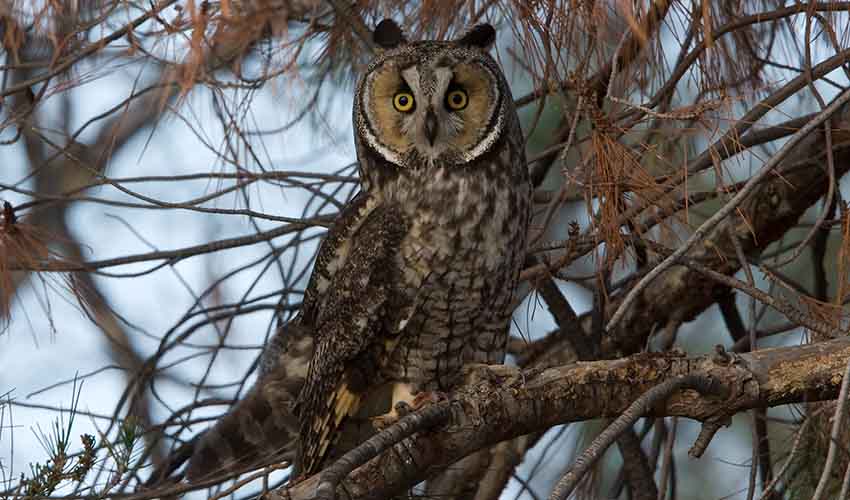
Long-eared owl
Its flight is nearly soundless, thanks to specially fringed wing feathers that disrupt air turbulence

Short-eared owl
Defies the usual “creature of the night” stereotype by thriving in open landscapes and often hunting boldly in daylight
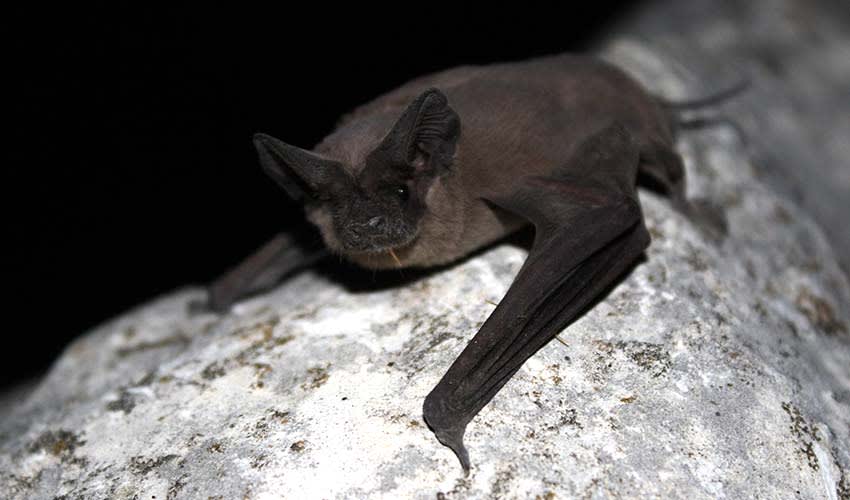
Mexican free-tailed bat
Their guano deposits have historically been harvested as fertilizer

Antarctic tern
Highly site-faithful, often returning to the exact same nesting spot year after year

Ross seal
Least studied of all Antarctic seals
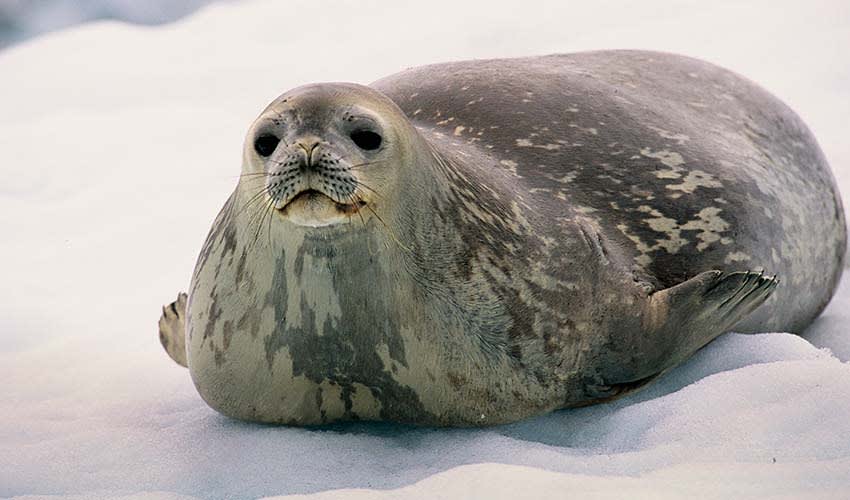
Weddell seal
A master of living under the ice, and a haunting singer in one of the world’s coldest wildernesses

Sand martin
A bird that carries the rhythms of the seasons on its wings

Red knot
In winter, they’re plain grey and white, but in the Arctic summer, they turn into a glowing rusty red

Crabeater seal
Their misleading name comes from early explorers who mistakenly thought they fed on crabs
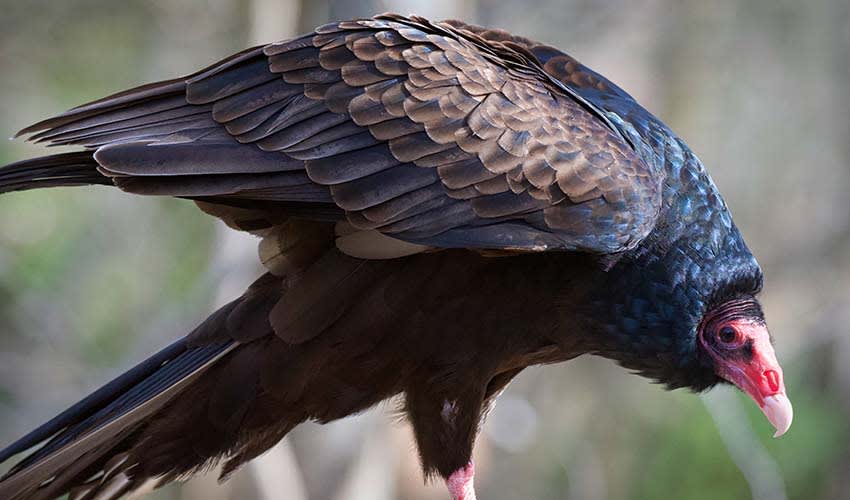
Turkey vulture
A bird that quietly keeps the environment clean
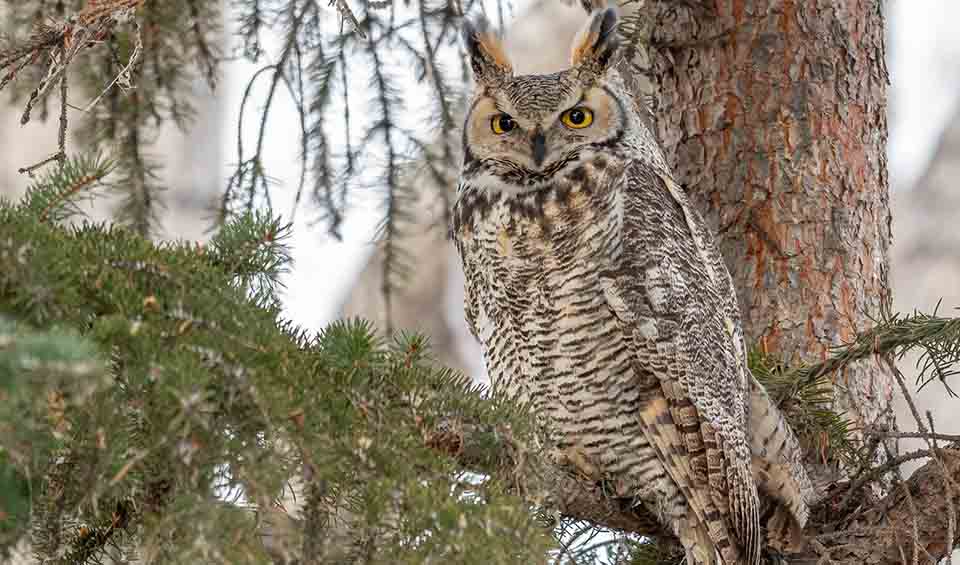
Great horned owl
Often called the “tiger of the sky” because of its fierce hunting skills and bold personality
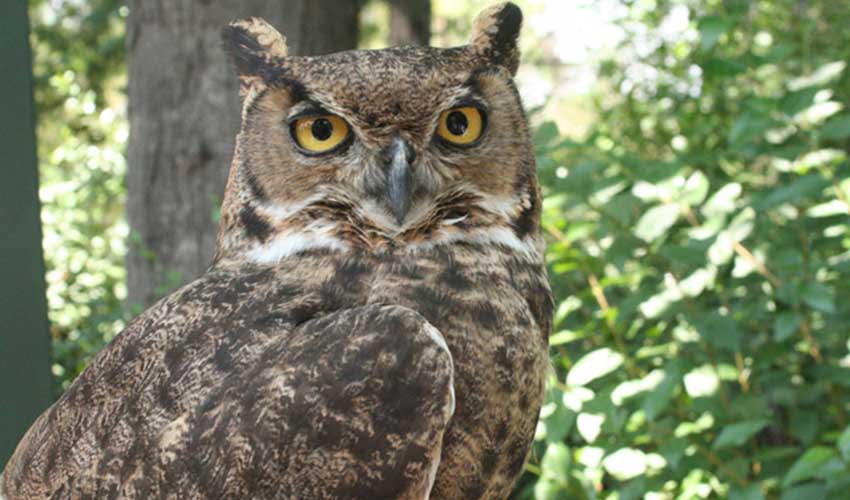
Lesser horned owl
Can swallow small prey whole and later cough up pellets made of bones and fur

Ruddy turnstone
They flip the script — literally!
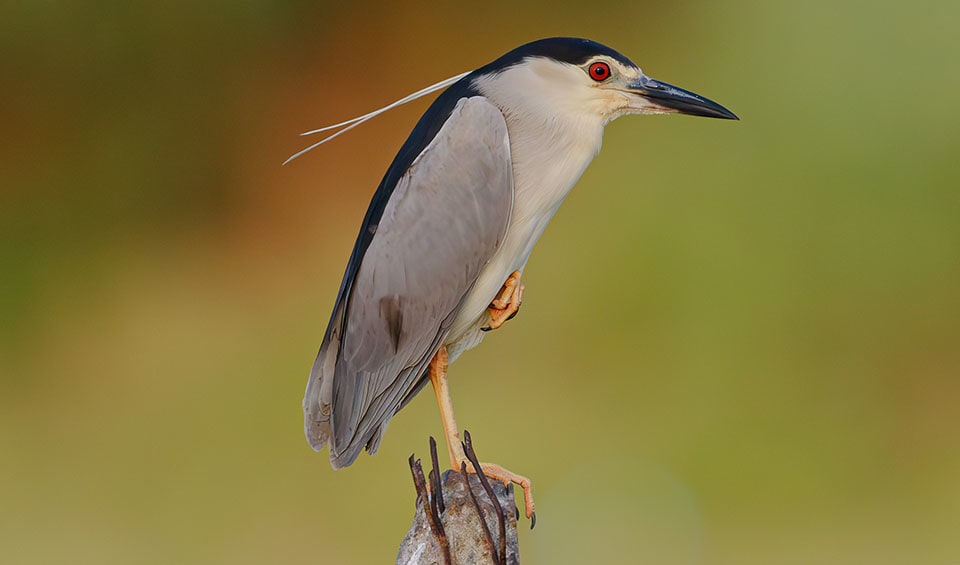
Black-crowned night heron
One of the most widespread and adaptable herons in the world

Flying steamer duck
Though this duck can fly, it’s right on the edge of being flightless

Kelp gull
When faced with hard-shelled prey, this gull simply flies up and drops it onto rocks — no tools, no problem
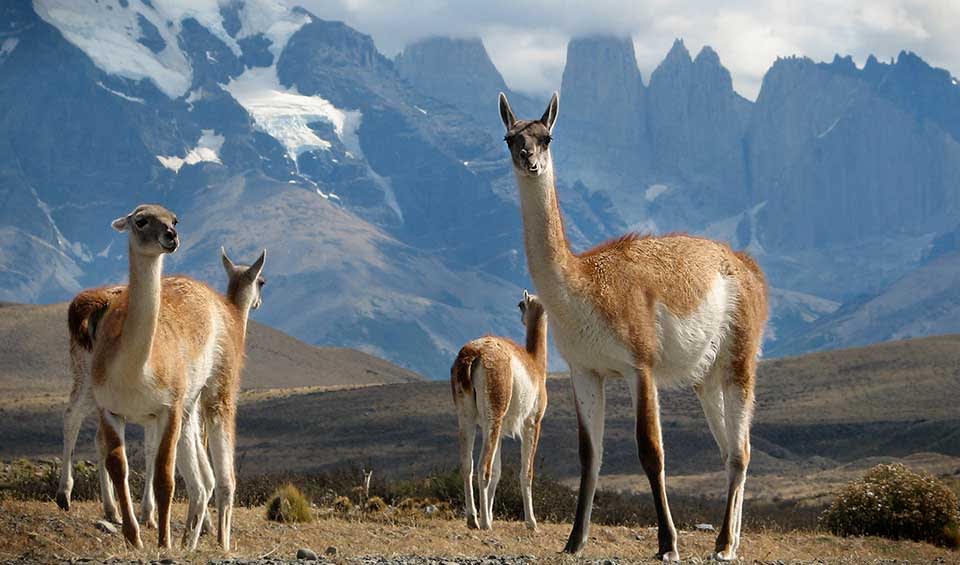
Guanaco
The largest herbivores of the dry areas of South America
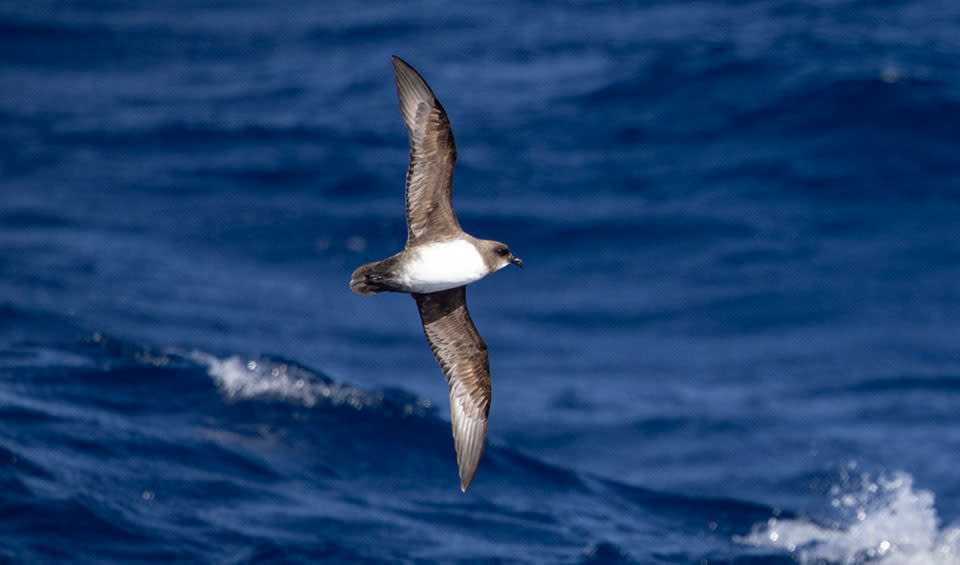
Atlantic petrel
A dark flyer of the South Atlantic, faces a tough fight against invasive mice

American kestrel
The smallest of falcons in the entirety of America, but you would be mistaken to take this bird lightly

Emperor penguin
Aptly named the biggest of the Penguin species & Olympic diver of the bird world
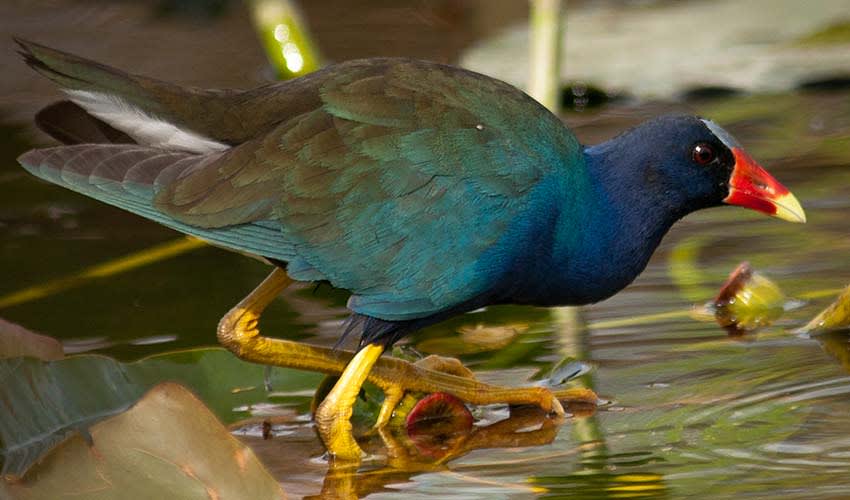
Purple gallinule
One of the most dazzling waterbirds of the Americas, often described as a “swamp jewel”

Northern giant petrel
Well-adapted to the cold Arctic climate and can withstand temperatures as low as -50°C (-58°F)

King penguin
With their stately waddle and regal demeanor, they are the undisputed monarchs of the Antarctic ice

Southern giant petrel
Often called the “vulture of the seas” because of its scavenging habits

Adelie penguin
A small, but mighty bird dressed in a tuxedo and living in one of the coldest places on Earth
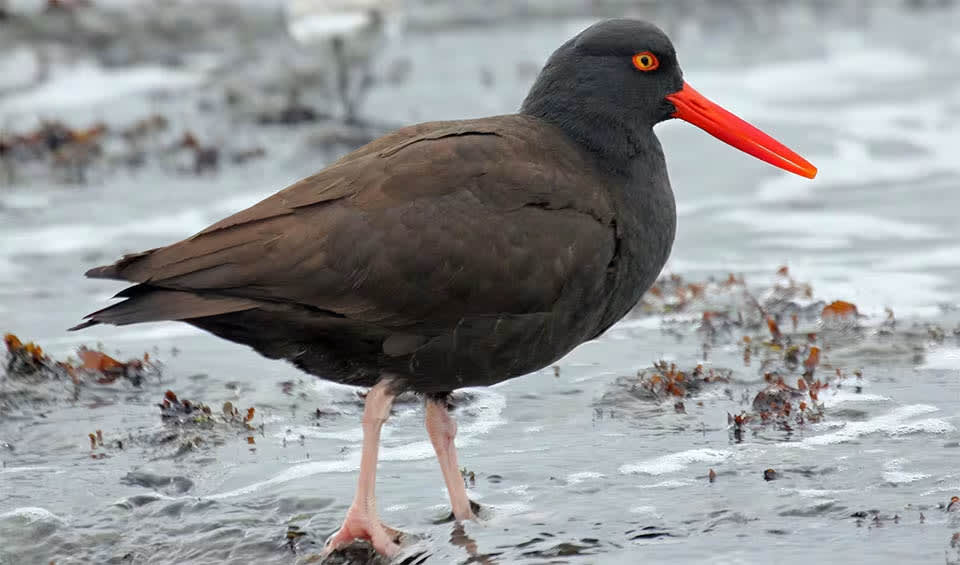
Black oystercatcher
Don’t let their name fool you; they actually prefer to eat mussels and limpets rather than oysters!

Hourglass dolphin
Often called the “sea panda” of the southern seas
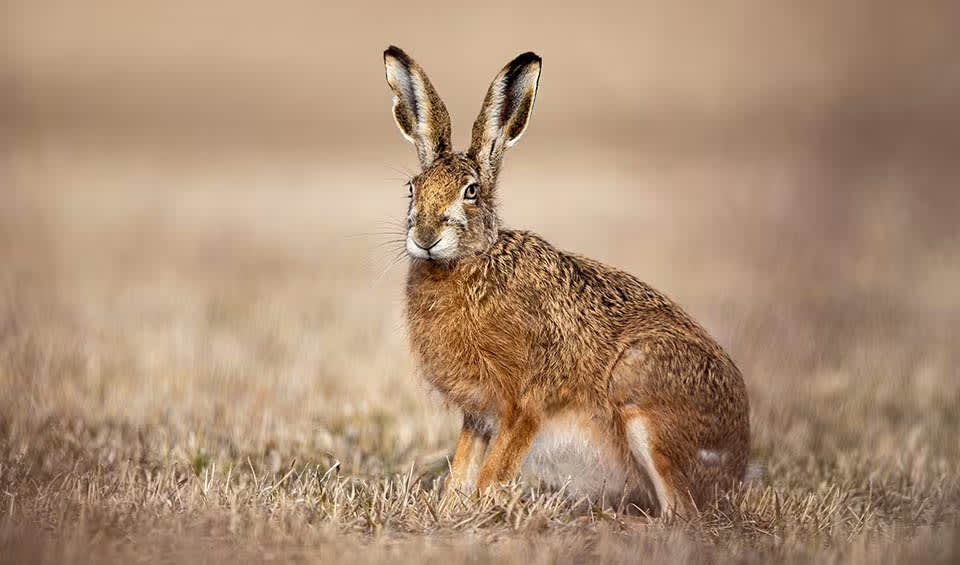
European hare
Unlike rabbits, they don’t live in burrows, instead, they make shallow nests in the grass called forms
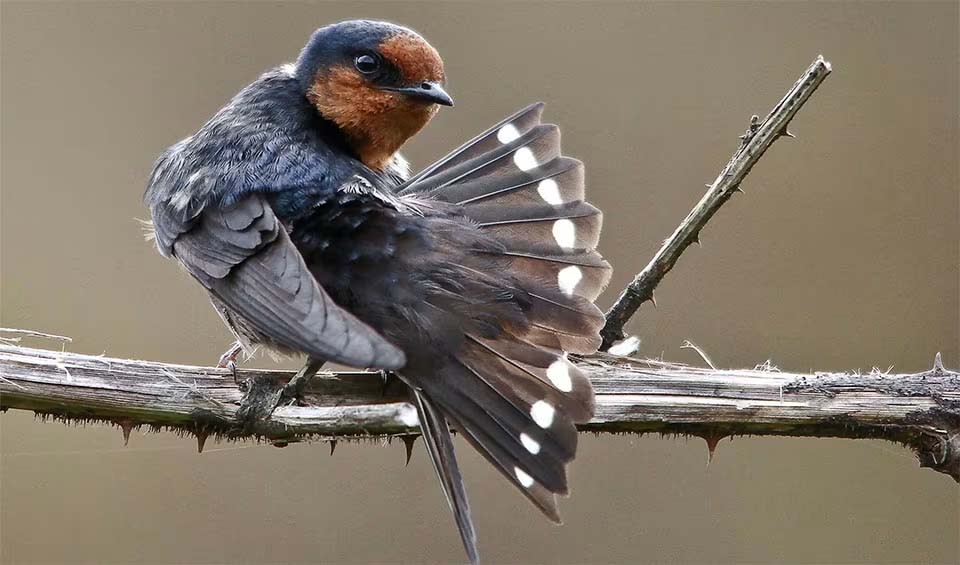
Barn swallow
Most common and widely distributed swallow globally

Southern lapwing
Fearless defenders of their nests and chicks, often taking on much larger animals or humans if they perceive a threat

Great kiskadee
This bird is a real chatterbox, constantly announcing its presence with its loud, three-part call – “kis-ka-dee!”

Burrowing owl
They don’t build their own nests – they cleverly take over burrows abandoned by prairie dogs, ground squirrels, or even tortoises!
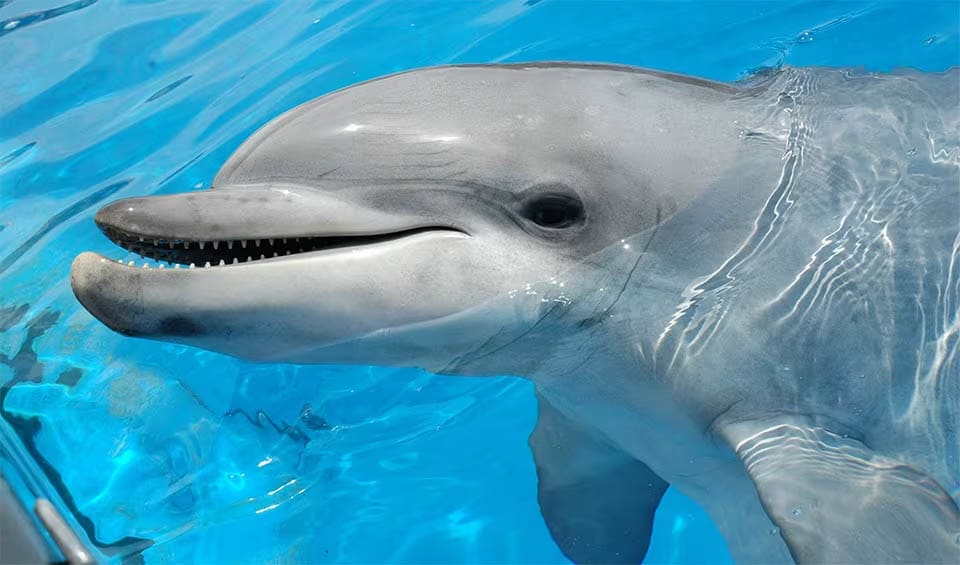
Common bottlenose dolphin
Known for their acrobatic leaps, twisting and turning gracefully as they jump completely out of the water

Snowy egret
In the late 1800s, a single ounce of its feathers could be worth more than gold

Basking shark
Majestic giants of the sea, they peacefully glide through the ocean with mouths agape, filtering the waters for sustenance
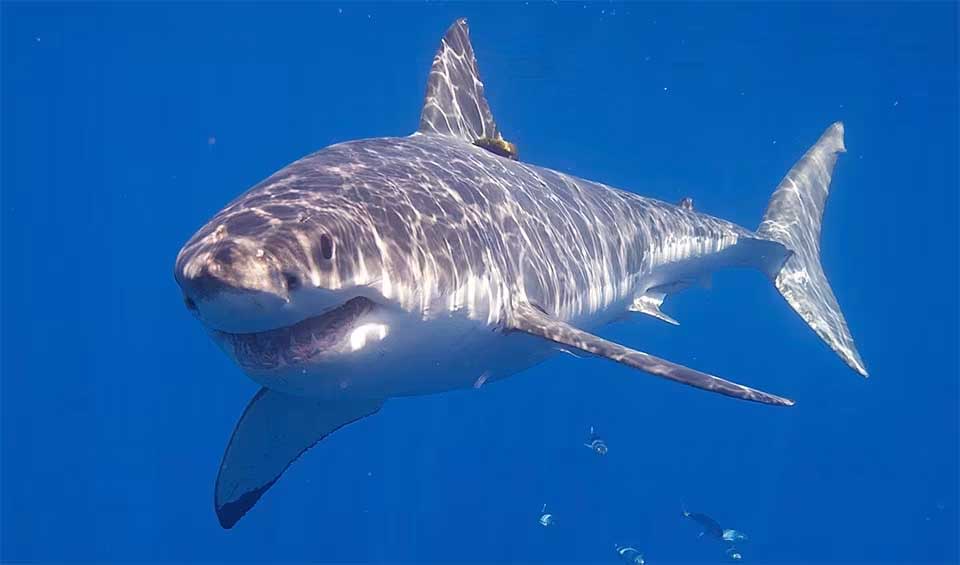
Great white shark
Majestic ocean predators, embodying power, speed, and precision in their pursuit of prey

South American gray fox
They eat fruit—by choice!
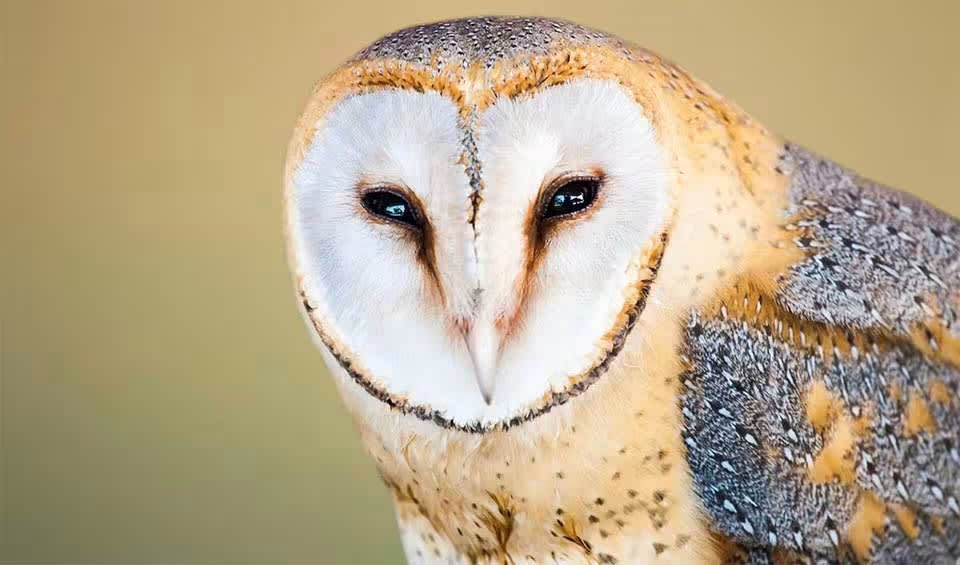
Barn owl
The most cosmopolitan of owls with home ranges extending across the globe

Magellanic penguin
Their call, often compared to a donkey’s bray, is how they got their name in some regions

Erect-crested penguin
The endangered cousin of the Fiordland penguin
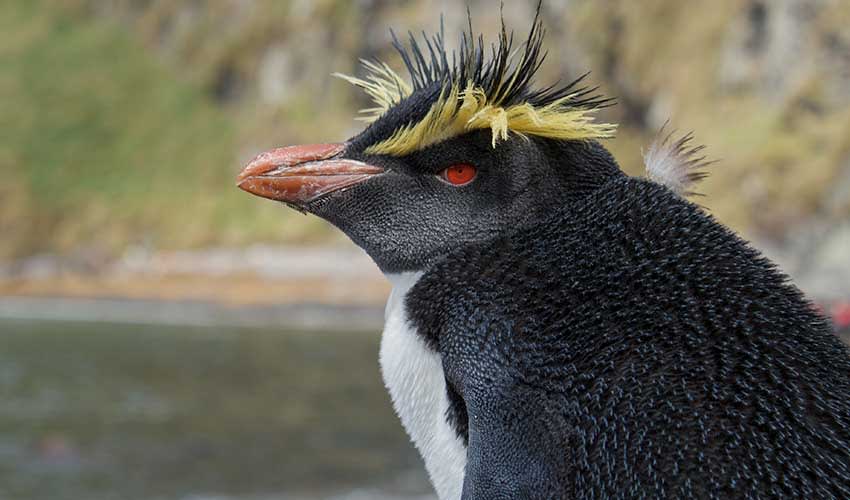
Northern rockhopper penguin
They’re called rockhoppers because they don’t just waddle — they hop from rock to rock using both feet together

Macaroni penguin
The penguin with a cool tiara
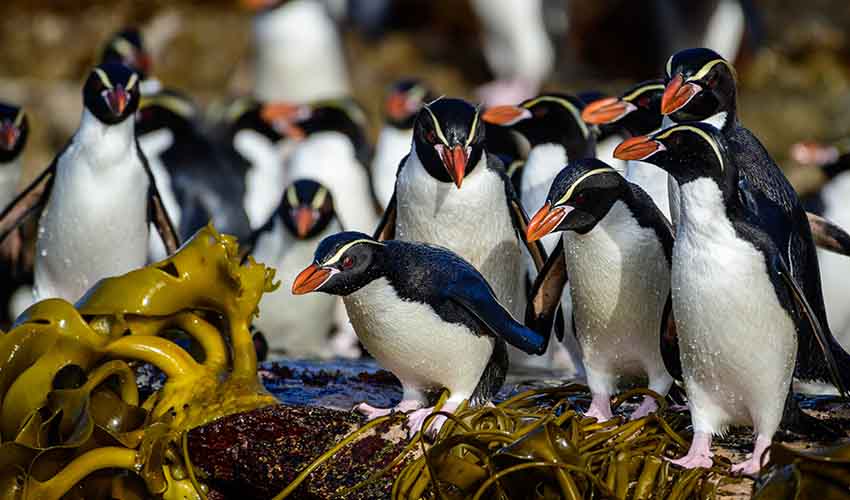
Snares penguin
Known to be long-lived compared to many seabirds
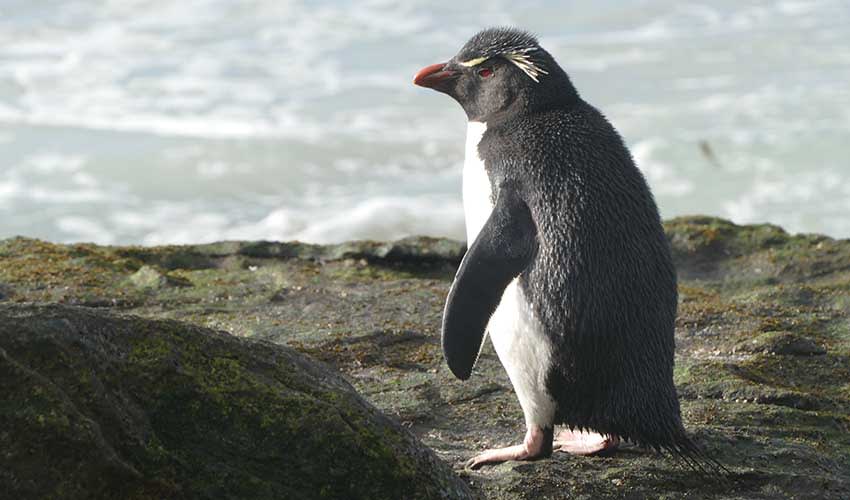
Western rockhopper penguin
Watching them misjudge a jump and immediately try again makes them look stubborn and determined rather than clumsy

Chinstrap penguin
The most grumpy penguin with a helmet and a chinstrap!
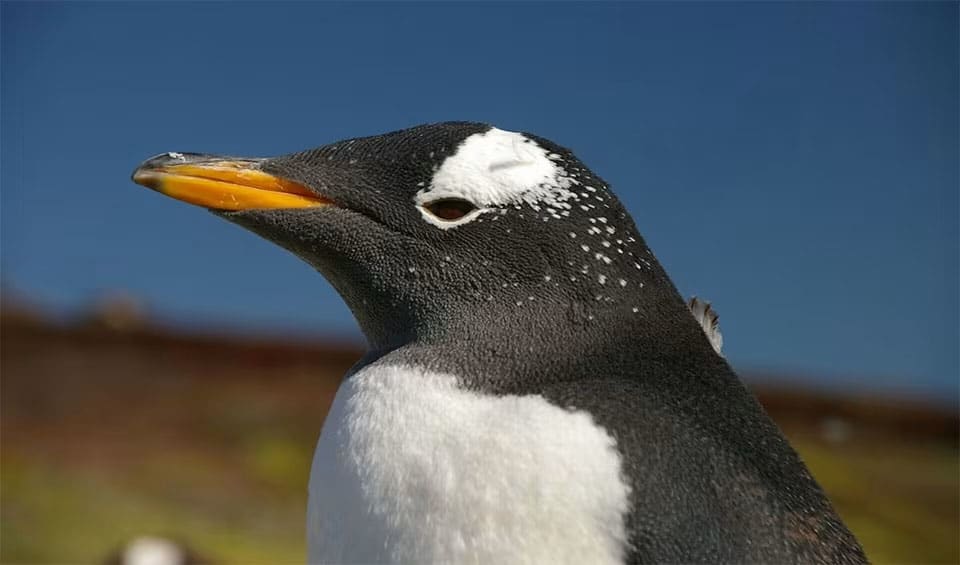
Gentoo penguin
Bushy tailed fastest diving penguin
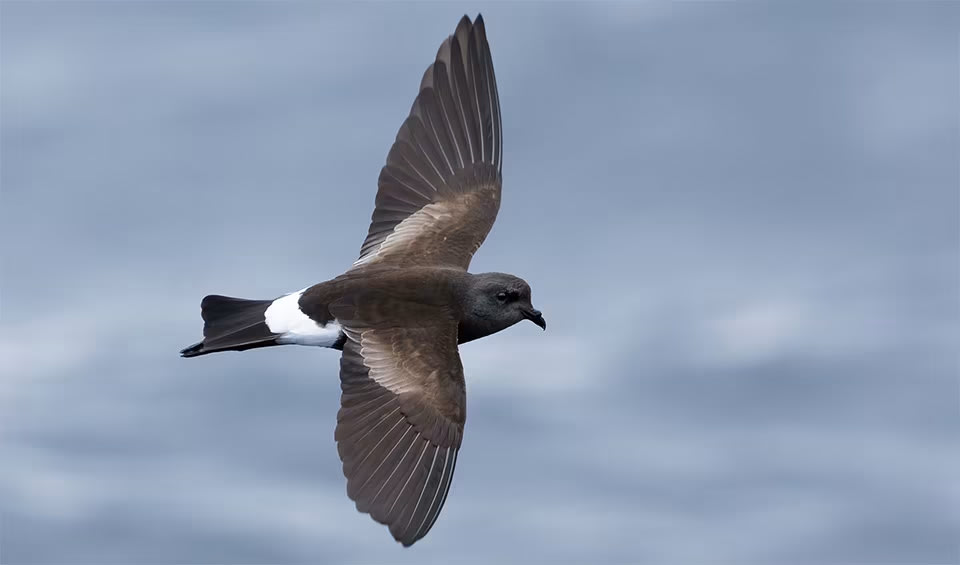
Wilsons storm petrel
This species is found in all world oceans except the north Pacific Ocean

Manx shearwater
Impressive flights but clumsy walking on the ground are observed in these birds due to awkward legs
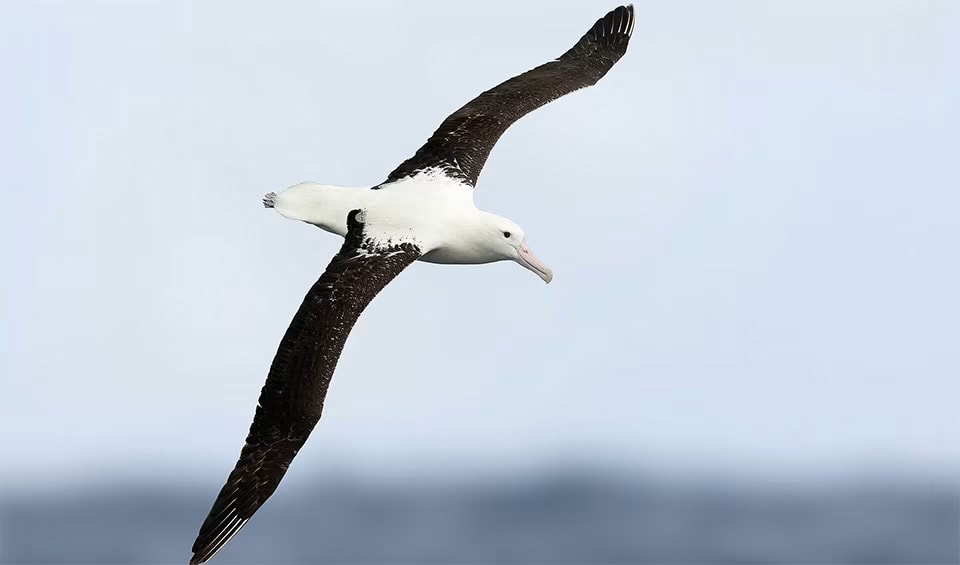
Royal albatross
These mighty birds have the longest wingspan, second only to wandering albatrosses

Wandering albatross
The humongous bird with the largest wing span of 3.5 m (11.5 ft) – seems straight out of a fantasy movie

House sparrow
The most widely dispersed wild bird

Scarlet flycatcher
The scarlet ambush hunter

Roseate spoonbill
An easily recognizable bird due to its pink body and spatulate bill

Peregrine falcon
At the speed of over 321 km/h (200 mph), this bird outraces a Formula1 car

Black-necked stilt
Those impossibly long legs allow it to wade into deeper water than other shorebirds of its size

Black-winged stilt
Elegant long-legged wader, common almost worldwide

Magellanic plover
On the brink of disappearance due to habitat destruction, global warming, and overgrazing

Snowy sheathbill
Try playing hide and seek with this bird in snowy lands

Long-tailed jaeger
This bird is incredibly light, weighing only about as much as a cup of yogurt

Parasitic jaeger
These birds come in two distinct looks—a “light morph” and a “dark morph”
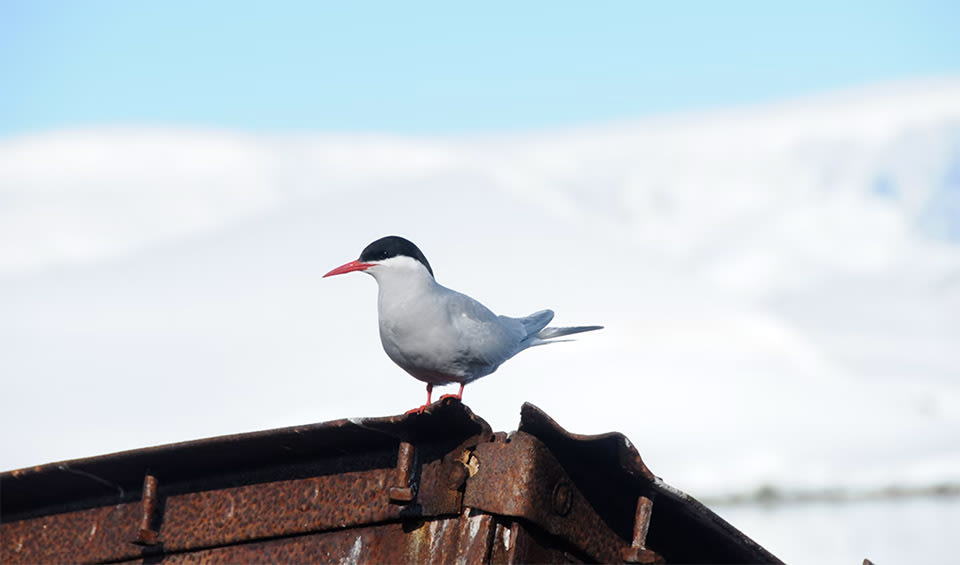
Arctic tern
This bird can give any cross-country runner a run for their money

Common tern
This bird holds the record of the longest distance flown by any bird in recorded history
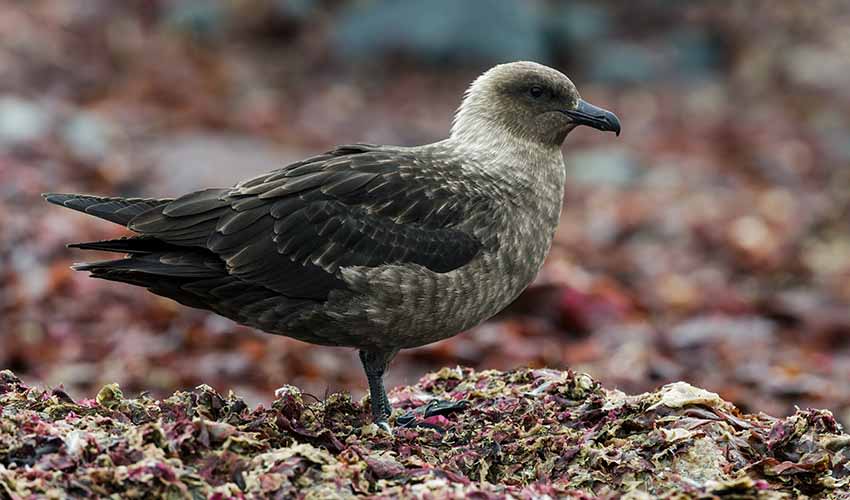
South polar skua
Famous for chasing other seabirds until they drop or cough up their food

Mallard
This invasive species is the ancestor to most of the modern ducks

White-cheeked pintail
So unafraid of humans that they will often swim right up to curious travelers

Leopard seal
The ends of the mouth are permanently curled upwards that look like a smile or a menacing grin

Southern elephant seal
The largest member of the order Carnivora, adult males, can be six times larger than polar bears!
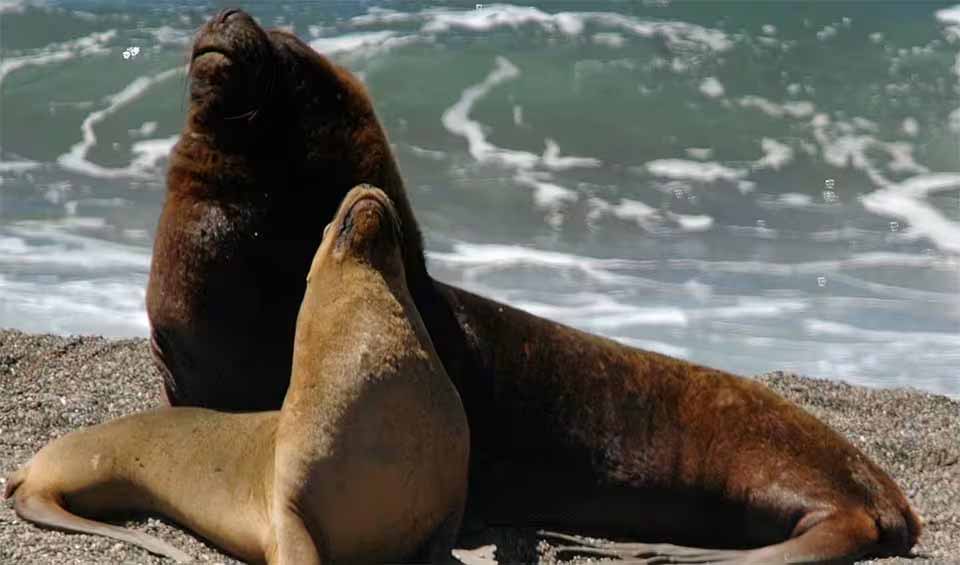
South American sea lion
Unfortunately, they are commonly killed for their habits of damaging fishing nets and stealing fish from fishing and farming operations
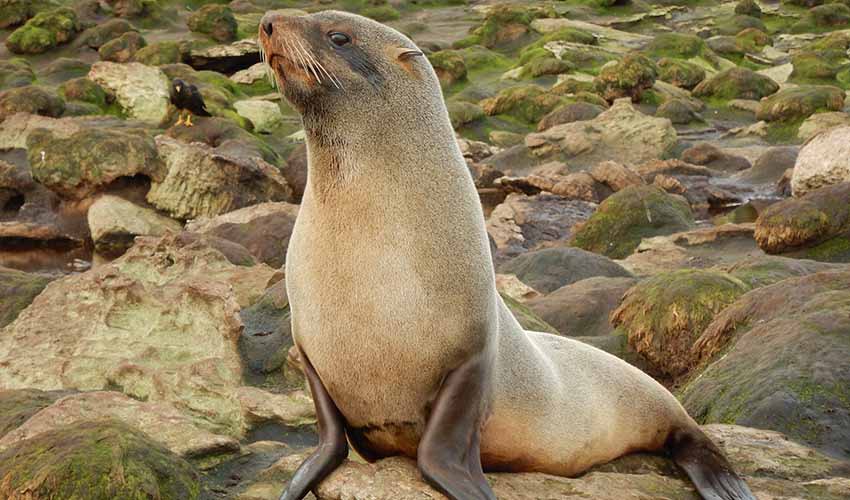
South American fur seal
Its thick, luxurious fur was once heavily hunted for the fur trade
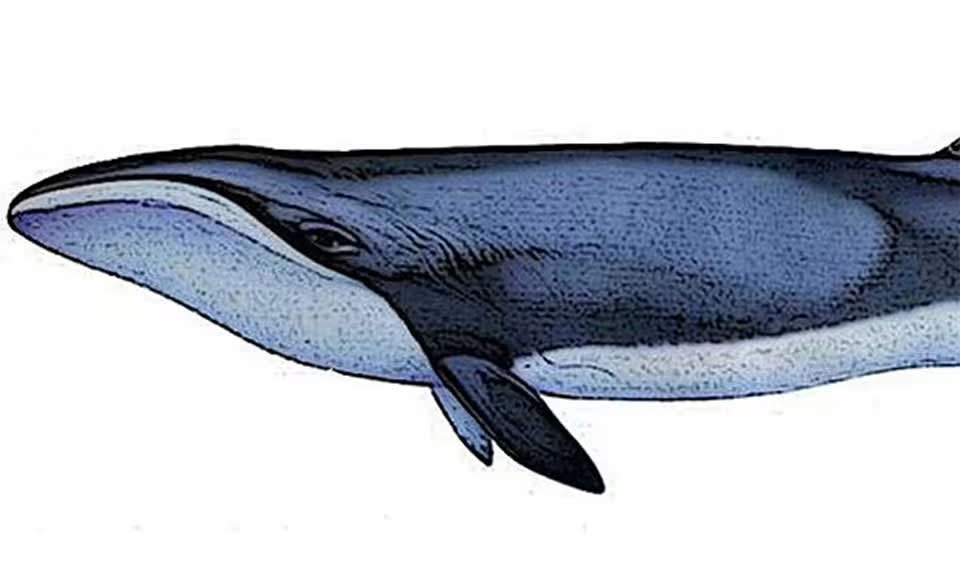
Pygmy right whale
The smallest baleen whale

Southern right whale
Most common of right whales, cruising the southern oceans

Sharp-shinned hawk
Their thin legs are one of the easiest ways to tell them apart from similar hawks

Royal penguin
Got their name from the striking yellow crests and facial plumes that adorn their heads, making them look quite regal

Reindeer/Caribou
Males drop their antlers before Christmas, but females keep their antlers until spring

