Search for Saint Pierre


Black-headed gull
If you look closely at their dark hood, you’ll see two broken white crescents around the eye

Little gull
Most gulls have sharp, pointed wings, but this one has strikingly rounded wingtips
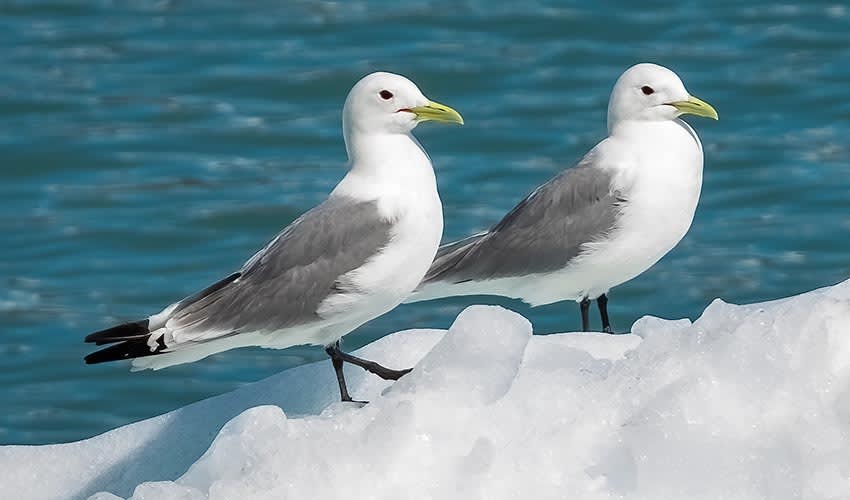
Black-legged kittiwake
During the winter, they are one of the few gull species that becomes truly pelagic

Bonaparte’s gull
Often called the “tern in a gull’s body”

Sabine’s gull
Despite their elegant looks, they are fierce parents
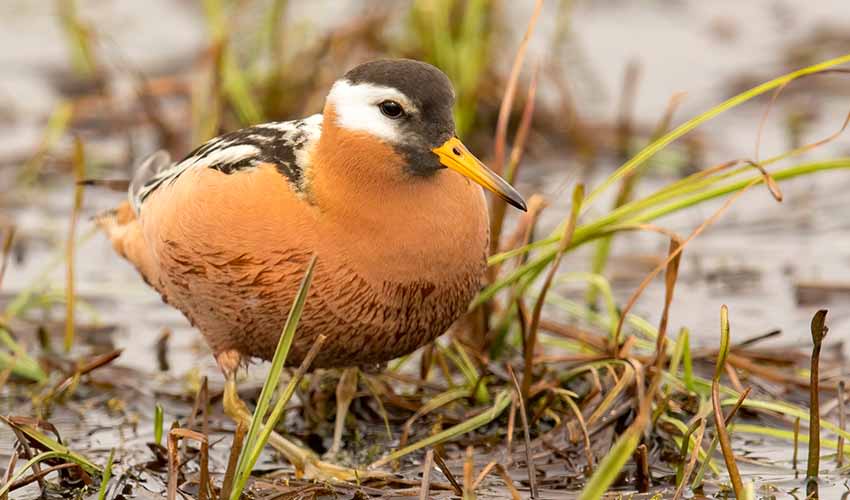
Red phalarope
Rugged enough to survive Arctic blizzards and mid-ocean gales that would ground much larger birds
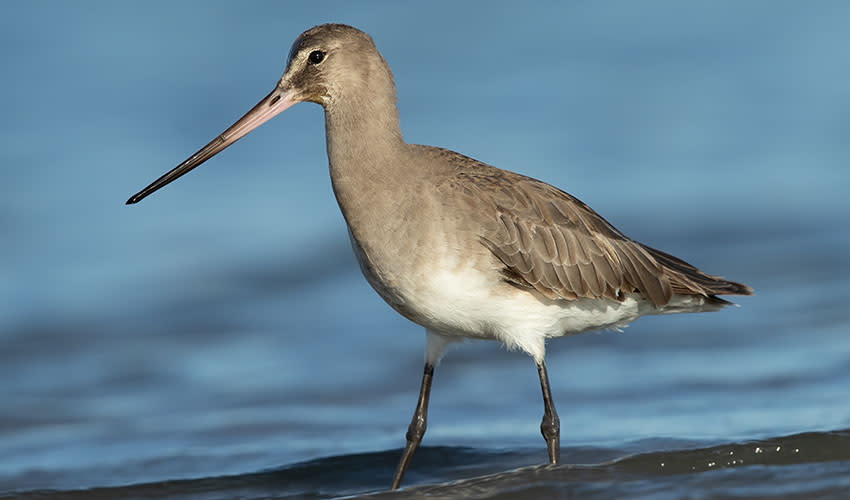
Hudsonian godwit
Despite traveling across entire hemispheres, they often return to the exact same marsh or mudflat

Upland sandpiper
Often called the “shorebird that forgot the shore”

Killdeer
Famous for nesting in the most inconvenient places possible

Common gallinule
A bird that looks like a cross between a sleek chicken and a neon-painted waterfowl

Sora
Possesses a unique physical defense mechanism: the “laterally compressed” body

Green-throated carib
While primarily nectar drinkers, they are also expert “flycatchers”

Common nighthawk
Doesn’t perch across a branch like most birds; it perches lengthwise along the limb

American wigeon
Notoriously high-strung and are often the first ducks to take flight at the slightest hint of danger

Gadwall
One of the most dedicated vegetarians in the waterfowl world

Red-headed woodpecker
Unlike other woodpeckers, this bird loves to catch bugs in the air, not just from trees

Greater yellowlegs
The very tip of the bill has special “pits” that can detect the vibrations of a moving fish in murky water
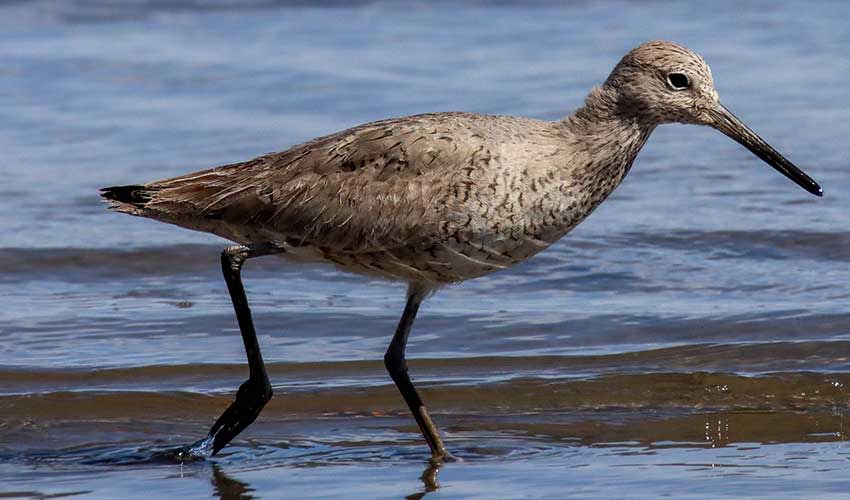
Willet
One of the few shorebirds that can handle small fish and even lizards

Boreal owl
Comfortable hunting in almost complete darkness, relying heavily on their incredible hearing rather than vision alone

Black-billed cuckoo
Once believed that their frequent calling was a sure sign that a thunderstorm was on its way
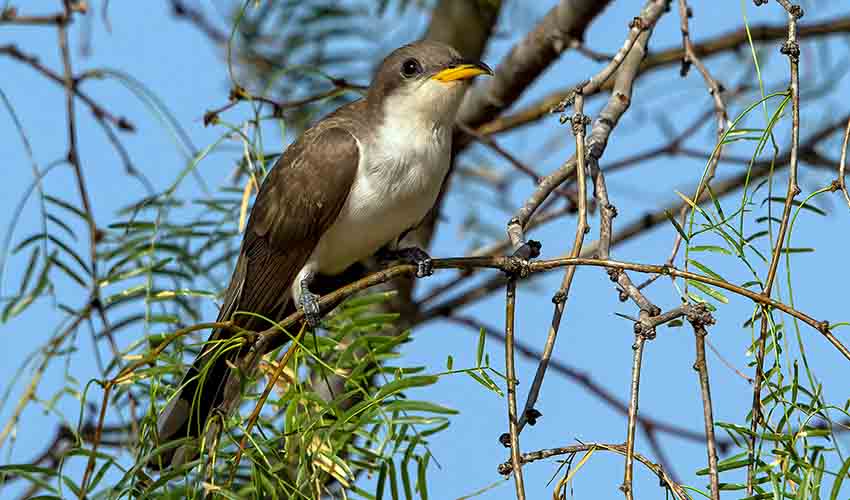
Yellow-billed cuckoo
Its sound is one of the most iconic sounds of the American summer

Little auk
One of the most numerous seabirds in the North Atlantic, with huge colonies in the High Arctic

Grey plover
Can be black, can be grey but it’s the same bird

Bar-tailed godwit
Has one of the longest nonstop flights ever recorded for any bird

American golden plover
These birds perform a massive, circular migration that covers nearly 32,000 km (20,000 miles) annually

Long-tailed duck
One of the deepest-diving ducks

Franklin’s gull
These gulls aren’t scavengers; they are specialized insect eaters.
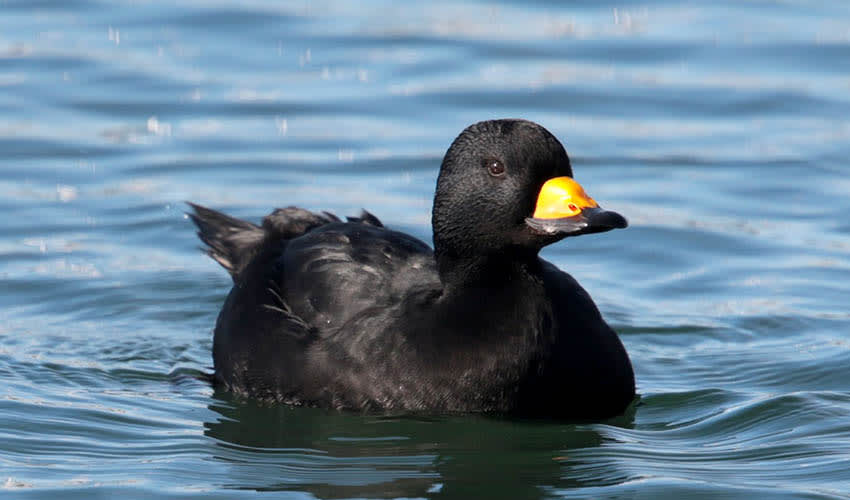
Black scoter
Scan the sea on a cold day, and that “black smudge” past the breakers might be a raft of scoters
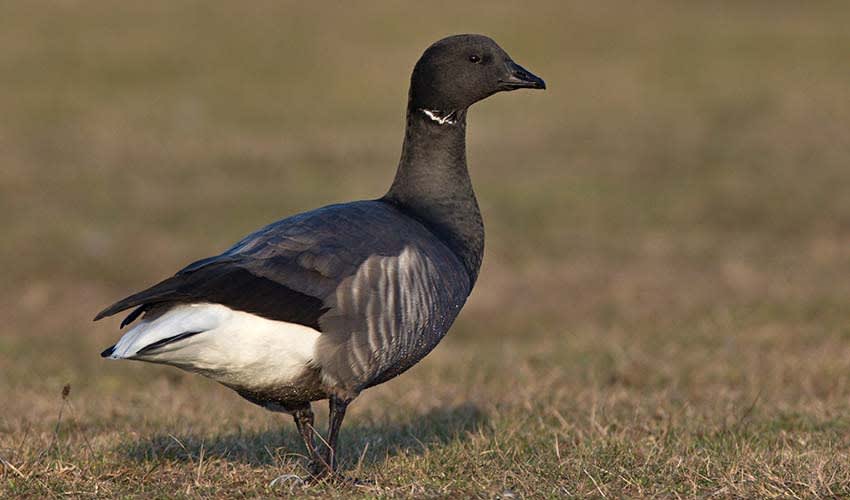
Brant
A bird that scoffs at fresh water and grassy parks

King eider
Honestly looks like a character from an animated movie!

Chuck-will’s-widow
Have a specialized reflective layer behind the retina to help them see in near-total darkness.
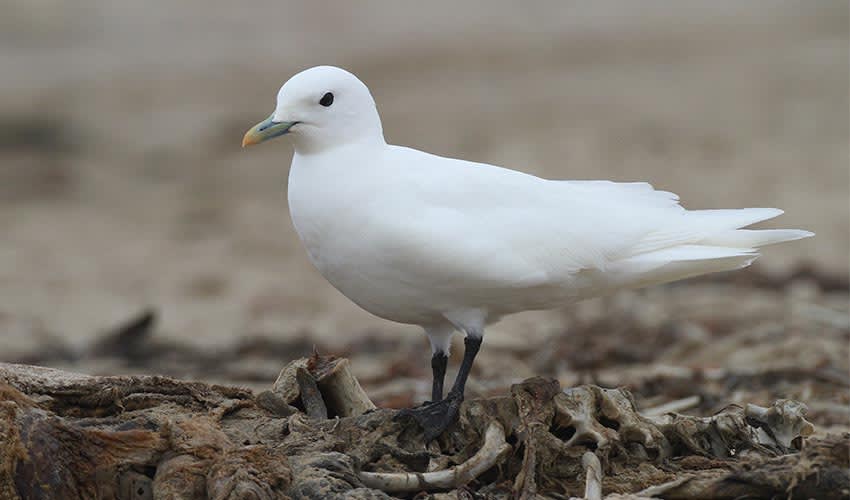
Ivory gull
Often follow predators around, swooping in to feed on leftovers from seal and whale kills—plus seal placentas and even poop
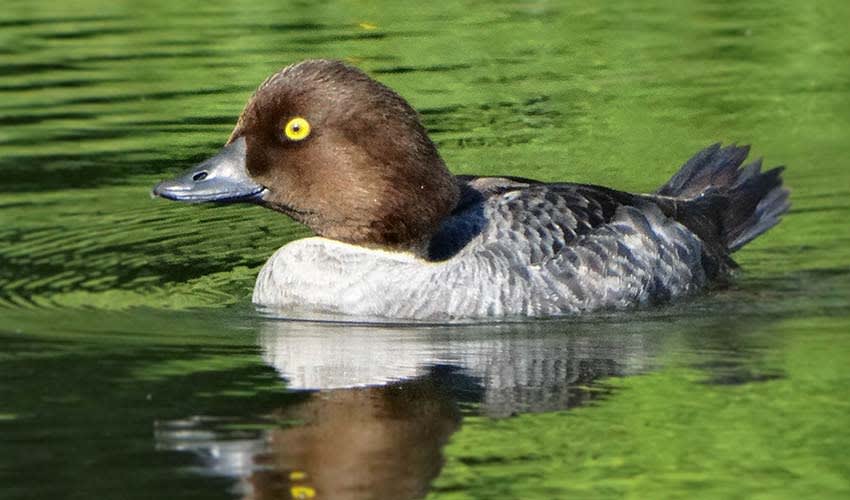
Common goldeneye
Crisp-feathered, fast-flying, and fearless in icy waters

Indigo bunting
Under certain angles, the feathers can look almost black

Northern gannet
Superb gliders and can travel hundreds of kilometers in a day, riding winds with barely a wingbeat

Caspian tern
A heavyweight champ — elegant, yes, but you don’t want to mess with that beak

Northern saw-whet owl
Its eyes make up nearly half the size of its skull, giving it excellent night vision but little room for movement

Striped dolphin
Among the most athletic dolphins, known for their spectacular leaps and spins that can reach several meters high
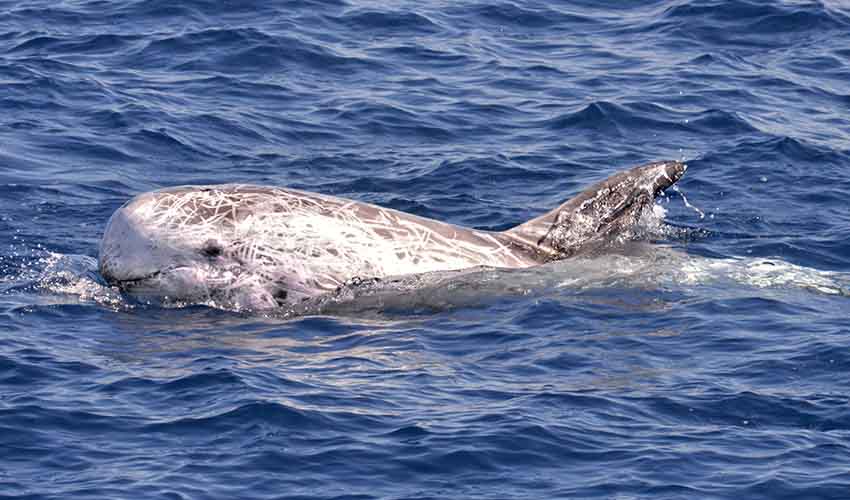
Risso’s dolphin
Sometimes called the “scars in the water” thanks to their many white markings
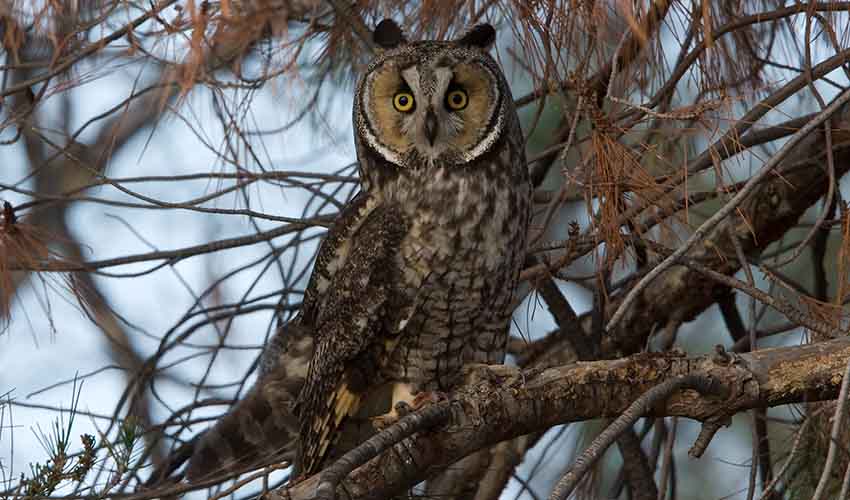
Long-eared owl
Its flight is nearly soundless, thanks to specially fringed wing feathers that disrupt air turbulence

Short-eared owl
Defies the usual “creature of the night” stereotype by thriving in open landscapes and often hunting boldly in daylight

Razorbill
Spend most of the year out on the open ocean, far from land, only returning to cliffs to breed

Sand martin
A bird that carries the rhythms of the seasons on its wings

Red knot
In winter, they’re plain grey and white, but in the Arctic summer, they turn into a glowing rusty red

Snowy owl
There is more to this species than its majestic coat of thick white feathers and piercing yellow eyes
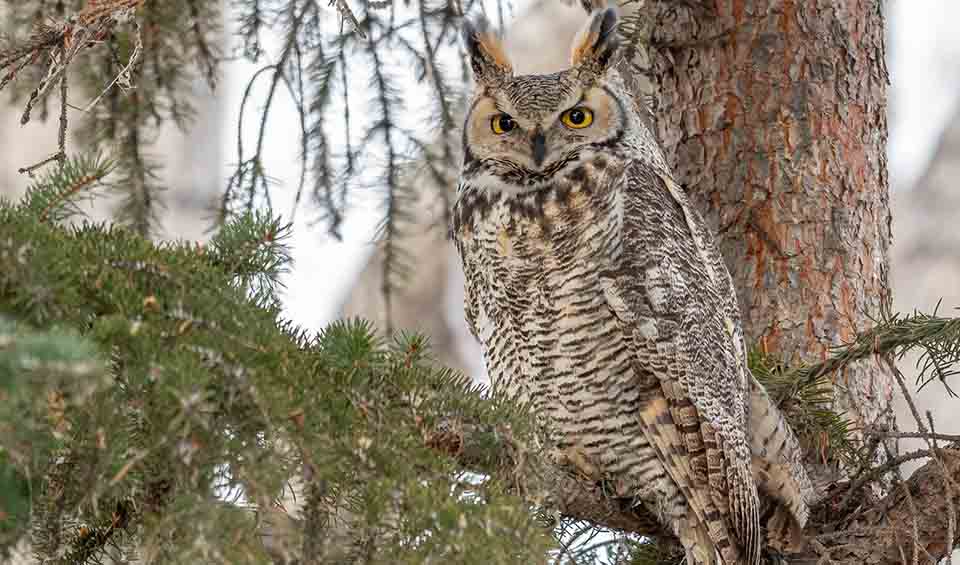
Great horned owl
Often called the “tiger of the sky” because of its fierce hunting skills and bold personality

Ruddy turnstone
They flip the script — literally!
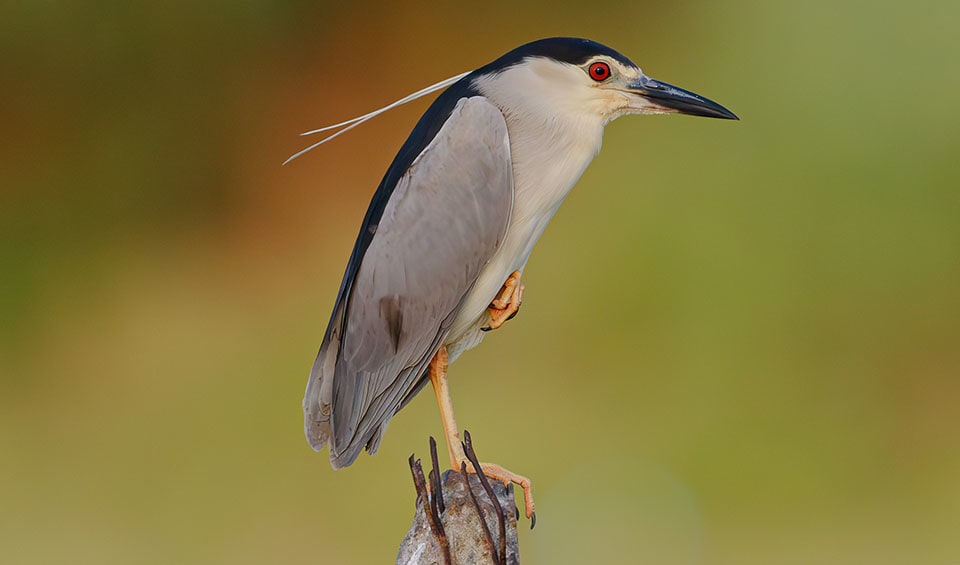
Black-crowned night heron
One of the most widespread and adaptable herons in the world

Yellow-crowned night heron
Crabs make up over 90% of their diet

American robin
Their shape and style are closer to forest thrushes—just way more comfortable around people

Great black-backed gull
Capable of living surprisingly long lives in some of the harshest, stormiest environments on Earth

Laughing gull
Once you’ve heard them laugh, it’s hard to forget!
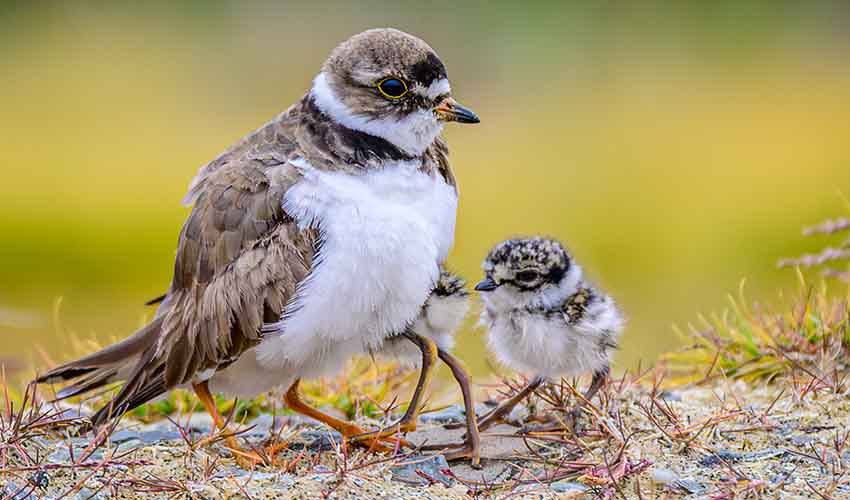
Semipalmated plover
Often described as the “compact” version of the plover family

American kestrel
The smallest of falcons in the entirety of America, but you would be mistaken to take this bird lightly

Goosander
Its long, serrated beak, often called a “sawbill,” is perfectly adapted for catching slippery prey like fish
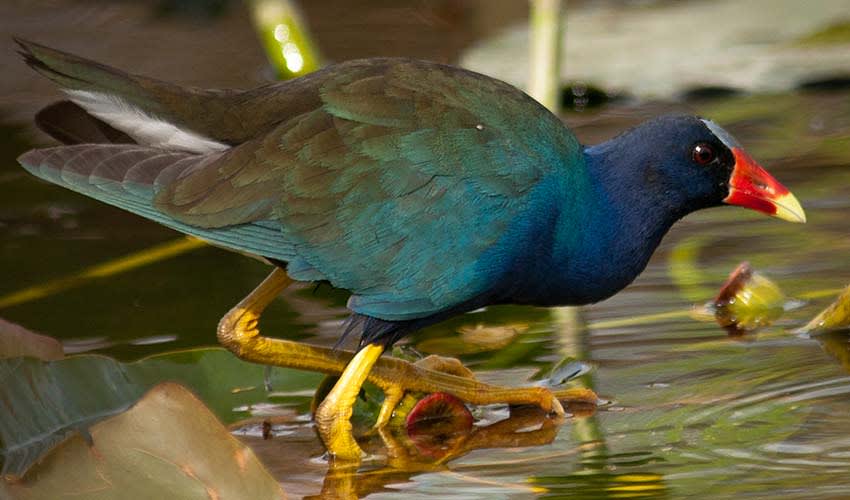
Purple gallinule
One of the most dazzling waterbirds of the Americas, often described as a “swamp jewel”

European starling
Brilliant mimics, they can copy bird calls and even human-made sounds like car alarms and ringing phones!

Lesser black-backed gull
A common sight in coastal regions throughout the Northern Hemisphere

Black guillemot
Can withstand harsh winter conditions, often remaining at sea even when the water is frozen

Ring-billed gull
While they are famous for stealing fries, they have a very ancient, natural hunting technique called “foot-paddling”
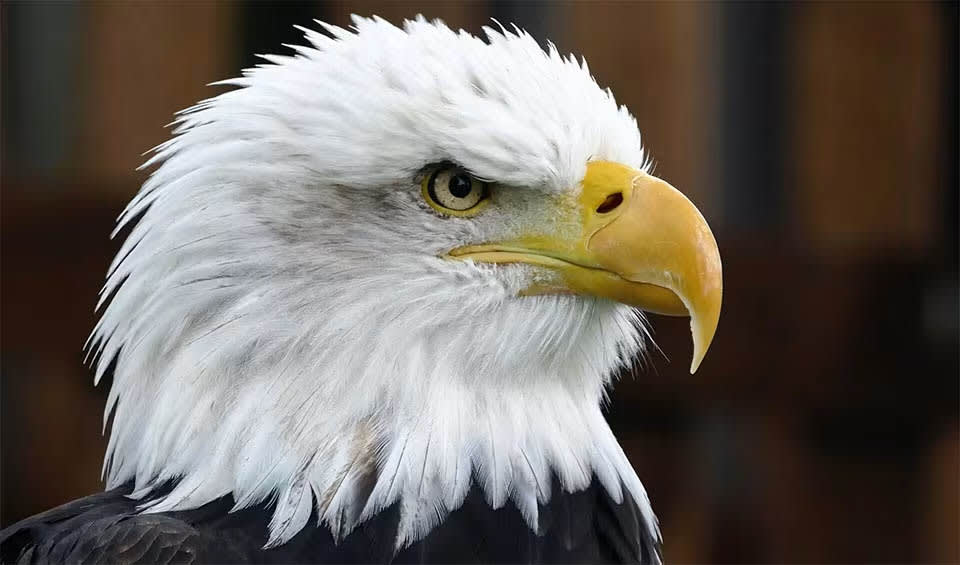
Bald eagle
The magnificent national bird of the United States, distinguished by a snowy white head, neck, and tail
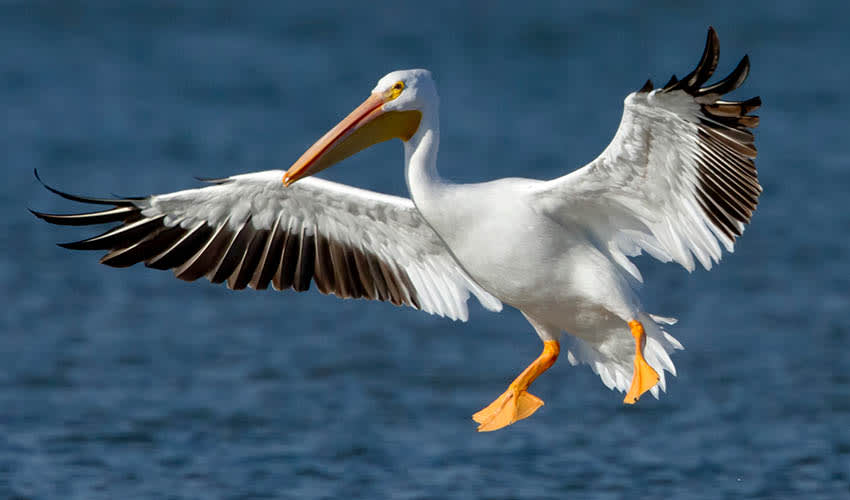
American white pelican
Despite their size, they are surprisingly buoyant and can sit high on the water like boats

Virginia rail
Has evolved a forehead with uniquely stiff, hair-like feathers
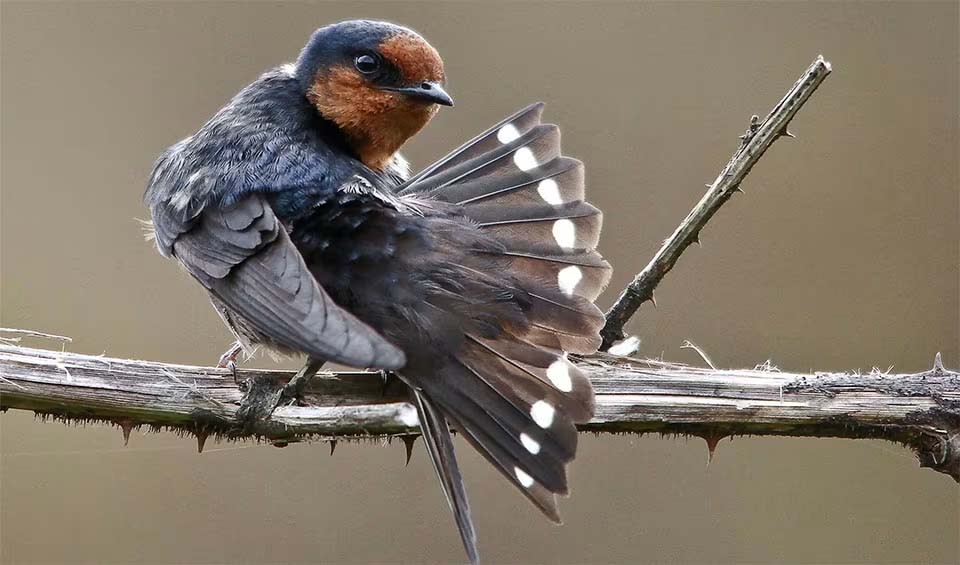
Barn swallow
Most common and widely distributed swallow globally

Northern lapwing
Very active and noisy, with a loud, piercing call that sounds like “pee-wit”
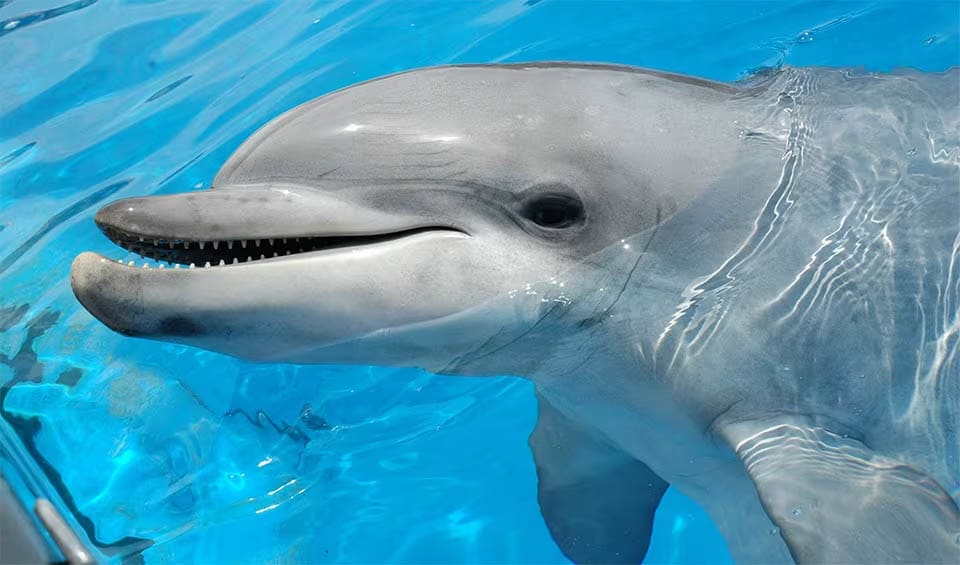
Common bottlenose dolphin
Known for their acrobatic leaps, twisting and turning gracefully as they jump completely out of the water

Tundra swan
Often seen sleeping on frozen lakes with their heads tucked under their wings

Sandhill crane
Known for their elaborate courtship dances, which involve leaping, bowing and trumpeting

Little egret
During breeding, they transform with elegant white plumage, adorned by decorative plumes on the head, neck, and back
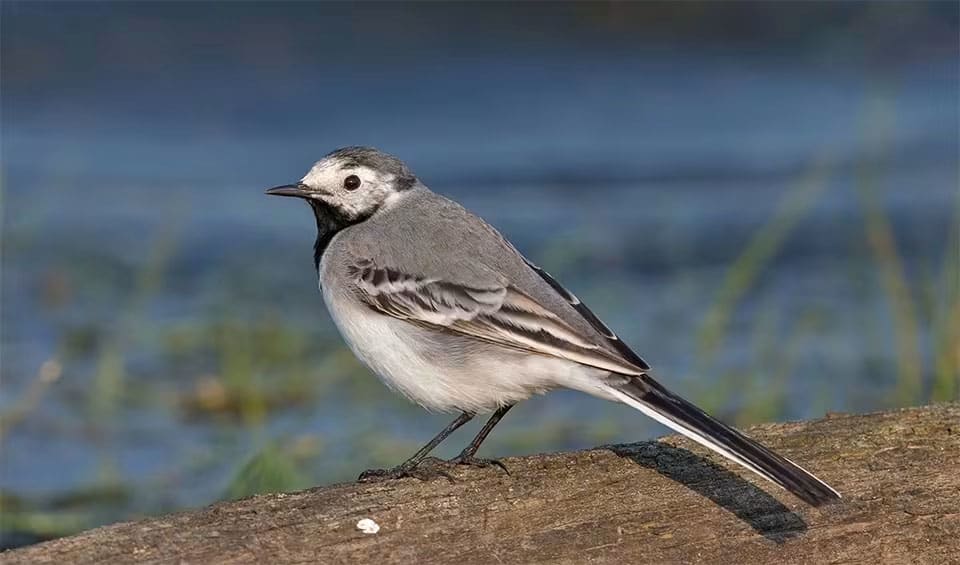
White wagtail
Holds cultural symbolism in some societies, representing good luck

Snowy egret
In the late 1800s, a single ounce of its feathers could be worth more than gold
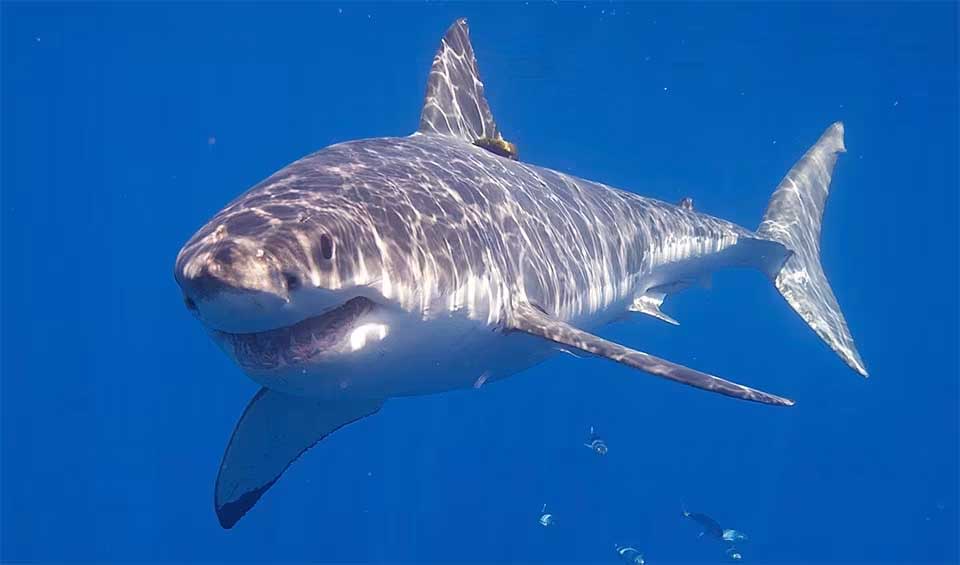
Great white shark
Majestic ocean predators, embodying power, speed, and precision in their pursuit of prey

Great cormorant
Due to their adaptability and willingness to migrate to more favorable habitats, great cormorants are found worldwide
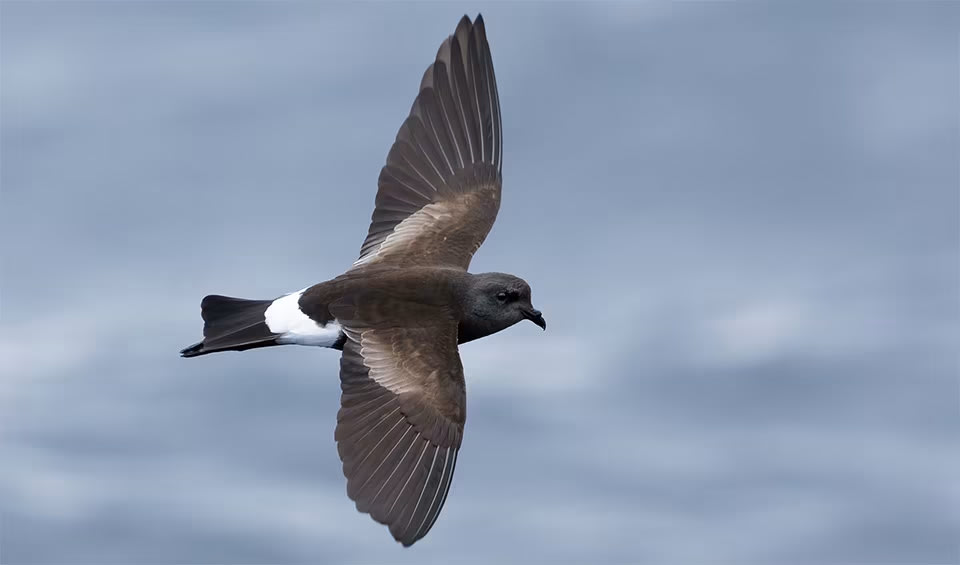
Wilsons storm petrel
This species is found in all world oceans except the north Pacific Ocean

Leachs storm petrel
These petrels stylishly ride the ocean waves like they own the winds

Manx shearwater
Impressive flights but clumsy walking on the ground are observed in these birds due to awkward legs

Glossy ibis
These birds seem to have lost their way to the beauty pageant
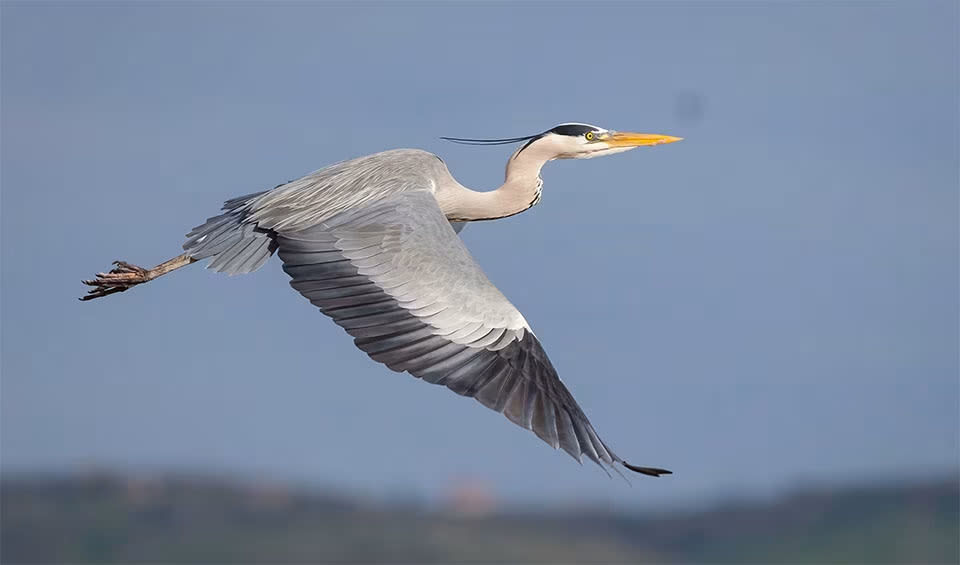
Gray heron
Exhibit powerful flight, with distinctive slow wing beats and an extended neck, defining features during their aerial movements

House sparrow
The most widely dispersed wild bird

Common loon
They melt ice with their bodies (sort of)

Willow ptarmigan
Most common of the Galliformes in the wild habituating subarctic Tundra can tolerate brutally cold winters

Red-throated loon
One of the earliest waterbirds to begin nesting in the Arctic spring, sometimes before ice fully melts

Gyrfalcon
Largest of falcons: can grow up to 60cm (2 ft) in height

Merlin
The pocket-sized falcon with an eagle’s attitude

Peregrine falcon
At the speed of over 321 km/h (200 mph), this bird outraces a Formula1 car

Great skua
Jack Sparrow of the bird kingdom

Long-tailed jaeger
This bird is incredibly light, weighing only about as much as a cup of yogurt

Parasitic jaeger
These birds come in two distinct looks—a “light morph” and a “dark morph”

Pomarine jaeger
In the winter, they lose those iconic “spoon” tail feathers, making them much harder to identify

Common murre
The penguins that can fly

Atlantic puffin
This incredible bird can hold up to 30 fish in its beak at once
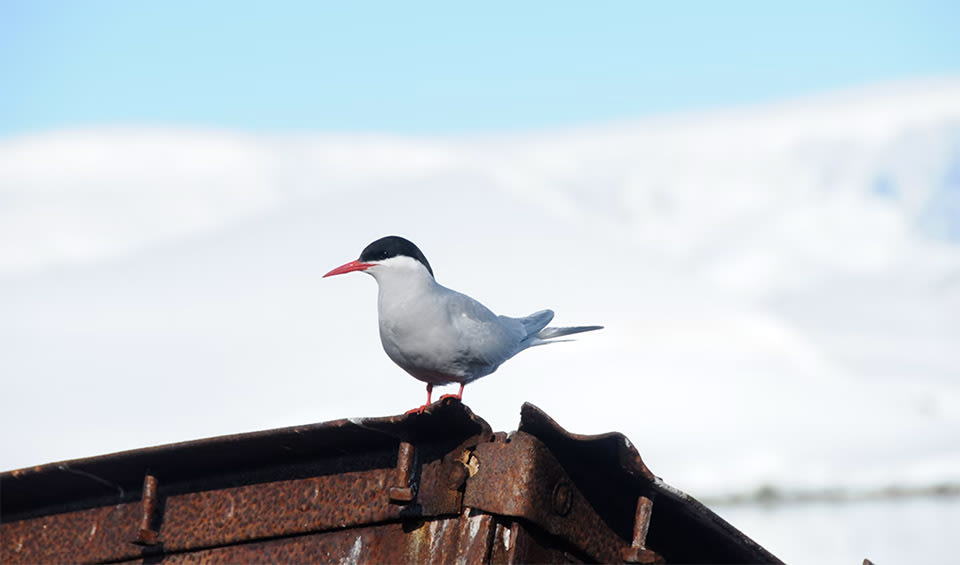
Arctic tern
This bird can give any cross-country runner a run for their money

Common tern
This bird holds the record of the longest distance flown by any bird in recorded history

American woodcock
This incredible bird can feel the vibrations made by a worm to find it and consume it
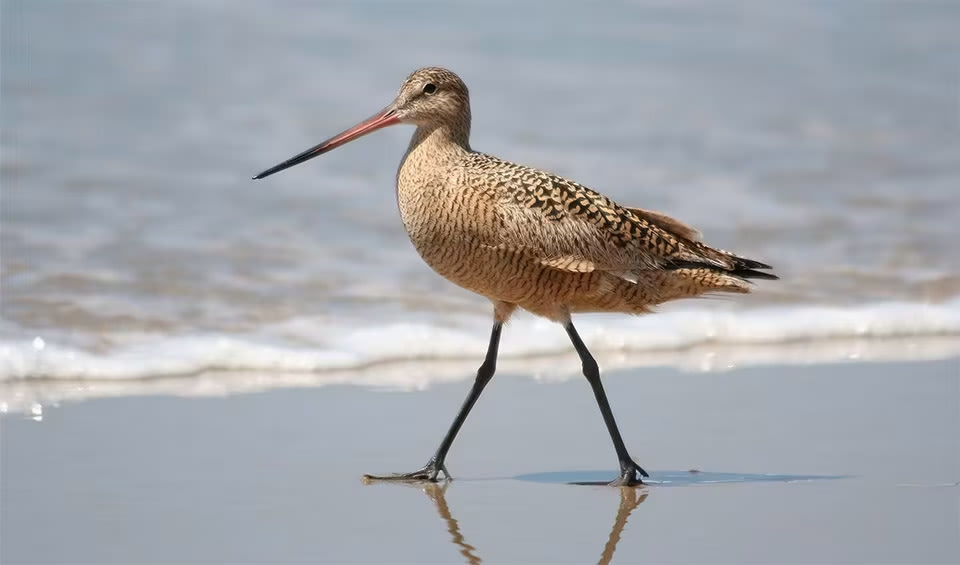
Black-tailed godwit
The most elegant of all godwit species
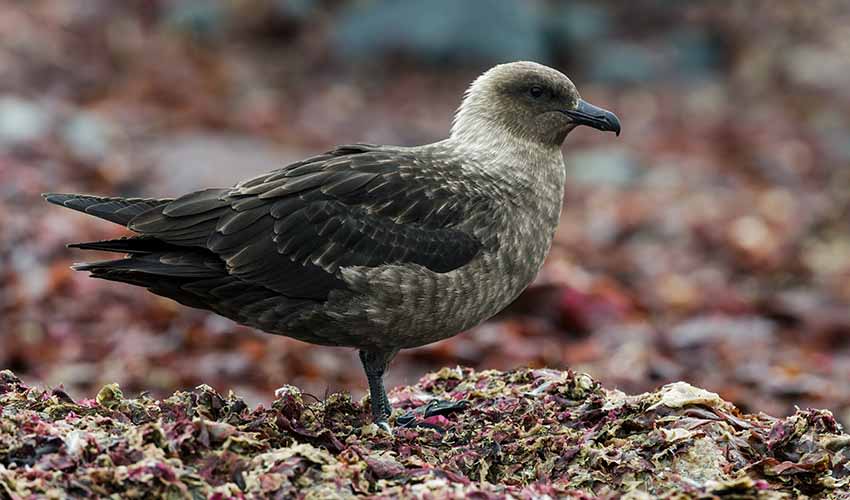
South polar skua
Famous for chasing other seabirds until they drop or cough up their food

American black duck
Looks a lot like a Mallard but turned way darker

Common swift
These enthusiastic travelers can be seen almost worldwide in different seasons

Wood duck
The red-eyed hipsters of the duck world

Mallard
This invasive species is the ancestor to most of the modern ducks
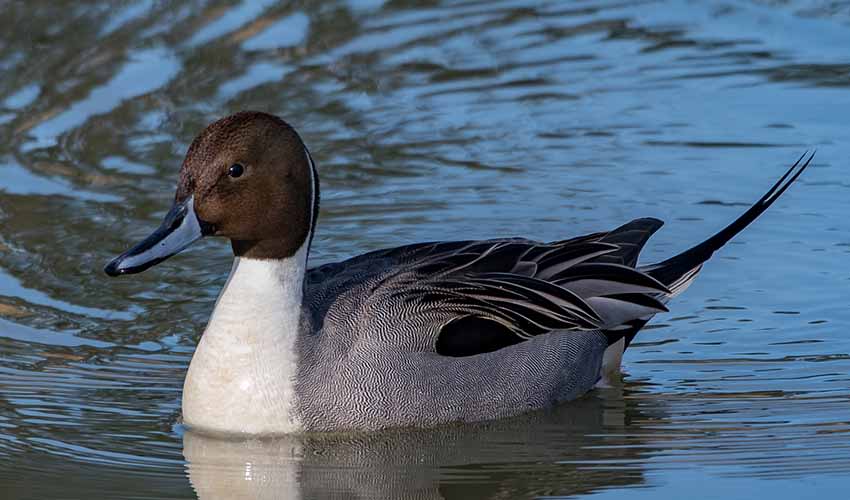
Northern pintail
Have been recorded at altitudes over 16,000 feet during migration—almost as high as small airplanes!

Golden eagle
This majestic brown raptor is most widely distributed eagle species

Osprey
One of only six land-birds with a cosmopolitan distribution habituating all continents except Antarctica

Roseate tern
One of the UK’s rarest breeding seabird
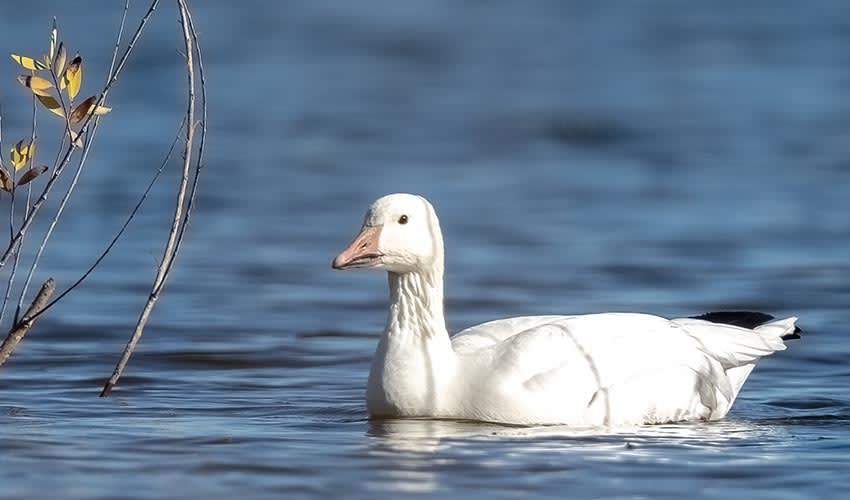
Snow goose
The undisputed “winter monarch” of the bird world

North Atlantic right whale
Believed to be only seen by scientists for 50 hours in the last 50 years

Sharp-shinned hawk
Their thin legs are one of the easiest ways to tell them apart from similar hawks

