Search for Philippines
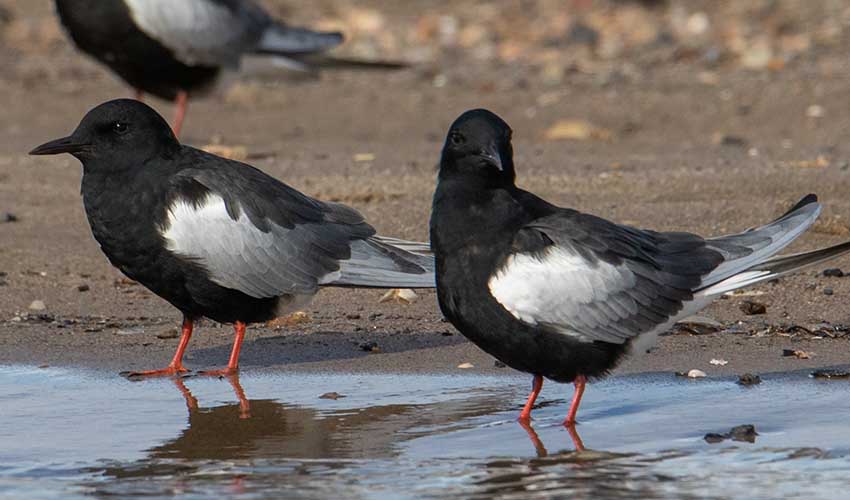


White-winged tern
A single flock can clear out thousands of mosquitoes and agricultural pests in a single afternoon
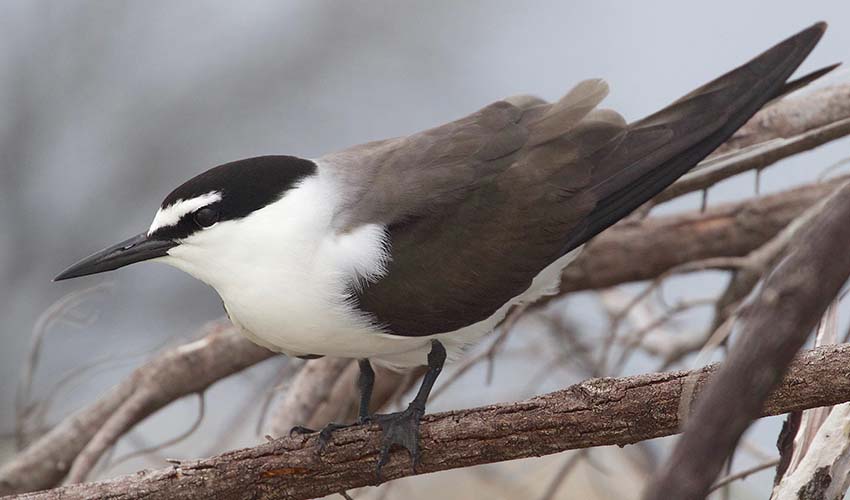
Bridled tern
Known to “ride out” massive tropical storms by flying into the calm eye of the hurricane
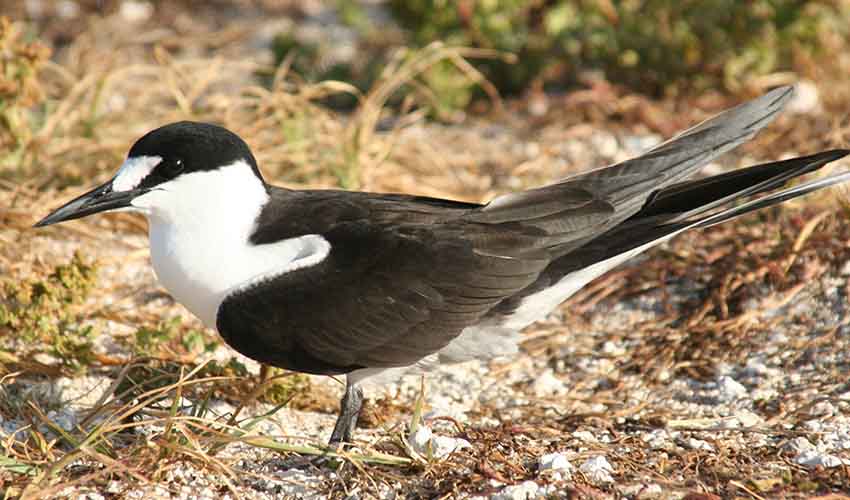
Sooty tern
Remains as one of the most resilient residents of the tropics
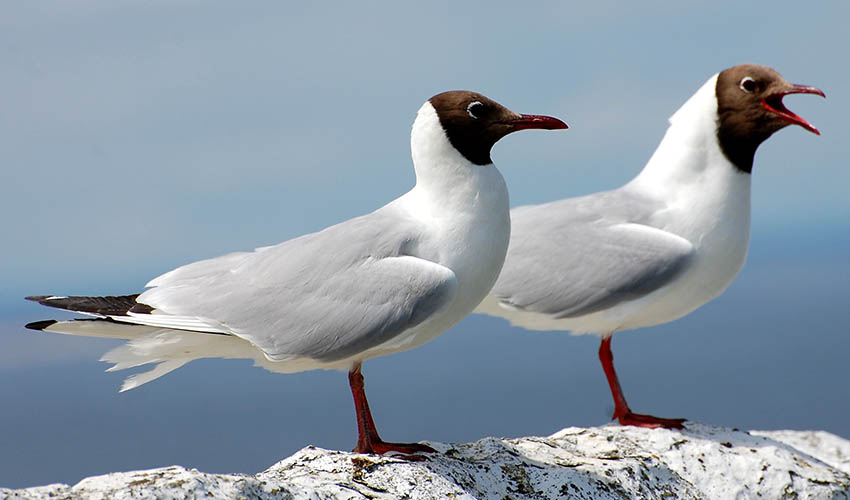
Black-headed gull
If you look closely at their dark hood, you’ll see two broken white crescents around the eye
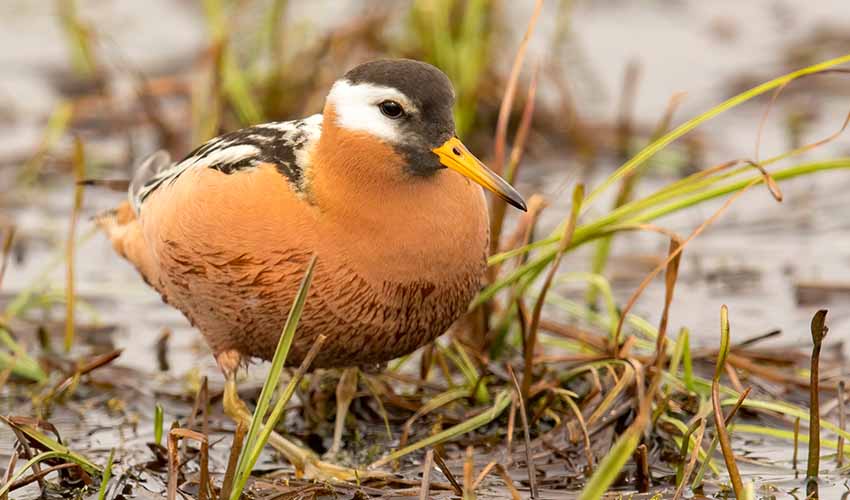
Red phalarope
Rugged enough to survive Arctic blizzards and mid-ocean gales that would ground much larger birds

Gadwall
One of the most dedicated vegetarians in the waterfowl world

Philippine pygmy woodpecker
Meet the smallest woodpecker in the Philippines

Nordmann’s greenshank
Usually looks shorter-legged because of its overall build and stance
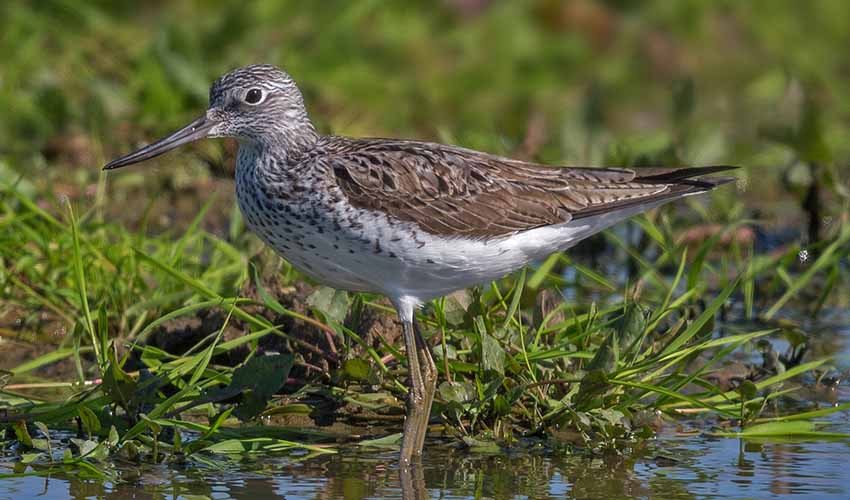
Common greenshank
When it’s time to migrate, they don’t just fly; they go into orbit
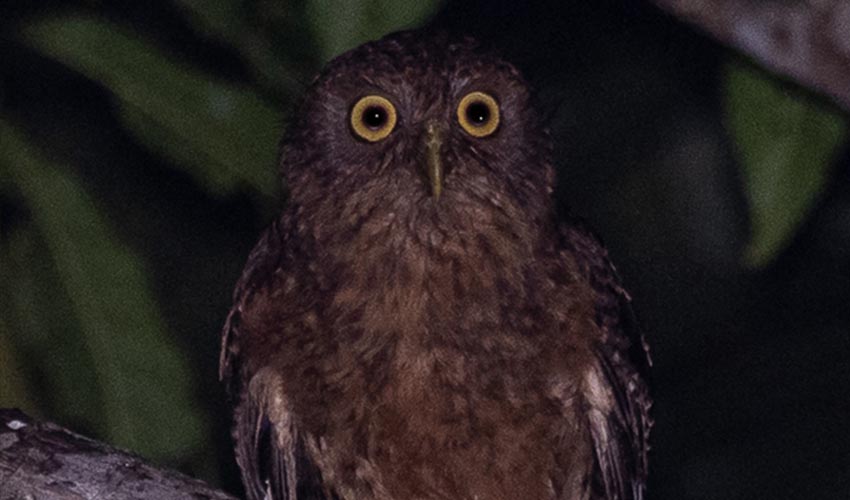
Romblon boobook
Most encounters are by sound, because it keeps hidden in thick foliage during the day

Camiguin boobook
Famous for having greenish-yellow to grayish eyes, a standout feature among Philippine owls
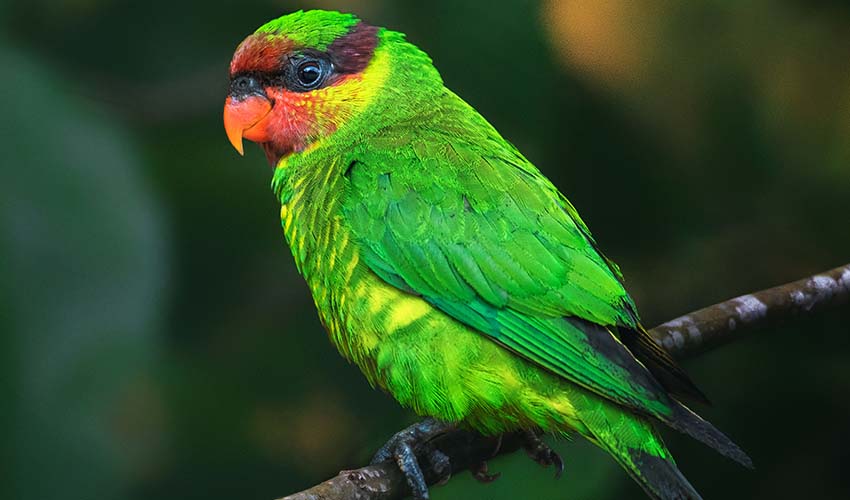
Mindanao lorikeet
Most active when flowers are in bloom, especially early in the morning
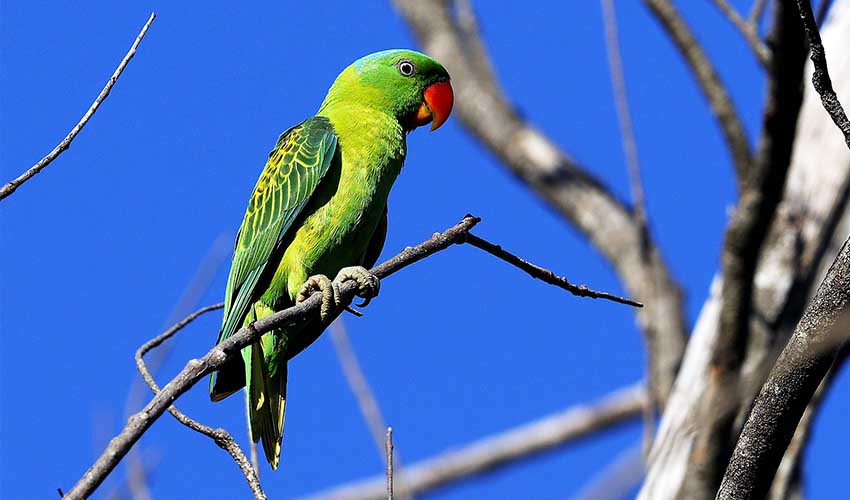
Blue-naped parrot
Capable of mimicking simple sounds, which has made them popular in captivity
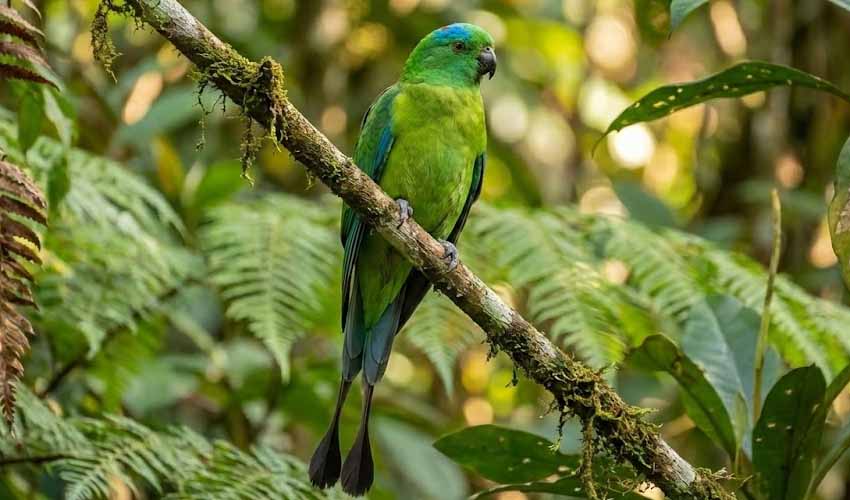
Blue-winged racquet-tail
Its racquet-shaped tail feathers are among the most unusual tail designs found in any parrot species
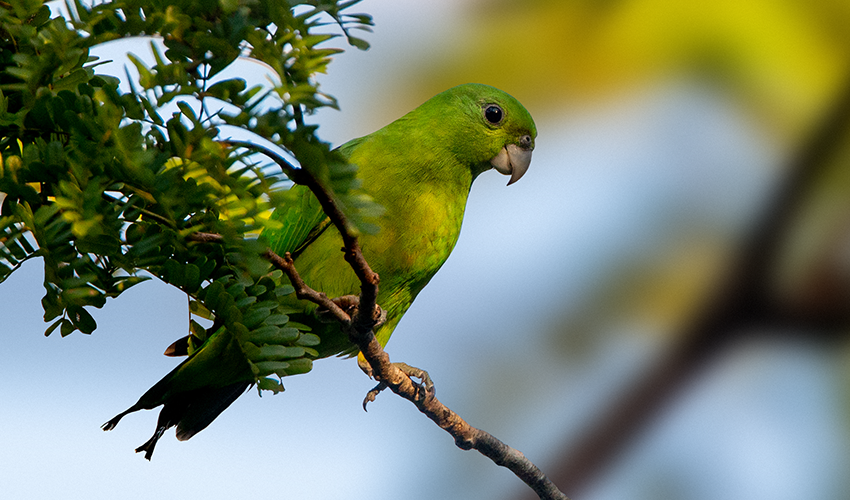
Green racket-tail
A green bird that’s hard to spot—until the tail moves
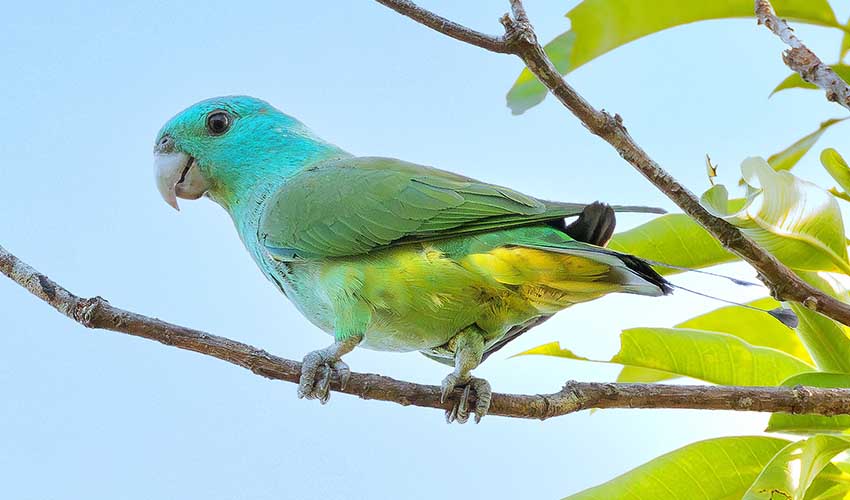
Blue-headed racket-tail
Those unique tail “rackets” can make a soft swishing sound during flight
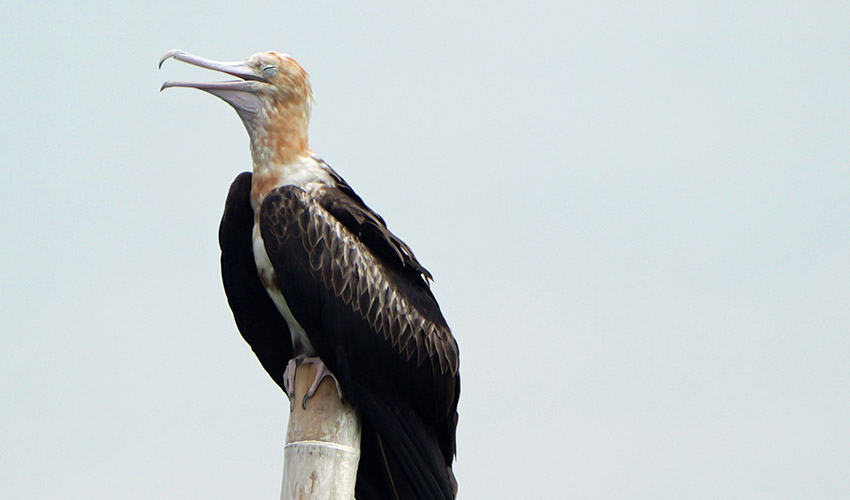
Christmas Island frigatebird
Cannot swim or land on water because their feathers are not waterproof
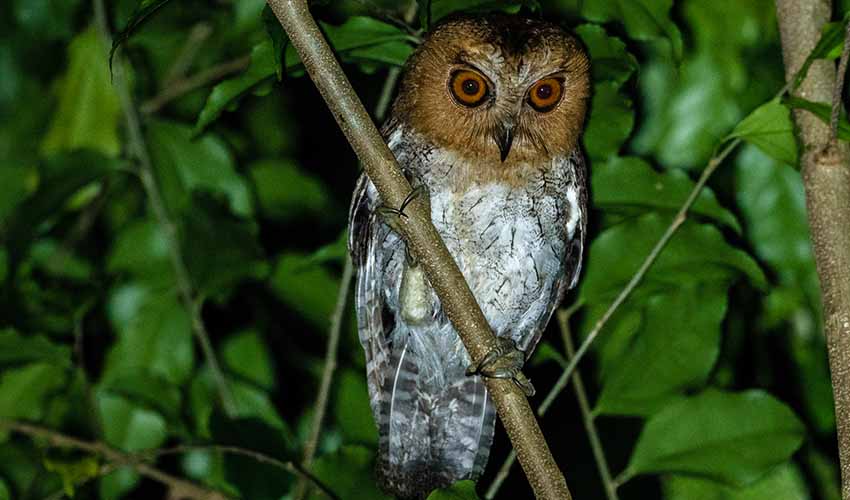
Negros scops owl
So well camouflaged that it can look almost invisible when perched against tree bark
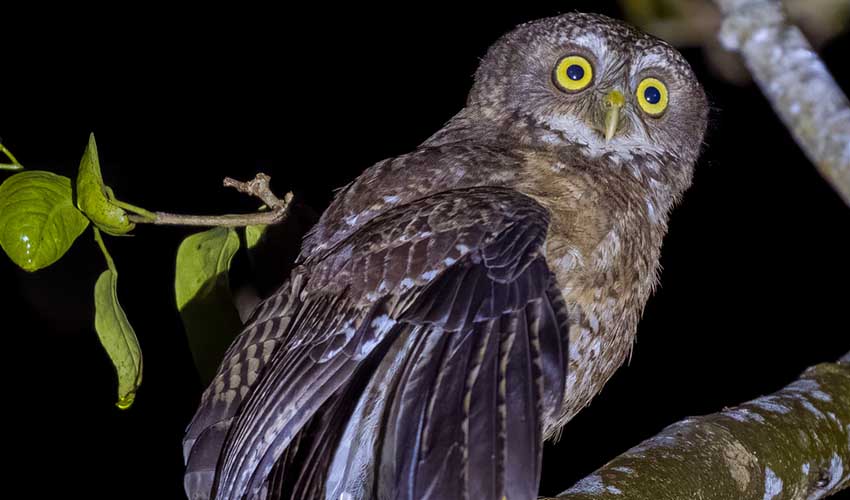
Cebu boobook
Tend to stay within small, familiar areas, making them highly dependent on the protection of specific forest patches

Japanese night-heron
Even in places where it lives, sightings can be rare because it stays hidden in dense, shady woods

Von Schrenck’s bittern
When alarmed, it often points its bill straight up and stays still so it looks like just another reed stalk

Sarus crane
Tallest flying birds on Earth
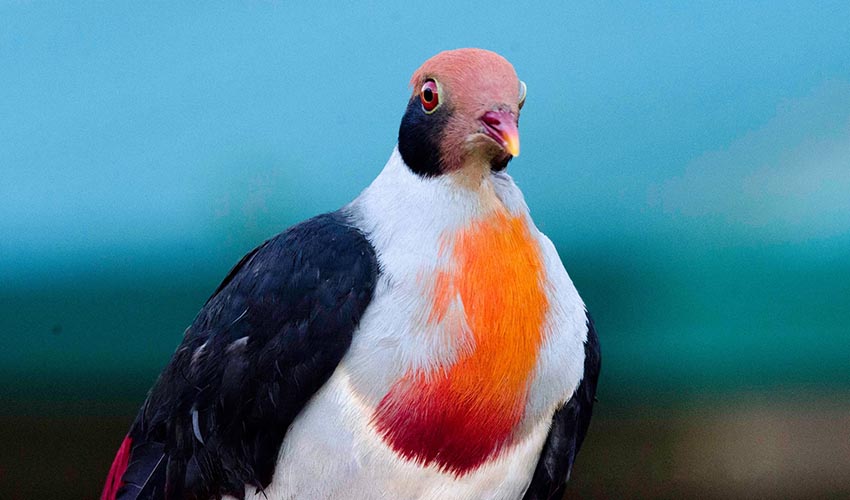
Flame-breasted fruit dove
That bright chest patch is like a built-in spotlight—when sunlight hits it through leaves, it’s glowing in the treetops
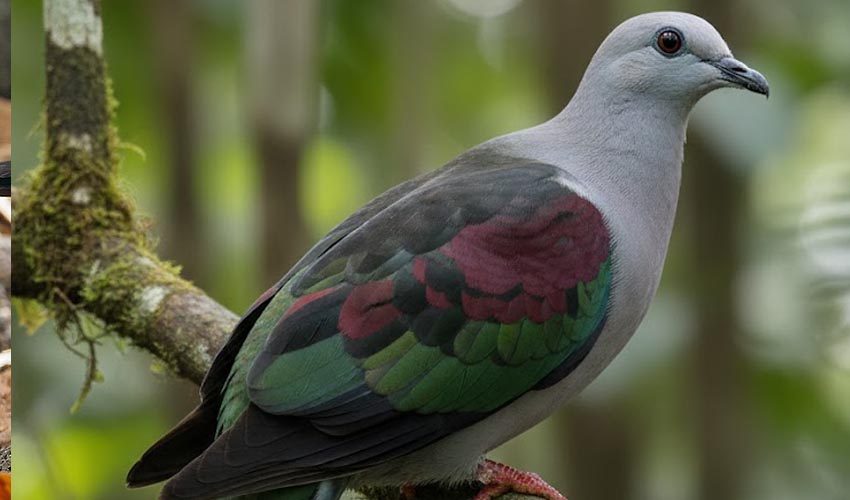
Mindoro imperial pigeon
Seeing one often means there are still mature, fruiting trees nearby—its favorite kind of neighborhood

Negros fruit dove
Science knows it from just one main “proof”

Oriental stork
It’s the “black-billed” stork in a white suit
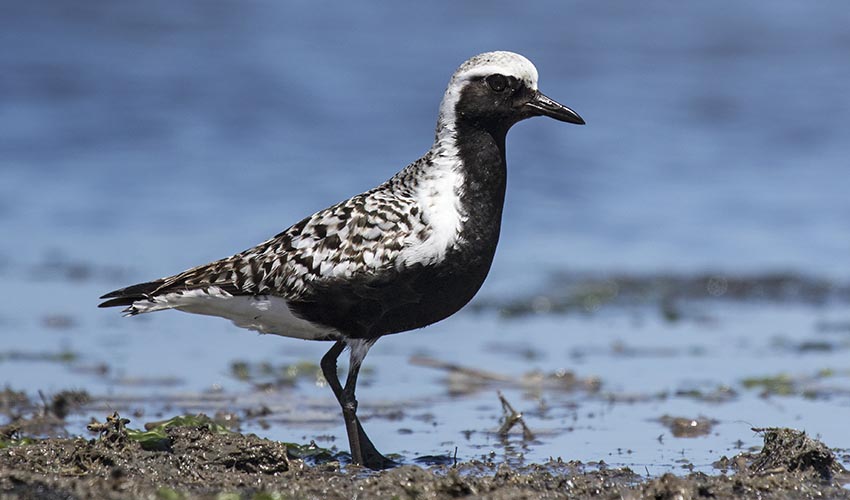
Grey plover
Can be black, can be grey but it’s the same bird
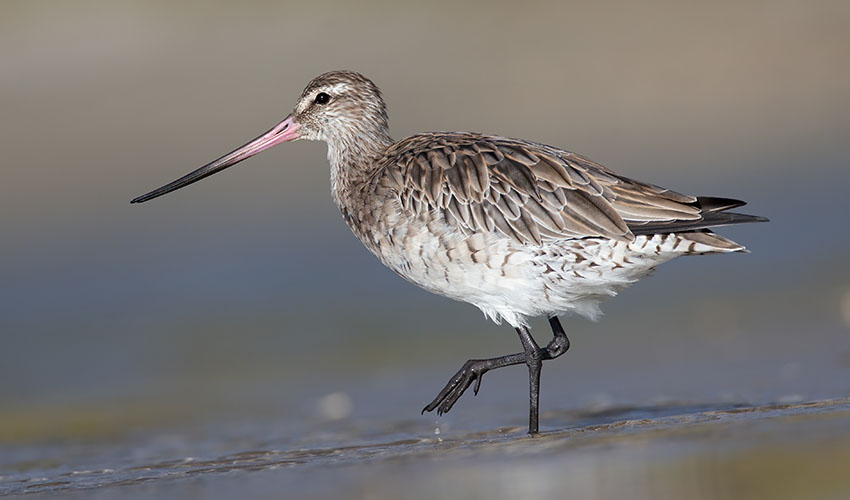
Bar-tailed godwit
Has one of the longest nonstop flights ever recorded for any bird

Far Eastern curlew
Biggest “sandpiper” on the planet
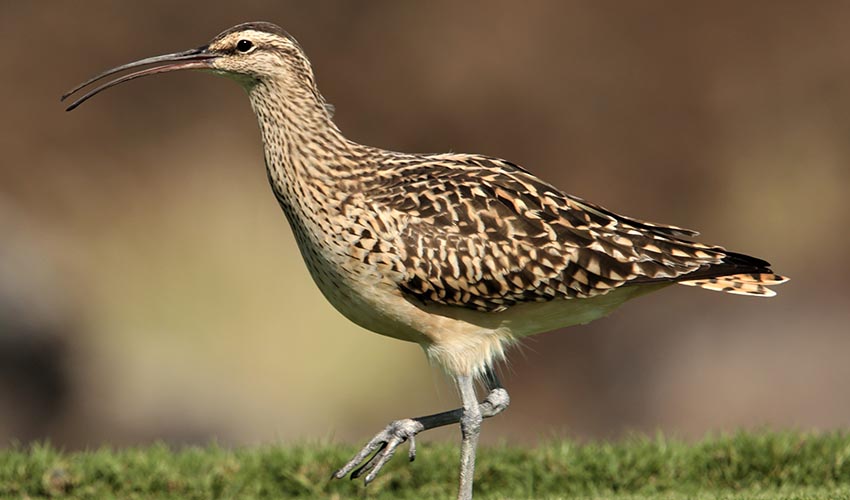
Bristle-thighed curlew
One of the only tool-using shorebirds
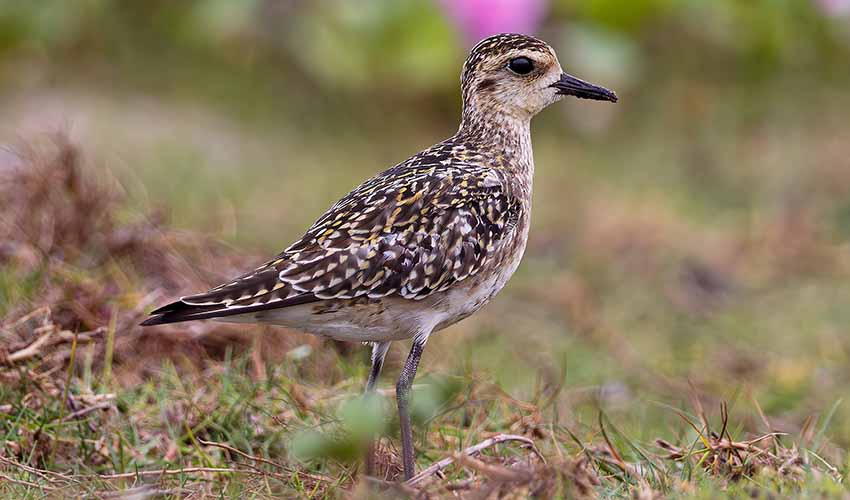
Pacific golden plover
Before their 3,000-mile flight, they become “hyperphagic,” eating until fat makes up nearly half of their body weight
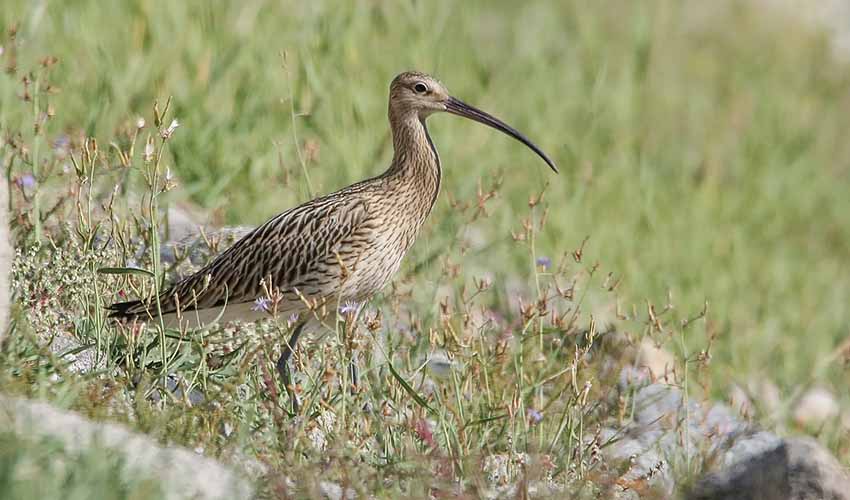
Eurasian curlew
Has the longest bill of any wading bird
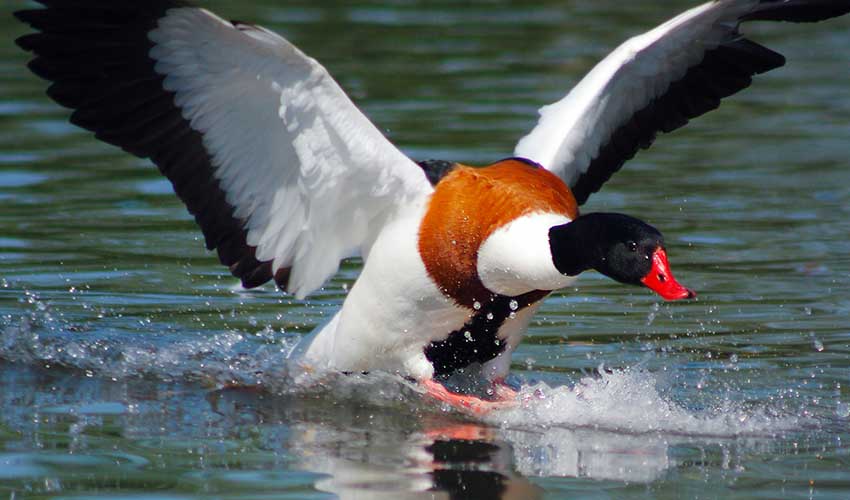
Common shelduck
It’s technically a duck, but it’s big, upright, and long-legged enough that it often looks like a small goose
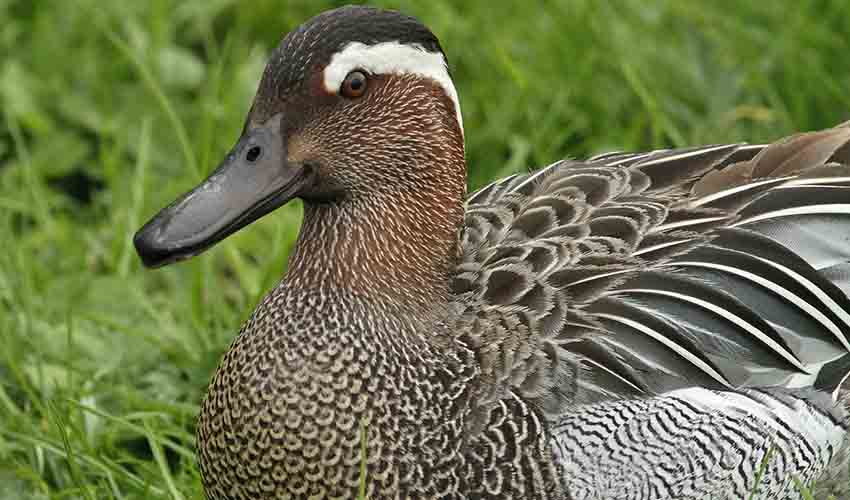
Garganey
Known to cross the vast Sahara Desert in a single go during their migration
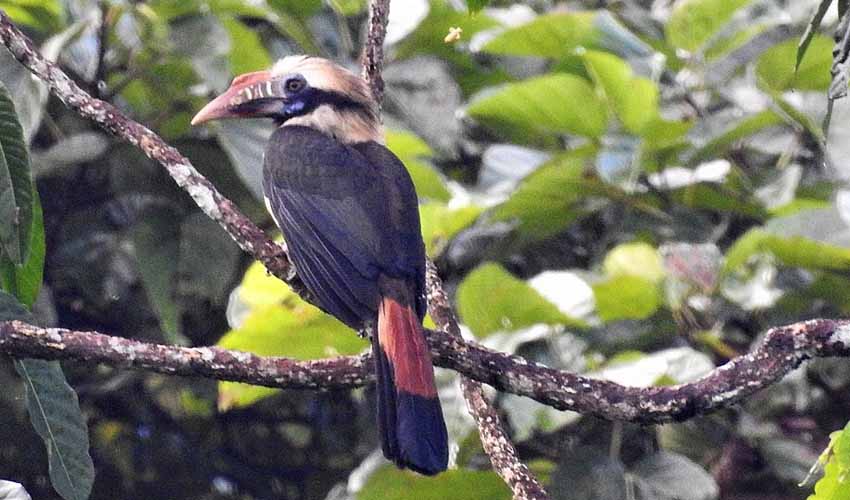
Mindoro hornbill
Philippine Republic Act 9147 mandates that these birds shall not be hunted, captured, or kept in captivity
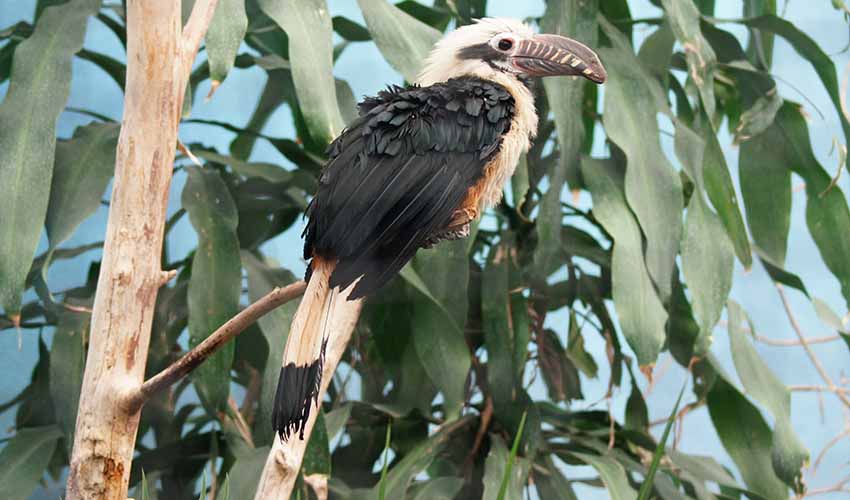
Visayan hornbill
Can sound surprisingly loud—people often notice the wing “whoomp” before they get a clear look
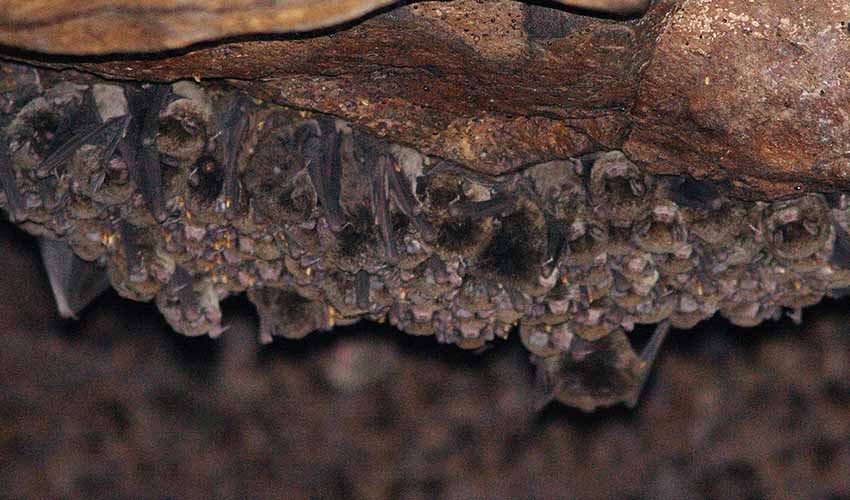
Little bent-wing bat
One of the few bats known as possible “spider experts”

Baer’s pochard
Its decline was so rapid and poorly tracked that conservationists only realized how critical the situation was in the early 2000s

Siberian sand plover
For years it was lumped into “lesser sand plover”

Eurasian bittern
Its boom has been compared to blowing across the top of a giant bottle — a sound low enough to feel in your chest on still mornings

Cebu flowerpecker
Helped spark forest restoration efforts in Cebu, proving one little bird can reshape conservation priorities

Short-finned pilot whale
The “cheetahs” of the deep ocean
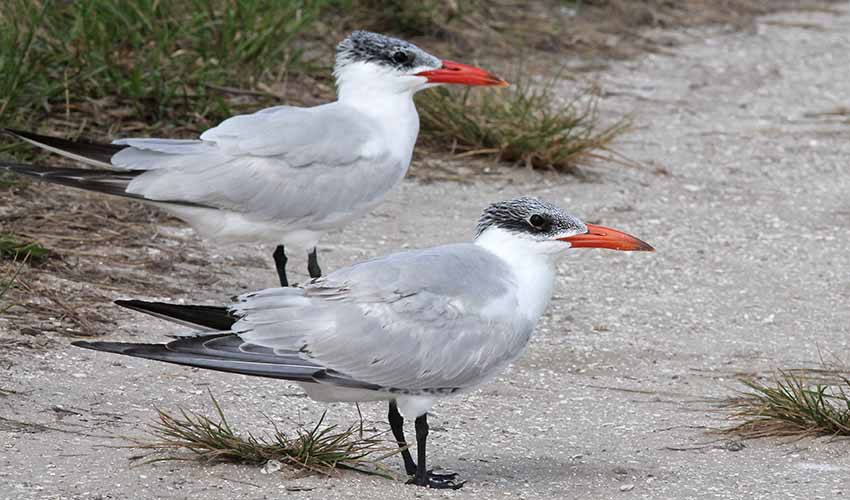
Caspian tern
A heavyweight champ — elegant, yes, but you don’t want to mess with that beak
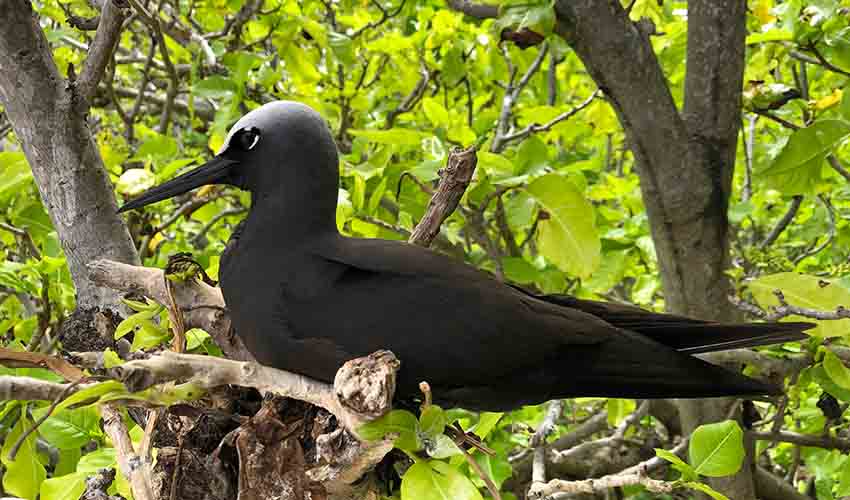
Black noddy
Black feathers, white cap, sleek shape — it’s the tuxedo of the bird world
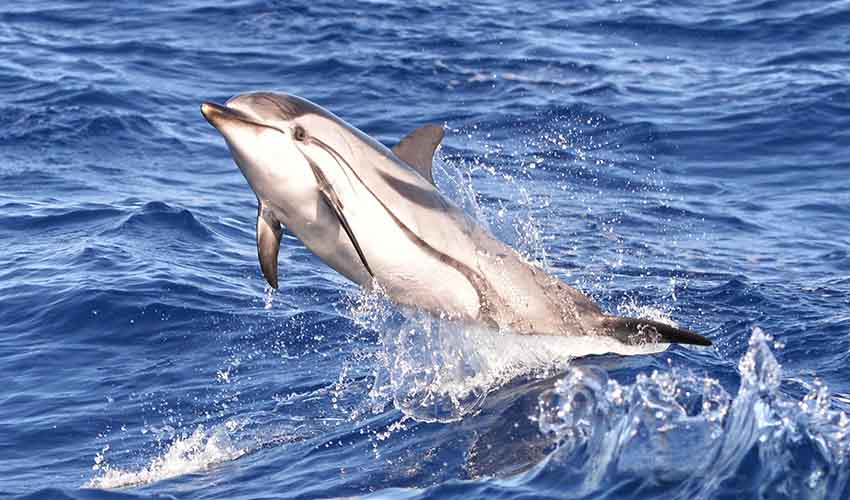
Striped dolphin
Among the most athletic dolphins, known for their spectacular leaps and spins that can reach several meters high
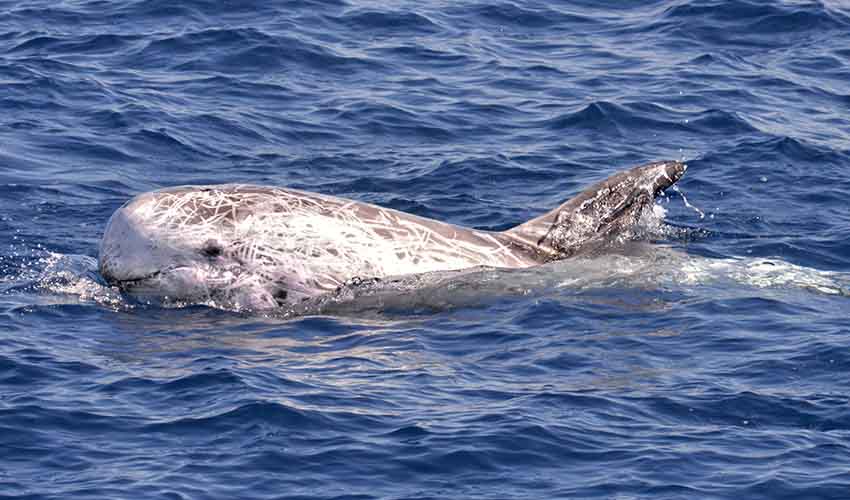
Risso’s dolphin
Sometimes called the “scars in the water” thanks to their many white markings

Wart snake
When you touch it (not that you should!), it feels like coarse sandpaper

Common mock viper
Called a “mock viper” because it mimics the look and behavior of true vipers

Lambert’s sea snake
Has salt-excreting glands, allowing it to live entirely in the ocean without ever needing to come ashore
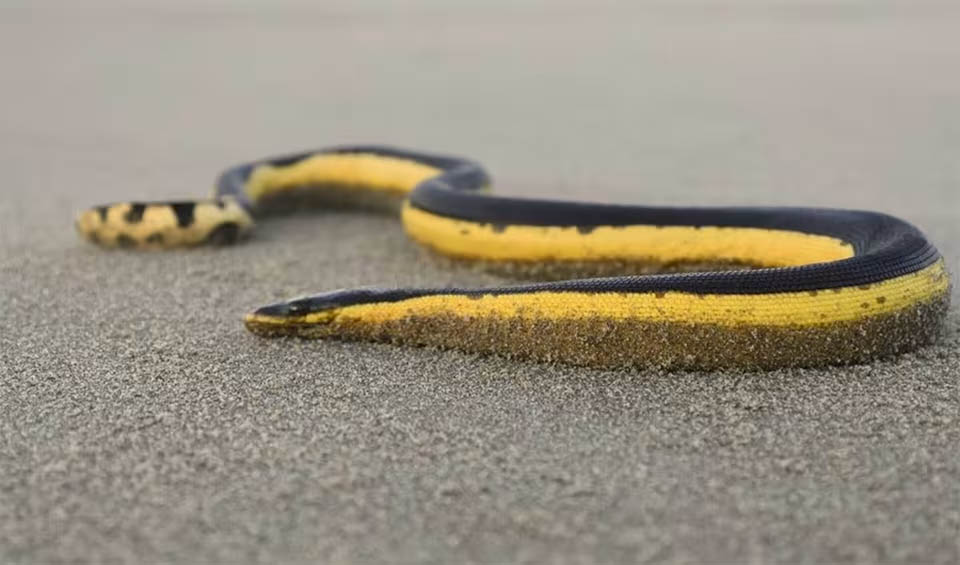
Yellow-bellied sea snake
The most widespread species of snakes on earth are found throughout the Indian and Pacific Oceans and from Africa to Central America
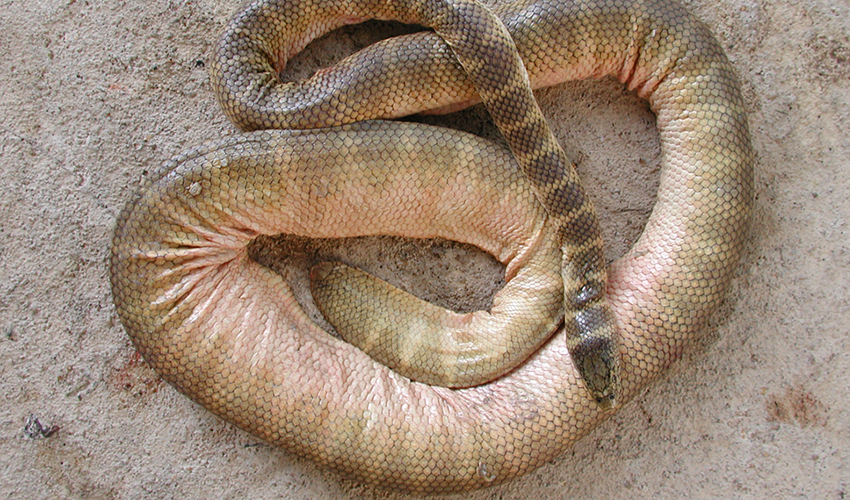
Faint-banded sea snake
Its venom is among the most toxic of any snake, but it’s so mild-mannered that bites to humans are extremely rare
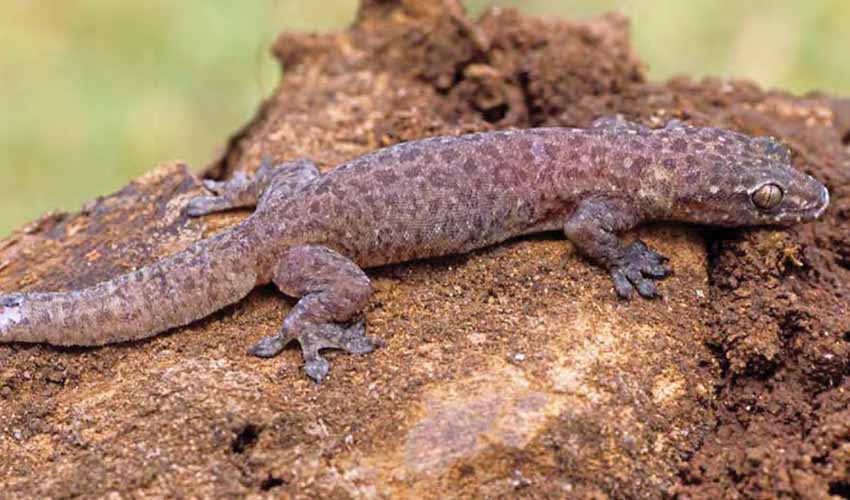
Stump-toed gecko
Its thin, translucent skin gives it a ghostly appearance under bright light
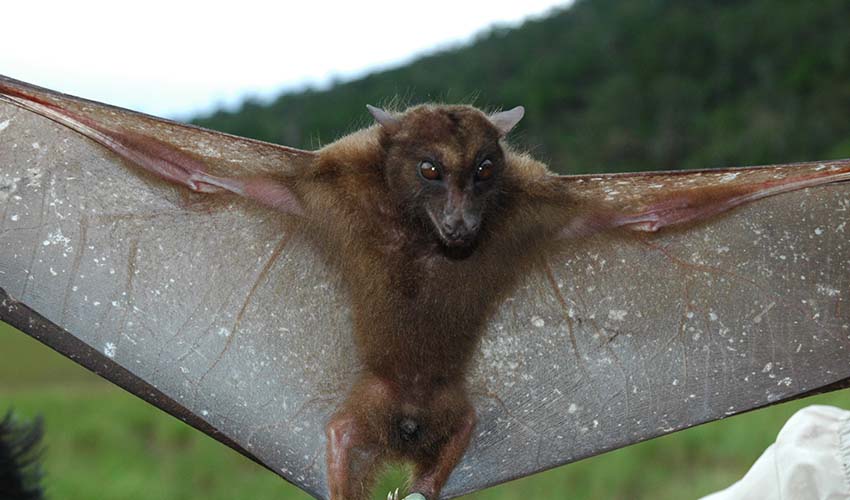
Harpy fruit bat
Remains one of the least-studied fruit bats in the world
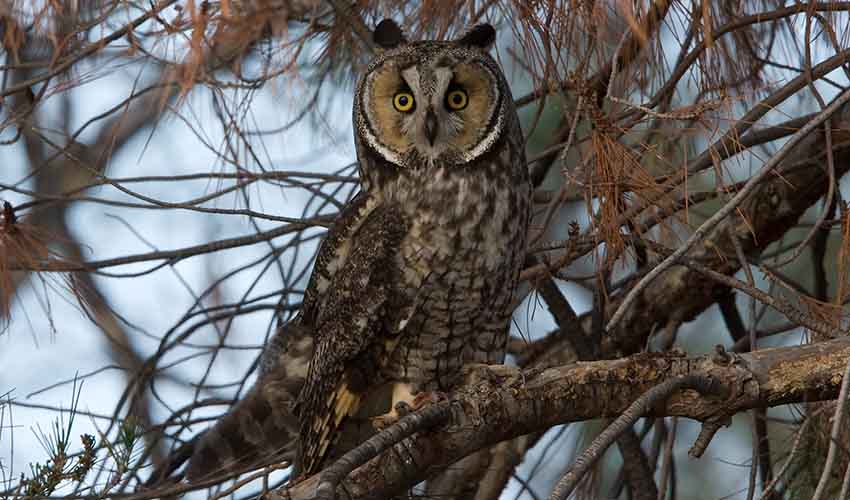
Long-eared owl
Its flight is nearly soundless, thanks to specially fringed wing feathers that disrupt air turbulence
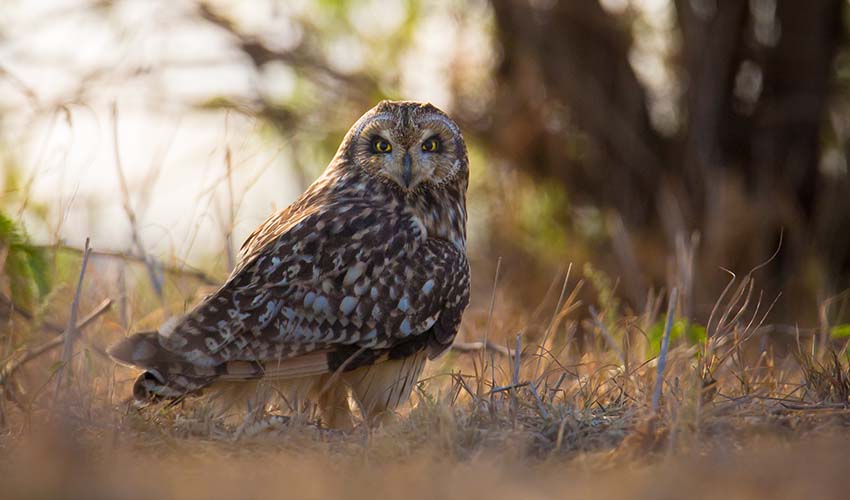
Short-eared owl
Defies the usual “creature of the night” stereotype by thriving in open landscapes and often hunting boldly in daylight
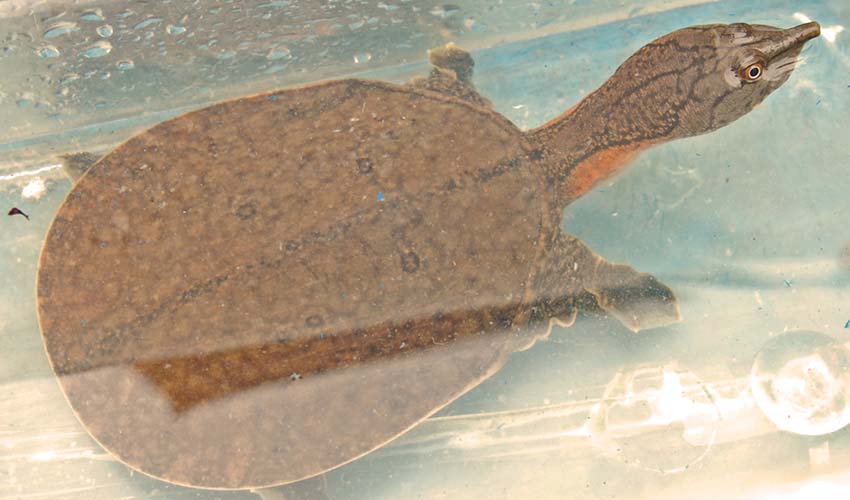
Malayan softshell turtle
Nicknamed the “Asian pancake turtle” for its flat shape and smooth, soft texture
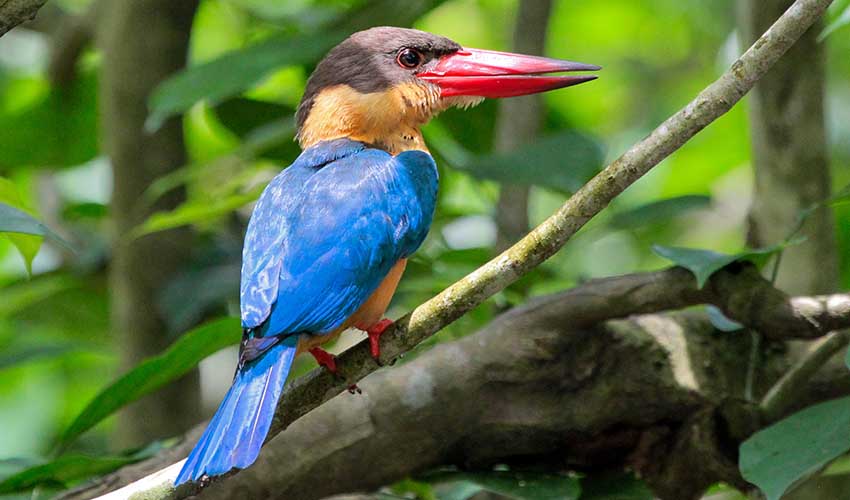
Stork-billed kingfisher
A beak built for everything—one of the most versatile tools in the kingfisher family!

Malayan civet
With an extraordinary sense of smell—its nose is its main tool for survival

Galápagos petrel
Can spend months at sea without touching land, sleeping on the wing and resting on the open ocean
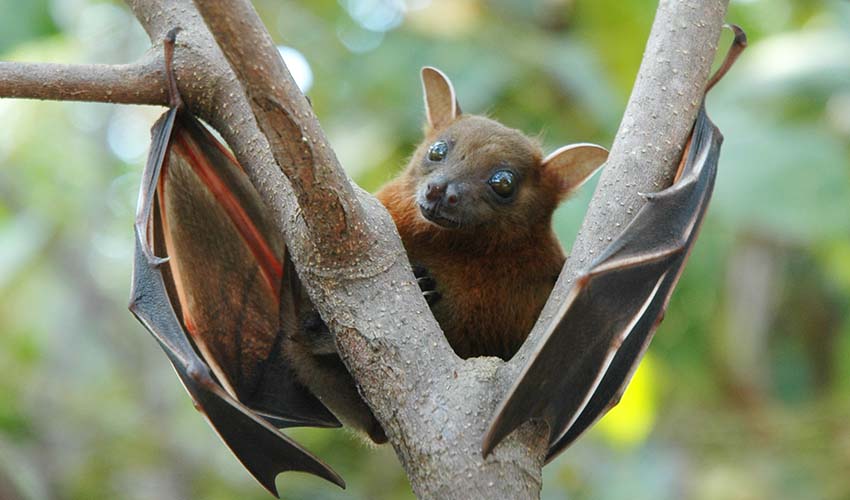
Lesser short-nosed fruit bat
Has a charming quirk—it’s a tent-making bat
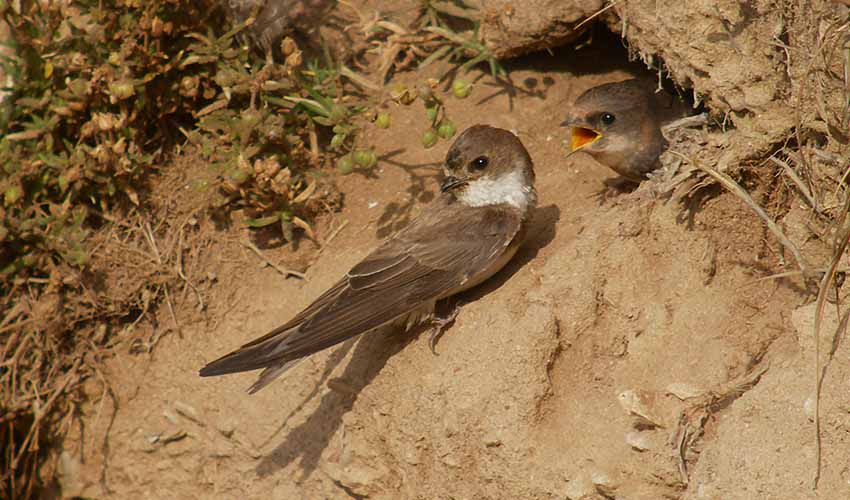
Sand martin
A bird that carries the rhythms of the seasons on its wings

Pied harrier
Quietly appreciated by farmers because it helps control pest populations, especially rats and locusts, in agricultural areas
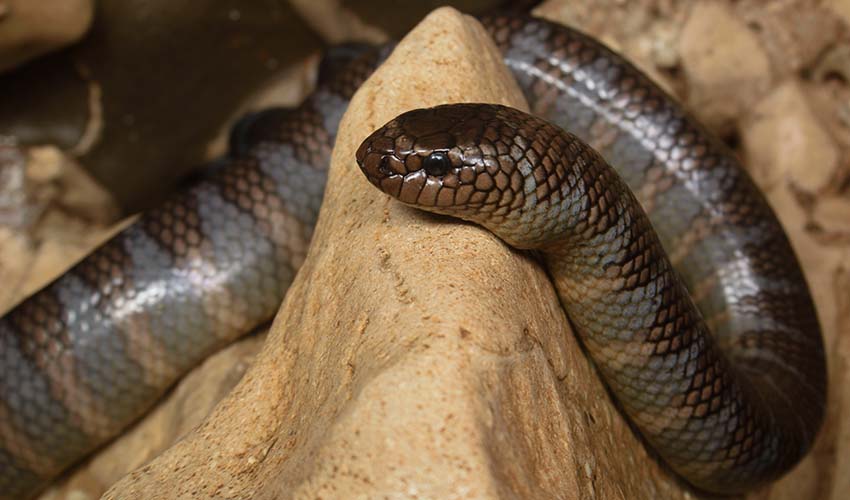
Black-banded sea krait
Possesses highly potent venom—more toxic than that of a cobra
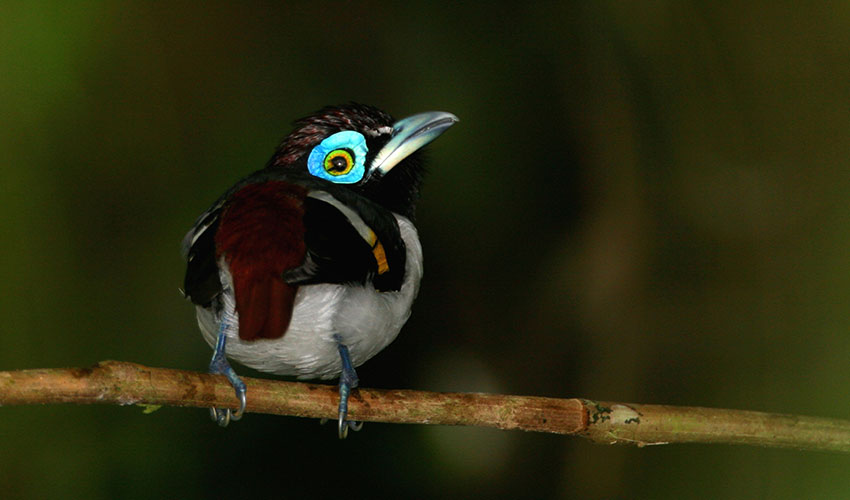
Wattled broadbill
The bird with cartoonish eyes
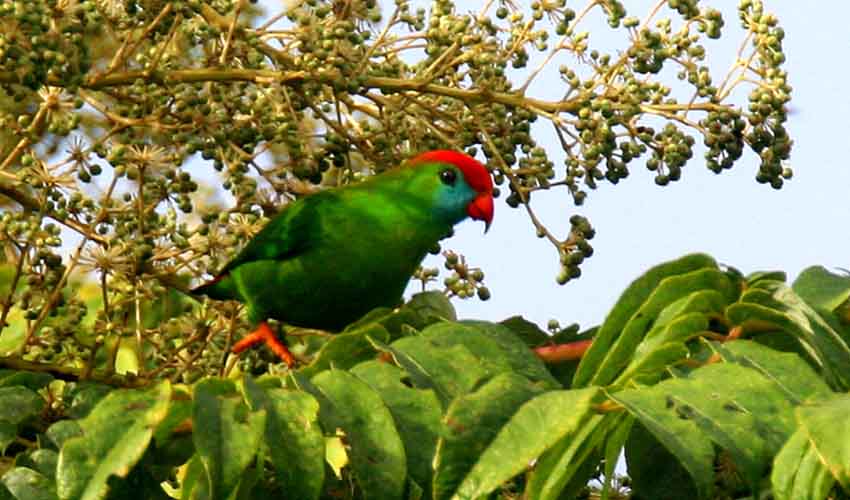
Philippine hanging parrot
True to its name, it sleeps upside down like a bat, confusing anyone who stumbles upon it
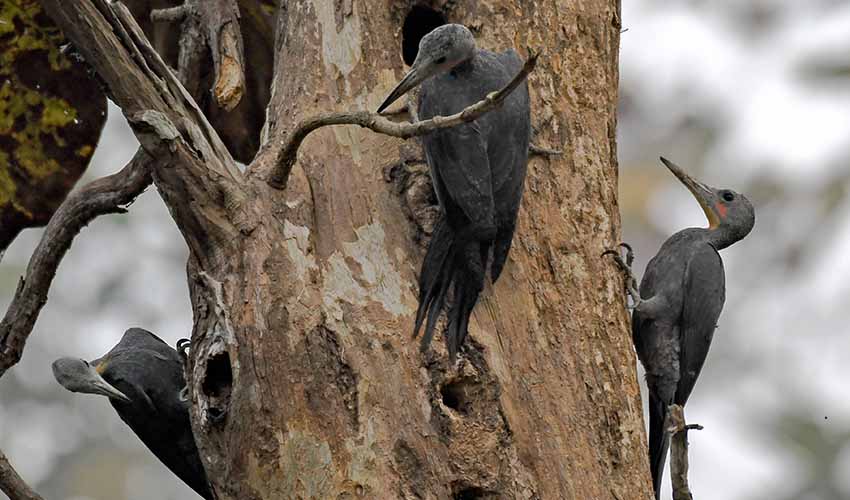
Great slaty woodpecker
Proudly holds the title of the largest woodpecker in Asia—and one of the largest in the world
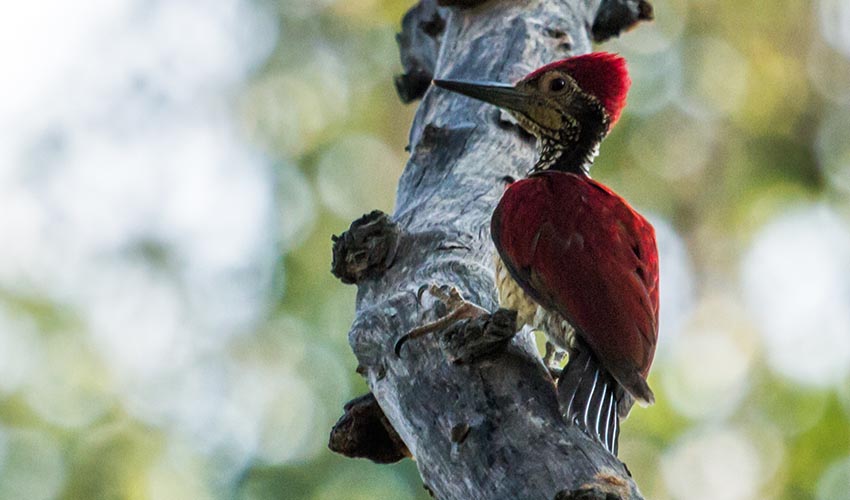
Luzon flameback
A bird that seems to carry a bit of fire on its back
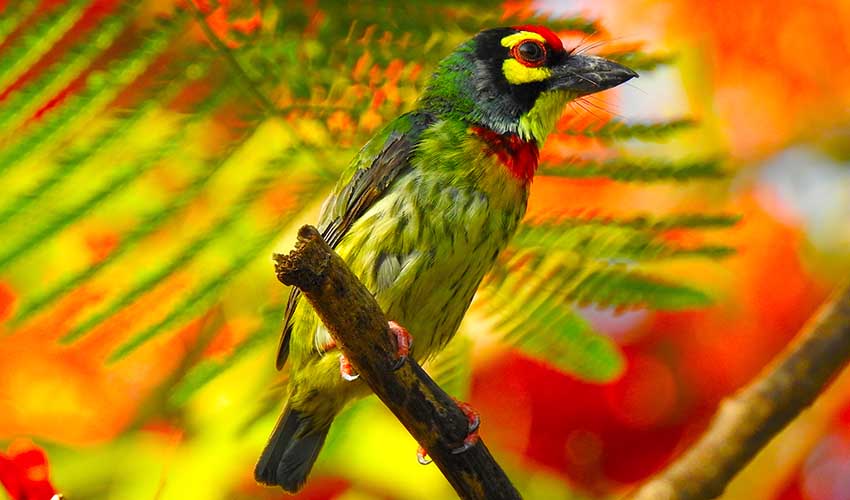
Coppersmith barbet
Its call is considered a sign of hot afternoons, since it often calls persistently during the warmest parts of the day
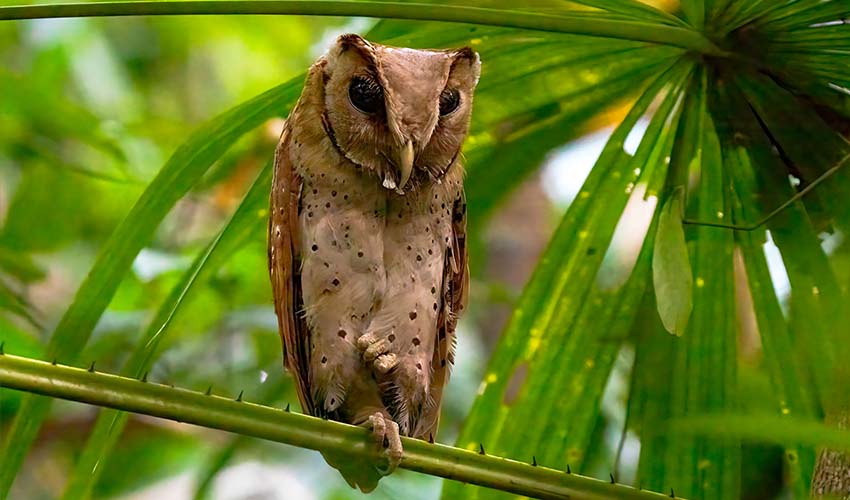
Oriental bay owl
Often seen in pairs, roosting together snugly in tree hollows
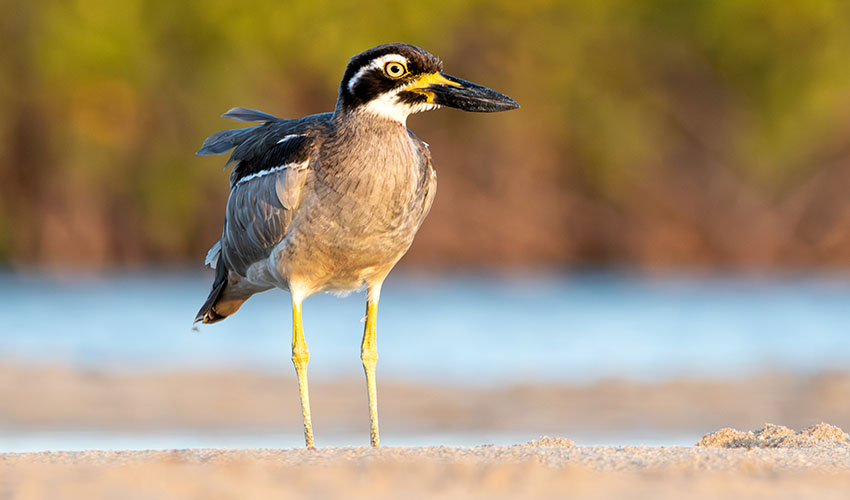
Beach stone-curlew
Nocturnal crab-cracker, master of camouflage, and solitary guardian of the beach

Philippine frogmouth
By day, it perches stiff and still, looking exactly like a dead branch… until you notice its glowing eyes
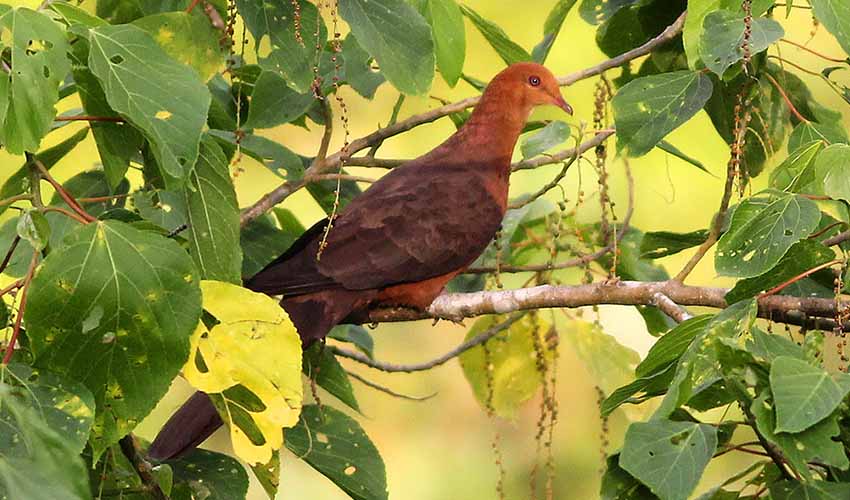
Philippine cuckoo-dove
A bird built for subtlety—rarely drawing attention but always leaving an impression when spotted
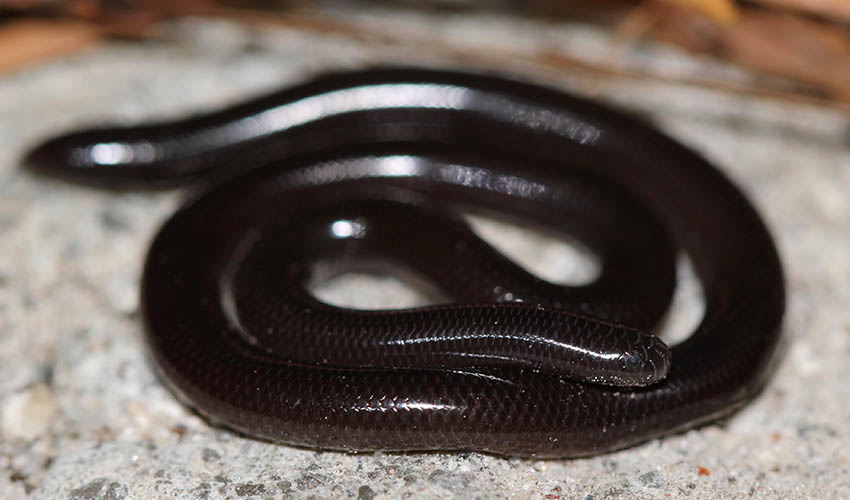
Brahminy blind snake
Often mistaken for an earthworm
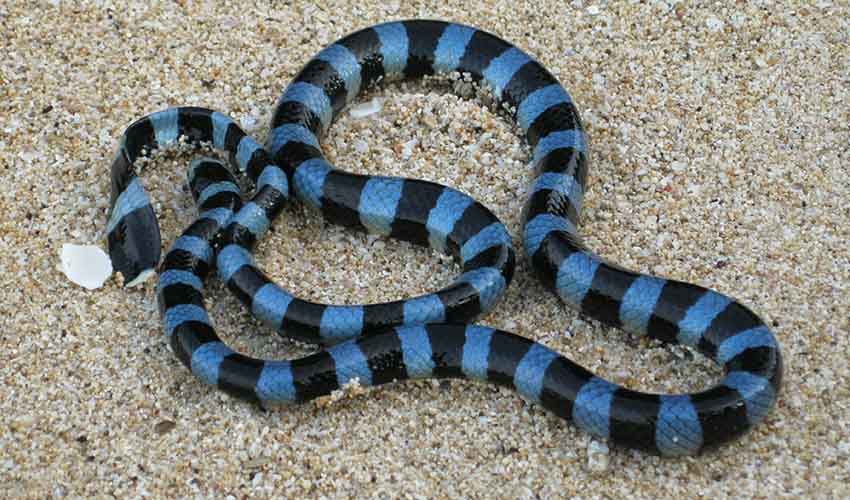
Blue-lipped sea krait
Its lungs are long and extend almost the entire length of its body
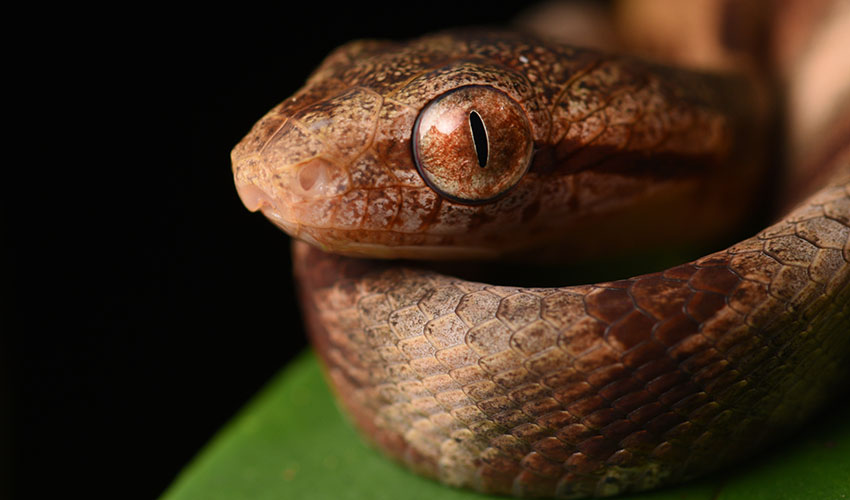
Dog-toothed cat snake
When resting, it can be very difficult to spot, as it looks like part of the tree itself
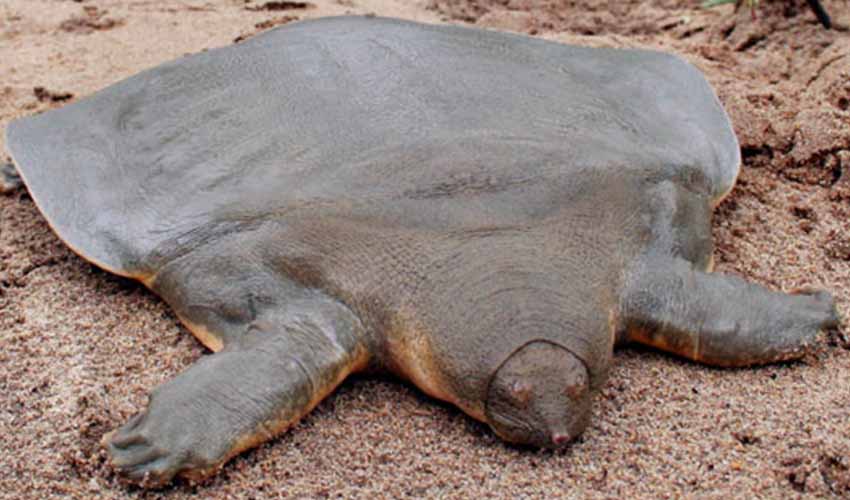
Asian giant softshell turtle
Sometimes mistaken for a rock or a log when it’s resting
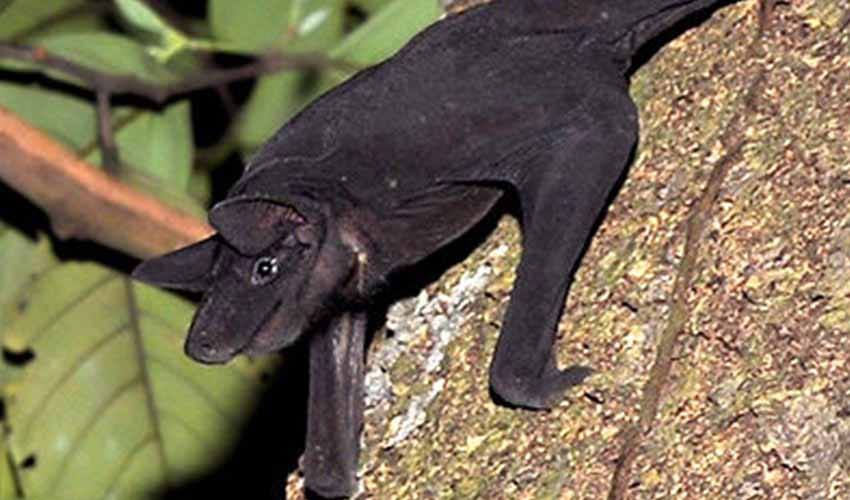
Hairless bat
People who encounter it for the first time often don’t believe it’s a bat at all
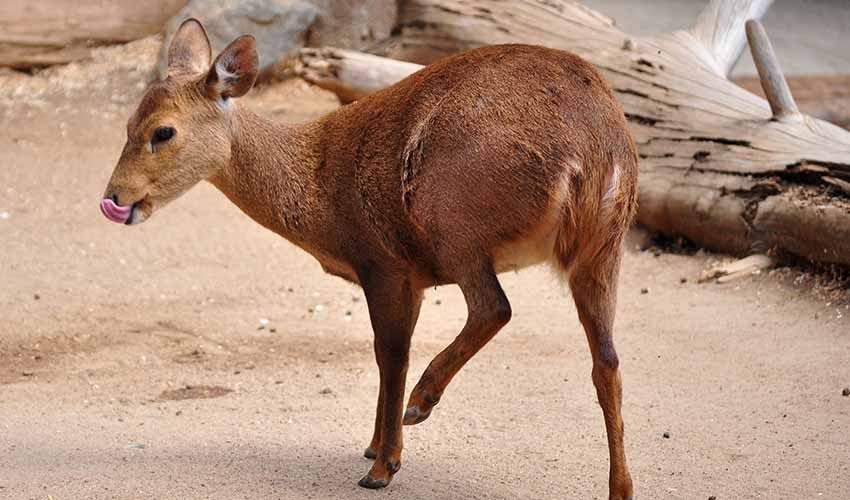
Calamian deer
Looks more like a pig dashing away than a deer leaping into the air
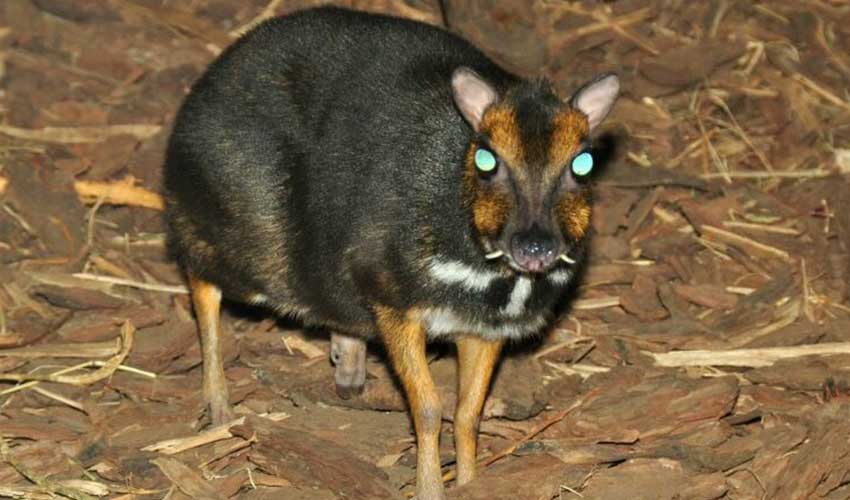
Philippine mouse-deer
Deeply rooted in Filipino culture that it was once featured on the Philippine one-peso coin
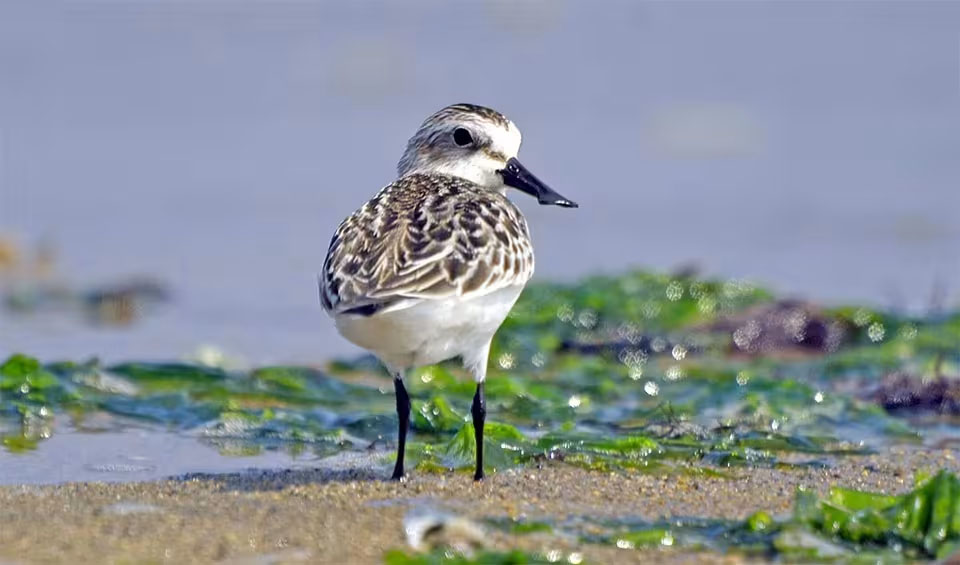
Spoon-billed sandpiper
One of the rarest birds in the world with feathers that change color depending on the season
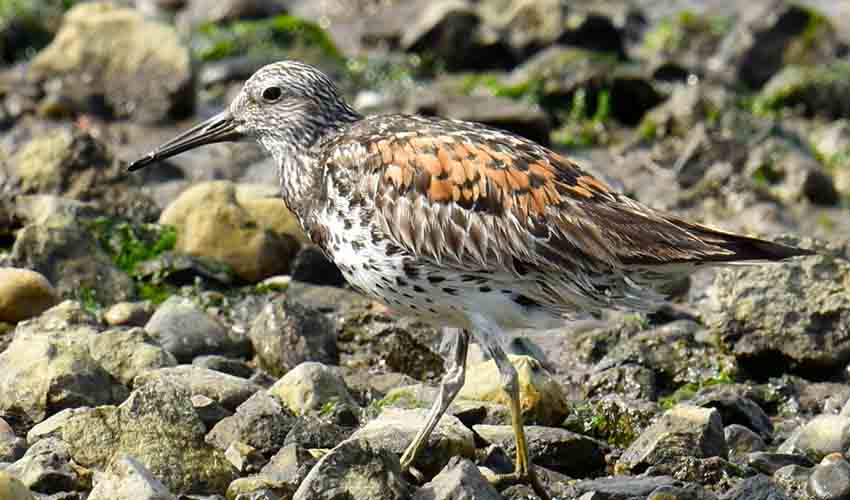
Great knot
Famous for very long migrations between Arctic breeding grounds and coastal wintering areas
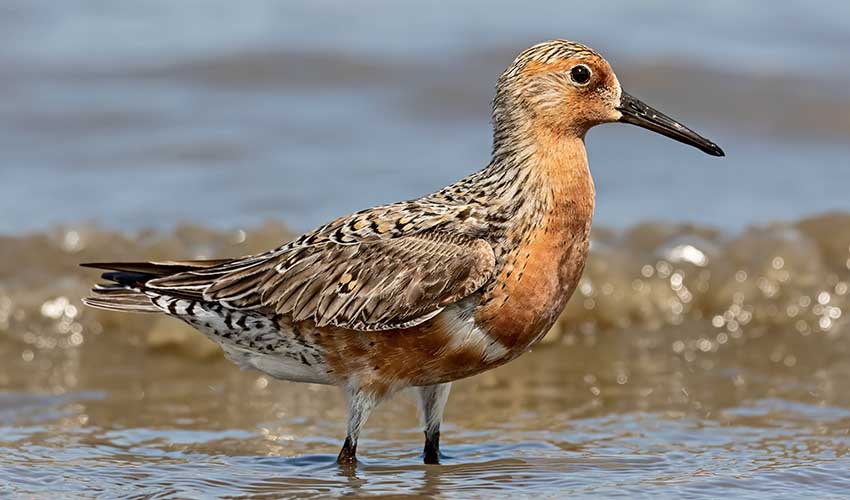
Red knot
In winter, they’re plain grey and white, but in the Arctic summer, they turn into a glowing rusty red
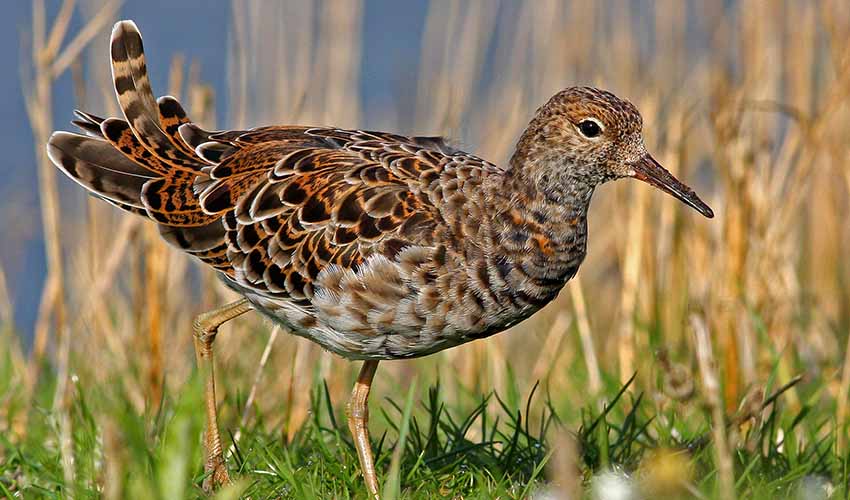
Ruff
Looks ordinary—but transforms into one of the most extravagant birds during breeding season
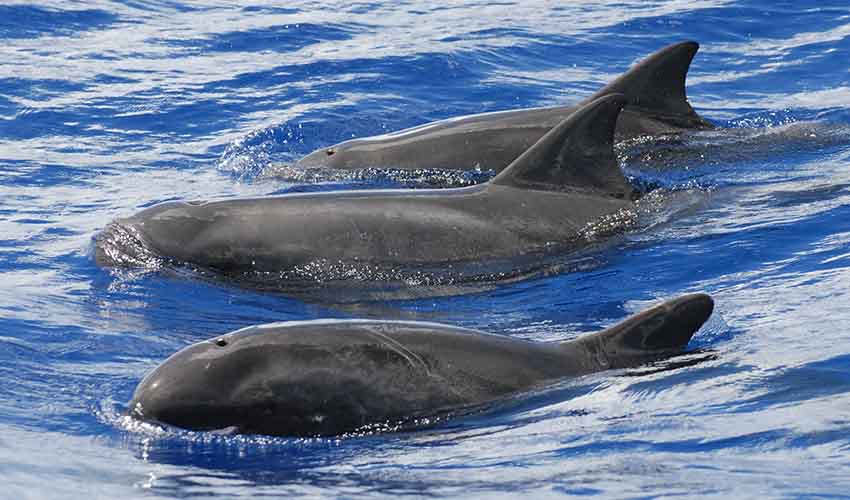
Pygmy killer whale
One of the lesser-known members of the dolphin family, despite its dramatic name
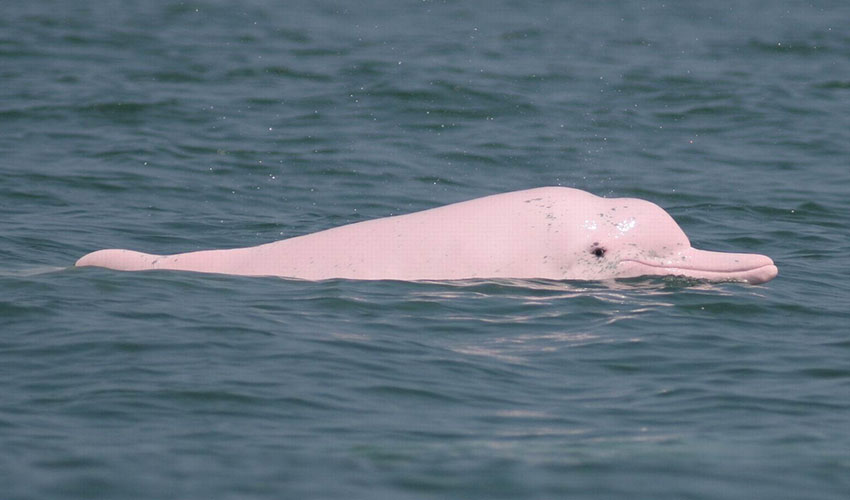
Indo-Pacific humpback dolphin
May appear grayer when calm and brighter pink when active or overheated
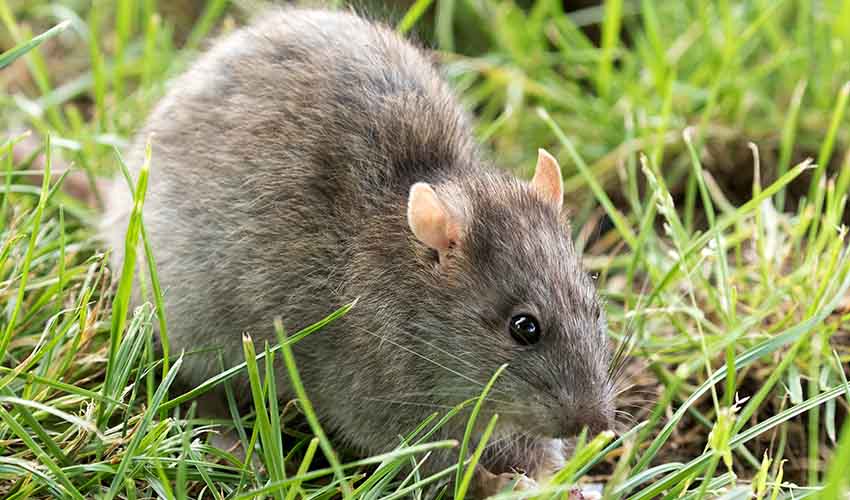
Brown rat
Can squeeze through shockingly small gaps if their head fits
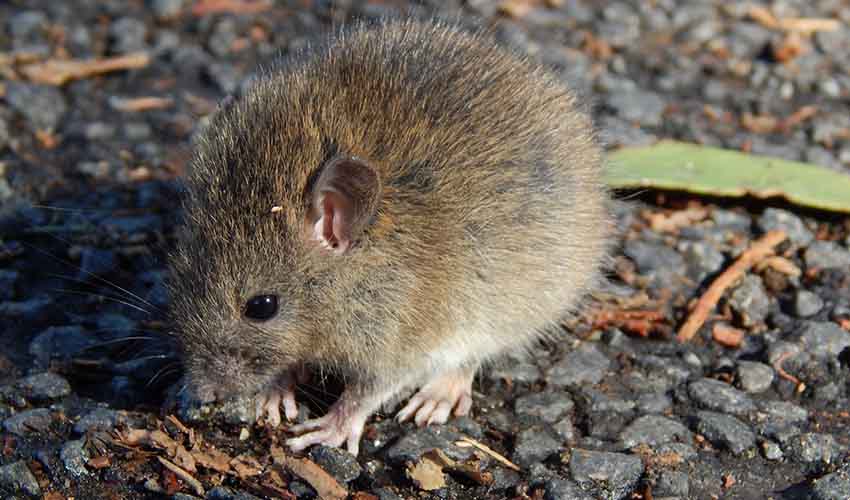
Polynesian rat
The third most widespread rat on Earth, after the brown rat and black rat
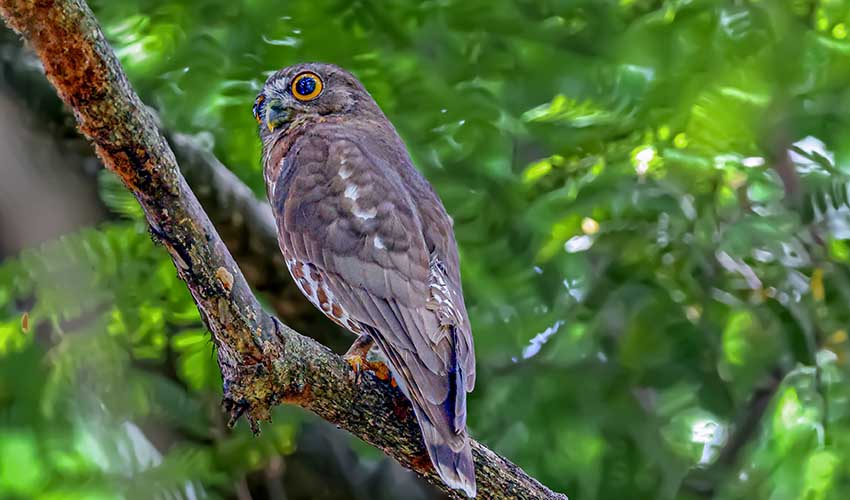
Brown boobook
Has a piercing yellow eyes with a default “surprised” look
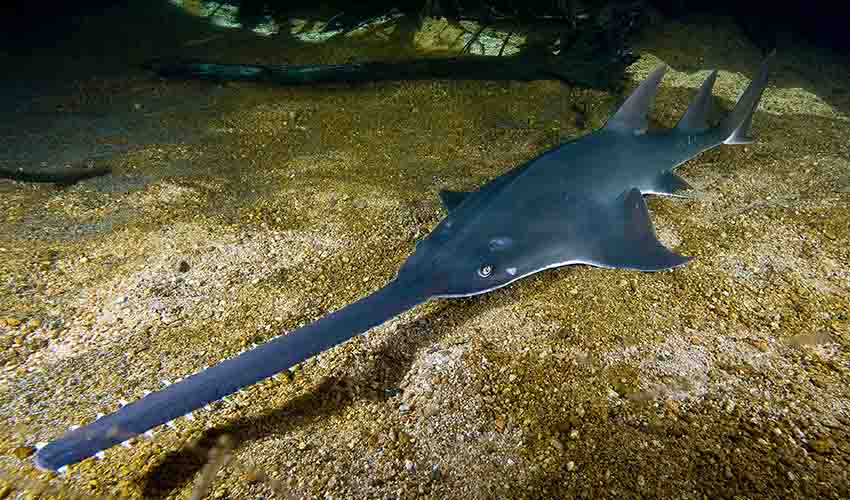
Largetooth sawfish
The only sawfish known to spend long stretches of its life in freshwater lakes, not just rivers or coasts

Philippine cockatoo
Name comes from a splash of color that’s not easily seen—the bright red feathers under their tails

Philippine eagle-owl
Has specialized feathers with soft edges that allow it to fly almost completely silently

Philippine cobra
A snake to be respected (and definitely not messed with!)

Walden’s hornbill
Its call is a loud, honking sound — sometimes compared to a goose or a barking dog

Chambered nautilus
With a shell that tells the story of life on Earth from hundreds of millions of years ago

Northern Luzon giant cloud rat
Ranks among the largest rats in the world
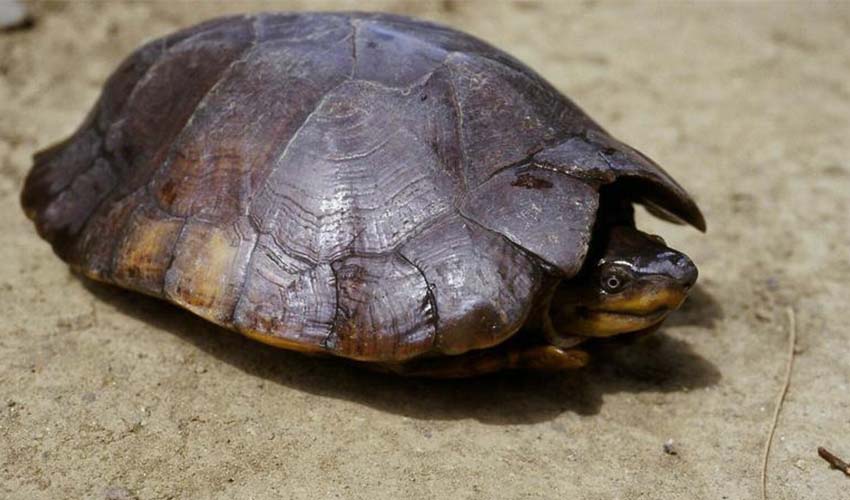
Philippine forest turtle
One of the most range-restricted turtles on Earth
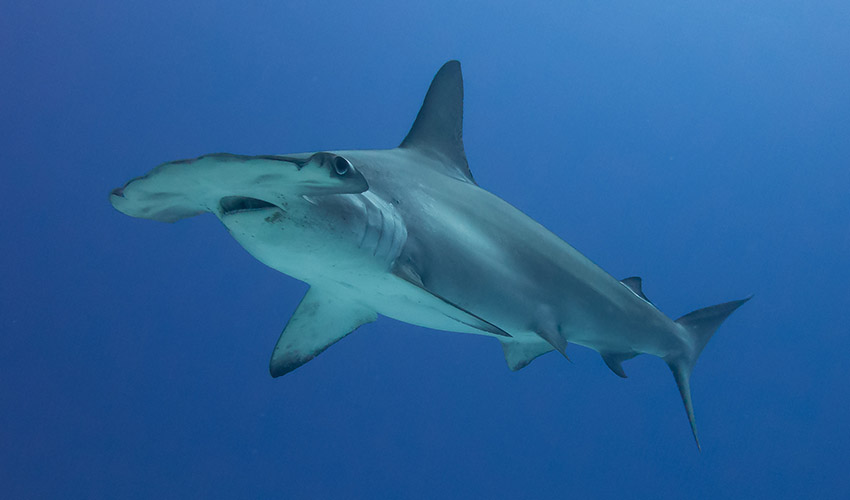
Scalloped hammerhead
Their skin actually darkens, just like a sunburn!
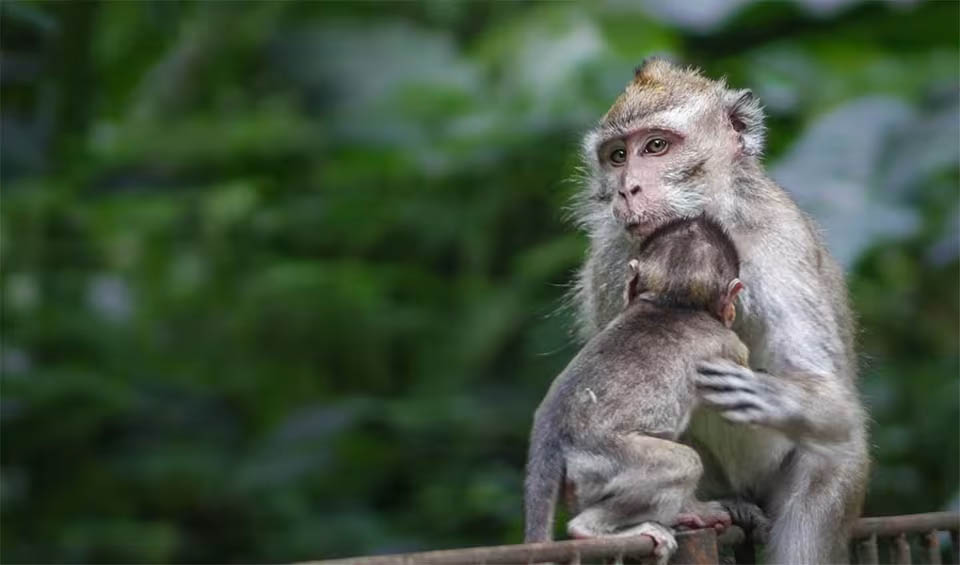
Crab-eating macaque
Despite their name,most of their diet makes up of fruits and seeds
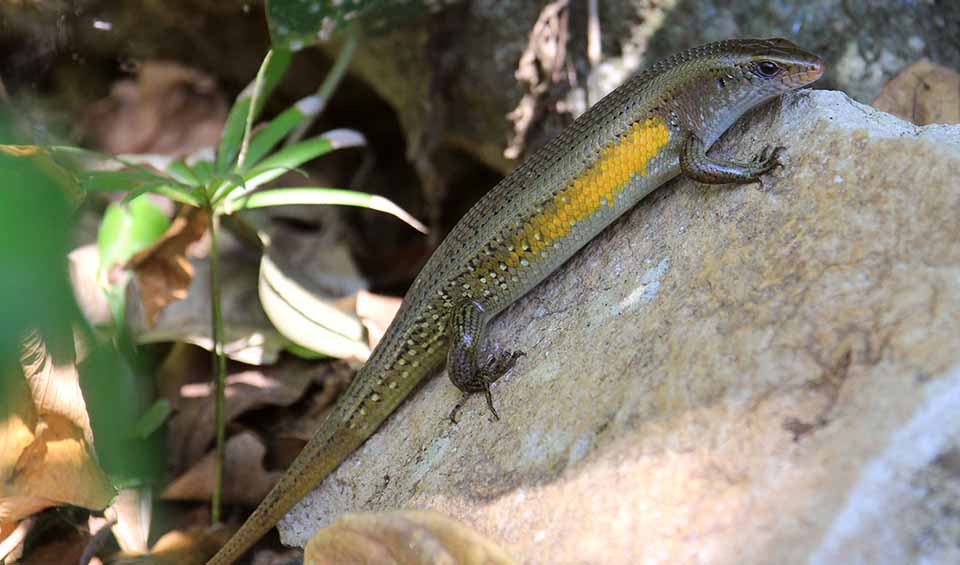
Common mabuya
You might’ve already seen one in your backyard
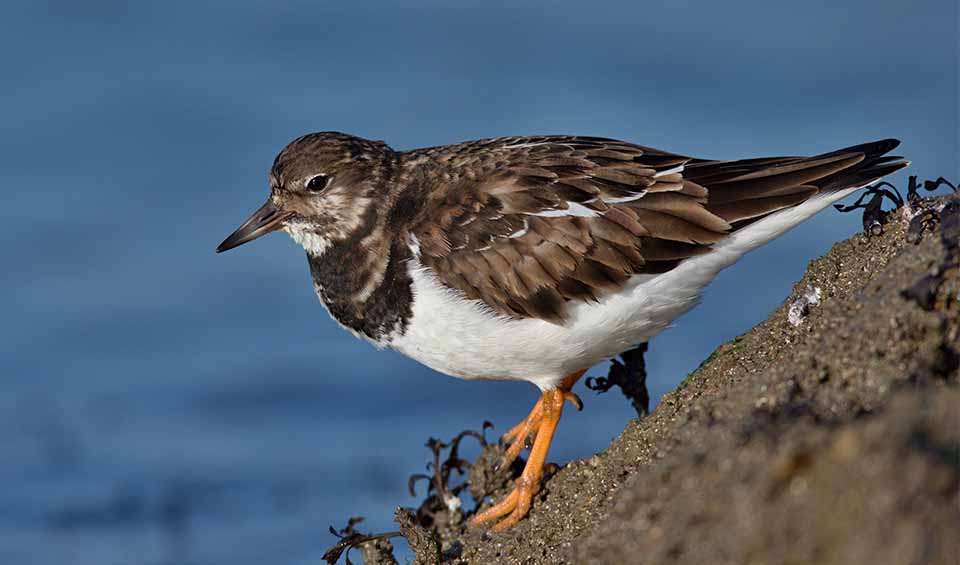
Ruddy turnstone
They flip the script — literally!
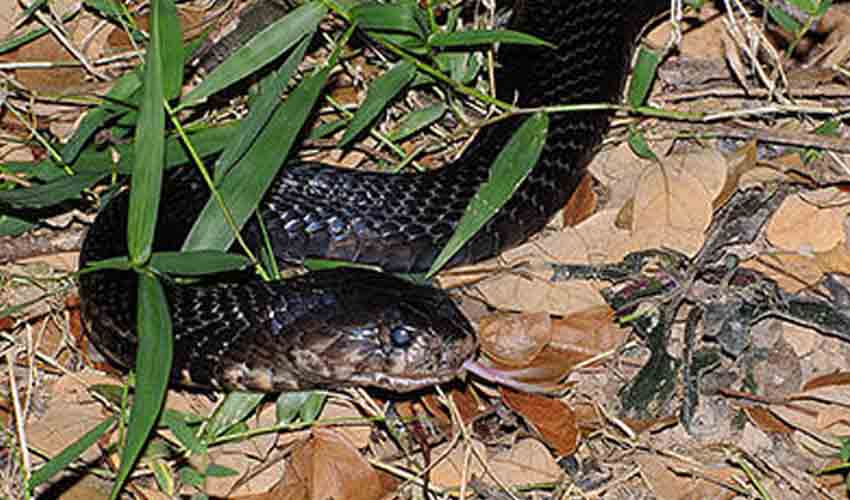
Equatorial spitting cobra
Can accurately spit venom up to 2 meters (8 feet) away
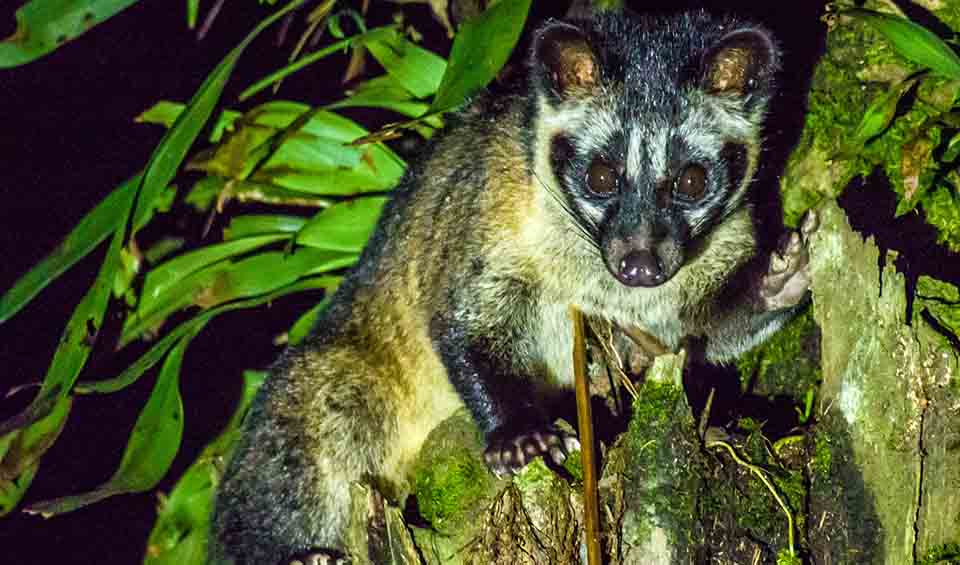
Asian palm civet
Famously linked to the production of a luxury coffee called kopi luwak
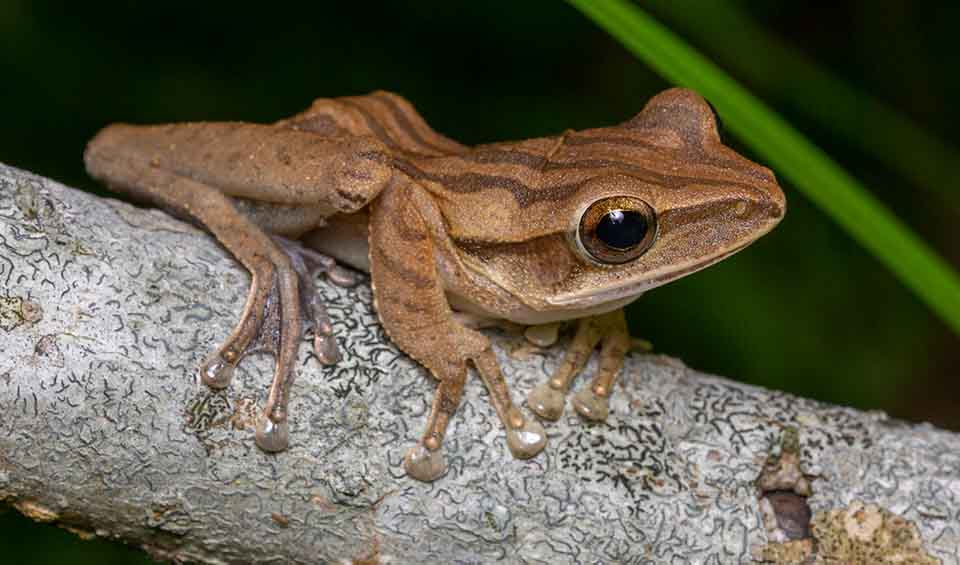
Common tree frog
Believed to have naturally spread across much of Asia

Gray’s monitor
Prefer figs to flesh

Sulu hornbill
What does “rare” mean to you? For them, it’s a countdown starting from 27
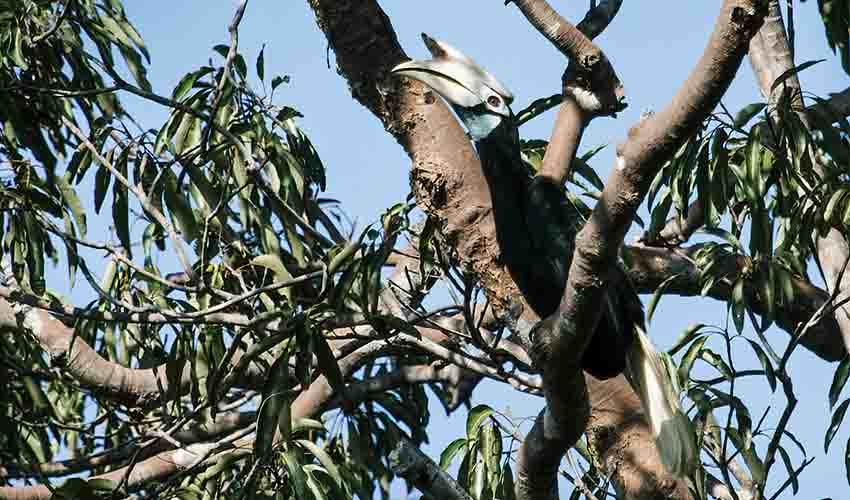
Palawan hornbill
Protected by Philippine law (RA 9147), which forbids anyone from hunting, capturing, or owning them
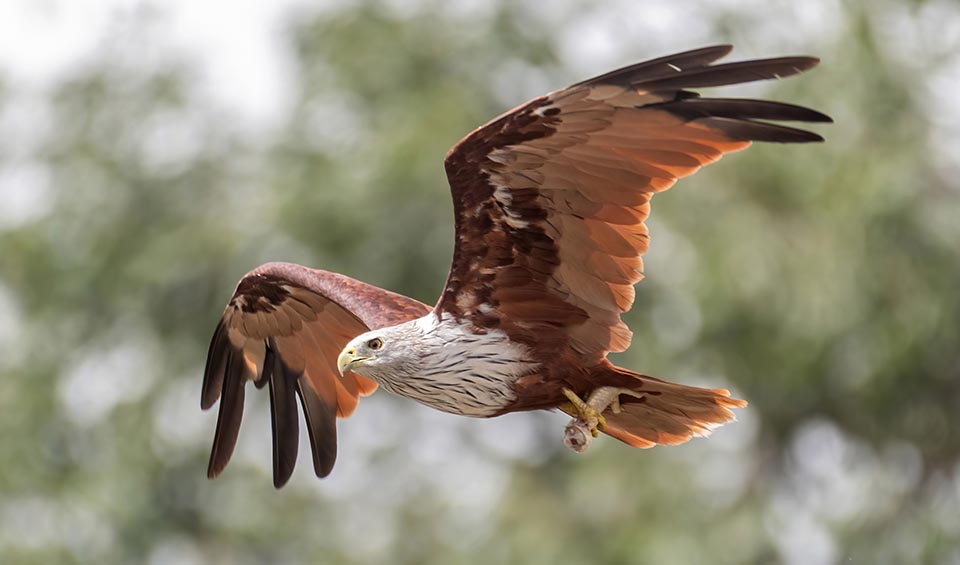
Brahminy kite
Sometimes seen snatching food in mid-air or stealing prey from other birds — a behavior known as kleptoparasitism
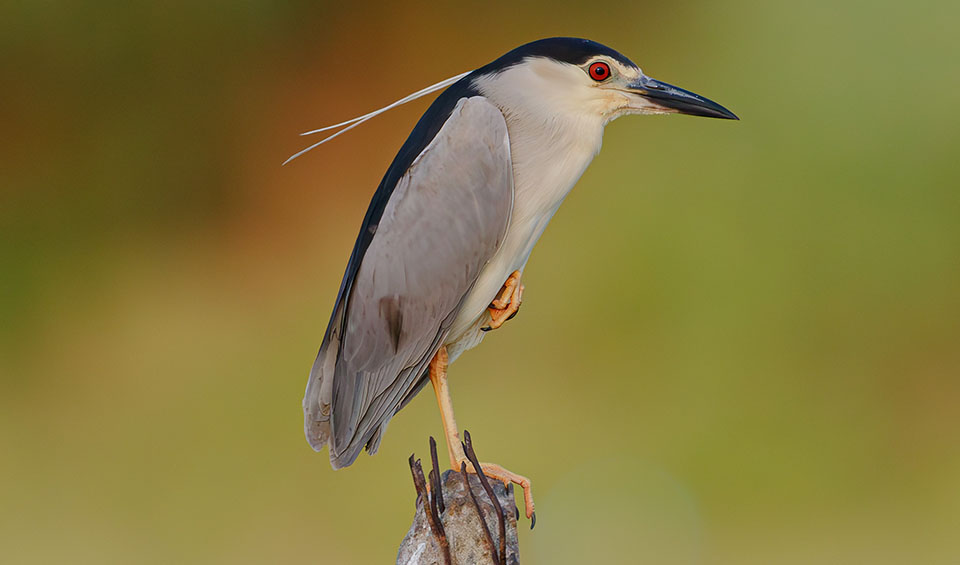
Black-crowned night heron
One of the most widespread and adaptable herons in the world
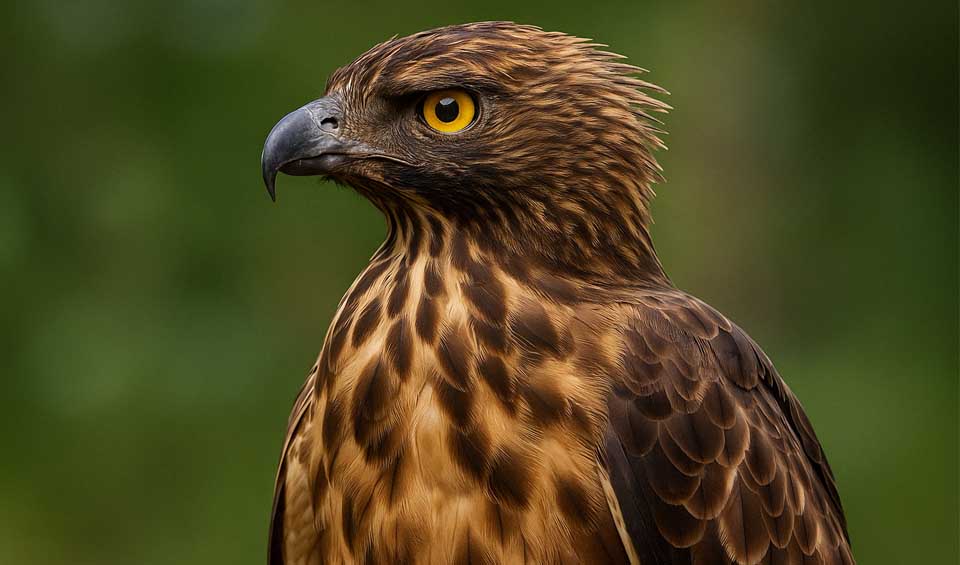
Philippine hawk-eagle
One of the most impressive but least known eagles in Southeast Asia
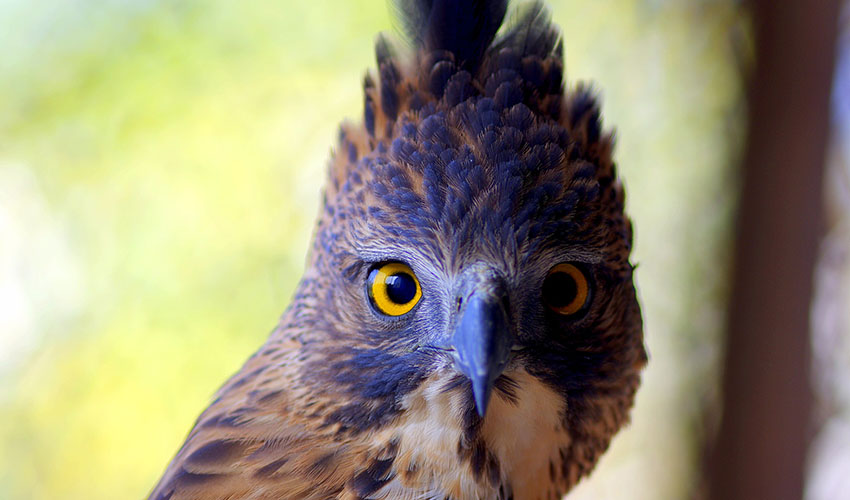
Pinsker’s hawk-eagle
The “crowned stealthy prince” of the Philippine archipelago
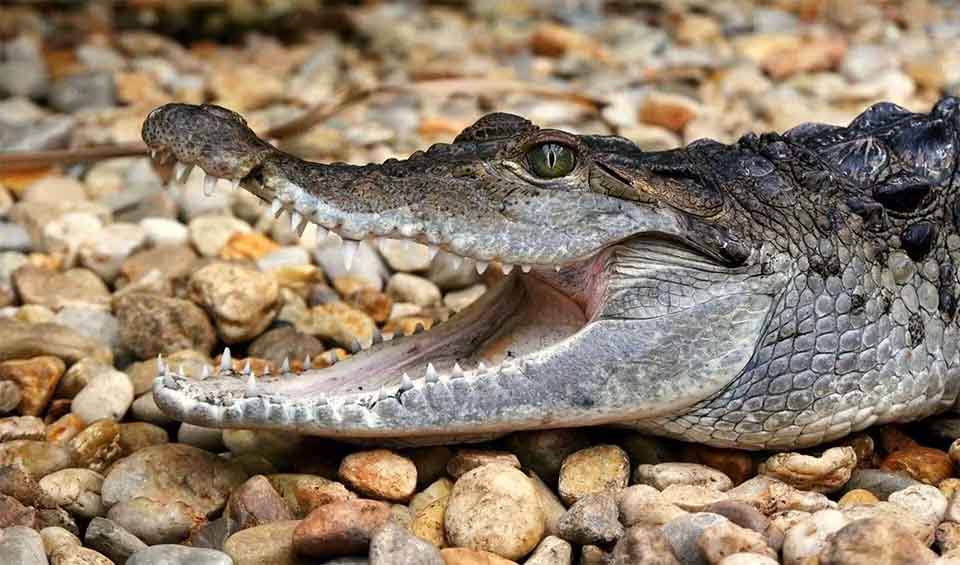
Philippine crocodile
A critically endangered small crocodile native to the islands of the Philippines
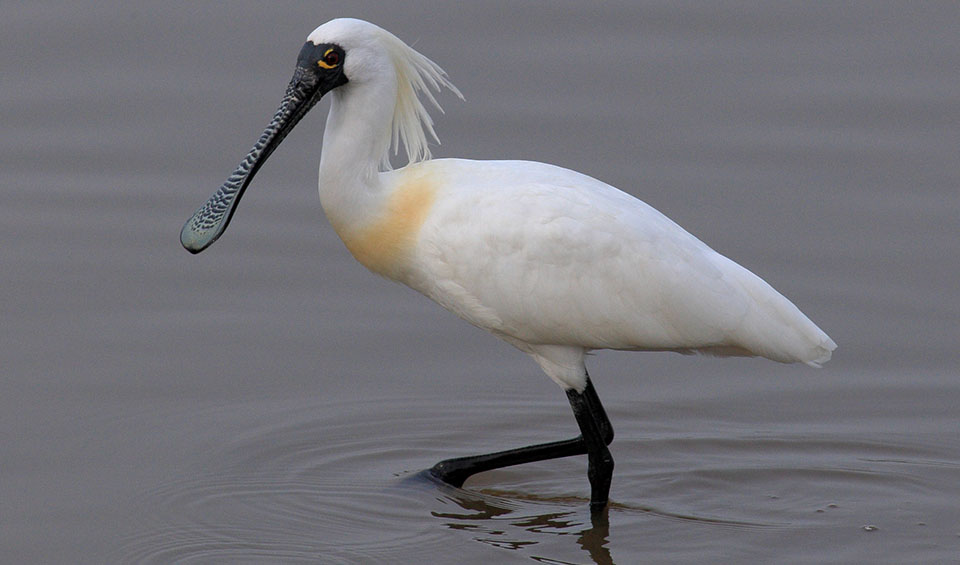
Black-faced spoonbill
Officially designated as Natural Monument No. 205 and classified as a first-class endangered species in South Korea
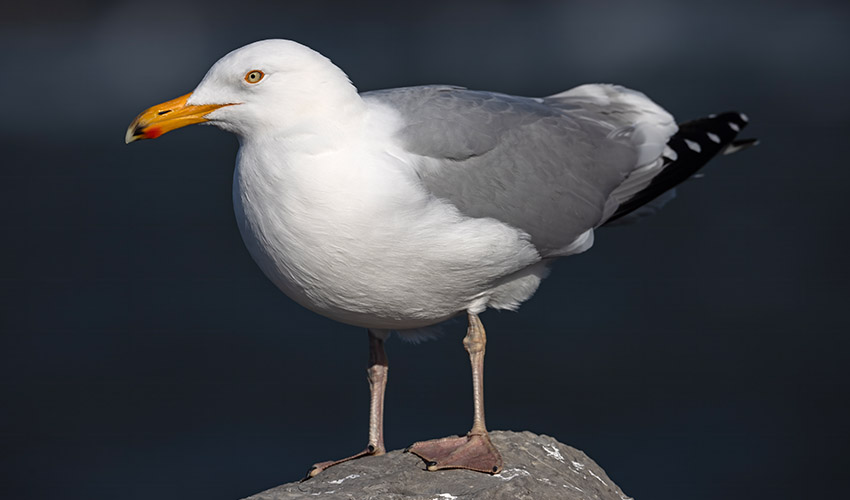
American herring gull
It’s the classic white-headed, grey-backed “seagull” of postcards and cartoons
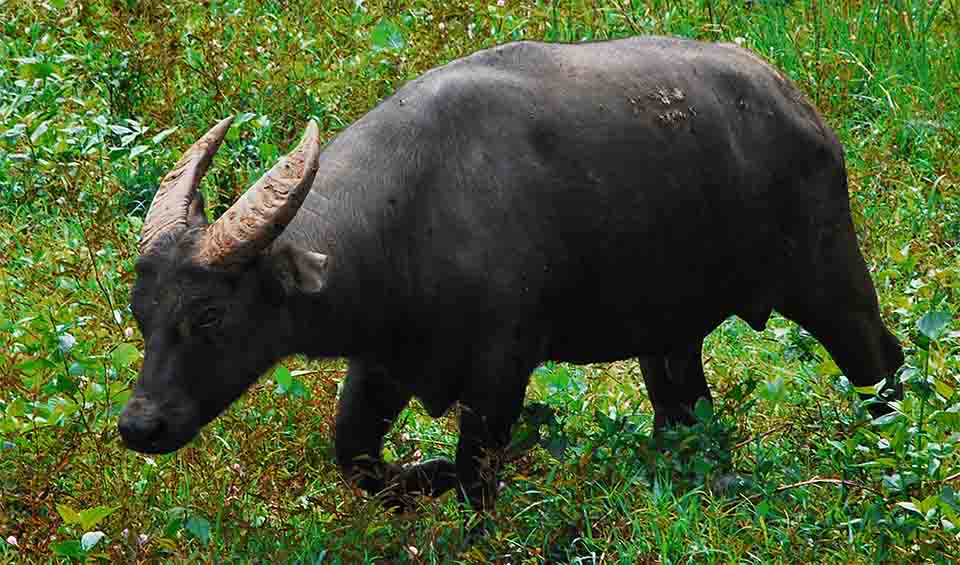
Tamaraw
A majestic symbol of resilience and rarity found only in the stunning landscapes of the Philippines

Philippine sailfin lizard
One of the most eye-catching reptiles in the Philippines, often called a “living dragon”
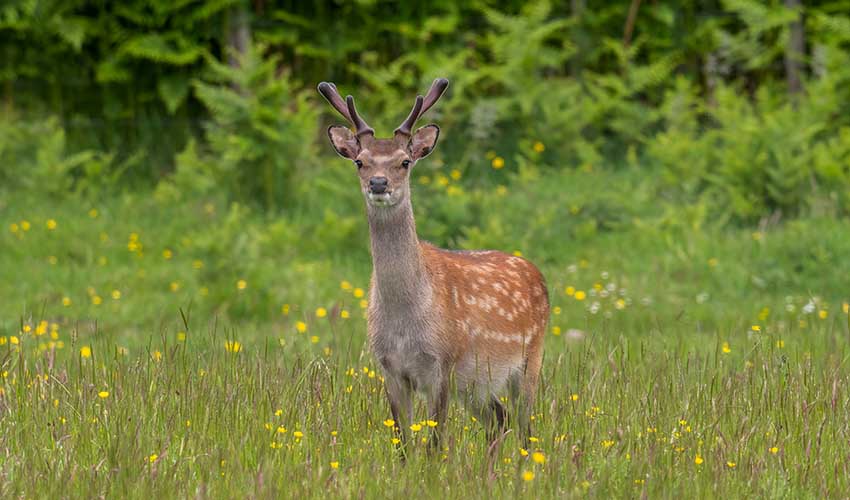
Sika deer
Introduced to many other parts of the world where some populations have become invasive
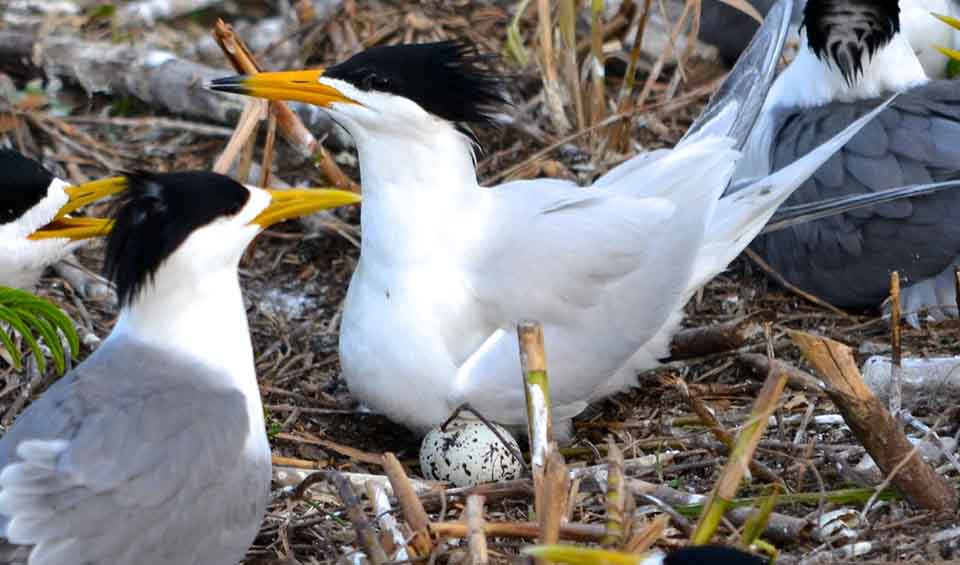
Chinese crested tern
Once believed to be extinct, this elegant tern was rediscovered in 2000 after going unrecorded for decades
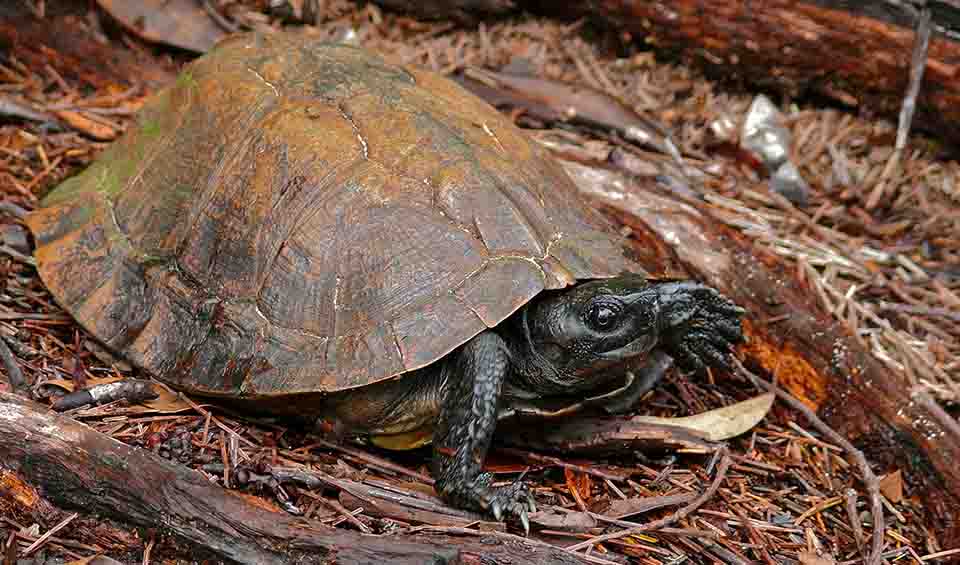
Asian leaf turtle
Their shell color can change slightly with age and environment

Common hill myna
Has an extraordinary ability to mimic human speech — better than almost any other bird on the planet

Short-tailed albatross
For decades, it was thought to be virtually gone, until a small breeding colony was rediscovered
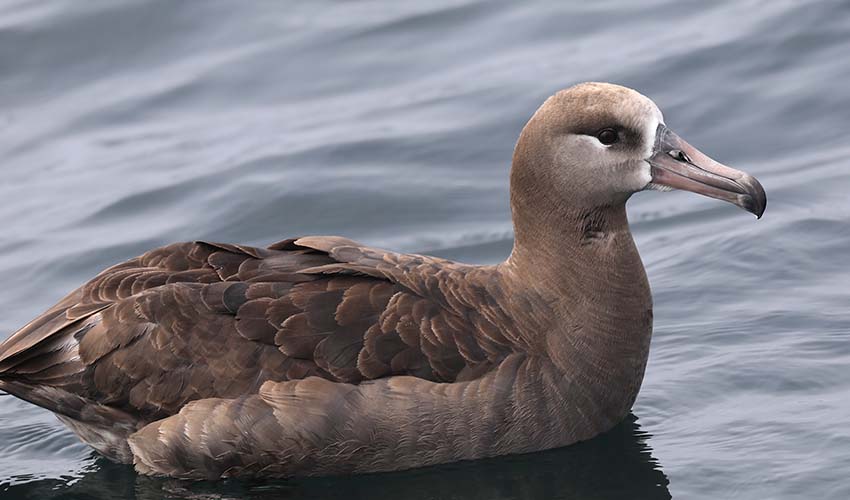
Black-footed albatross
Spends up to 95% of its life at sea, only coming to land to breed
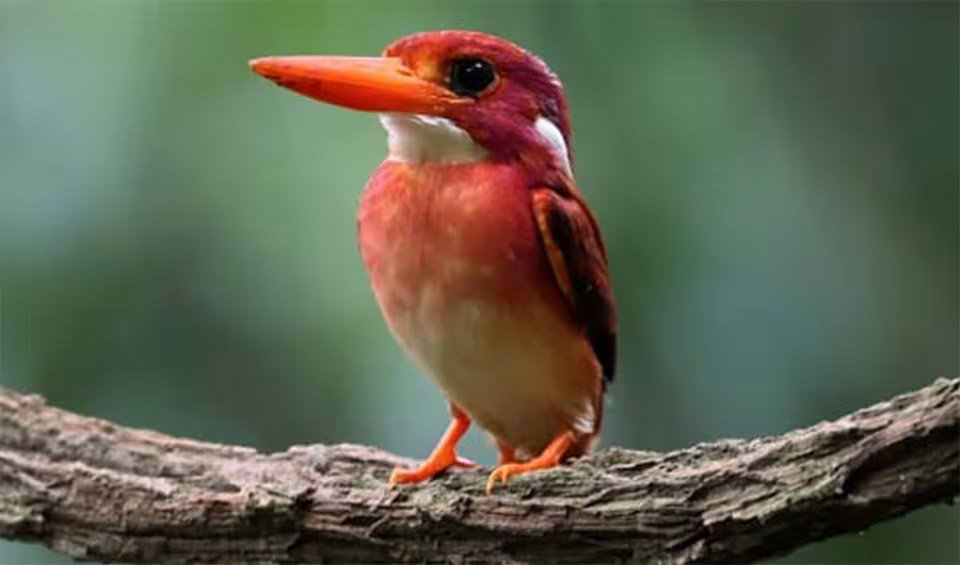
Philippine dwarf kingfisher
One of the smallest kingfisher species globally, and it exemplifies the concept of “dwarfism”
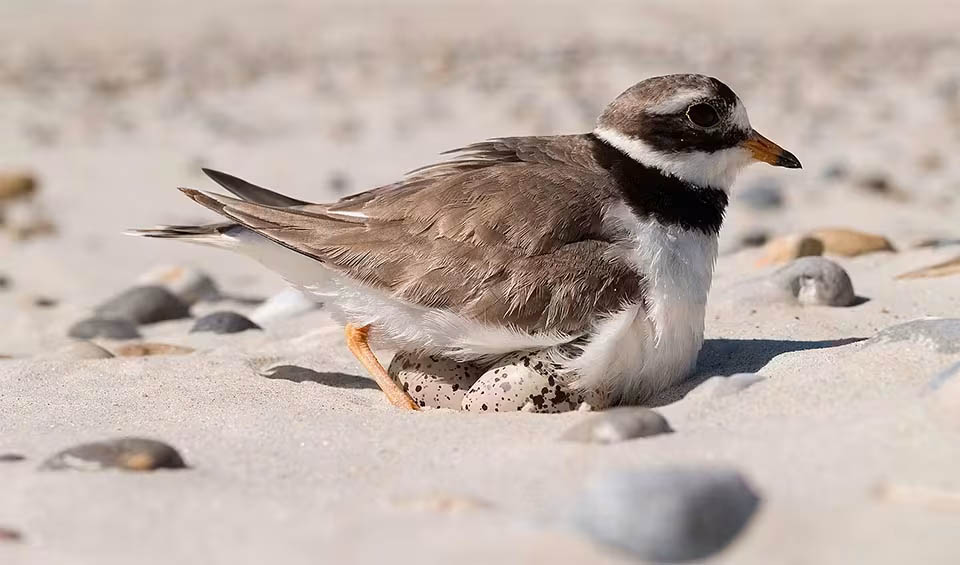
Common ringed plover
This bird taps its feet to imitate rain to make the prey reach the surface
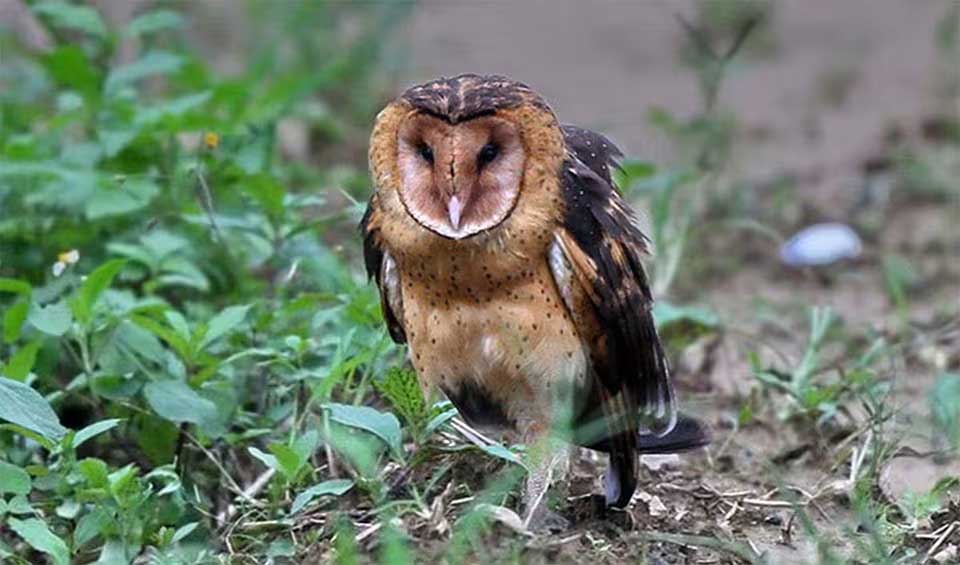
Australian grass-owl
This shy, nocturnal predator spends its life in open areas of grassland and cane fields but is rarely seen

Visayan warty pig
Seeing one in the wild is a rare privilege due to its declining numbers and elusive nature
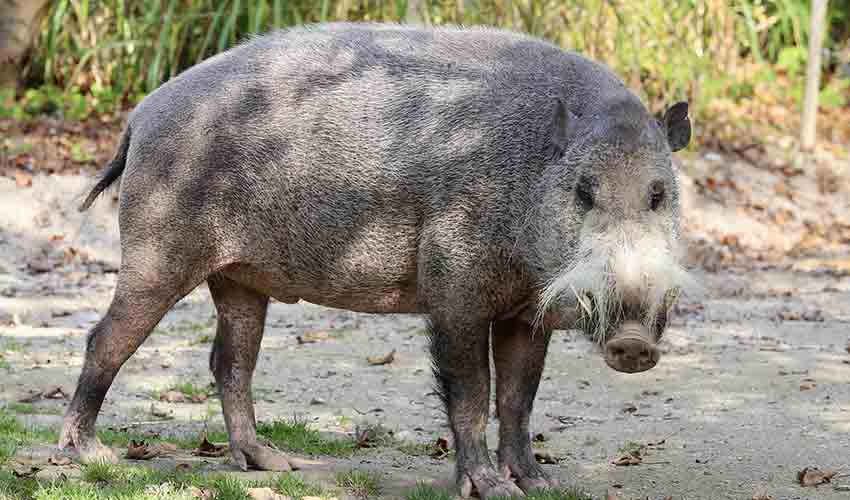
Bornean bearded pig
Has a shaggy “beard” of whiskers that hangs from its snout and jaw, giving it a scruffy, almost comical look
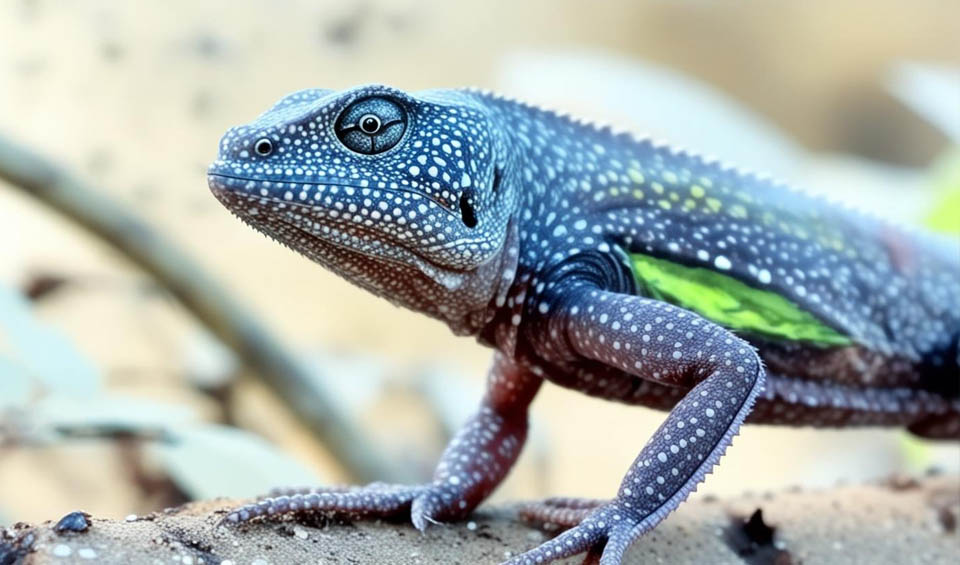
Mindanao flying dragon
Despite its name, this dragon doesn’t fly—it glides using rib-attached skin flaps, soaring effortlessly between trees
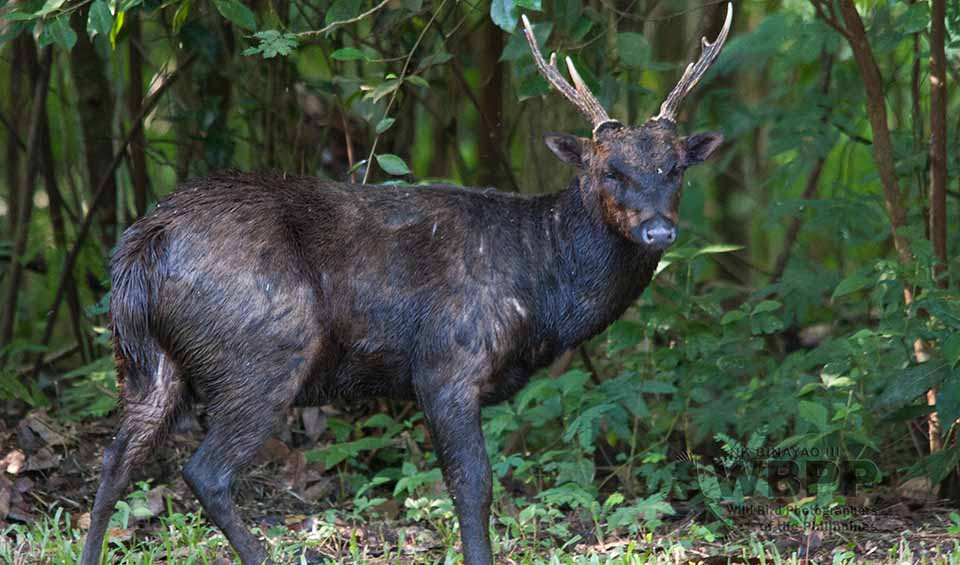
Philippine deer
Their dark brown fur helps them blend perfectly with the forest, making them hard to spot in the wild

Oliver’s warty pig
Known for a longer, more downward-sloping snout compared with some other Philippine warty pigs
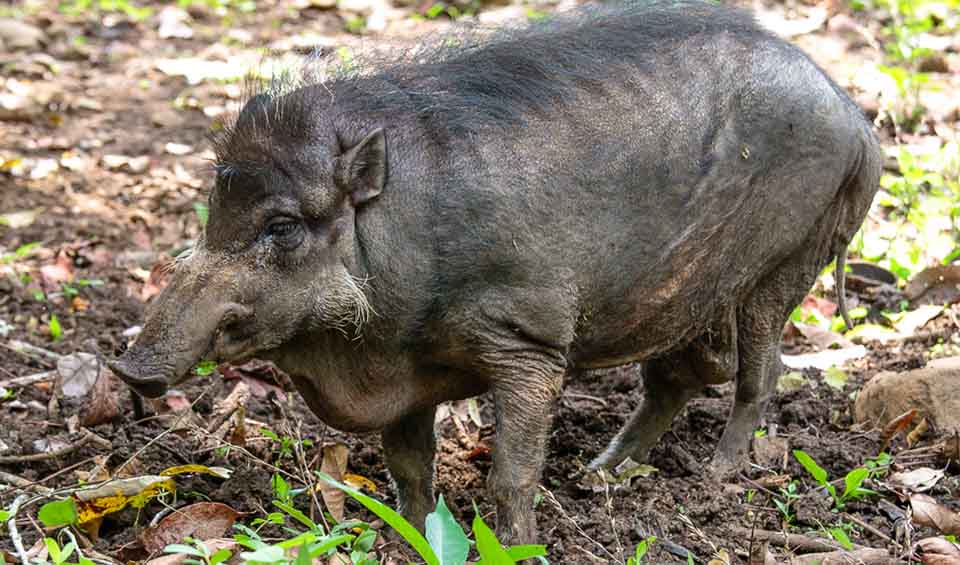
Philippine warty pig
Their warts aren’t just for show; they’re believed to provide protection during fights
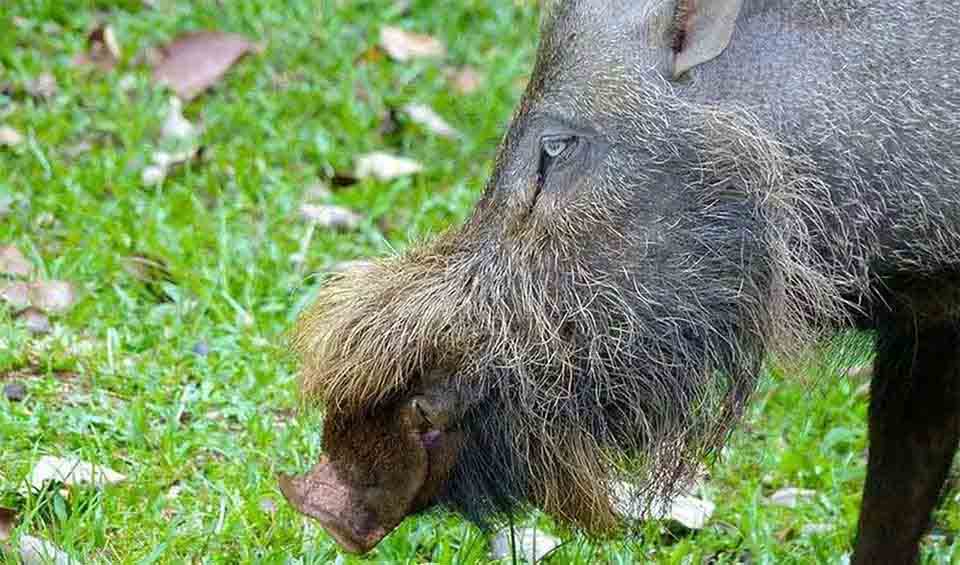
Palawan bearded pig
A sizeable wild pig found only in the Philippines, still smaller than the closely-related species of bearded pig of Indonesia
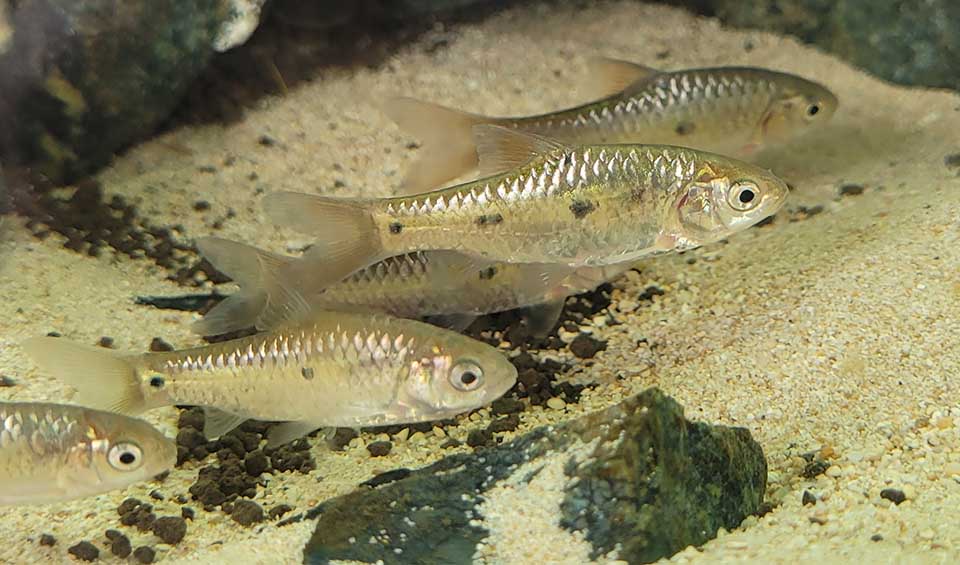
Barbodes montanoi
A living, swimming secret of Mindanao’s rivers

Hawaiian petrel
They’re part of the “invisible wildlife” of Hawaii
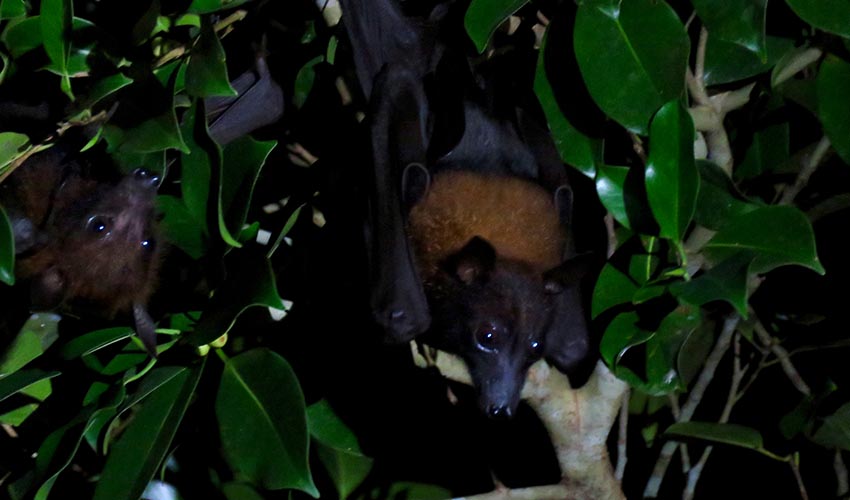
Large flying fox
So big that locals in some parts of Asia jokingly call it a “sky puppy,” because its face resembles that of a dog
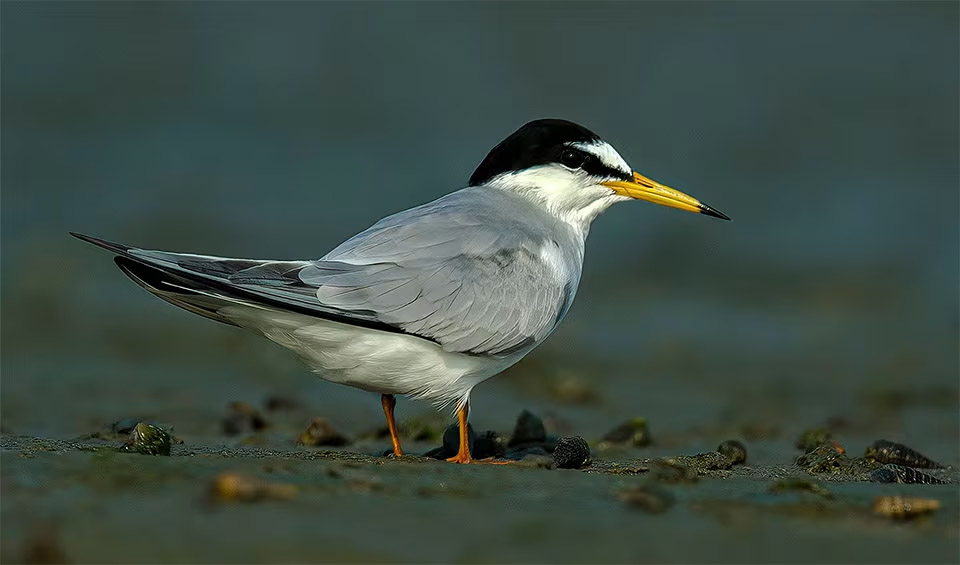
Little tern
Renowned for their spectacular aerial displays during courtship, including steep dives and intricate flight patterns
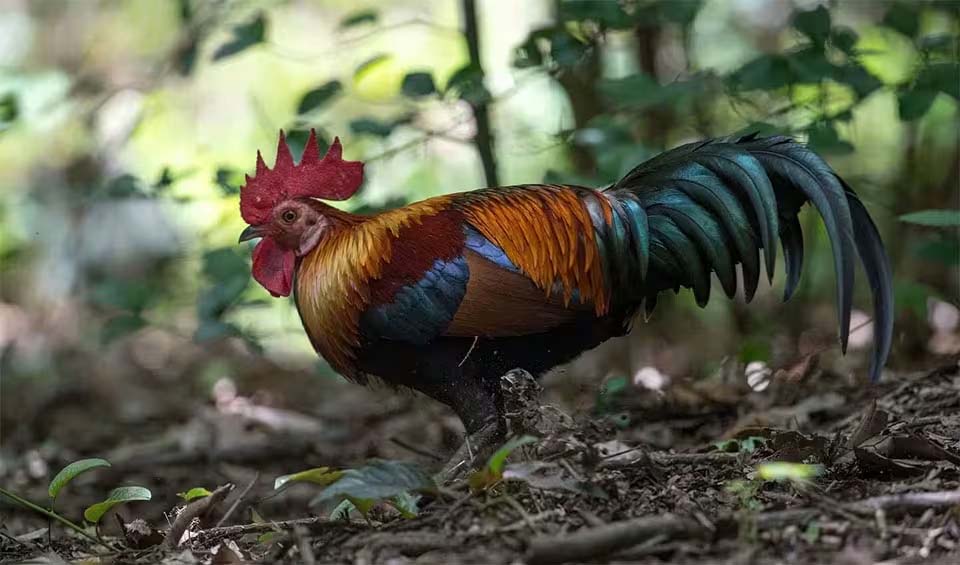
Red junglefowl
Native to Asia where they were first domesticated, the ancestors to all our chickens
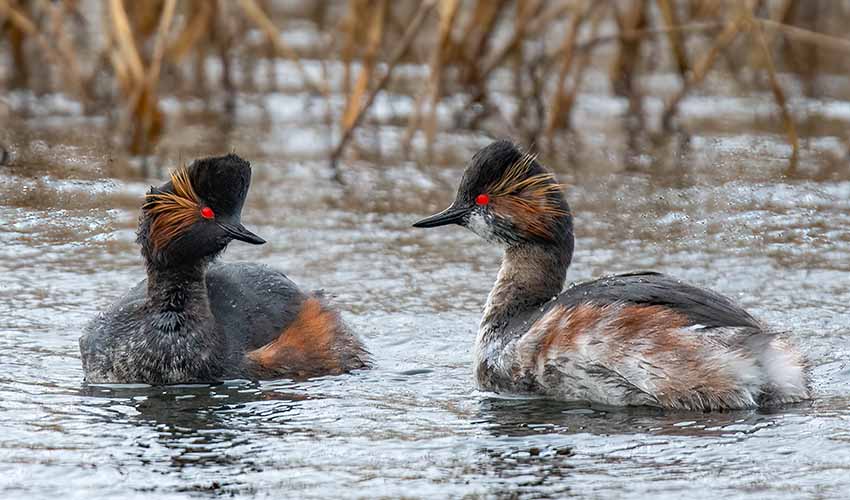
Black-necked grebe
Unlike many birds, their chicks can swim and dive just hours after hatching

Ryukyu flying fox
Can fly several kilometers each night to find the fruits they need
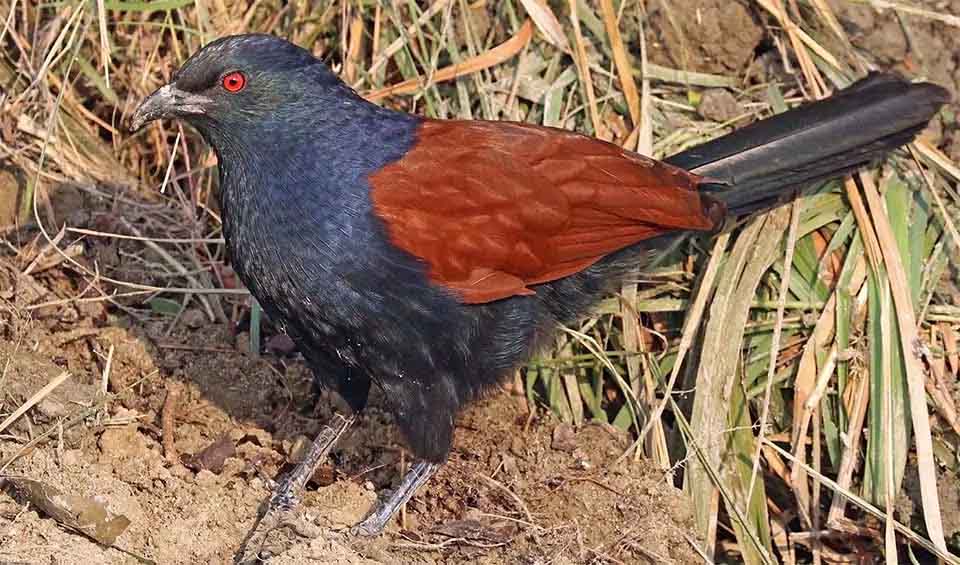
Greater coucal
Sometimes mistaken for a crow because of its size and dark coloration
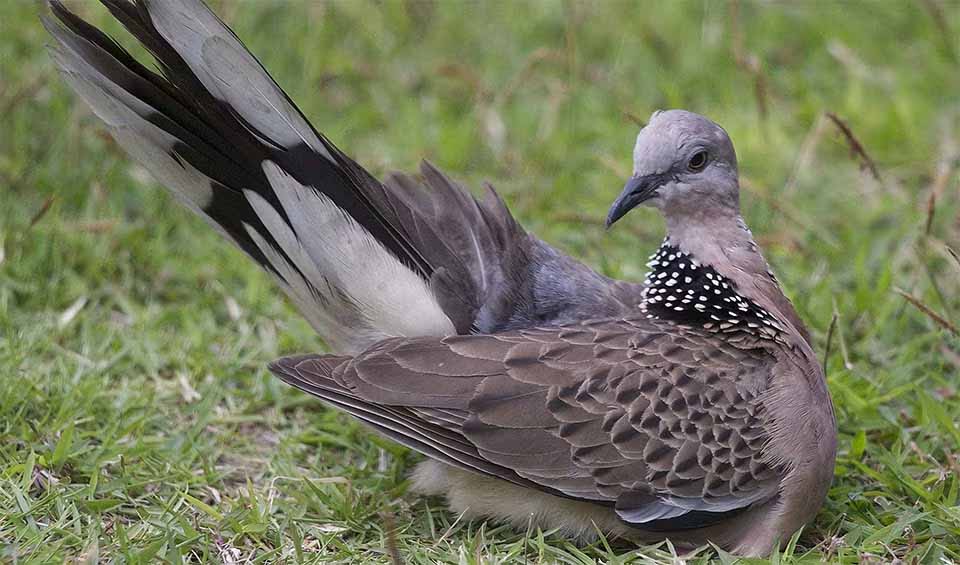
Spotted dove
A delightful bird with a calm and peaceful nature
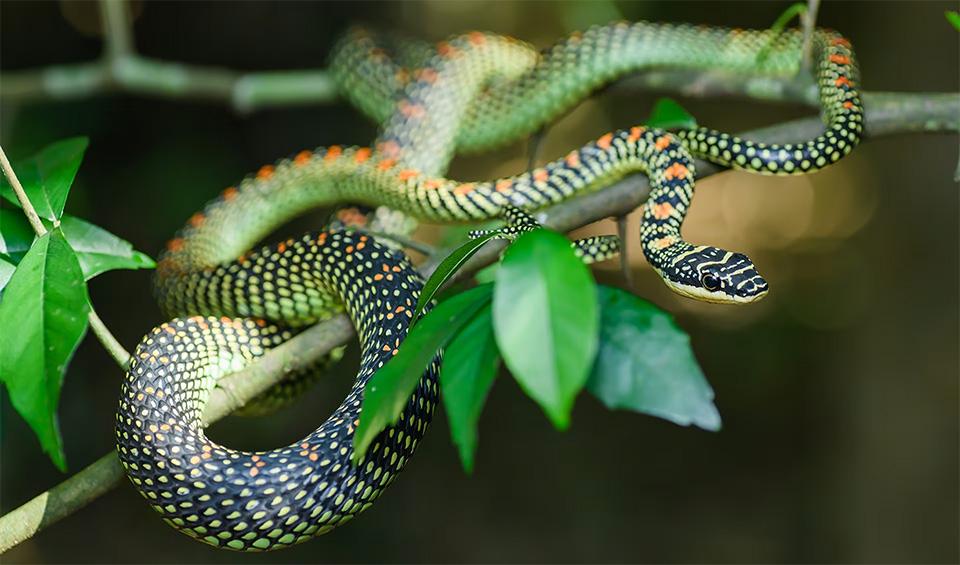
Paradise flying snake
A snake that can fly? Well, not exactly fly, but glide through the air like a superhero
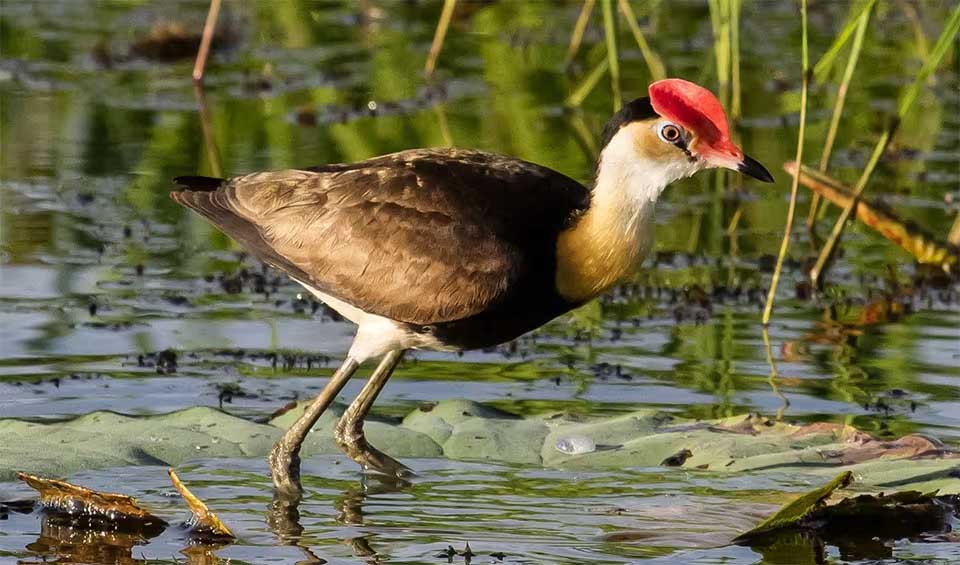
Comb-crested jacana
A tiny water walker, perfectly designed for life on floating plants in swamps and lakes

Spot-billed pelican
Those bill “spots” are the quick ID clue
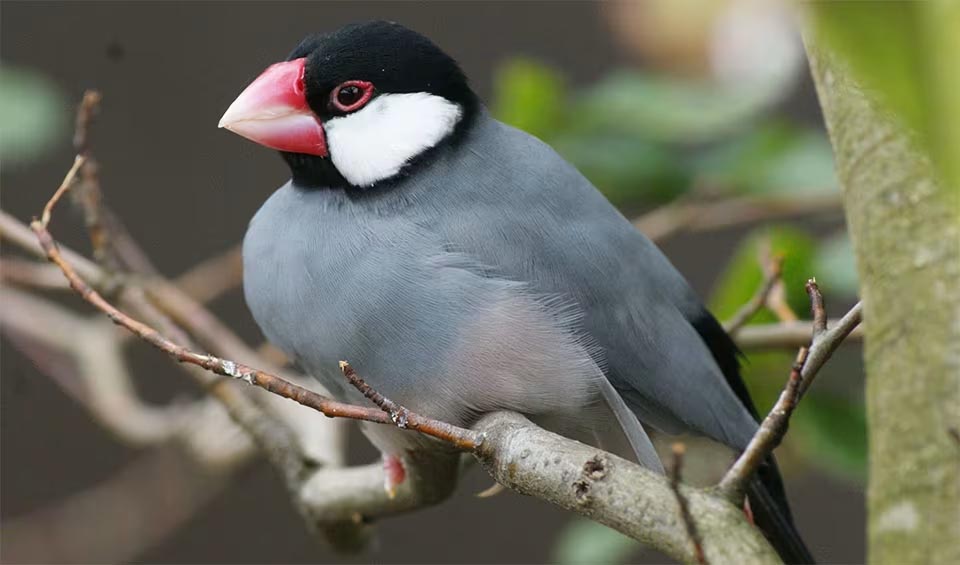
Java sparrow
Small, chubby bird with big, round eyes that make it look extra cute
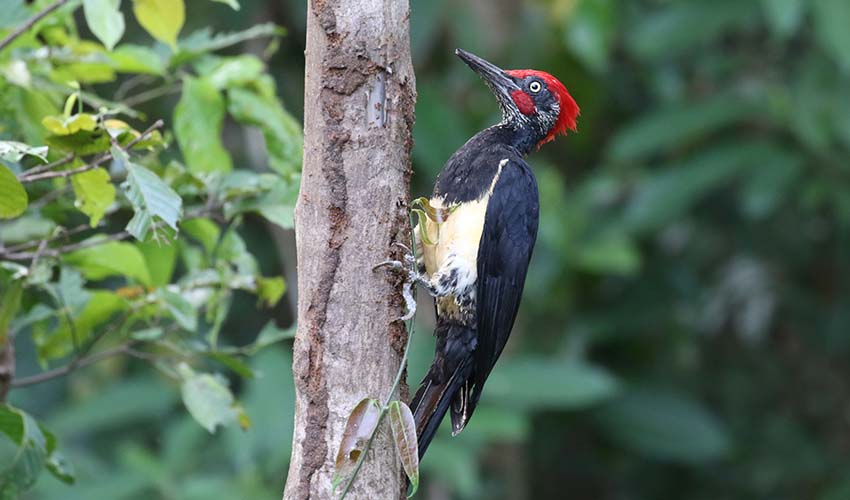
White-bellied woodpecker
A bold black-and-white bird with a red crown that makes it stand out in the forest
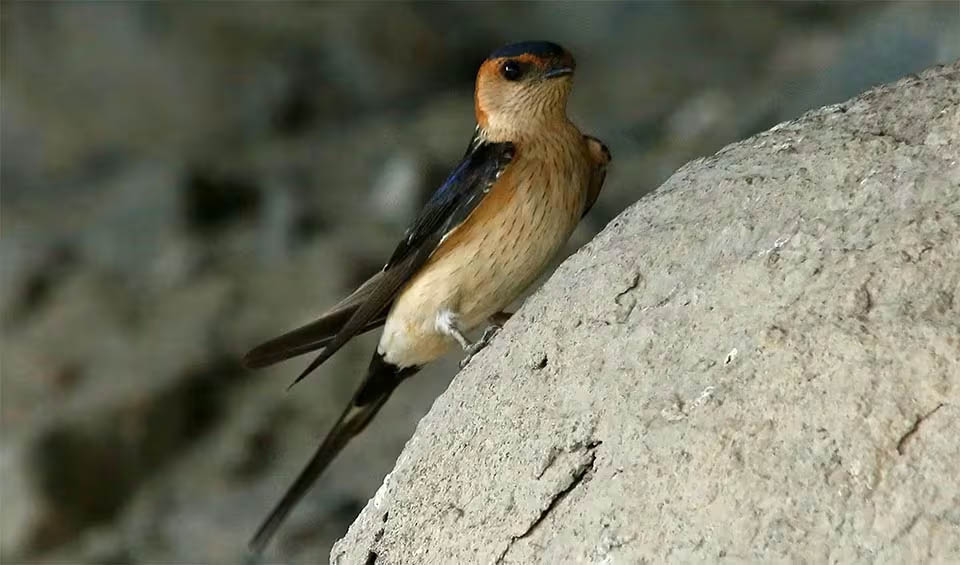
Red-rumped swallow
Amazing flyers — they can even drink water while they’re flying!
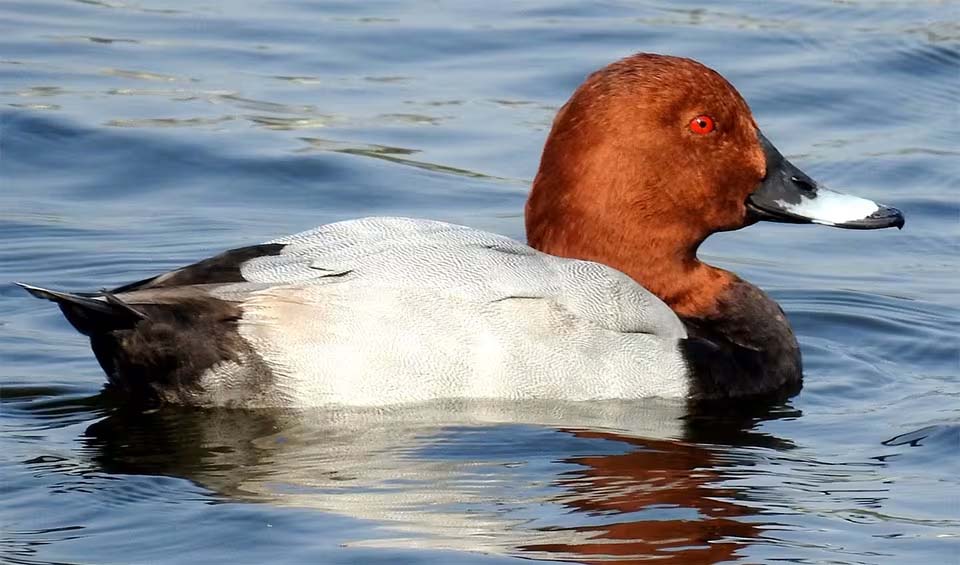
Common pochard
Can dive down to the bottom of a lake and rest there, safe from predators!

Tufted duck
Sometimes mistaken for the North American ring-necked duck — but the tuft gives them away immediately
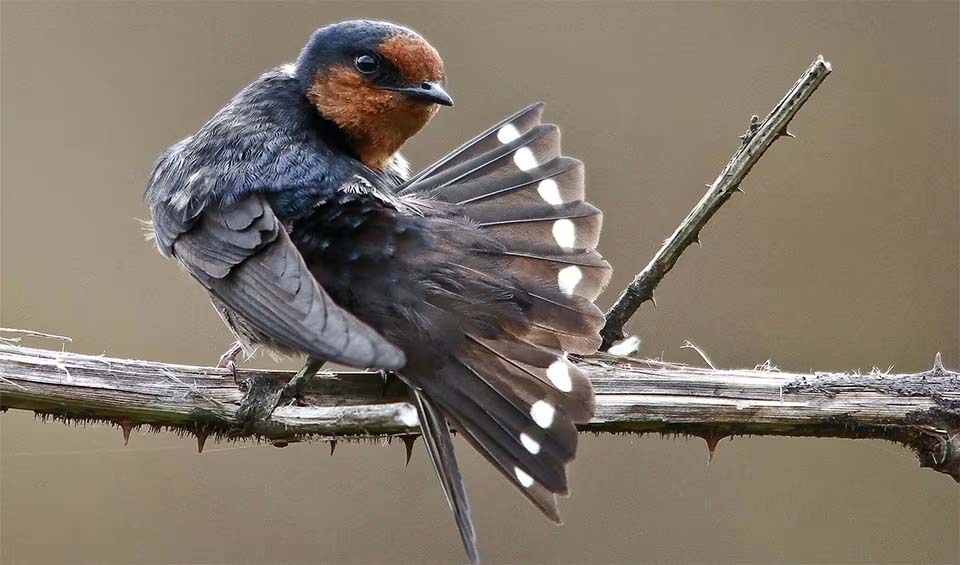
Barn swallow
Most common and widely distributed swallow globally
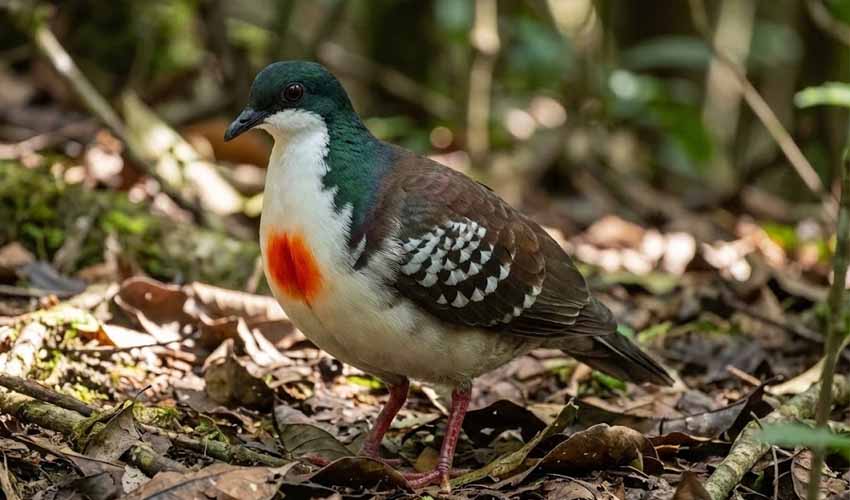
Mindoro bleeding-heart
A vibrant red patch, shaped like a heart (though thankfully not a symbol of injury!), stands out against its white underparts
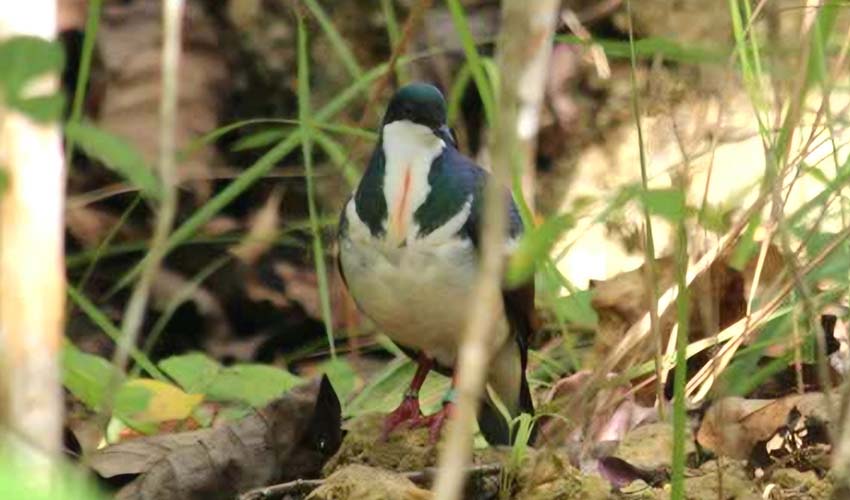
Negros bleeding-heart
Has been pushed to the brink of extinction by deforestation and hunting
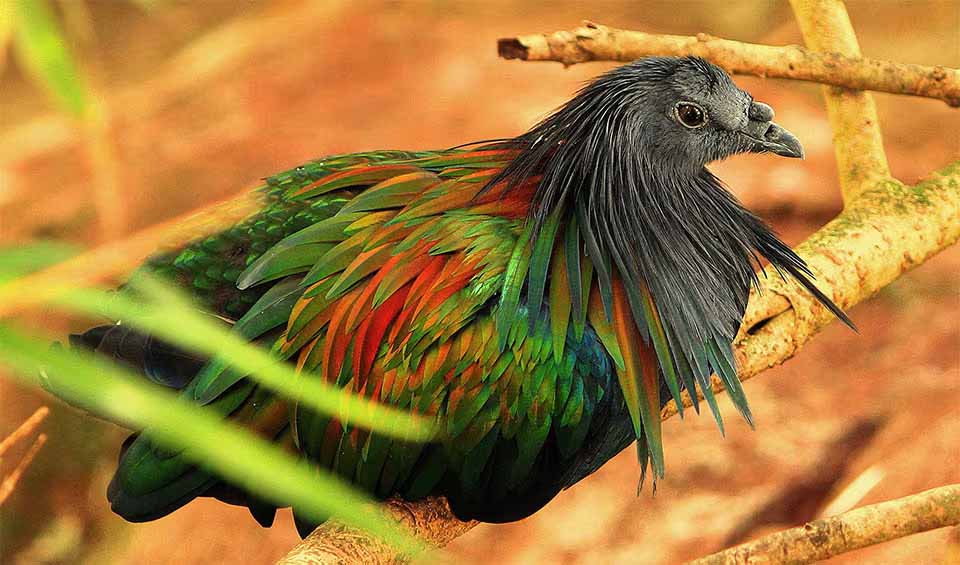
Nicobar pigeon
Considered one of the closest living relatives to the extinct dodo bird
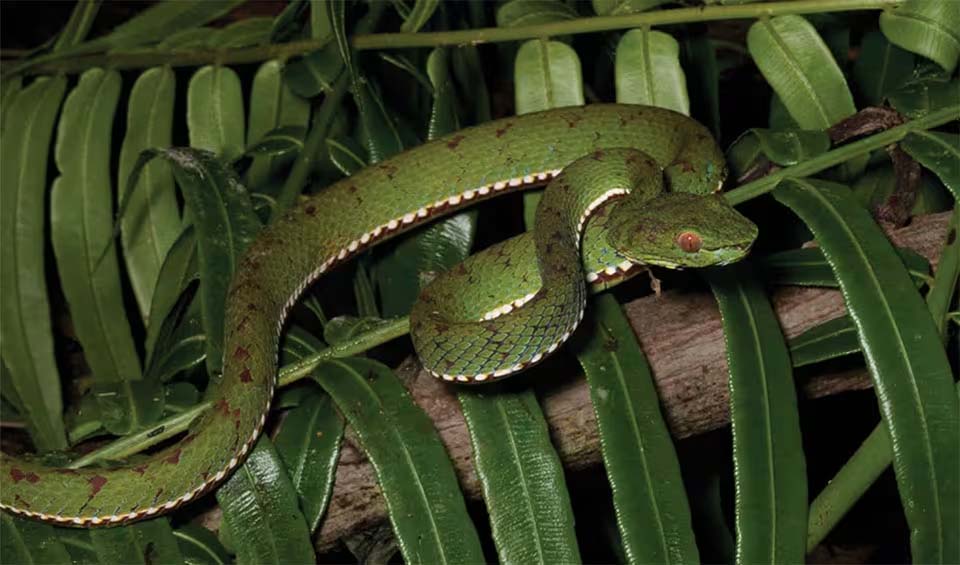
Philippine pit viper
A beautiful but deadly snake adorned with intricate patterns and splotches
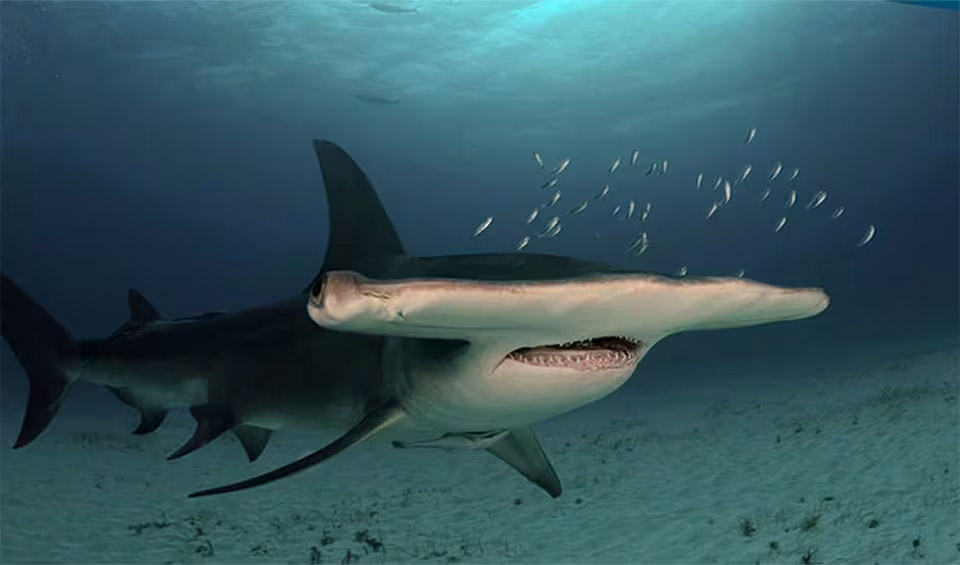
Great hammerhead
The biggest of all the hammerhead sharks, with a massive head that looks like a giant, flat hammer
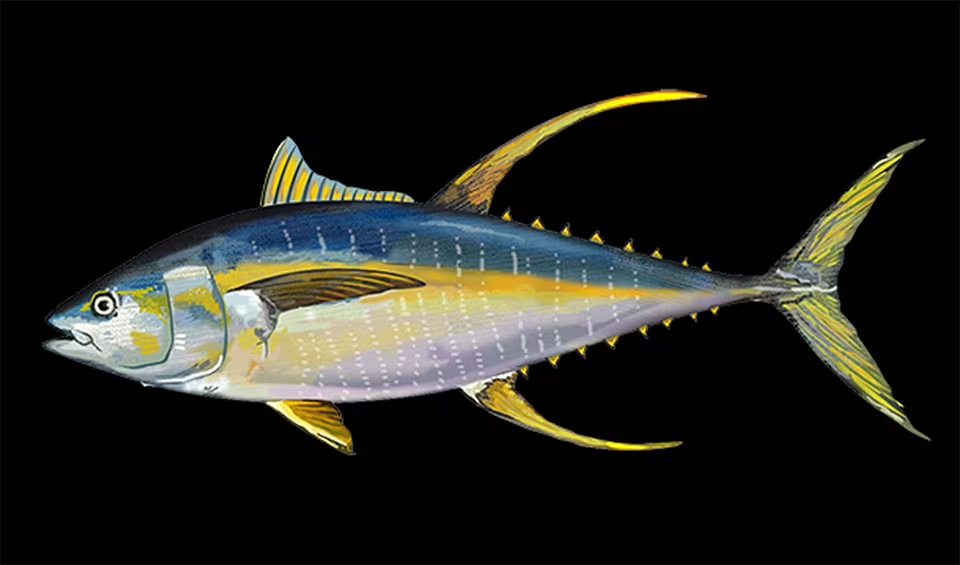
Yellowfin tuna
Popular food fish, prized for its mild flavor and firm texture
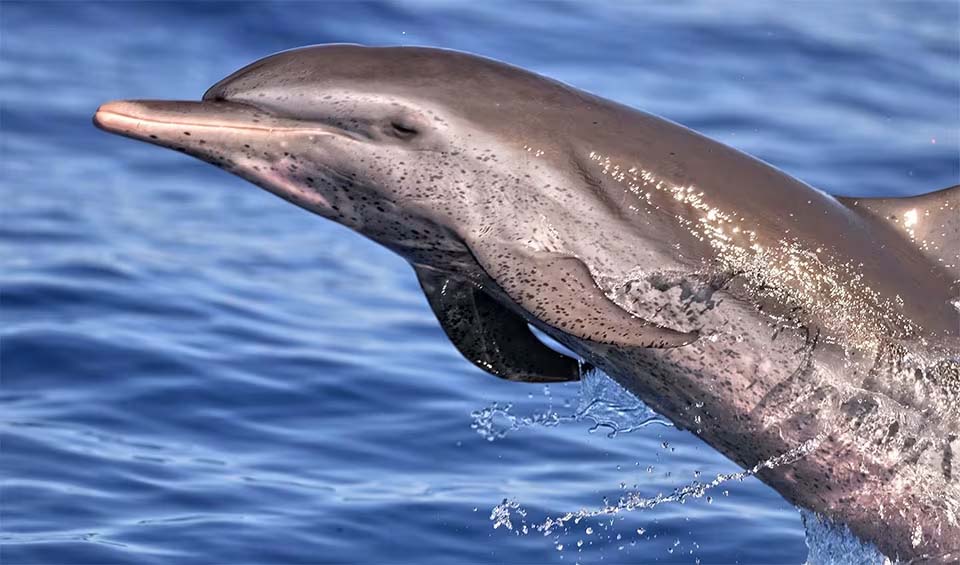
Pantropical spotted dolphin
A champion swimmer and a social butterfly of the warm seas
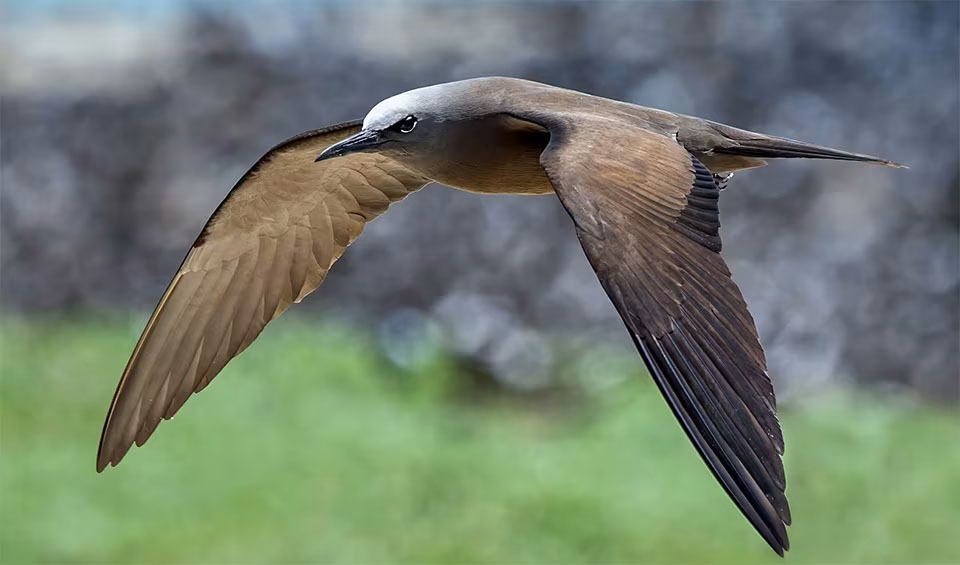
Brown noddy
They bob their heads up and down as they fly, which is actually how they earned the nickname “Noddy”
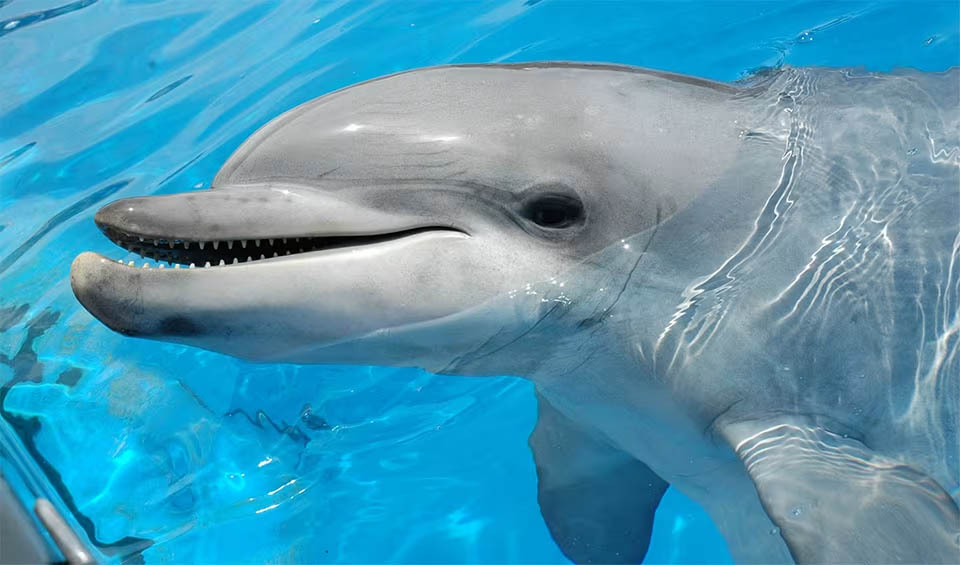
Common bottlenose dolphin
Known for their acrobatic leaps, twisting and turning gracefully as they jump completely out of the water

Grey-headed fish-eagle
Often described as quiet and patient despite its imposing look
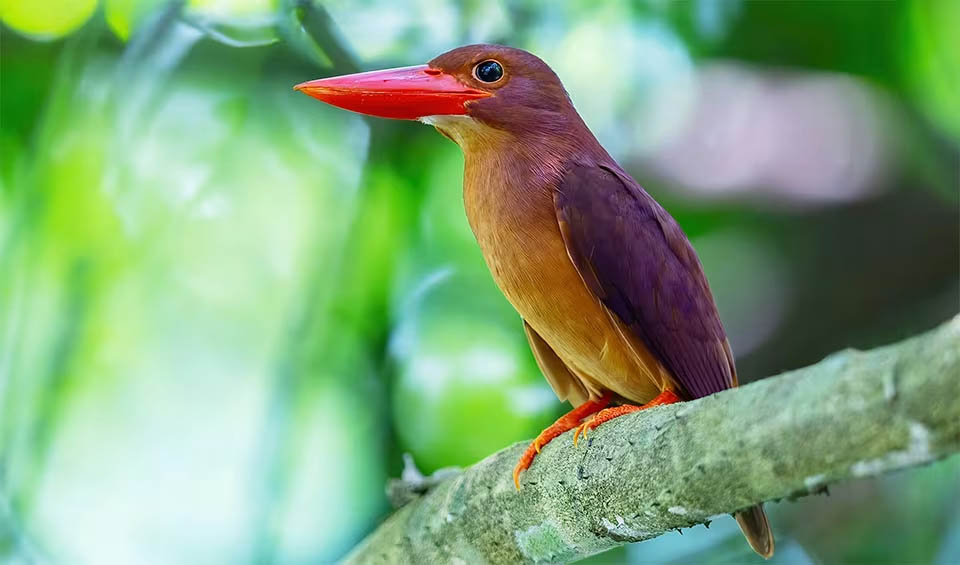
Ruddy kingfisher
Notoriously difficult to spot due to their preference for dense, shadowy forest habitats
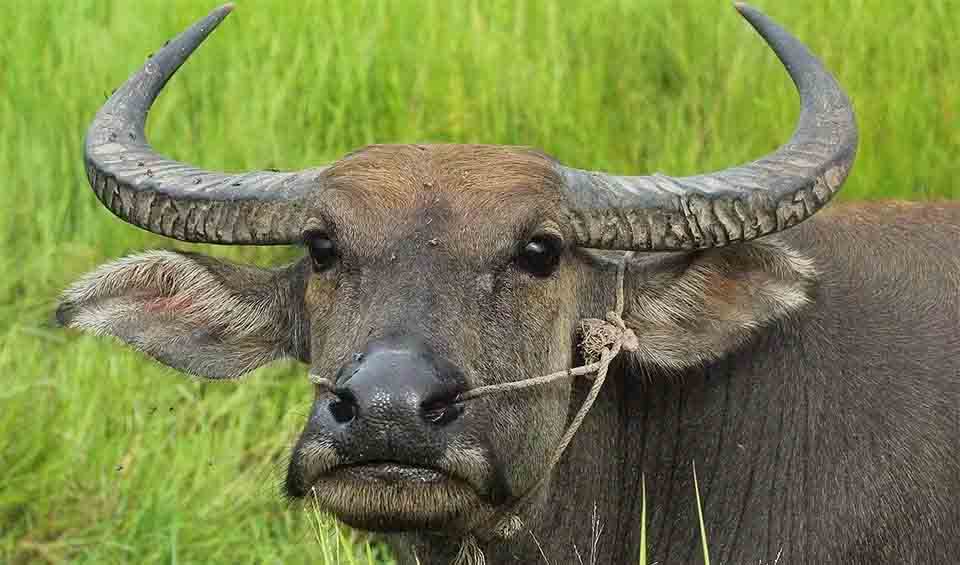
Water buffalo
The “living tractors of the East”—vital in traditional agriculture, particularly in Asia
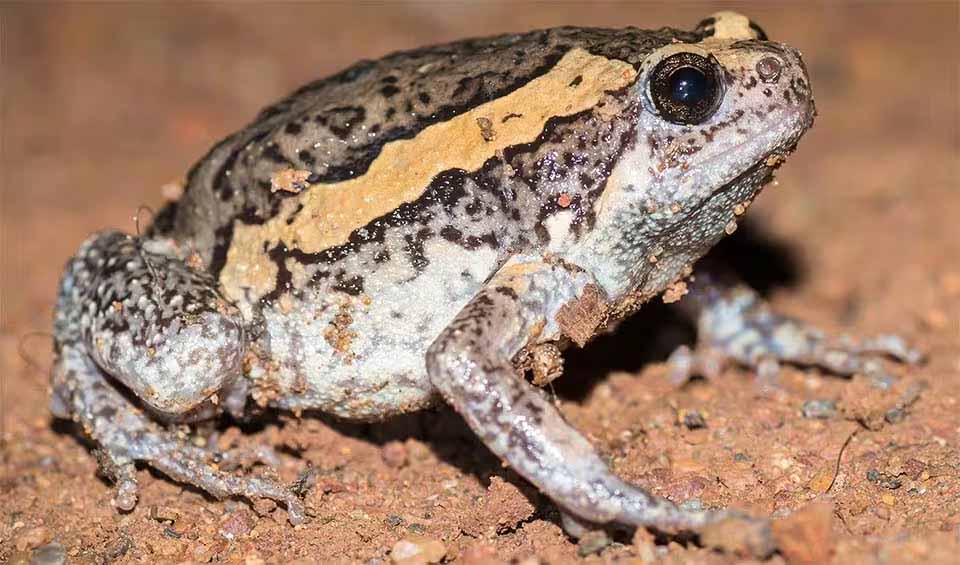
Banded bullfrog
These frogs don’t “croak”—their call sounds more like a dog’s bark!
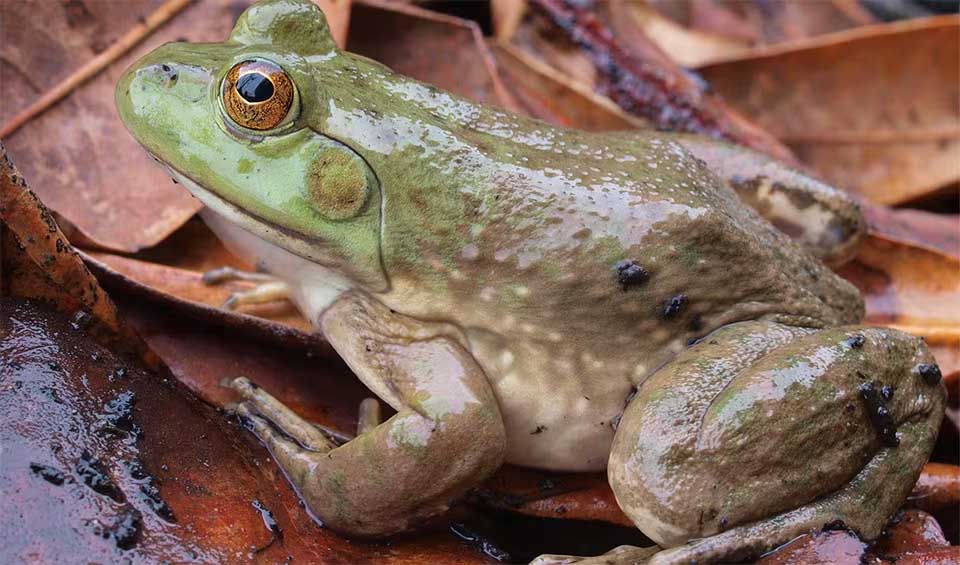
American bullfrog
Introduced to many regions where it is now considered an invasive species
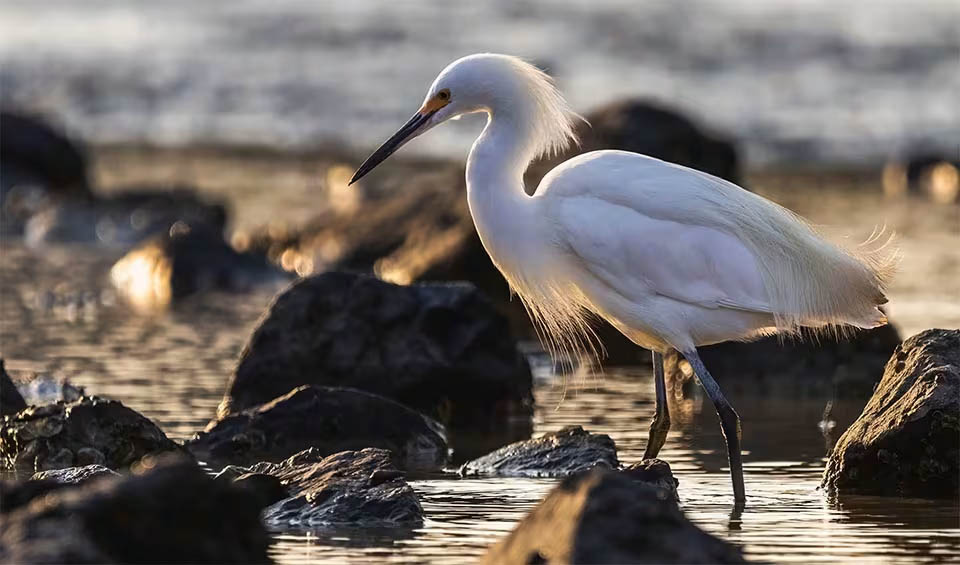
Little egret
During breeding, they transform with elegant white plumage, adorned by decorative plumes on the head, neck, and back
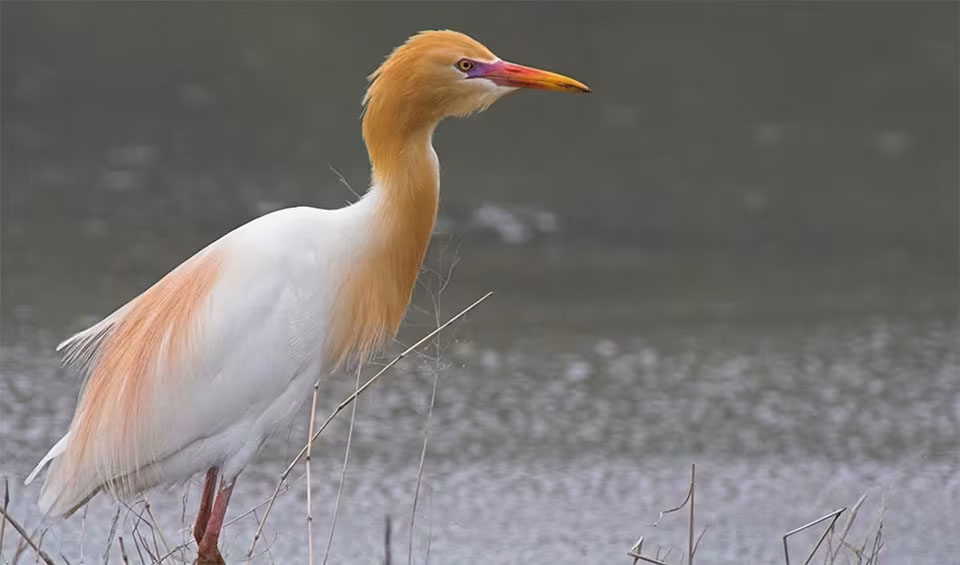
Eastern cattle egret
It can catch insects that are disturbed by the animals’ movements
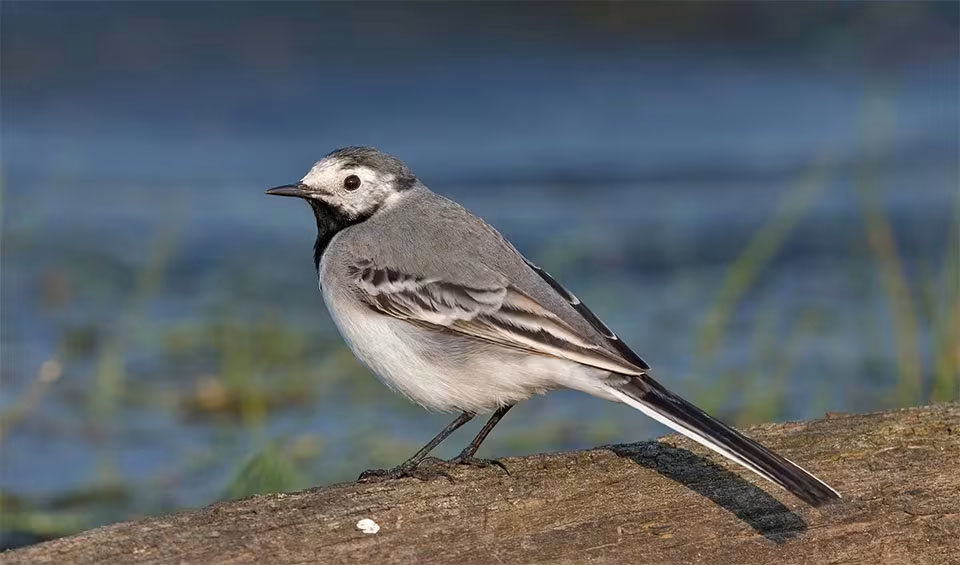
White wagtail
Holds cultural symbolism in some societies, representing good luck
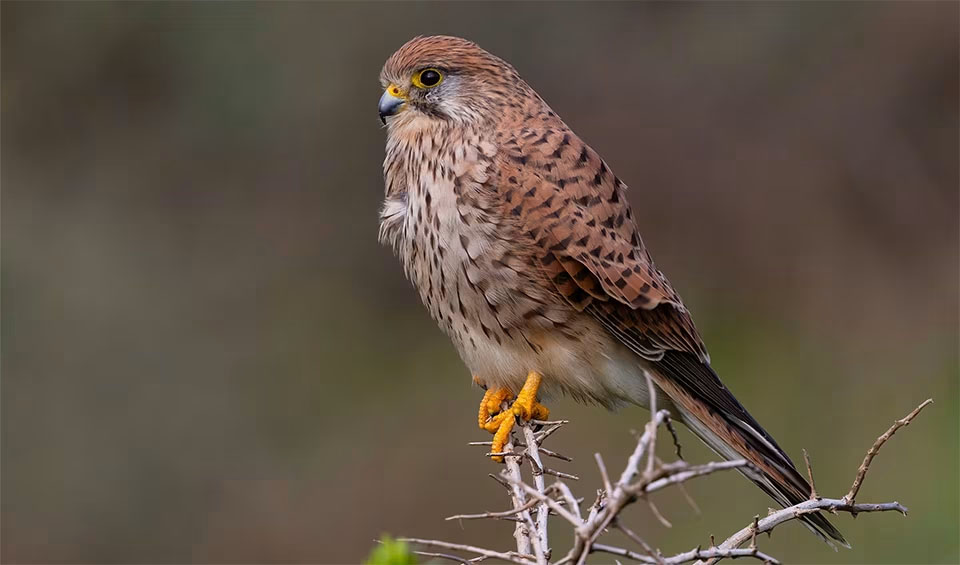
Eurasian kestrel
Adaptable raptor known for its hovering hunting technique and striking appearance
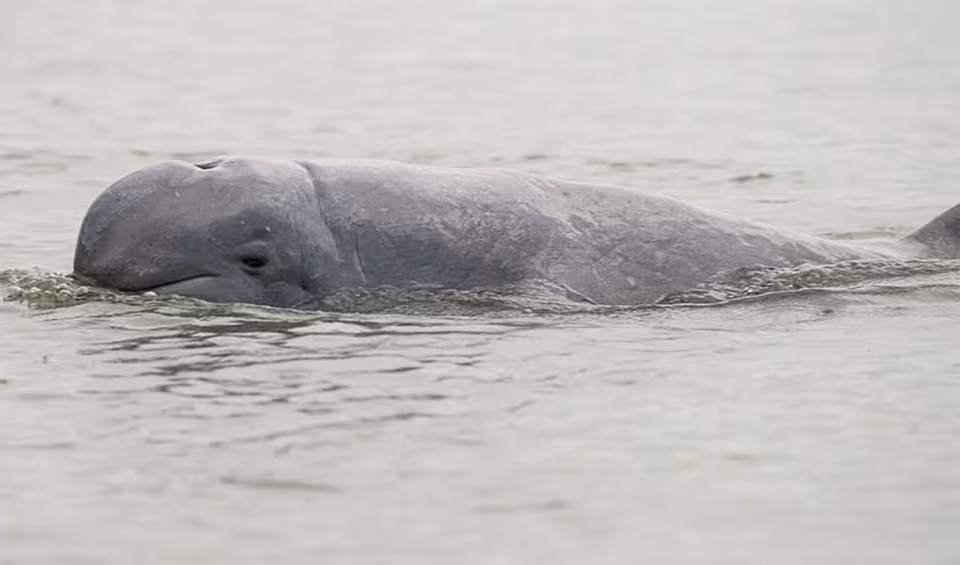
Irrawaddy dolphin
Have a preference for slower-moving or still waters, making them well-suited to environments like rivers and deltas
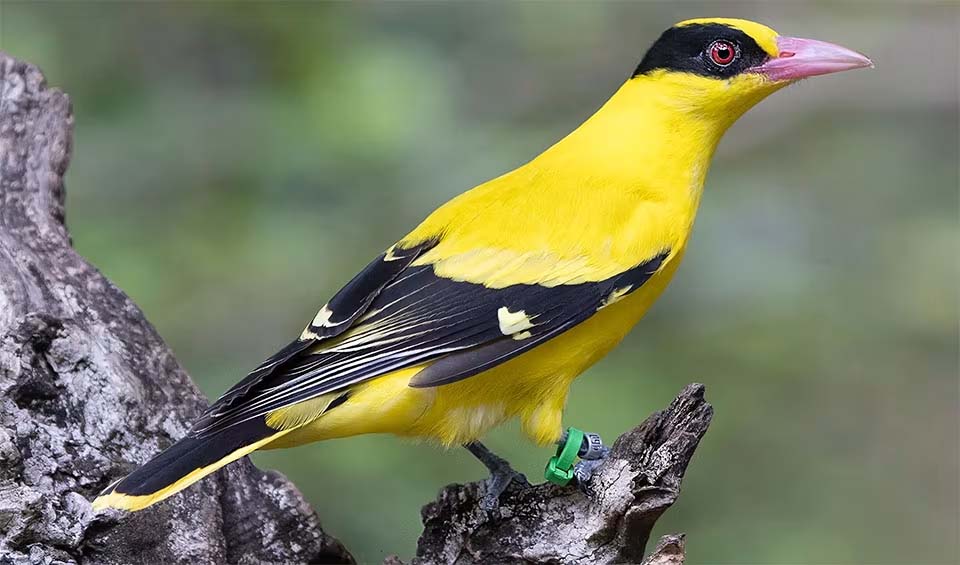
Black-naped oriole
They are skilled mimics, capable of imitating various sounds from their surroundings
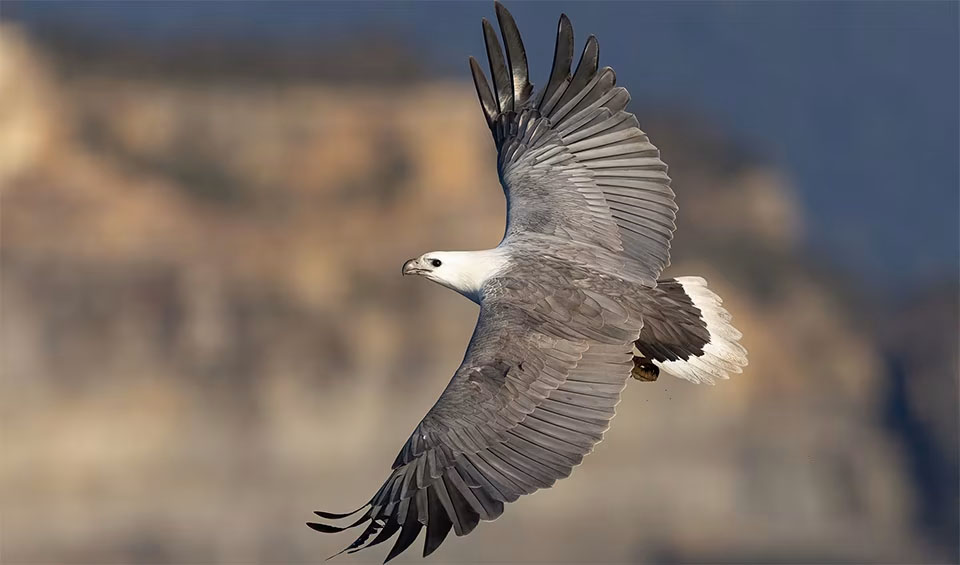
White-bellied sea eagle
Its broad wings enable it to glide effortlessly on air currents, often seen navigating the coastal winds
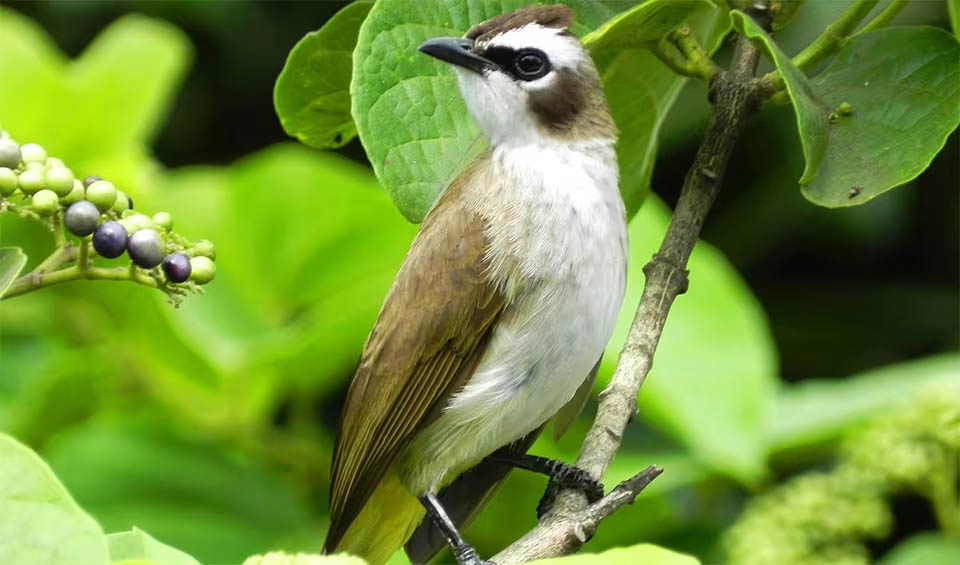
Yellow-vented bulbul
It successfully integrated itself into urban environments, often found in gardens, parks, and even city centers
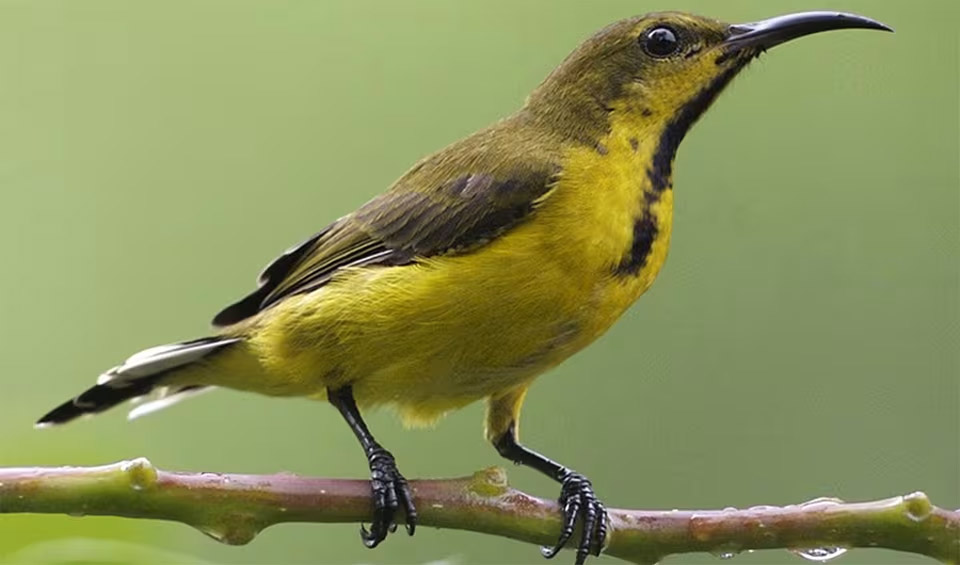
Olive-backed sunbird
Using spider silk and plant materials, they construct delicate nests that hang from branches
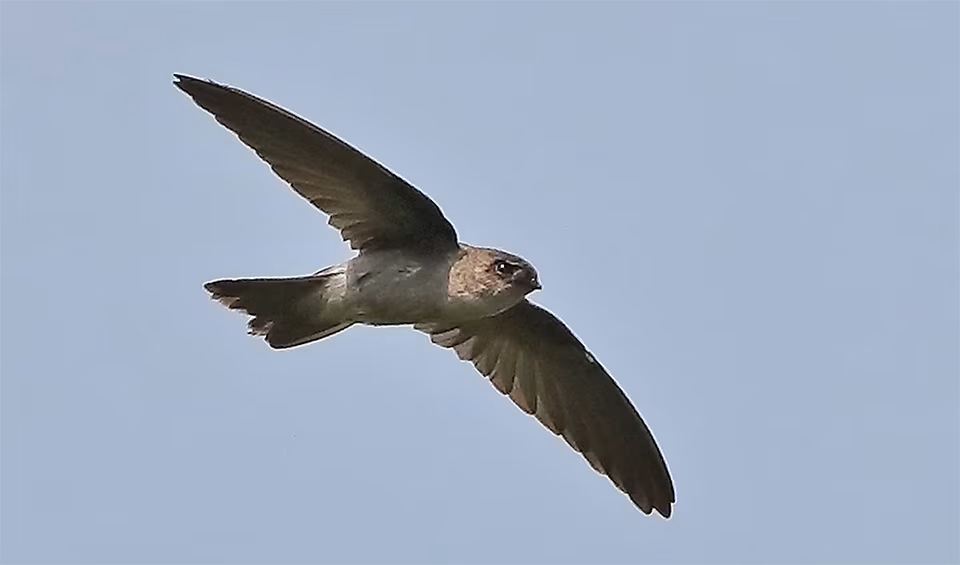
Asian palm swift
Their narrow wings, long forked tails, and streamlined bodies are perfectly designed for high-speed maneuvers
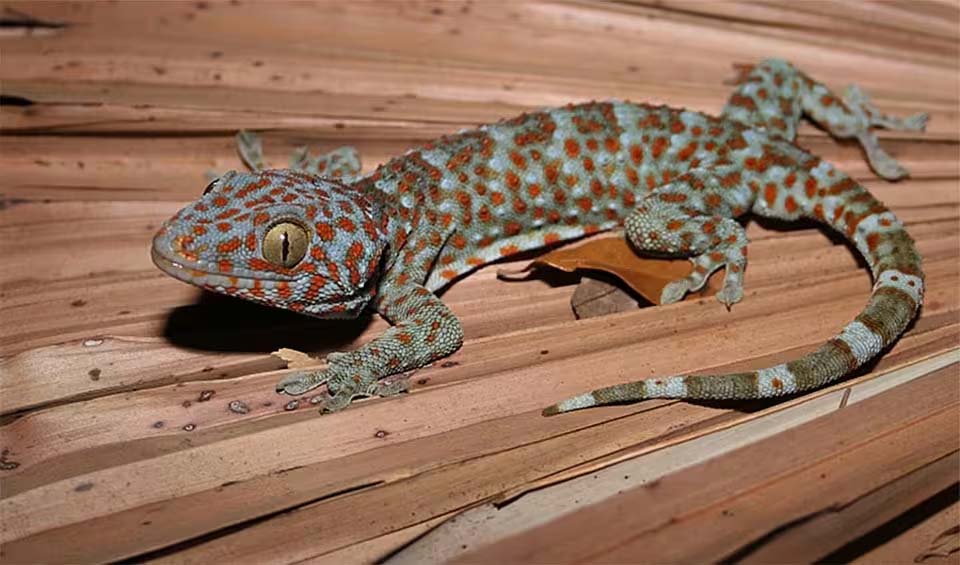
Tokay gecko
Its large eyes are equipped with highly sensitive retinas, which allow it to see in low light conditions
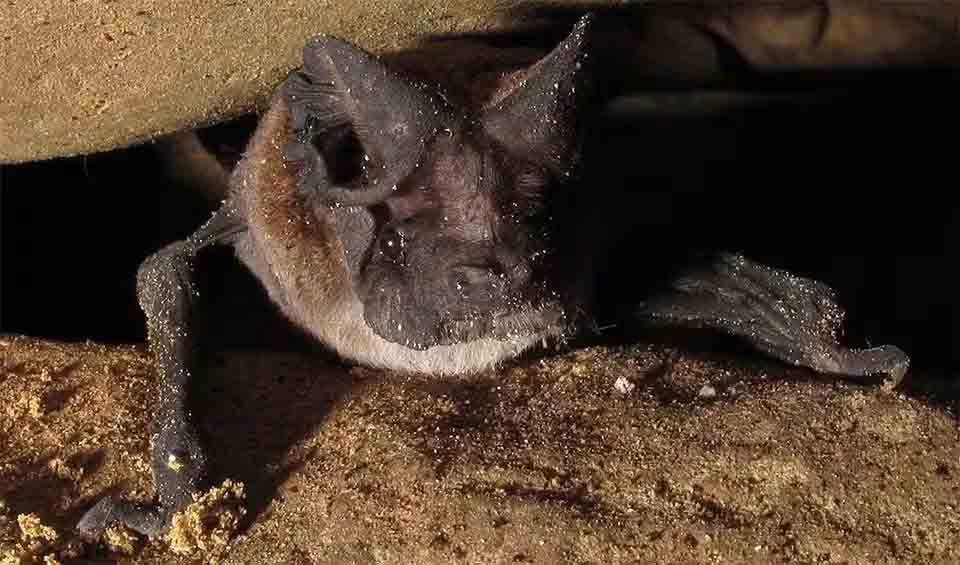
Wrinkle-lipped free-tailed bat
Their name comes from the distinctive folds or wrinkles on their lips which is essential for capturing prey in mid-flight
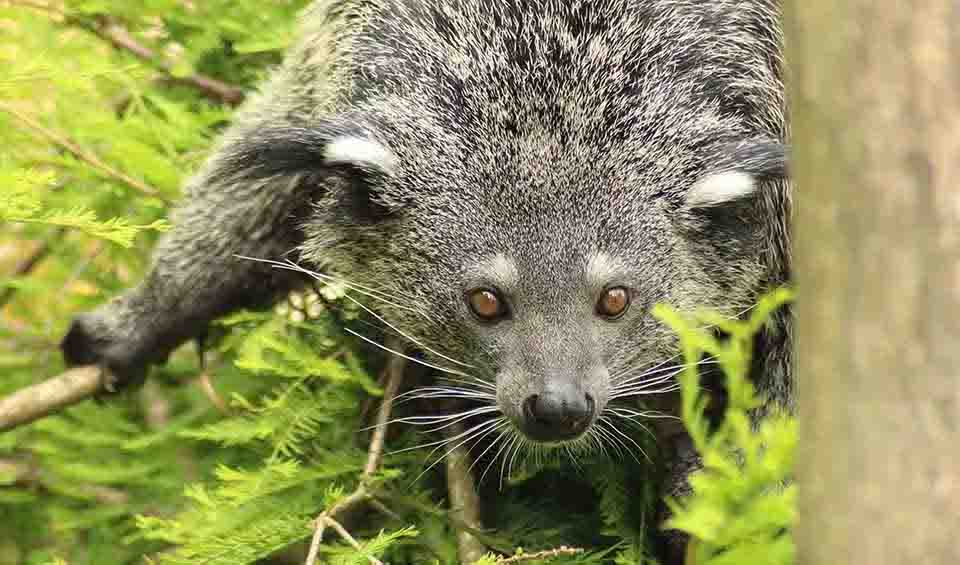
Binturong
Despite their nickname “bearcat,” they are not related to bears or cats
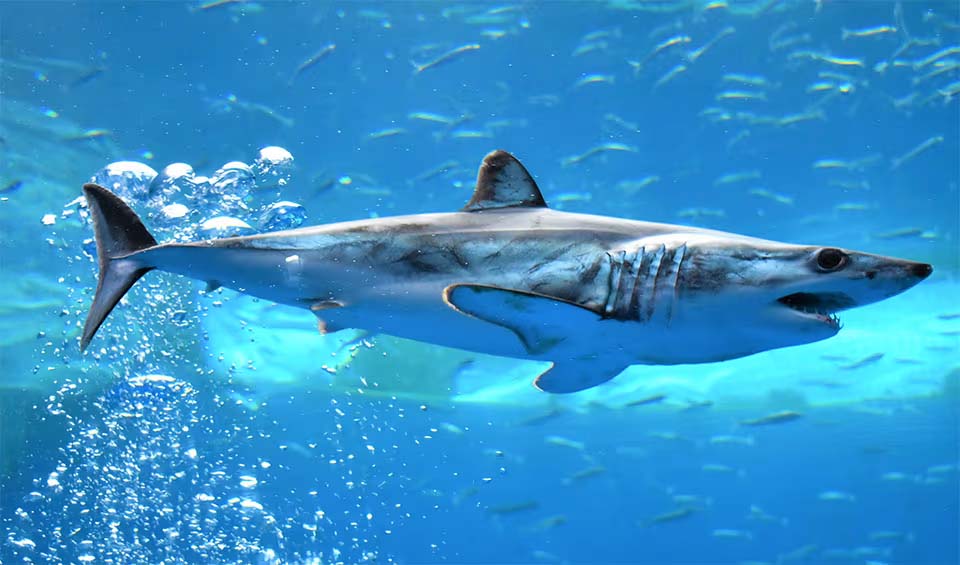
Shortfin mako shark
Speed and power embodied, they rule the seas with their sleek bodies and jaw-dropping leaping prowess
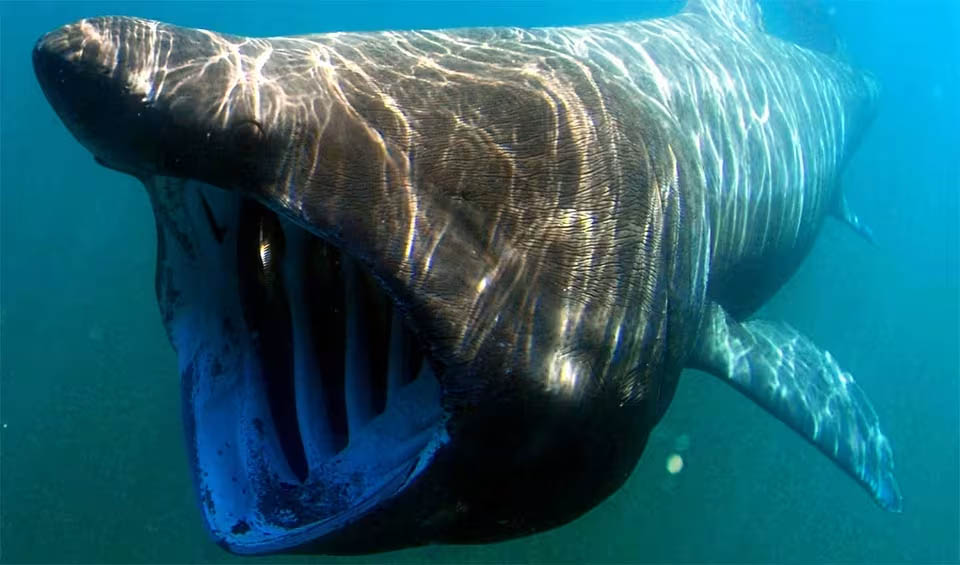
Basking shark
Majestic giants of the sea, they peacefully glide through the ocean with mouths agape, filtering the waters for sustenance
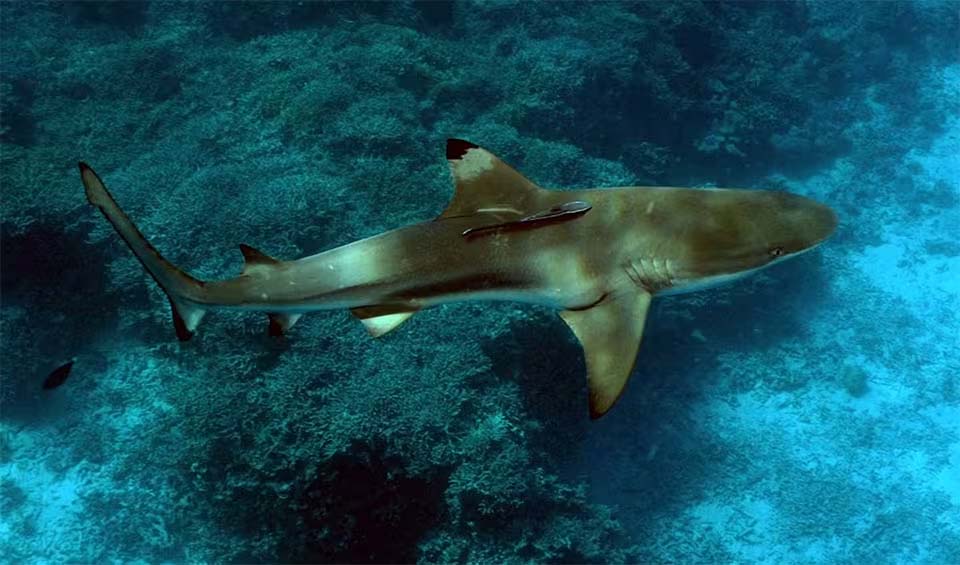
Blacktip reef shark
Graceful and stealthy, these reef dwellers navigate the coral maze with finesse, showcasing their iconic black-tipped fins
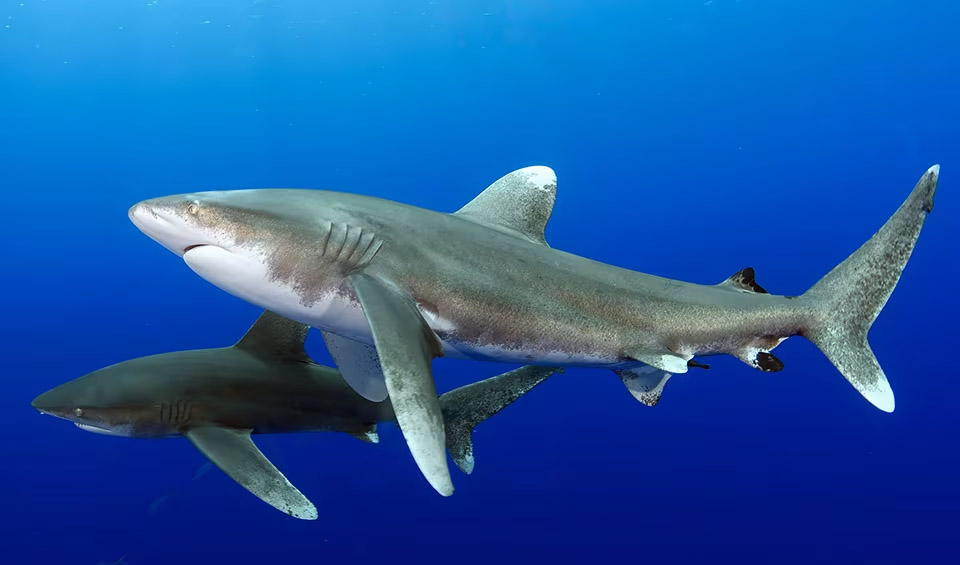
Oceanic whitetip shark
Opportunistic predators of the open ocean, their aggressive and persistent feeding behaviour strikes fear into the hearts of their prey
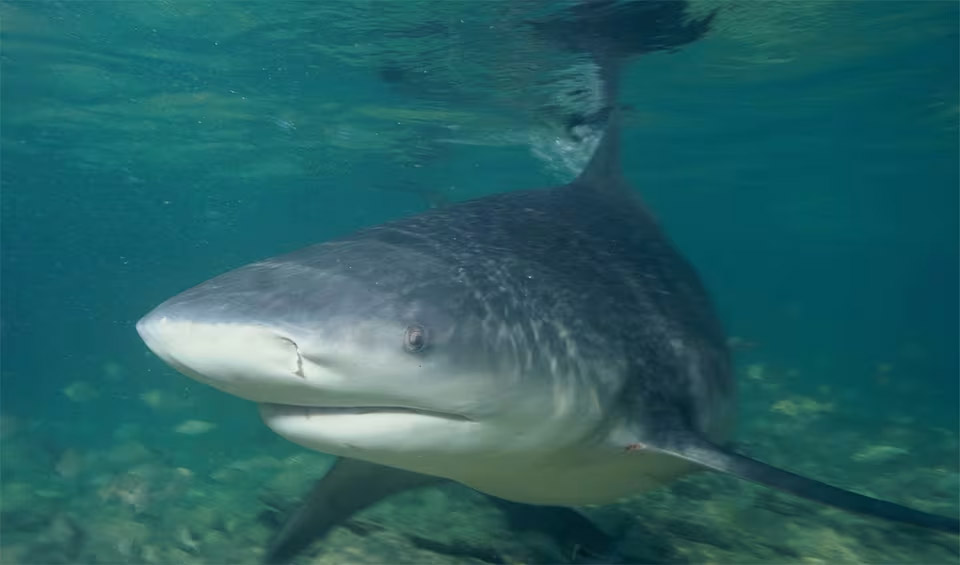
Bull shark
Fearless and formidable, these aggressive predators command respect in the waters they roam
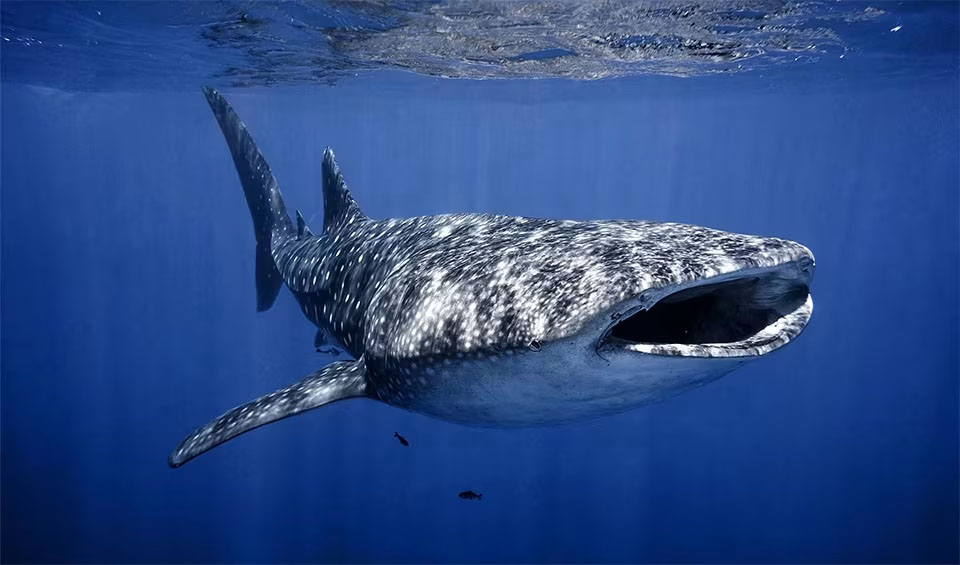
Whale shark
Gentle giants of the sea, with mouths wide open to filter the ocean’s bounty
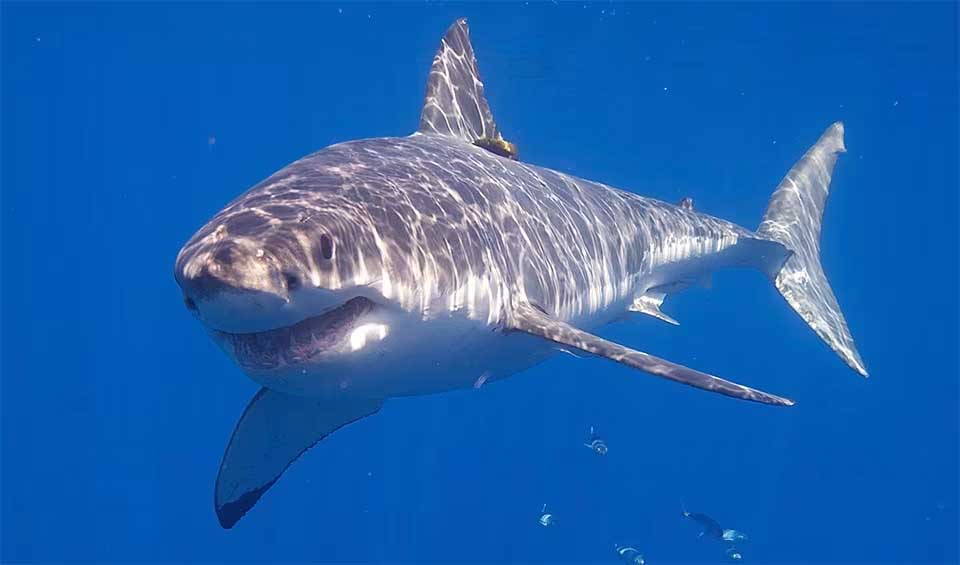
Great white shark
Majestic ocean predators, embodying power, speed, and precision in their pursuit of prey
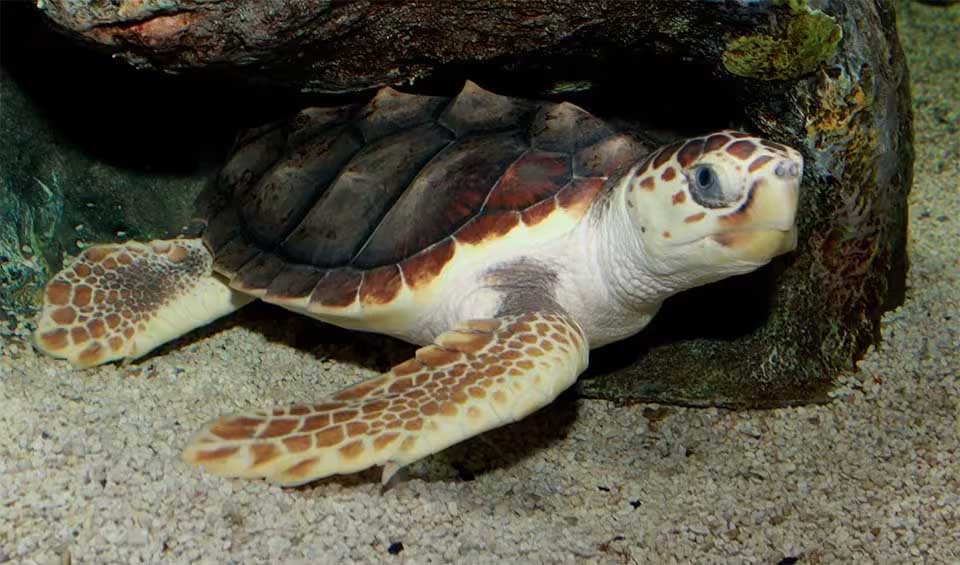
Loggerhead sea turtle
One of the largest and strongest sea turtles in the world
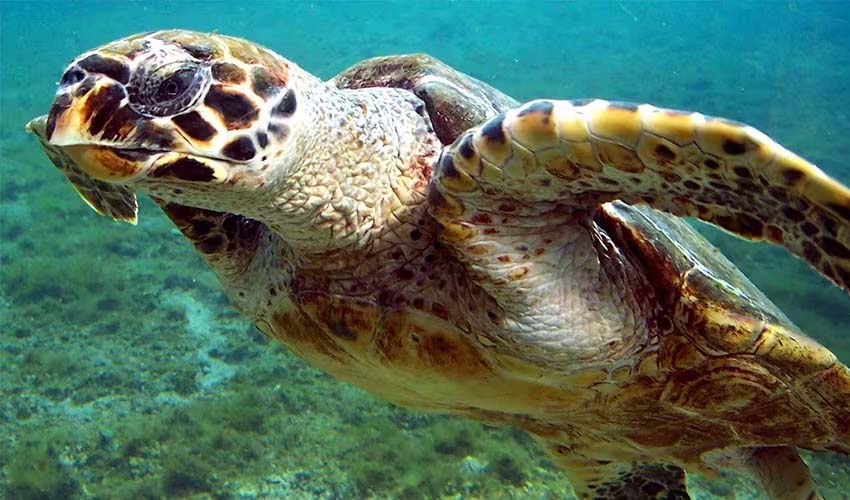
Hawksbill sea turtle
Its slender frame and narrow head bear a beak curved like a hawk’s, earning this marine marvel its name
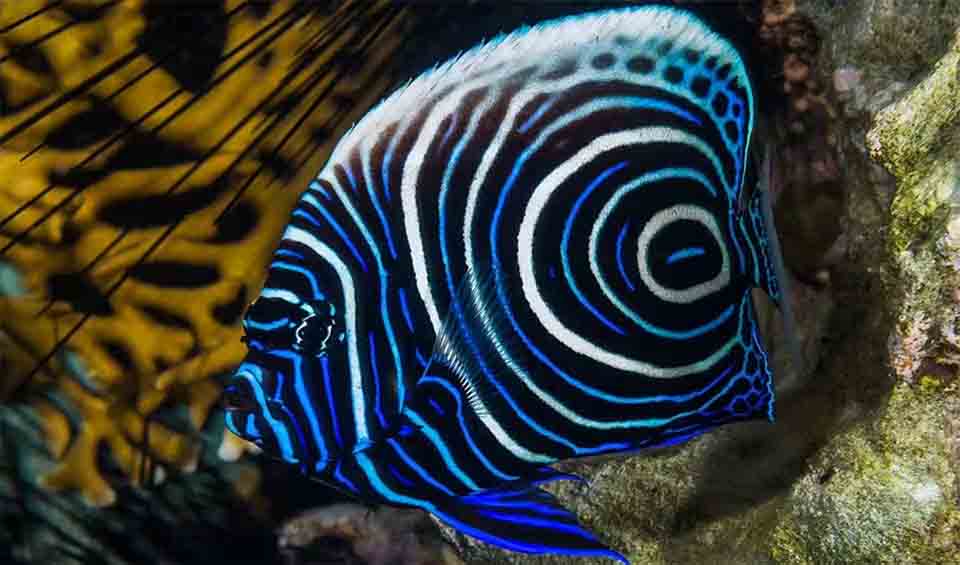
Emperor angelfish
As it grows older, it undergoes a metamorphosis that is nothing short of extraordinary
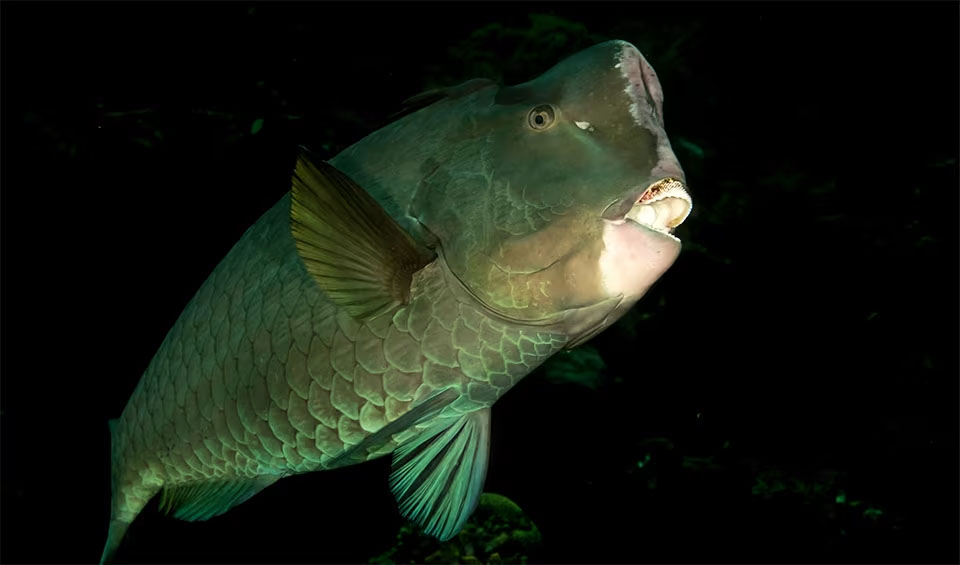
Green humphead parrotfish
With a robust body adorned in iridescent hues of emerald and turquoise, it is an underwater jewel that dazzles the eye
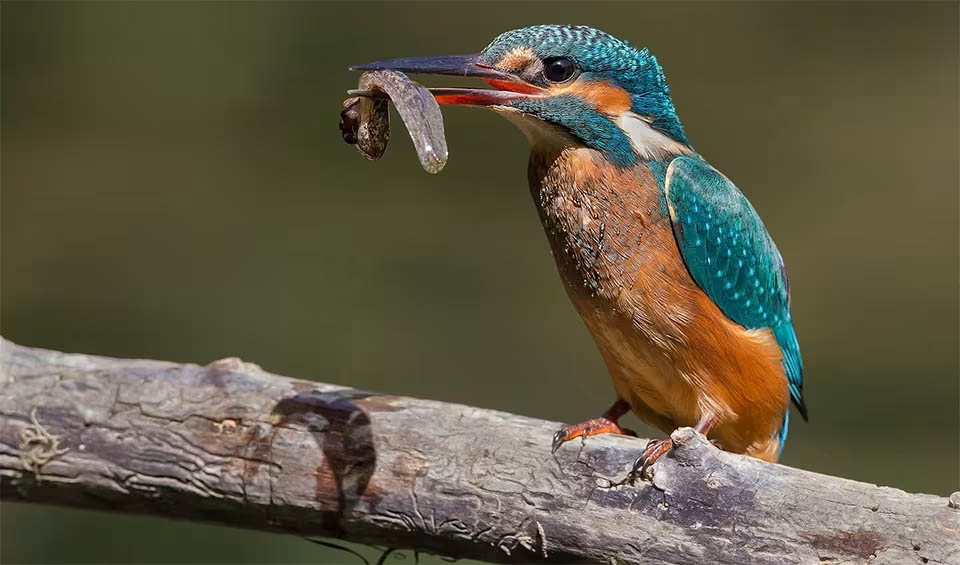
Common kingfisher
Possessed with special visual adaptations to catch fish
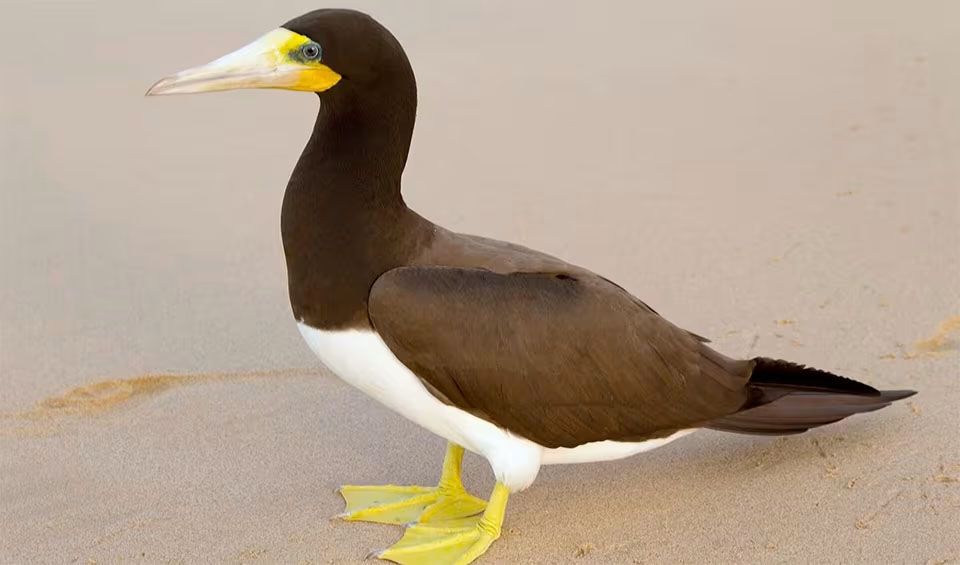
Brown booby
An impressively acrobatic bird that can catch flying fish mid-jump
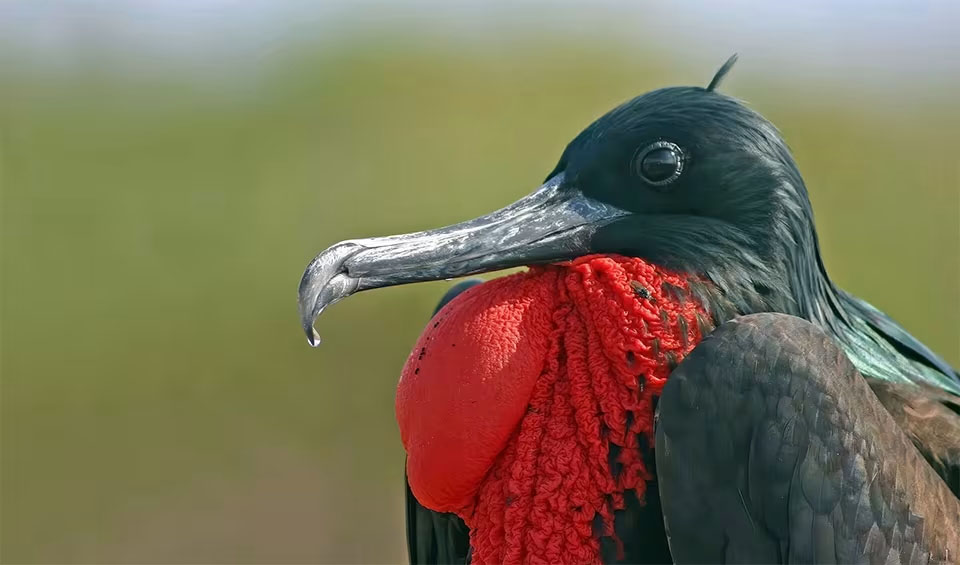
Great frigatebird
These birds spend weeks in the air and hunt, preen and even sleep while in flight
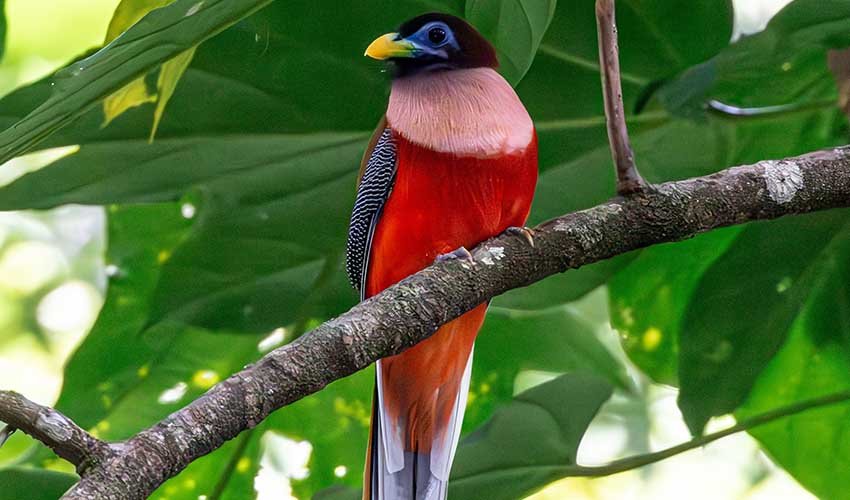
Philippine trogon
The male’s blazing crimson chest looks like a flame glowing among the trees
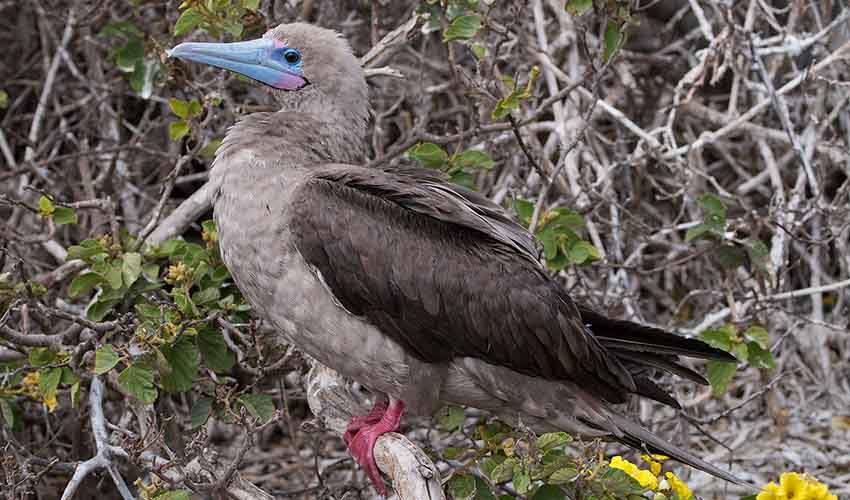
Red-footed booby
Goofy-looking yet evolutionarily refined for life above the waves
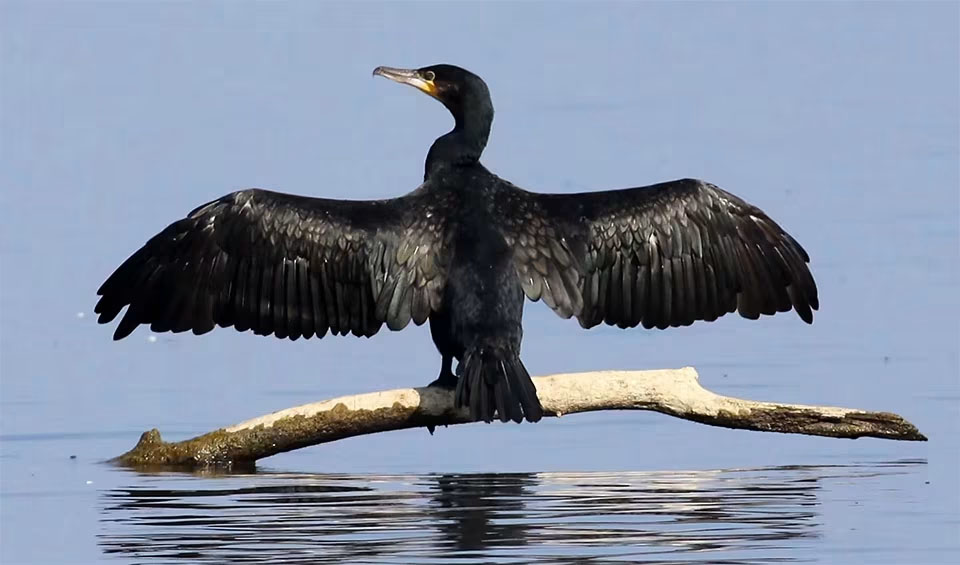
Great cormorant
Due to their adaptability and willingness to migrate to more favorable habitats, great cormorants are found worldwide
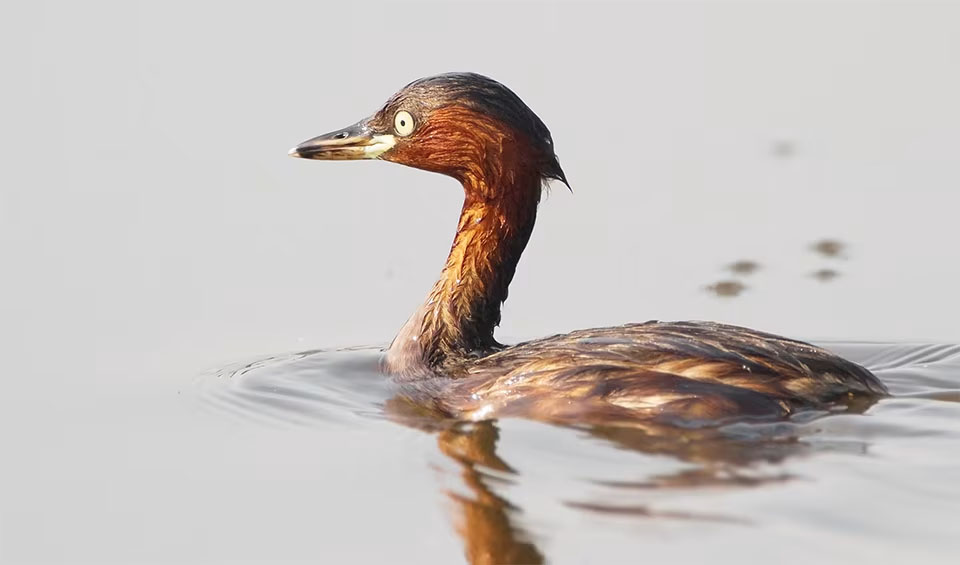
Little grebe
This cute and small bird is one of the most elite hunters below the water’s surface
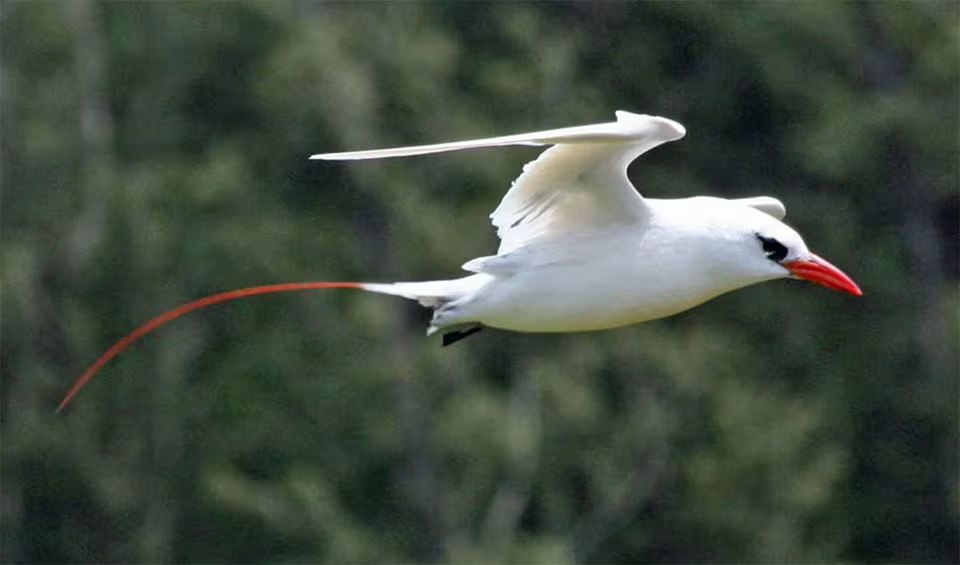
Red-tailed tropicbird
They dance along with their gorgeous red tails to attract partners in a faithful courtship
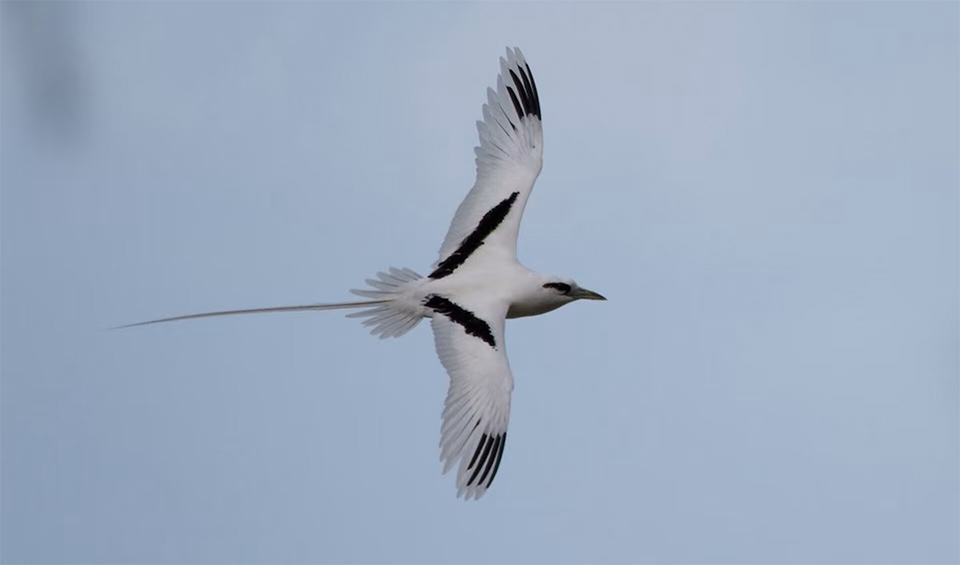
White-tailed tropicbird
These ocean wanderers can be spotted from a distance showing awe-inspiring aerial tricks
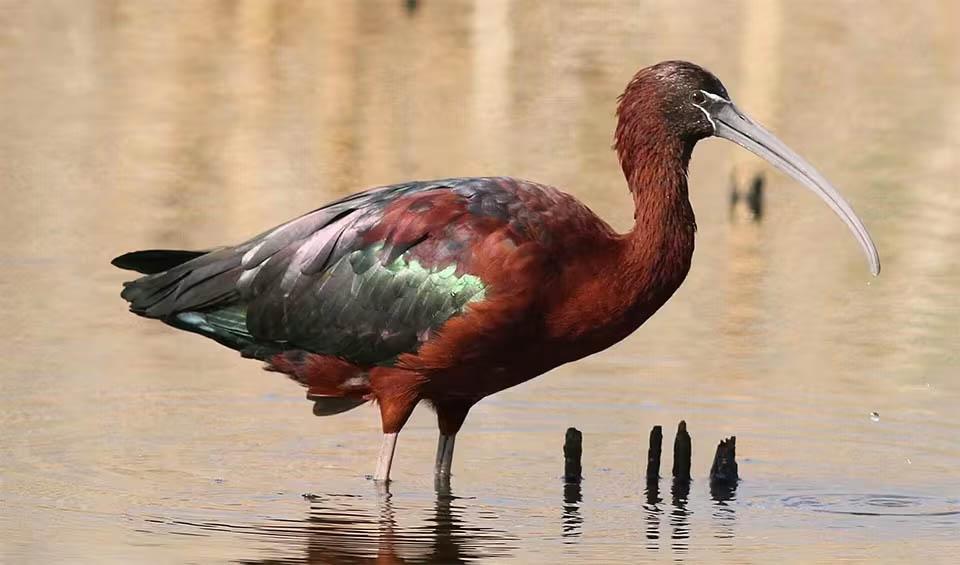
Glossy ibis
These birds seem to have lost their way to the beauty pageant
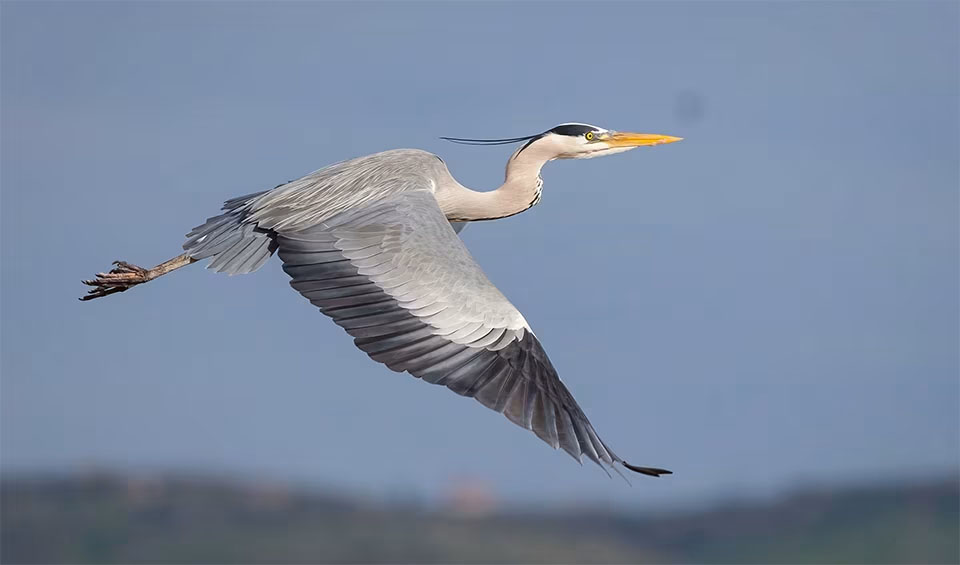
Gray heron
Exhibit powerful flight, with distinctive slow wing beats and an extended neck, defining features during their aerial movements
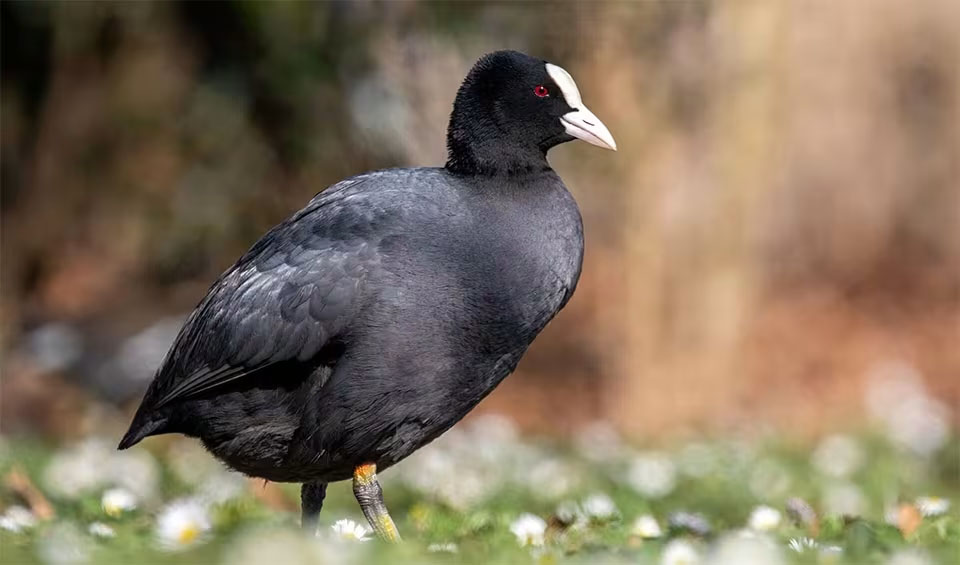
Eurasian coot
Like those bulging red eyes weren’t scary enough, they eat their innocent chicks when hungry
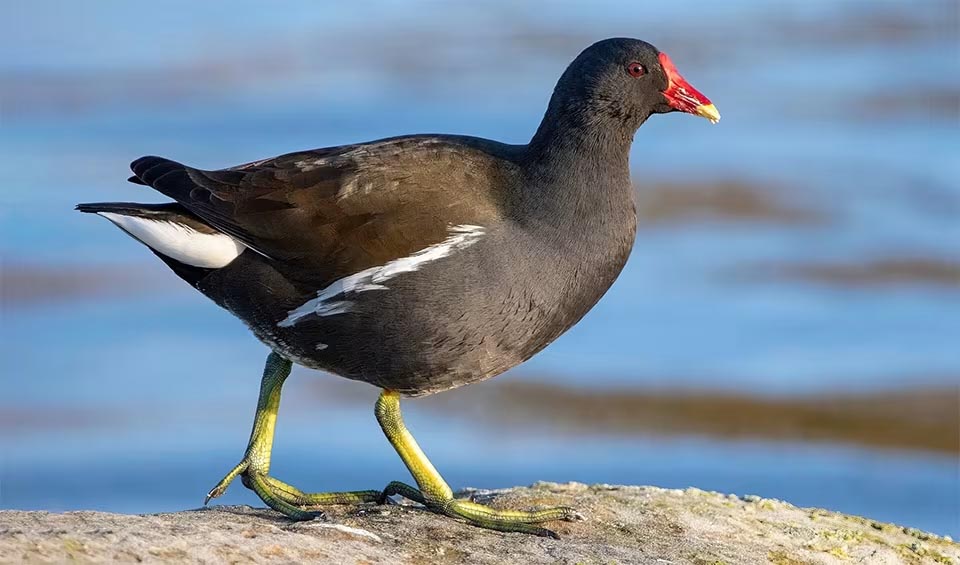
Common moorhen
Living around smelly brackish marshes is unthinkable, but these birds love their isolated habitat or don’t have a sense of smell
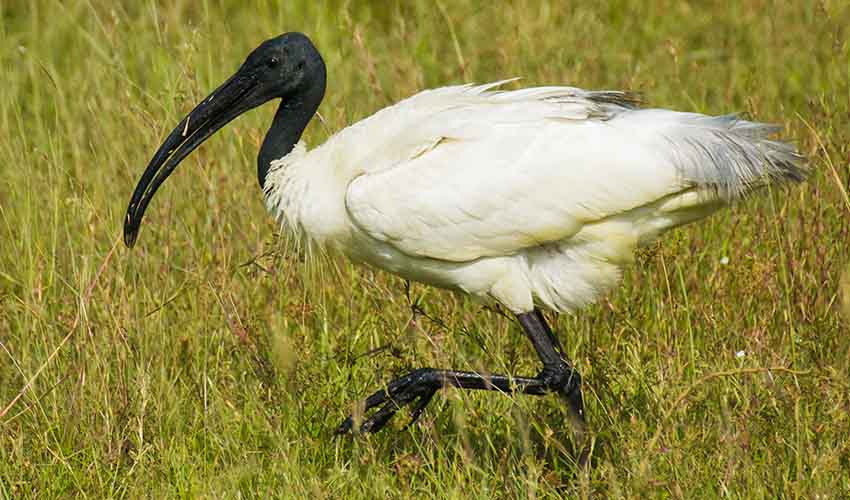
Black-headed ibis
Its long, curved bill works like a living “tweezer” and probe, helping it feel for food hidden under mud and shallow water
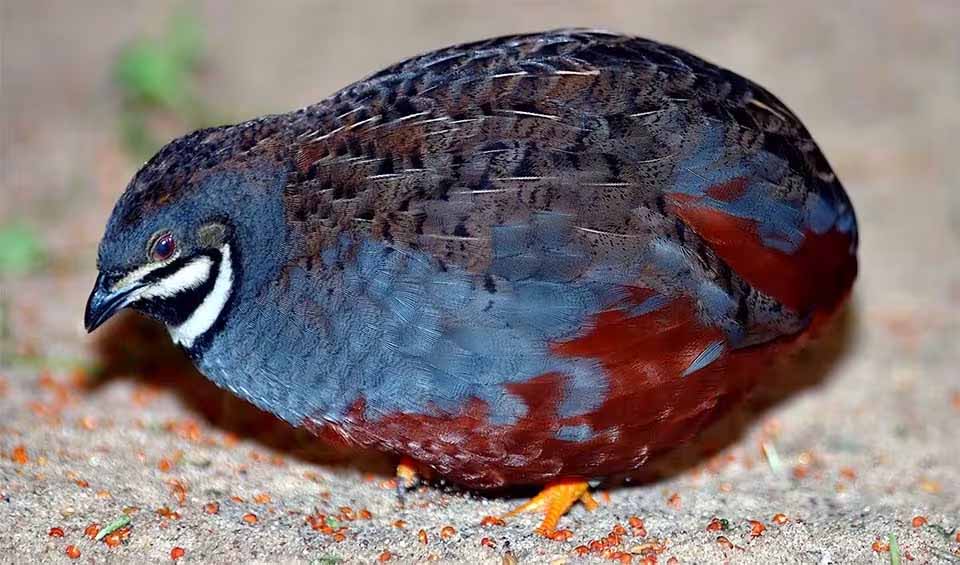
King quail
The smallest of all Galliformes lives on the ground, camouflaged from predators
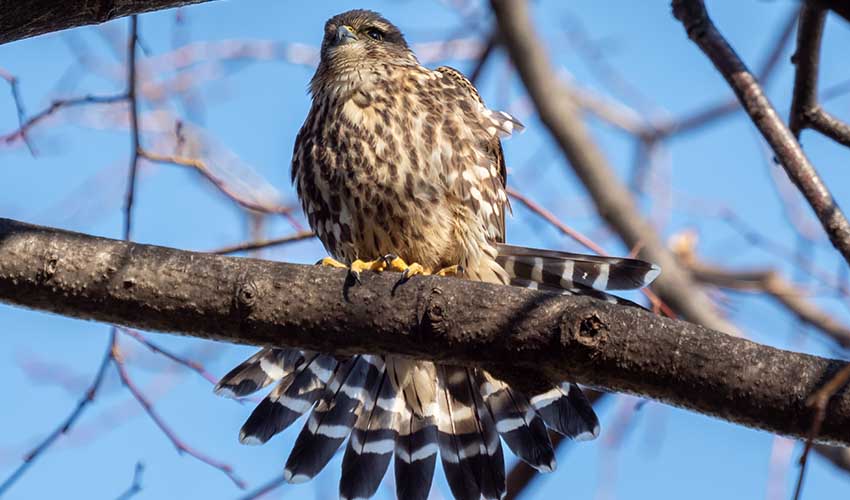
Merlin
The pocket-sized falcon with an eagle’s attitude
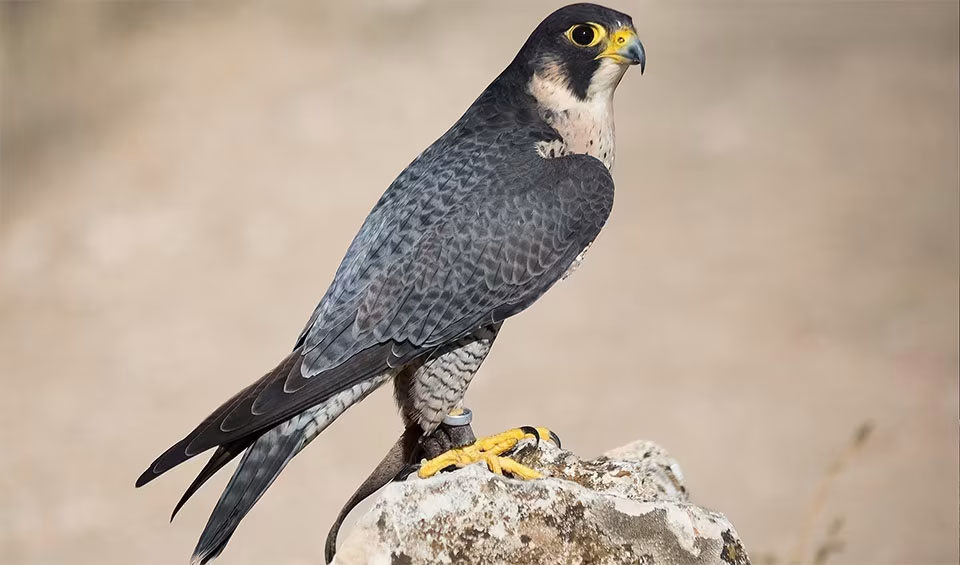
Peregrine falcon
At the speed of over 321 km/h (200 mph), this bird outraces a Formula1 car
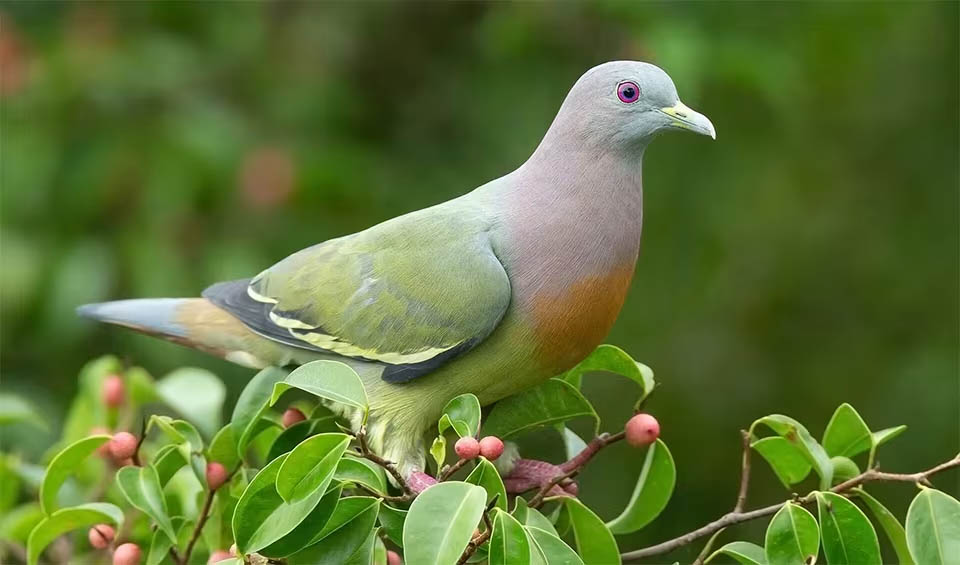
Pink-necked green pigeon
One of the most beautiful pigeons

Asian woolly-necked stork
That fluffy white collar isn’t fur at all—the “wool” is actually feathers
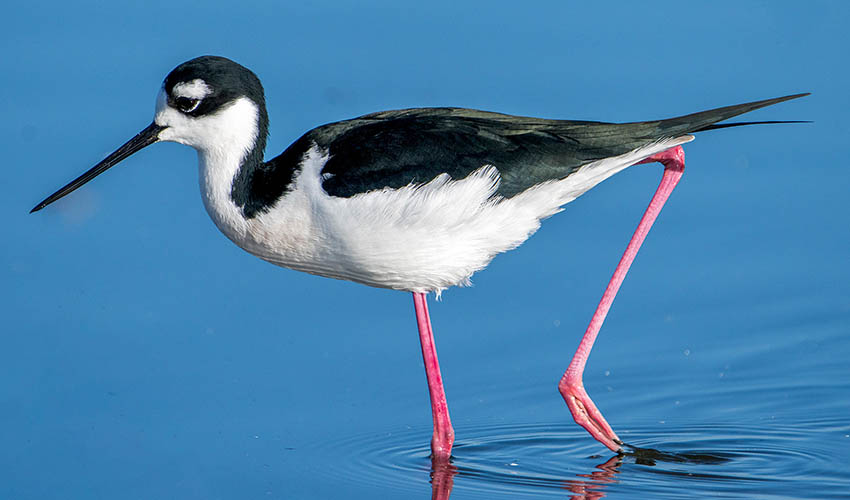
Black-necked stilt
Those impossibly long legs allow it to wade into deeper water than other shorebirds of its size
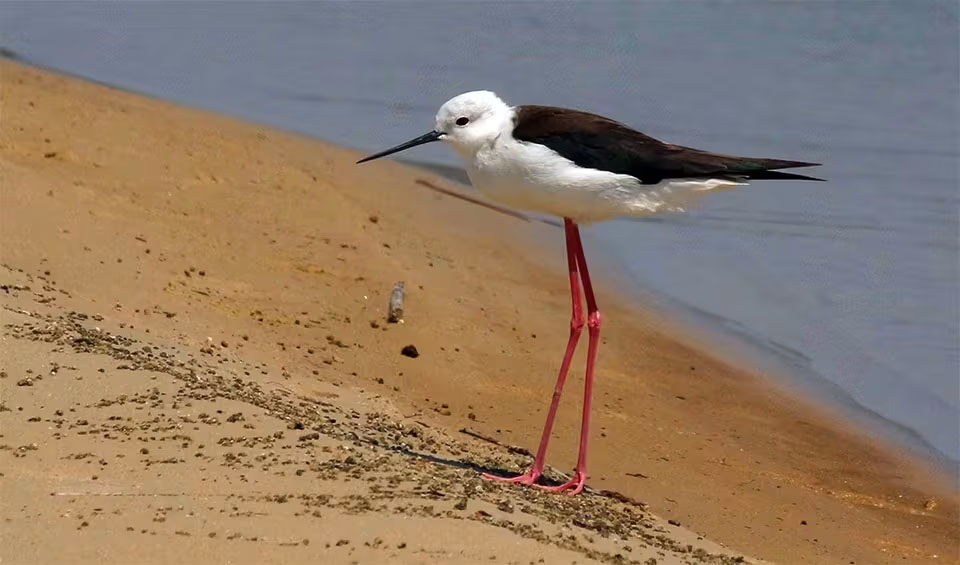
Black-winged stilt
Elegant long-legged wader, common almost worldwide
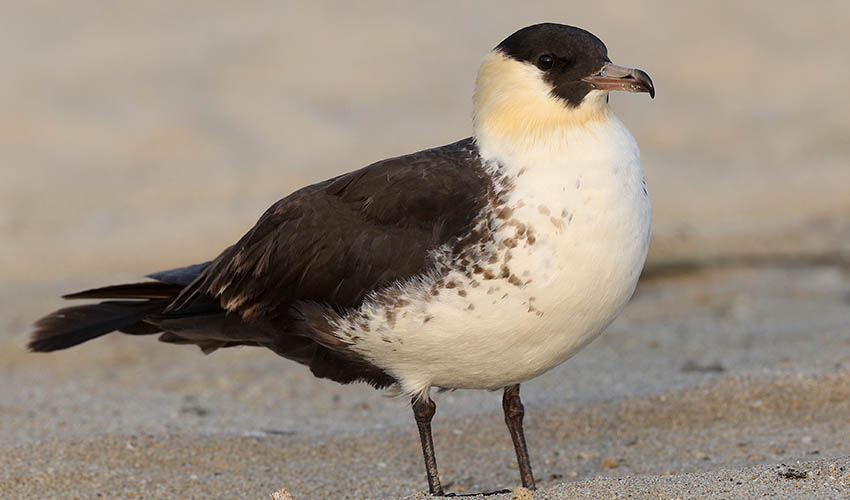
Pomarine jaeger
In the winter, they lose those iconic “spoon” tail feathers, making them much harder to identify
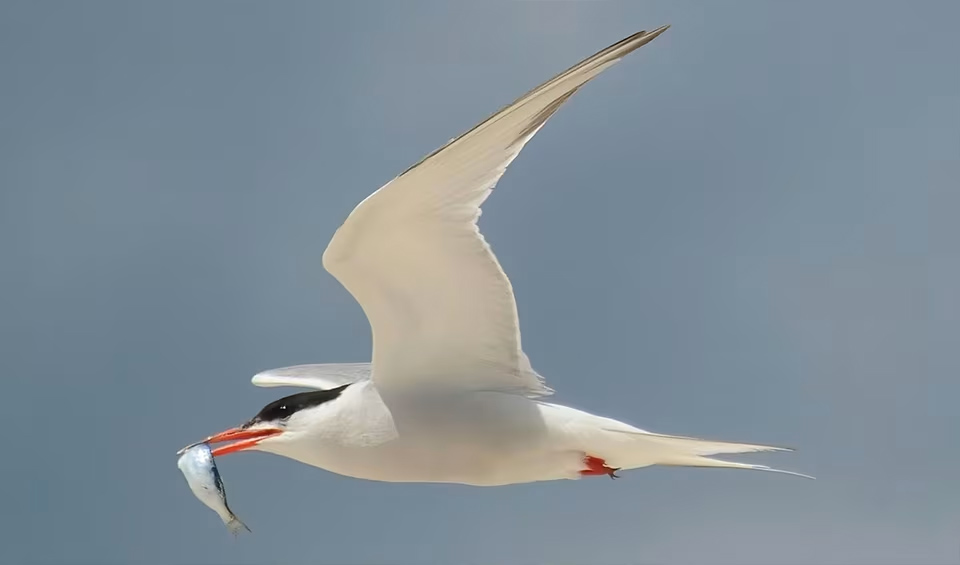
Common tern
This bird holds the record of the longest distance flown by any bird in recorded history
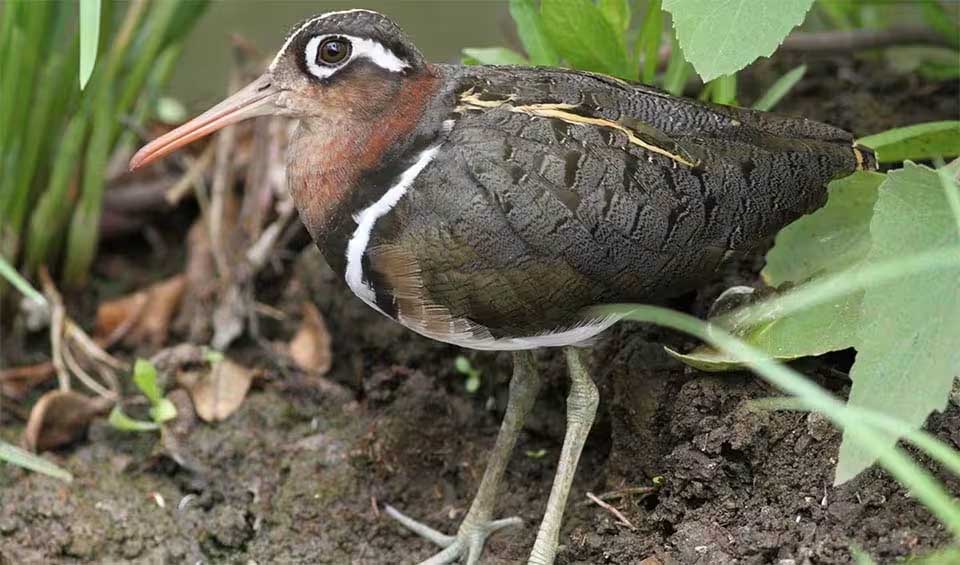
Greater painted-snipe
Looks no less than a renaissance masterpiece
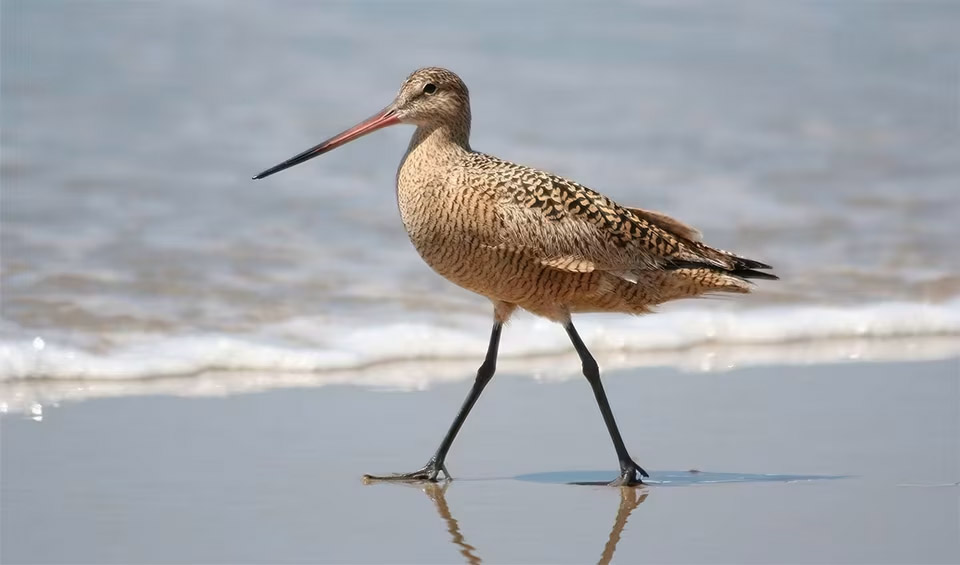
Black-tailed godwit
The most elegant of all godwit species
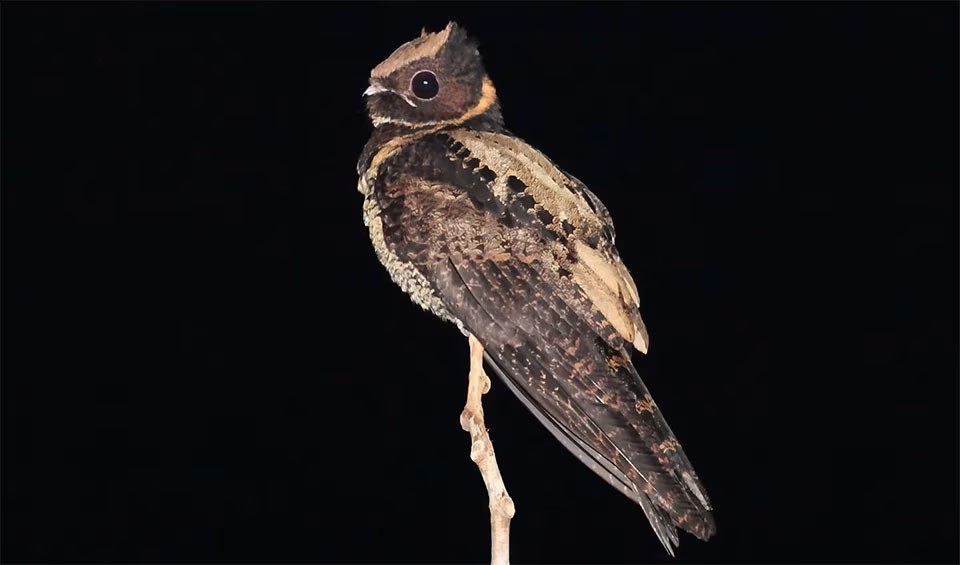
Great eared-nightjar
A nocturnal bird is fooling everybody with a tuft of feathers on its head resembling ears
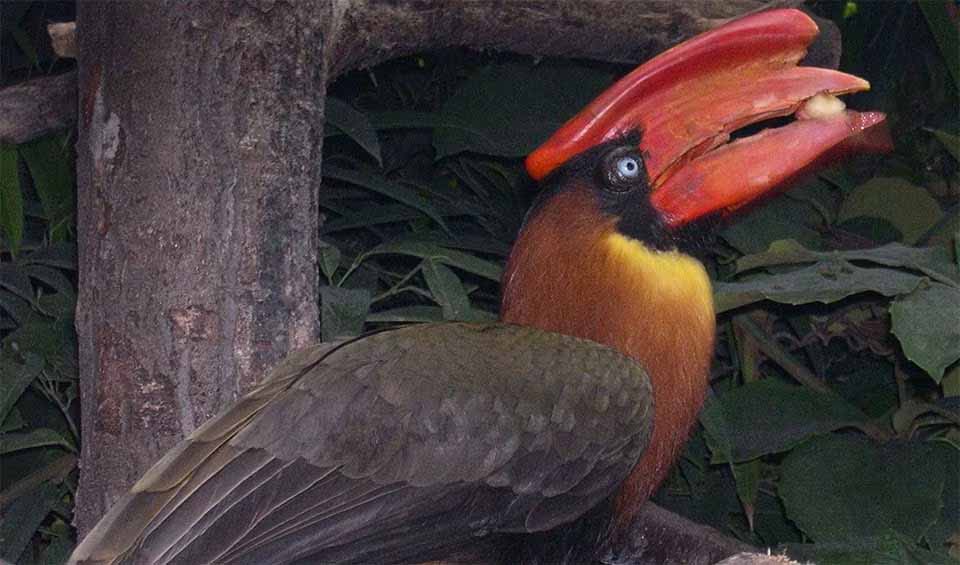
Rufous hornbill
Because of its regular midday chime, it is often referred to as “the clock of the mountains”
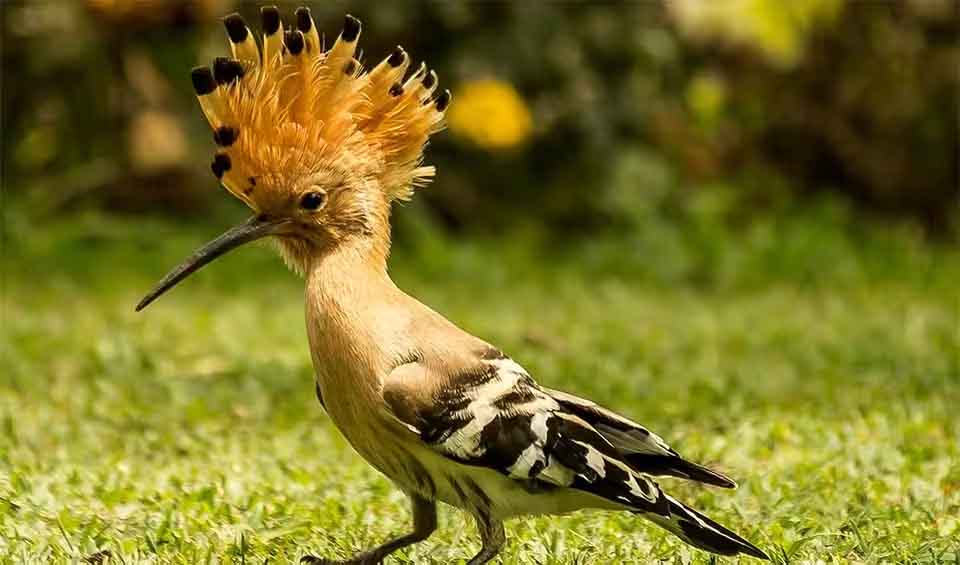
Eurasian hoopoe
Dependable wings and a muscular build. Nope, we aren’t talking about the next Redbull ad campaign
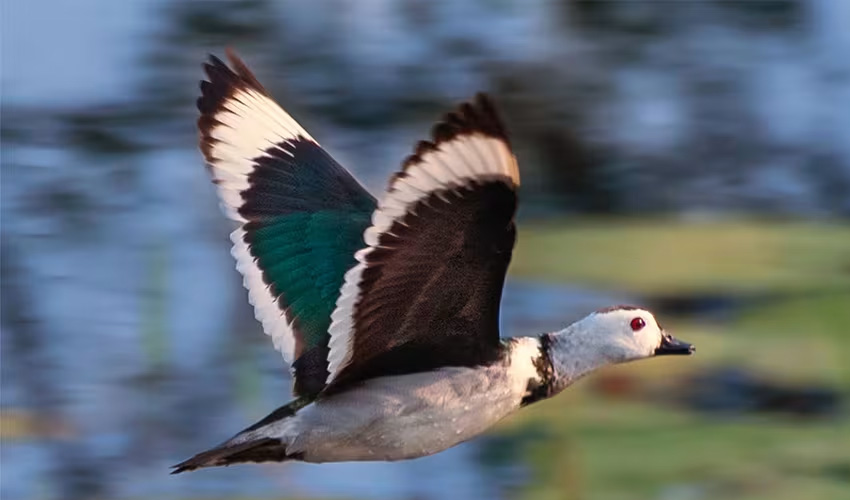
Cotton pygmy goose
Smaller than most iPads, meet the tiniest duck in the world
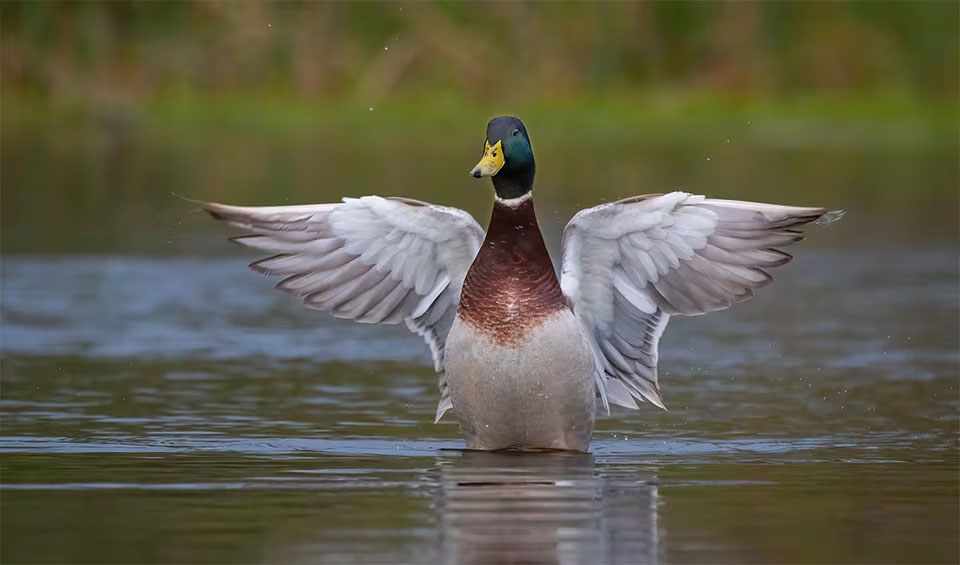
Mallard
This invasive species is the ancestor to most of the modern ducks
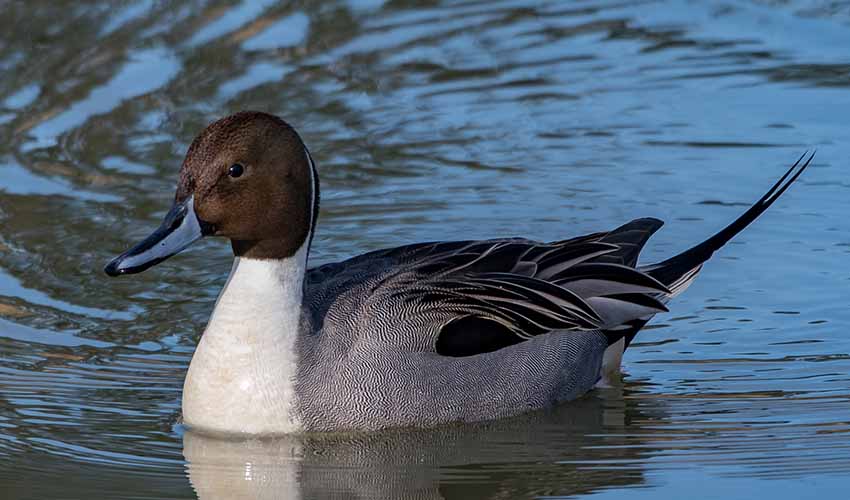
Northern pintail
Have been recorded at altitudes over 16,000 feet during migration—almost as high as small airplanes!

Philippine eagle
Considered to be the largest eagle in the world in terms of length and wing surface. Also the rarest 🙁
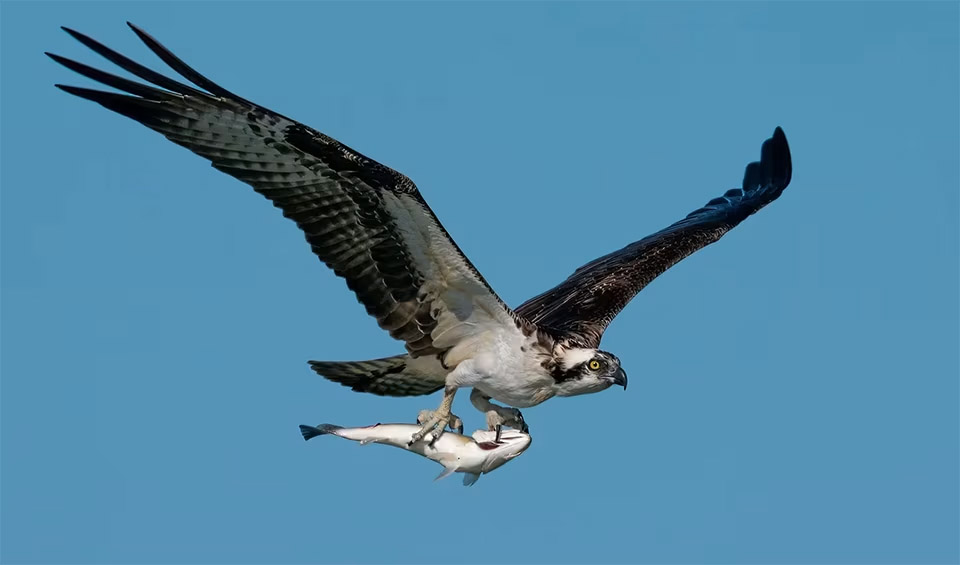
Osprey
One of only six land-birds with a cosmopolitan distribution habituating all continents except Antarctica
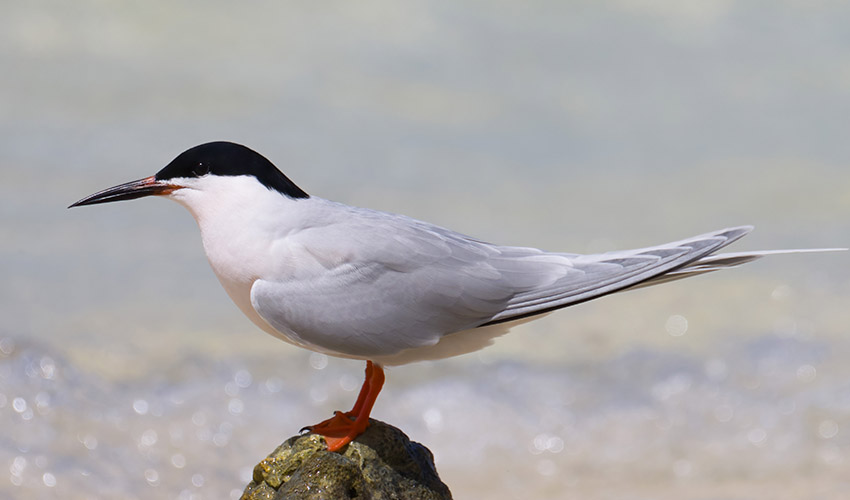
Roseate tern
One of the UK’s rarest breeding seabird
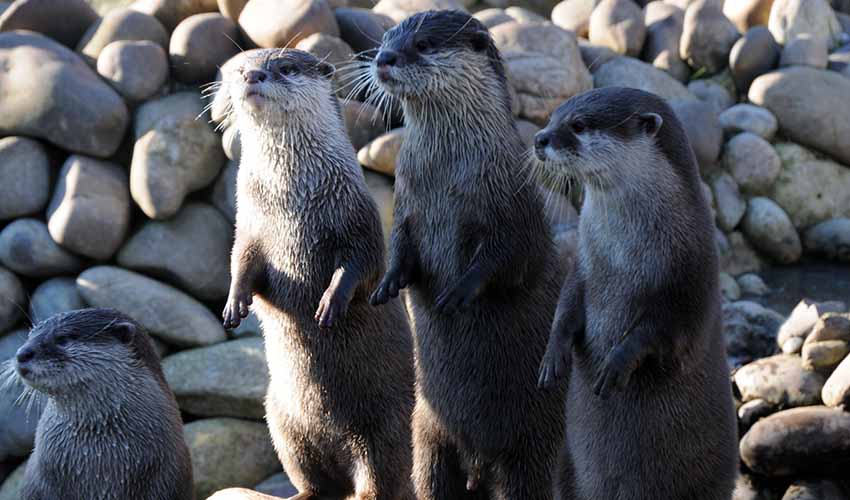
Asian small-clawed otter
Instead of fully webbed paws like other otters, it has tiny claws that don’t extend beyond the fingertips
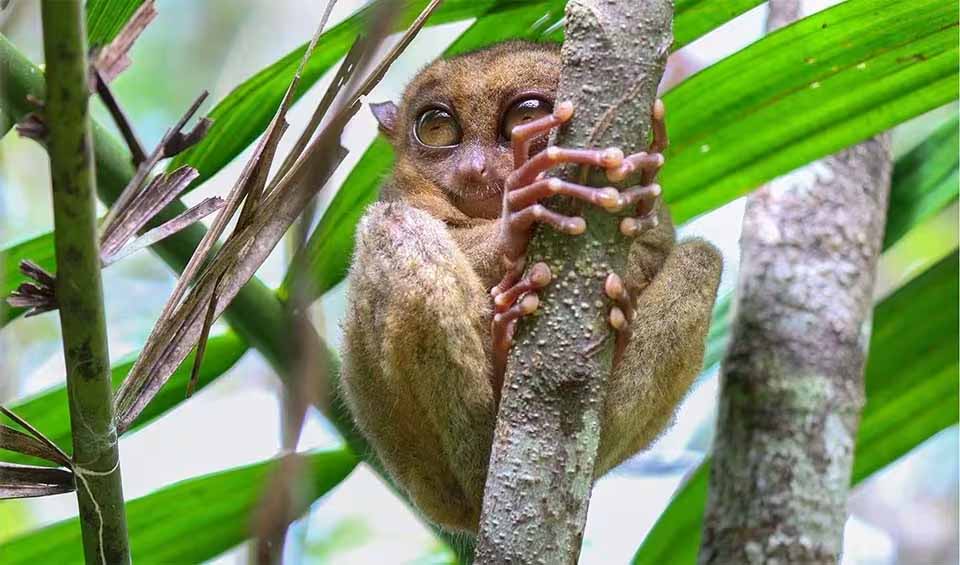
Philippine tarsier
If human eyes were of the equal relative size their eyes, they would be as big as grapefruits!
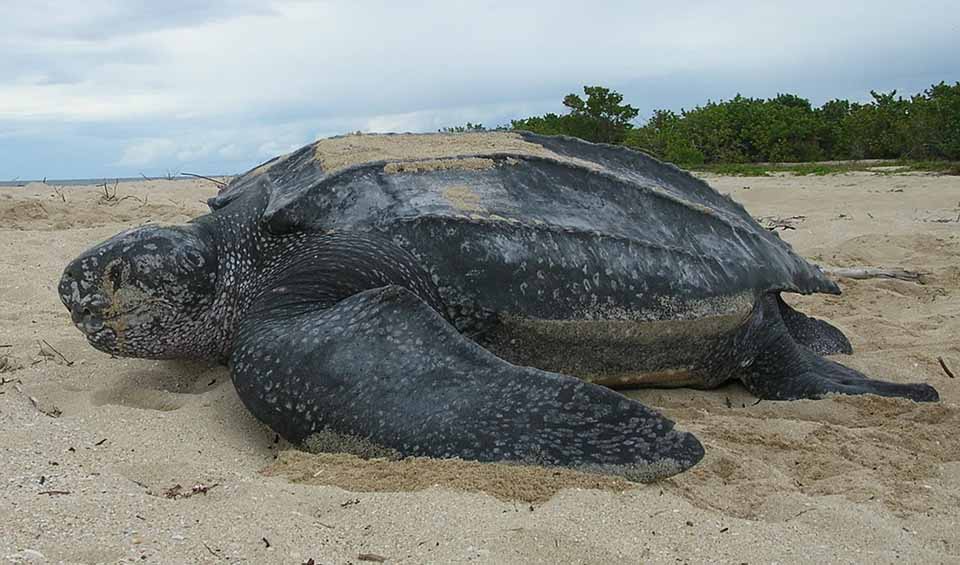
Leatherback sea turtle
The mysterious diver of the ocean is the largest and only sea turtle without a hard shell and scales

Green sea turtle
Largest hard-shelled sea turtle on earth
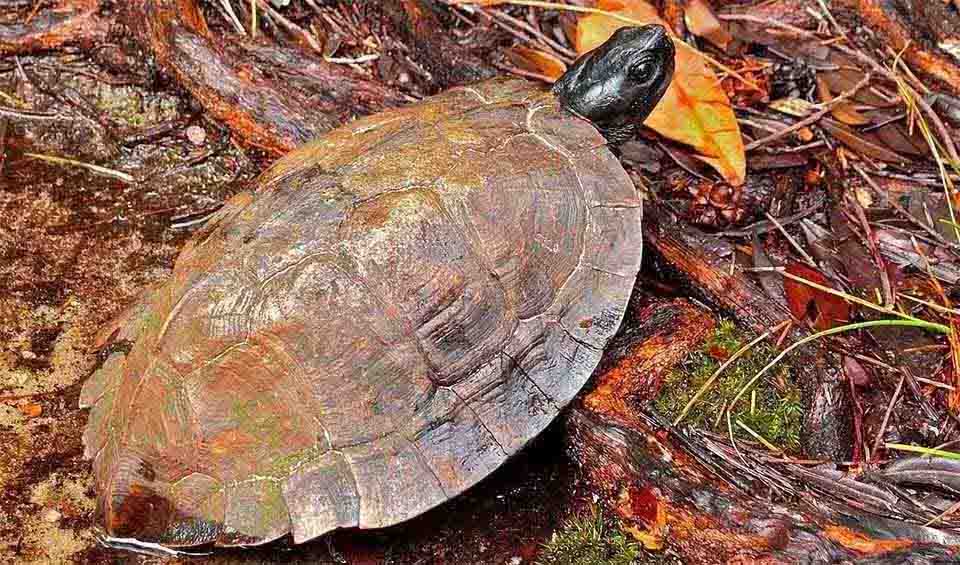
Spiny turtle
The thorny devil of the turtles
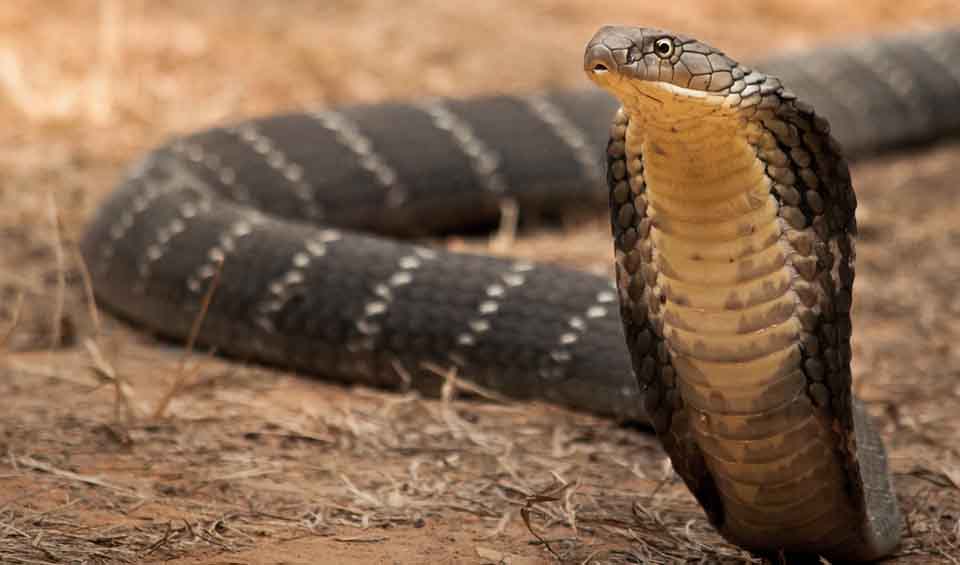
King cobra
Largest living venomous snake reaching lengths of up to 5.7 meters or 8.5 feet
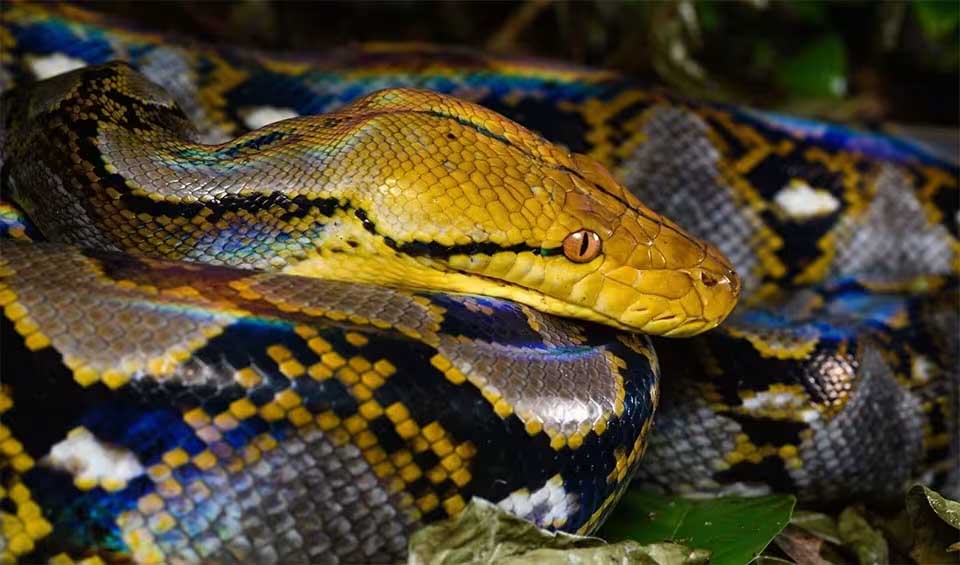
Reticulated python
Largest living snakes on the earth, reaching lengths of up to 7 meters of 23 feet
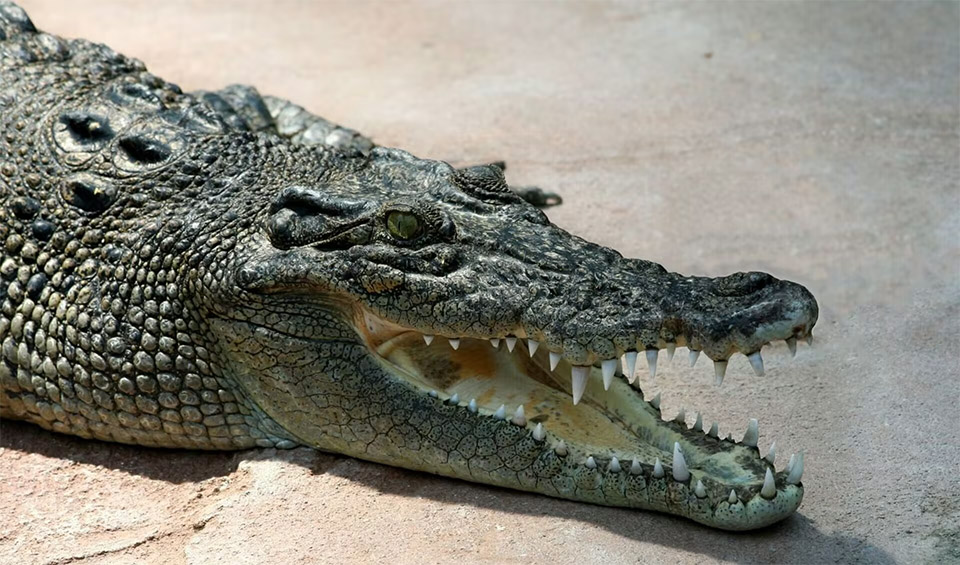
Saltwater crocodile
Largest of all living reptiles and the animal most likely to eat a human
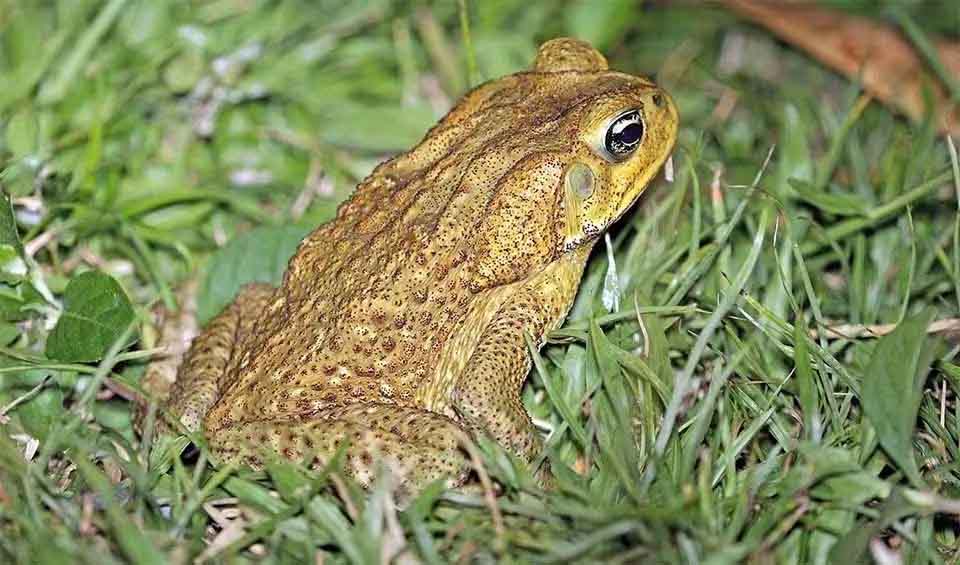
Cane toad
When a big one meets a smaller one, it’s lunch!

