Search for Chile


Bridled tern
Known to “ride out” massive tropical storms by flying into the calm eye of the hurricane

Sooty tern
Remains as one of the most resilient residents of the tropics

Sabine’s gull
Despite their elegant looks, they are fierce parents
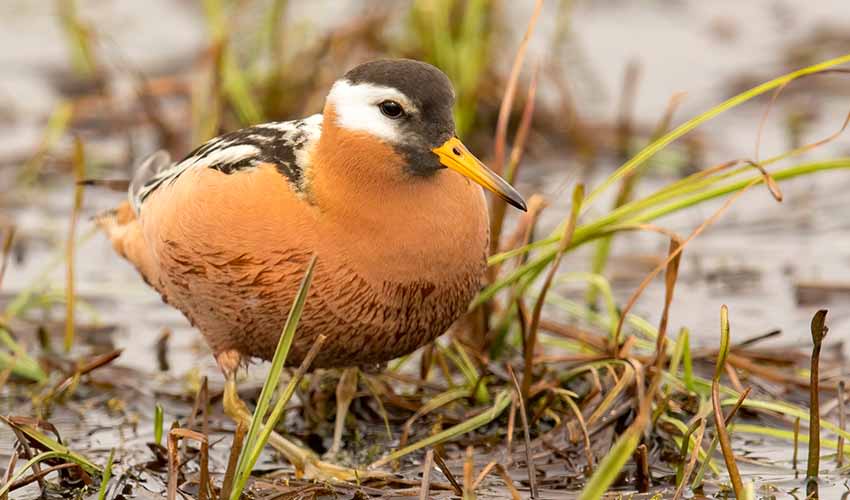
Red phalarope
Rugged enough to survive Arctic blizzards and mid-ocean gales that would ground much larger birds
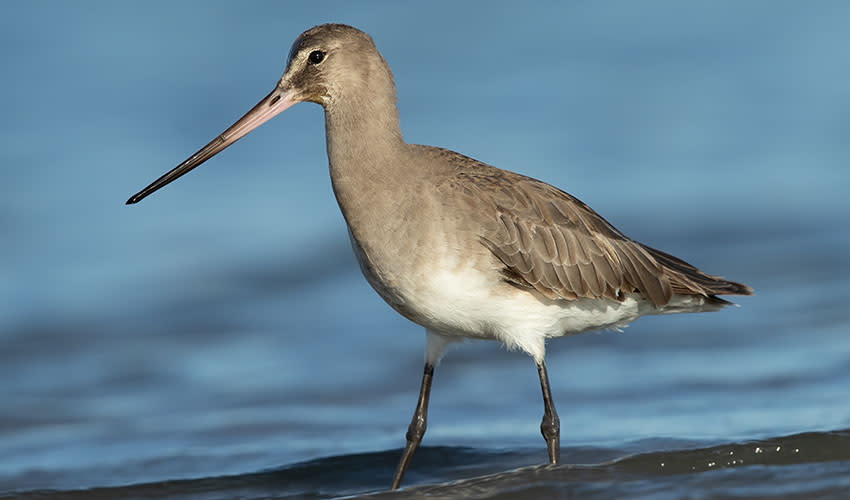
Hudsonian godwit
Despite traveling across entire hemispheres, they often return to the exact same marsh or mudflat

Upland sandpiper
Often called the “shorebird that forgot the shore”

Killdeer
Famous for nesting in the most inconvenient places possible

Common gallinule
A bird that looks like a cross between a sleek chicken and a neon-painted waterfowl

Common nighthawk
Doesn’t perch across a branch like most birds; it perches lengthwise along the limb

Black-bellied whistling duck
Despite being tiny fluff-balls, they are so light that they almost always bounce and walk away unharmed

Fulvous whistling duck
Famous (and sometimes infamous) for their love of rice.

Andean ibis
A calm, hardy, high-altitude specialist perfectly matched to the wild beauty of the Andes

Black-faced ibis
Up close, the neck feathers can look a bit tousled or scruffy, giving it a rugged, windblown style
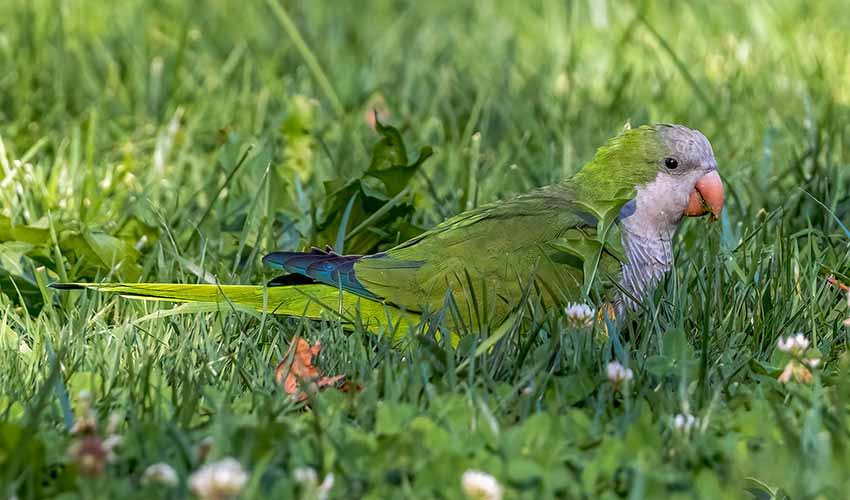
Monk parakeet
A clever, hardworking, city-ready survivor

Darwin’s frog
When threatened, it may freeze or roll onto its back, making itself look like a dead leaf

Muscovy duck
To this day, no one knows exactly how this warm-weather bird ended up with a freezing Russian namesake

Peruvian tern
Balances desert heat, open-ground nesting, and sea-based hunting, making it a specialist built for extremes

Greater yellowlegs
The very tip of the bill has special “pits” that can detect the vibrations of a moving fish in murky water
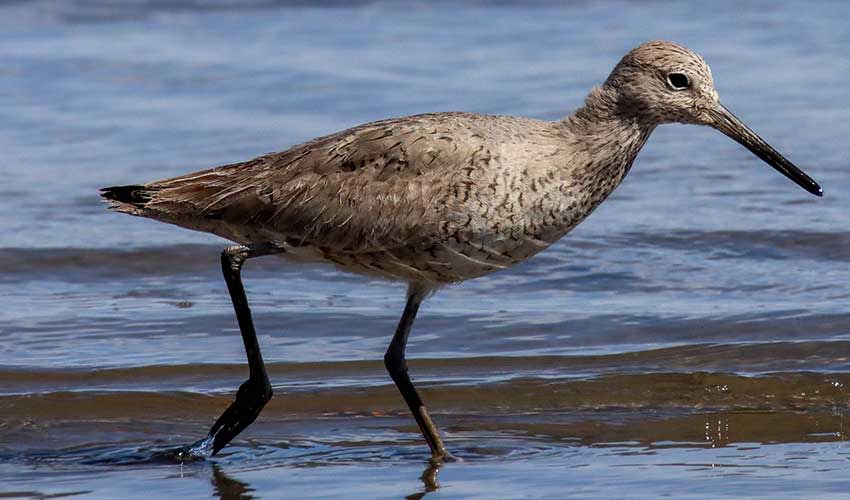
Willet
One of the few shorebirds that can handle small fish and even lizards
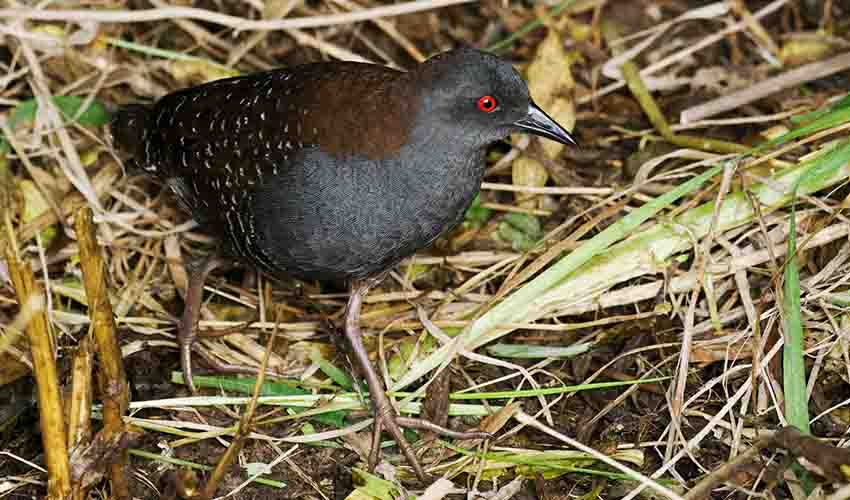
Black rail
People expect rails to be chunky marsh birds—this one is tiny, almost pocket-sized

White-bellied fat-tailed mouse opossum
Big eyes aren’t just cute—they’re built for low light, helping it navigate and hunt at night

Red-legged cormorant
Its bright red legs and feet are one of the most colorful features seen in any cormorant species

Snow petrel
Early explorers often wrote about these birds as friendly companions during long, lonely expeditions across the ice

Peruvian diving petrel
Looks more like a penguin than a petrel
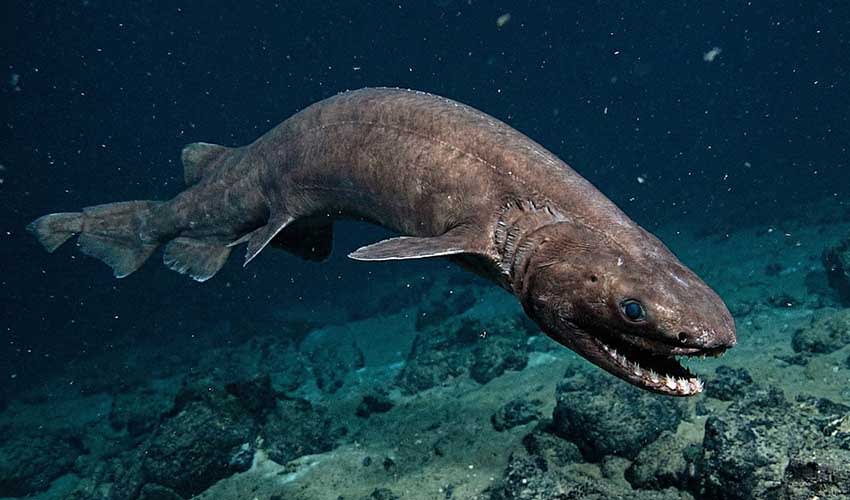
Frilled shark
Looks so much like a snake that it is sometimes called the “sea serpent shark”

Westland petrel
Those small tube-like structures on the bill help them deal with salt and are linked to their strong sense of smell

Chilean flamingo
Standing on one leg isn’t just a pose—it helps them save body heat while they rest in cool, windy wetland weather
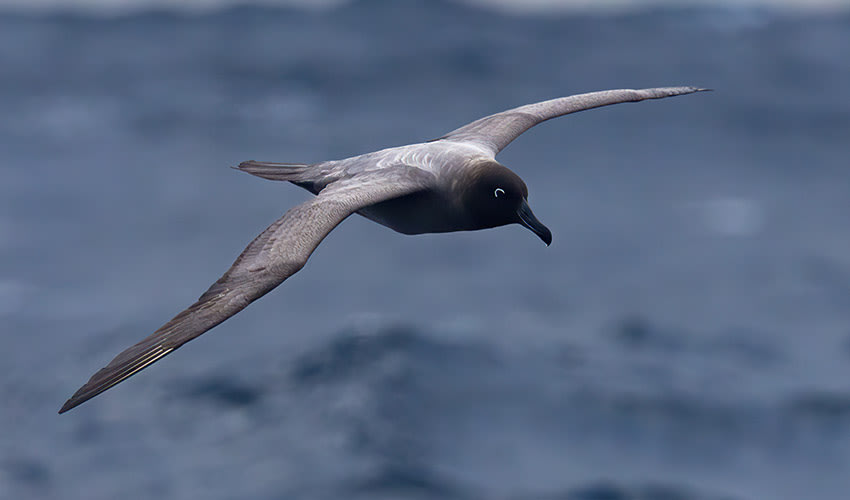
Light-mantled albatross
Often considered one of the most beautiful albatross species because of its soft gray coloring and gentle contrast

Andean flamingo
Its pale pink color comes from what it eats, so the shade can change a bit with season and diet

James’s flamingo
A true high-altitude specialist, thriving in lakes so high that many visitors feel winded

Grey plover
Can be black, can be grey but it’s the same bird
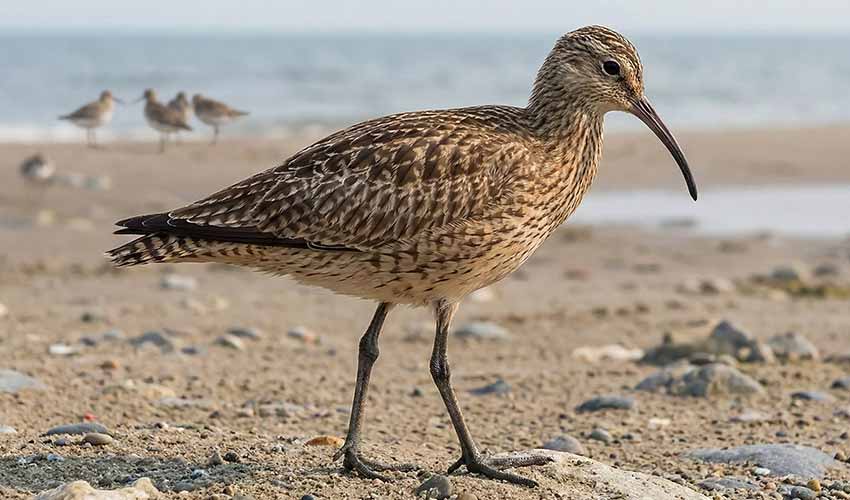
Eskimo curlew
Once a sky-filling spectacle—today, most of what we have are museum skins and stories

American golden plover
These birds perform a massive, circular migration that covers nearly 32,000 km (20,000 miles) annually
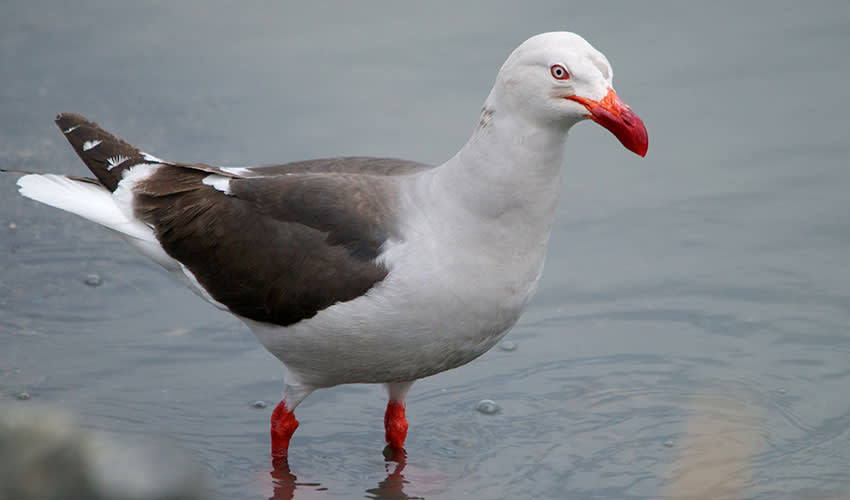
Dolphin gull
Their name has nothing to do with dolphins

Franklin’s gull
These gulls aren’t scavengers; they are specialized insect eaters.
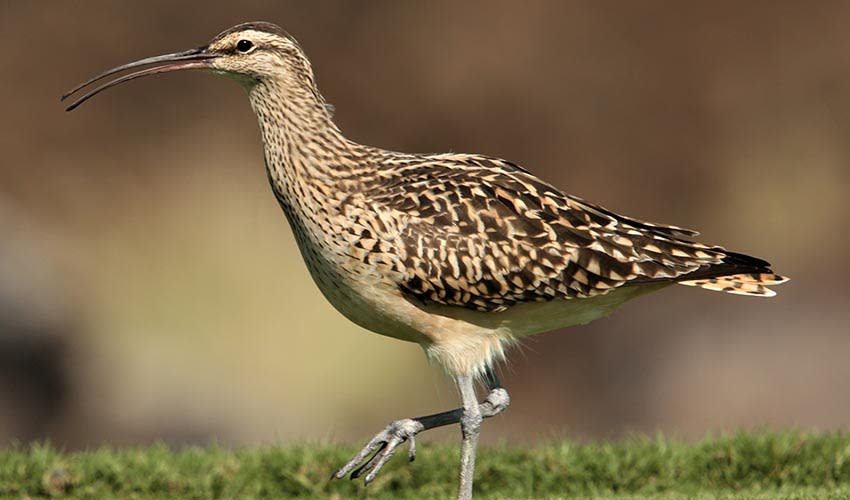
Bristle-thighed curlew
One of the only tool-using shorebirds

Pacific golden plover
Before their 3,000-mile flight, they become “hyperphagic,” eating until fat makes up nearly half of their body weight
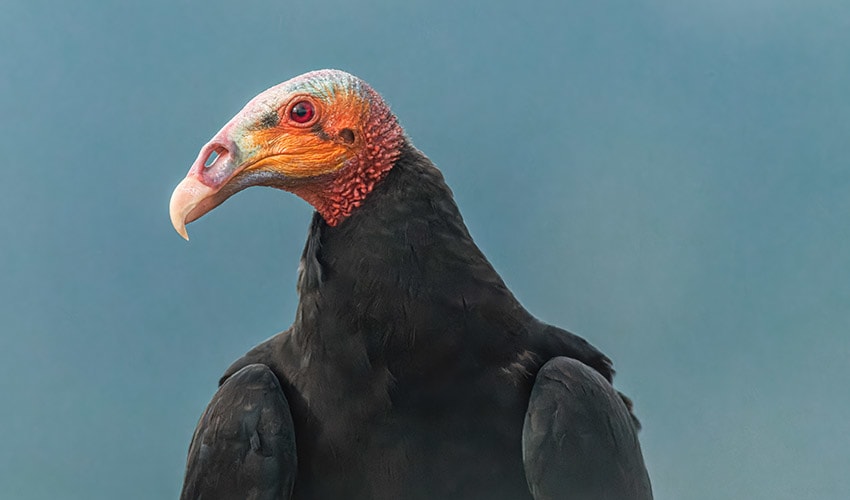
Lesser yellow-headed vulture
One of the very few “smelly” birds (in a good way)
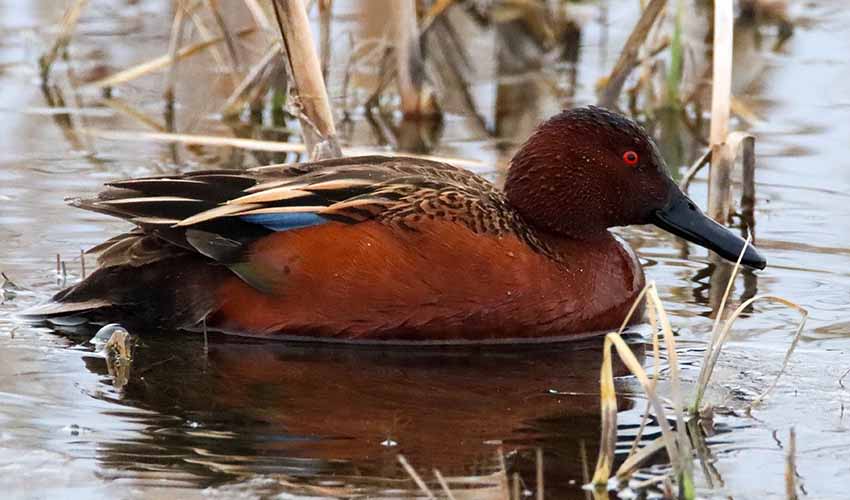
Cinnamon teal
Its speed and size make it harder for predators (and hunters) to track
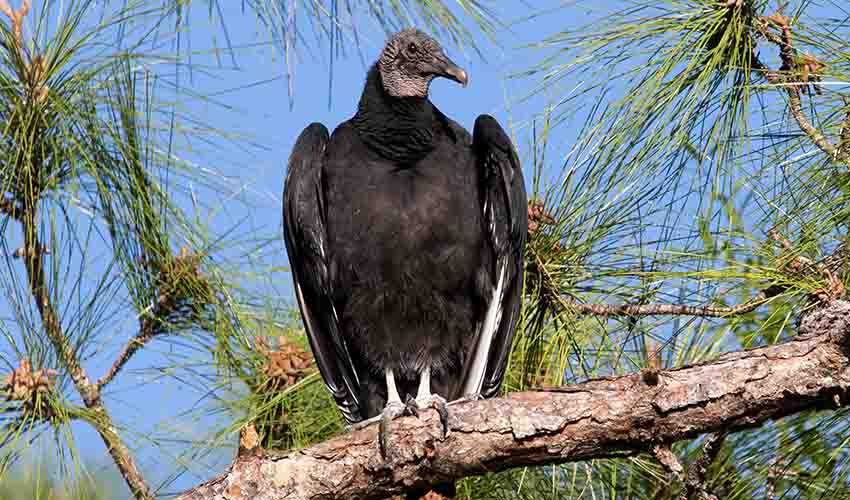
Black vulture
Smell? Not so much—mostly rely on eyesight and the behavior of other vultures to find food
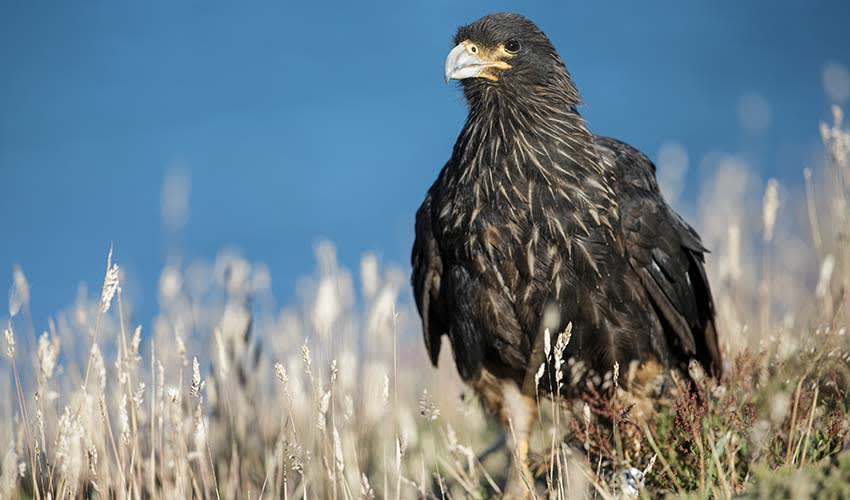
Striated caracara
These birds will walk right up to people, inspect backpacks, and steal anything loose—hats, gloves, even camera parts

Southern viscacha
Despite their bunny-like ears and hopping movements, they are closely related to chinchillas—not rabbits at all!
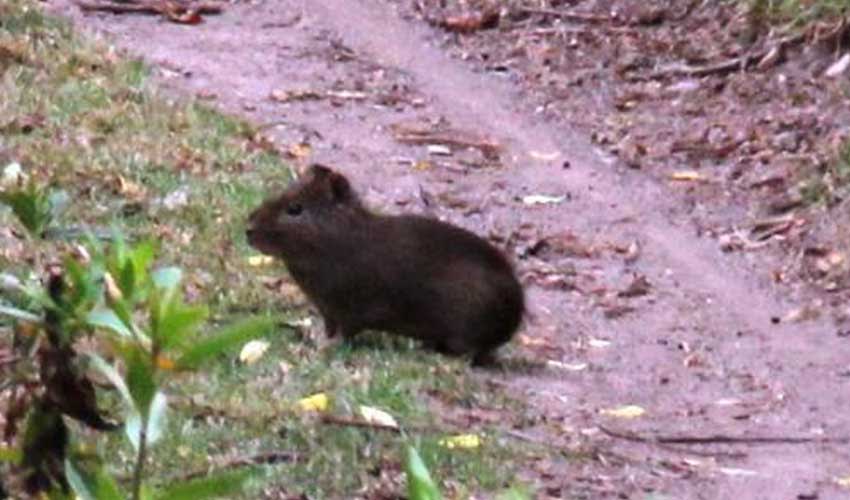
Montane guinea pig
It’s the wild ancestor of every domestic guinea pig
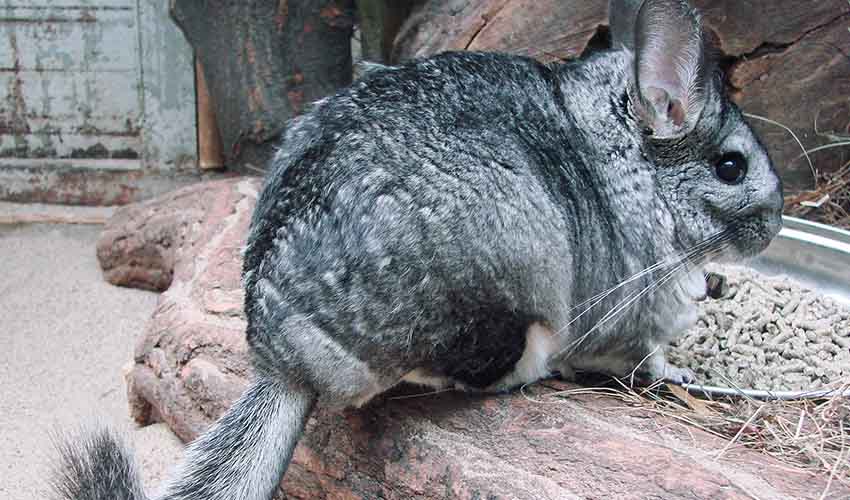
Long-tailed chinchilla
A dust bath is their spa day

Short-tailed chinchilla
Its fur is so thick that fleas can’t survive in it
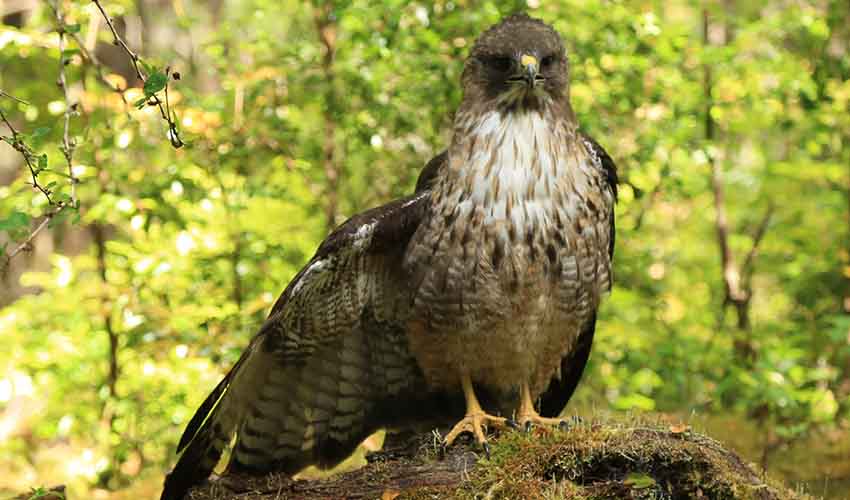
Rufous-tailed hawk
Has extremely sharp eyesight for detecting movement on the ground
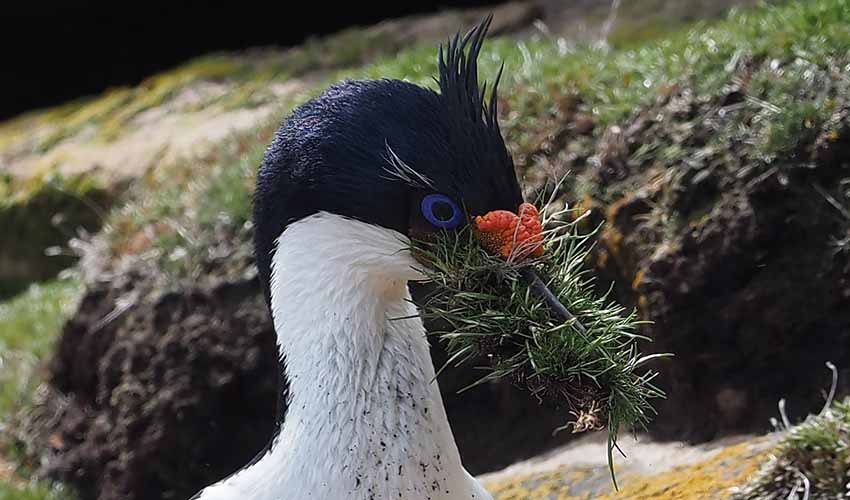
Imperial shag
Can dive deeper than many seals
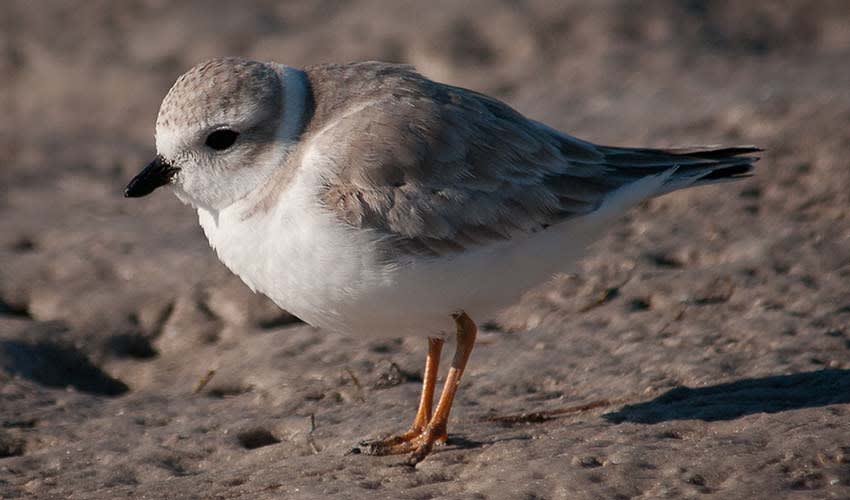
Snowy plover
Weighs about as much as a couple of slices of bread and is barely bigger than a sparrow

Short-finned pilot whale
The “cheetahs” of the deep ocean

Bobolink
Symbols of open summer fields and joyful wild song

Grey-headed albatross
Built to “ride the wind,” using long glides and smooth turns to save energy
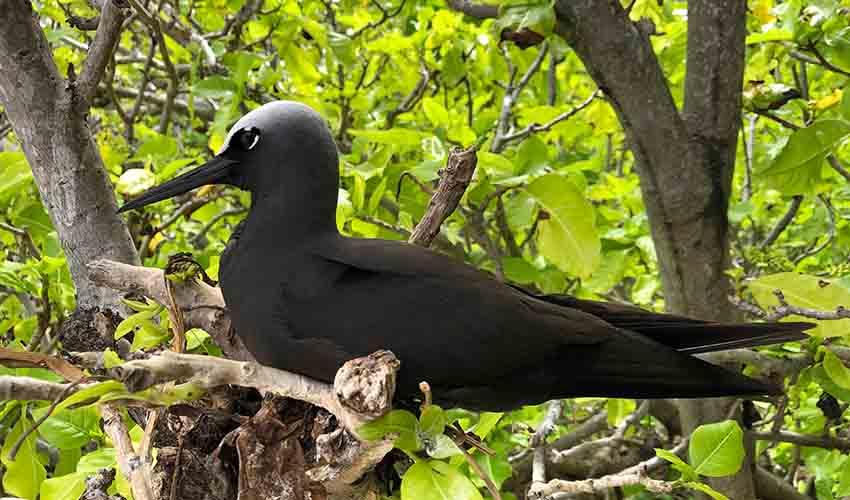
Black noddy
Black feathers, white cap, sleek shape — it’s the tuxedo of the bird world
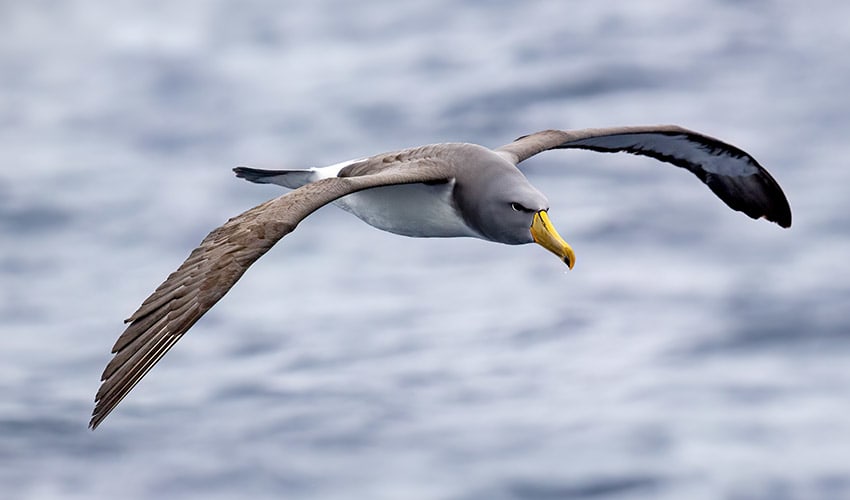
Chatham albatross
Thrive in strong winds that actually help them fly

Salvin’s albatross
Can fly thousands of miles without a single flap

Shy albatross
Often follow ships and fishing boats, attracted by food stirred up near the surface
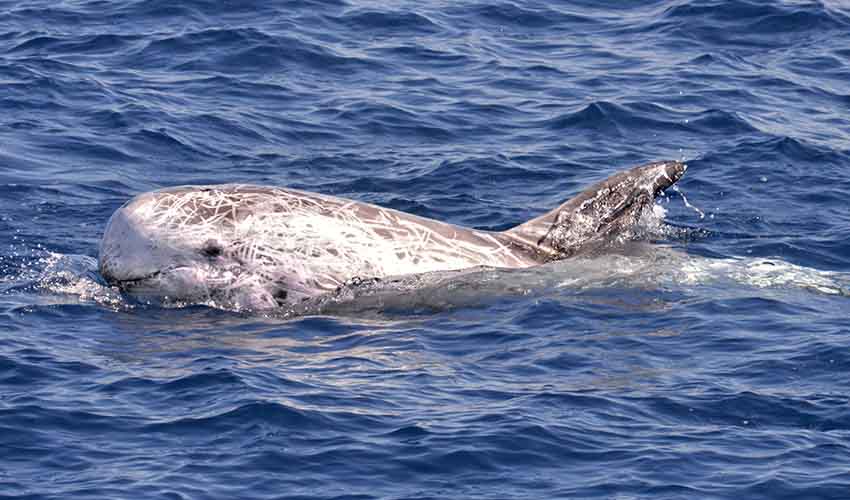
Risso’s dolphin
Sometimes called the “scars in the water” thanks to their many white markings

American redstart
One of the most admired warblers across the continent
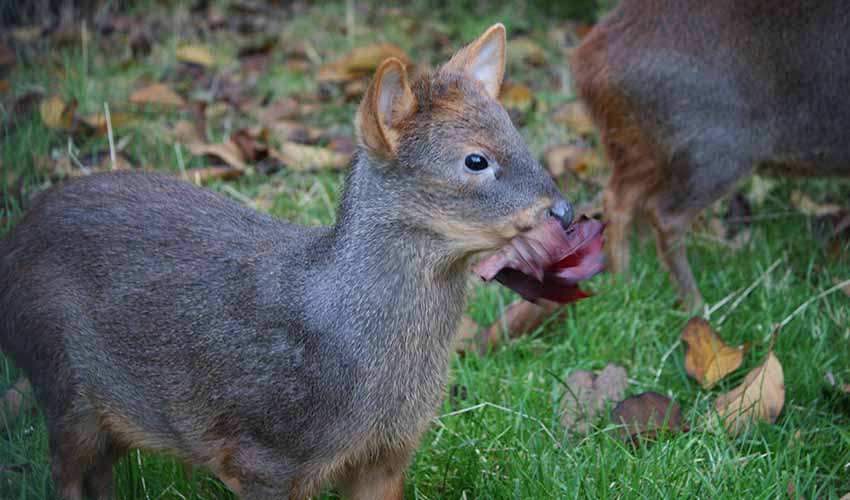
Southern pudu
A tiny, shy deer that seems almost too delicate to exist
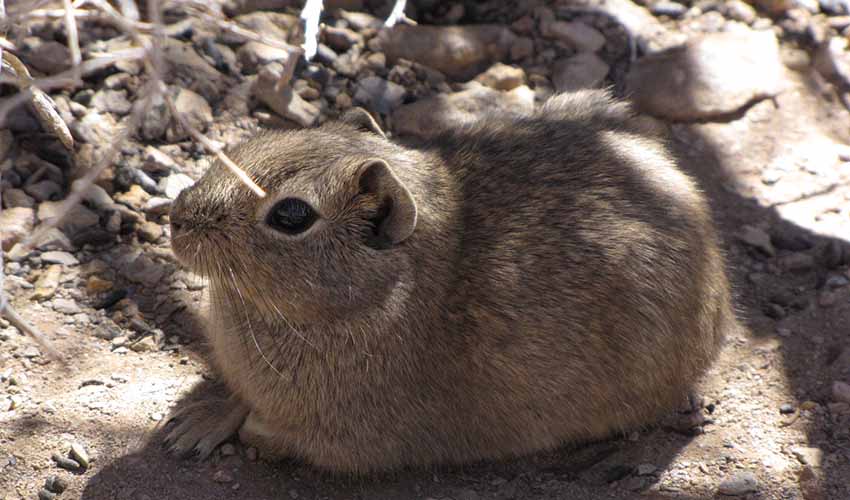
Southern mountain cavy
A small mammal perfectly designed for endurance in one of the toughest environments on Earth

Andean hairy armadillo
The highest-living armadillo on Earth

Pichi
Looks like a blend between a tank and a teddy bear
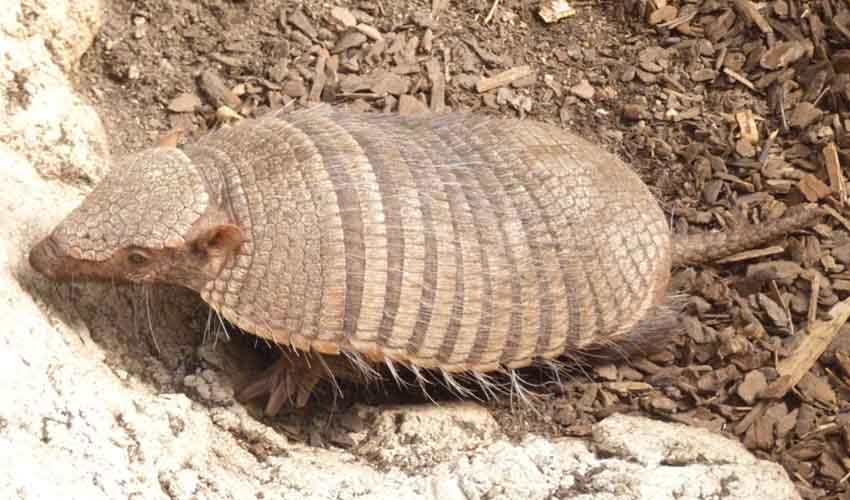
Big hairy armadillo
Has a strong sense of smell for finding food underground, because a lot of its best snacks are hidden out of sight
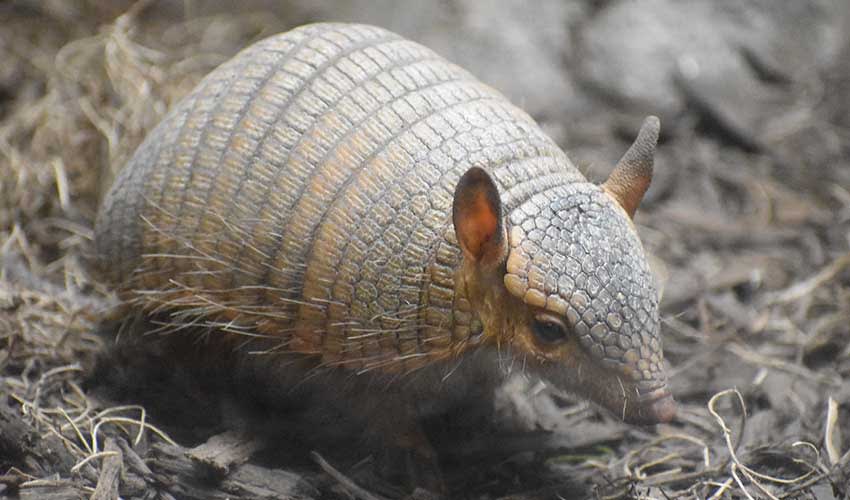
Screaming hairy armadillo
“Screaming” is real: when frightened or handled, it can let out a surprisingly loud, high-pitched squeal for such a small animal
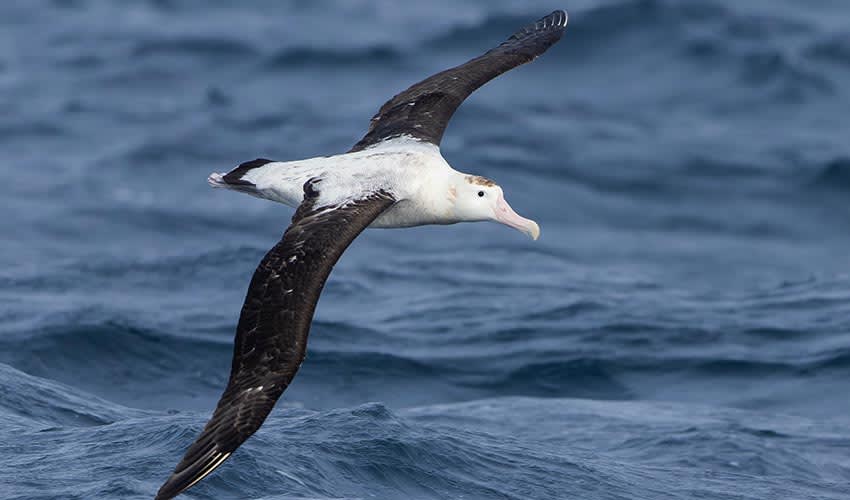
Antipodean albatross
Can glide for hours without flapping its wings, using ocean winds like an expert surfer
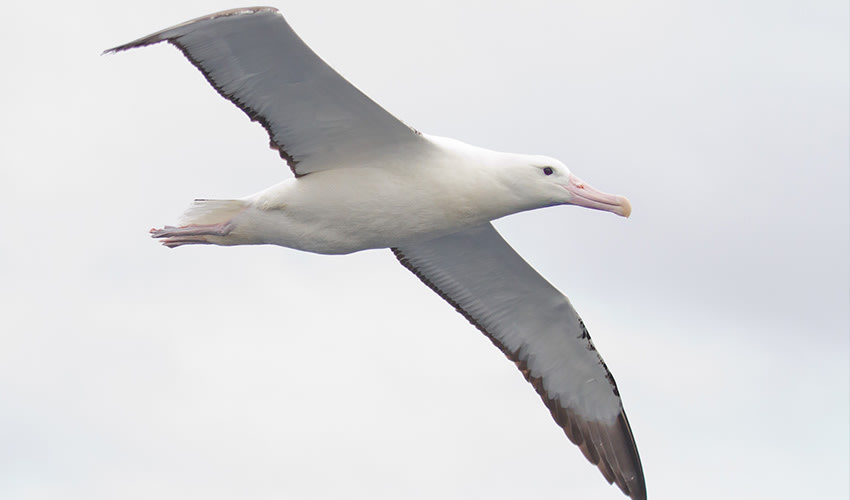
Northern royal albatross
Among the biggest flying birds on Earth
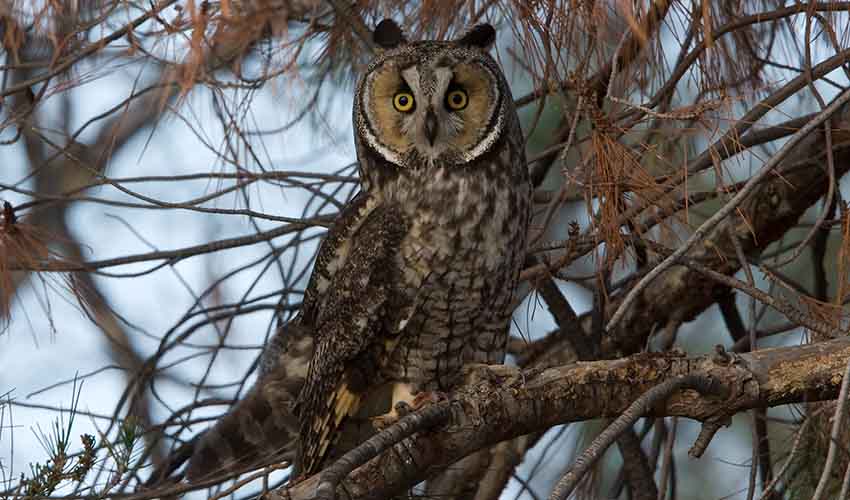
Long-eared owl
Its flight is nearly soundless, thanks to specially fringed wing feathers that disrupt air turbulence

Short-eared owl
Defies the usual “creature of the night” stereotype by thriving in open landscapes and often hunting boldly in daylight
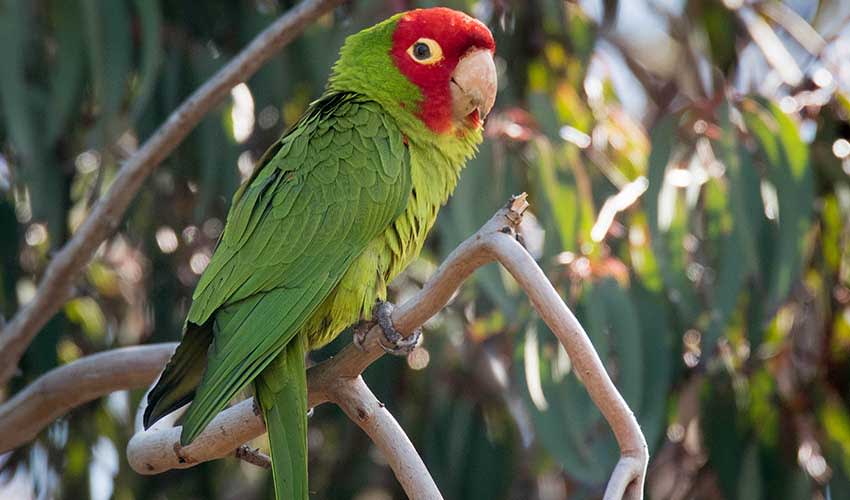
Red-masked parakeet
Best known as the famous “parrot of Telegraph Hill” in San Francisco
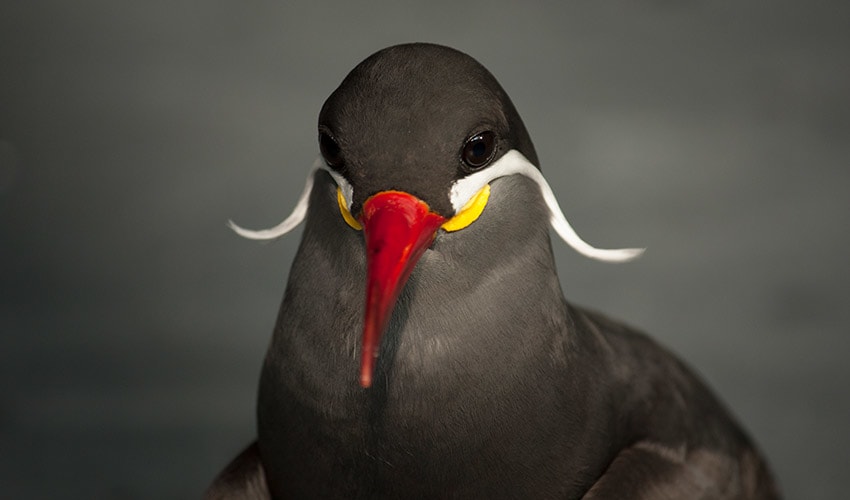
Inca tern
Terns with longer, brighter mustaches are often stronger and more successful at breeding
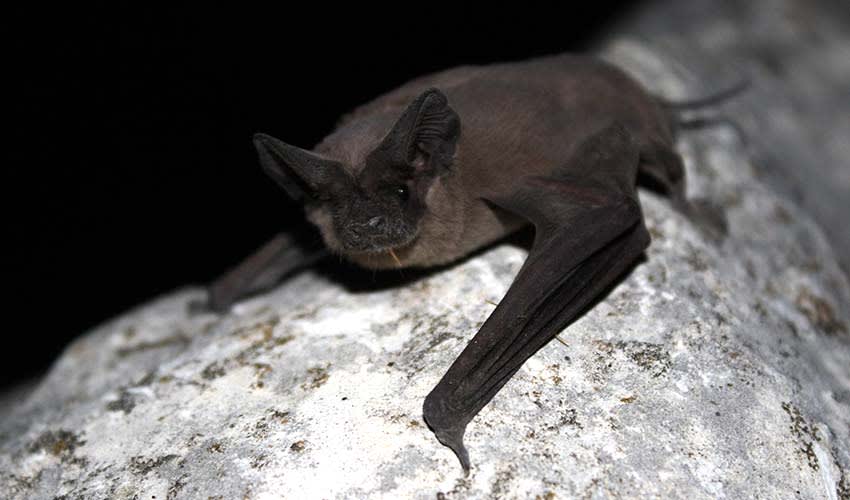
Mexican free-tailed bat
Their guano deposits have historically been harvested as fertilizer

American mink
Part hunter, part opportunist, part invader

Antarctic tern
Highly site-faithful, often returning to the exact same nesting spot year after year
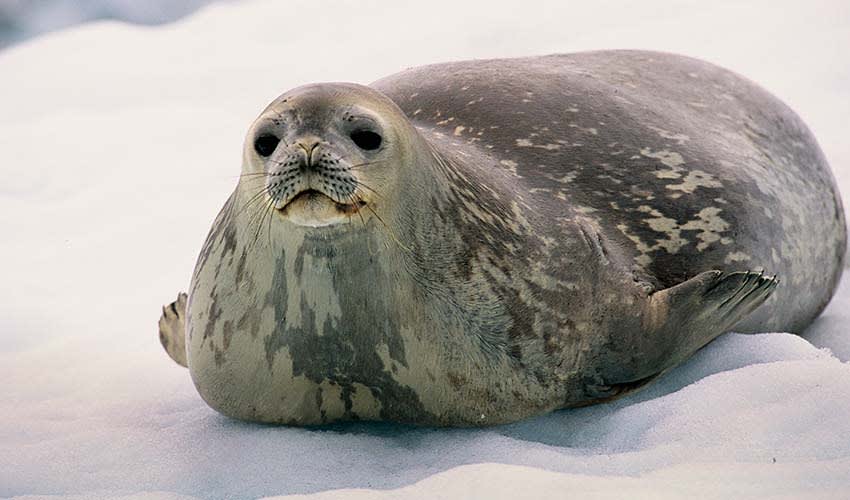
Weddell seal
A master of living under the ice, and a haunting singer in one of the world’s coldest wildernesses

Sand martin
A bird that carries the rhythms of the seasons on its wings

Magellanic woodpecker
Its tongue is so long that it actually wraps around the back of its brain when not in use

California quail
Their cheerful calls, often described as sounding like they are saying “Chi-ca-go!”

Red knot
In winter, they’re plain grey and white, but in the Arctic summer, they turn into a glowing rusty red

Crabeater seal
Their misleading name comes from early explorers who mistakenly thought they fed on crabs

Ruddy ground dove
One of the tiniest doves in the Americas

Wood stork
The “giant of the swamp”

Green kingfisher
Have eyesight that is exceptionally keen—so much so that they can easily spot tiny fish swimming just beneath rippling water
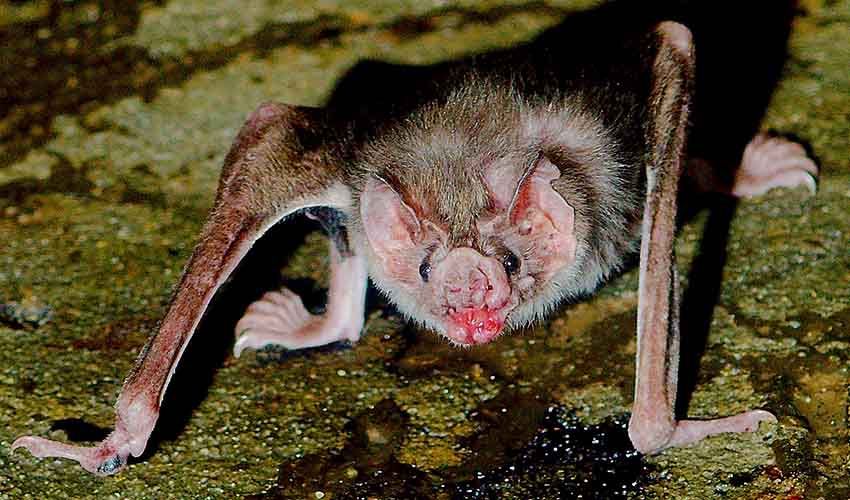
Common vampire bat
Most famous — and misunderstood — of all vampire bats

Tropical kingbird
Surprisingly aggressive for a bird with a sunny name
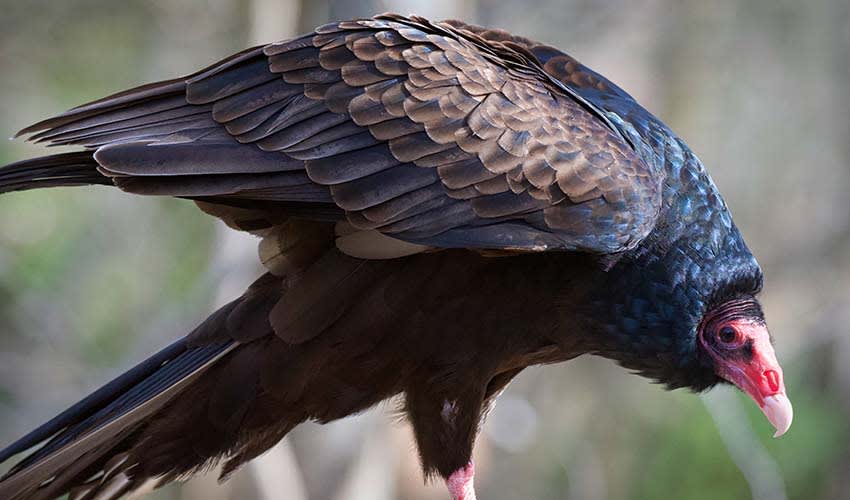
Turkey vulture
A bird that quietly keeps the environment clean

South American coati
Known to investigate campsites, rummage through backpacks, and even figure out how to open containers

Atlantic salmon
Travels with nature’s GPS: a magnetic compass and a nose that never forgets home
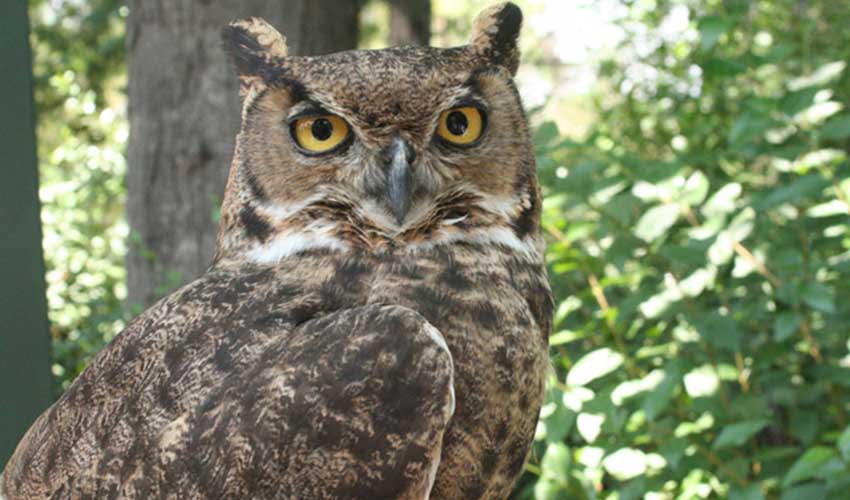
Lesser horned owl
Can swallow small prey whole and later cough up pellets made of bones and fur

Ruddy turnstone
They flip the script — literally!
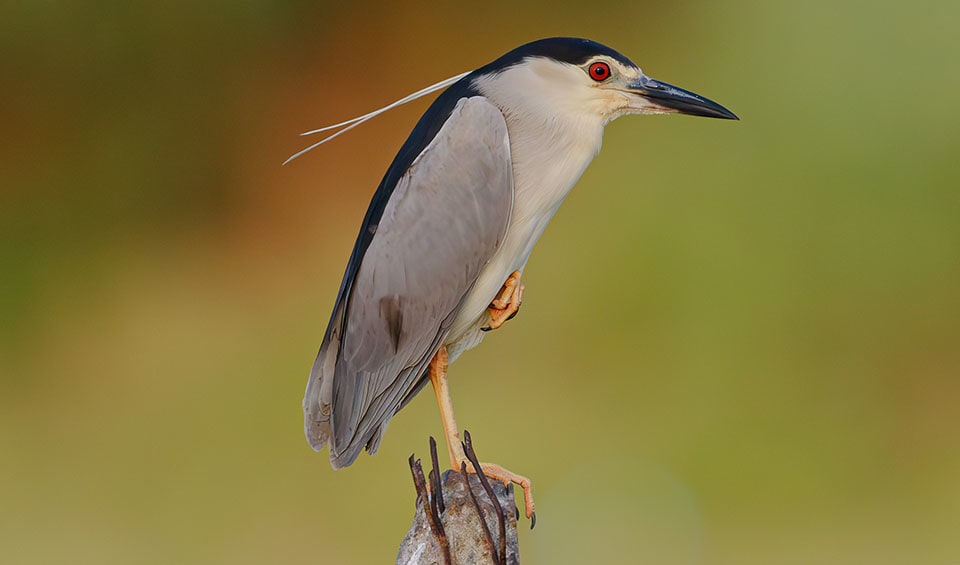
Black-crowned night heron
One of the most widespread and adaptable herons in the world

Flying steamer duck
Though this duck can fly, it’s right on the edge of being flightless

Nutria
Look a bit like a cross between a beaver and a rat
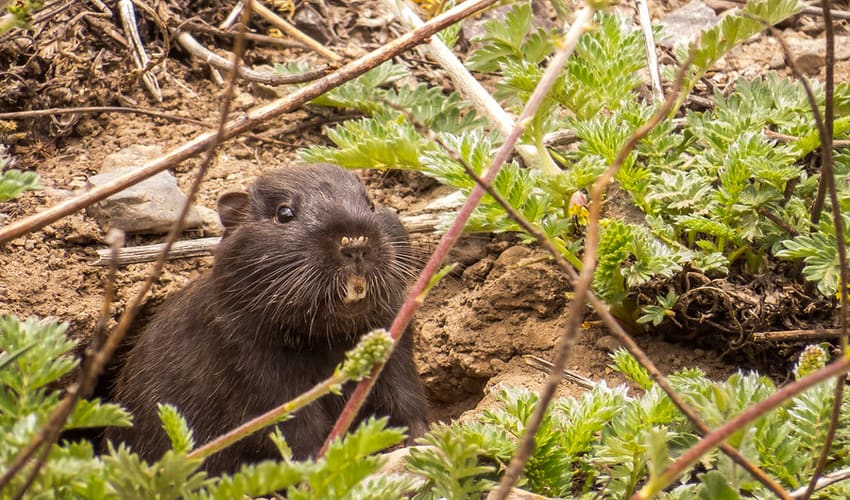
Coruro
One of the few rodents known to live in social underground groups

Olrog’s gull
Only later did scientists give it full species status, thanks to its different range, plumage details, and very crab-focused lifestyle

Kelp gull
When faced with hard-shelled prey, this gull simply flies up and drops it onto rocks — no tools, no problem

Marine otter
A rare treasure of South America’s coast — small but fierce, quiet but clever
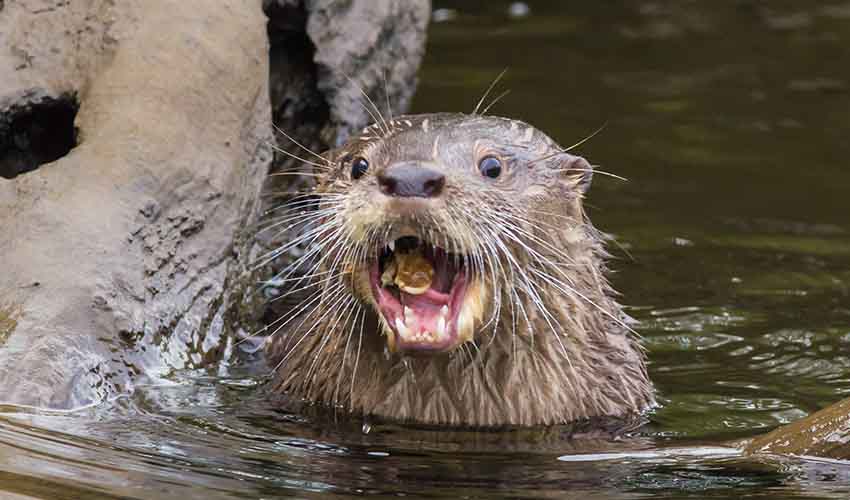
Southern river otter
One of the most “Patagonia-coded” animals out there—built for cold water, rain-soaked forests, and rugged shorelines
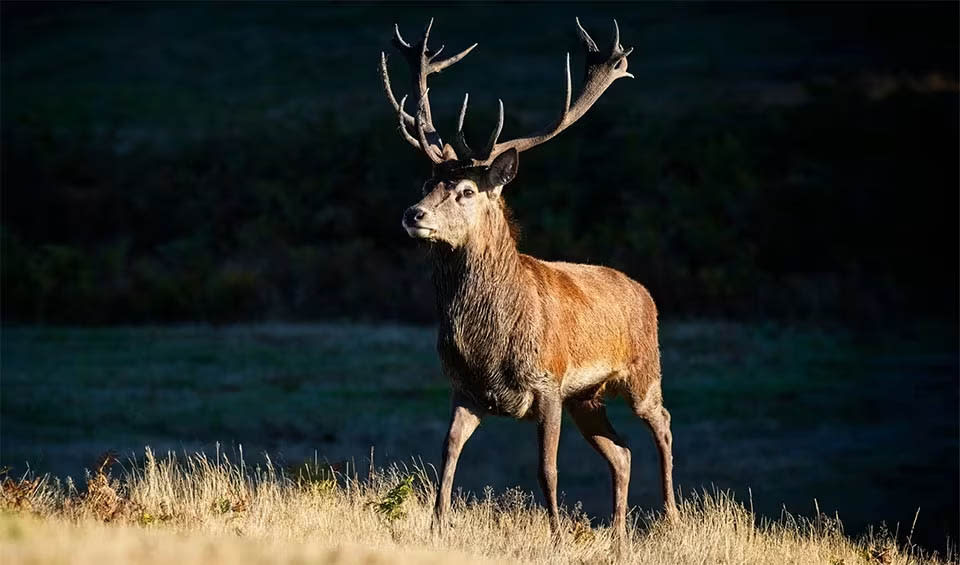
Red deer
Not only one of the largest deer species but also among the most majestic

Laughing gull
Once you’ve heard them laugh, it’s hard to forget!

Waved albatross
The only albatross species that breeds in the equatorial zone
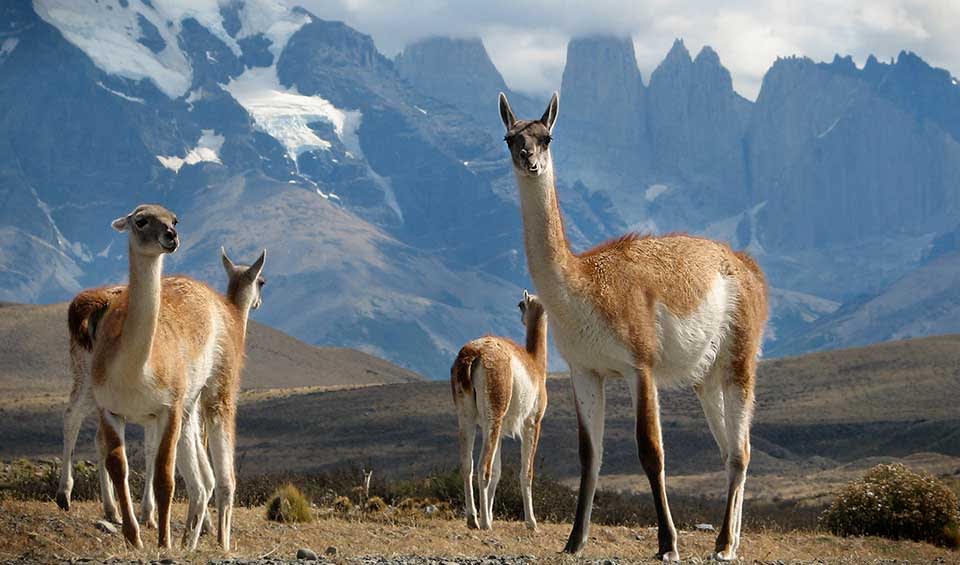
Guanaco
The largest herbivores of the dry areas of South America

Royal tern
These birds ride ocean breezes for miles without flapping much at all
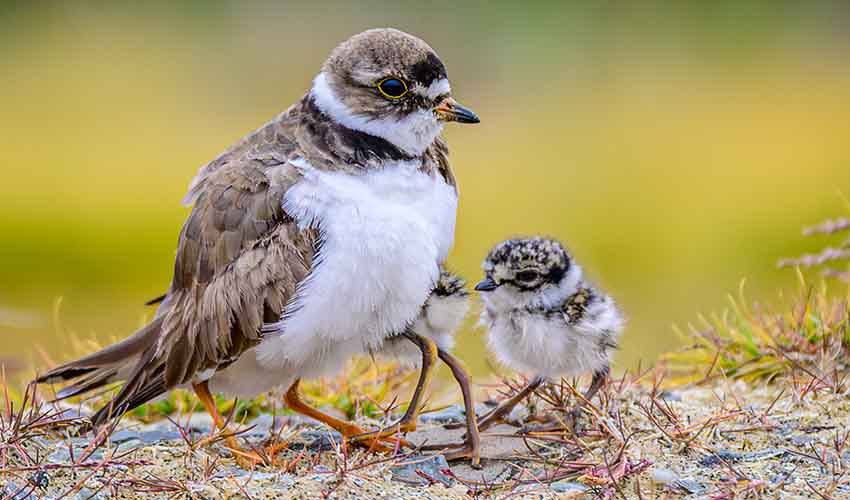
Semipalmated plover
Often described as the “compact” version of the plover family

American kestrel
The smallest of falcons in the entirety of America, but you would be mistaken to take this bird lightly

Emperor penguin
Aptly named the biggest of the Penguin species & Olympic diver of the bird world
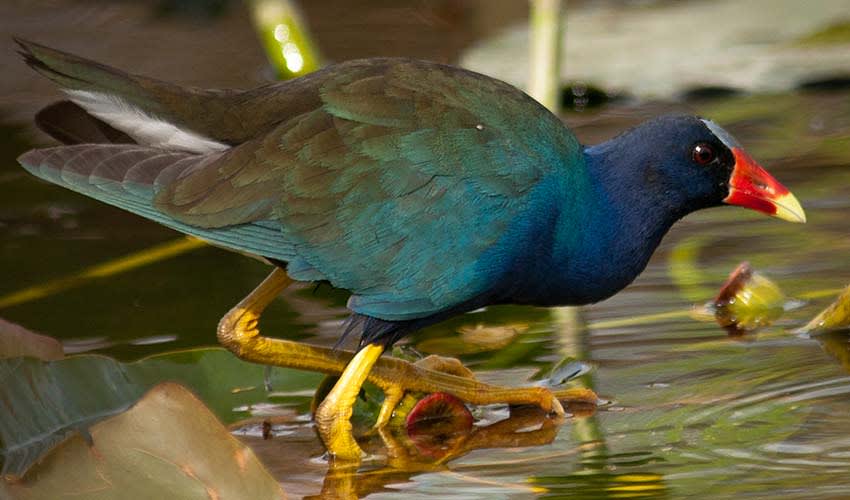
Purple gallinule
One of the most dazzling waterbirds of the Americas, often described as a “swamp jewel”
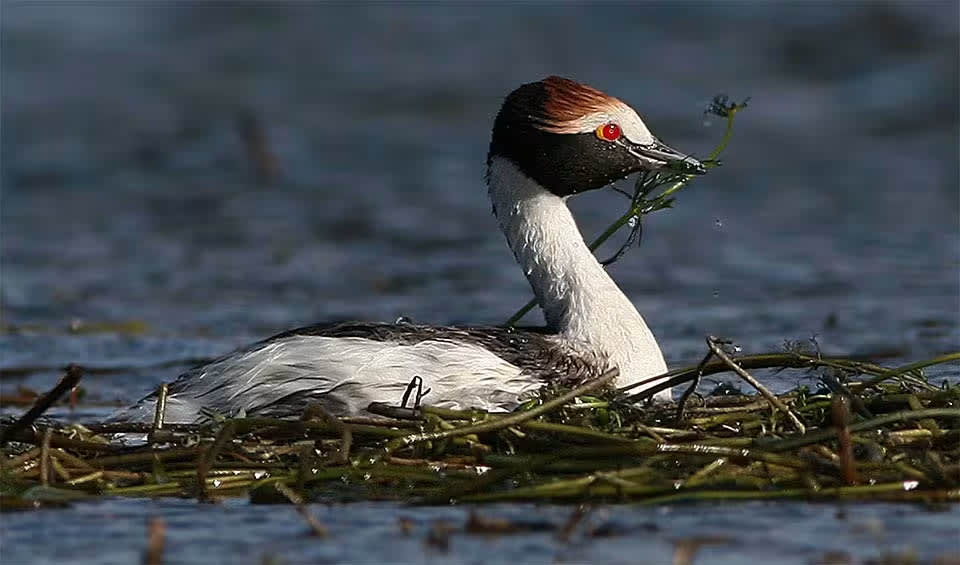
Hooded grebe
Easily recognizable by its distinctive black hood, which it can raise or lower at will

Antarctic fur seal
Has one of the warmest fur of any mammal

Northern giant petrel
Well-adapted to the cold Arctic climate and can withstand temperatures as low as -50°C (-58°F)

White-faced whistling duck
Loud birds with a distinct three-note whistling sound

King penguin
With their stately waddle and regal demeanor, they are the undisputed monarchs of the Antarctic ice

Southern giant petrel
Often called the “vulture of the seas” because of its scavenging habits

Peruvian pelican
Despite its large size and somewhat clumsy appearance on land, it is an exceptionally graceful flier

Muskrat
They’re kind of like big, furry rats but with a different shape

Groove-billed ani
Got a long tail, a big head, and a curved bill with little grooves on it – that’s where its name comes from

African clawed frog
It’s a frog, but it doesn’t look like the typical frogs we think of!

Chilean dolphin
One of the least flashy—and most specialized—dolphins on Earth

Hourglass dolphin
Often called the “sea panda” of the southern seas
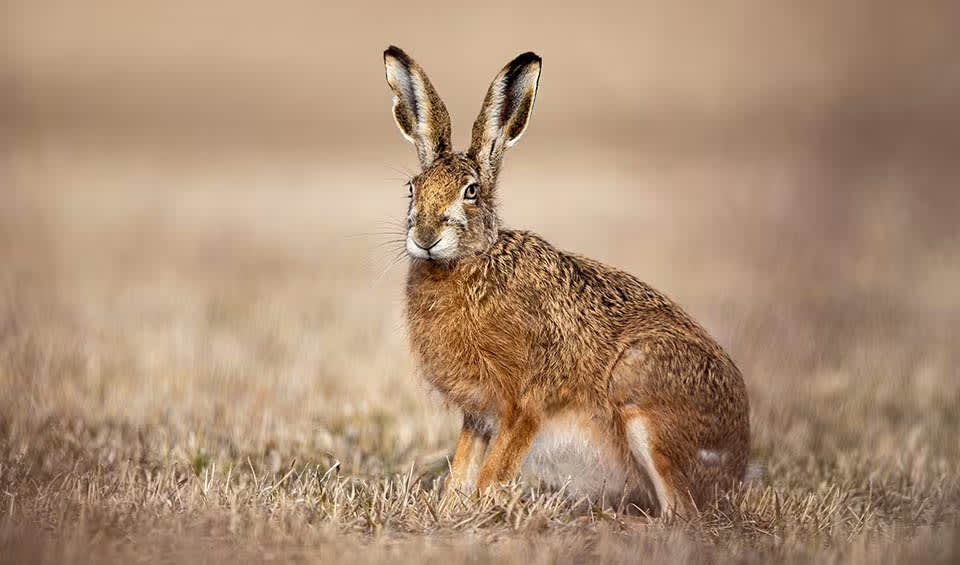
European hare
Unlike rabbits, they don’t live in burrows, instead, they make shallow nests in the grass called forms
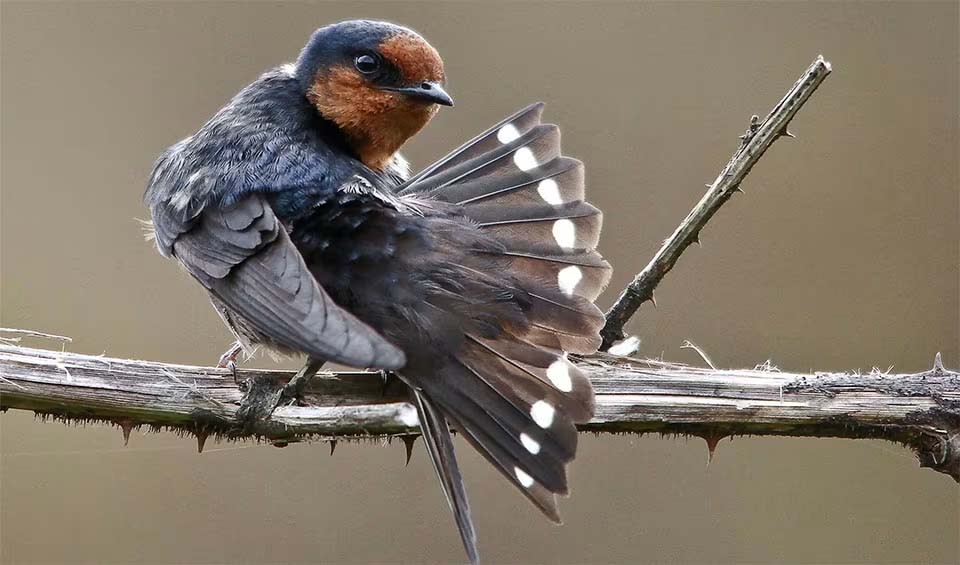
Barn swallow
Most common and widely distributed swallow globally
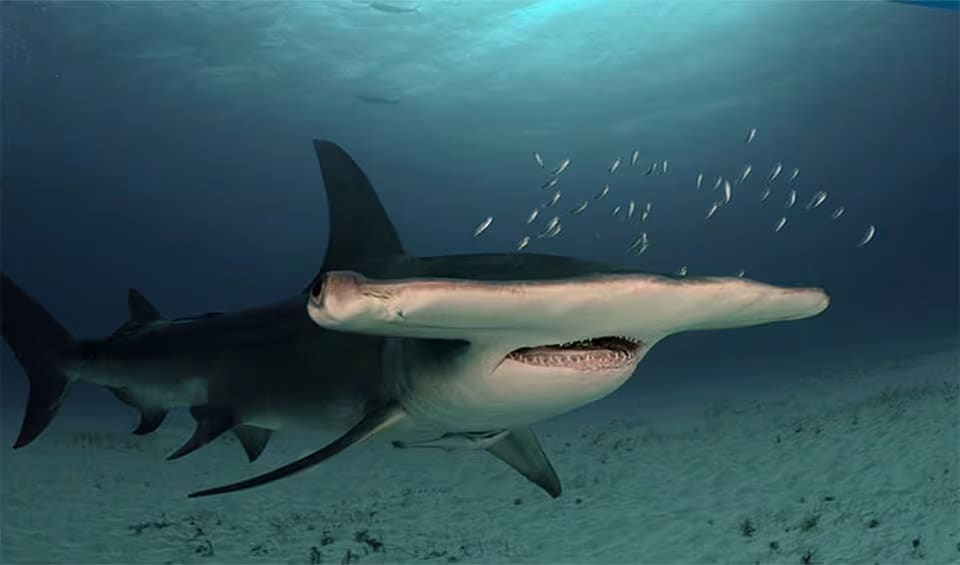
Great hammerhead
The biggest of all the hammerhead sharks, with a massive head that looks like a giant, flat hammer

Crested caracara
Got the looks of a hawk with the scavenging habits of a vulture
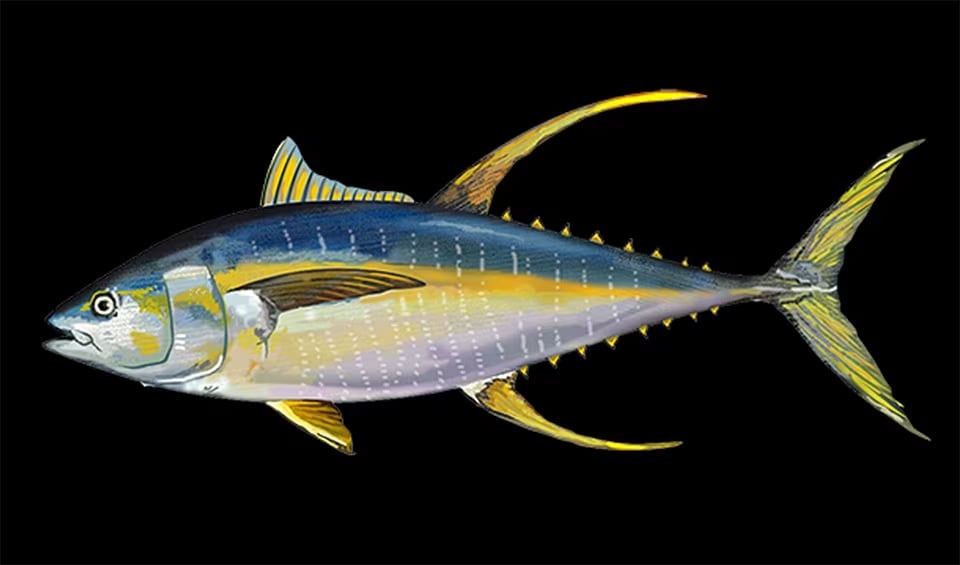
Yellowfin tuna
Popular food fish, prized for its mild flavor and firm texture

Llama
Think of camels, but minus the hump!

Southern lapwing
Fearless defenders of their nests and chicks, often taking on much larger animals or humans if they perceive a threat

Great kiskadee
This bird is a real chatterbox, constantly announcing its presence with its loud, three-part call – “kis-ka-dee!”

Brown noddy
They bob their heads up and down as they fly, which is actually how they earned the nickname “Noddy”

Burrowing owl
They don’t build their own nests – they cleverly take over burrows abandoned by prairie dogs, ground squirrels, or even tortoises!
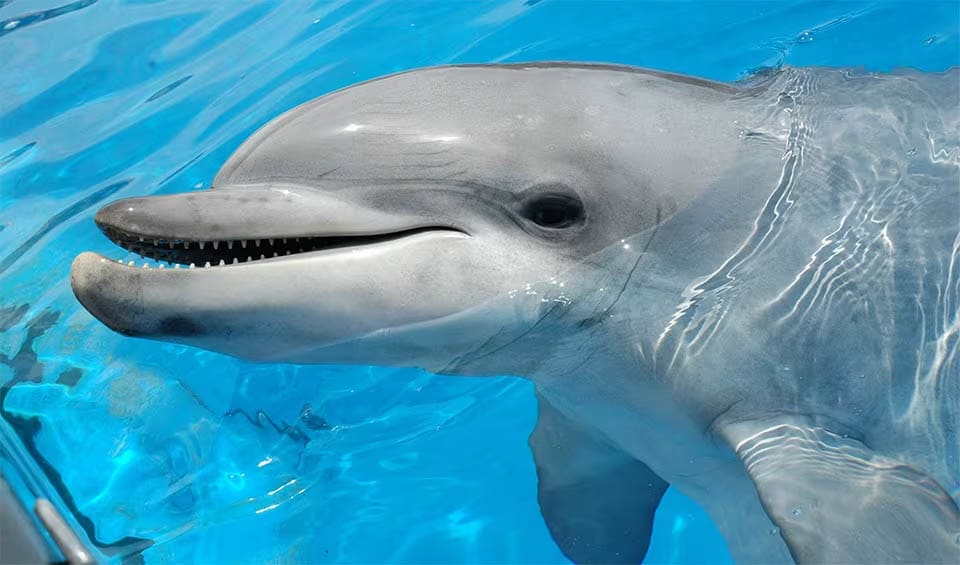
Common bottlenose dolphin
Known for their acrobatic leaps, twisting and turning gracefully as they jump completely out of the water

European rabbit
They spread faster than any other colonizing mammal in the world

South Andean deer
National symbol of Chile and appears on the country’s coat of arms, representing the nation’s wildlife heritage and natural beauty

South American leaf-toed gecko
Their toe pads have microscopic hair-like structures called setae, allowing them to stick using van der Waals forces
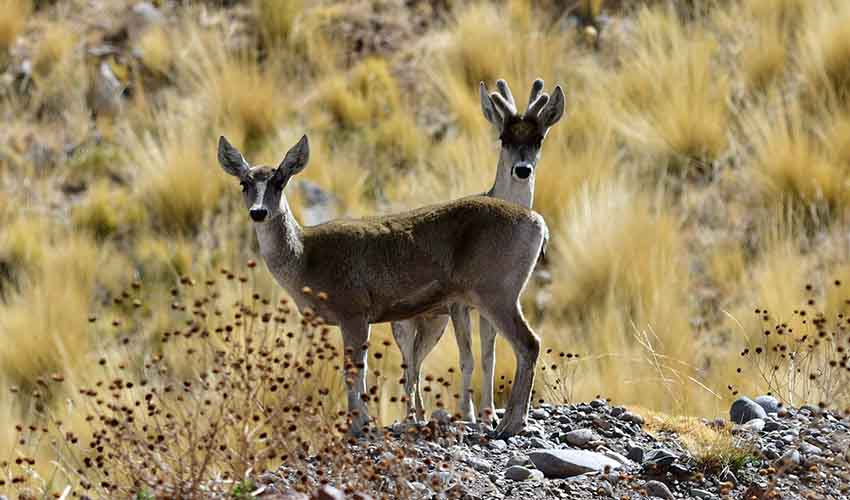
Taruca
More like a sturdy mountain climber than a delicate forest deer

Snowy egret
In the late 1800s, a single ounce of its feathers could be worth more than gold
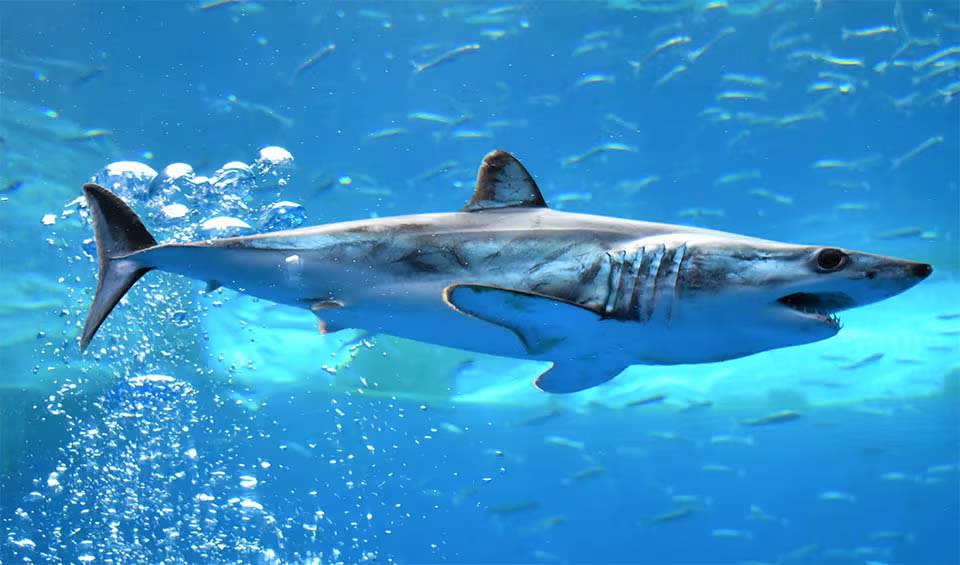
Shortfin mako shark
Speed and power embodied, they rule the seas with their sleek bodies and jaw-dropping leaping prowess

Basking shark
Majestic giants of the sea, they peacefully glide through the ocean with mouths agape, filtering the waters for sustenance
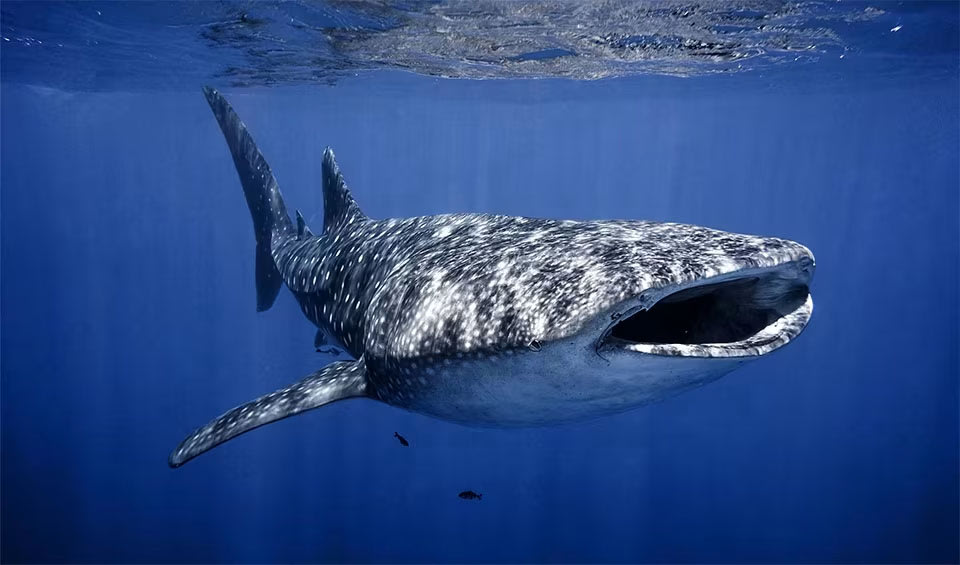
Whale shark
Gentle giants of the sea, with mouths wide open to filter the ocean’s bounty
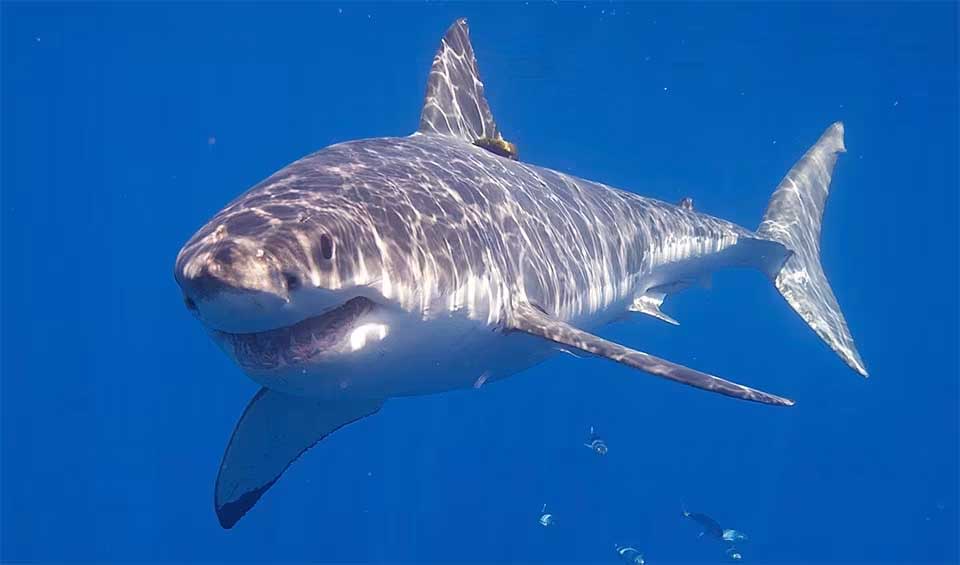
Great white shark
Majestic ocean predators, embodying power, speed, and precision in their pursuit of prey

Loggerhead sea turtle
One of the largest and strongest sea turtles in the world

Saber-toothed tiger
Despite its name, this animal was not a true tiger, nor was it related to any modern cat

Giant ground sloth
Discover the mystery of a prehistoric giant: an enormous herbivore with powerful claws and a tragic fate
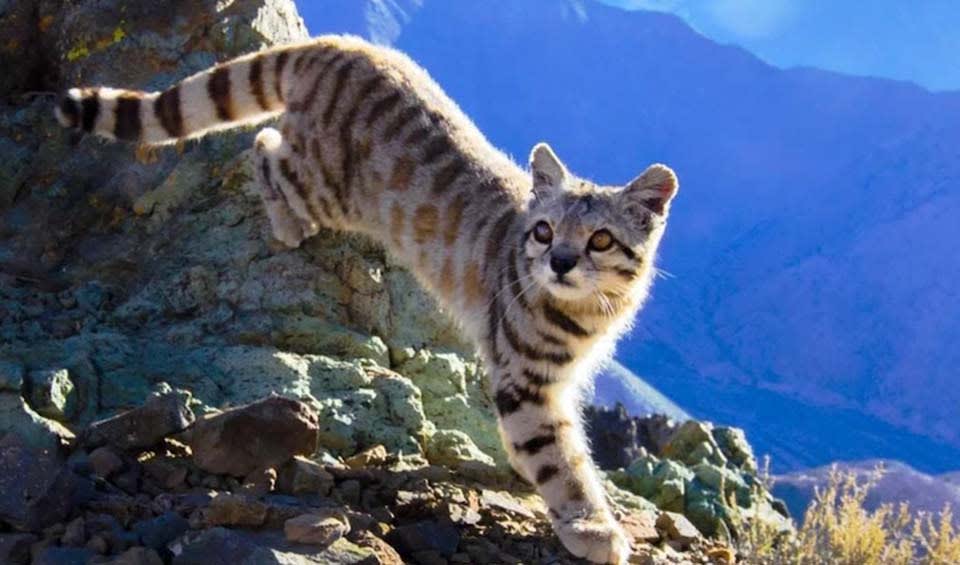
Andean mountain cat
One of the rarest wild cats, until recently, most data about them were collected from 2 photographs, 3 skull samples, and 14 skin samples

Kodkod (guiña)
One of the smallest cats, native to central and southern Chile-Argentina

Darwin’s fox
Surviving against all odds, this elusive fox is the ultimate master of survival in the harsh landscapes of Chile
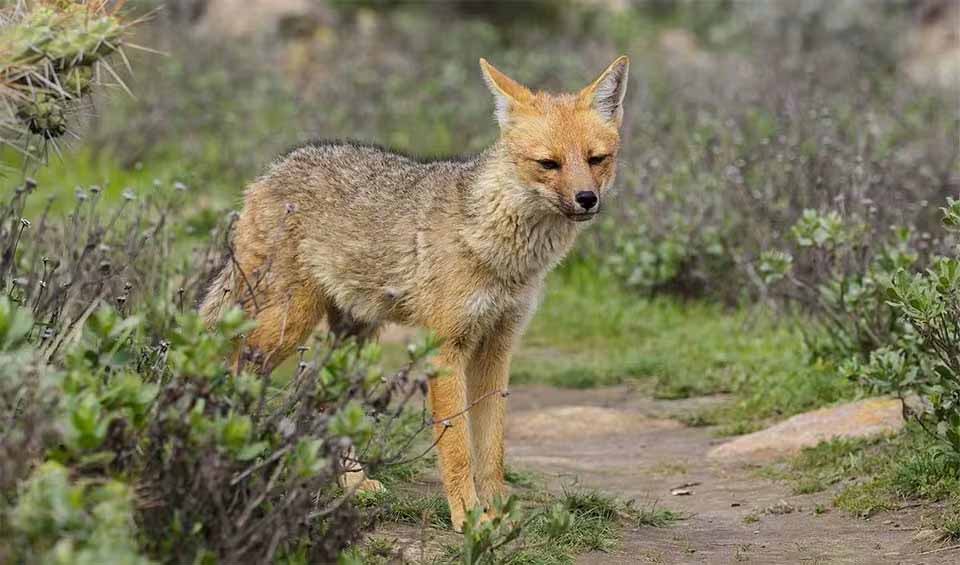
Culpeo
Discover the resourcefulness and adaptability of this cunning fox-like predator that’s mastered life in the rugged high-altitude terrain
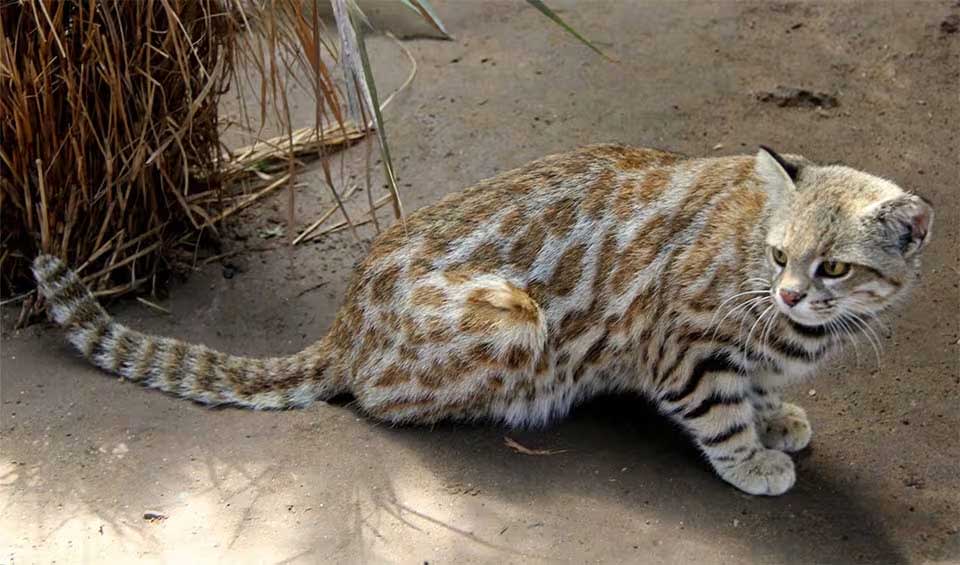
Pampas cat
Survival of the fittest? This cat takes it to a whole new level, always ready to pounce and conquer any habitat
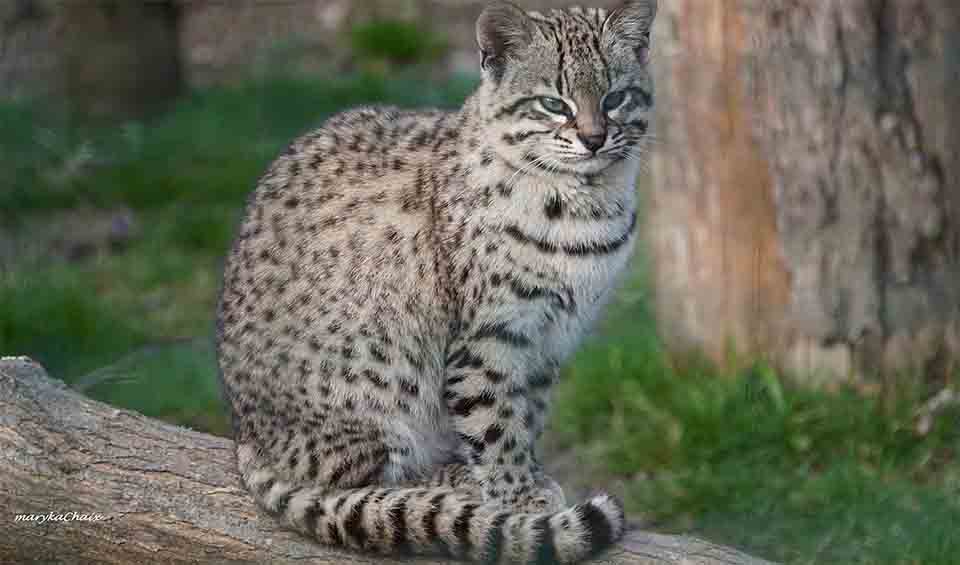
Geoffroy’s cat
Small but mighty, this cat is a stealthy predator that swims, climbs and hunts with sass and style

South American gray fox
They eat fruit—by choice!
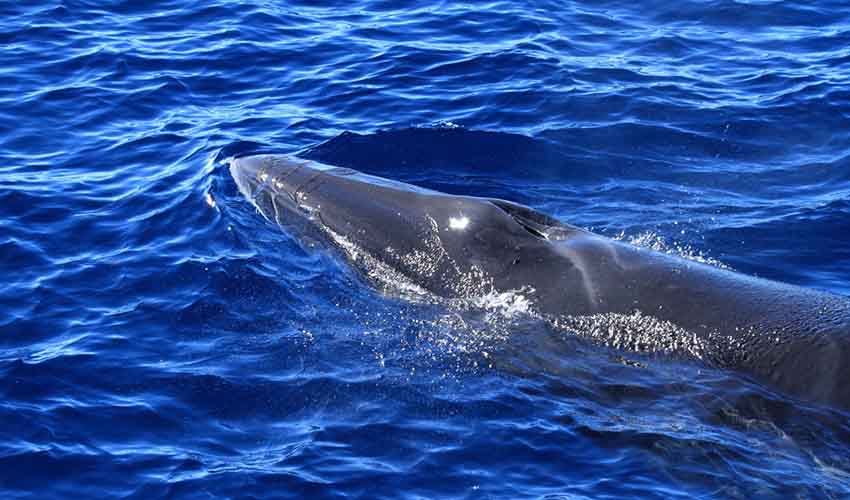
Antarctic minke whale
The most ice-associated baleen whale, often found right at the frozen frontier where krill thrives

Blue-footed booby
When choosing a mate, foot color is of primary importance as a reliable indicator of health, immunity, and age
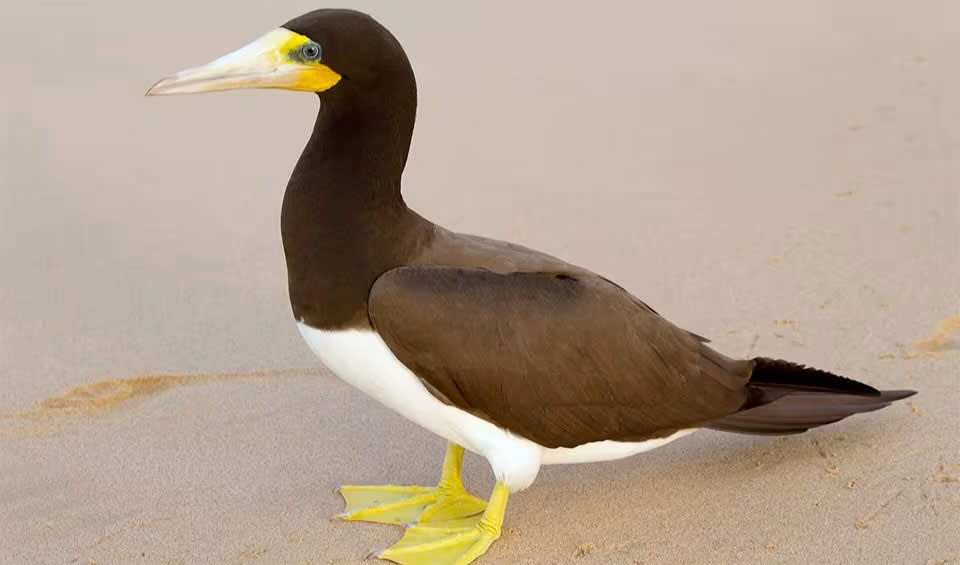
Brown booby
An impressively acrobatic bird that can catch flying fish mid-jump
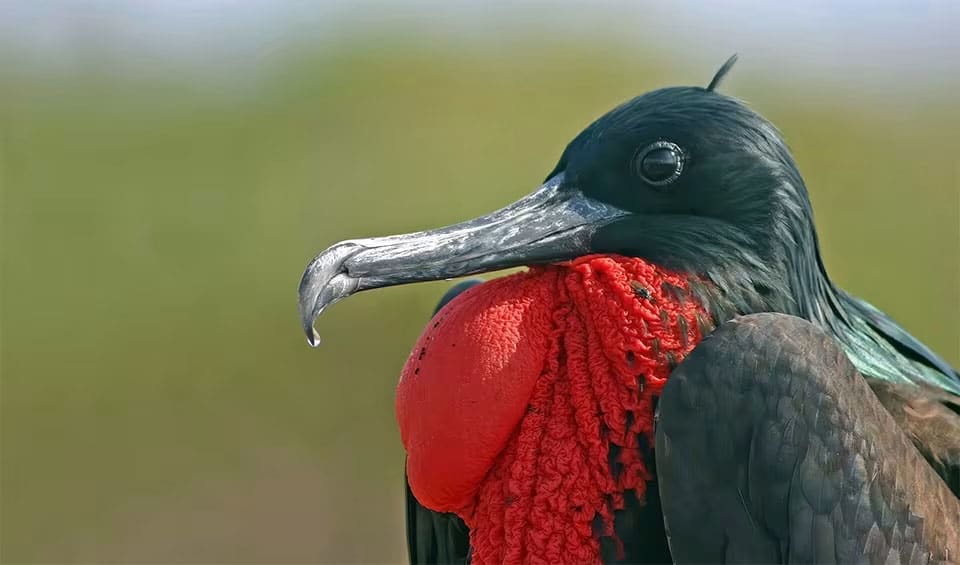
Great frigatebird
These birds spend weeks in the air and hunt, preen and even sleep while in flight
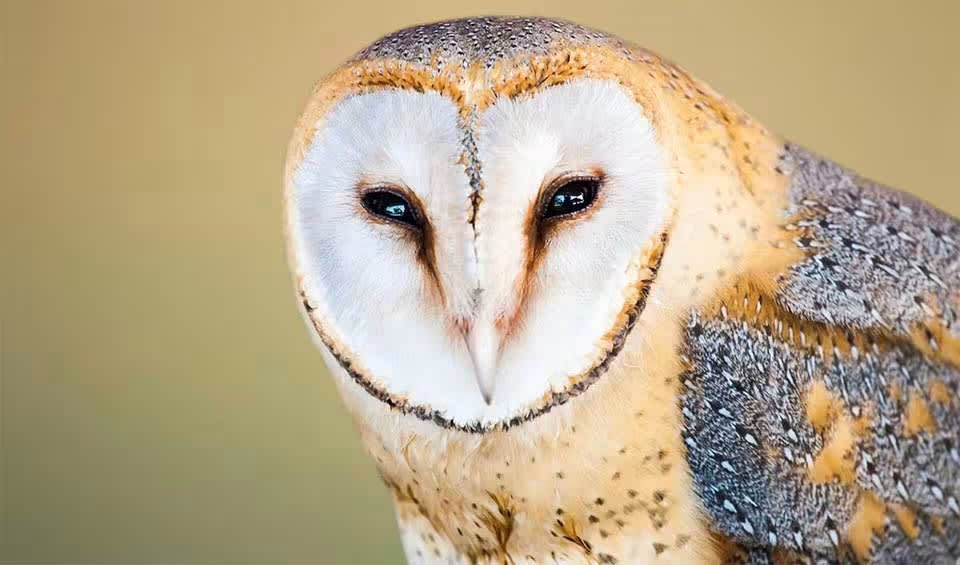
Barn owl
The most cosmopolitan of owls with home ranges extending across the globe

Magnificent frigatebird
Cannot land on water because their feathers are not waterproof

Humboldt penguin
These penguins don’t chirp—they “hee-haw” like donkeys!

Magellanic penguin
Their call, often compared to a donkey’s bray, is how they got their name in some regions

Macaroni penguin
The penguin with a cool tiara
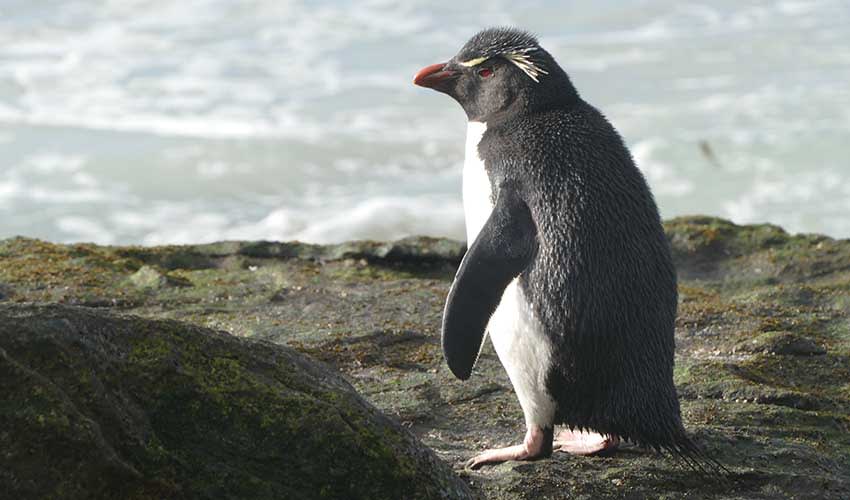
Western rockhopper penguin
Watching them misjudge a jump and immediately try again makes them look stubborn and determined rather than clumsy
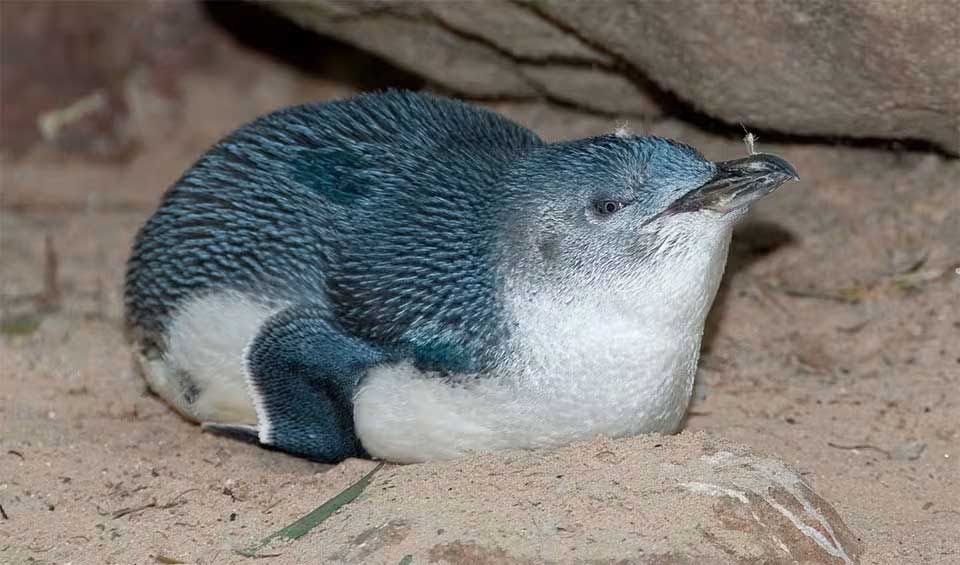
Little penguin
A blue, small wonder of the penguin world

Chinstrap penguin
The most grumpy penguin with a helmet and a chinstrap!
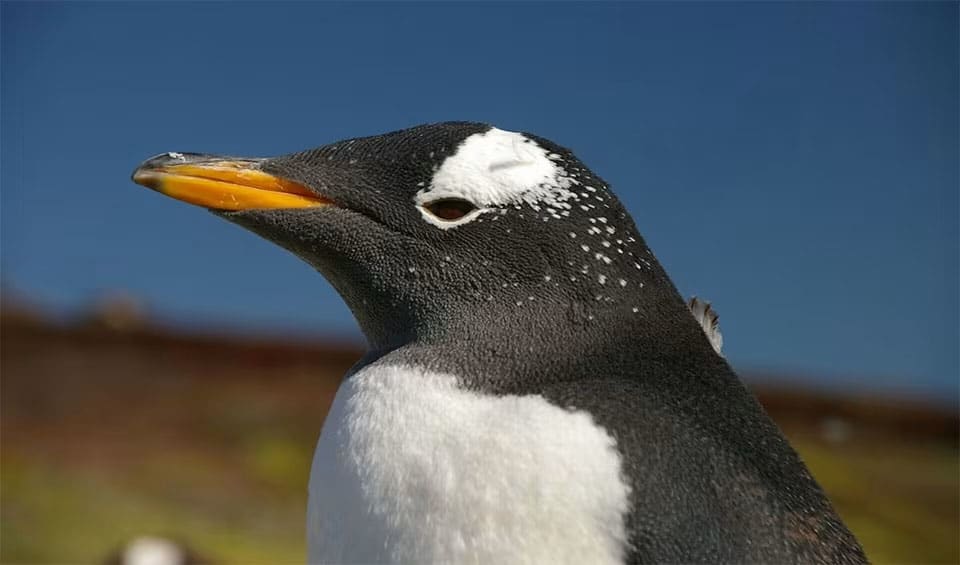
Gentoo penguin
Bushy tailed fastest diving penguin

Lesser rhea
The cute birds from South America
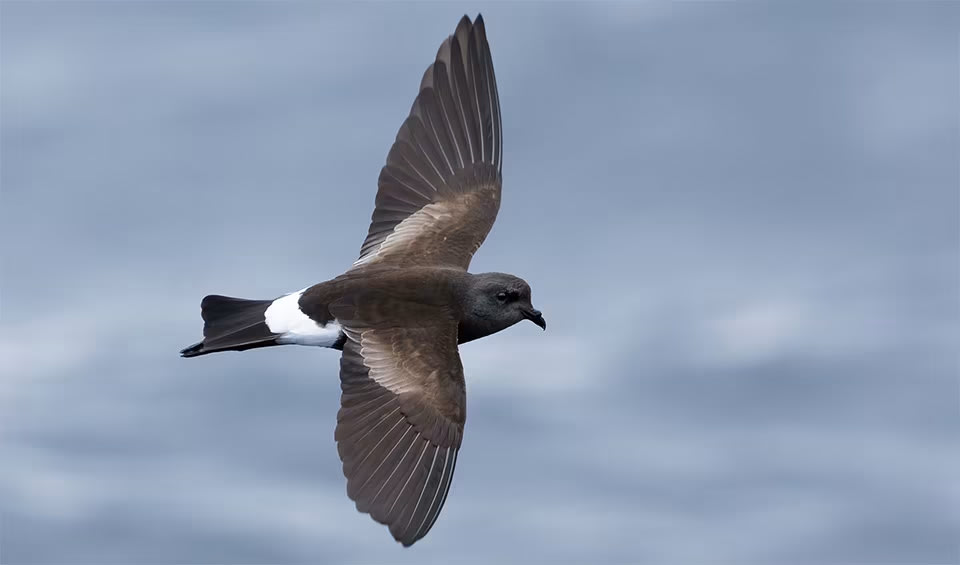
Wilsons storm petrel
This species is found in all world oceans except the north Pacific Ocean

Manx shearwater
Impressive flights but clumsy walking on the ground are observed in these birds due to awkward legs
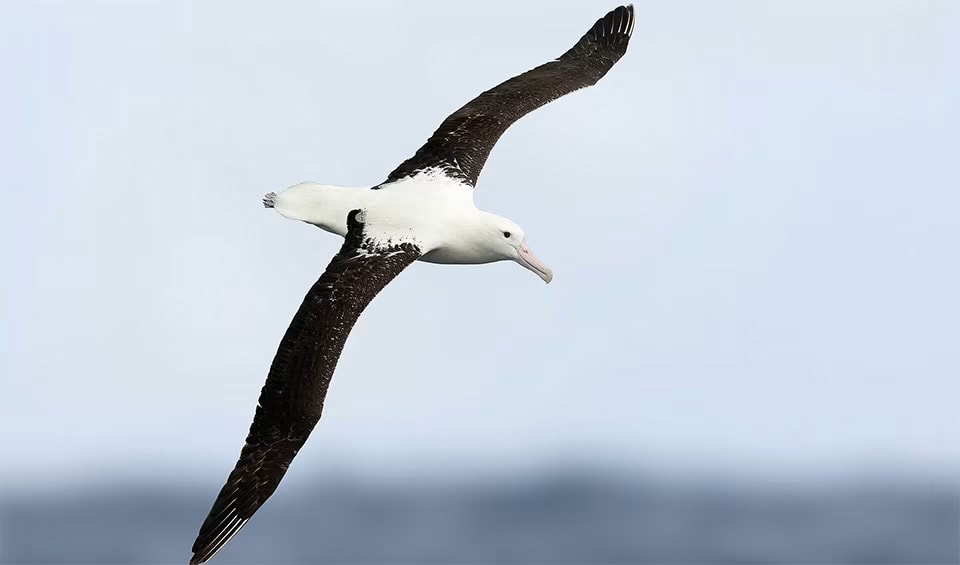
Royal albatross
These mighty birds have the longest wingspan, second only to wandering albatrosses

Wandering albatross
The humongous bird with the largest wing span of 3.5 m (11.5 ft) – seems straight out of a fantasy movie

Red-billed tropicbird
Professional marine forecasters to optimize breeding success and prey availability

Red-tailed tropicbird
They dance along with their gorgeous red tails to attract partners in a faithful courtship

White-tailed tropicbird
These ocean wanderers can be spotted from a distance showing awe-inspiring aerial tricks

House sparrow
The most widely dispersed wild bird

Scarlet flycatcher
The scarlet ambush hunter

Roseate spoonbill
An easily recognizable bird due to its pink body and spatulate bill

Puna ibis
Hardy mountain specialist, perfectly suited to the cold wetlands and wide skies of the Andes

Black-necked stilt
Those impossibly long legs allow it to wade into deeper water than other shorebirds of its size

Black-winged stilt
Elegant long-legged wader, common almost worldwide

Magellanic plover
On the brink of disappearance due to habitat destruction, global warming, and overgrazing

Snowy sheathbill
Try playing hide and seek with this bird in snowy lands

Long-tailed jaeger
This bird is incredibly light, weighing only about as much as a cup of yogurt

Parasitic jaeger
These birds come in two distinct looks—a “light morph” and a “dark morph”

Pomarine jaeger
In the winter, they lose those iconic “spoon” tail feathers, making them much harder to identify
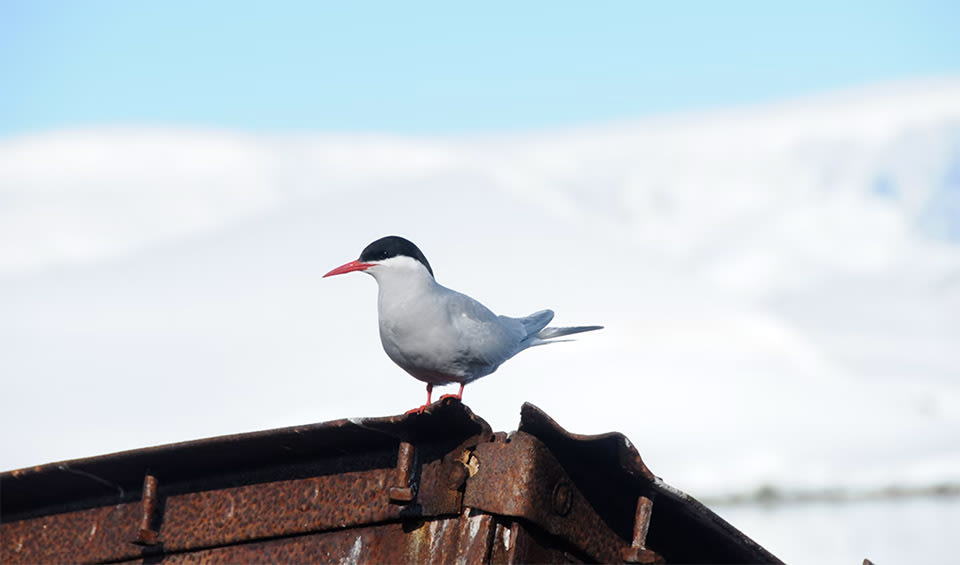
Arctic tern
This bird can give any cross-country runner a run for their money

Common tern
This bird holds the record of the longest distance flown by any bird in recorded history
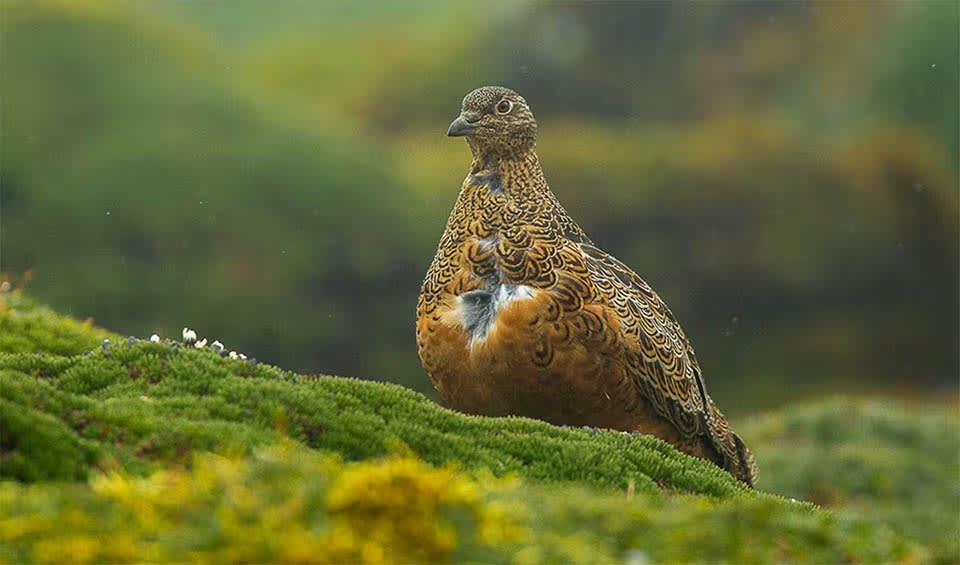
Rufous-bellied seedsnipe
They appear out of nowhere and disappear in a blink

Andean condor
The largest and heaviest raptor in the world
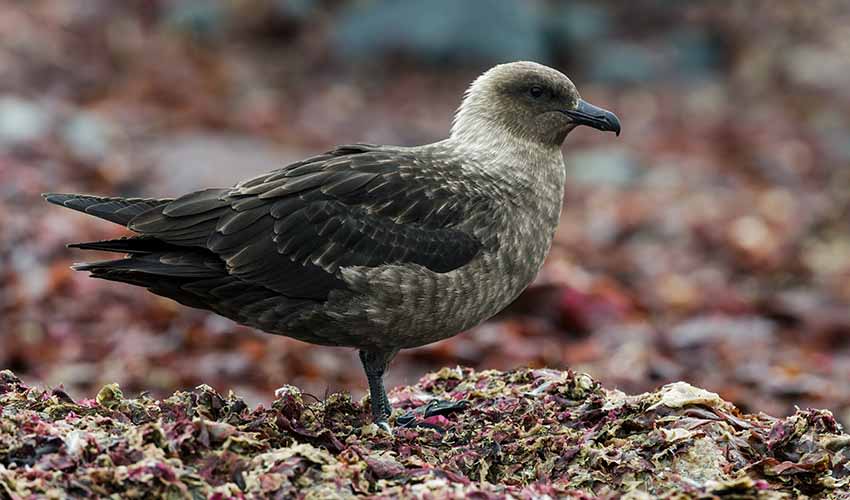
South polar skua
Famous for chasing other seabirds until they drop or cough up their food

Wattled jacana
Often nicknamed the Jesus bird because it looks like it’s walking on water

Black skimmer
If you come across a flock on a sandy beach, you might think they’re all exhausted or even dead

White-cheeked pintail
So unafraid of humans that they will often swim right up to curious travelers

Osprey
One of only six land-birds with a cosmopolitan distribution habituating all continents except Antarctica

Leopard seal
The ends of the mouth are permanently curled upwards that look like a smile or a menacing grin

Southern elephant seal
The largest member of the order Carnivora, adult males, can be six times larger than polar bears!
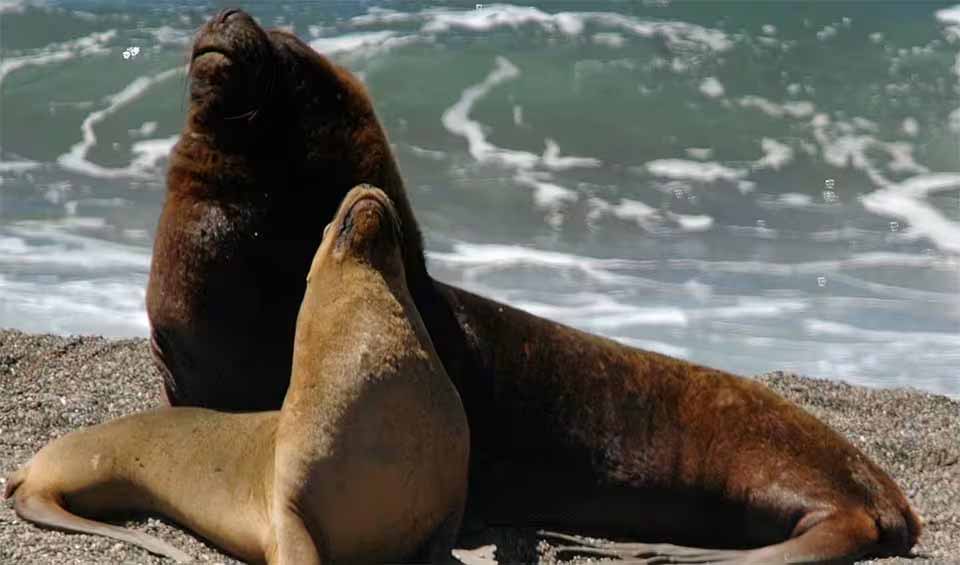
South American sea lion
Unfortunately, they are commonly killed for their habits of damaging fishing nets and stealing fish from fishing and farming operations

Juan Fernández fur seal
The population was once thought to be extinct until a group of 200 individuals was found on Juan Fernández islands in the 1960s
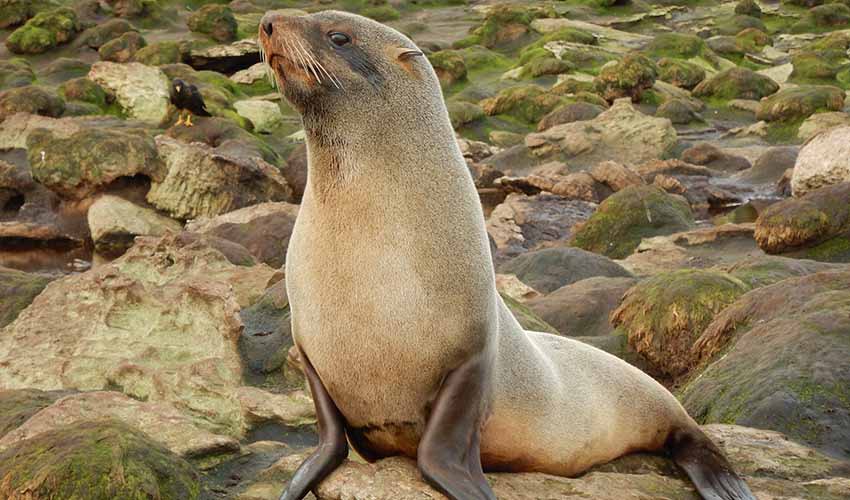
South American fur seal
Its thick, luxurious fur was once heavily hunted for the fur trade

Subantarctic fur seal
Once nearly wiped out, it now thrives in great numbers
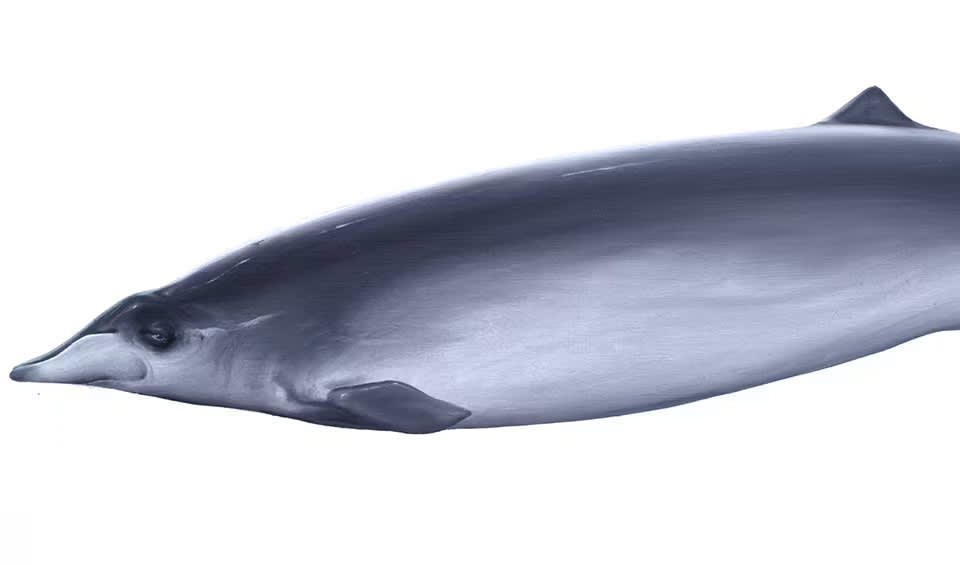
Pygmy beaked whale
The most recently described and smallest member of toothed whales –it was only classified as a distinct species in 1991
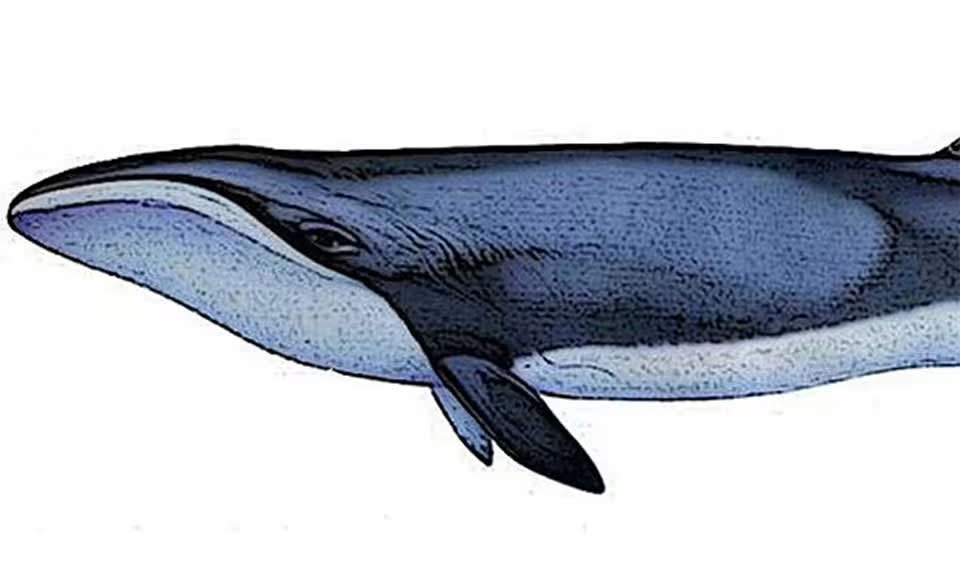
Pygmy right whale
The smallest baleen whale

Southern right whale
Most common of right whales, cruising the southern oceans

Monito del monte
A bad omen or a harmless seed disperser?

Humboldt’s hog-nosed skunk
Nature’s compact pest-control crew—digging up beetles and grubs that spend their lives hiding underground

Molina’s hog-nosed skunk
Its pig-like nose is sensitive and flexible, helping it locate underground prey like grubs and worms
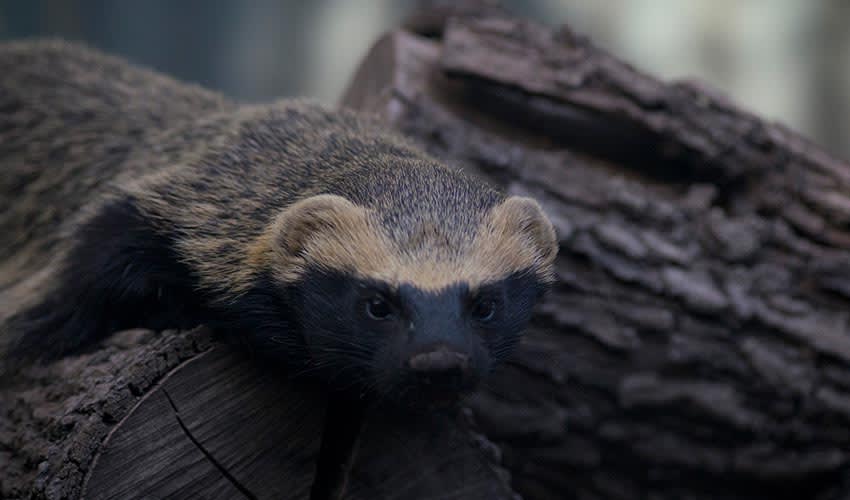
Lesser grison
When annoyed, it can hiss, growl, bare its teeth, and generally act like it’s ten times larger

Cougar
The most widespread large mammal of the Americas: from Canada’s Yukon to the Andes in South America

Vicuña
One of the few wild animals to have been used for obtaining wool without domestication
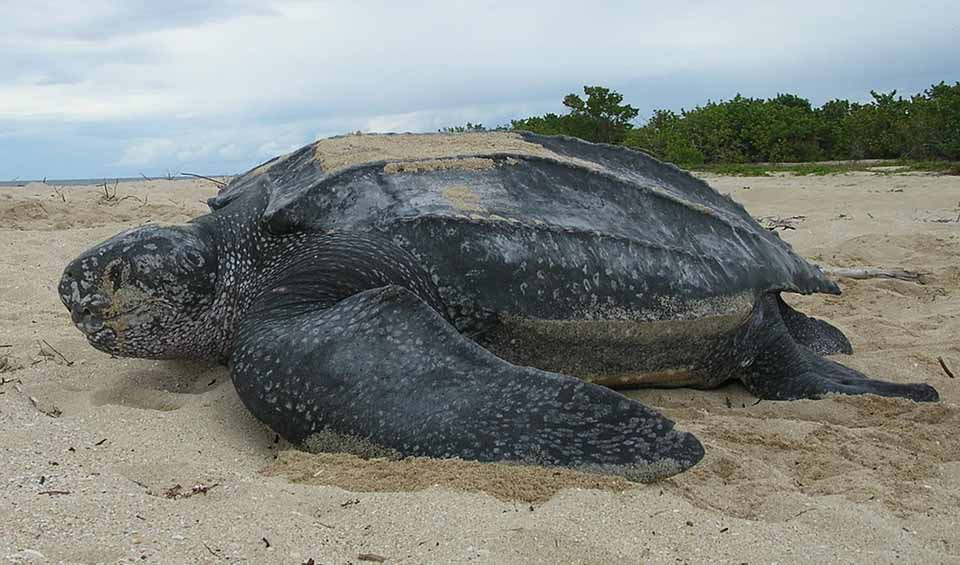
Leatherback sea turtle
The mysterious diver of the ocean is the largest and only sea turtle without a hard shell and scales

Green sea turtle
Largest hard-shelled sea turtle on earth

Magellanic iguana
A tree dwelling reptile native to Chile and Argentina

