Austria, located in Central Europe, borders Germany, the Czech Republic, Slovakia, Hungary, Slovenia, Italy, Switzerland, and Liechtenstein. The country covers an area of about 83,879 km² (32,386 mi²). Austria is known for its mountainous terrain, with the Alps covering the western and southern parts. The eastern regions feature more rolling plains and lowlands.
Austria’s diverse landscapes support a rich variety of flora and fauna. The Alpine regions are home to wildlife such as chamois, ibex, marmots, and golden eagles. These mountains also host a variety of plant species, including edelweiss, a symbol of the country. The forests, which cover about half of Austria’s land area, provide habitats for red deer, roe deer, wild boar, and various bird species. The numerous rivers and lakes, such as the Danube and Lake Neusiedl, support diverse aquatic life and are crucial for migratory birds.
Four pillars elaborated:
Austria boasts an extensive network of protected areas covering 24,510 km² (9,463 mi²) of land, including Natura 2000 sites and nationally designated areas. These protected areas serve as vital havens for diverse ecosystems, playing a significant role in conserving biodiversity. Austria’s renowned national parks and biosphere reserves, such as Kalkalpen National Park with its rugged mountains and diverse wildlife, and Großglockner National Park featuring Austria’s highest peak, offer visitors stunning landscapes and immersive nature experiences. Forests, integral to Austria’s protected areas, provide critical habitat for numerous species and contribute to water regulation and soil conservation. These areas also encompass picturesque natural landscapes and semi-natural cultivated areas, providing recreational opportunities and showcasing the country’s abundant biodiversity. Land Management
Several significant factors contribute to biodiversity decline in Austria. These include landscape fragmentation caused by transportation infrastructure like roads and railways, which disrupt both habitats and ecosystems. Eutrophication poses a threat to various habitat types, while the abandonment of traditional land use practices in favor of industrial agriculture leads to habitat loss and degradation. Diffuse chemical inputs further exacerbate these pressures, along with activities such as land clearance, reforestation, and intensified land use. Additionally, interventions in wetlands, such as river regulation and drainage, impact biodiversity. Regarding species loss, approximately three-quarters of the 488 biotope types assessed on the Red List of Threatened Biotope Types are categorized as threatened. Threats to Biodiversity
Austria has implemented various action plans to protect biodiversity, including initiatives like the Action Plan on Invasive Alien Species, Species Protection Plan, and the Natura 2000 Network. With designated Ramsar Sites, National Parks, and Biosphere Reserves, Austria safeguards around 35% of its territory under various protection categories. As a member of the EU, Austria participates in NATURA 2000, covering about 16% of its land. Additionally, Austria protects 19 Ramsar sites, Biosphere Reserves, and Biogenetic Reserves, along with designated Wilderness Areas and protected lakes. These efforts contribute to conserving Austria’s rich natural heritage and promoting biodiversity conservation. Capacity and Governance
In May 2020, the European Commission introduced the “EU Biodiversity Strategy for 2030” as a key component of the European Green Deal, outlining goals for safeguarding and revitalizing biodiversity within the EU. The strategy underscores the significance of investing in nature preservation and restoration as integral to Europe’s recovery from the Covid-19 pandemic and economic revitalization. Member States of the EU are called upon to outline their individual national efforts towards fulfilling the objectives of the EU Biodiversity Strategy. Future Trends
Biodiversity
The extensive forests, covering nearly half of Austria’s land area, are another crucial component of the country’s biodiversity. These forests range from dense coniferous woodlands in the higher altitudes to mixed broadleaf forests in the lower regions. They support a wide array of wildlife, including red deer, roe deer, wild boar, and various bird species, such as the black woodpecker and the European robin. Austria’s forest ecosystems are also home to numerous fungi, mosses, and lichens, contributing to the overall ecological diversity.Austria’s rivers and wetlands, including the Danube River and its floodplains, provide vital habitats for aquatic species and birds. The Danube Floodplains National Park is particularly notable for its rich biodiversity, supporting species such as the white-tailed eagle, black stork, and various fish and amphibians. The country’s meadows and grasslands, often maintained through traditional farming practices, host a variety of wildflowers and insects, including many butterfly species.
In the table below are the number of known species in several main groups, how many of these species are Threatened with extinction, and how many of them are Endemic (unique to Austria only):
| Species (World rank) |
Threatened | % Threatened | Endemic | % Endemic | |
|---|---|---|---|---|---|
| Mammals | 91 (#122) | 3 | 3.3% | ||
| Birds | 302 (#123) | 13 | 4.3% | ||
| Reptiles | 18 (#164) | 1 | 5.6% | ||
| Amphibians | 20 (#102) | ||||
| Fishes | 93 (#185) | 9 | 9.7% | 3 | 3.2% |
| Plants | 3,601 (#97) | 17 | 0.5% | 68 | 1.9% |
mammals
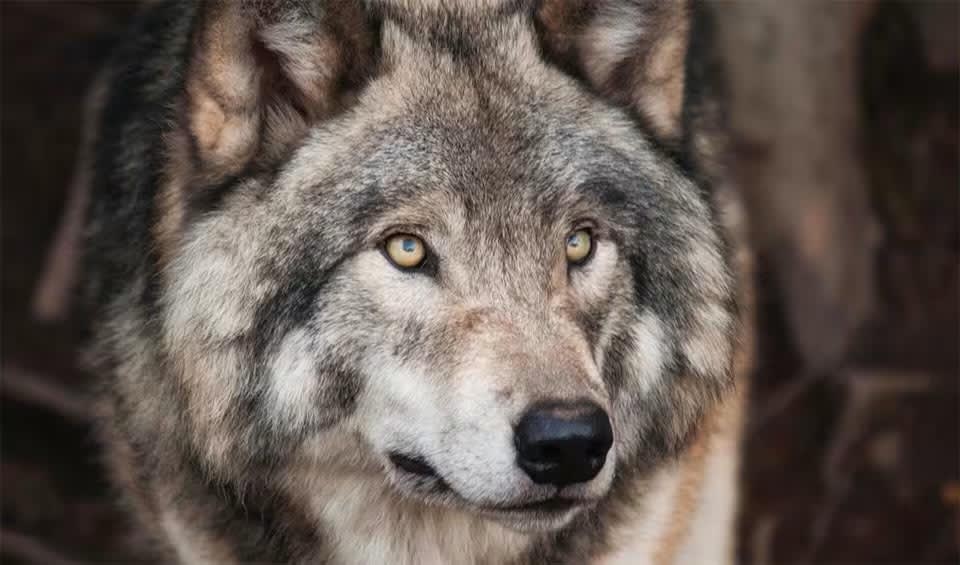


Wolf
The howl of each wolf is different

Moose
They are so tall, that they prefer to feed on higher shrubs and grass, as lowering their head to the ground can be difficult!
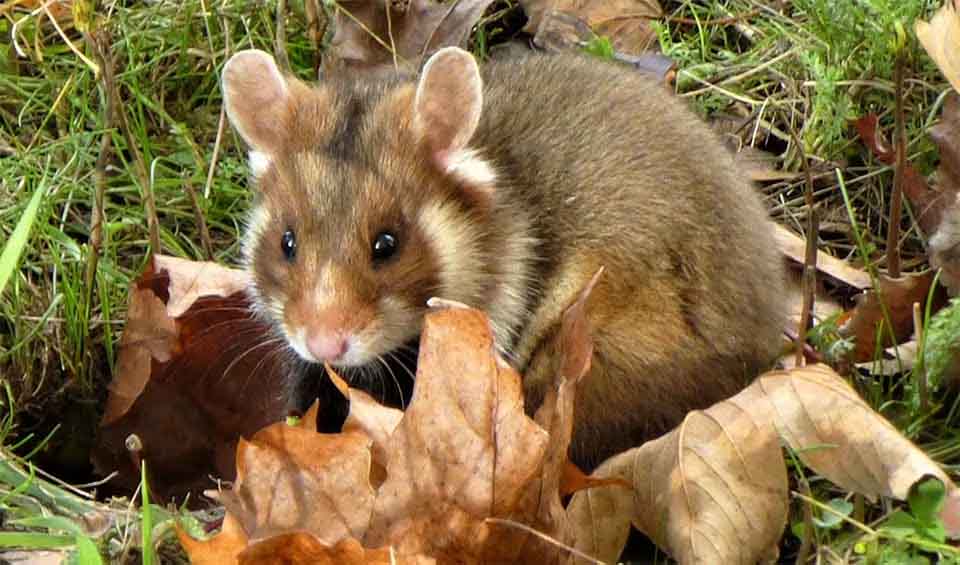
European hamster
To prepare for winter, they gather huge amounts of food – sometimes up to 65 kilograms – and store it in their burrows
birds

Saker falcon
Their keen vision enables them to scan vast landscapes, identifying small movements or potential prey items even from high altitudes

Eurasian eagle-owl
These owls have specialized feathers that make their flight nearly silent

Rock ptarmigan
A bird that can change its color to match its surroundings!
reptiles
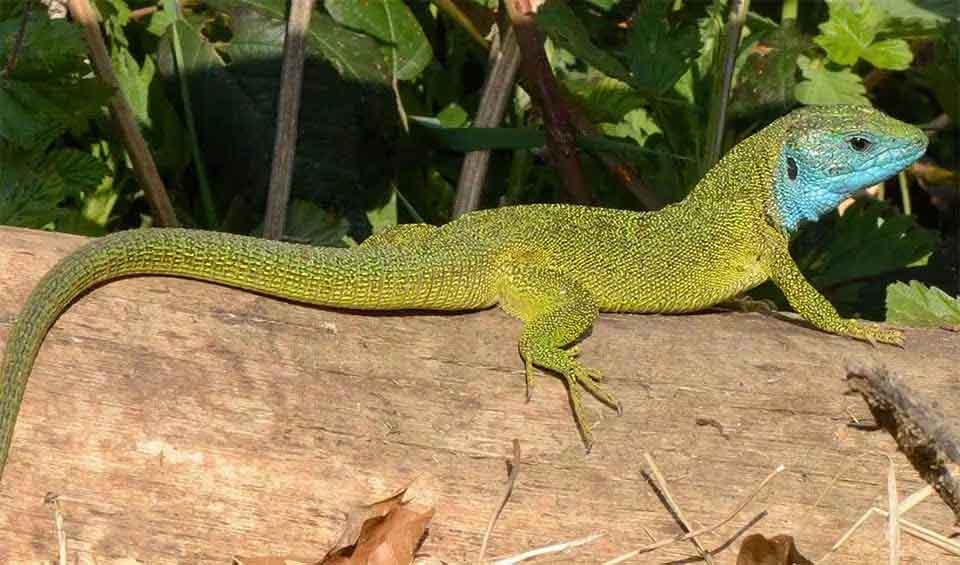
European green lizard
Usually green, but its color can change a bit depending on where it lives and what it’s doing

European pond turtle
At the first sign of danger, it will quickly dive into the water and hide

Slow worm
You might mistake them for snakes, but they are merely legless lizards
amphibians

Common frog
It is one of the most widespread and familiar amphibians in Europe
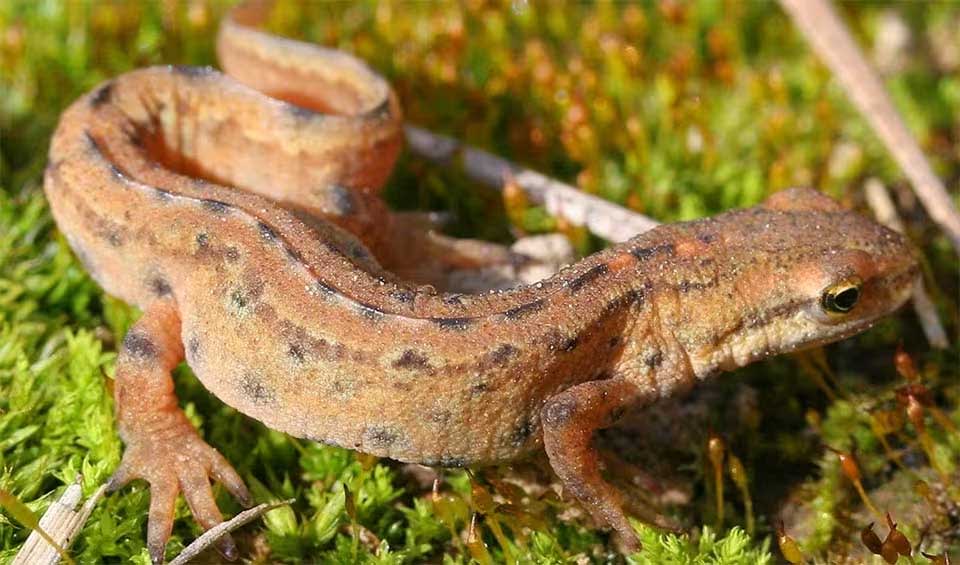
Smooth newt
They have the ability to regenerate lost limbs and other body parts, a superpower in the animal kingdom!

Yellow-bellied toad
Has the ability to survive in varying water salinity levels, which is unusual for freshwater amphibians
National Animals

Golden eagle
This majestic brown raptor is most widely distributed eagle species
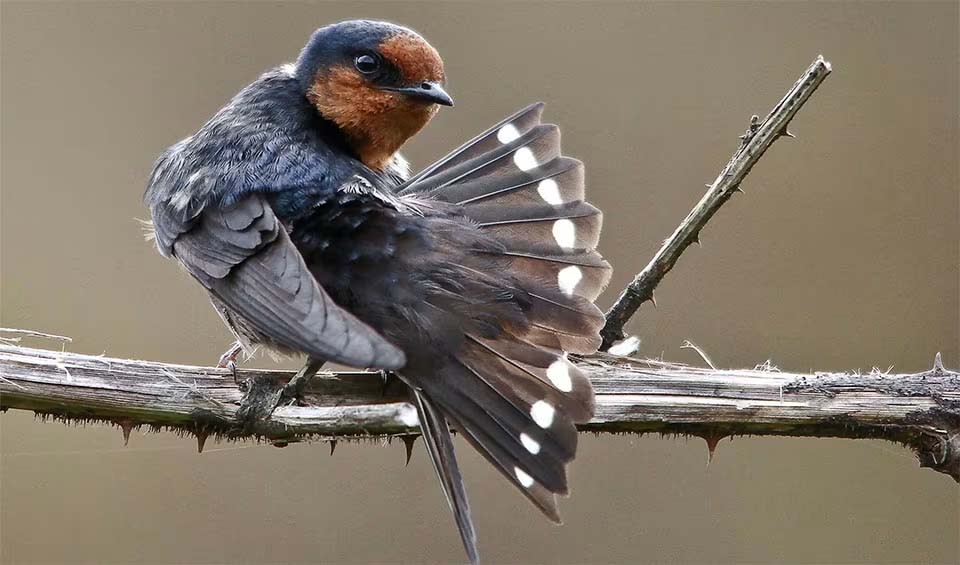
Barn swallow
Most common and widely distributed swallow globally


Austria
A tapestry of lush meadows and alpine wonders

Score:
64.2 100

