Search for Paraguay
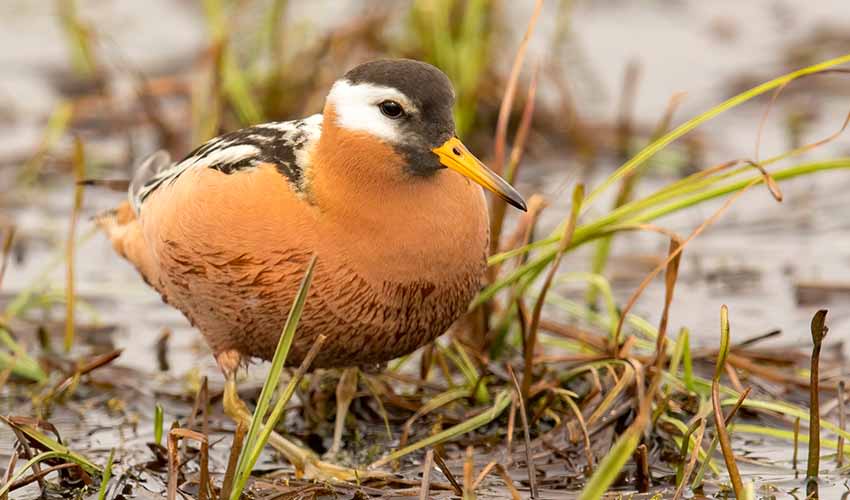


Red phalarope
Rugged enough to survive Arctic blizzards and mid-ocean gales that would ground much larger birds
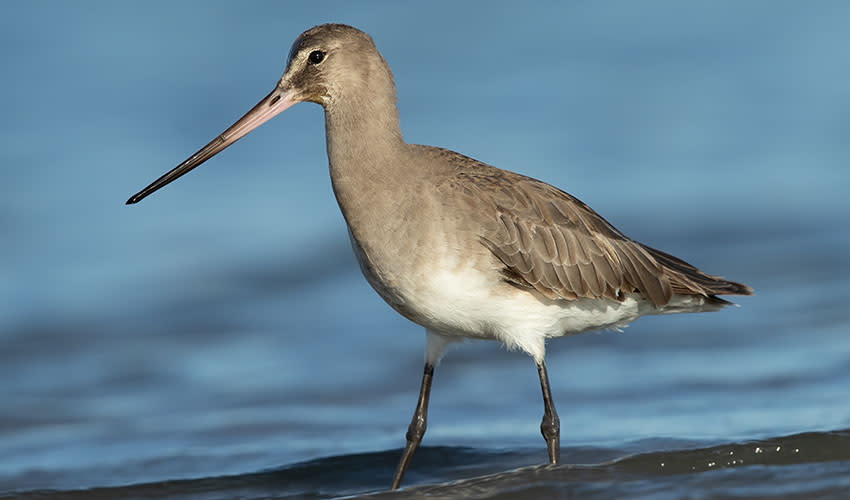
Hudsonian godwit
Despite traveling across entire hemispheres, they often return to the exact same marsh or mudflat

Upland sandpiper
Often called the “shorebird that forgot the shore”

Common gallinule
A bird that looks like a cross between a sleek chicken and a neon-painted waterfowl

Common nighthawk
Doesn’t perch across a branch like most birds; it perches lengthwise along the limb

Black-bellied whistling duck
Despite being tiny fluff-balls, they are so light that they almost always bounce and walk away unharmed

Fulvous whistling duck
Famous (and sometimes infamous) for their love of rice.

White woodpecker
While they can drum on trees, they do it much less frequently than other woodpeckers

Bare-faced ibis
Though it looks dark and serious, its glossy feathers can flash beautiful colors when the light hits them just right

Buff-necked ibis
Its calm, steady walking style makes it look almost like a careful farmer inspecting the field

Plumbeous ibis
Name sounds fancy, but it simply refers to its lead-gray color
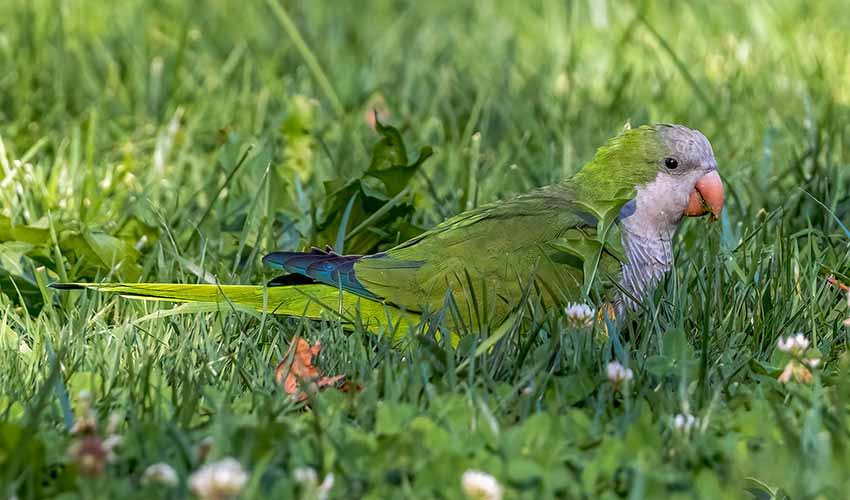
Monk parakeet
A clever, hardworking, city-ready survivor

Muscovy duck
To this day, no one knows exactly how this warm-weather bird ended up with a freezing Russian namesake

Crane hawk
Despite being a formidable bird of prey, they are highly secretive and surprisingly quiet

Grey-cowled wood rail
Despite having long, unwebbed toes that are perfectly designed for walking across floating lily pads, they are surprisingly powerful swimmers

Guira cuckoo
May look completely exhausted or even injured, but they are simply soaking up the morning warmth to warm their bodies quickly

Large-billed tern
These sharp-eyed birds have been known to swoop down and snatch up the tiny, newly hatched turtles

Roadside hawk
Do not let their relatively compact, crow-like size fool you— they have a fiery temperament and are fiercely territorial
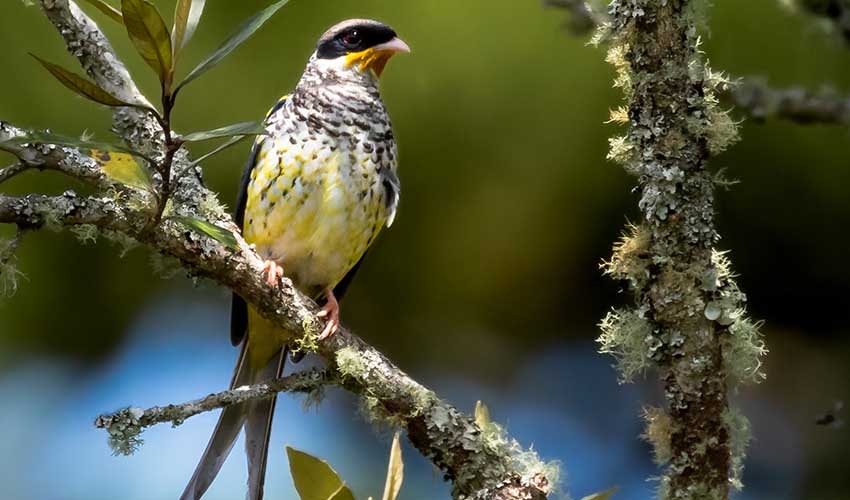
Swallow-tailed cotinga
Can appear in areas when certain trees are fruiting, then seem to vanish when the fruit is gone

Greater yellowlegs
The very tip of the bill has special “pits” that can detect the vibrations of a moving fish in murky water
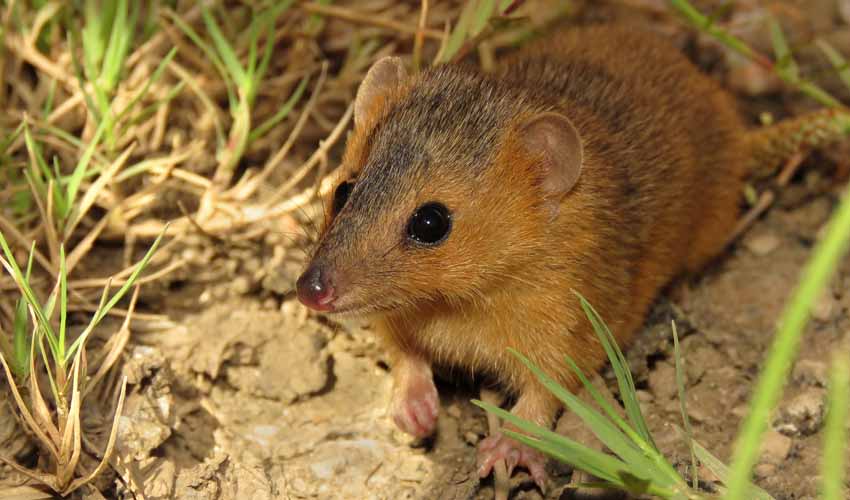
Yellow-sided opossum
More “mouse-sized wolf” than “trash opossum”

Tate’s woolly mouse opossum
Often forages with a stealth rhythm: creep, pause to sniff, pause to listen—then grab
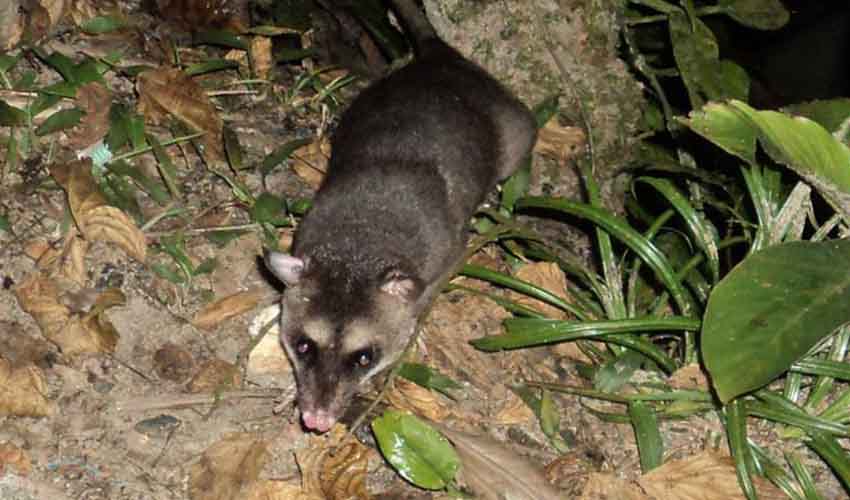
Gray four-eyed opossum
Often uses its nose like a detector, “painting” the air with quick sniffs to track food it can’t see
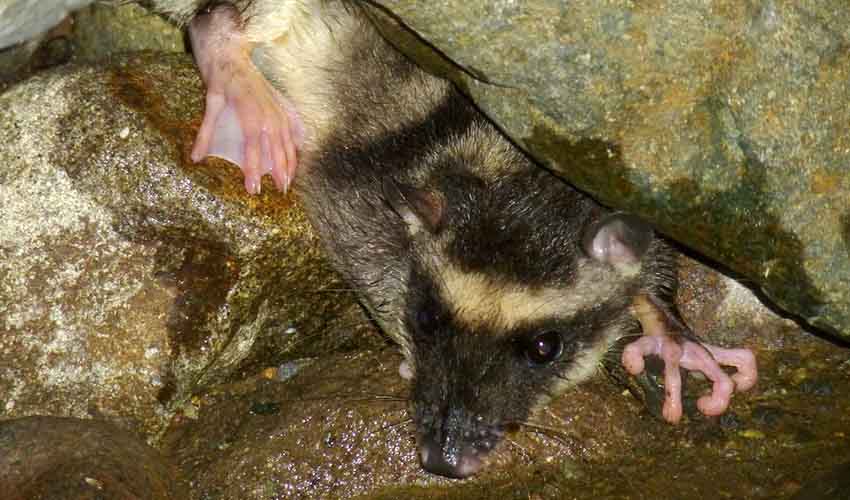
Water opossum
Its fur is dense and water-resistant, which helps it stay warm and buoyant during night swims
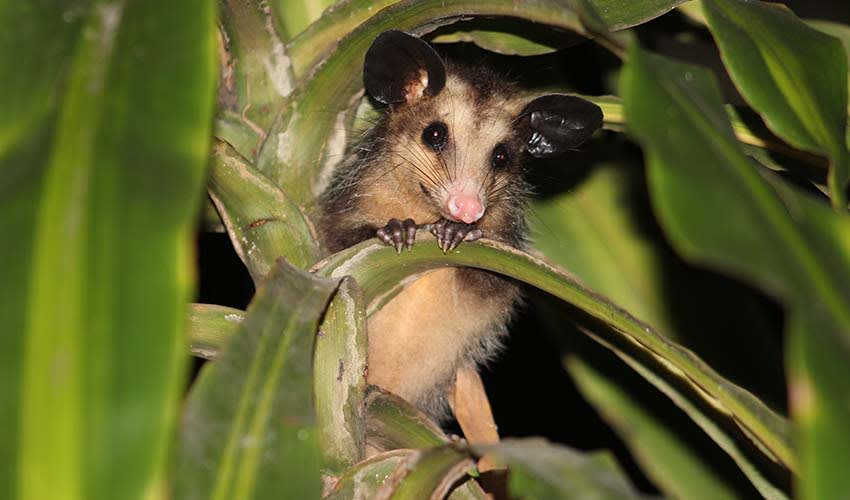
Big-eared opossum
Those big ears aren’t just for looks—they help it pick up faint sounds

Common opossum
50 teeth? That’s a serious set of chompers for crunching insects, fruit, or even bones!

Chacoan naked-tailed armadillo
That less-armored tail may seem like a weak spot, but it can be useful in tight tunnels
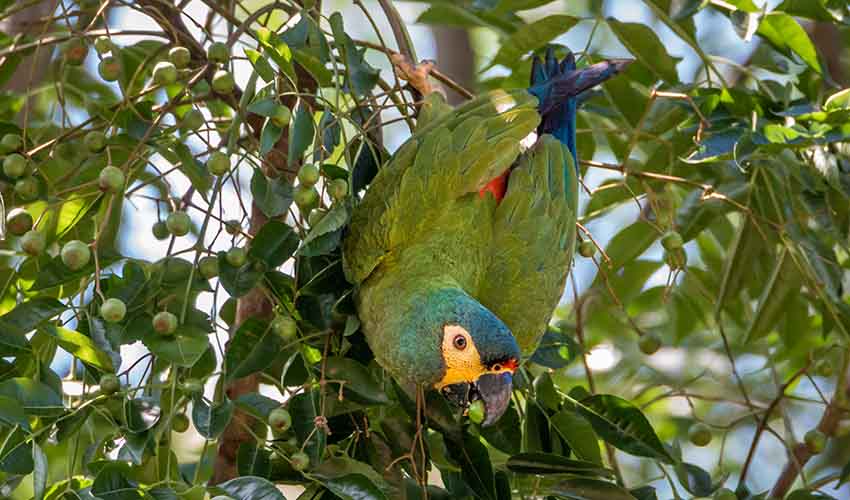
Blue-winged macaw
Its blue wing feathers are most vivid when the bird is flying rather than perched
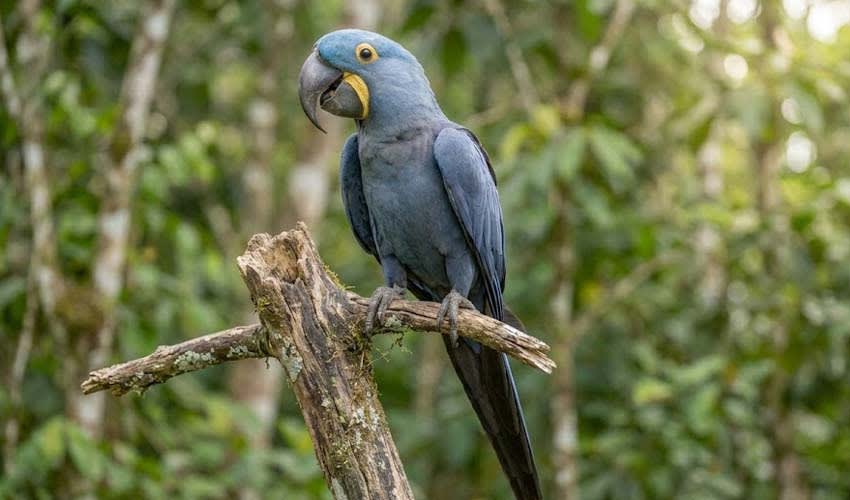
Glaucous macaw
One of the few macaw species whose extinction status remains uncertain
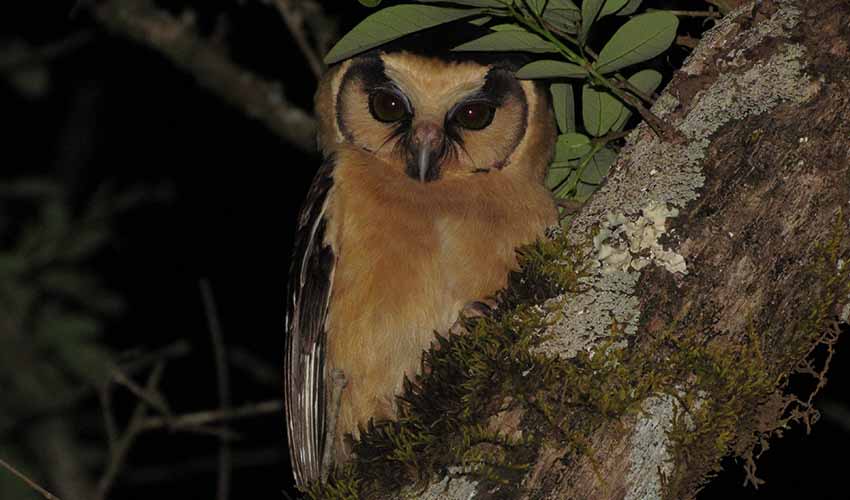
Buff-fronted owl
Their coloring and stillness can make them look like part of the bark rather than a living bird
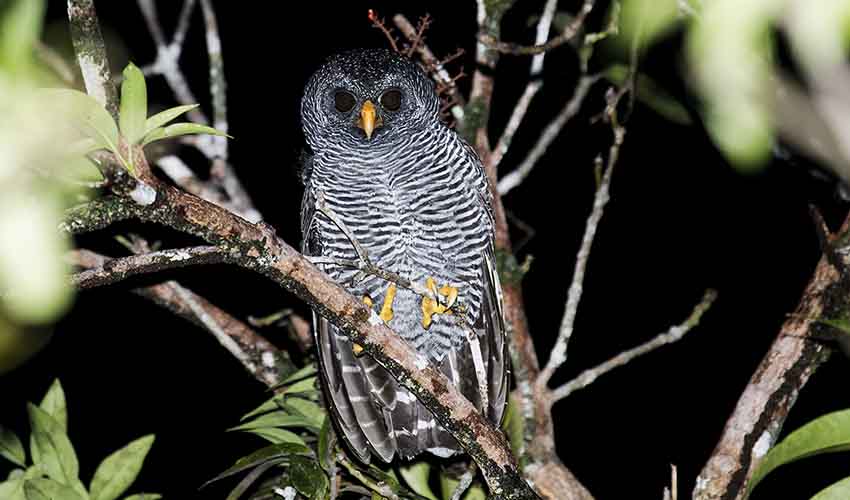
Black-banded owl
Known for their deep, booming voices, which can travel long distances through dense forest

Chilean flamingo
Standing on one leg isn’t just a pose—it helps them save body heat while they rest in cool, windy wetland weather

Bare-throated bellbird
You might hear normal rainforest noise… and then suddenly BONG!

Black-billed cuckoo
Once believed that their frequent calling was a sure sign that a thunderstorm was on its way
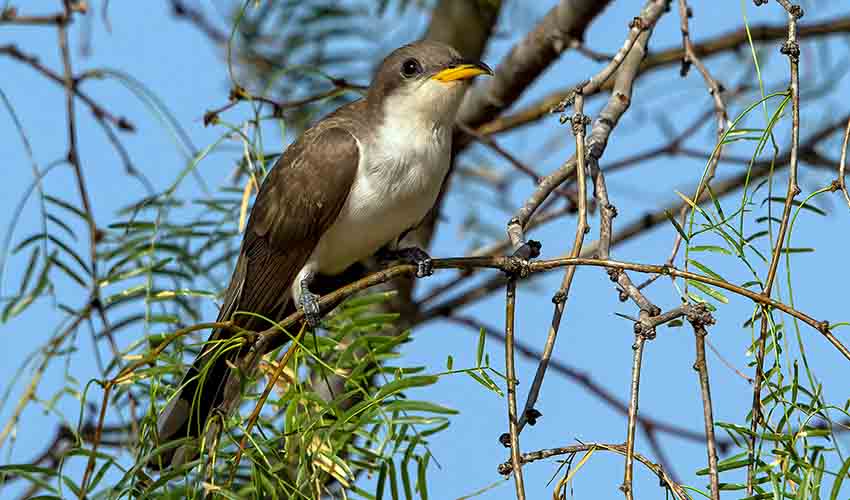
Yellow-billed cuckoo
Its sound is one of the most iconic sounds of the American summer
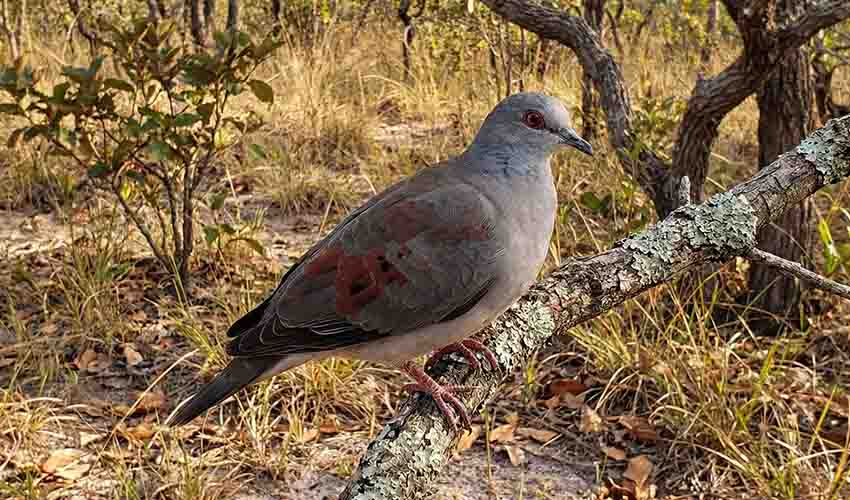
Purple-winged ground dove
Bamboo is basically its life plan

Grey plover
Can be black, can be grey but it’s the same bird
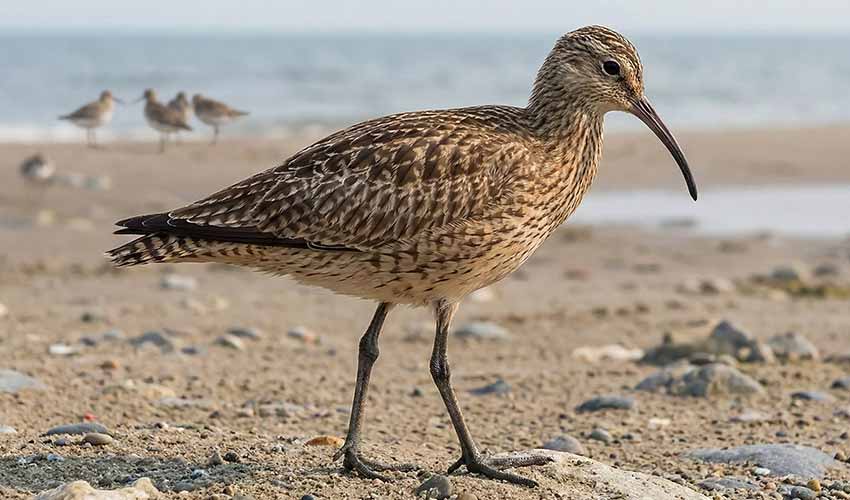
Eskimo curlew
Once a sky-filling spectacle—today, most of what we have are museum skins and stories

American golden plover
These birds perform a massive, circular migration that covers nearly 32,000 km (20,000 miles) annually

Franklin’s gull
These gulls aren’t scavengers; they are specialized insect eaters.
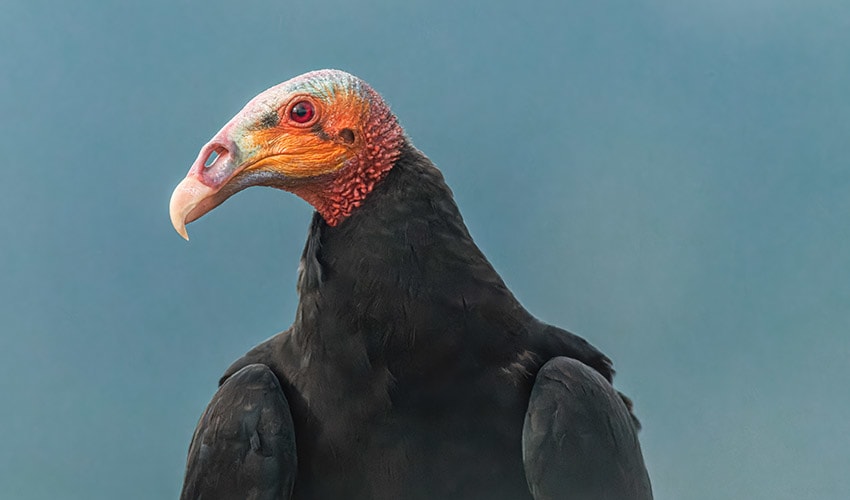
Lesser yellow-headed vulture
One of the very few “smelly” birds (in a good way)
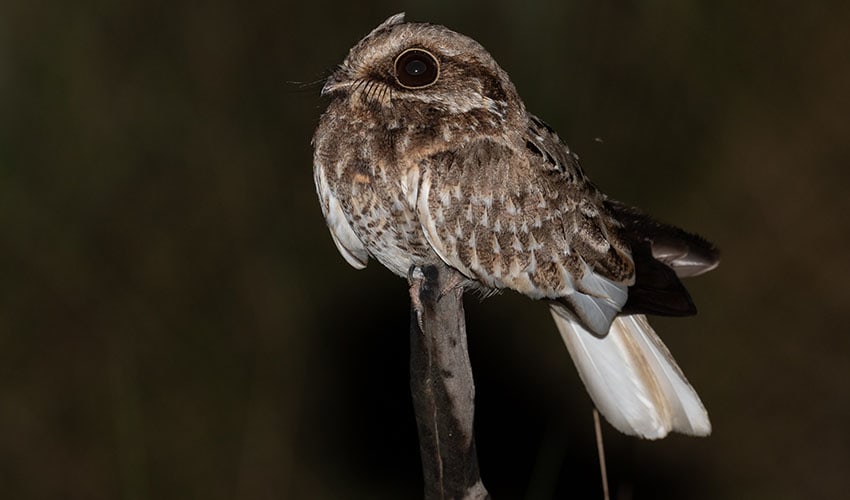
White-winged nightjar
One of the “shiniest” nightjars
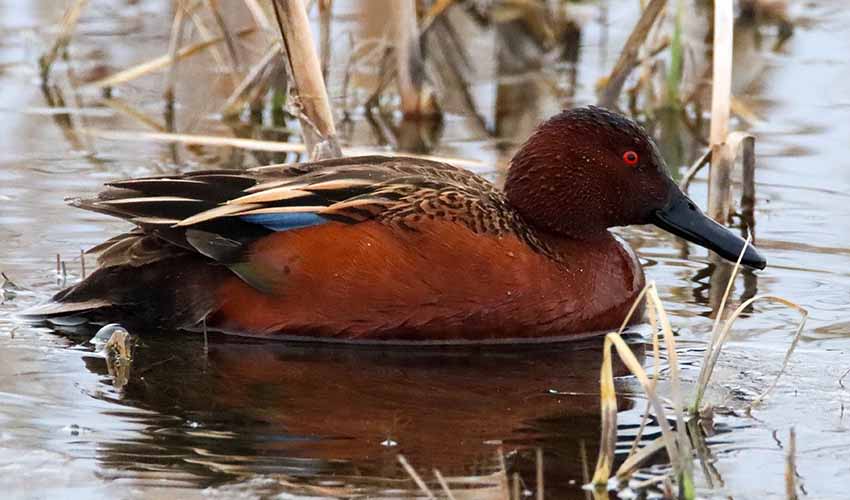
Cinnamon teal
Its speed and size make it harder for predators (and hunters) to track

Masked duck
One of the smallest stiff-tailed ducks in the Americas
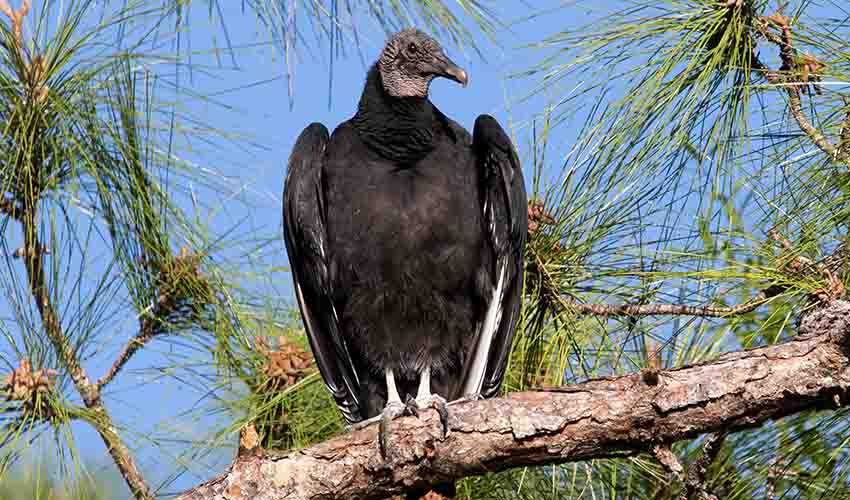
Black vulture
Smell? Not so much—mostly rely on eyesight and the behavior of other vultures to find food

Crested eagle
When the crest is up, it looks like it’s wearing a dramatic feather crown or mohawk

Chaco eagle
One of the largest raptors in the Neotropics
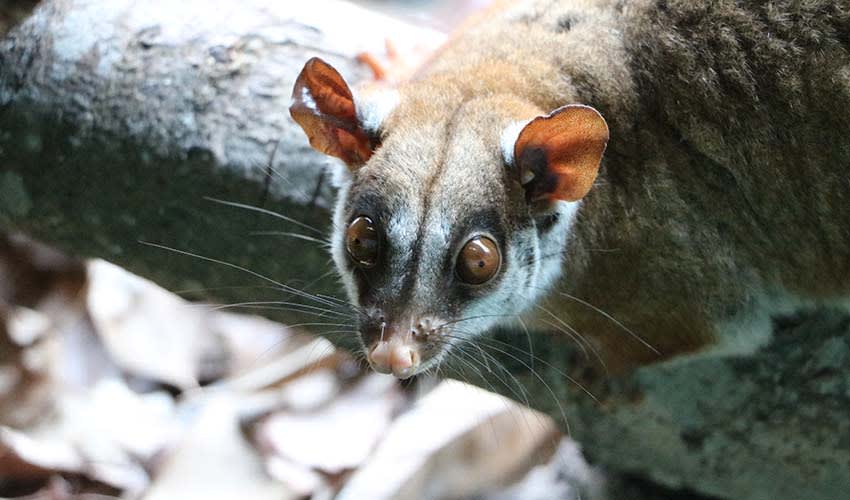
Brown-eared woolly opossum
As it moves around, it may pollinate trees like a tiny, furry “night bee”
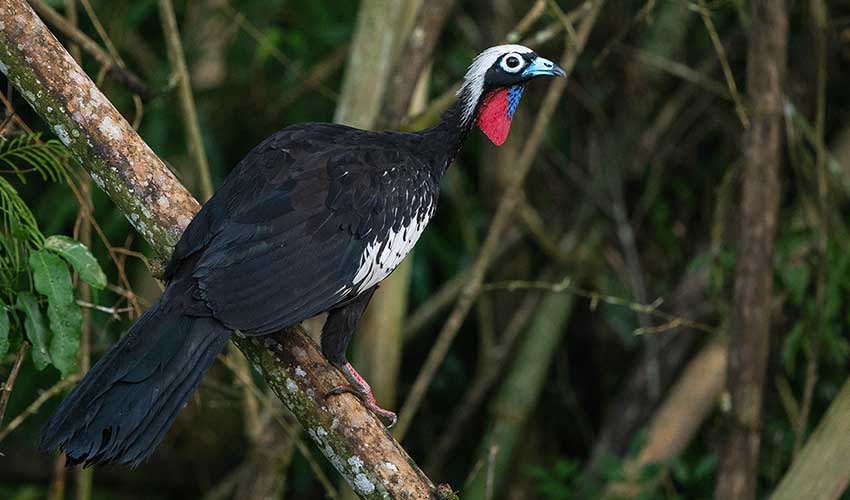
Black-fronted piping guan
The bold black forehead against white feathers makes it one of the easiest guans to recognize at a glance

Bobolink
Symbols of open summer fields and joyful wild song

Rufous nightjar
With feathers patterned like dry leaves, it can sit right in front of you and you’d still swear it wasn’t there

Broad-snouted caiman
Its teeth are constantly replaced throughout its life, ensuring a strong bite even in old age
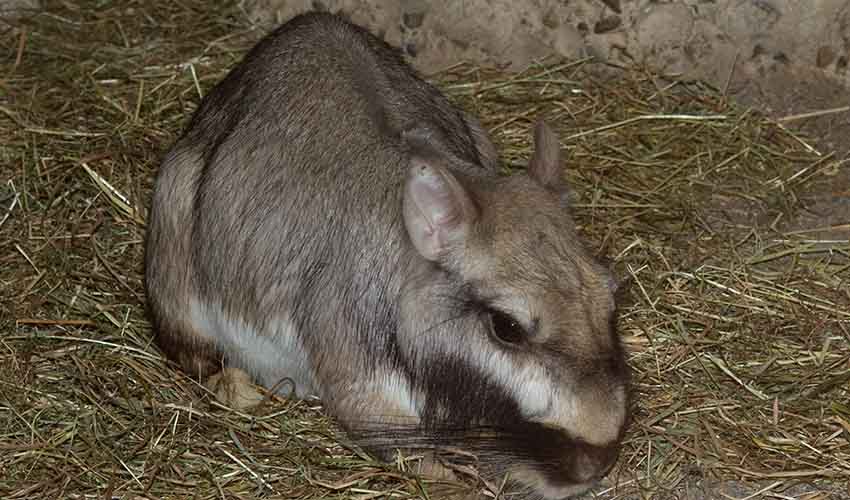
Plains viscacha
The prairie dogs of South America
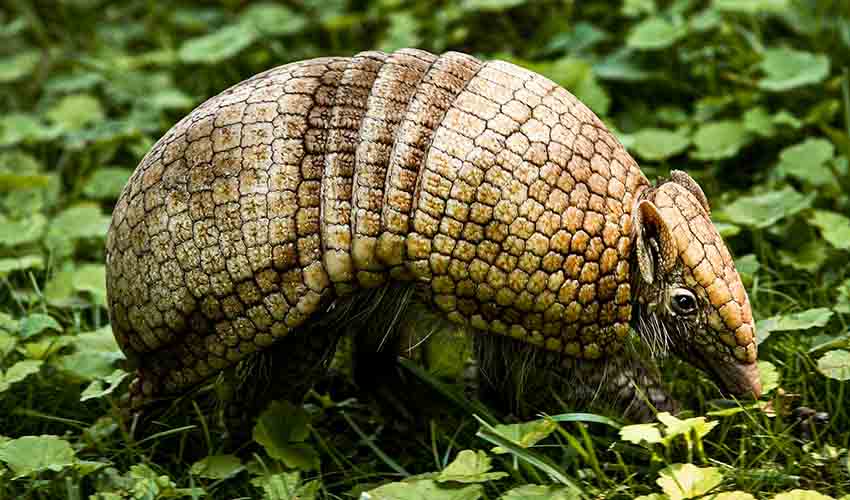
Southern three-banded armadillo
Often described as looking like a walking coconut!

Greater naked-tailed armadillo
One of South America’s most secretive and specialized burrowers

Andean hairy armadillo
The highest-living armadillo on Earth

Southern long-nosed armadillo
Mixed hairy-footed one

Nine-banded armadillo
Found all over the Americas, it is the most widespread species of all armadillos

Seven-banded armadillo
Nimble and surprisingly fast for its size
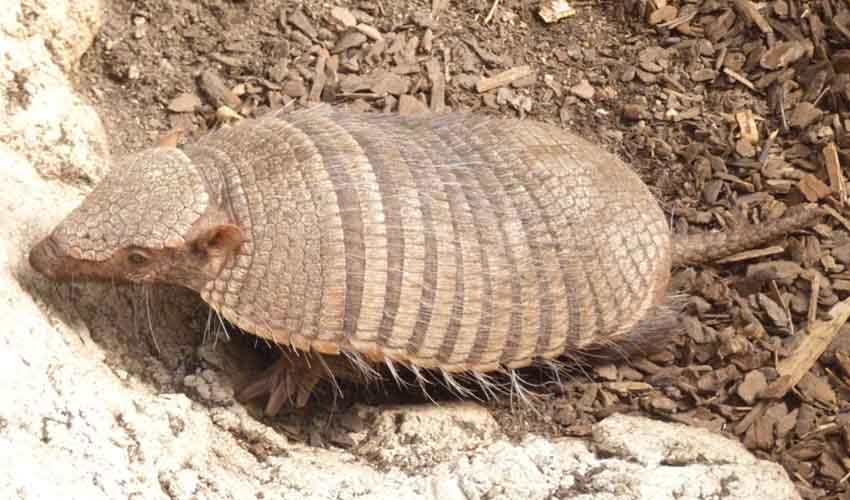
Big hairy armadillo
Has a strong sense of smell for finding food underground, because a lot of its best snacks are hidden out of sight
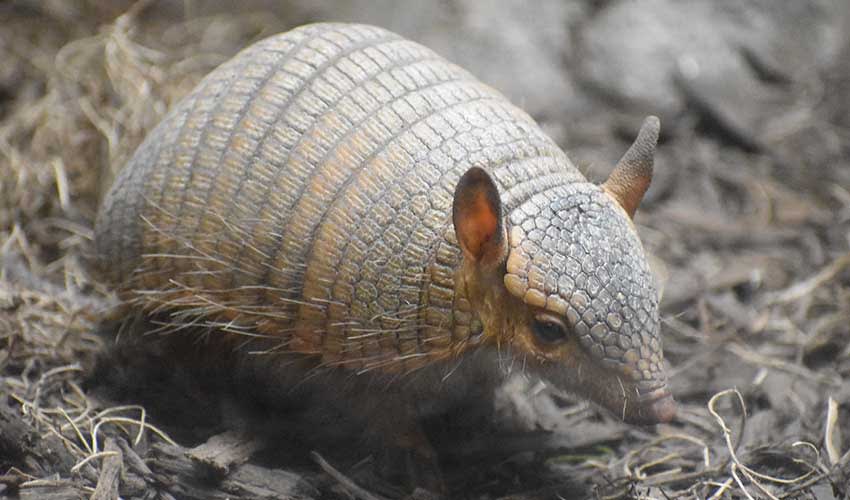
Screaming hairy armadillo
“Screaming” is real: when frightened or handled, it can let out a surprisingly loud, high-pitched squeal for such a small animal

Brazilian merganser
Often called the “ghost of the rivers”—so elusive that even seasoned researchers can go years without spotting one
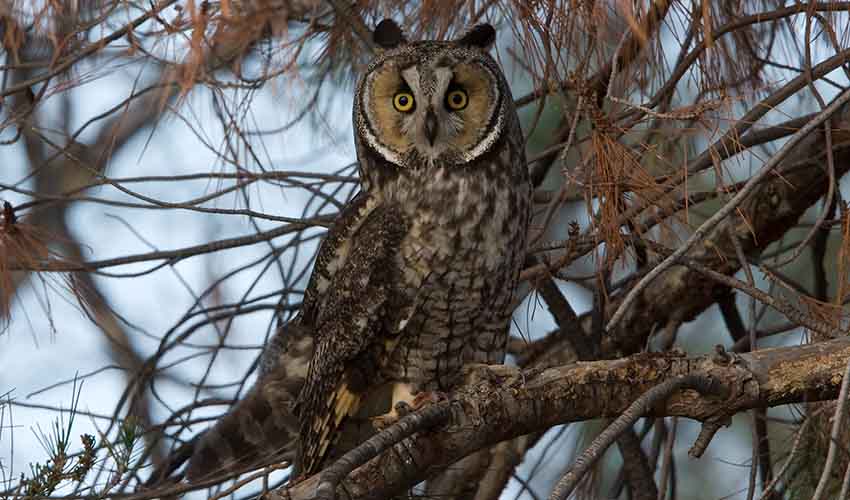
Long-eared owl
Its flight is nearly soundless, thanks to specially fringed wing feathers that disrupt air turbulence

Short-eared owl
Defies the usual “creature of the night” stereotype by thriving in open landscapes and often hunting boldly in daylight

Stygian owl
Famous for its glowing “devil eyes”

Sand martin
A bird that carries the rhythms of the seasons on its wings

Cream-backed woodpecker
Its tongue is tipped with a hard, barbed point and covered in a glue-like saliva
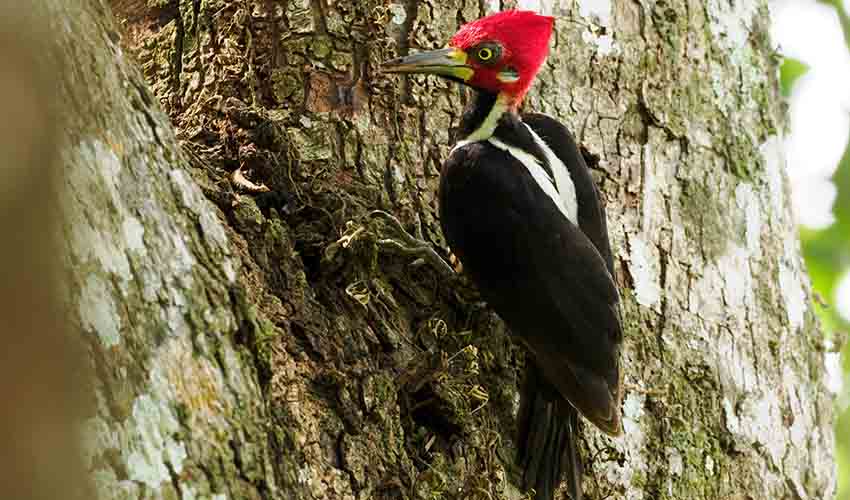
Crimson-crested woodpecker
Did you know that these birds have a tongue that would make a chameleon jealous?

Red knot
In winter, they’re plain grey and white, but in the Arctic summer, they turn into a glowing rusty red
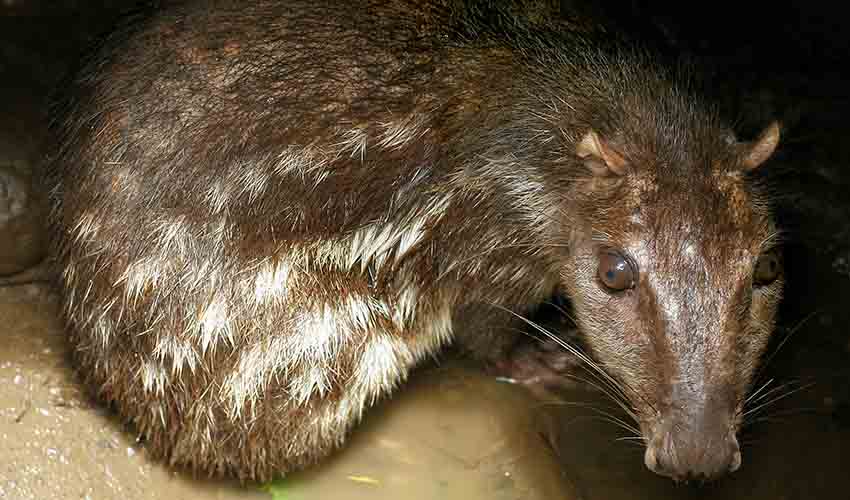
Lowland paca
The spotted rabbit of the jungle—though they are rodents, not rabbits!

Brazilian porcupine
Their long, fleshy noses give them a comical, almost cartoonish look, especially when sniffing around for fruit

Southern tamandua
One of the most effective—and quirky—pest controllers in South America’s wild landscapes

Robust woodpecker
Has incredibly stiff tail feathers that it uses like a “third leg”

Ruddy ground dove
One of the tiniest doves in the Americas

Green ibis
Sometimes called the “Whispering Ibis”—not because it whispers, but because it’s so quiet and elusive compared to other ibises
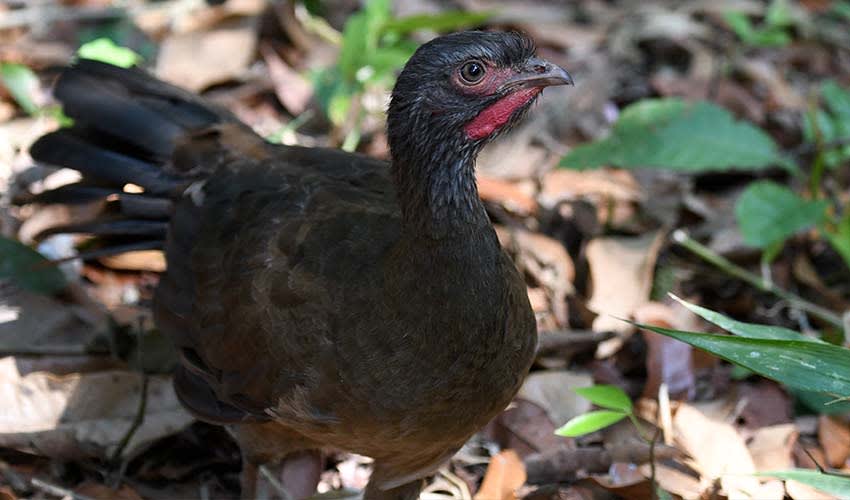
Chaco chachalaca
A bird with a voice you won’t forget
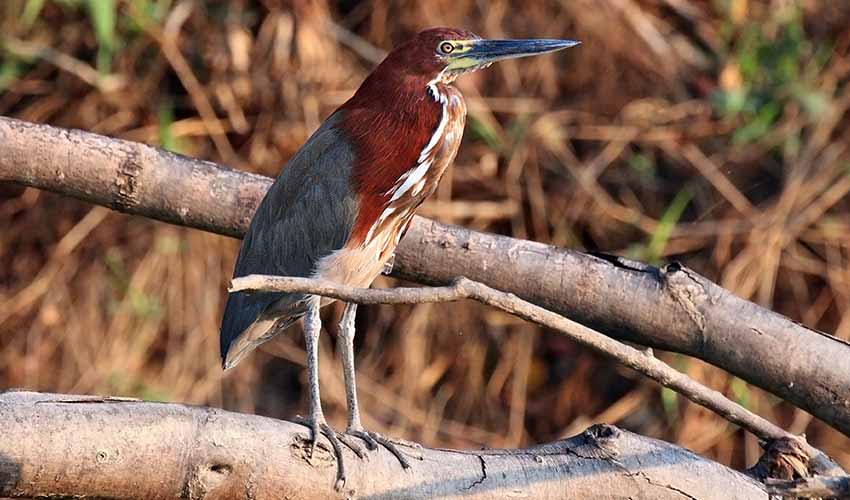
Rufescent tiger heron
Doesn’t put its nest near the water’s edge like many of its relatives

Wood stork
The “giant of the swamp”

Green kingfisher
Have eyesight that is exceptionally keen—so much so that they can easily spot tiny fish swimming just beneath rippling water

Yellow-faced parrot
One of the few parrots that thrive in open, seasonally dry habitats
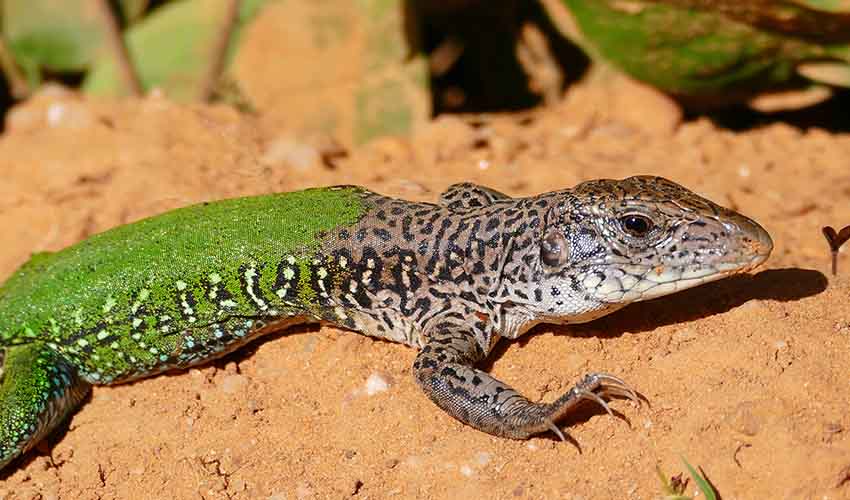
Giant ameiva
Can move startlingly fast, often vanishing in a blur of motion when startled
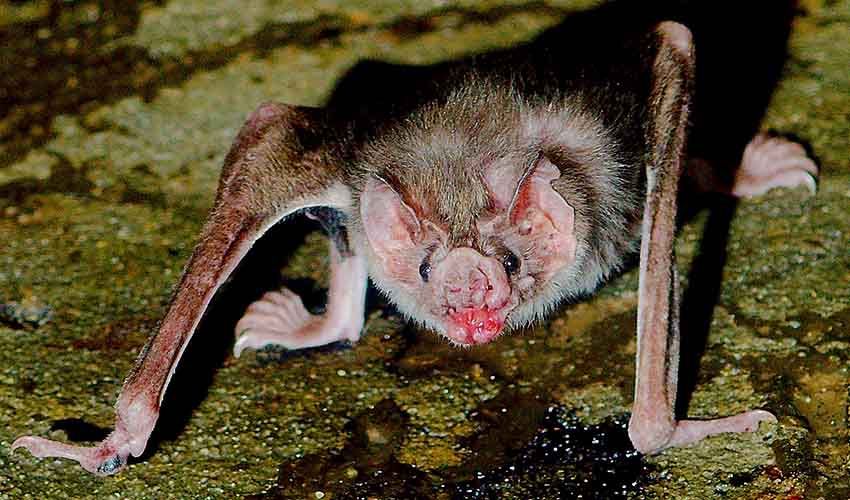
Common vampire bat
Most famous — and misunderstood — of all vampire bats

Tropical kingbird
Surprisingly aggressive for a bird with a sunny name

Red tegu
One of the few reptiles known to show partial warm-bloodedness (seasonal endothermy)
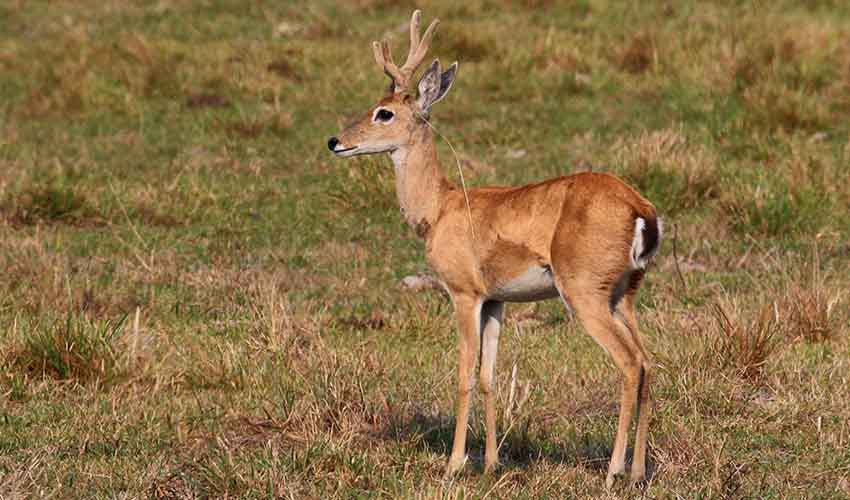
Pampas deer
Known to be quite tolerant of human presence compared to other wild deer
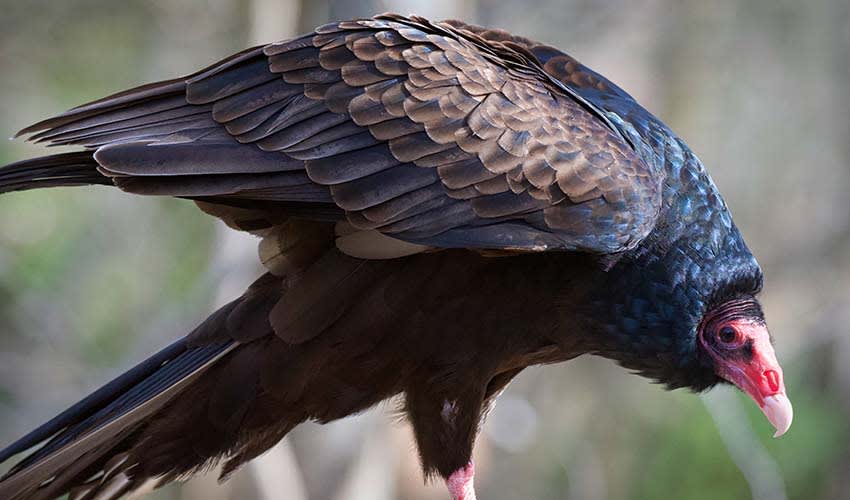
Turkey vulture
A bird that quietly keeps the environment clean

Amazon kingfisher
Despite its name, it is not limited to the Amazon Basin

Great black hawk
One of the largest hawks in the Americas
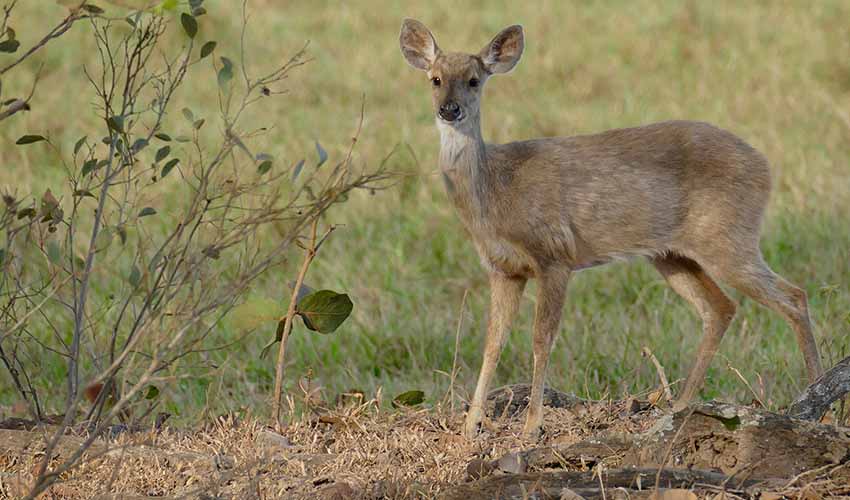
Gray brocket
Known to freeze in place when startled, relying on camouflage rather than flight until the last moment

South American coati
Known to investigate campsites, rummage through backpacks, and even figure out how to open containers

Red brocket deer
Instead of fleeing immediately when threatened, they often freeze completely still

Marsh deer
Elegant, elusive, and finely tuned to life in waterlogged wilderness
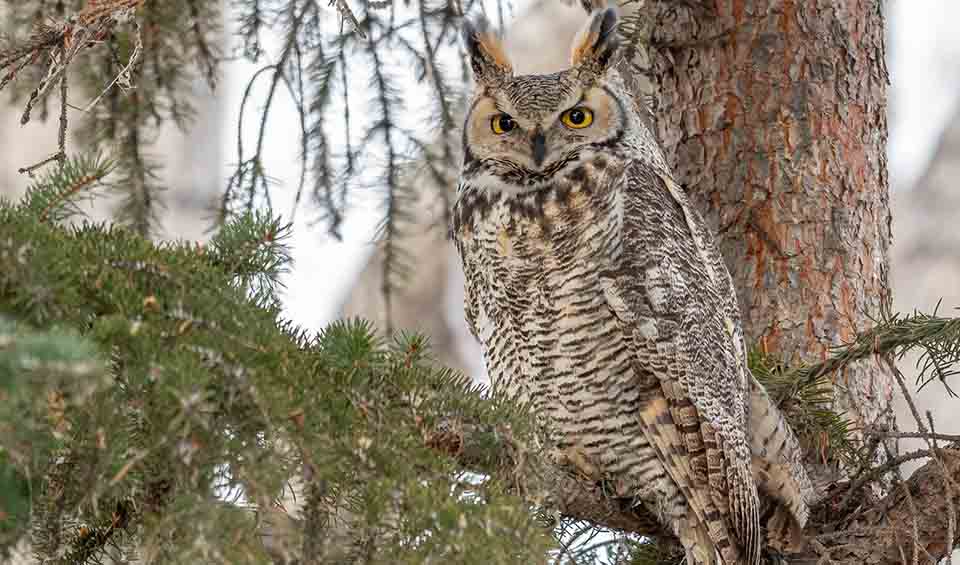
Great horned owl
Often called the “tiger of the sky” because of its fierce hunting skills and bold personality

Ruddy turnstone
They flip the script — literally!

Barred forest falcon
The ghost of the rainforest — more often heard than seen

Spectacled owl
Easily recognized by its bold facial markings that resemble a pair of white spectacles
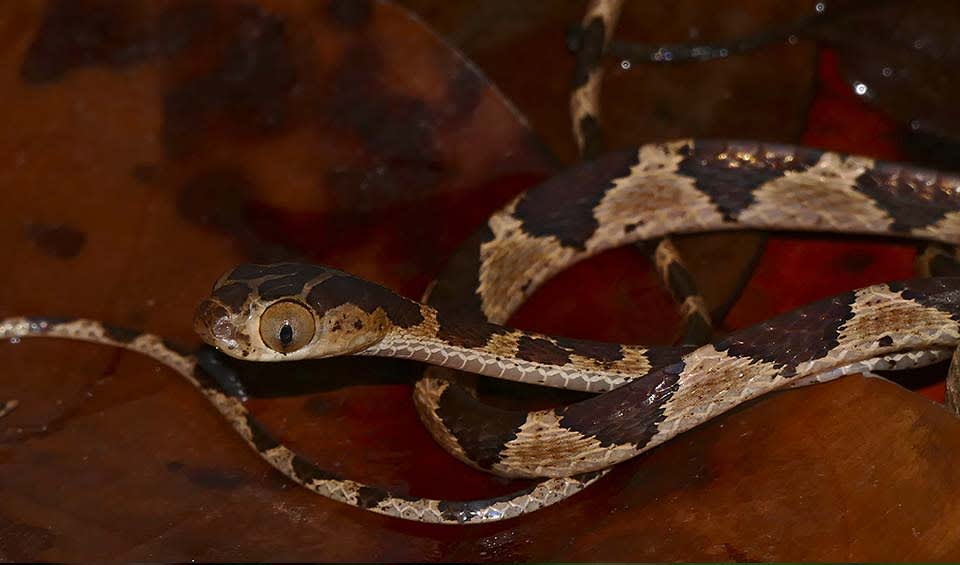
Blunthead tree snake
Looks more like a living vine or a character from a fantasy novel than a typical reptile
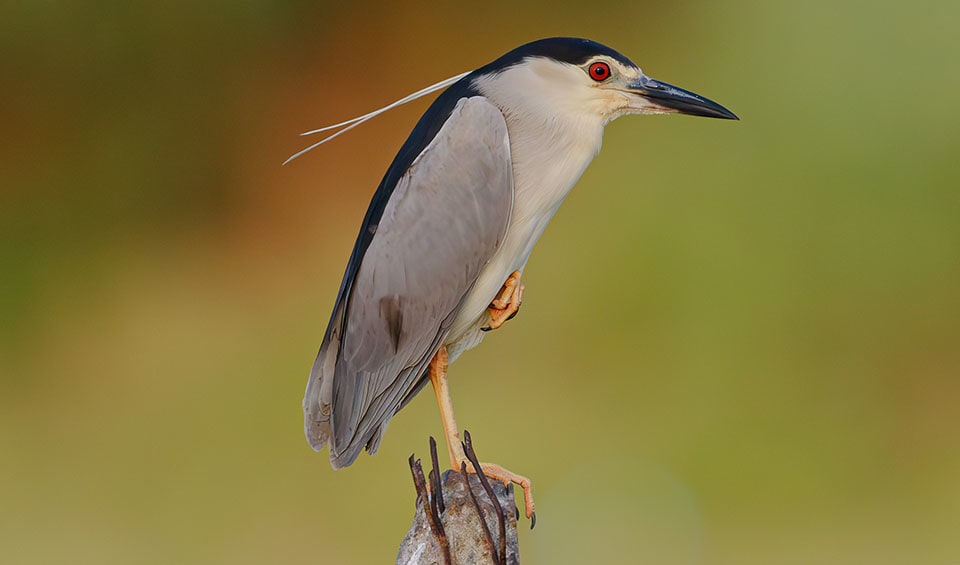
Black-crowned night heron
One of the most widespread and adaptable herons in the world

Green anaconda
When most people say anaconda, they mean the green anaconda, the largest of all snakes!

Nutria
Look a bit like a cross between a beaver and a rat
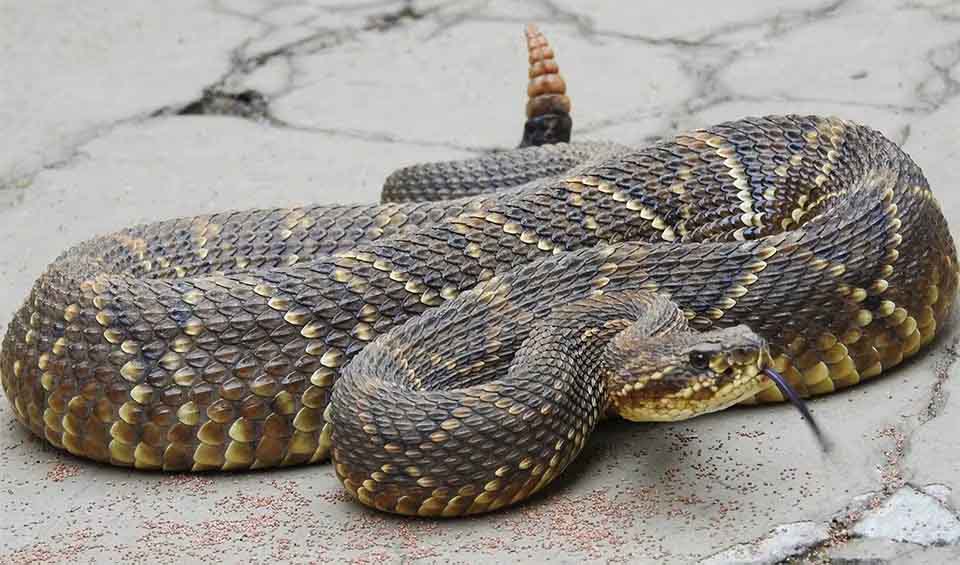
South American rattlesnake
Both feared and respected, often appearing in traditional stories and as a symbol of danger and power
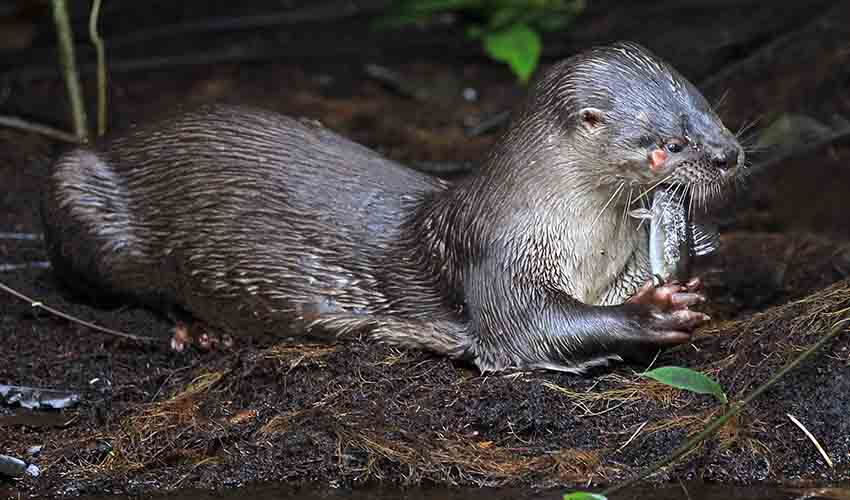
Neotropical otter
The pale patch on its throat often varies between individuals, like a natural “bib design”
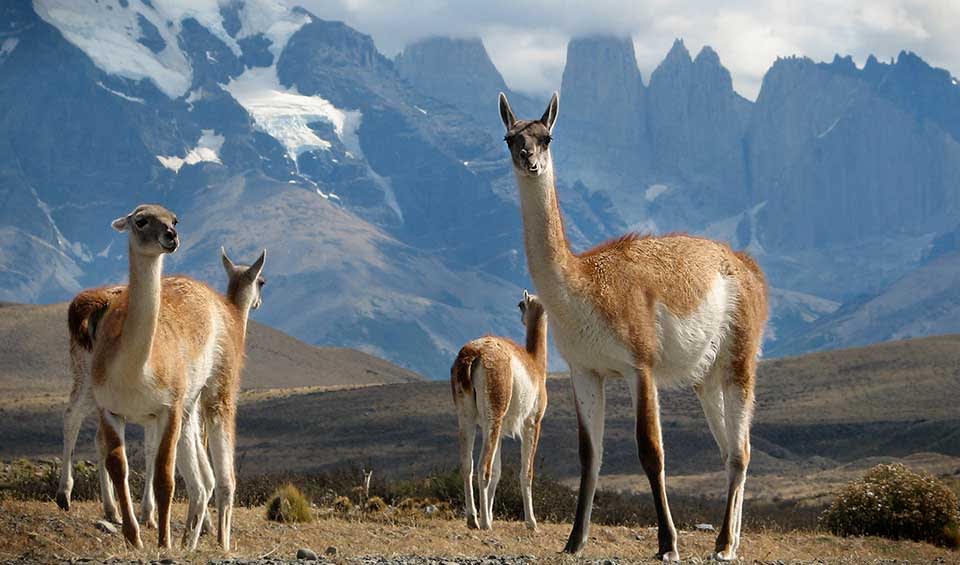
Guanaco
The largest herbivores of the dry areas of South America

Royal tern
These birds ride ocean breezes for miles without flapping much at all
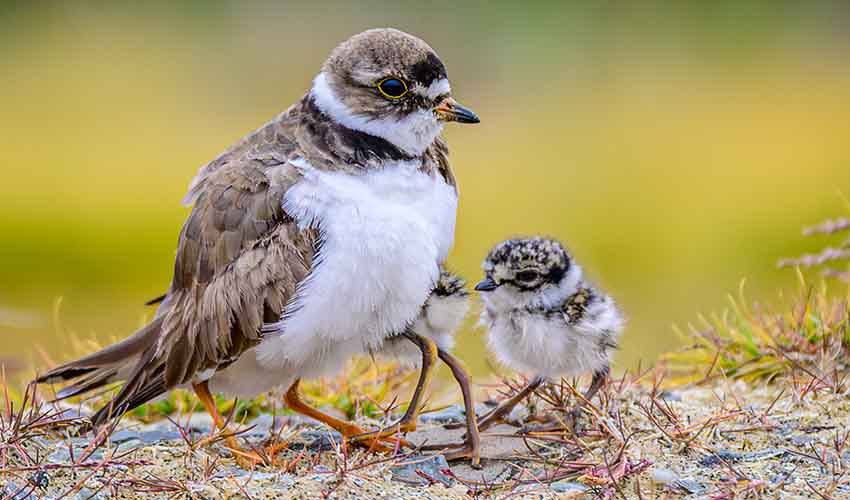
Semipalmated plover
Often described as the “compact” version of the plover family

White-coated titi
One of the few primates known to “tail-twine”

American kestrel
The smallest of falcons in the entirety of America, but you would be mistaken to take this bird lightly

Bat falcon
Most famous for hunting around dusk, when bats start flying out to feed
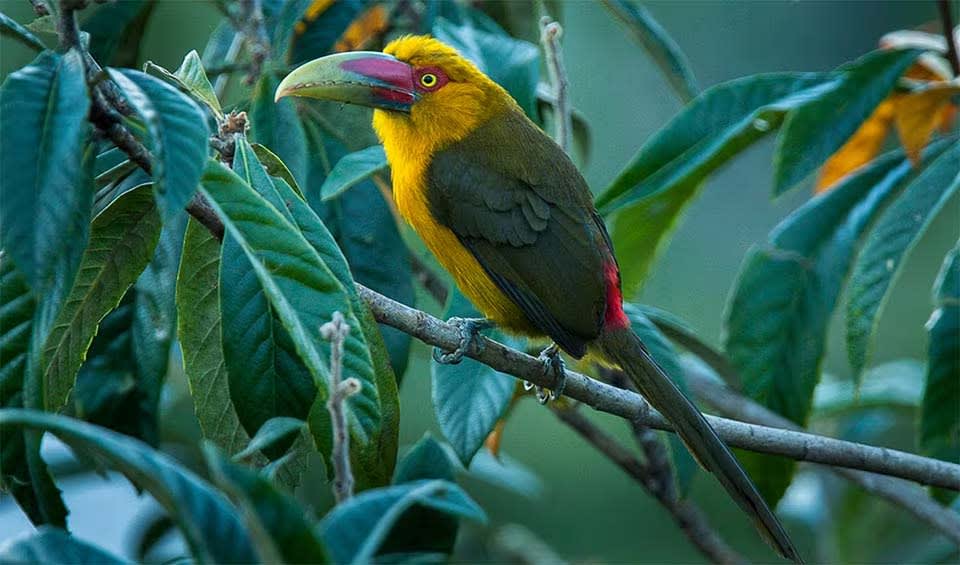
Saffron toucanet
They have a unique habit of storing excess food by hiding it in tree crevices, which they may return to later

Chestnut-eared aracari
Because of their beaks, sleeping inside the tight confines of a hollow tree trunk might seem completely impossible
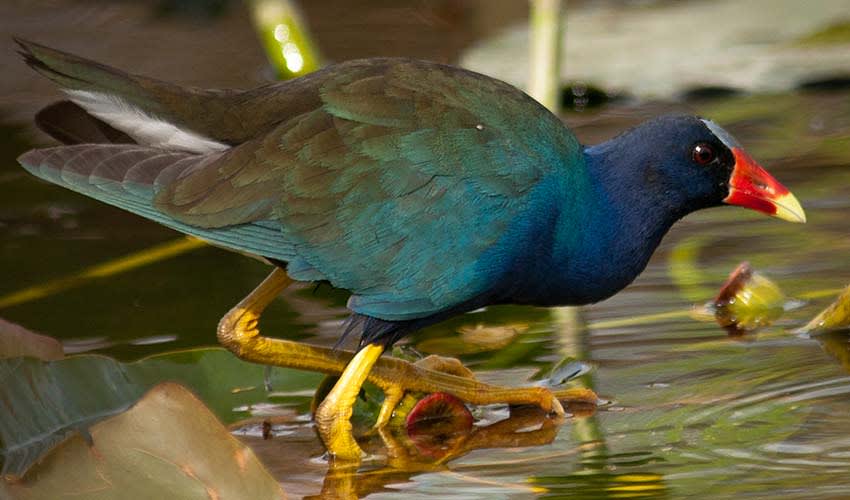
Purple gallinule
One of the most dazzling waterbirds of the Americas, often described as a “swamp jewel”

Yellow anaconda
While it’s one of the largest snakes in the world, it’s smaller than its green cousin

Boat-billed heron
Got its name from its distinctive, boat-shaped bill, which is wider than it is tall

White-faced whistling duck
Loud birds with a distinct three-note whistling sound

Blue-and-yellow tanager
Known for their bright plumage and lively behavior, making them some of the most recognizable birds in the tropics

Hyacinth macaw
This amazing creature is the largest parrot in the world and one of the most beautiful birds on Earth
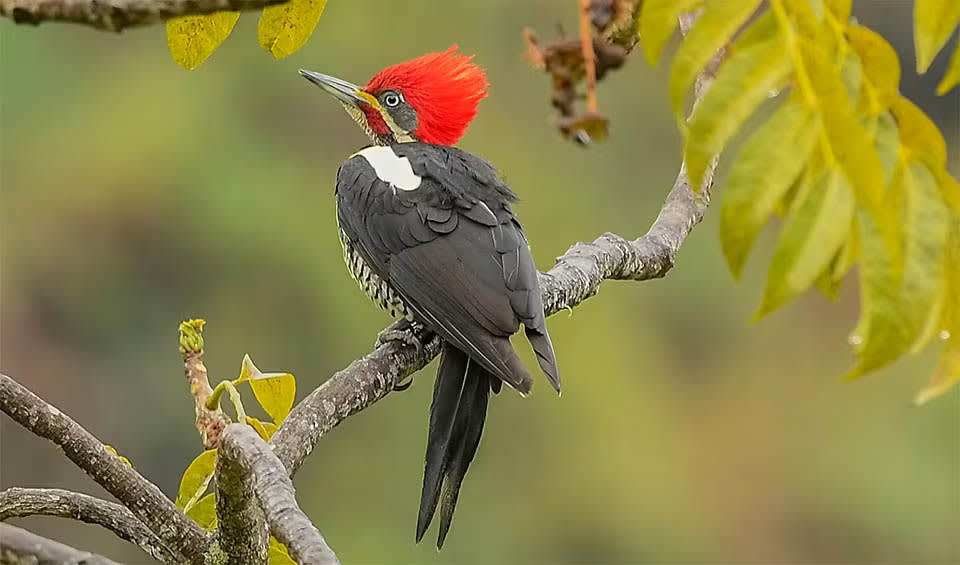
Lineated woodpecker
With its strong, sharp beak, it’s a master at pecking holes into trees to find tasty bugs hiding inside
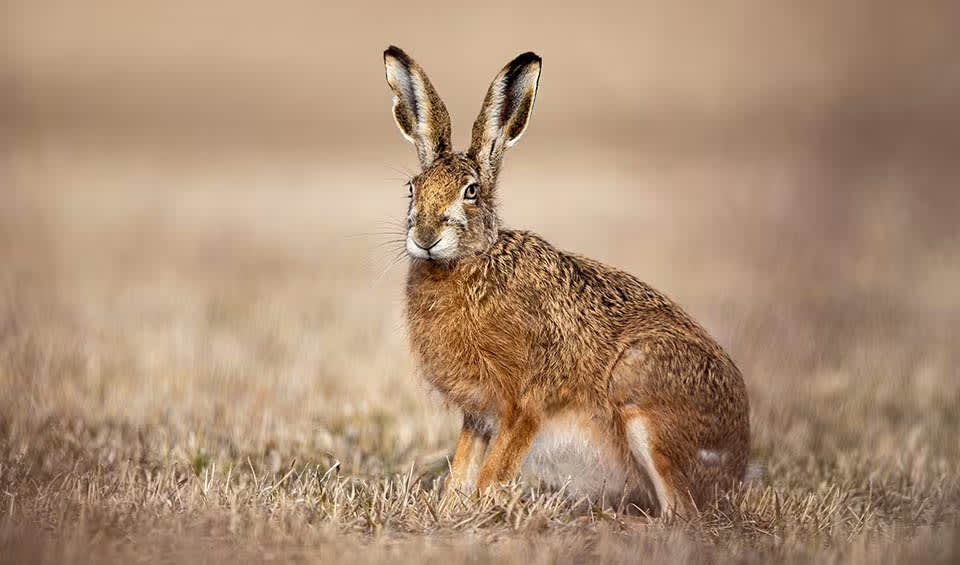
European hare
Unlike rabbits, they don’t live in burrows, instead, they make shallow nests in the grass called forms
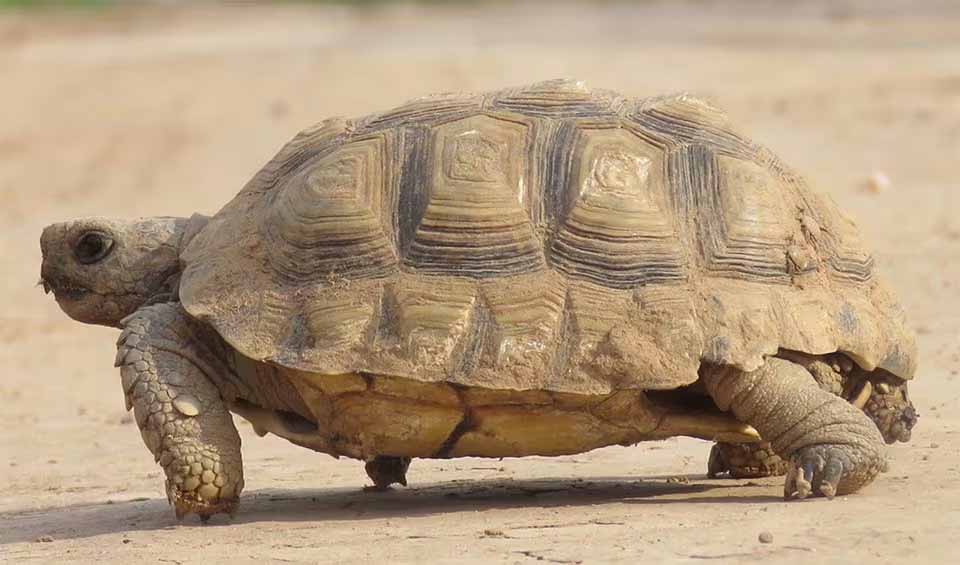
Chaco tortoise
Can go for a long time without drinking water because they get enough from the plants they eat
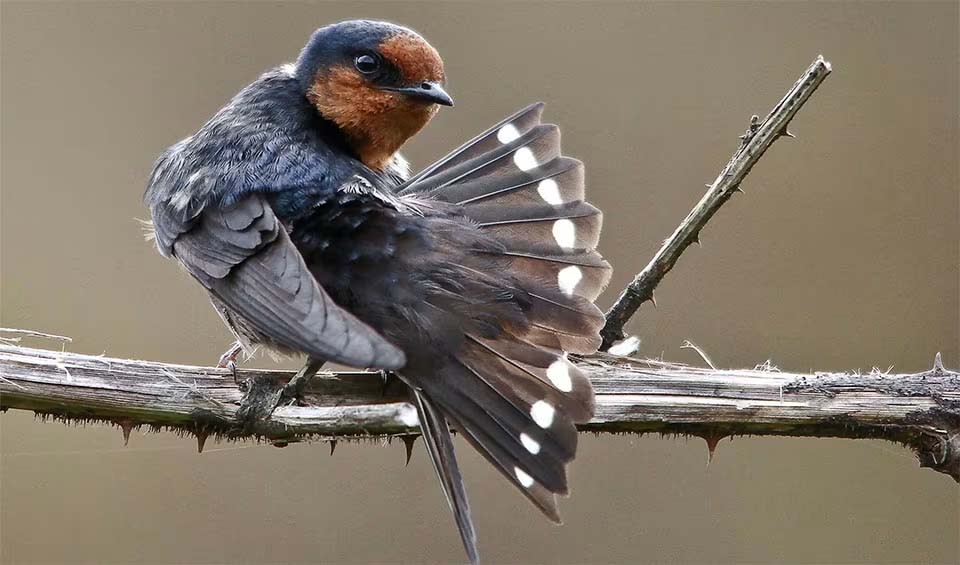
Barn swallow
Most common and widely distributed swallow globally

Crested caracara
Got the looks of a hawk with the scavenging habits of a vulture

Southern lapwing
Fearless defenders of their nests and chicks, often taking on much larger animals or humans if they perceive a threat

Great kiskadee
This bird is a real chatterbox, constantly announcing its presence with its loud, three-part call – “kis-ka-dee!”

Burrowing owl
They don’t build their own nests – they cleverly take over burrows abandoned by prairie dogs, ground squirrels, or even tortoises!

Vinaceous-breasted amazon
Its chest color is called “vinaceous” because it resembles the color of red wine
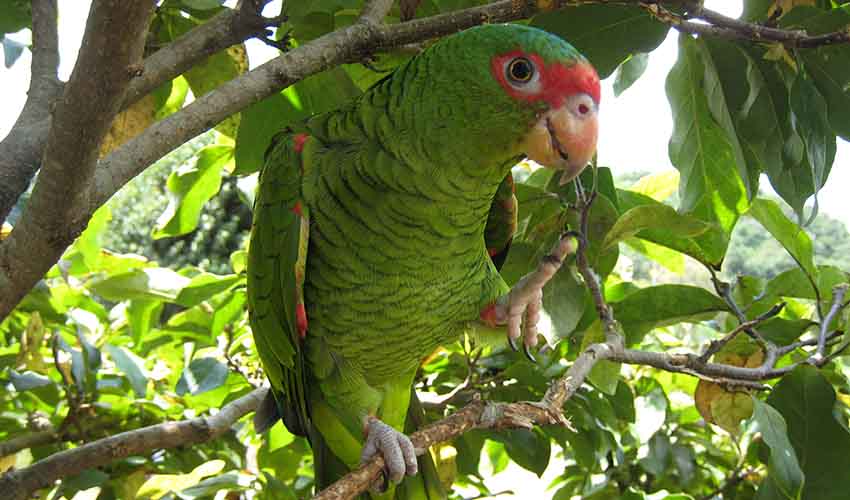
Red-spectacled amazon
The red feathers around its eyes look like bright glasses, which inspired its name

Blue-fronted amazon
Capable of learning dozens of words and phrases with remarkable clarity
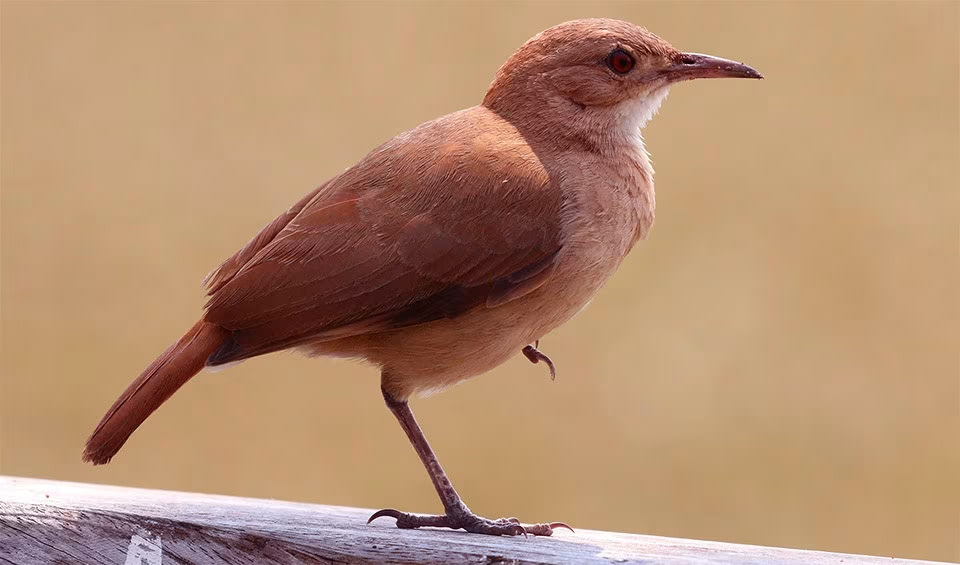
Rufous hornero
Remarkable architects that construct domed nests from mud and straw

Rufous-bellied thrush
Its song is often associated with the arrival of spring and is a symbol of joy and renewal
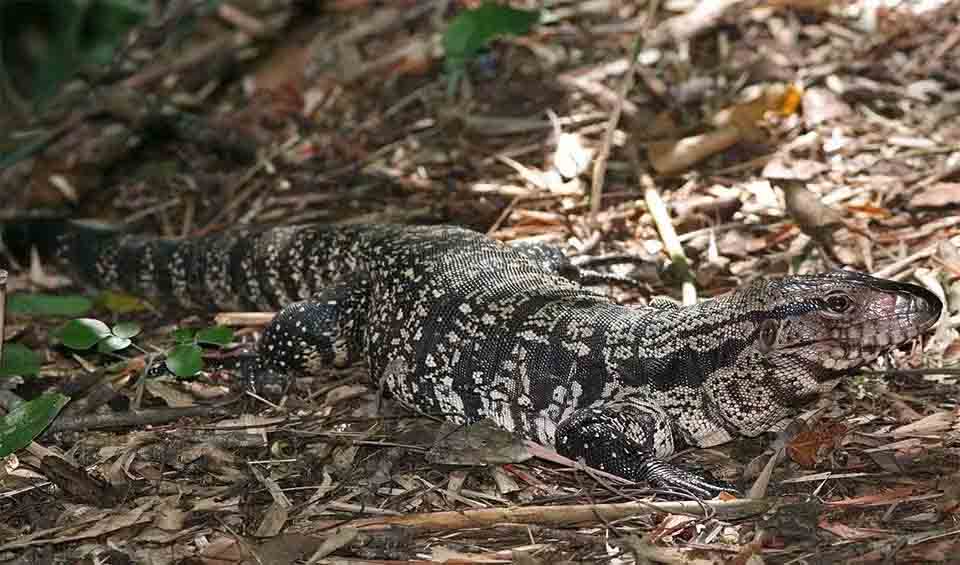
Argentine black and white tegu
A popular pet in the United States, but it is also considered an invasive species in Florida

Snowy egret
In the late 1800s, a single ounce of its feathers could be worth more than gold

White-lipped peccary
They can spend up to two-thirds of their day traveling and feeding

Glyptodon clavipes
The Pleistocene armadillo with a car-sized shell and a lethal tail

Saber-toothed tiger
Despite its name, this animal was not a true tiger, nor was it related to any modern cat

Giant ground sloth
Discover the mystery of a prehistoric giant: an enormous herbivore with powerful claws and a tragic fate

Southern tiger cat
A majestic predator that rules the jungle with its stunning stripes, fierce hunting skills, and impressive vocalization abilities

Margay
These wild cats are cute, intelligent, agile, and well-adapted to inhabiting tropical and subtropical forests
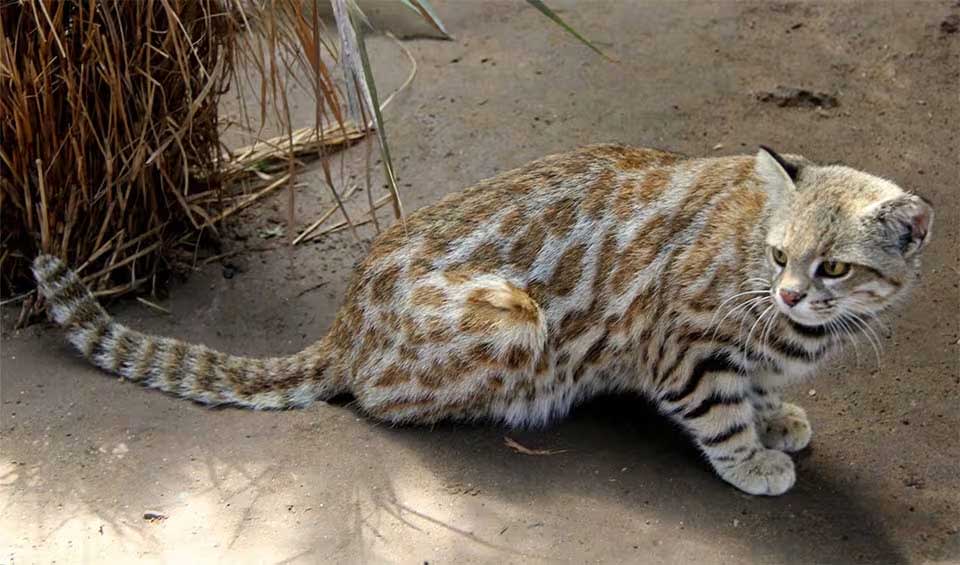
Pampas cat
Survival of the fittest? This cat takes it to a whole new level, always ready to pounce and conquer any habitat
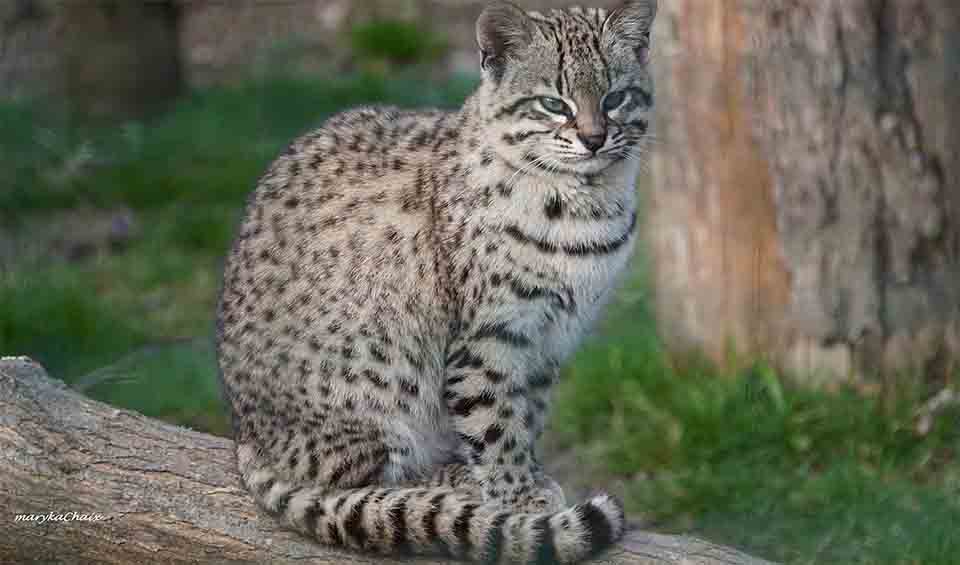
Geoffroy’s cat
Small but mighty, this cat is a stealthy predator that swims, climbs and hunts with sass and style

Pampas fox
Small, sly, and swift – it may be pint-sized, but it packs a punch when it comes to survival in the grasslands
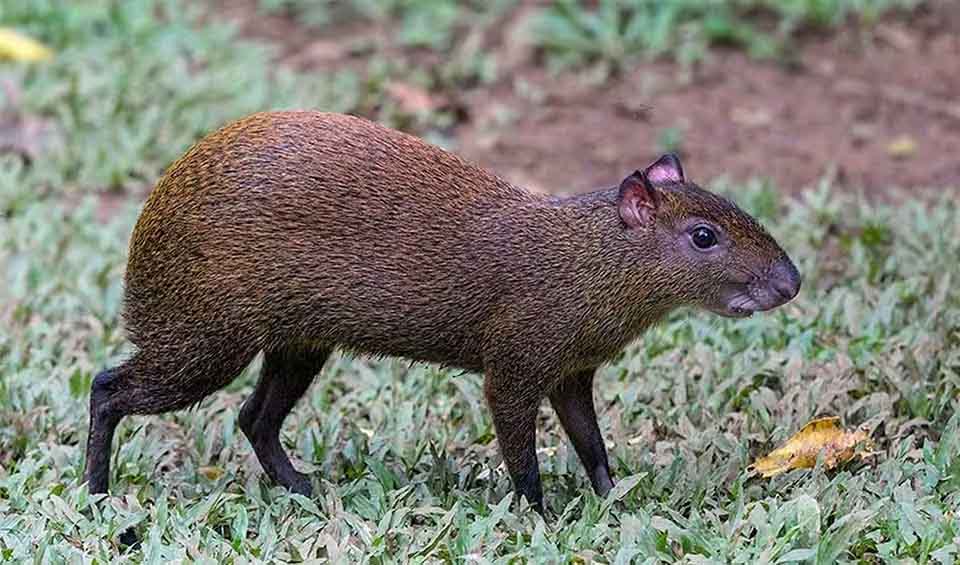
Central American agouti
This widespread cute-looking creature is also known as the ‘gardener of the forest’

Capybara
Communicate using various vocalizations such as whistles, whinnies, and growls

Anhinga
Their neck vertebrae have a hinge mechanism that allows it to dart its long neck and pierce its prey quickly

Blue-and-yellow macaw
The pale yet gorgeous face blushes when this bird is excited, revealing a sensitive and soft heart
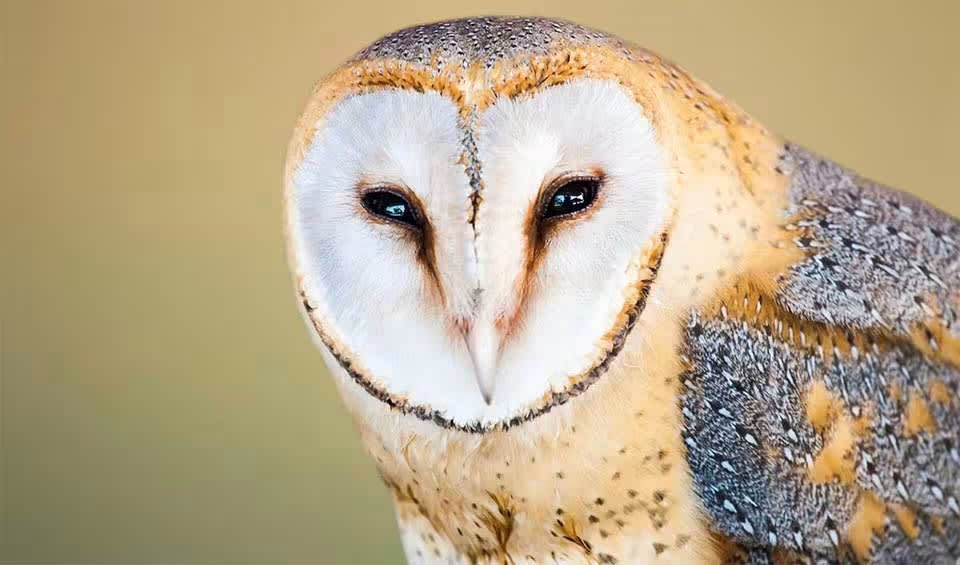
Barn owl
The most cosmopolitan of owls with home ranges extending across the globe
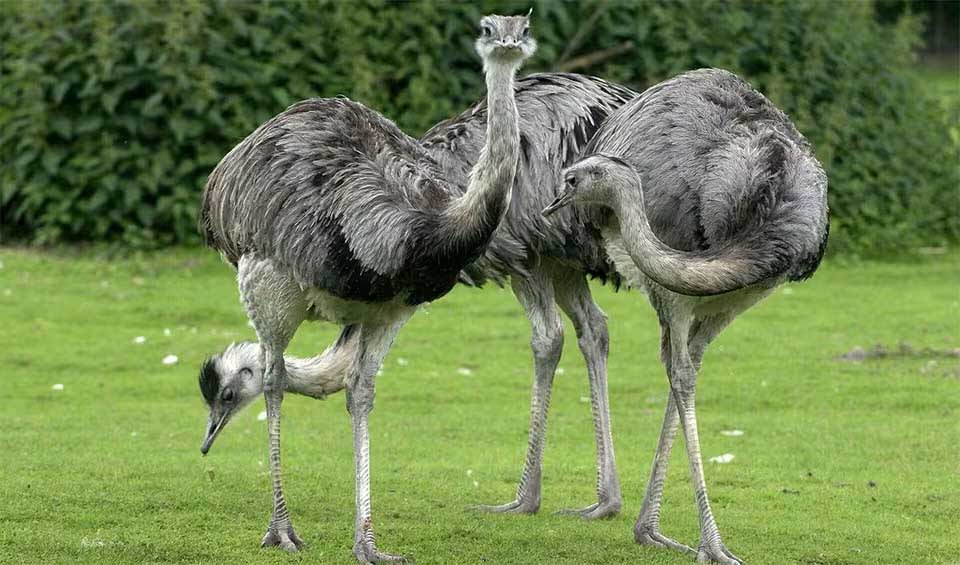
Greater rhea
The largest native living bird of America

Red-breasted toucan
A small beaked toucan that looks like it came straight from a Halloween party

Toco toucan
The largest toucan there is with a long and serrated beak

House sparrow
The most widely dispersed wild bird

Scarlet flycatcher
The scarlet ambush hunter

Roseate spoonbill
An easily recognizable bird due to its pink body and spatulate bill

Limpkin
They don’t need salt, bamboo sticks, or forks to deshell a snail – they have a well-adapted bill to do the job
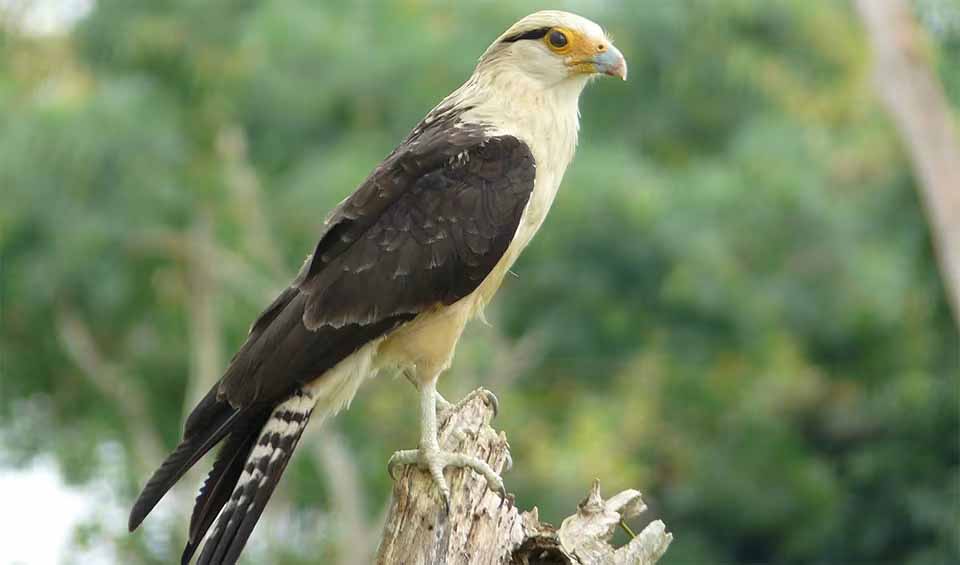
Yellow-headed caracara
A common scavenger bird that cleans up the roads of Central and South America

Peregrine falcon
At the speed of over 321 km/h (200 mph), this bird outraces a Formula1 car

Maguari stork
“Maguari” comes from the Tupi language, roughly translating to “heavy bill.” Not the most poetic nickname, but accurate!

Black-winged stilt
Elegant long-legged wader, common almost worldwide
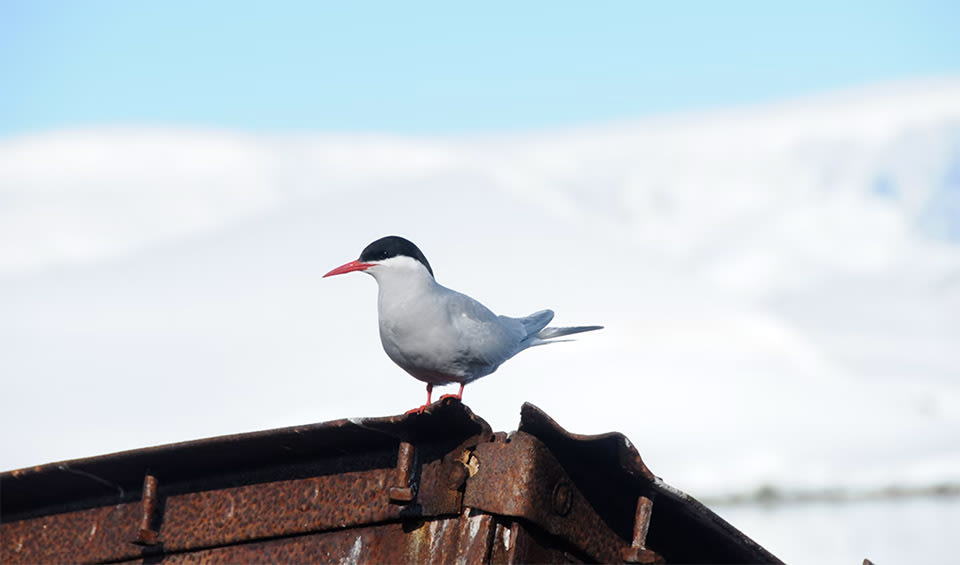
Arctic tern
This bird can give any cross-country runner a run for their money

Common tern
This bird holds the record of the longest distance flown by any bird in recorded history

Andean condor
The largest and heaviest raptor in the world
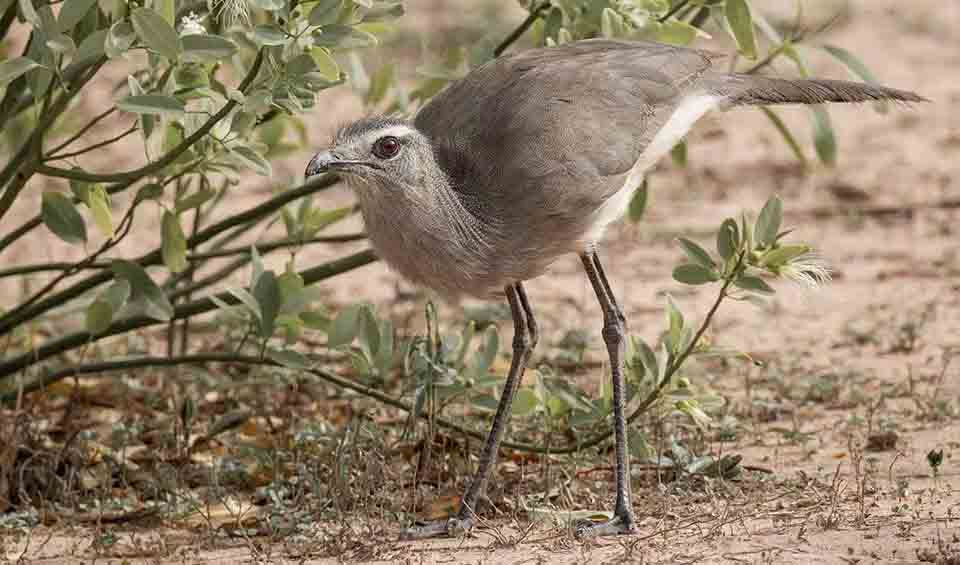
Black-legged seriema
Gear up to get your minds changed if you think all birds love flying

Red-legged seriema
Did someone say birds don’t participate in marathons? Wait, we have a worthy contestant here

Wattled jacana
Often nicknamed the Jesus bird because it looks like it’s walking on water

Black skimmer
If you come across a flock on a sandy beach, you might think they’re all exhausted or even dead

Great potoo
These nocturnal birds live in solitary and can peek around even with closed eyes

Southern screamer
Its name is very accurate—these birds can be ear-splittingly loud!

White-cheeked pintail
So unafraid of humans that they will often swim right up to curious travelers

Harpy eagle
The world’s most spectacular and most robust eagle species serves a critical ecological role in the ecosystem they live in
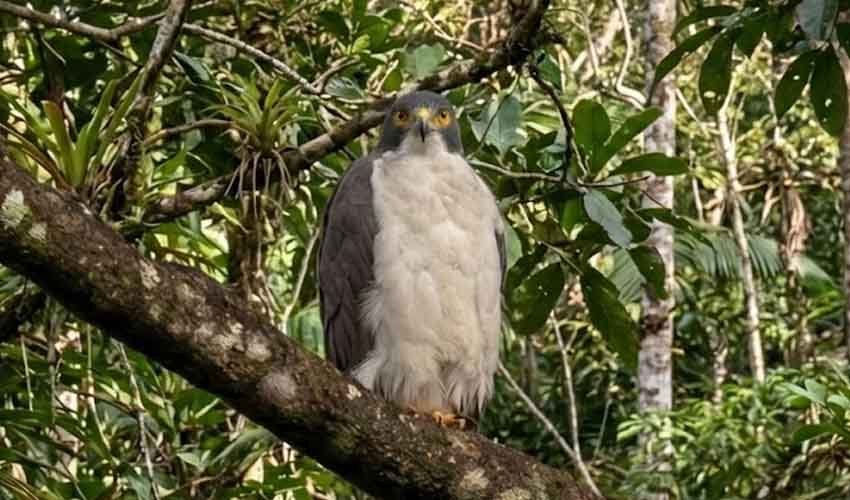
Grey-bellied hawk
Often hunts snakes and lizards, which many other hawks avoid

Osprey
One of only six land-birds with a cosmopolitan distribution habituating all continents except Antarctica

Giant anteater
These specialist predators of termites and ants are not immune to ant bites
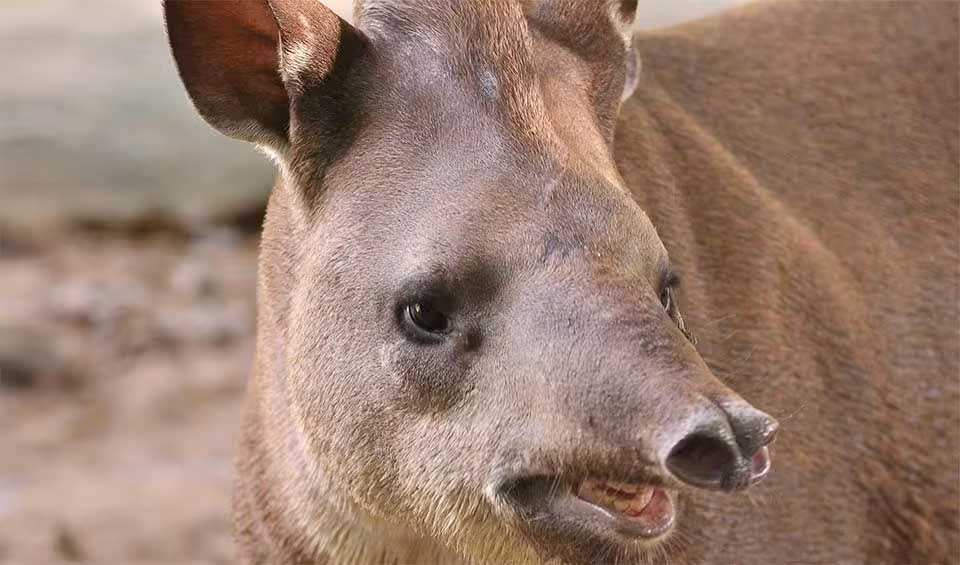
Brazilian tapir
Flee and dive into the water when facing a predator and remain deep under the water until the predator leaves
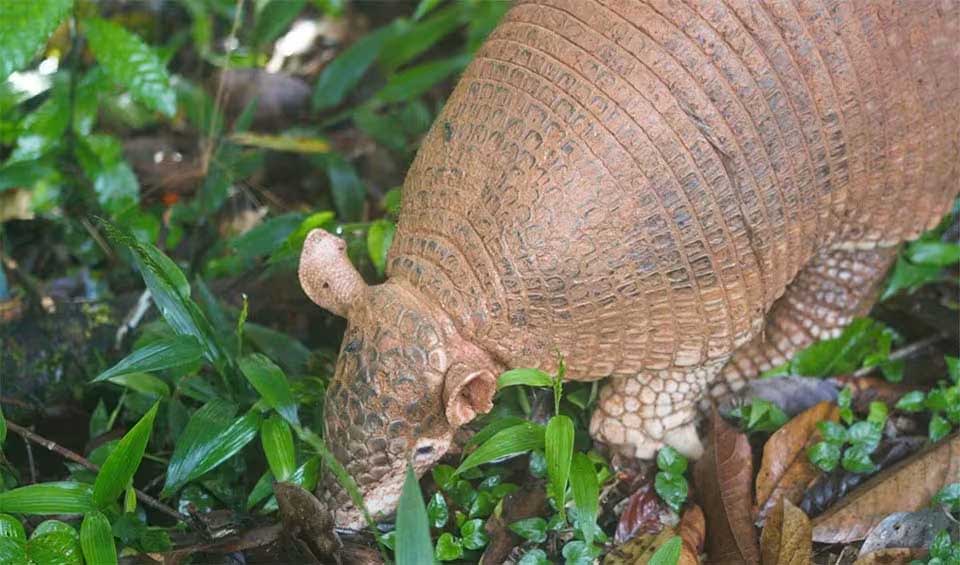
Giant armadillo
The largest living armadillo, growing up to 1.5m (5 ft) in length, yet it feeds on tiny termites!
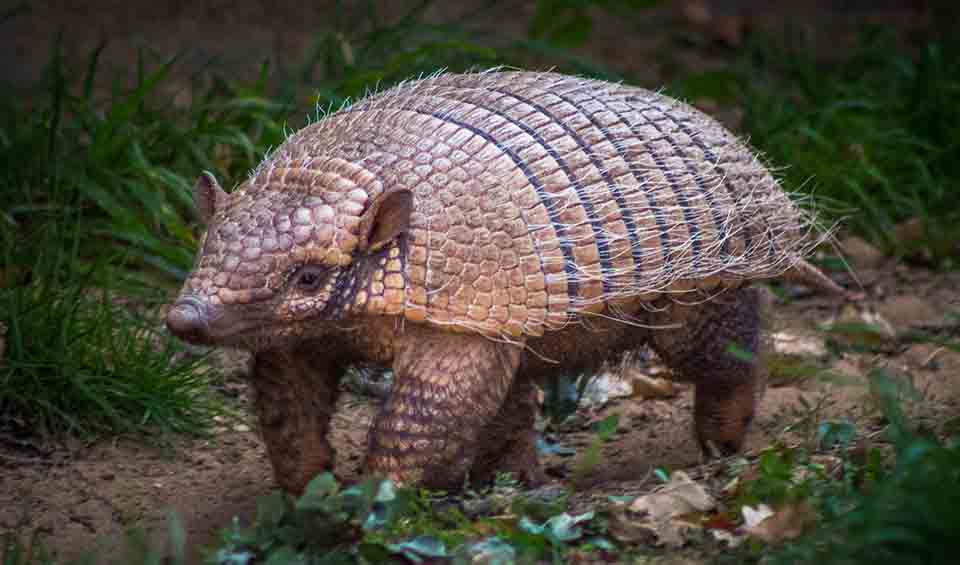
Six-banded armadillo
Able to swim and will shallow air just before entering the water to assist with buoyancy
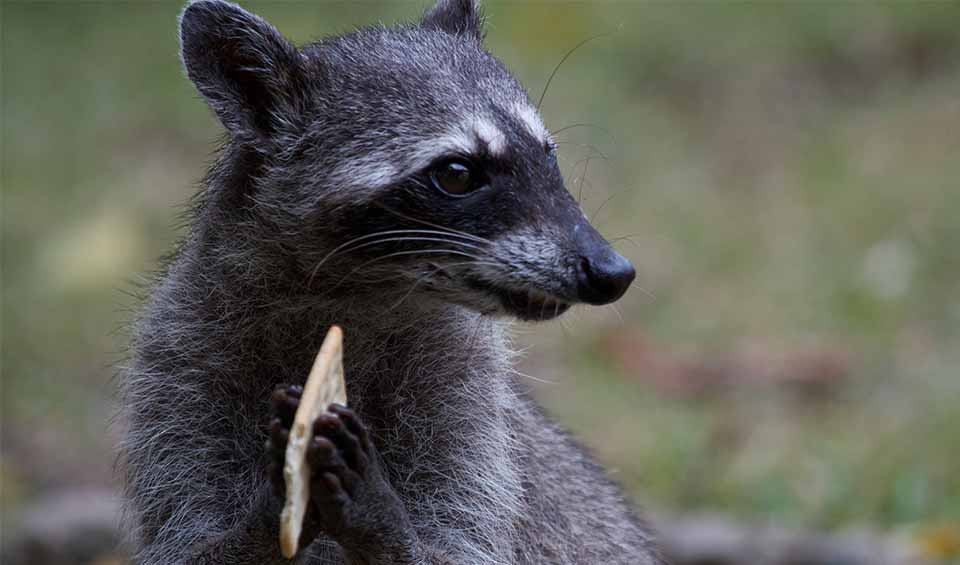
Crab-eating raccoon
Despite the common name, they do not feed on crabs exclusively
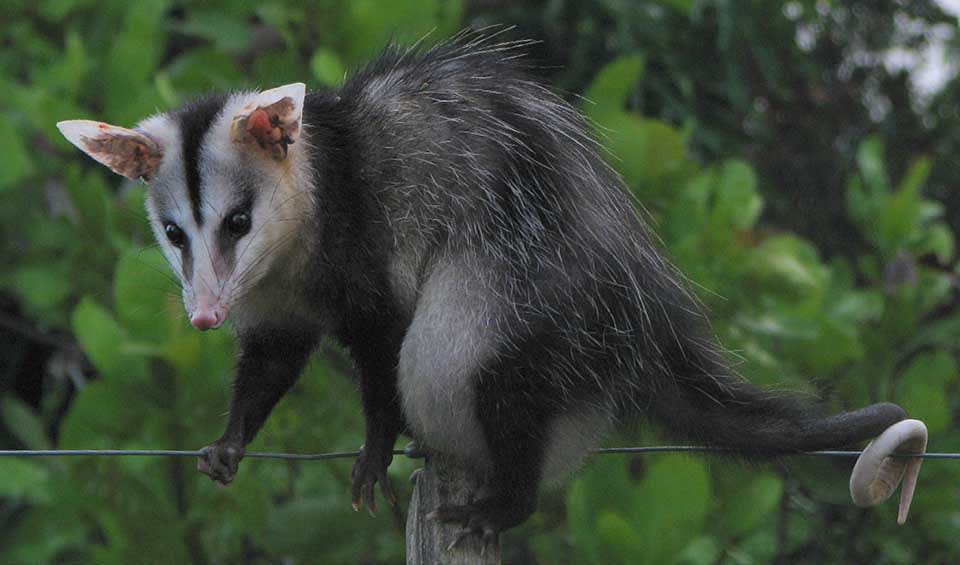
White-eared opossum
One of the most widespread opossum species on the continent

Tayra
Widespread in tropical and subtropical forests Central and South America
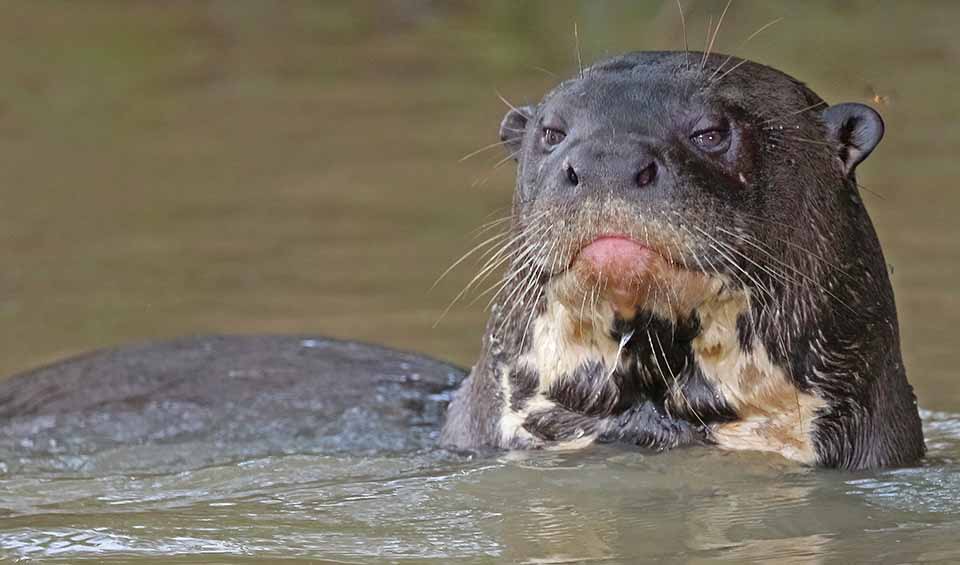
Giant otter
Don’t be fooled by their harmless appearances; they can hunt caiman, piranhas, and anacondas in the wild!

Molina’s hog-nosed skunk
Its pig-like nose is sensitive and flexible, helping it locate underground prey like grubs and worms
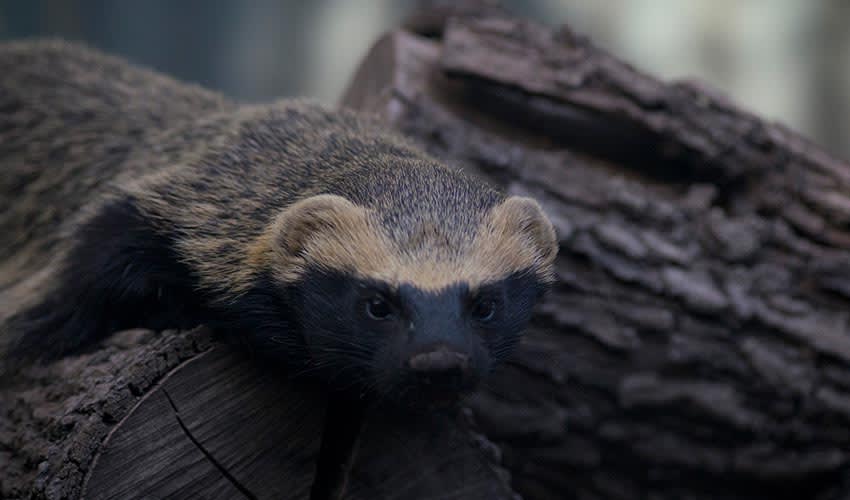
Lesser grison
When annoyed, it can hiss, growl, bare its teeth, and generally act like it’s ten times larger

Cougar
The most widespread large mammal of the Americas: from Canada’s Yukon to the Andes in South America

Jaguarundi
Secretive and solitary, inhabiting various habitats of Central and South America

Ocelot
They are picky eaters, often plucking off all the furs or feathers of the prey before start eating them
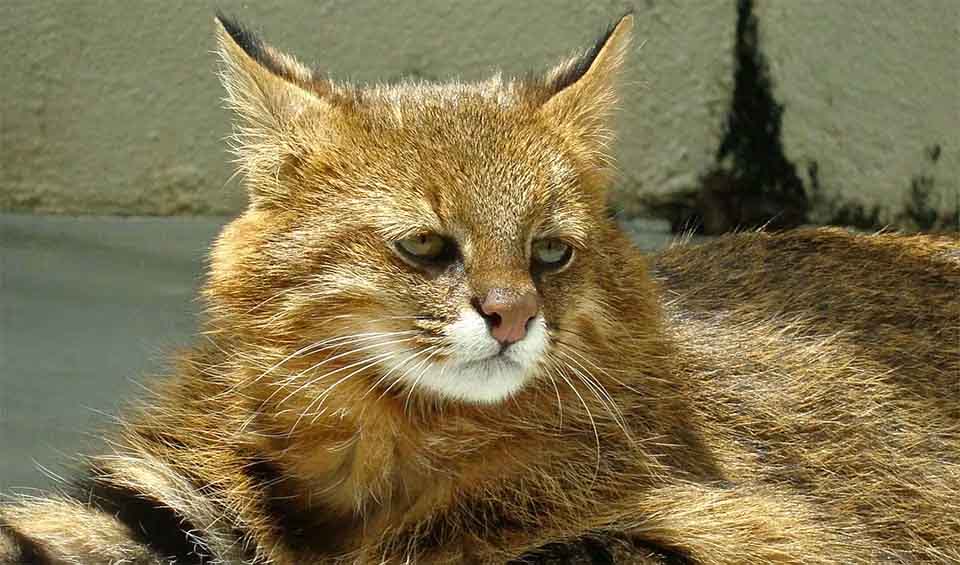
Pantanal cat
With a purrfect physique and sharp instincts, this cat reigns supreme as the ultimate predator of the wetlands
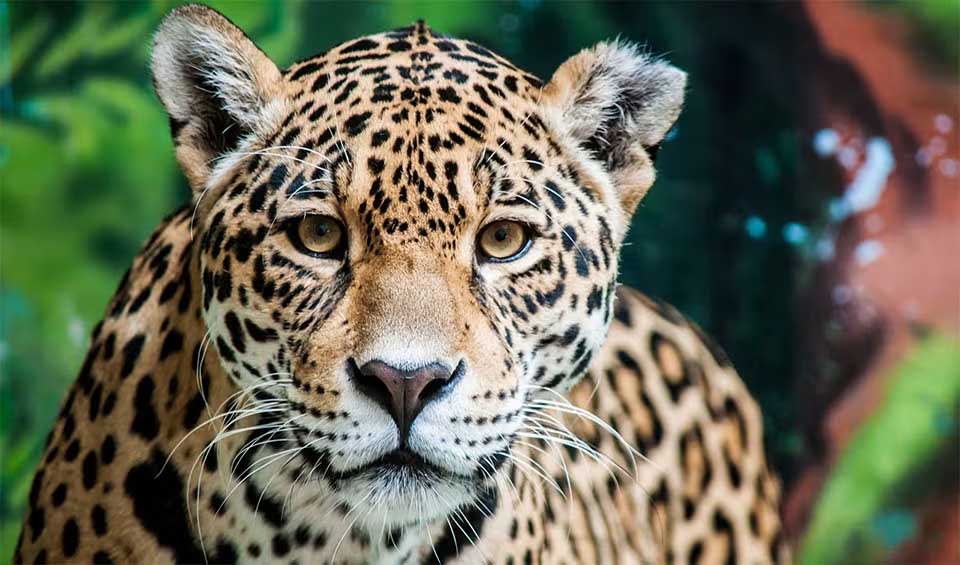
Jaguar
This solitary cat is America’s largest feline and the world’s third, after the tiger and the lion

Bush dog
First discovered as a fossil in Brazil, before ever witnessed – it was believed to be extinct

Crab-eating fox
During the wet season, they search for crabs in muddy floodplains

Maned wolf
With an identity of its own, it’s neither a wolf nor a fox — however, wearing long ears is probably a fashion statement

Chacoan peccary
Also known as tagua and it is the last existing species of its genus, with only 3000 individuals present today

Collared peccary
Suffering from poorly developed vision, they heavily rely on vocalization to communicate

Black howler
Allomothering is a common activity: females of a group display communal care for each other’s infants
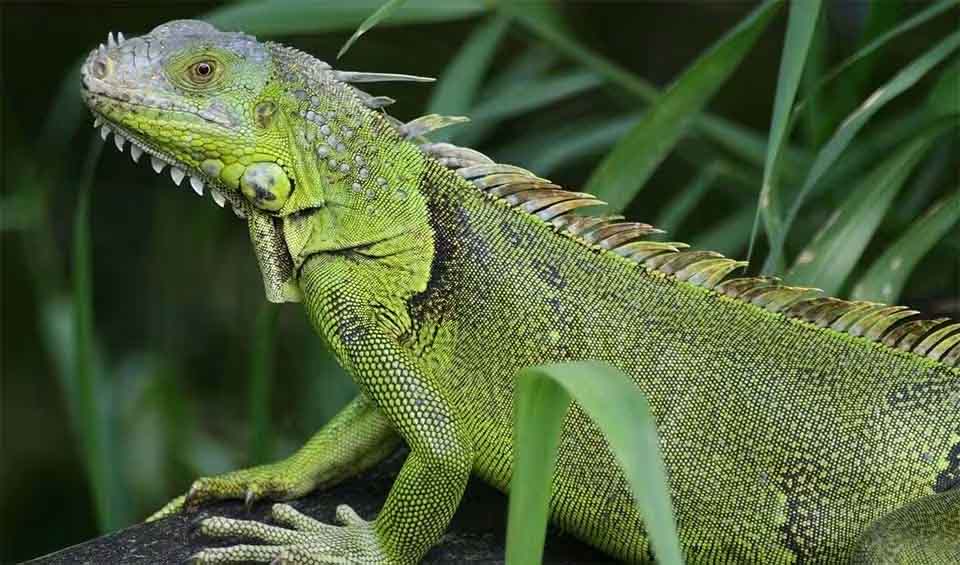
Green iguana
From the US down to Brazil, this trans-American lizard is the most common iguana

Boa constrictor
A small genus of Large snakes, strangling their prey endemic to the Americas

Yacare caiman
Jacare caiman, raguayan caiman, piranha caiman, red caiman, southern spectacled caiman! It has no shortage of nicknames

Cuviers dwarf caiman
A heavily armored small crocodile native to South America

