Search for Australia
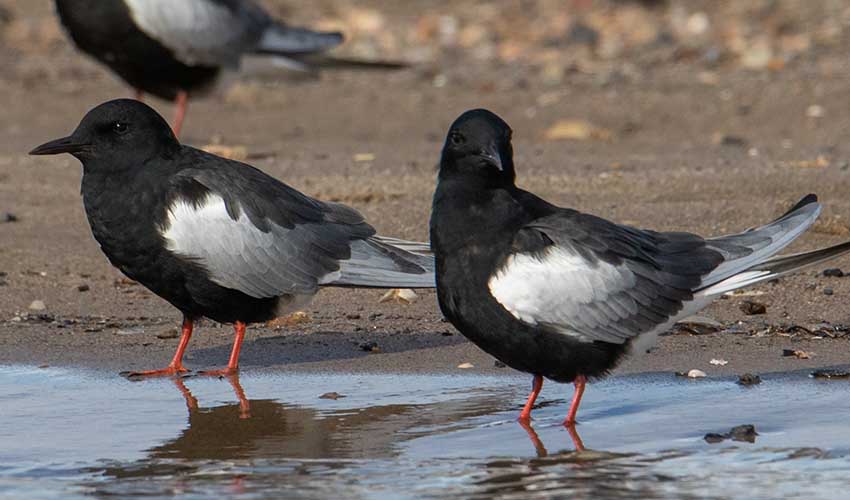


White-winged tern
A single flock can clear out thousands of mosquitoes and agricultural pests in a single afternoon
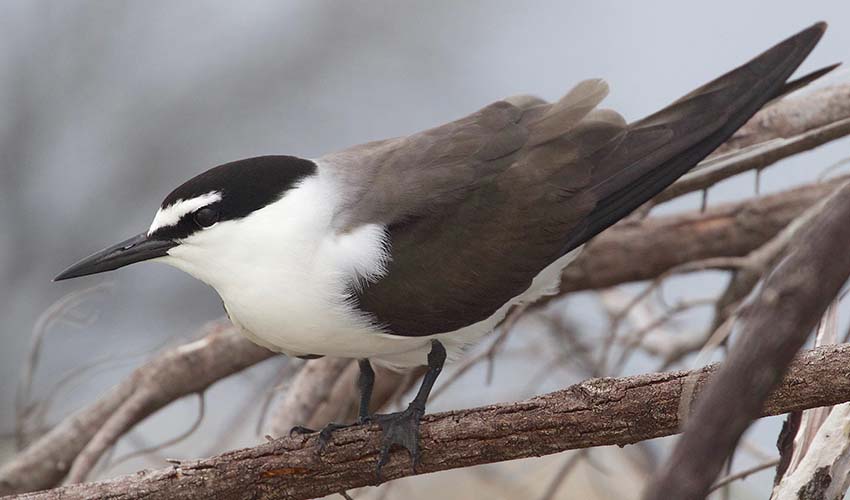
Bridled tern
Known to “ride out” massive tropical storms by flying into the calm eye of the hurricane
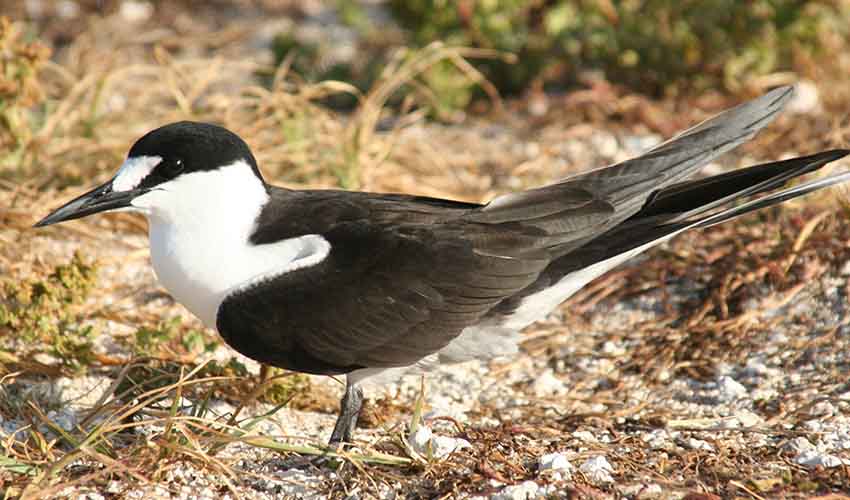
Sooty tern
Remains as one of the most resilient residents of the tropics
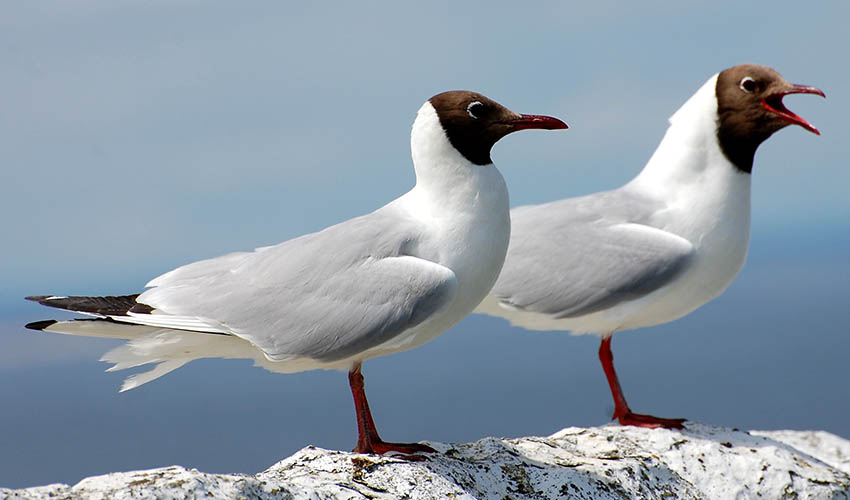
Black-headed gull
If you look closely at their dark hood, you’ll see two broken white crescents around the eye
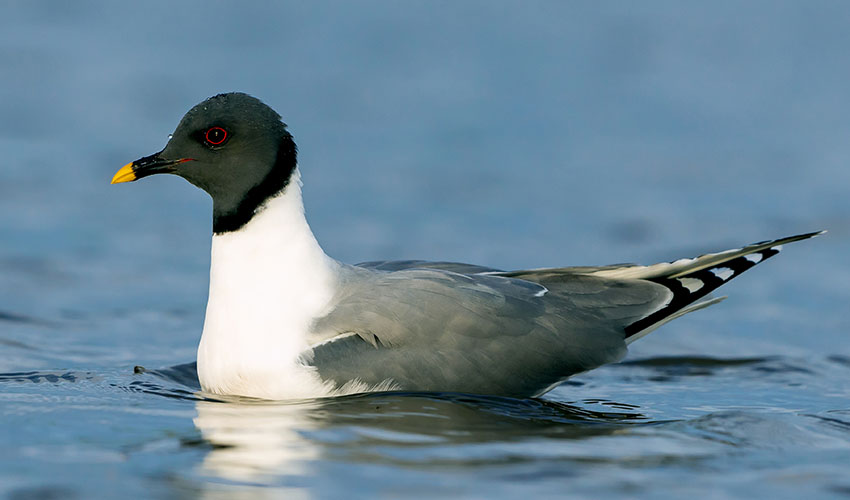
Sabine’s gull
Despite their elegant looks, they are fierce parents
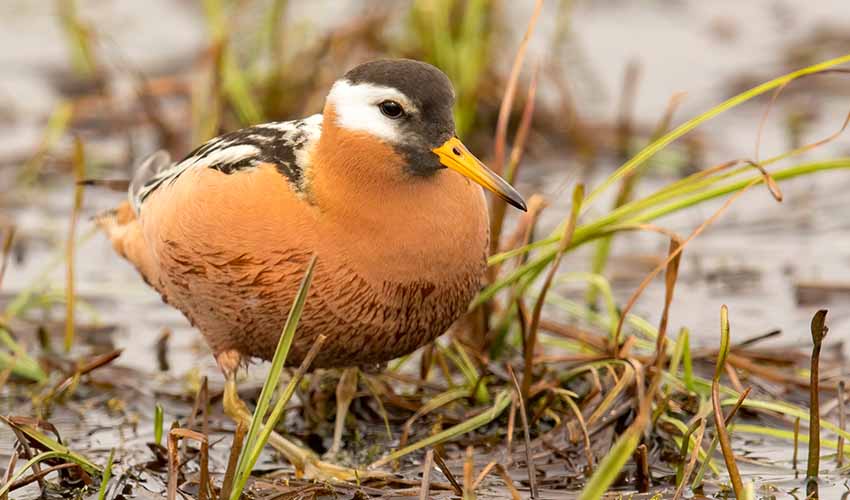
Red phalarope
Rugged enough to survive Arctic blizzards and mid-ocean gales that would ground much larger birds
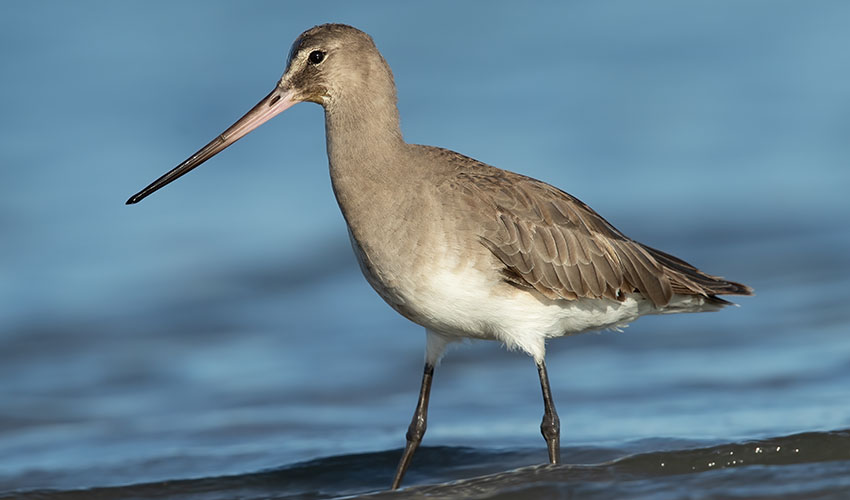
Hudsonian godwit
Despite traveling across entire hemispheres, they often return to the exact same marsh or mudflat
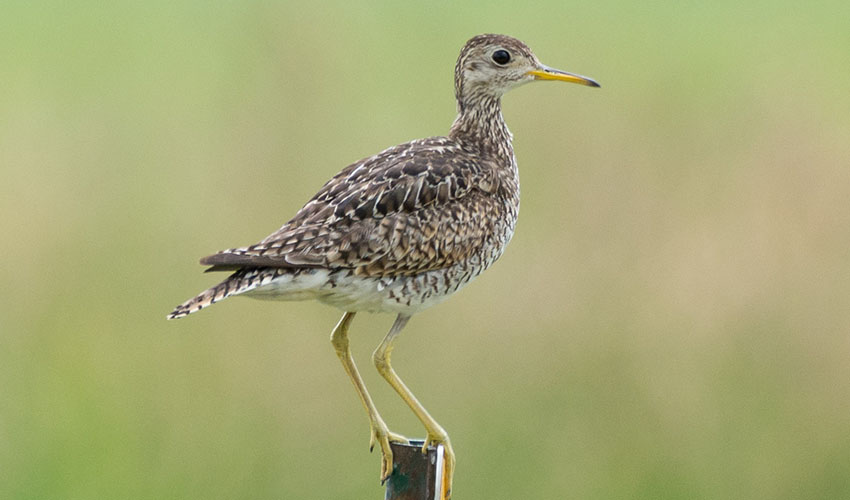
Upland sandpiper
Often called the “shorebird that forgot the shore”
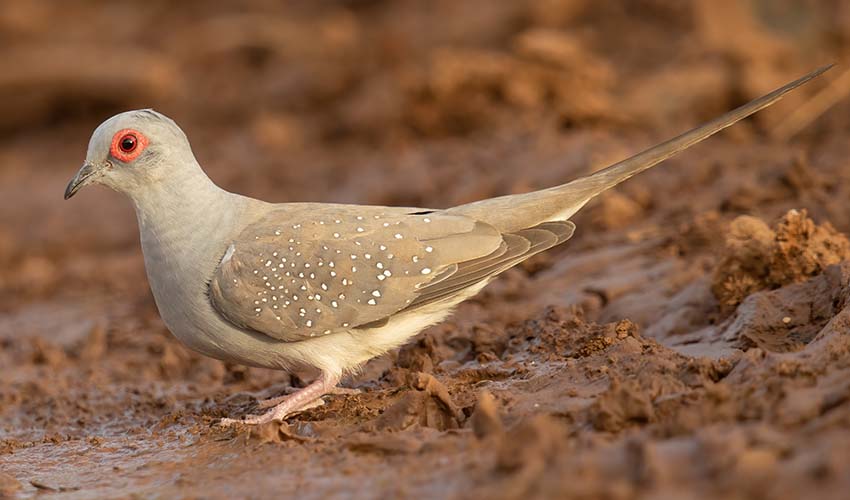
Diamond dove
Considered the smallest species of dove on the planet, weighing about the same as a single AA battery!

Australian painted-snipe
Females are often more colorful and bolder than males—opposite of what people expect
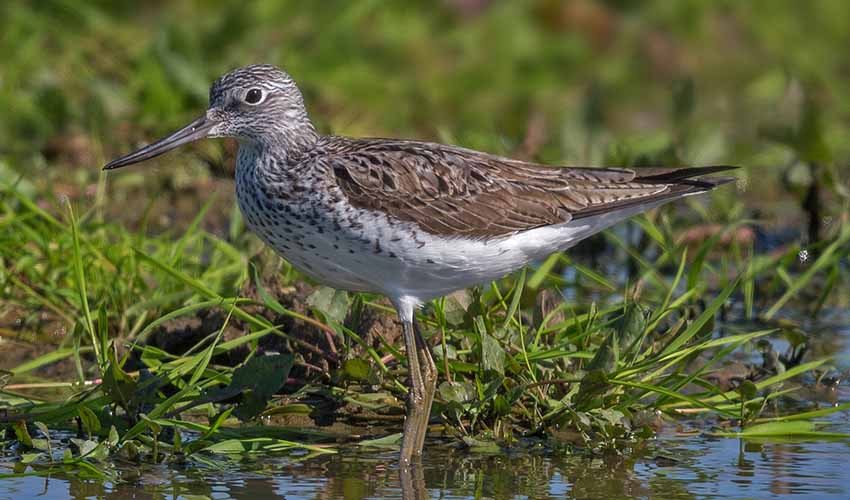
Common greenshank
When it’s time to migrate, they don’t just fly; they go into orbit
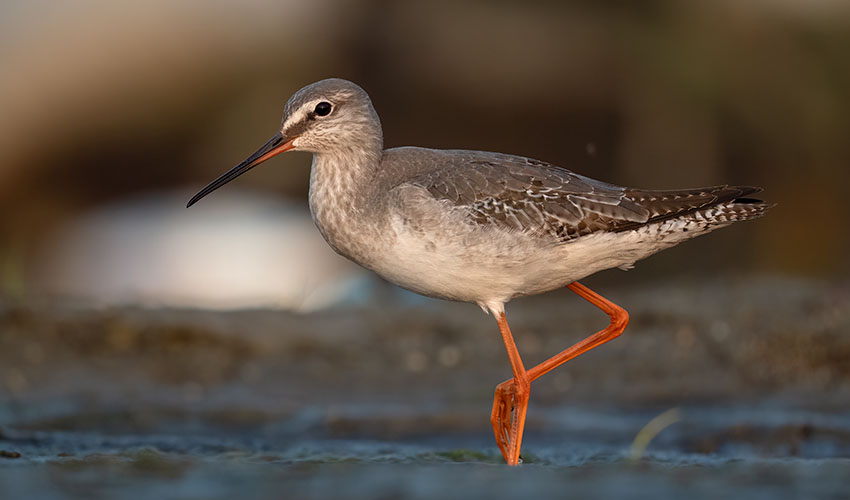
Spotted redshank
That vivid red color isn’t just for fashion; it’s a sign of health and vitality

Golden-shouldered parrot
One of the very few parrots that are true “termite-mound specialists”
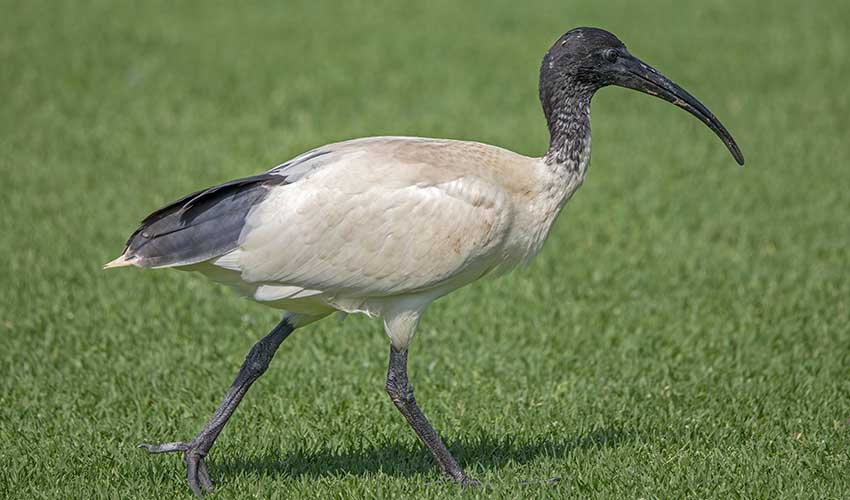
Australian white ibis
Became much more common in cities after many inland wetlands were damaged, drained, or became less reliable

Parma wallaby
Has a “mini wallaby” vibe compared with bigger, more familiar species

Black-striped wallaby
Their ears are like built-in radar dishes: they constantly swivel and listen, even while the animal is calmly grazing

Nabarlek
One of the smallest of the kangaroo-and-wallaby family

Northern marsupial mole
Moves through loose sand so smoothly that the sand often falls back in behind it, hiding where it went

Black-flanked rock-wallaby
Strong legs + a long tail let it hop and pivot on uneven ledges with impressive control

Brush-tailed rock-wallaby
On rocks they can be stealthy, placing feet carefully so they don’t send stones clattering down

Mareeba rock-wallaby
More “cliff acrobat” than open-field wallaby

Bennett’s tree-kangaroo
Can rotate their limbs in a way that helps with climbing and controlled descents

Monjon
Pocket-sized wallaby climbers
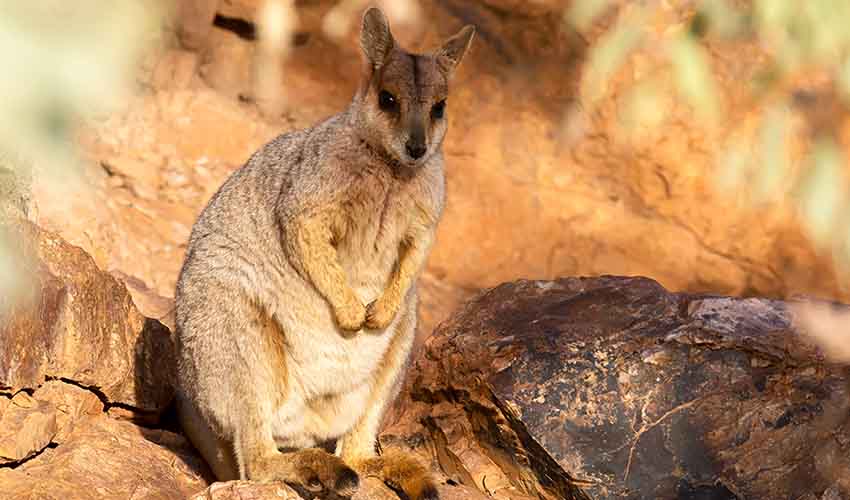
Purple-necked rock-wallaby
Can look plain one second, then turn its head and suddenly flash that signature purple sheen—a perfect “did you see that?” moment

Lumholtz’s tree-kangaroo
Often freezes when it senses danger, staying so still that it can look like a dark lump of shadow

Regent parrot
Its bright yellow chest can look almost golden in sunlight

Glossy black cockatoo
Its feathers can look shiny or “polished” in sunlight, which inspired its name

Red-tailed black cockatoo
Females don’t have red tails—instead, theirs are orange or yellow with spots, making them easy to tell apart

Abbott’s booby
The only booby species in the world that nests in tall rainforest trees instead of on cliffs or beaches
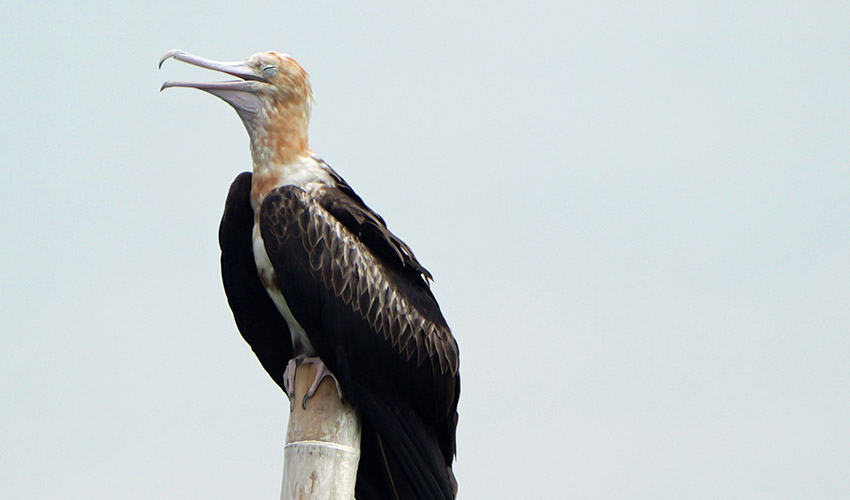
Christmas Island frigatebird
Cannot swim or land on water because their feathers are not waterproof

Snow petrel
Early explorers often wrote about these birds as friendly companions during long, lonely expeditions across the ice
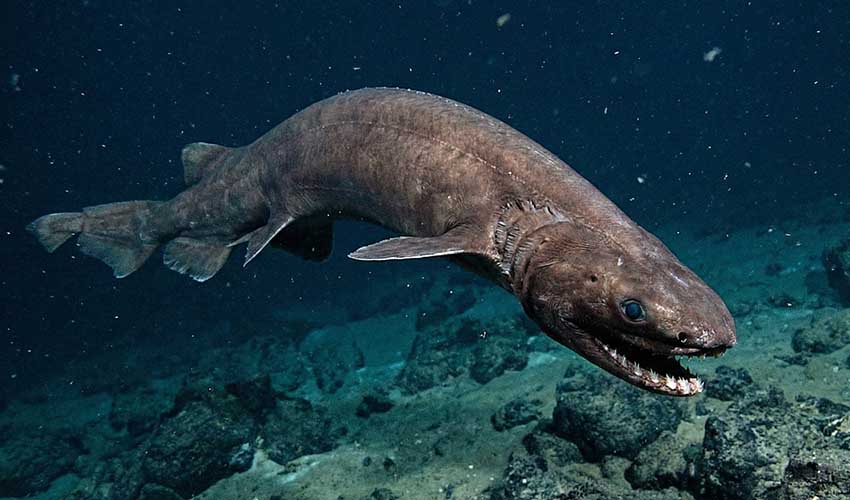
Frilled shark
Looks so much like a snake that it is sometimes called the “sea serpent shark”

Sooty albatross
It’s the “dark-themed” albatross

Westland petrel
Those small tube-like structures on the bill help them deal with salt and are linked to their strong sense of smell

Hutton’s shearwater
Snow doesn’t bother them anyway

Black petrel
Often come and go after dark, so a place that feels quiet in daylight can turn noisy at night
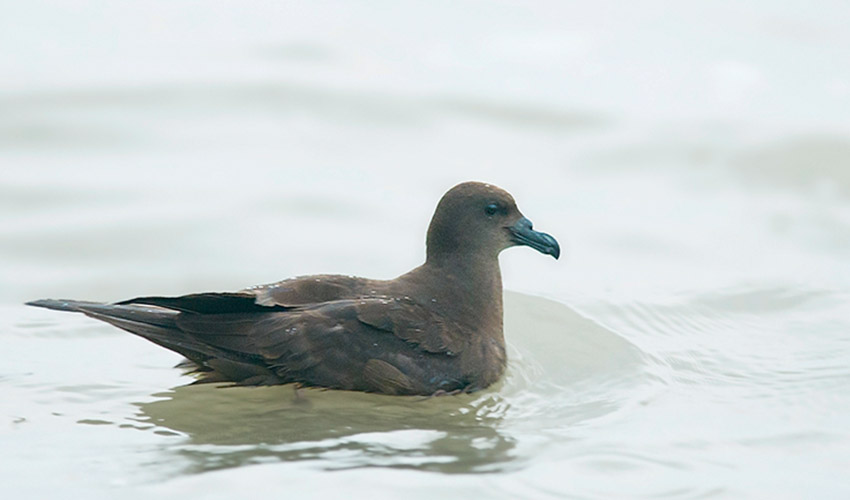
Jouanin’s petrel
One of the ocean’s “mystery birds”

Light-mantled albatross
Often considered one of the most beautiful albatross species because of its soft gray coloring and gentle contrast

Australasian bittern
Its streaky brown feathers match reeds so well that it can be nearby and still look like part of the vegetation

Sarus crane
Tallest flying birds on Earth

Black-necked stork
It’s basically a walking flag—so bold you can spot it from far across a wetland
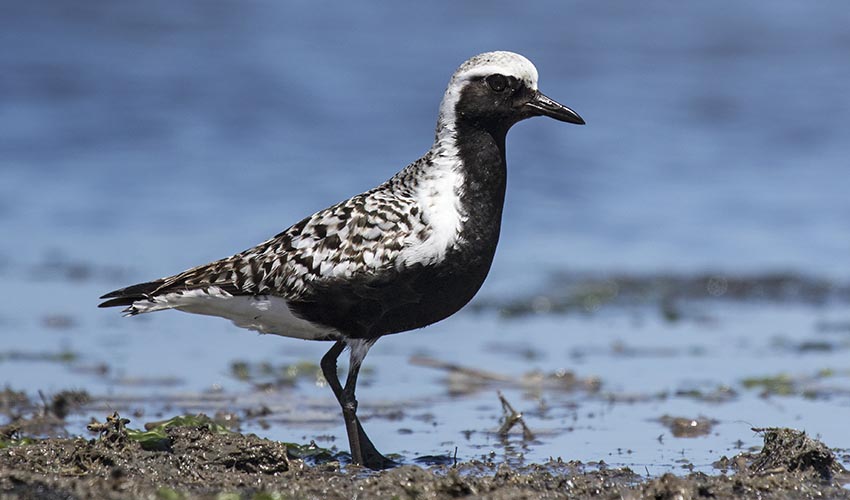
Grey plover
Can be black, can be grey but it’s the same bird
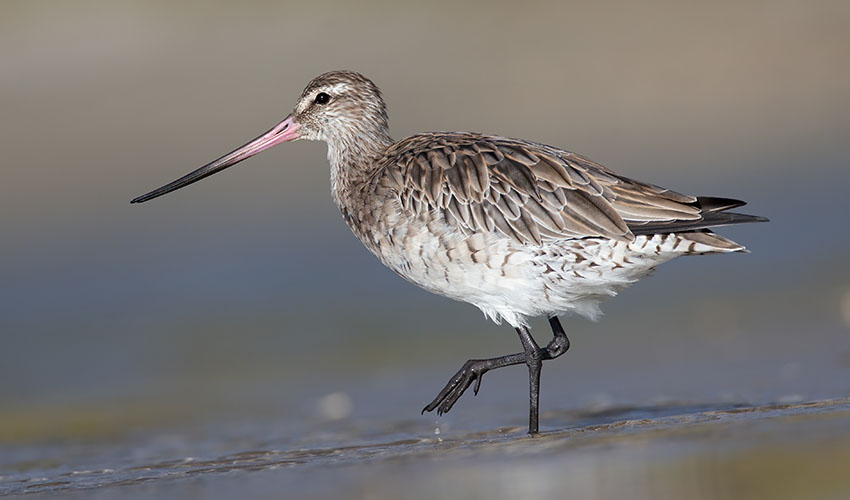
Bar-tailed godwit
Has one of the longest nonstop flights ever recorded for any bird

Far Eastern curlew
Biggest “sandpiper” on the planet
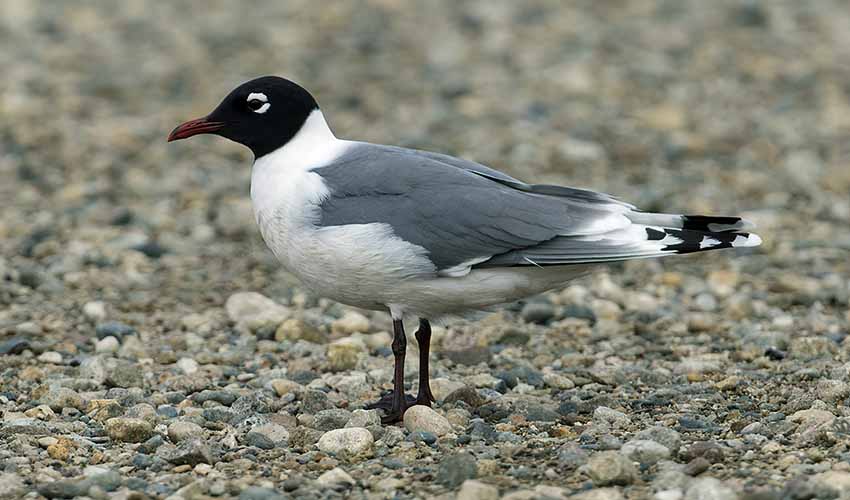
Franklin’s gull
These gulls aren’t scavengers; they are specialized insect eaters.
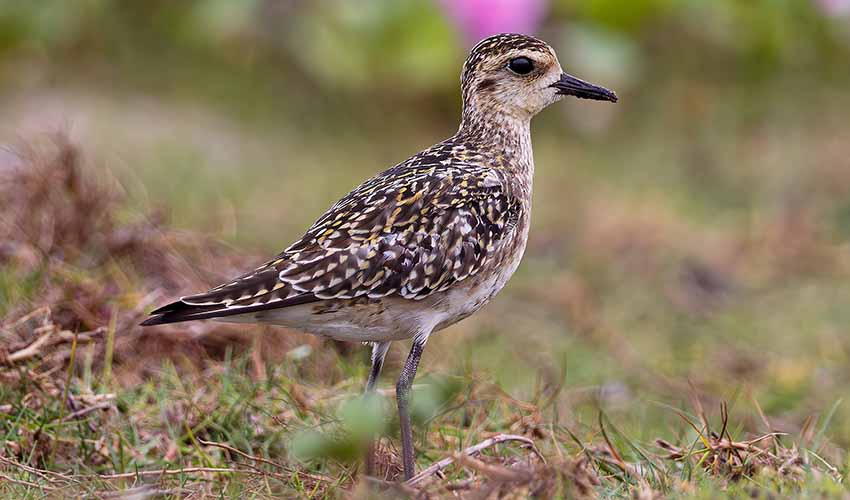
Pacific golden plover
Before their 3,000-mile flight, they become “hyperphagic,” eating until fat makes up nearly half of their body weight
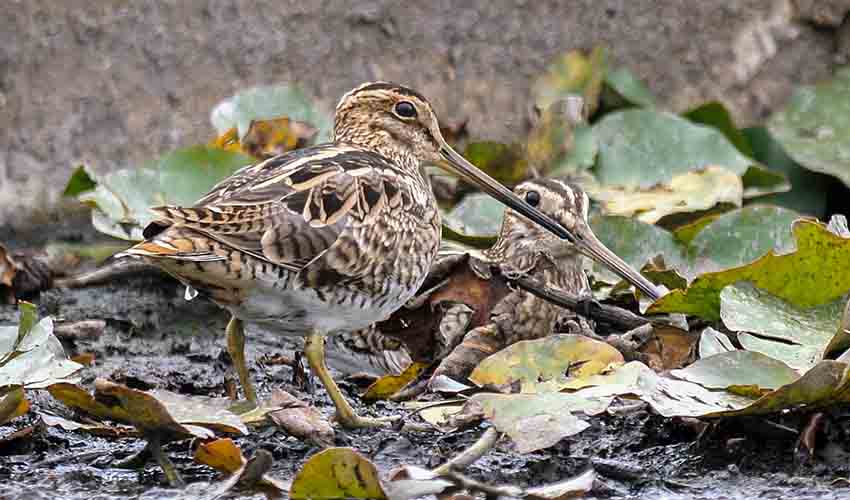
Latham’s snipe
Stays hidden until you are nearly upon it, and it bursts from the grass in a sudden flurry
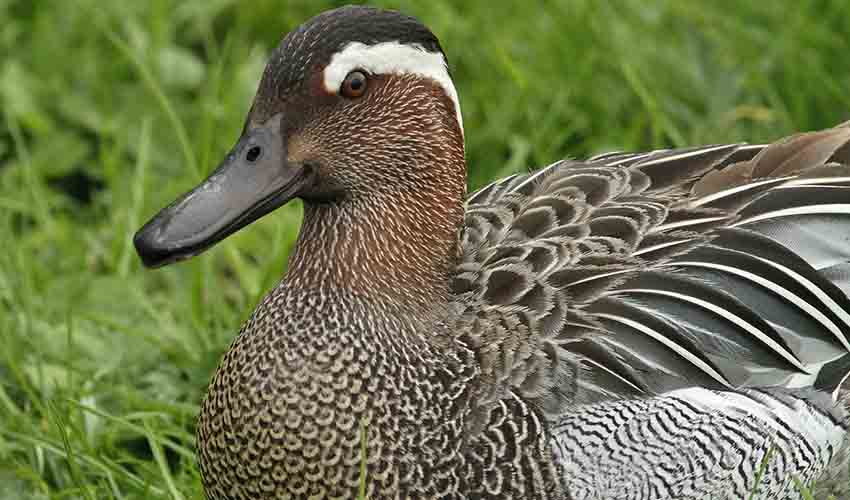
Garganey
Known to cross the vast Sahara Desert in a single go during their migration

Freckled duck
Australia’s “now you see me, now you don’t” duck—some seasons they seem rare, and the next…everywhere

Black-breasted buzzard
Famous for using rocks as tools to crack open eggs (especially emu eggs)

Northern hairy-nosed wombat
One of the rarest and critically endangered land mammals in the world

Southern hairy-nosed wombat
That hairy “snout shield” helps protect it when it shoves its face into soil and roots while digging
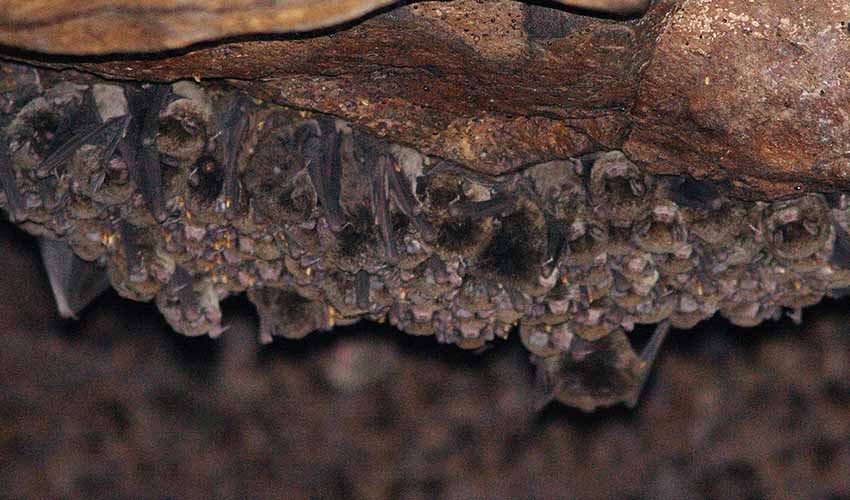
Little bent-wing bat
One of the few bats known as possible “spider experts”

Smoky mouse
Bigger than your average house mouse

Rakali
It swims, dives, and hunts in water so much it’s basically a mini otter with a rat’s face

Long-nosed potoroo
Looks kind of ratty at first glance, but it actually hops on strong back legs like a tiny, shy kangaroo

Dusky antechinus
Not a mouse, not even close

Swamp antechinus
Looks like a tiny, chubby mouse, but it’s actually a marsupial

Pink-tailed worm-lizard
Most people think it’s a tiny snake or fat worm at first glance, but it’s actually a legless lizard

Yellow-footed antechinus
Despite looking mouse-like, it’s a serious little predator—more “tiny bug-hunter” than seed-nibbler

Northern brown bandicoot
Likes places where thick cover meets open feeding ground, so it can eat and then vanish fast

Indian hog deer
It runs like a pig — not a deer

Greater stick-nest rat
Their pee turns into natural super-glueScientists call it “amberat”

Night parrot
For decades, it was spoken of the way people talk about cryptids — a real species, but one nobody could find

Orange-bellied parrot
At one point, it was considered on the brink of functional extinction in the wild

Red-fronted parakeet
The bright red patch on its forehead gives the bird a “smiling” or expressive look

New Zealand storm petrel
Known only from museum specimens for over 150 years before its rediscovery in 2003

Imperial shag
Can dive deeper than many seals

Lord Howe woodhen
It can’t fly, but it hikes

Siberian sand plover
For years it was lumped into “lesser sand plover”

Mistletoebird
Their droppings can come out in long, gooey strings — built-in seed placement ropes!

Red-necked wallaby
Sometimes sniff noses when meeting peacefully — a marsupial handshake
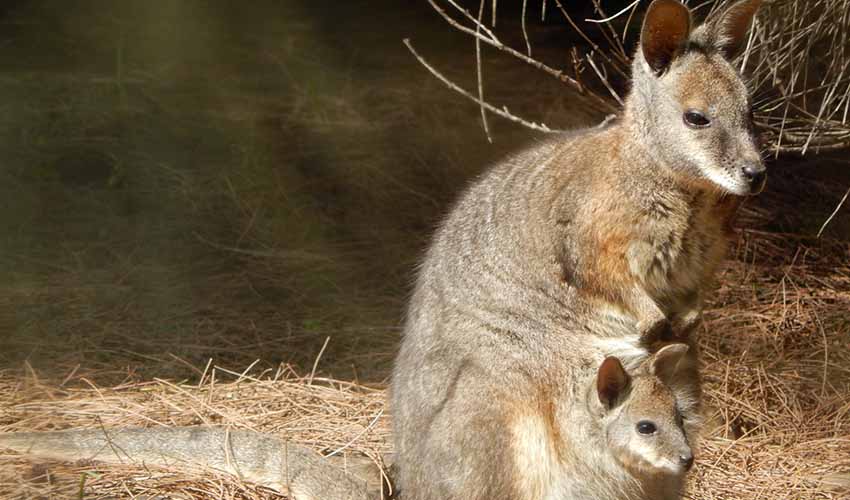
Tammar wallaby
One of the most studied marsupials, so it pops up a lot in research about reproduction and animal behavior

Short-finned pilot whale
The “cheetahs” of the deep ocean

Western brush wallaby
Feel safest in thick shrubs and woodland edges, not wide-open grass

Whiptail wallaby
Tend to do a repeating “lookout loop” while feeding: munch for a bit, head up, scan, ears swivel, then back to munching
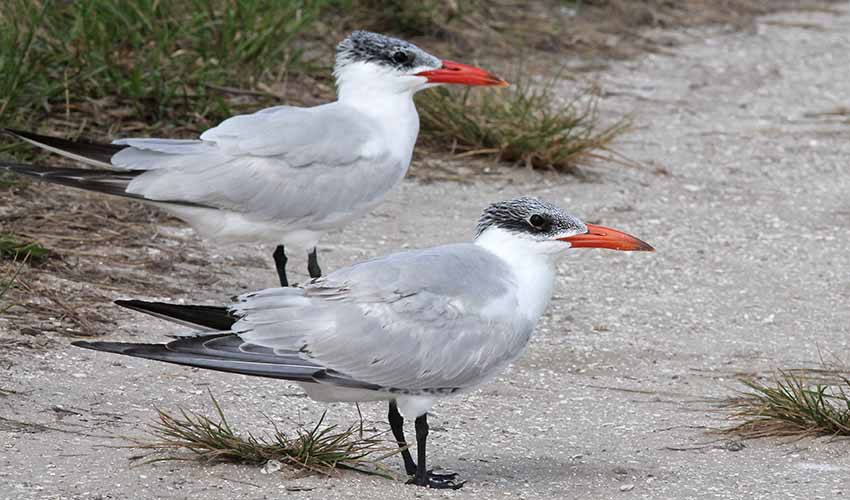
Caspian tern
A heavyweight champ — elegant, yes, but you don’t want to mess with that beak

Atlantic yellow-nosed albatross
This bird can circle the South Atlantic without breaking a sweat (or a wingbeat)

Grey-headed albatross
Built to “ride the wind,” using long glides and smooth turns to save energy
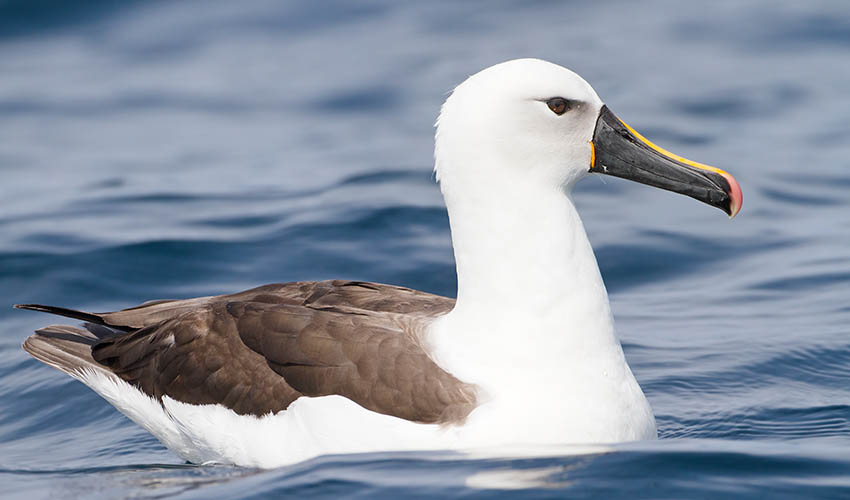
Indian yellow-nosed albatross
Unlike many albatross species, it often prefers slightly warmer ocean waters
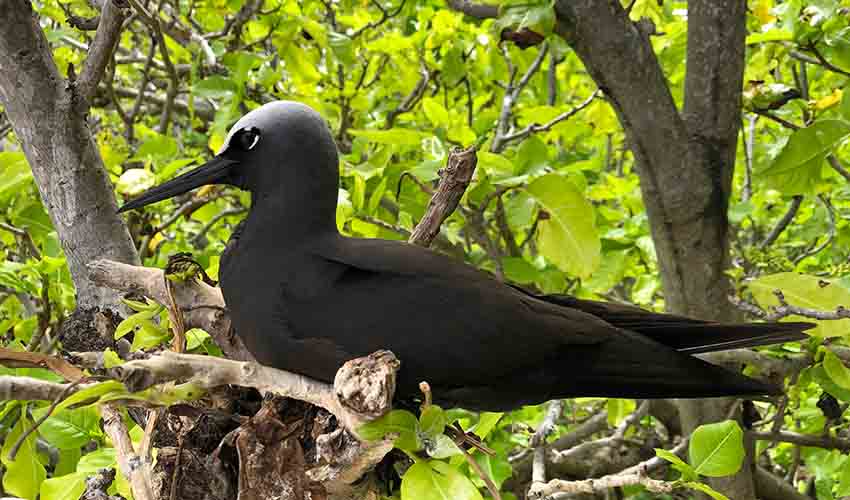
Black noddy
Black feathers, white cap, sleek shape — it’s the tuxedo of the bird world

Chatham albatross
Thrive in strong winds that actually help them fly
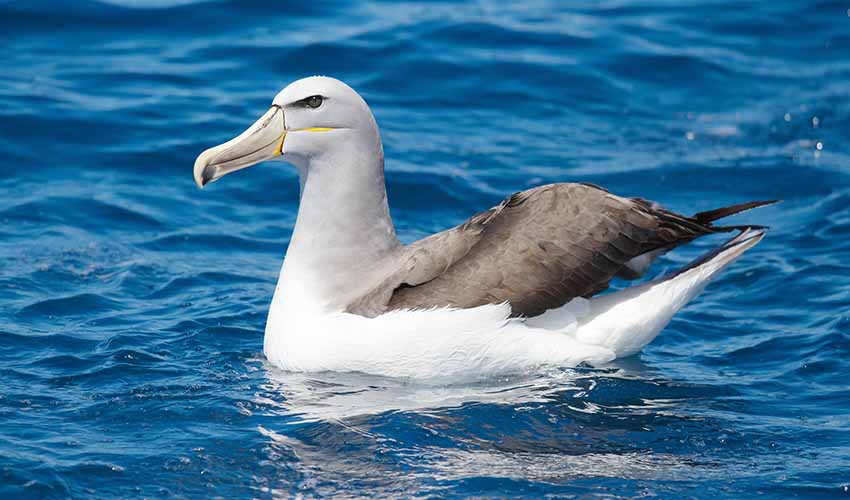
Salvin’s albatross
Can fly thousands of miles without a single flap

Splendid fairywren
Despite their tiny size, they are fearless around humans, often hopping close to observers, flicking their tails inquisitively

Australian raven
Often act as “clean-up crew,” feeding on carrion, roadkill or animal remains that might otherwise rot or spread disease

Australian ringneck
The yellow “ring” around its neck is a handy field mark for identifying one among other green parrots

Northern spiny-tailed gecko
Doesn’t have to rely solely on fleeing—it has a built-in “sticky defense” system to surprise predators

Red-backed kingfisher
A desert hunter, feeding largely on insects, scorpions and ground-dwelling prey

Shy albatross
Often follow ships and fishing boats, attracted by food stirred up near the surface
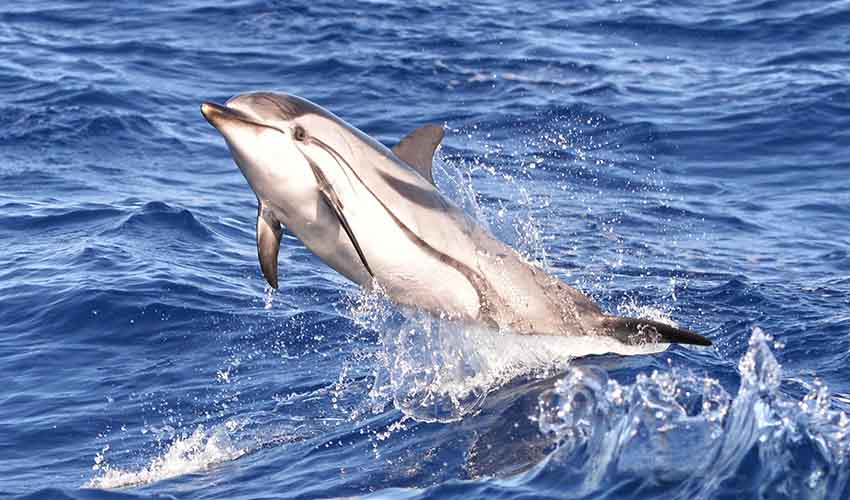
Striped dolphin
Among the most athletic dolphins, known for their spectacular leaps and spins that can reach several meters high
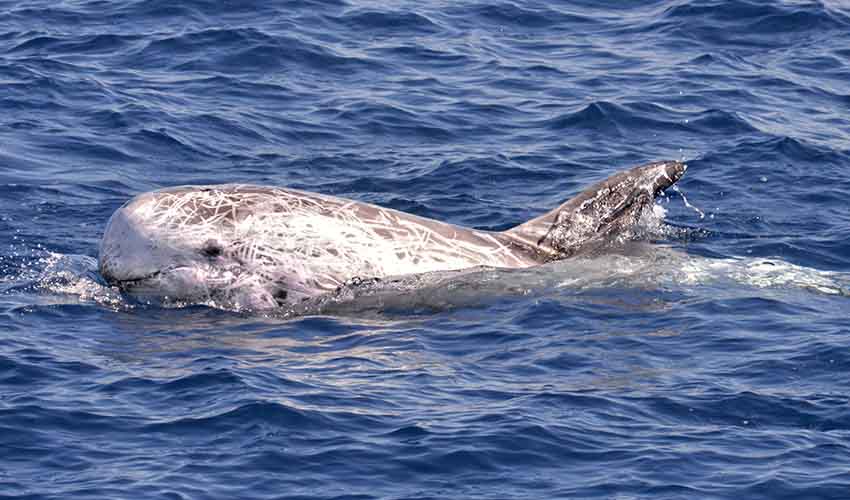
Risso’s dolphin
Sometimes called the “scars in the water” thanks to their many white markings

Wart snake
When you touch it (not that you should!), it feels like coarse sandpaper

Elegant sea snake
Can absorb oxygen through its skin, letting it stay submerged for hours without surfacing

Olive-headed sea snake
Though venomous, it’s docile and curious, rarely posing any threat to humans
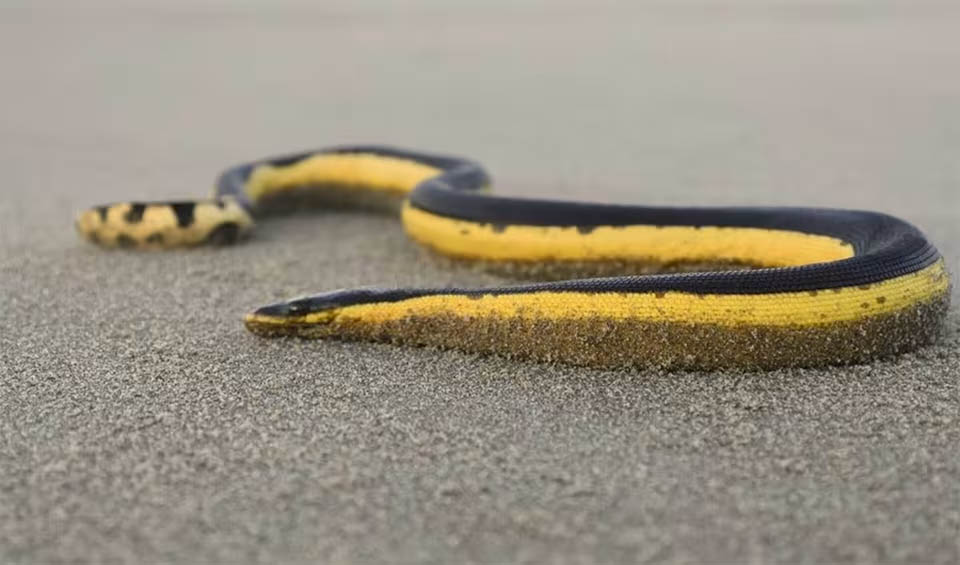
Yellow-bellied sea snake
The most widespread species of snakes on earth are found throughout the Indian and Pacific Oceans and from Africa to Central America
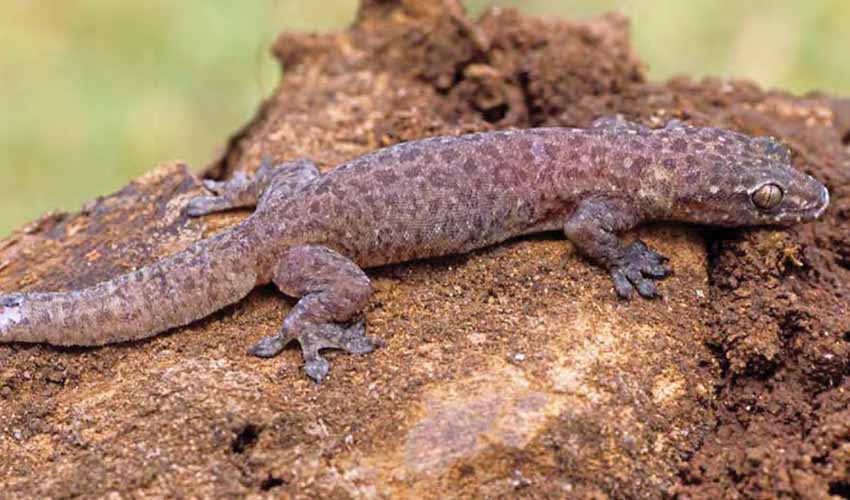
Stump-toed gecko
Its thin, translucent skin gives it a ghostly appearance under bright light

Papuan eclectus
One of the most sexually dimorphic birds on Earth

Channel-billed cuckoo
Its bill, though intimidating, is surprisingly delicate—it uses it mainly for plucking fruits rather than tearing flesh

Antipodean albatross
Can glide for hours without flapping its wings, using ocean winds like an expert surfer

Northern royal albatross
Among the biggest flying birds on Earth

Ross seal
Least studied of all Antarctic seals

Weddell seal
A master of living under the ice, and a haunting singer in one of the world’s coldest wildernesses
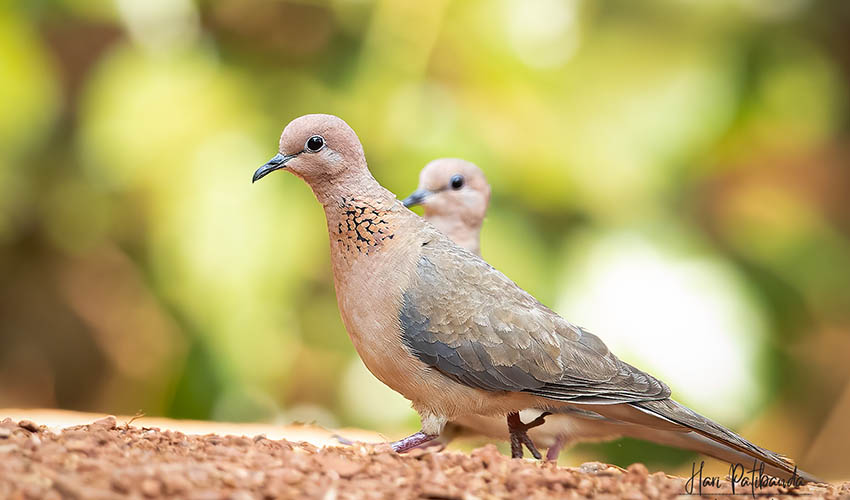
Laughing dove
One of the most charming doves you’re likely to encounter
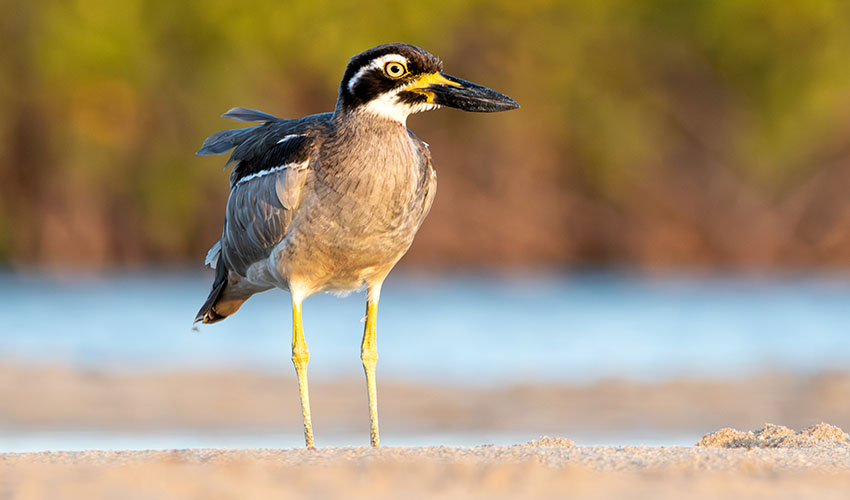
Beach stone-curlew
Nocturnal crab-cracker, master of camouflage, and solitary guardian of the beach
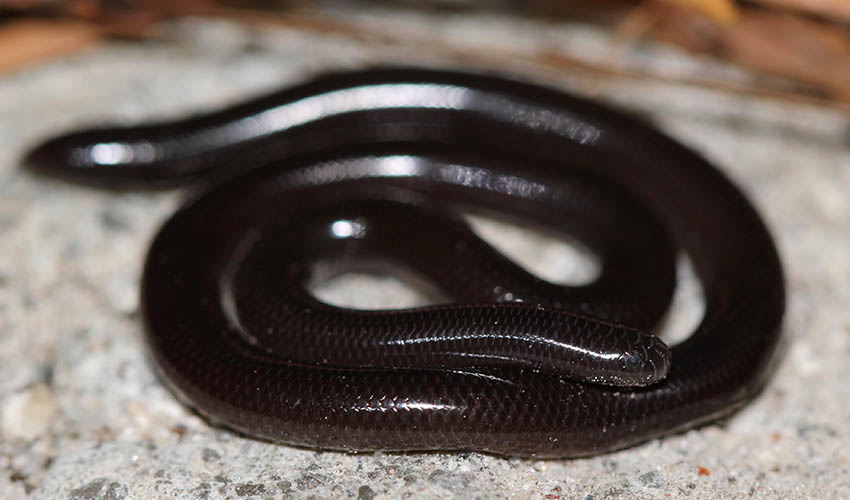
Brahminy blind snake
Often mistaken for an earthworm
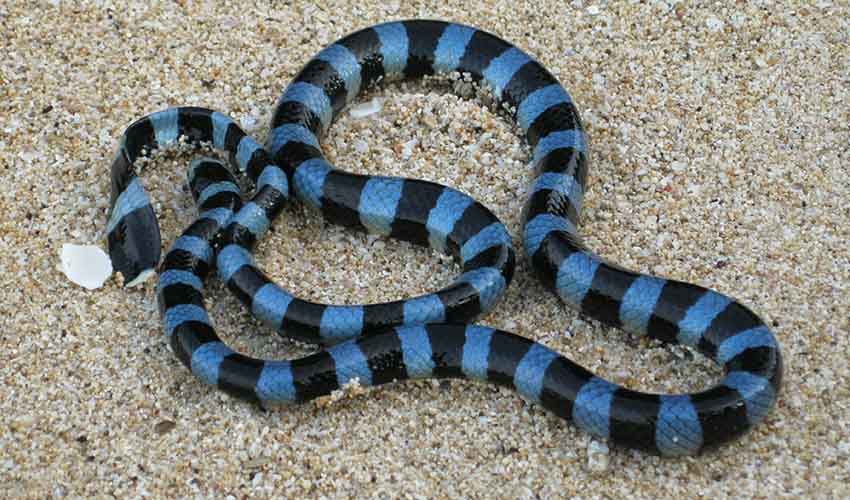
Blue-lipped sea krait
Its lungs are long and extend almost the entire length of its body
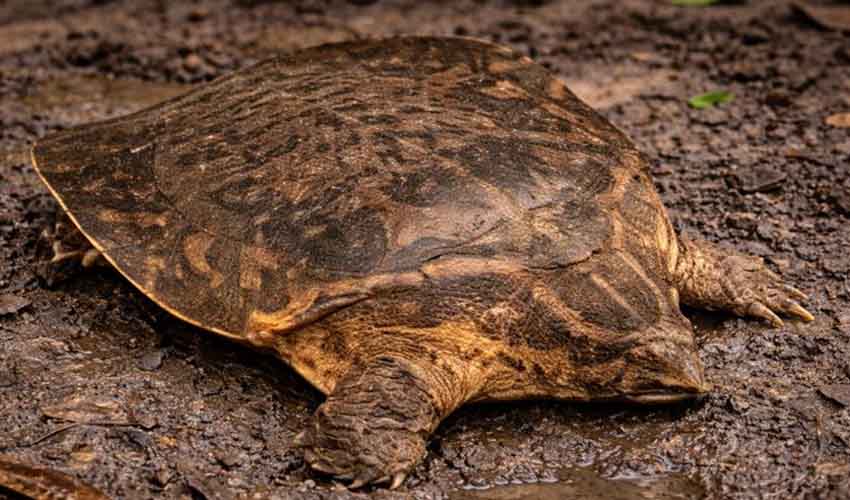
Southern New Guinea giant softshell turtle
Basically a “freshwater manta ray”
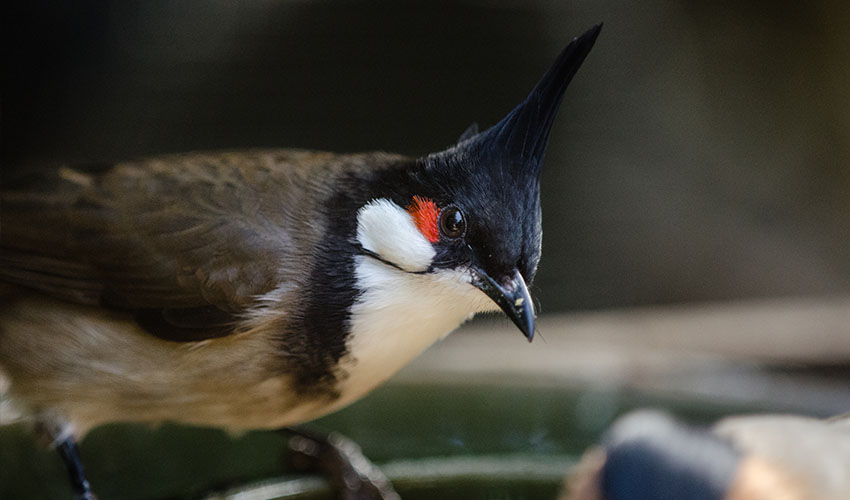
Red-whiskered bulbul
A bird that adds both music and style to any landscape it inhabits

Superb lyrebird
More than just another forest bird—it is a performer, an artist, and an ecological marvel

Eastern rosella
Sometimes nicknamed “living rainbows” or “painted parrots”

Australian king parrot
Their striking red-and-green plumage often gets them compared to Christmas ornaments flitting through the forest

Cockatiel
Expressive crest? Raised high when curious or excited, flattened when relaxed, and tilted back when alarmed

Gang-gang cockatoo
The faunal emblem of the Australian Capital Territory, symbolizing the region’s natural heritage

Palm cockatoo
The only parrot known to create a sound with a tool
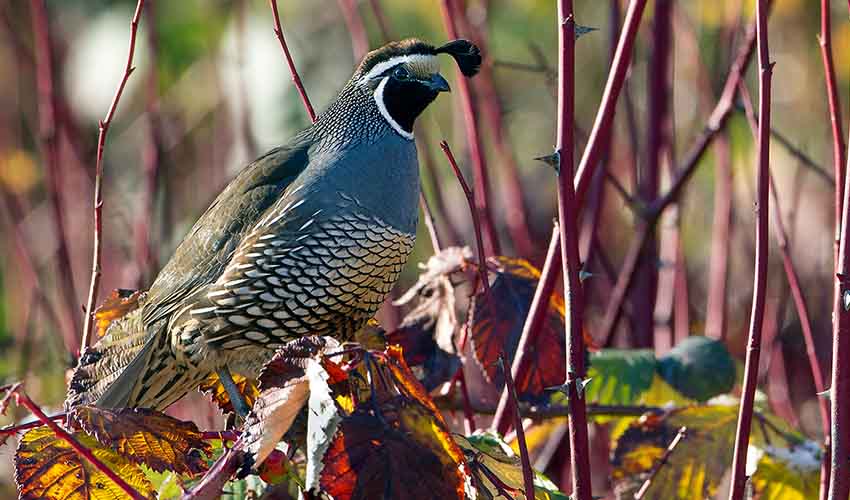
California quail
Their cheerful calls, often described as sounding like they are saying “Chi-ca-go!”
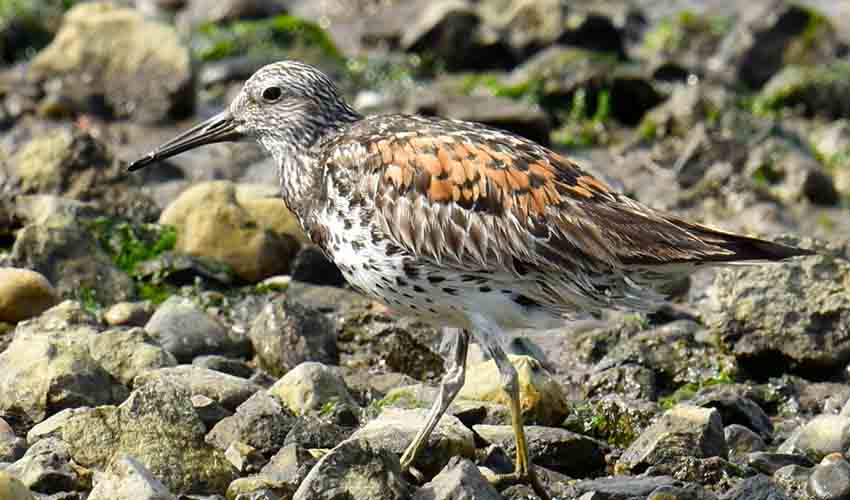
Great knot
Famous for very long migrations between Arctic breeding grounds and coastal wintering areas

Black wallaroo
Most secretive and least known of all the kangaroos

Mahogany glider
Often mistaken as sugar glider though they’re way larger
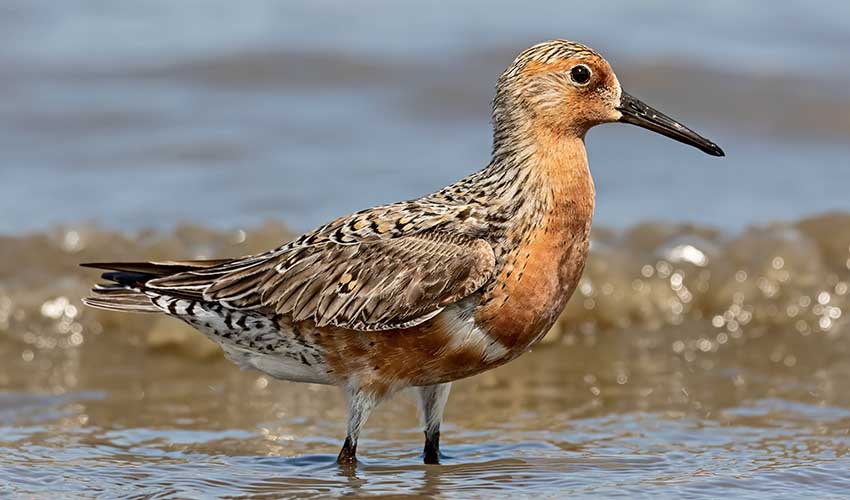
Red knot
In winter, they’re plain grey and white, but in the Arctic summer, they turn into a glowing rusty red

Eastern barred bandicoot
One of the shortest pregnancies of any mammal—just 12 days!
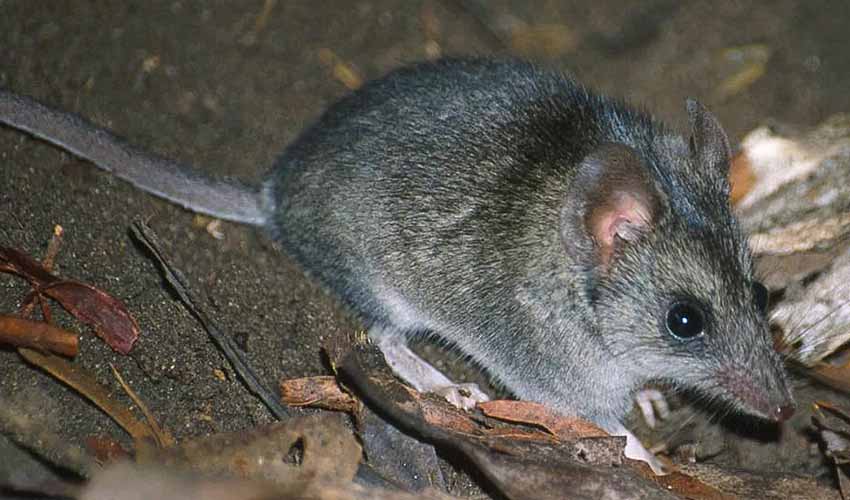
Kangaroo Island dunnart
Nicknamed “phantom of the heath”, appearing only at night and disappearing at the slightest sound
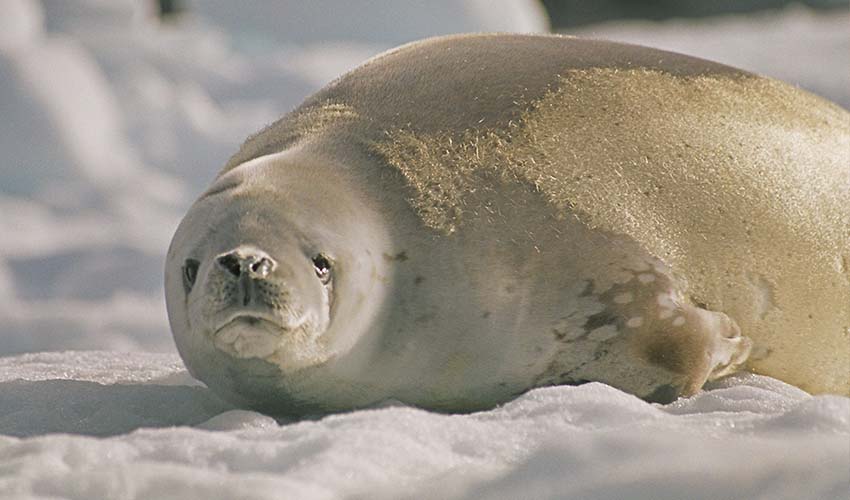
Crabeater seal
Their misleading name comes from early explorers who mistakenly thought they fed on crabs

Giant burrowing frog
It’s rarely seen—most people know it only by its mysterious voice after heavy rains

Central bearded dragon
Its beard isn’t just for show — they use it to communicate a variety of emotions

Eastern bearded dragon
When basking, they often sit upright and open their mouths wide, almost like they’re smiling at the sun
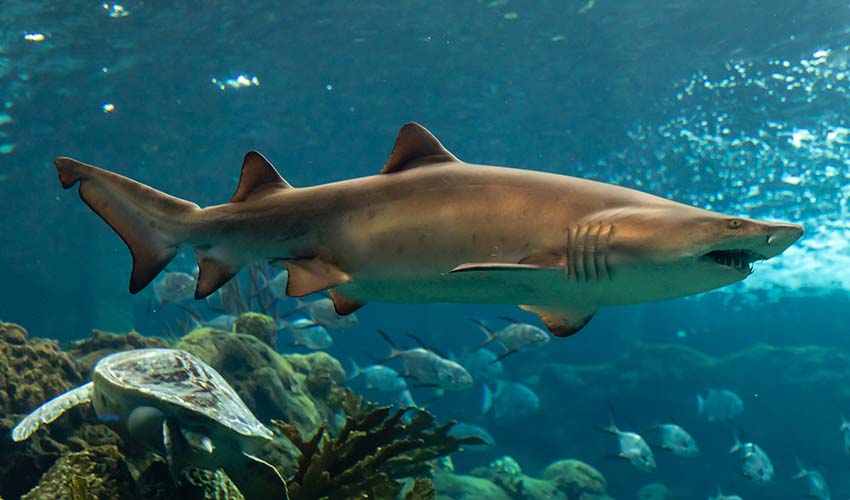
Sand tiger shark
May look like villains, but in truth, they’re peaceful giants of the sea

Long-nosed bandicoot
Their snout isn’t just long—it’s super mobile, letting them “probe” into small gaps in soil and leaf litter
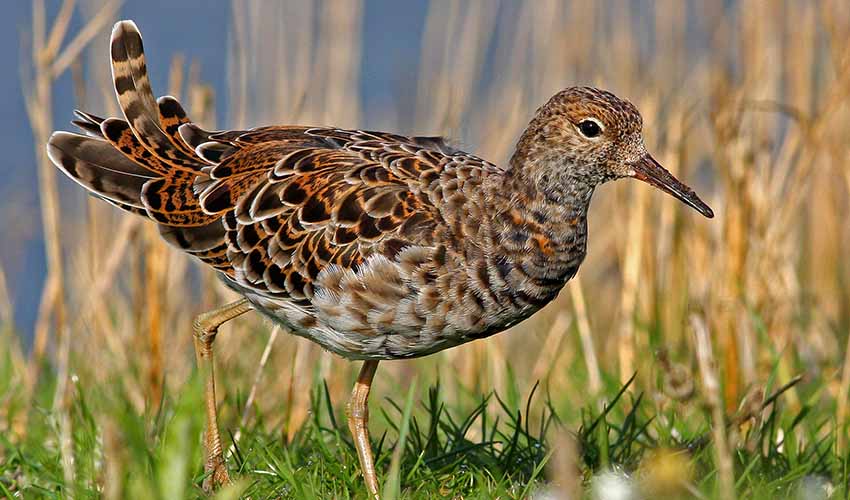
Ruff
Looks ordinary—but transforms into one of the most extravagant birds during breeding season

Gilbert’s dunnart
Looks mouse-like, but it’s a true marsupial—and a predator—built for pouncing on insects rather than nibbling seeds

White-footed dunnart
Looks like a dainty grey mouse in white socks, but it’s a tiny carnivorous marsupial, not a rodent

Slender-tailed dunnart
May look like a mouse, but it’s a carnivorous marsupial—just mini-sized

Baudin’s black cockatoo
Nicknamed “fruit thieves”— use their beaks to pierce apples and pears

Carnaby’s black cockatoo
Its pale cheek patch helps tell it apart from other black cockatoos

Yellow-tailed black cockatoo
Hanging upside down while feeding is common and shows off their strength and balance
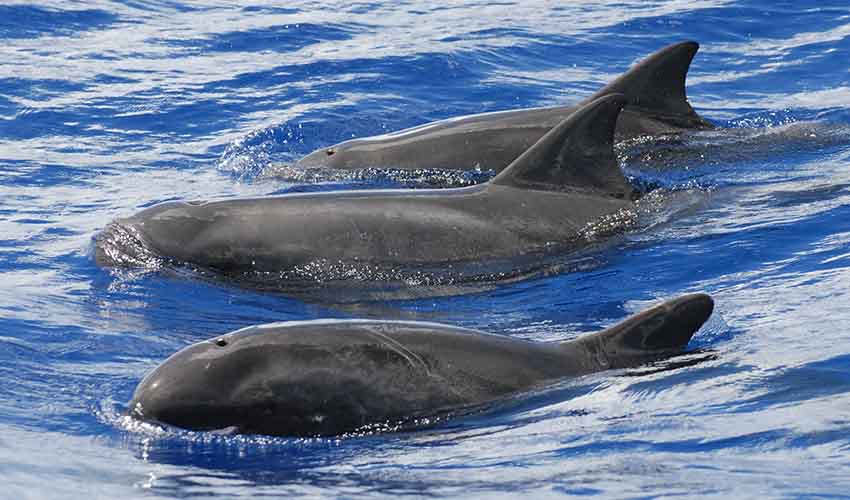
Pygmy killer whale
One of the lesser-known members of the dolphin family, despite its dramatic name

Taurus scarab
Guinness World Record holders among animals for “strongest relative to body weight”

Jacky dragon
Australia’s pocket-sized “tree dragon”

Barking owl
Sometimes it lets out a scream so human-like, people mistake it for someone in distress
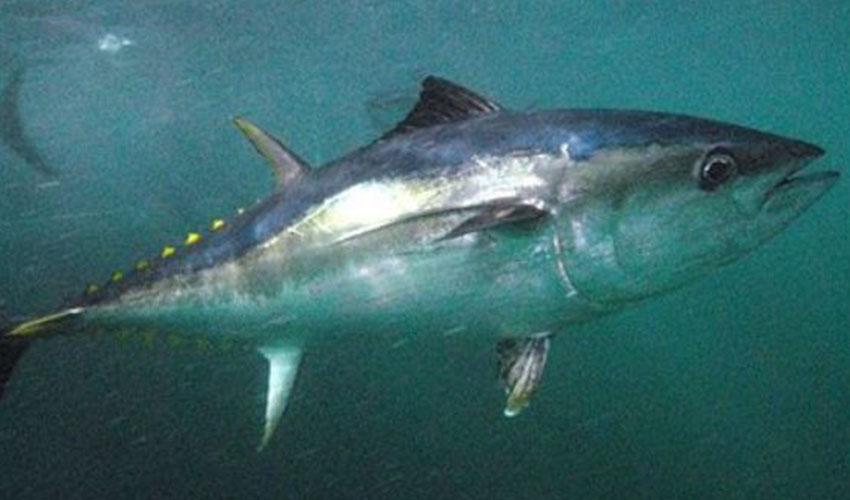
Southern bluefin tuna
One of the fastest and deepest-diving tunas
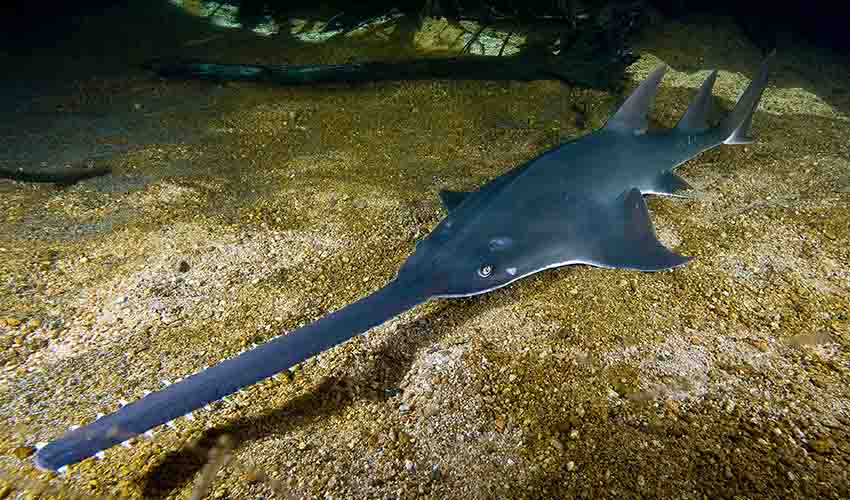
Largetooth sawfish
The only sawfish known to spend long stretches of its life in freshwater lakes, not just rivers or coasts
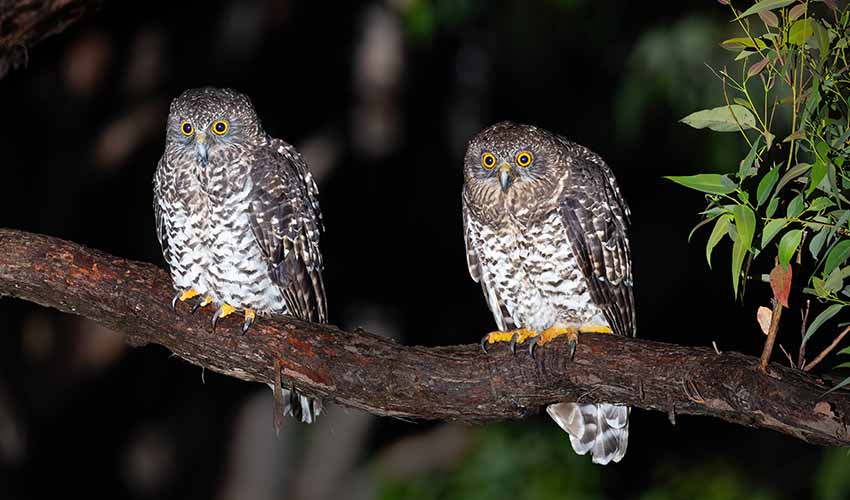
Powerful owl
The heaviest owl in Australia, not just the largest

Chambered nautilus
With a shell that tells the story of life on Earth from hundreds of millions of years ago
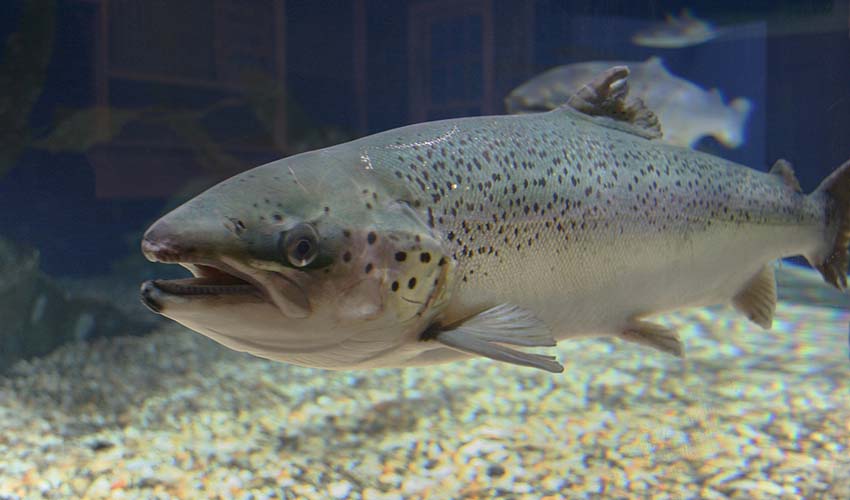
Atlantic salmon
Travels with nature’s GPS: a magnetic compass and a nose that never forgets home

Western long-beaked echidna
One of the very few egg-laying mammals left on Earth, along with the platypus
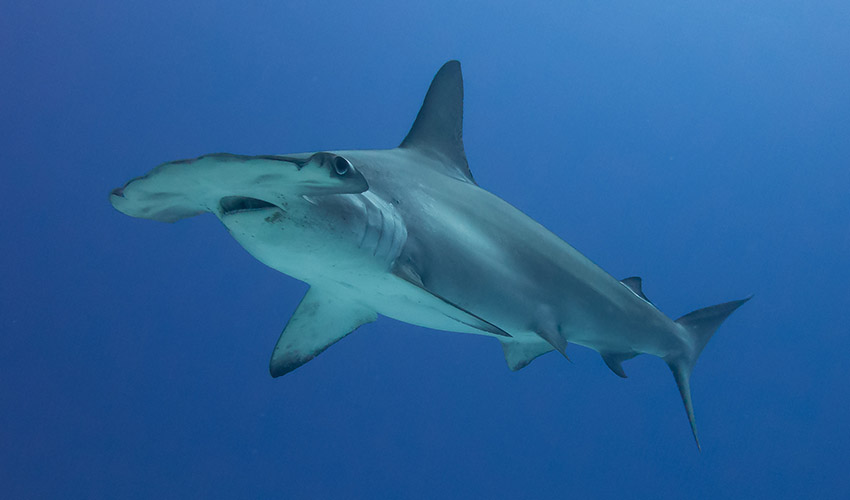
Scalloped hammerhead
Their skin actually darkens, just like a sunburn!
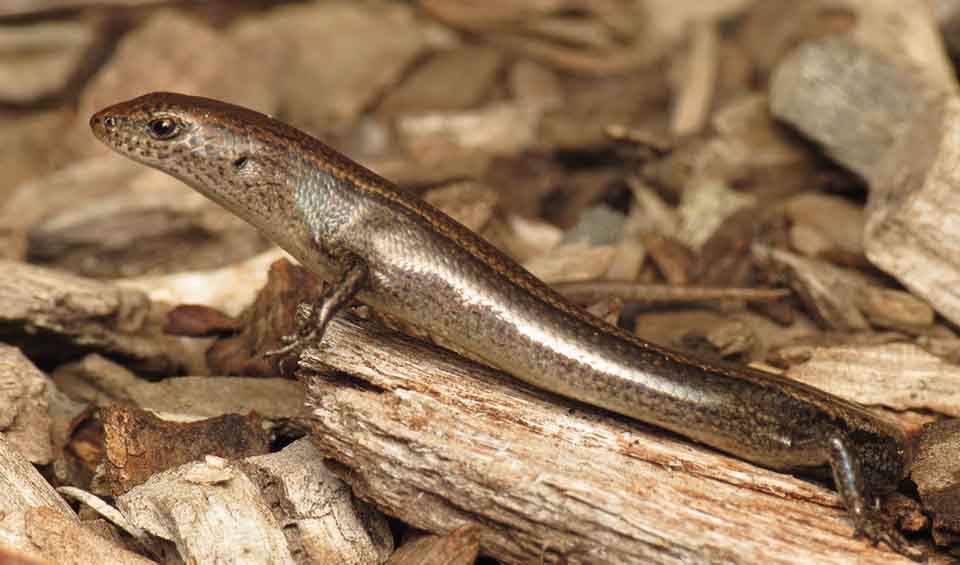
Rainbow skink
One second they’re there — blink — and it’s just tail dust
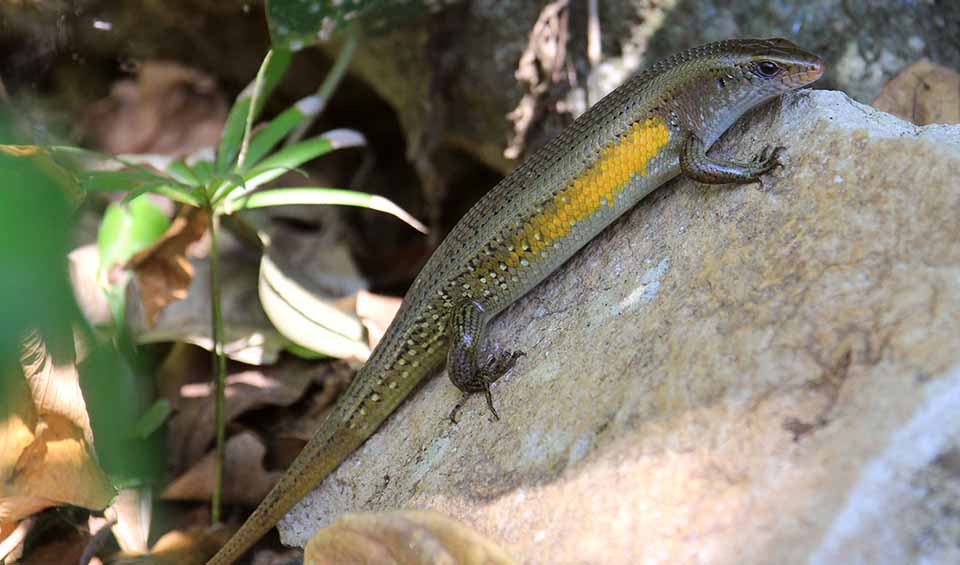
Common mabuya
You might’ve already seen one in your backyard
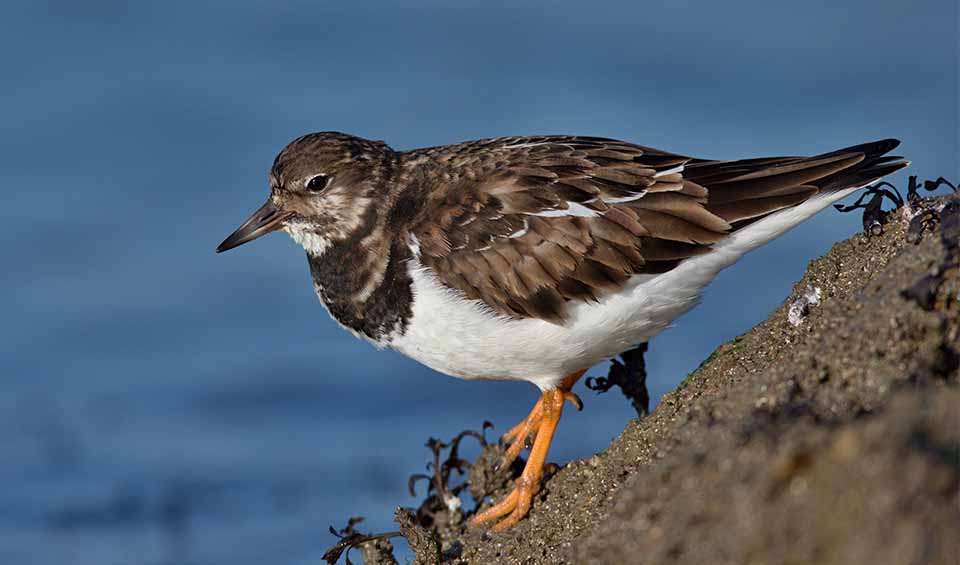
Ruddy turnstone
They flip the script — literally!
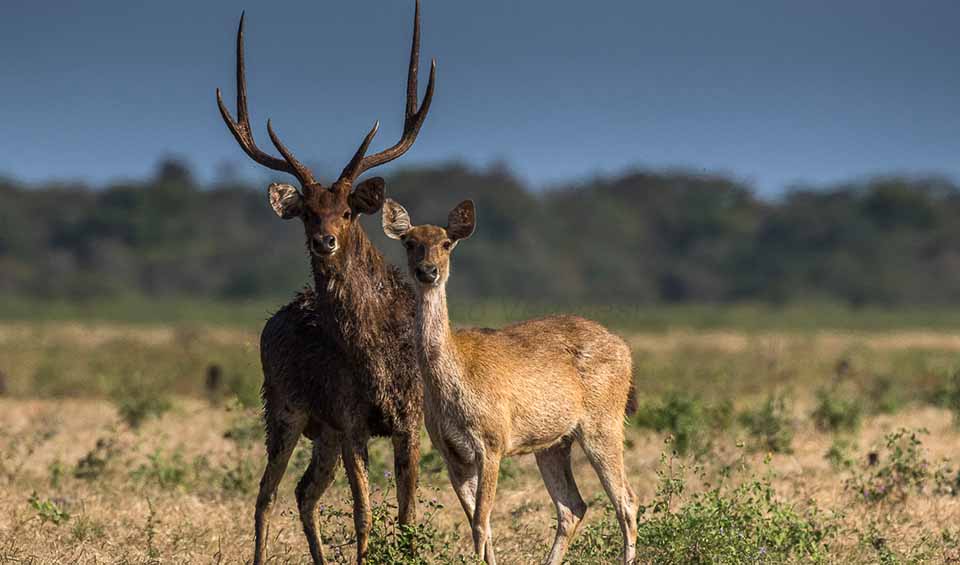
Javan deer
Featured in Indonesian national parks and conservation symbols, making them a wildlife ambassador for the country
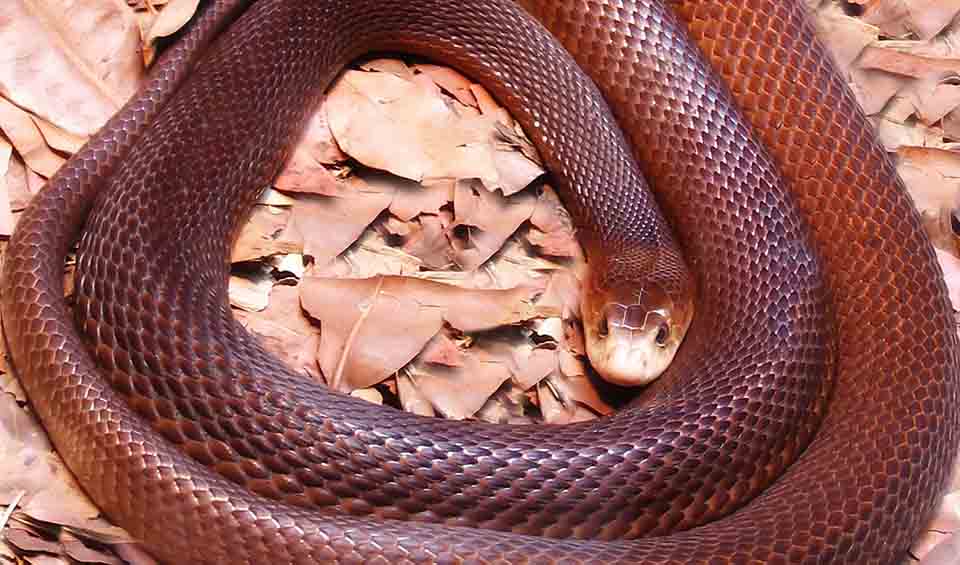
Coastal taipan
Often considered Australia’s most dangerous snake due to the potency of its venom

Australian brushturkey
Bold, resourceful, and not too bothered by humans, especially in urban areas

Cape Barren goose
Their bright beak, grumpy honks, and confident waddles make them stand out in any landscape

Black swan
Once thought to be mythical by Europeans
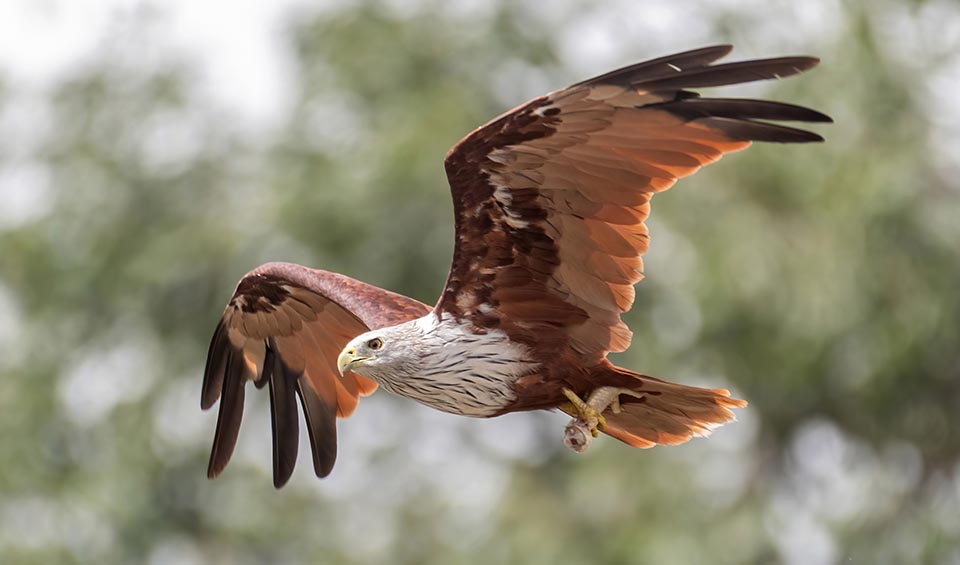
Brahminy kite
Sometimes seen snatching food in mid-air or stealing prey from other birds — a behavior known as kleptoparasitism
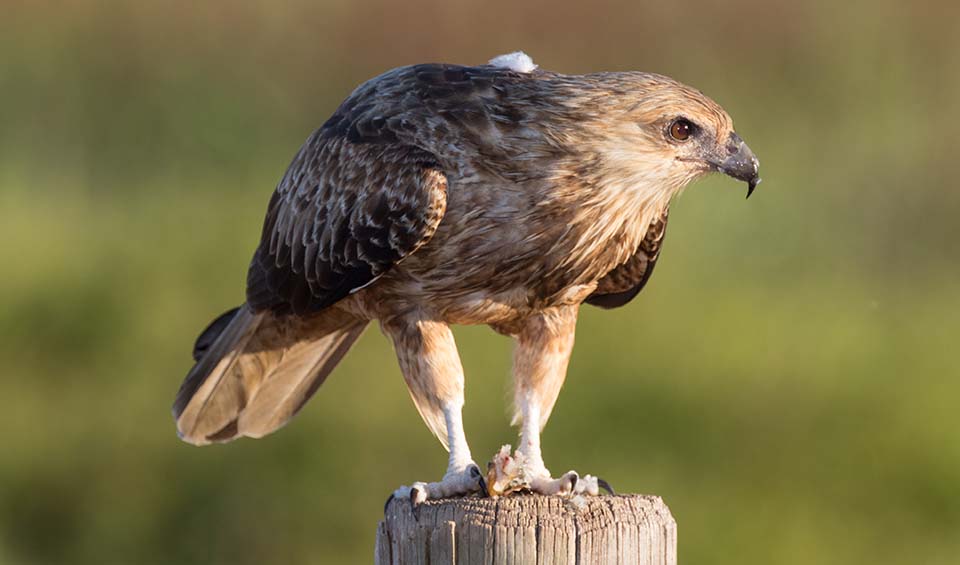
Whistling kite
One of Australia’s most iconic birds of prey — and yes, it really does whistle!

Grey goshawk
Powerful flyers with sharp eyes that can spot the tiniest movement from high above

Blotched blue-tongued lizard
Famous for its short legs, sausage-shaped body, and of course, its bold, bright blue tongue

Australian water dragon
Can hold their breath underwater for up to 90 minutes!
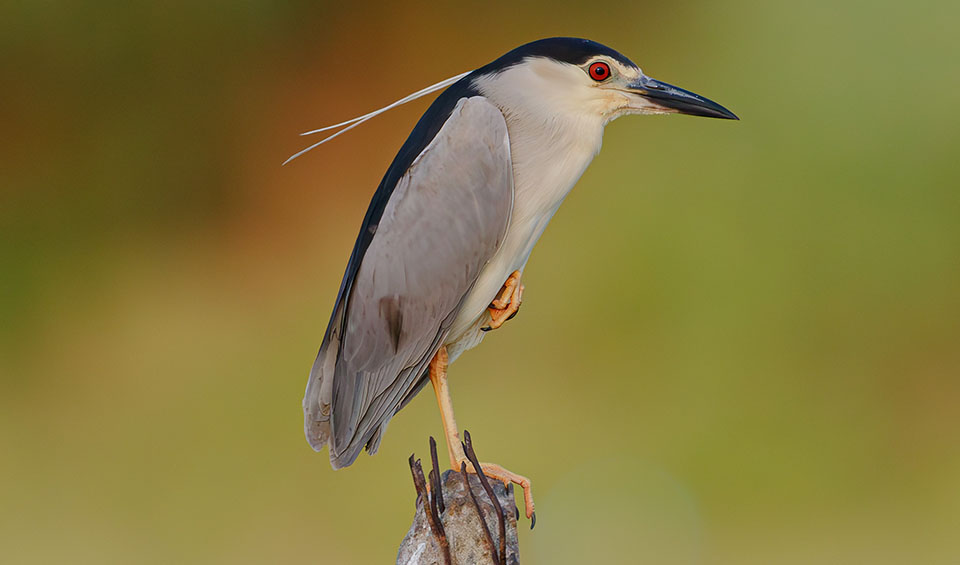
Black-crowned night heron
One of the most widespread and adaptable herons in the world

Amethystine python
their skin’s metallic sheen isn’t from pigment — it’s caused by microscopic structures in the scales that reflect light

Red-legged pademelon
Known for their “freeze and flee” behavior — staying motionless to avoid detection before suddenly bounding away into the bushes

Red-necked pademelon
That warm rusty-red patch around the neck and shoulders can look like it is wearing a tiny scarf

Tasmanian pademelon
Often described as a mini kangaroo

Eastern quoll
Look somewhat like a spotted cat or weasel but they are marsupials

Northern quoll
Often use rooftops and sheds in towns as their hunting grounds, earning them the nickname “marsupial cats”
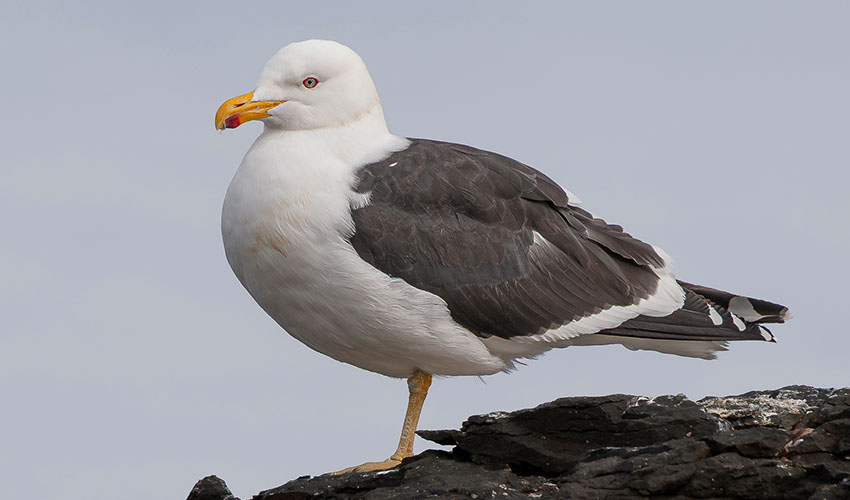
Kelp gull
When faced with hard-shelled prey, this gull simply flies up and drops it onto rocks — no tools, no problem
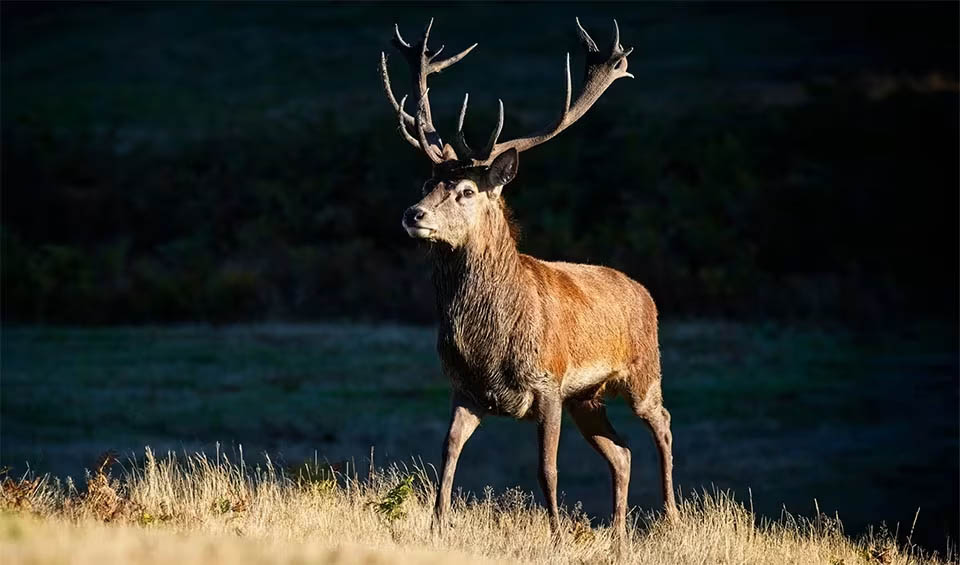
Red deer
Not only one of the largest deer species but also among the most majestic
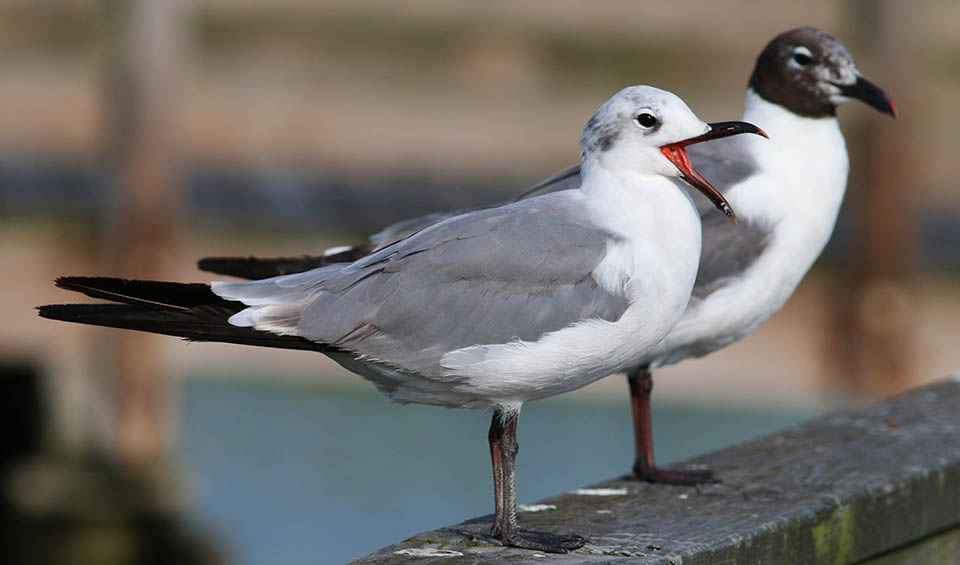
Laughing gull
Once you’ve heard them laugh, it’s hard to forget!
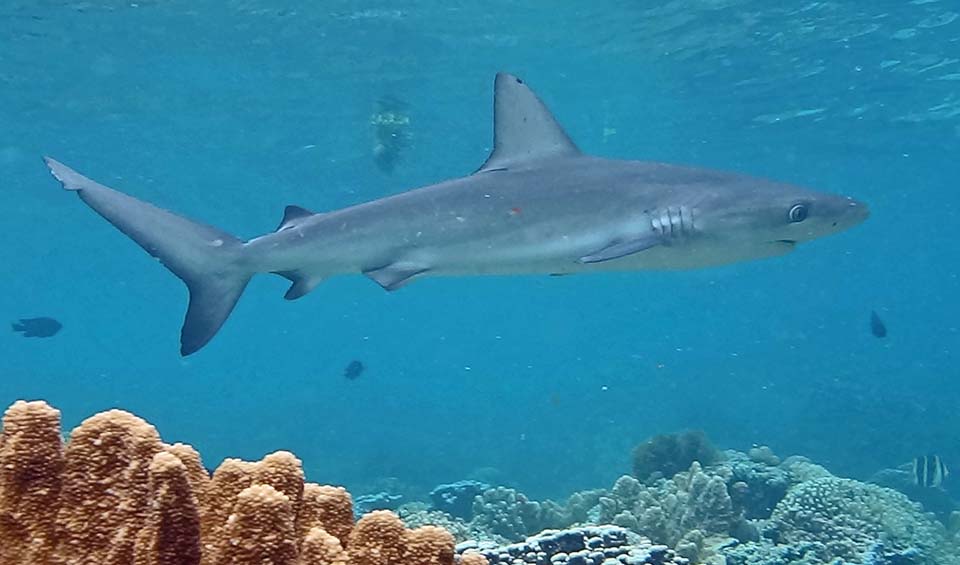
Galapagos shark
Believed to use Earth’s magnetic field to help them navigate vast ocean distances

Mountain pygmy possum
Scientists thought it was extinct until a live one turned up in 1966

Mary River turtle
People love their punk-rock look and gentle nature
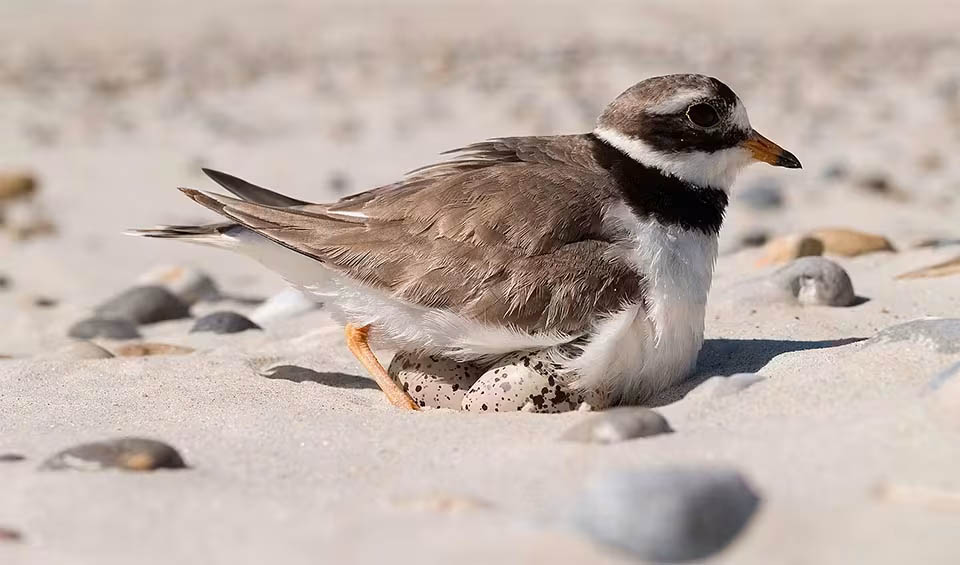
Common ringed plover
This bird taps its feet to imitate rain to make the prey reach the surface
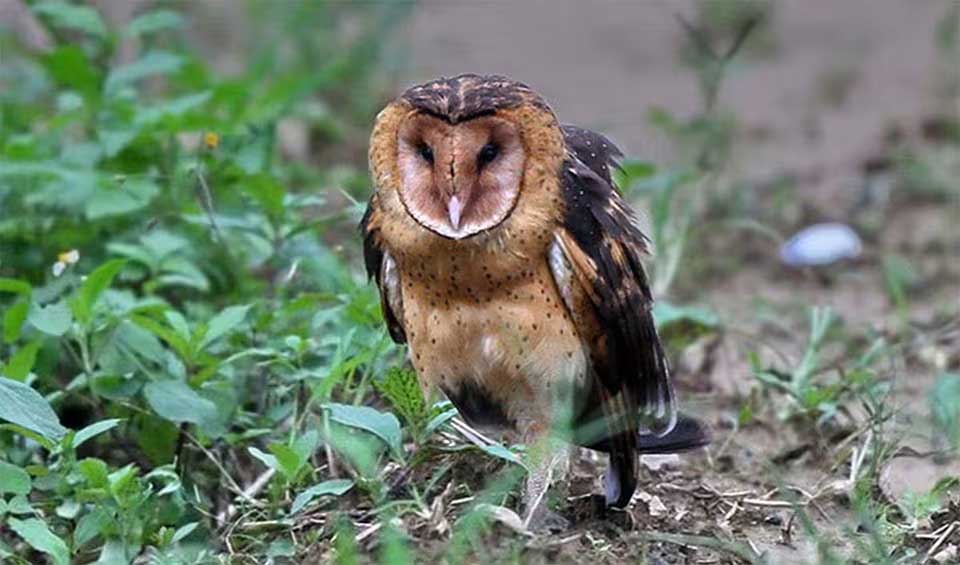
Australian grass-owl
This shy, nocturnal predator spends its life in open areas of grassland and cane fields but is rarely seen

Barau’s petrel
It’s a seabird that nests in the mountains

Gould’s petrel
Can produce a rich oil that’s perfect for feeding chicks on long trips (high energy, easy to carry)

White-necked petrel
Known for their fast, direct flight, unlike the slow gliding of larger seabirds

Spectacled flying fox
Those “spectacles” aren’t actual markings around the eyes — it’s a pale fur

Grey falcon
Presenting one of the world’s rarest falcons!

Black falcon
All-black… but not really
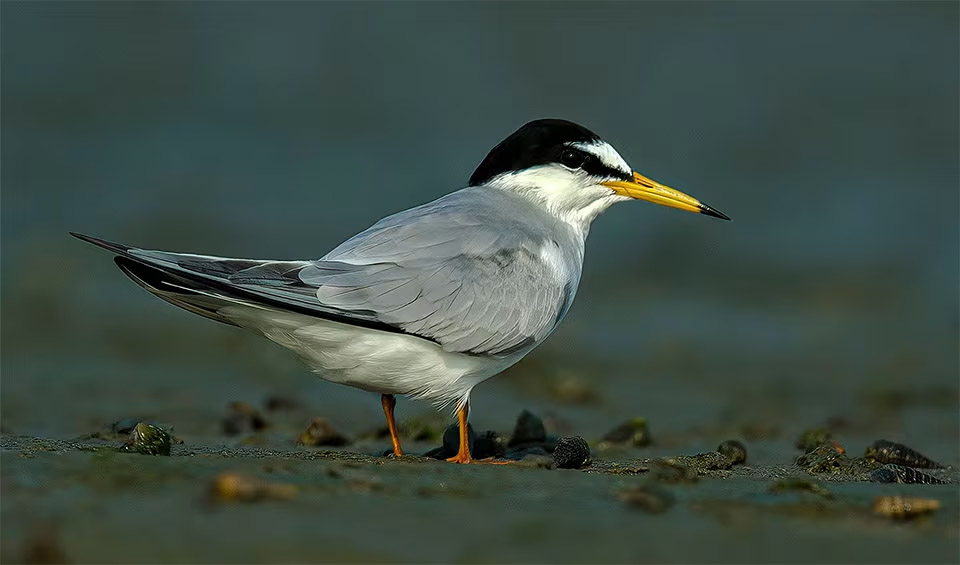
Little tern
Renowned for their spectacular aerial displays during courtship, including steep dives and intricate flight patterns
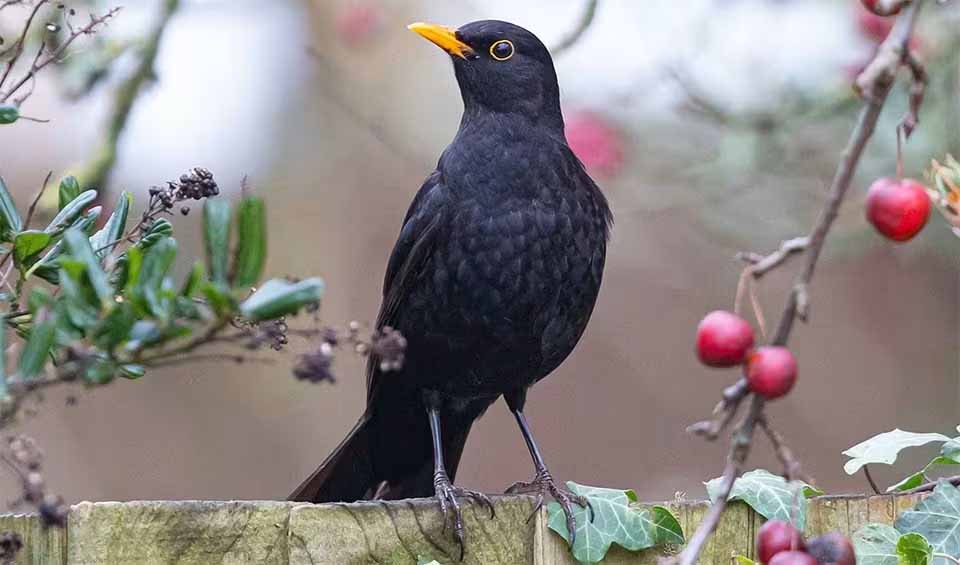
Common blackbird
Arguably among the most beautiful songbirds in the world — they enjoy singing after a rain shower
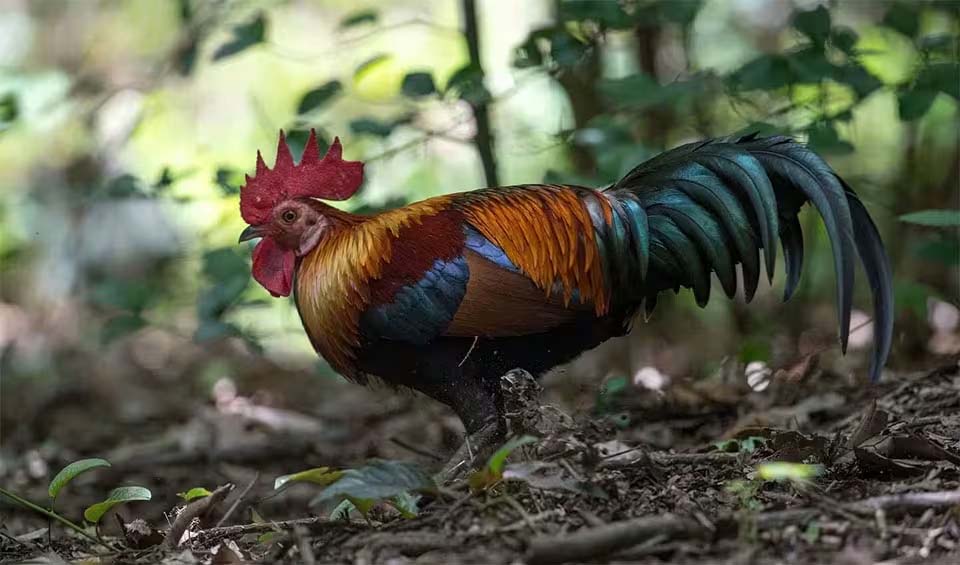
Red junglefowl
Native to Asia where they were first domesticated, the ancestors to all our chickens

Australasian swamphen
With their long legs, they navigate through dense vegetation, mud, and shallow water effortlessly
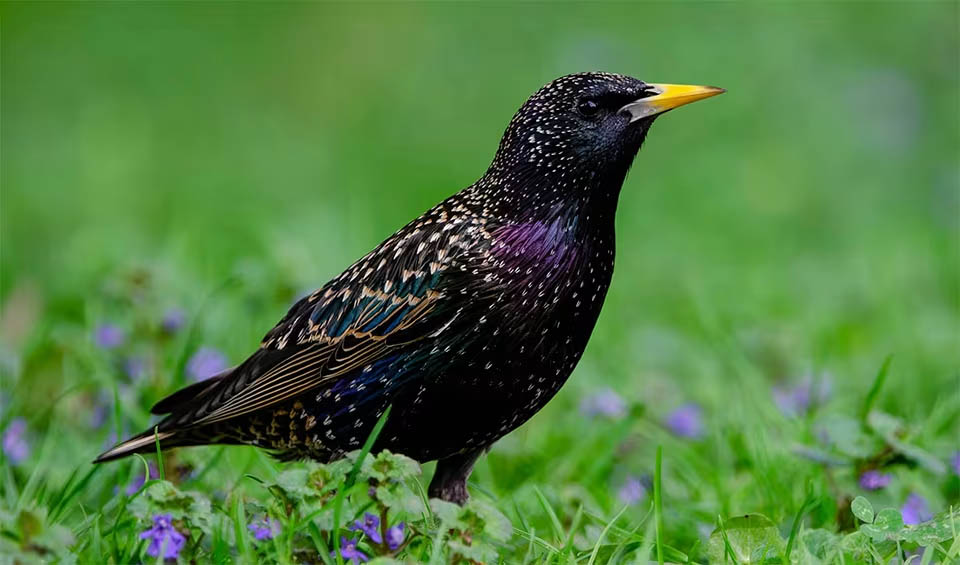
European starling
Brilliant mimics, they can copy bird calls and even human-made sounds like car alarms and ringing phones!
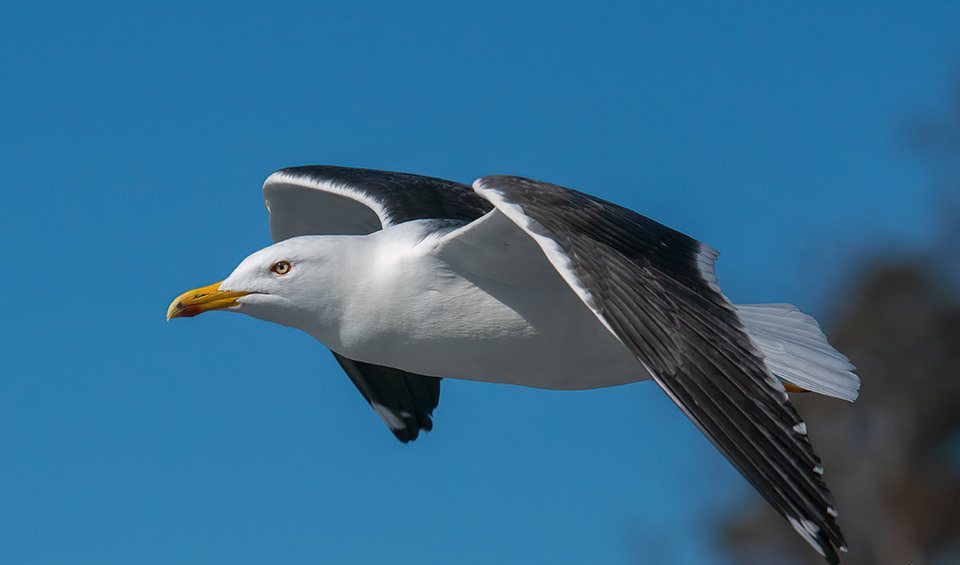
Lesser black-backed gull
A common sight in coastal regions throughout the Northern Hemisphere

King brown snake
One of the longest land snakes in the world, and its venom is highly potent

Common death adder
With a venom that is significantly more potent than that of the inland taipan

Eastern brown snake
Famous for being one of the most venomous land snakes in the world

Desert death adder
The tail-tip lure is so convincing that lizards often approach it assuming it’s a worm or insect
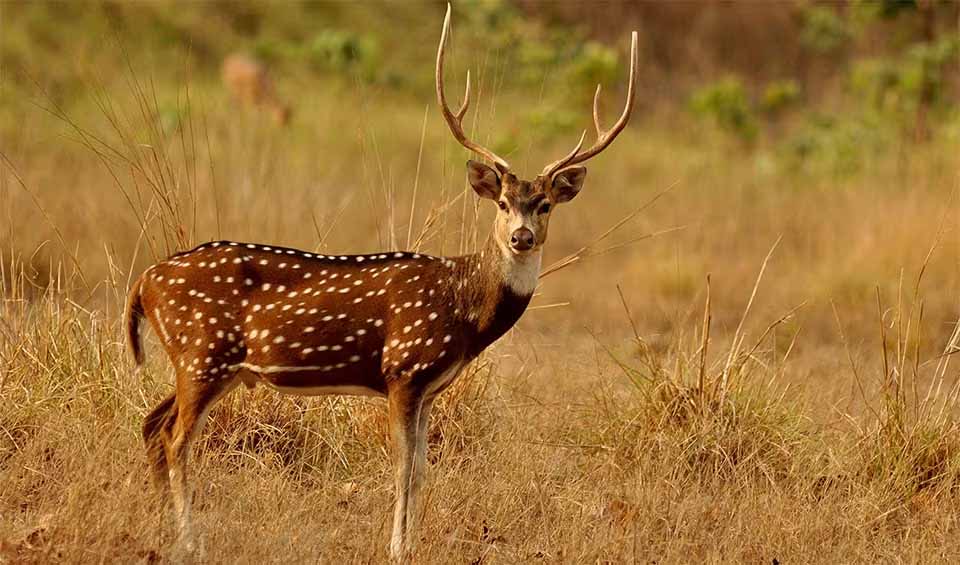
Chital
Also known as “barking deer” because of their loud, barking alarm calls
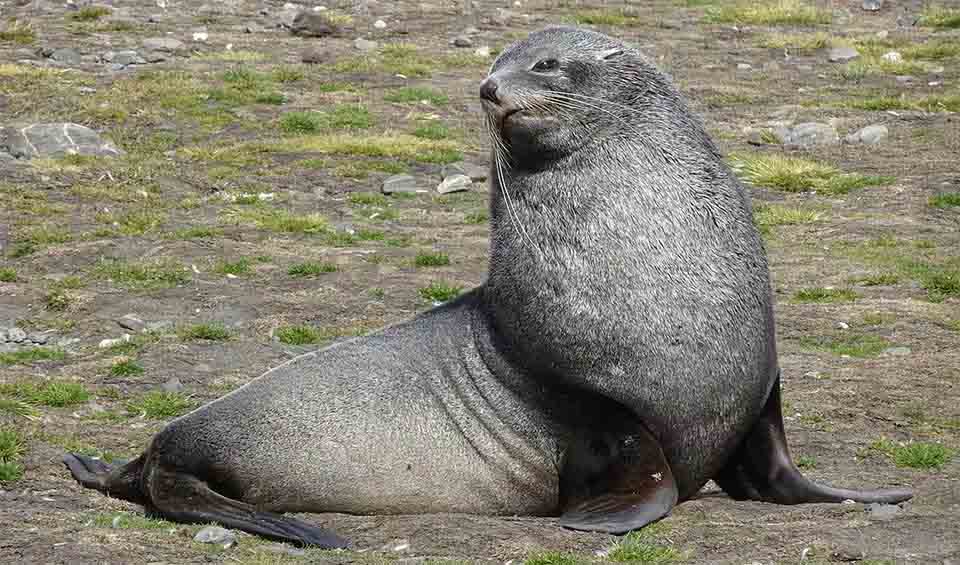
Antarctic fur seal
Has one of the warmest fur of any mammal
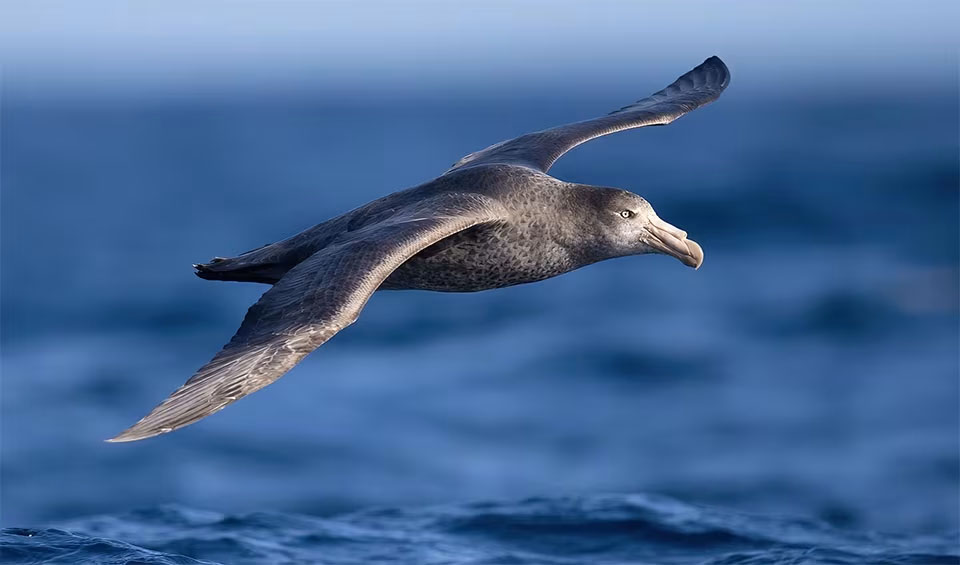
Northern giant petrel
Well-adapted to the cold Arctic climate and can withstand temperatures as low as -50°C (-58°F)

Little red flying fox
Despite its name, this bat isn’t tiny—it’s actually one of the smaller members of the flying fox family
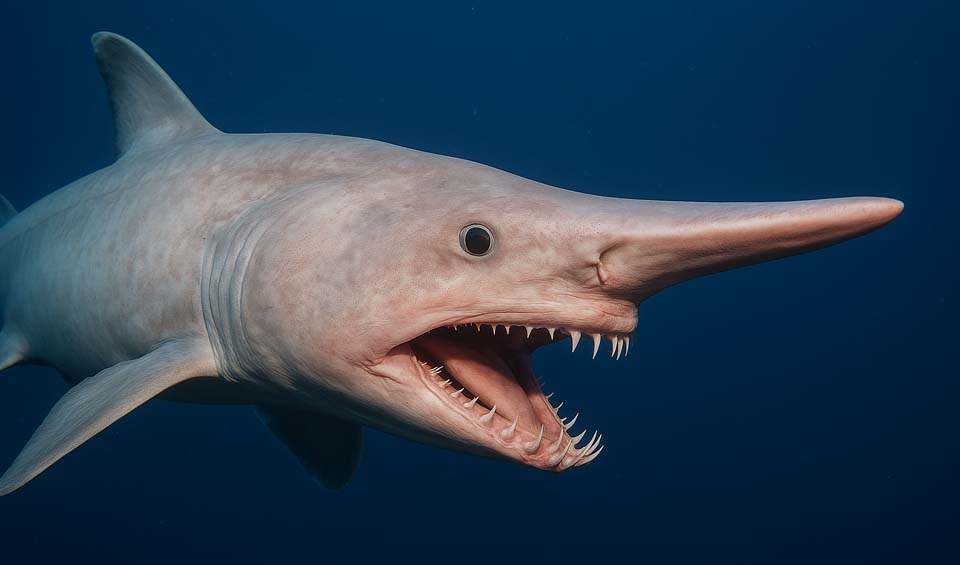
Goblin shark
Its appearance is what really sets it apart—it looks like something straight out of a science fiction movie
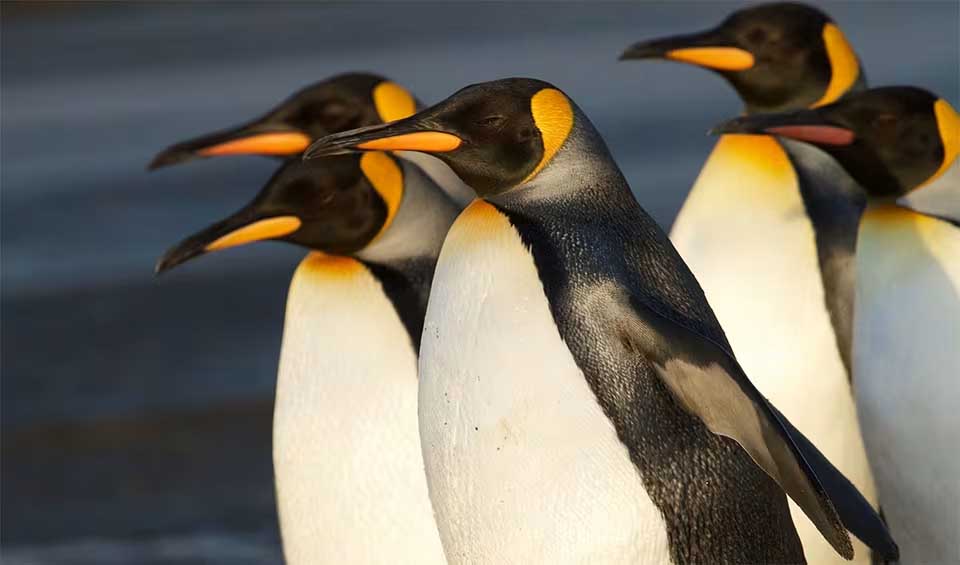
King penguin
With their stately waddle and regal demeanor, they are the undisputed monarchs of the Antarctic ice

Southern giant petrel
Often called the “vulture of the seas” because of its scavenging habits
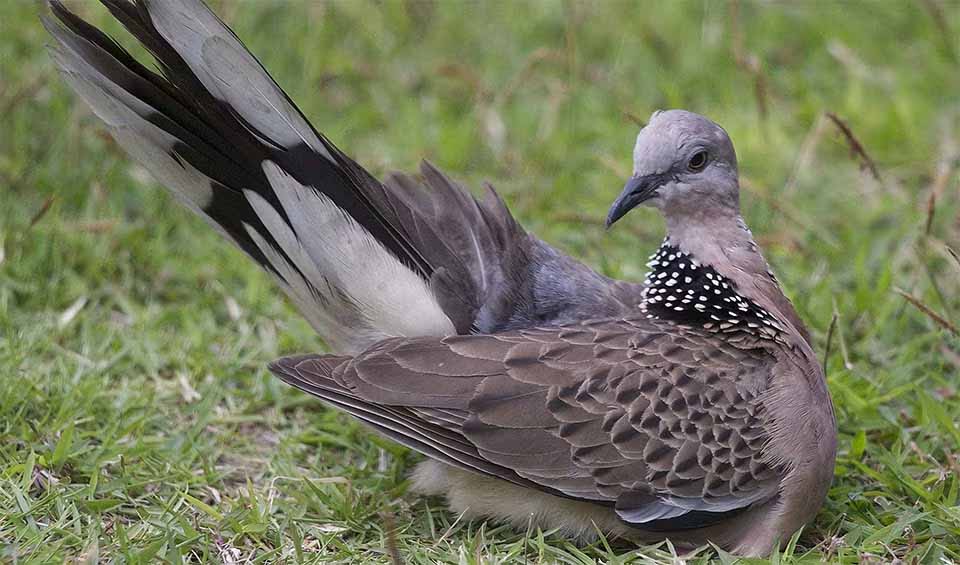
Spotted dove
A delightful bird with a calm and peaceful nature

Carpet python
Despite their intimidating size, they are generally gentle and docile creatures
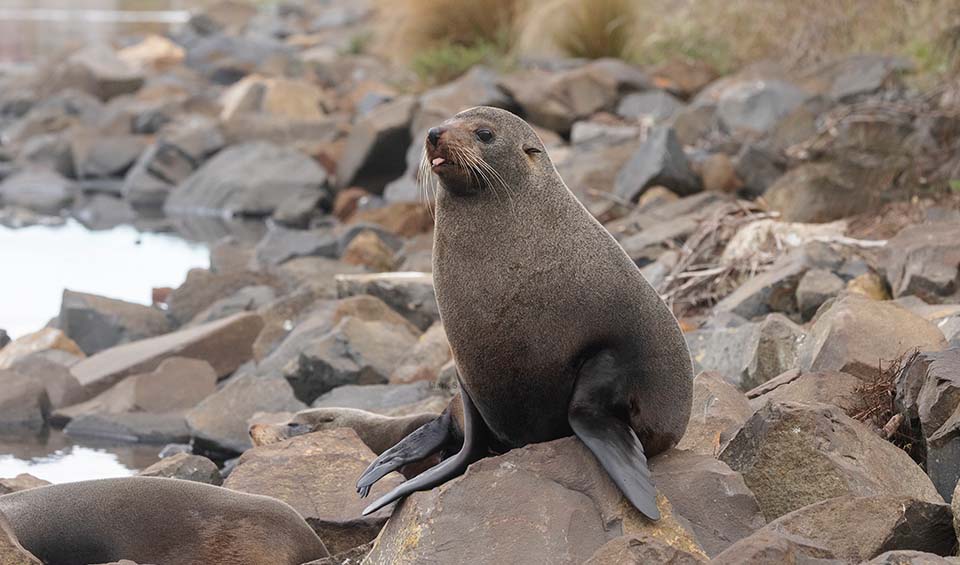
Brown fur seal
Aren’t just rocking a single fur coat; they’ve got a double-layered defense against the elements

Adelie penguin
A small, but mighty bird dressed in a tuxedo and living in one of the coldest places on Earth

Shingleback lizard
Got a funny look, with a short, round body covered in bumpy scales, kind of like a tiny dinosaur
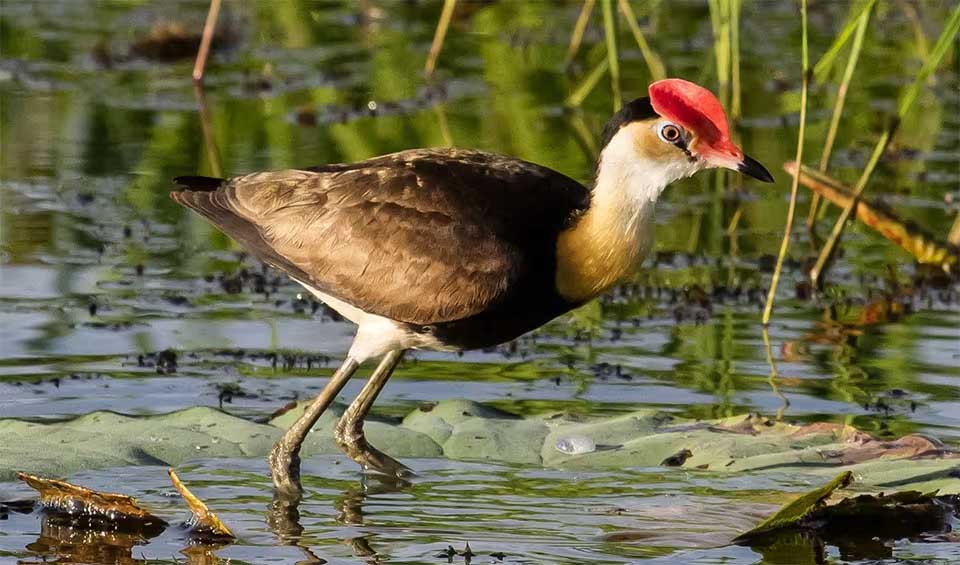
Comb-crested jacana
A tiny water walker, perfectly designed for life on floating plants in swamps and lakes

Western blue-tongued lizard
Its bite is powerful enough to crush snail shells with ease—an unusual talent among lizards
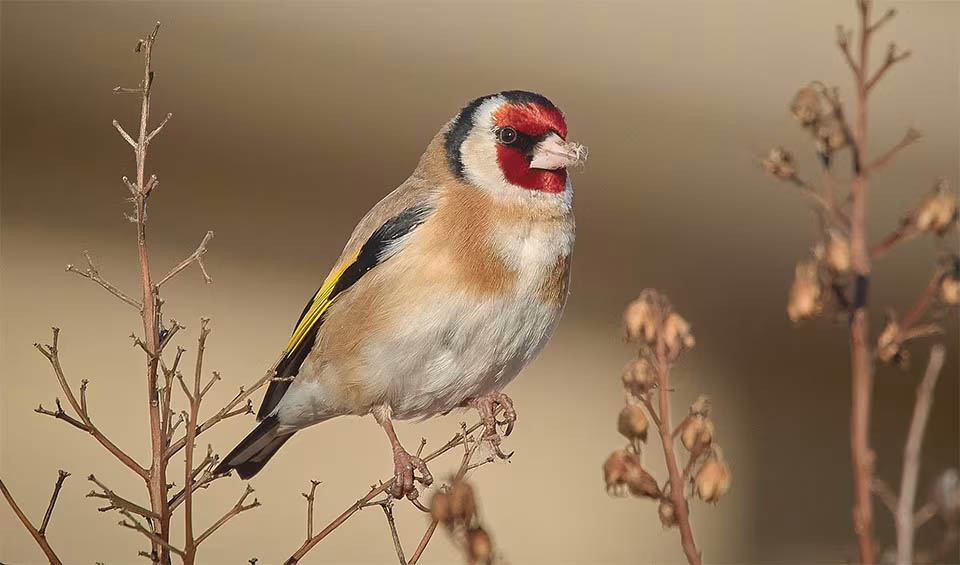
European goldfinch
Can hang upside down while feeding!
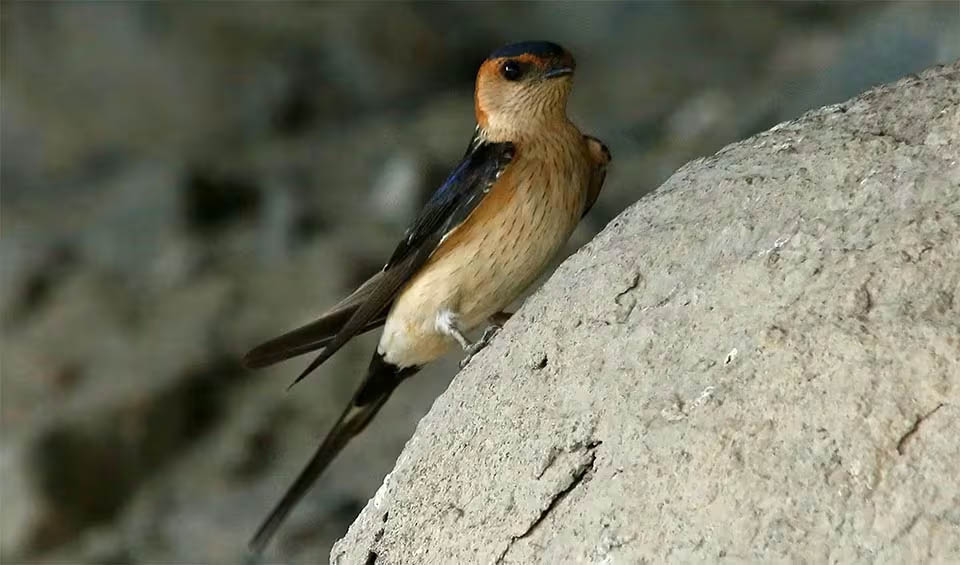
Red-rumped swallow
Amazing flyers — they can even drink water while they’re flying!

Australian pelican
These birds have been recorded to fly at 3000 meters (9850 ft)

Greater bilby
With a tongue that is perfect for slurping up ants and termites
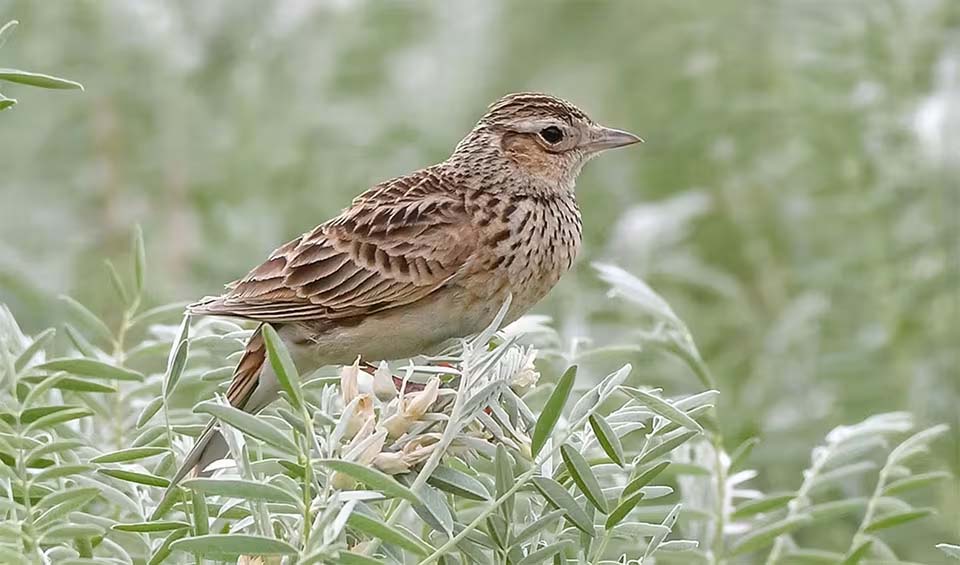
Eurasian skylark
They might not look like much, but they have an incredible talent: singing!

Southern greater glider
Often called the “clumsy possum” due to its awkward movements when it’s not gliding between trees

Frilled lizard
It doesn’t bite or have any poison; its transformation is just a big bluff!

Sugar glider
Small, furry creatures that look like tiny squirrels

Quokka
Looks like they’re always happy that’s why people call them the “world’s happiest animal”

Hourglass dolphin
Often called the “sea panda” of the southern seas
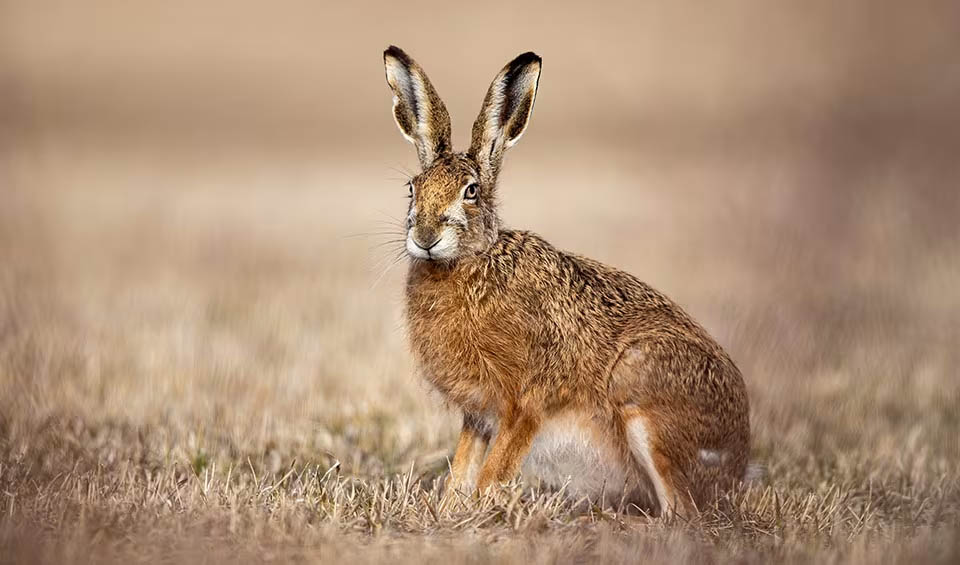
European hare
Unlike rabbits, they don’t live in burrows, instead, they make shallow nests in the grass called forms
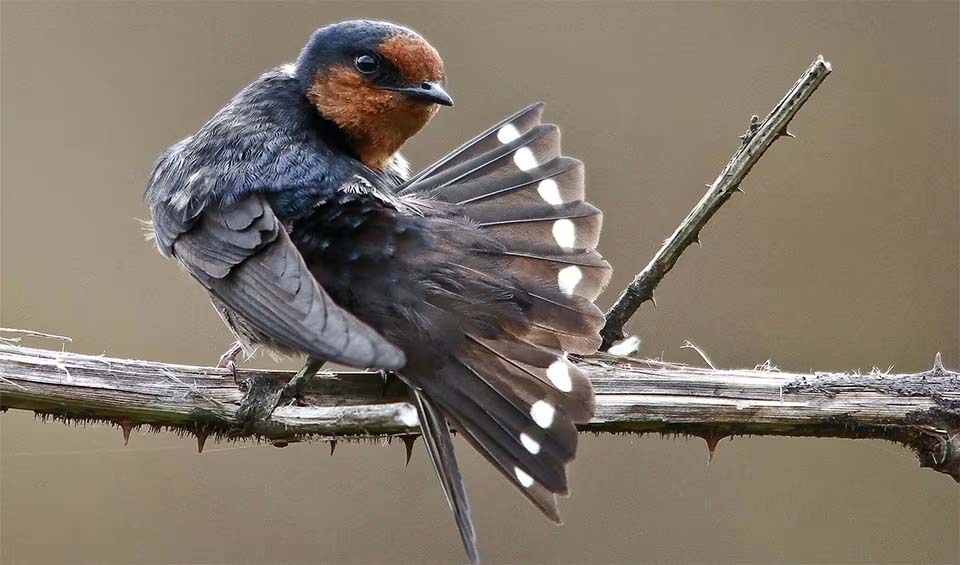
Barn swallow
Most common and widely distributed swallow globally

Banded lapwing
Thrives in dry inland areas where few other wading birds can live

Gouldian finch
No bigger than your hand but it boasts a plumage as colorful as a rainbow
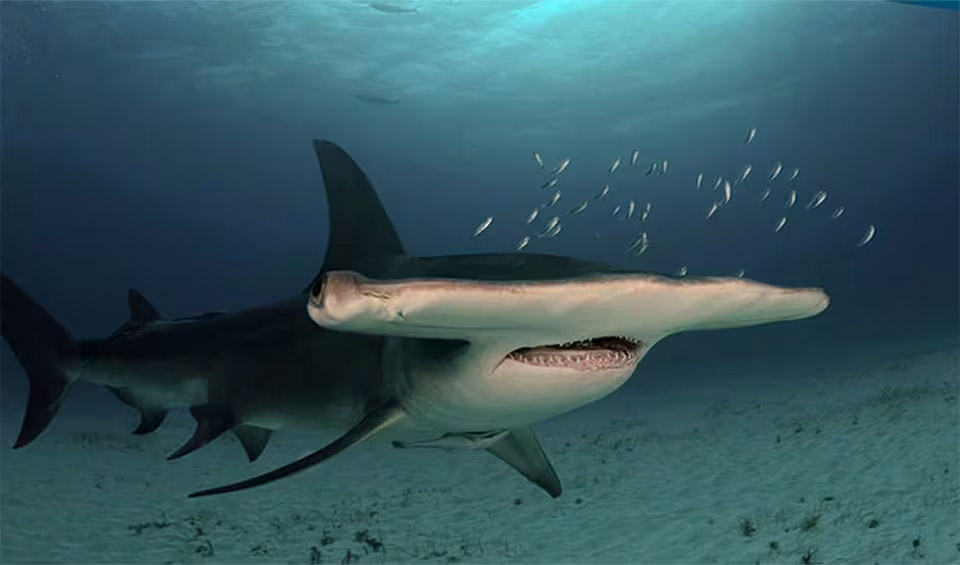
Great hammerhead
The biggest of all the hammerhead sharks, with a massive head that looks like a giant, flat hammer

Green tree python
When they’re babies, they’re not green at all! They can be bright yellow, red, or even orange

Crucifix toad
Unlike most frogs that love hopping around on lily pads, this one spends most of its life underground, a real dirt dweller
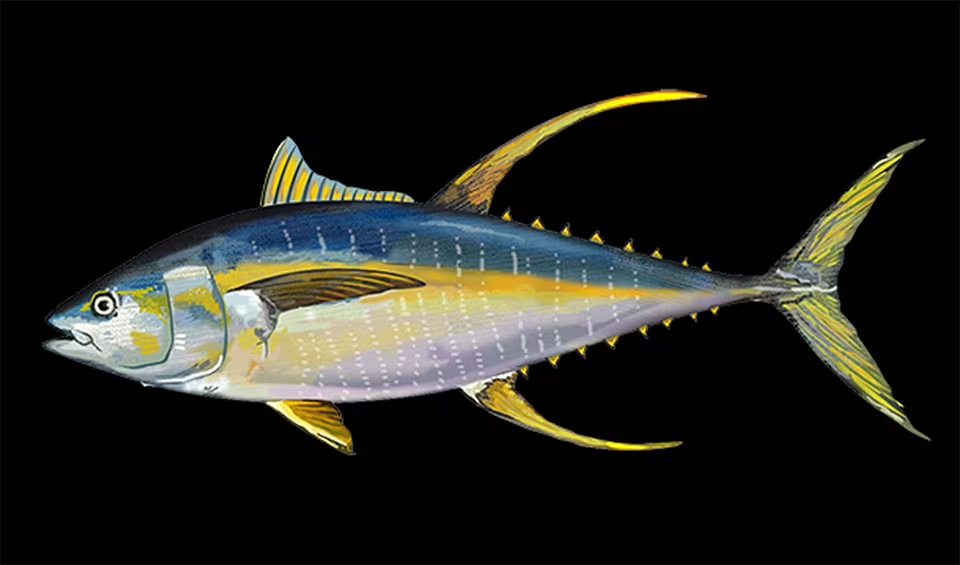
Yellowfin tuna
Popular food fish, prized for its mild flavor and firm texture
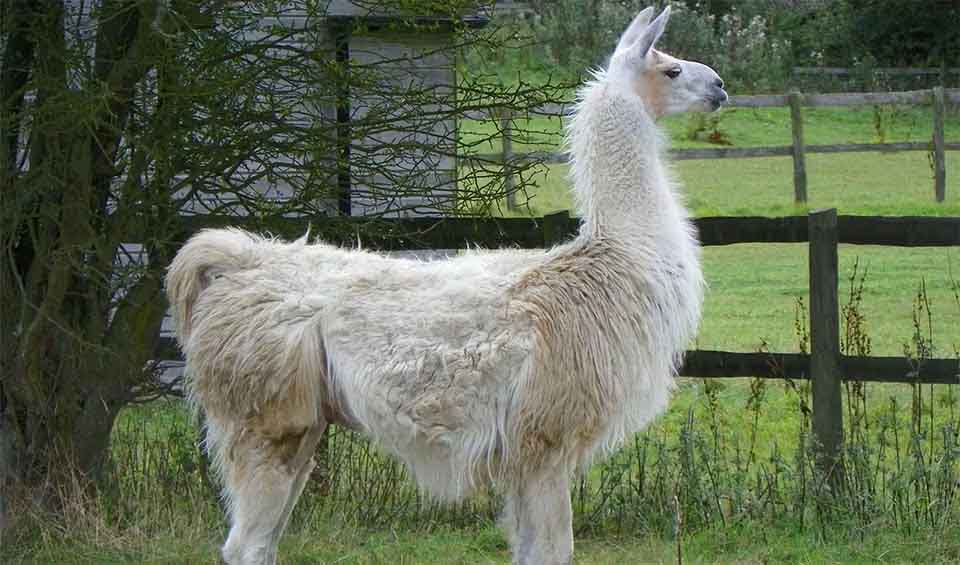
Llama
Think of camels, but minus the hump!

White tern
Often called “Fairy Terns” or “Angel Terns” Because of their pure white plumage and graceful flight
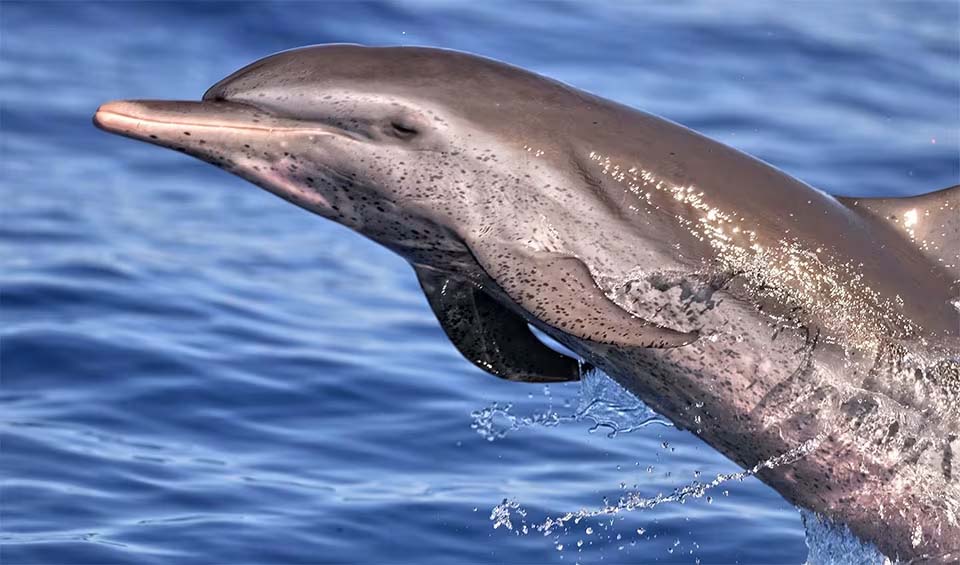
Pantropical spotted dolphin
A champion swimmer and a social butterfly of the warm seas
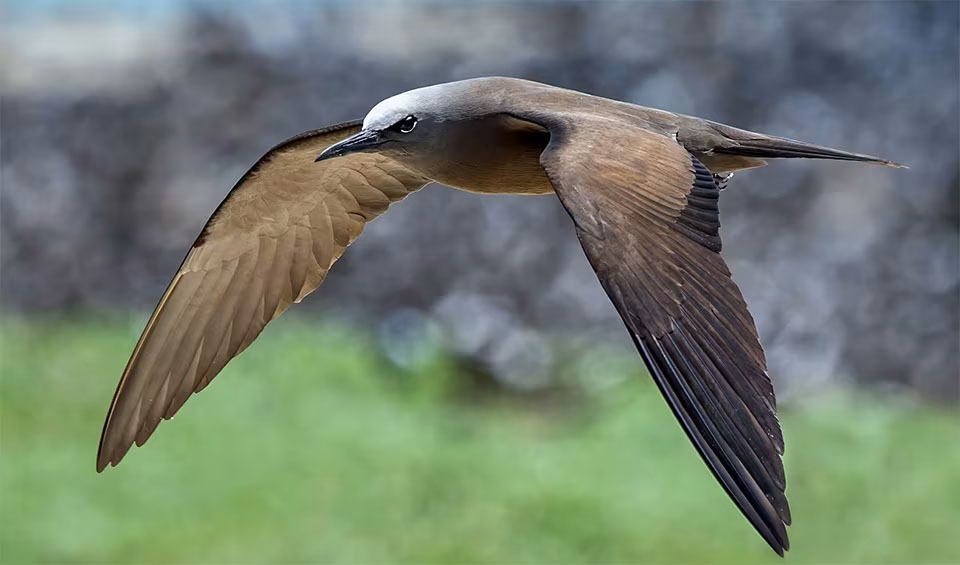
Brown noddy
They bob their heads up and down as they fly, which is actually how they earned the nickname “Noddy”
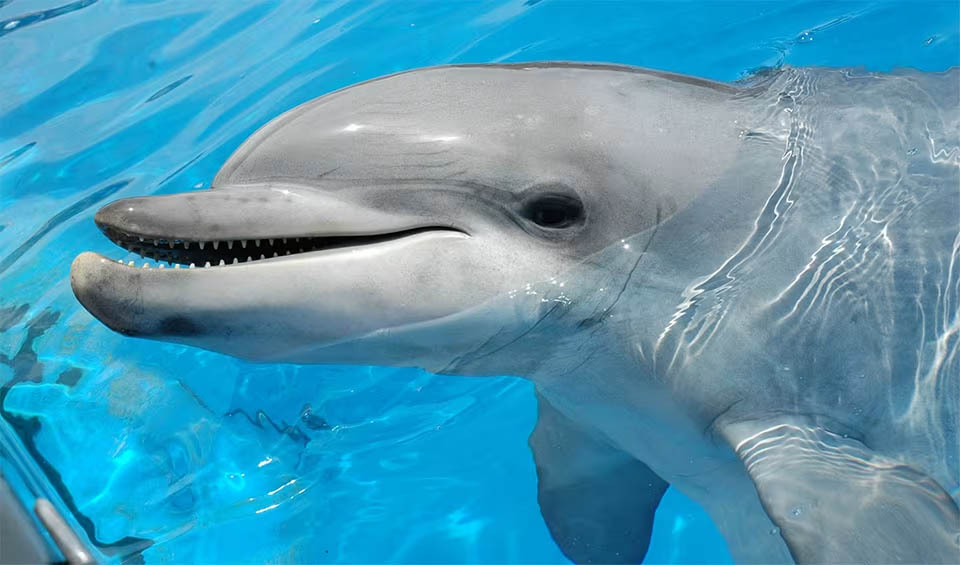
Common bottlenose dolphin
Known for their acrobatic leaps, twisting and turning gracefully as they jump completely out of the water
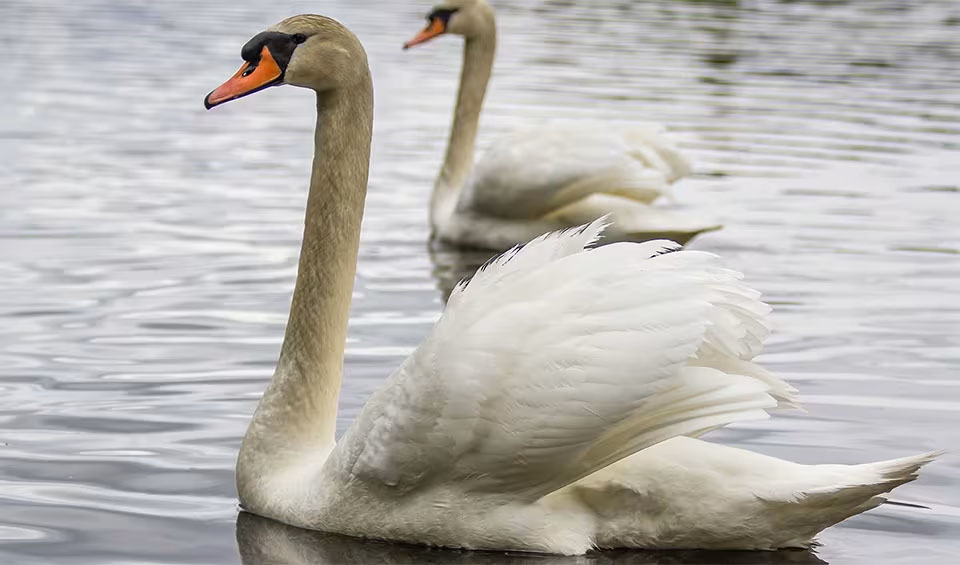
Mute swan
Known for their graceful movements and the distinctive “S” shape of their neck
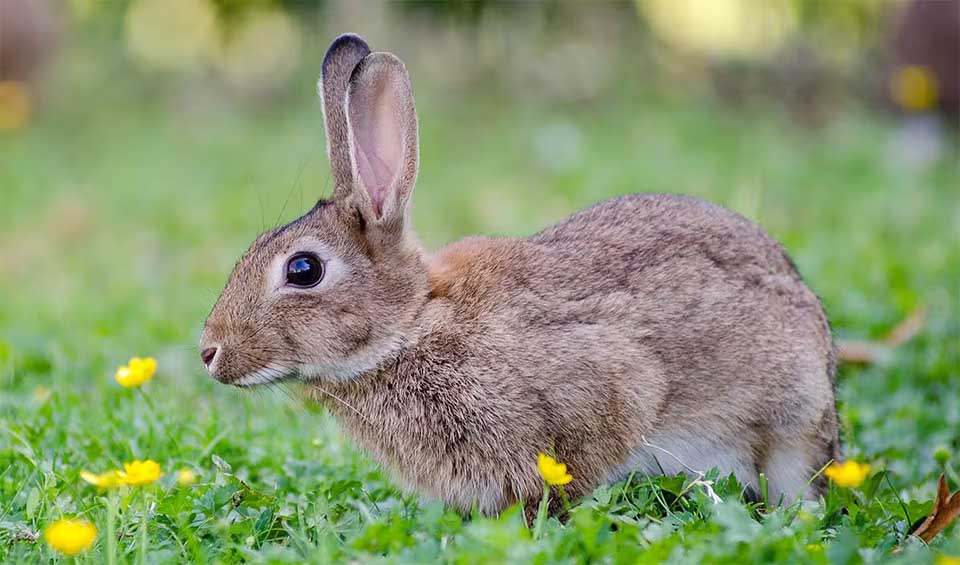
European rabbit
They spread faster than any other colonizing mammal in the world

Australian wood frog
Papurana frogs inhabit a wide range of environments across Southeast Asia, including Indonesia, Papua New Guinea, the Philippines, and Malaysia. They are typically found in lowland tropical rainforests, swamps, marshes, and along the edges of streams and rivers. These frogs are highly adaptable, often thriving in both pristine forests and disturbed areas such as agricultural lands and suburban gardens. […]

Eastern smooth frog
This frog is found predominantly in Victoria and southeastern New South Wales. It thrives in various habitats, including damp forests, woodlands, grasslands, and coastal heathlands. These frogs prefer abundant ground cover, such as leaf litter, logs, and rocks, which provide essential moisture and shelter. They are commonly found near water bodies, including ponds, streams, and […]
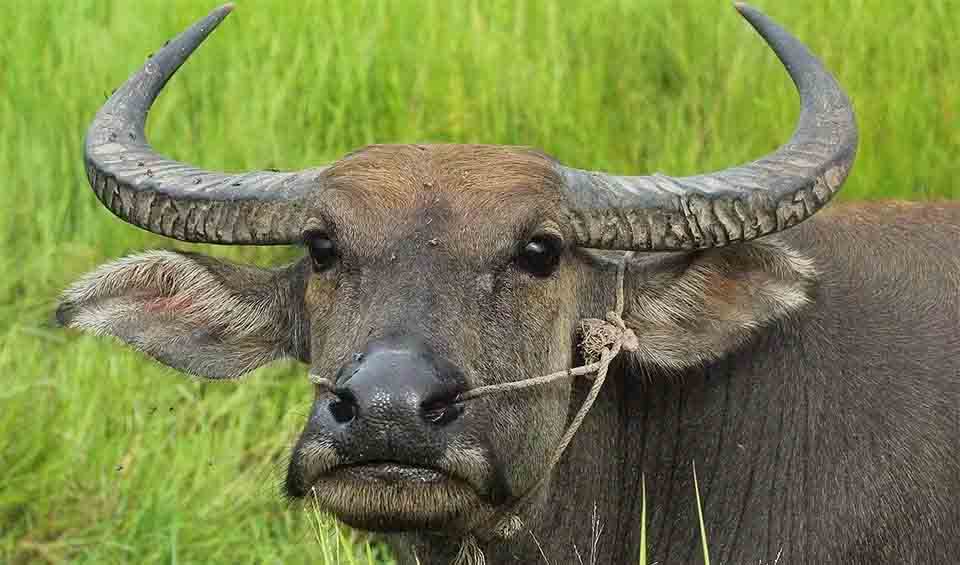
Water buffalo
The “living tractors of the East”—vital in traditional agriculture, particularly in Asia
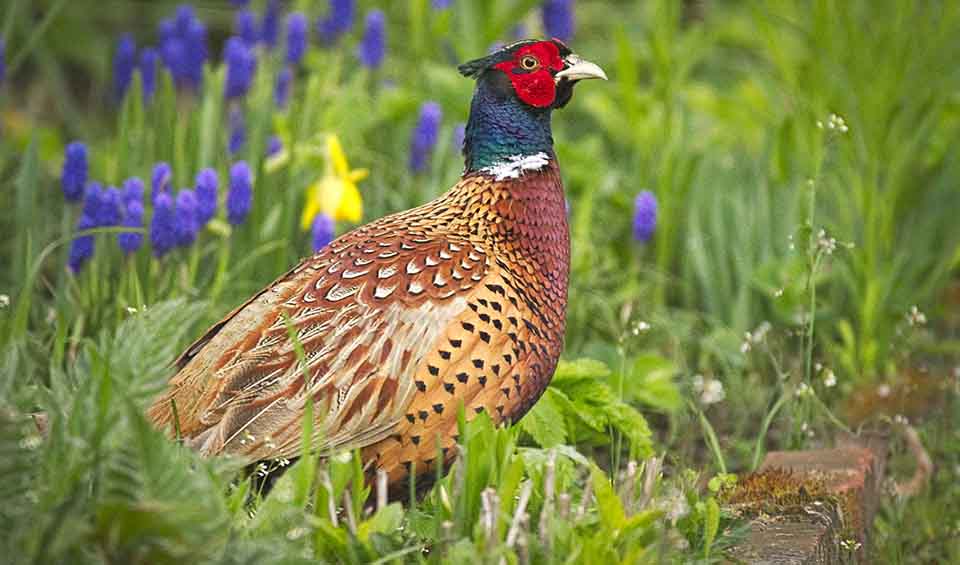
Common pheasant
One of the most hunted, widespread, ancient, and well-known game birds

Brolga
Known for their energetic dance moves—jumping, bowing, spinning, flapping, and tossing grass into the air
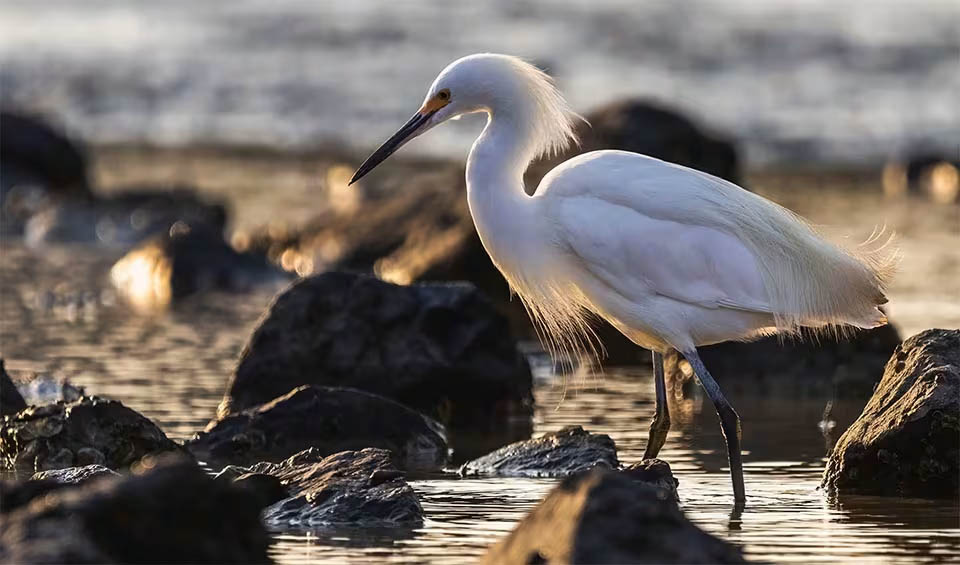
Little egret
During breeding, they transform with elegant white plumage, adorned by decorative plumes on the head, neck, and back
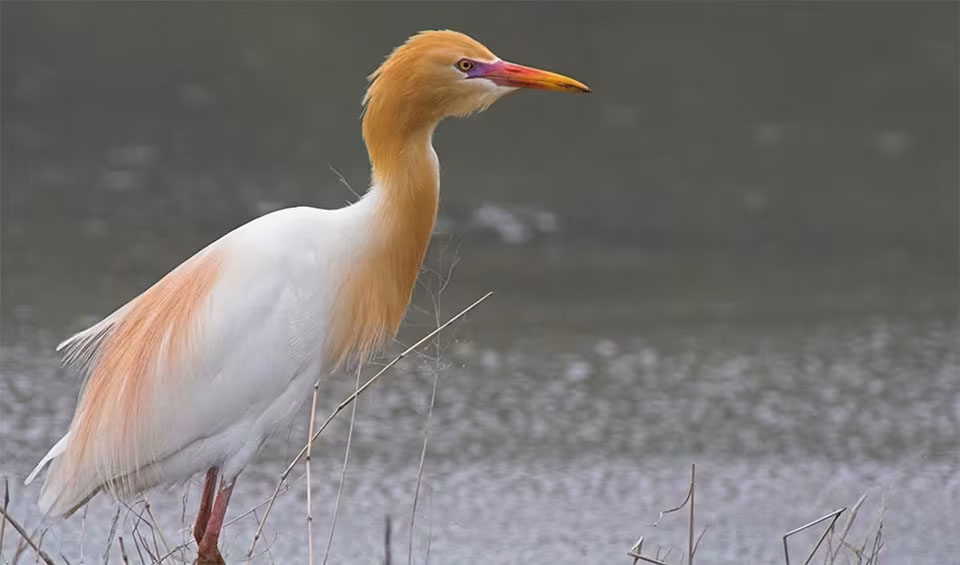
Eastern cattle egret
It can catch insects that are disturbed by the animals’ movements
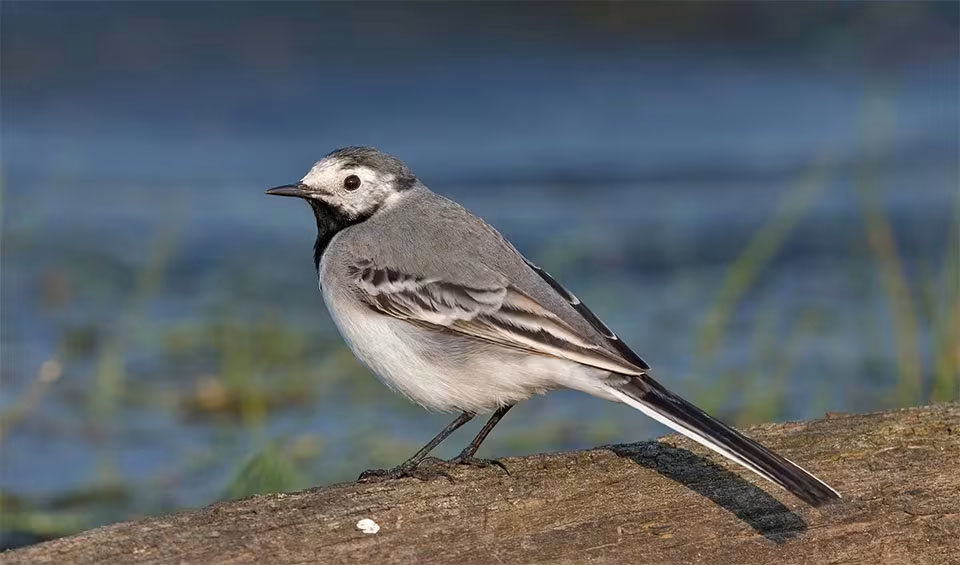
White wagtail
Holds cultural symbolism in some societies, representing good luck

Yellow-billed kingfisher
Often shy and can be tricky to spot in the wild
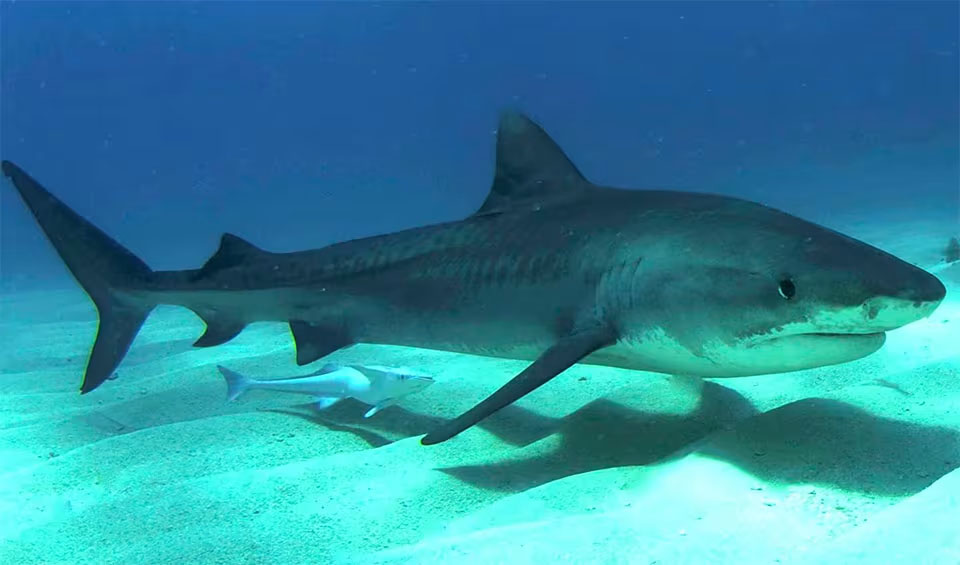
Tiger shark
They eat almost anything that comes their way – you name it, they’ll try to snack on it!
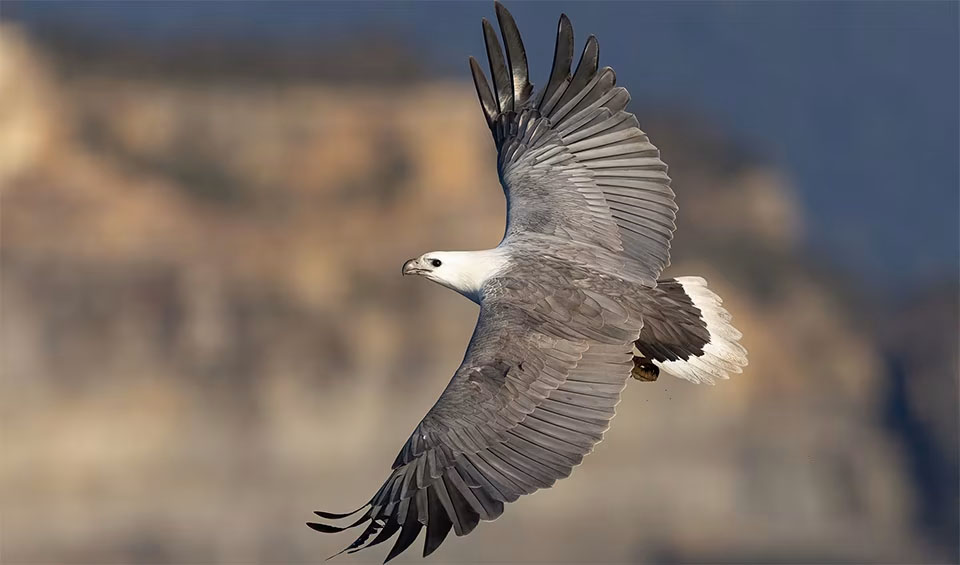
White-bellied sea eagle
Its broad wings enable it to glide effortlessly on air currents, often seen navigating the coastal winds
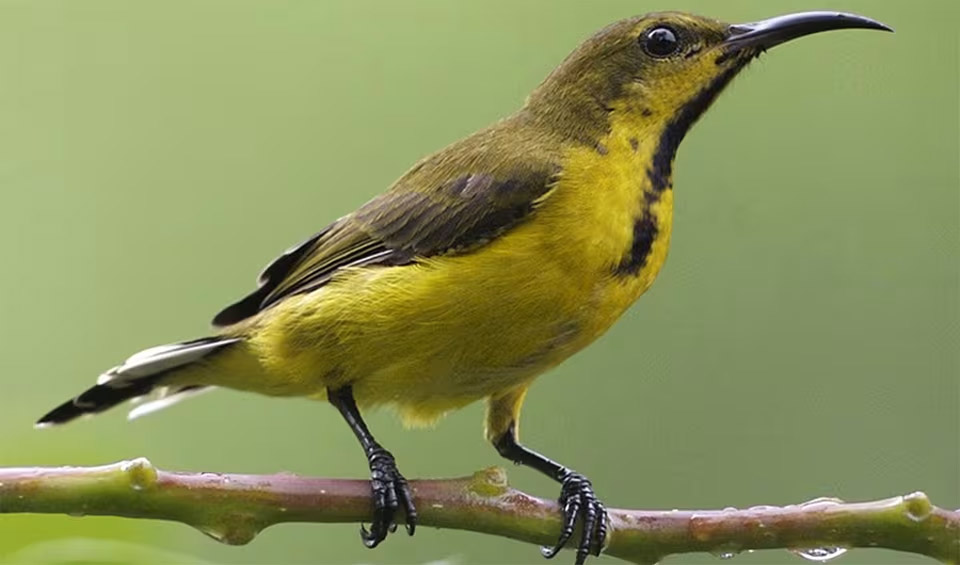
Olive-backed sunbird
Using spider silk and plant materials, they construct delicate nests that hang from branches
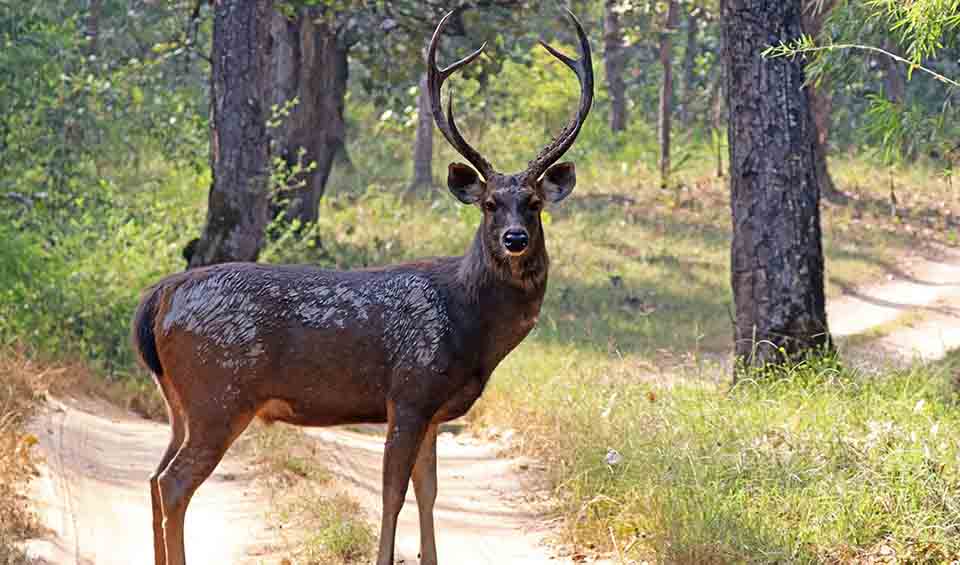
Sambar deer
With its towering stature and impressive antlers, is a true king of the Asian forests
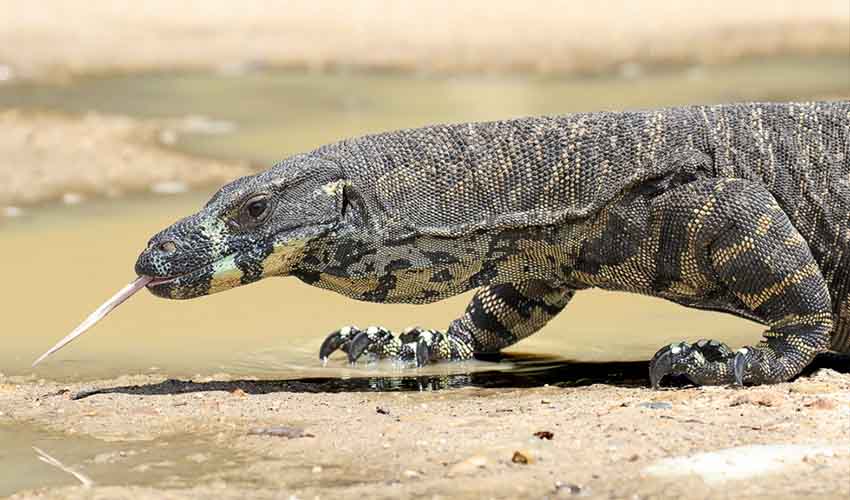
Lace monitor
Their use of termite mounds as natural incubators is one of the most remarkable nesting behaviors in the reptile world
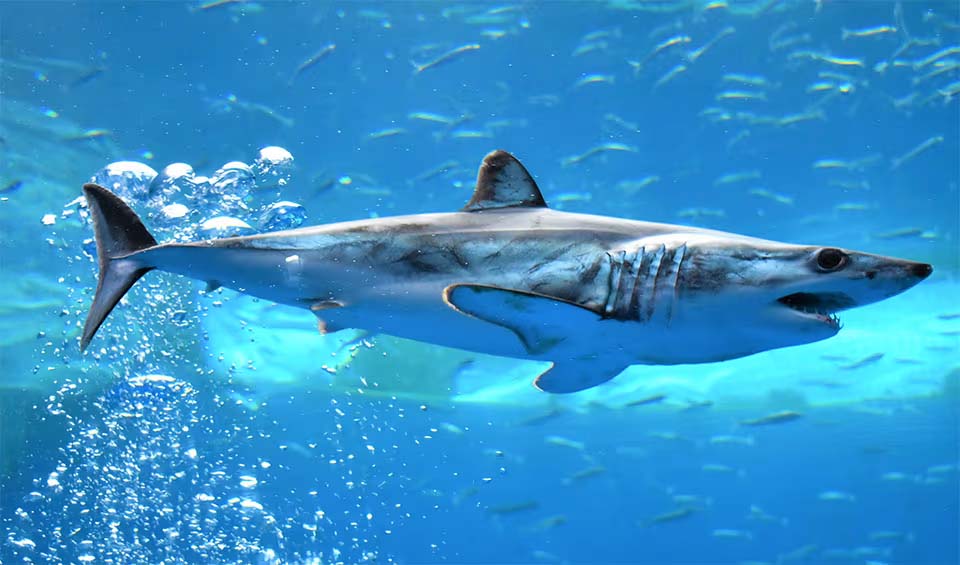
Shortfin mako shark
Speed and power embodied, they rule the seas with their sleek bodies and jaw-dropping leaping prowess
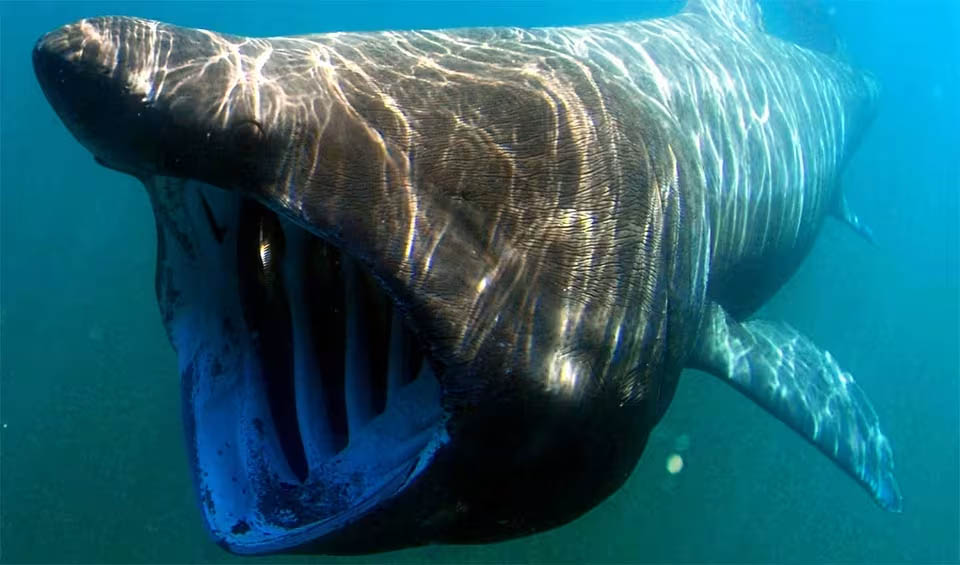
Basking shark
Majestic giants of the sea, they peacefully glide through the ocean with mouths agape, filtering the waters for sustenance
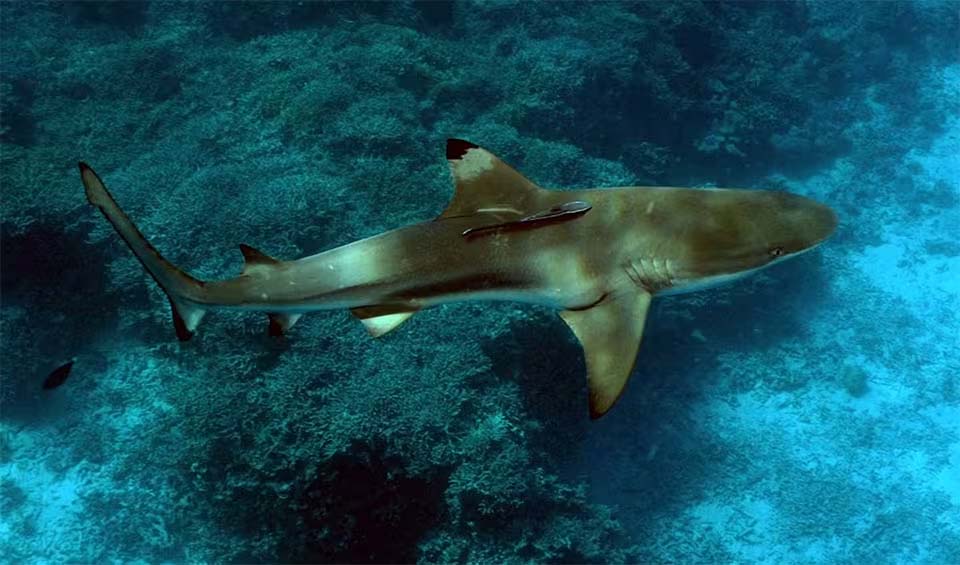
Blacktip reef shark
Graceful and stealthy, these reef dwellers navigate the coral maze with finesse, showcasing their iconic black-tipped fins
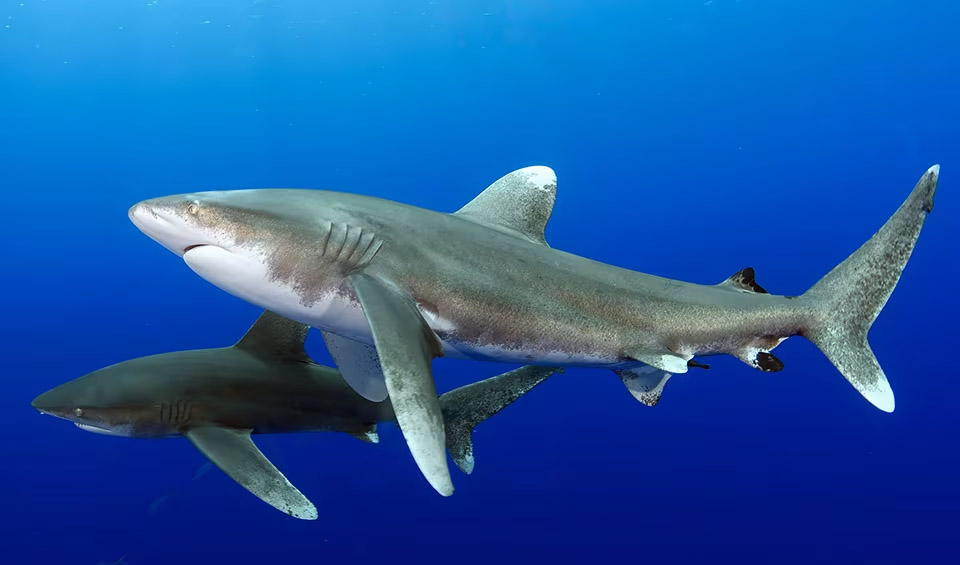
Oceanic whitetip shark
Opportunistic predators of the open ocean, their aggressive and persistent feeding behaviour strikes fear into the hearts of their prey
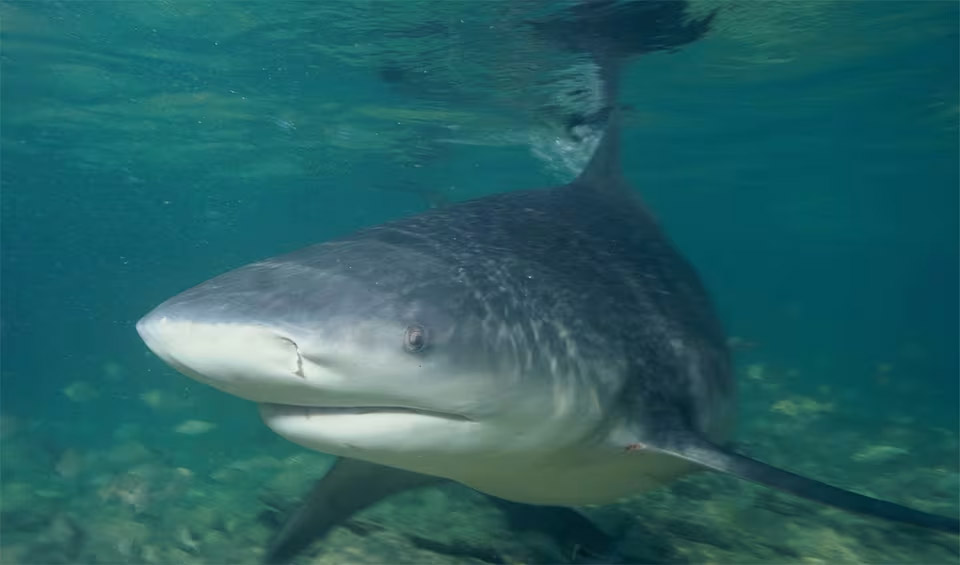
Bull shark
Fearless and formidable, these aggressive predators command respect in the waters they roam
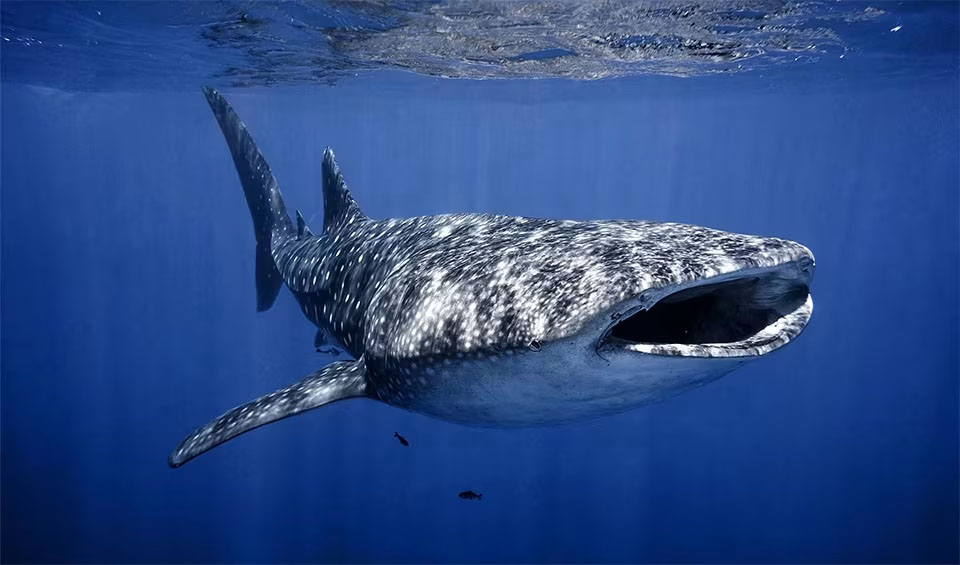
Whale shark
Gentle giants of the sea, with mouths wide open to filter the ocean’s bounty
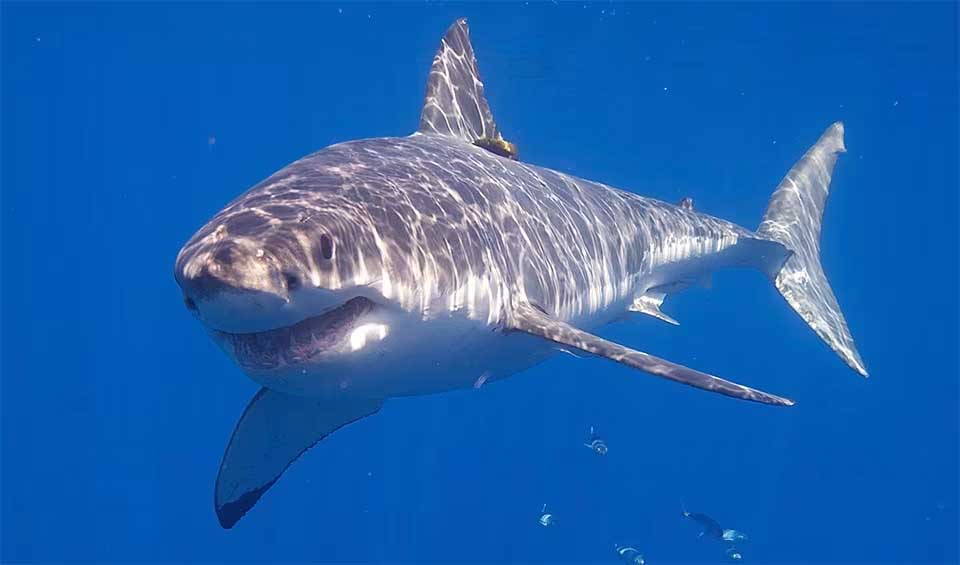
Great white shark
Majestic ocean predators, embodying power, speed, and precision in their pursuit of prey

Sand goanna
A strikingly banded, muscular predator reigning over the Australian desert

Flatback sea turtle
The only sea turtle exclusive to Australia
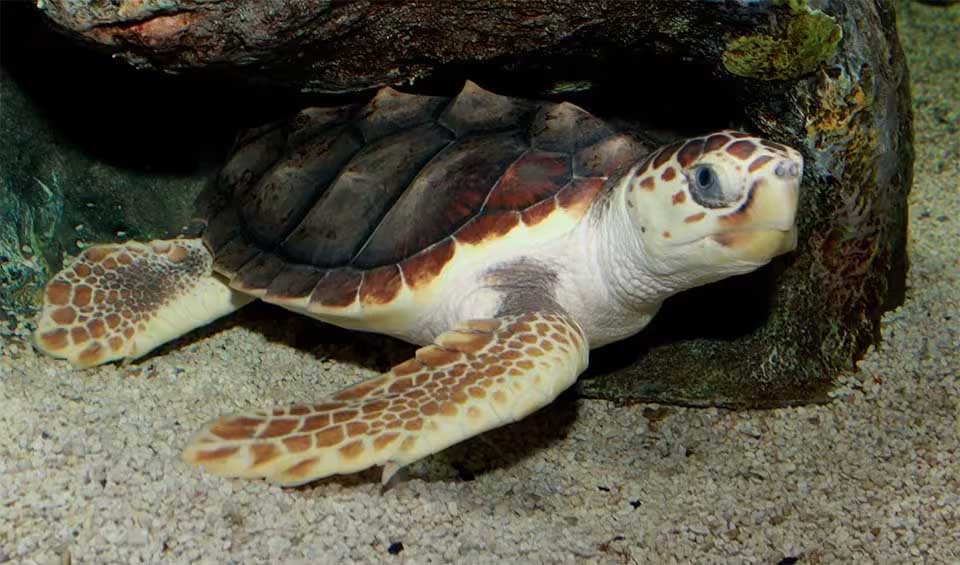
Loggerhead sea turtle
One of the largest and strongest sea turtles in the world
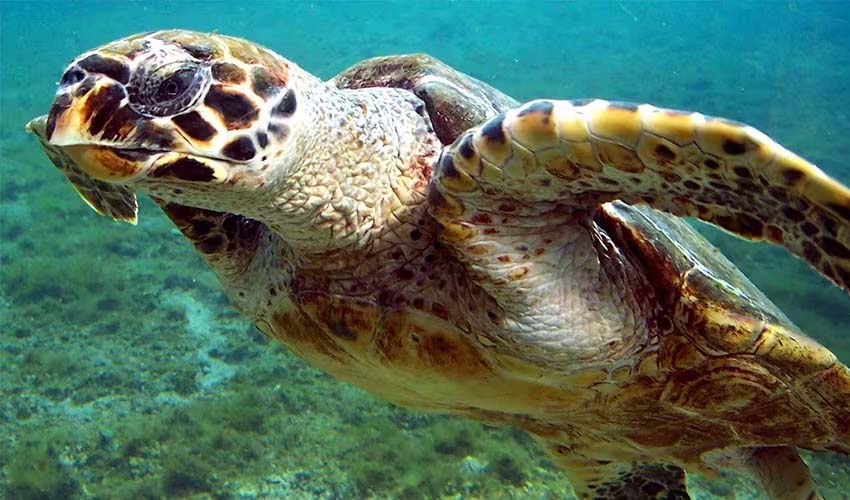
Hawksbill sea turtle
Its slender frame and narrow head bear a beak curved like a hawk’s, earning this marine marvel its name
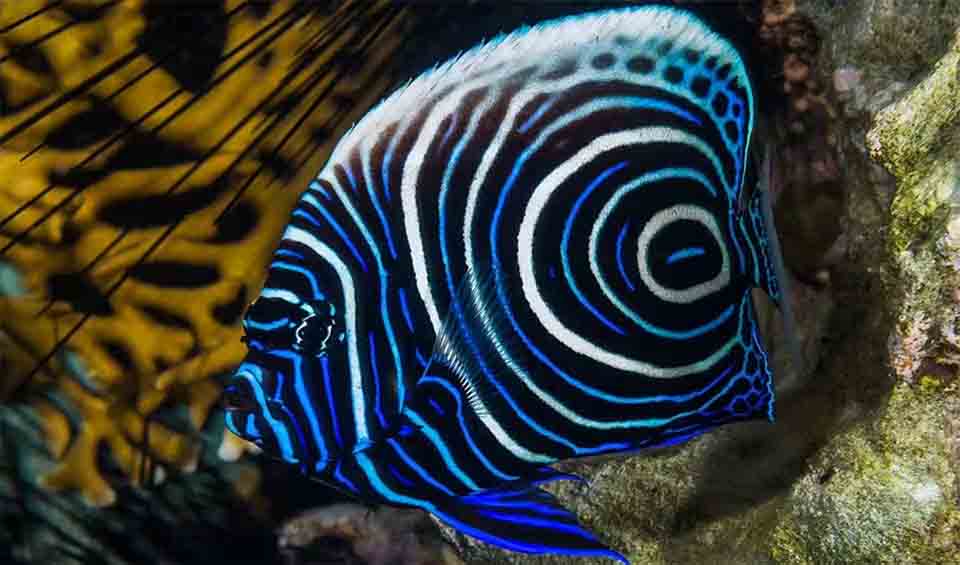
Emperor angelfish
As it grows older, it undergoes a metamorphosis that is nothing short of extraordinary
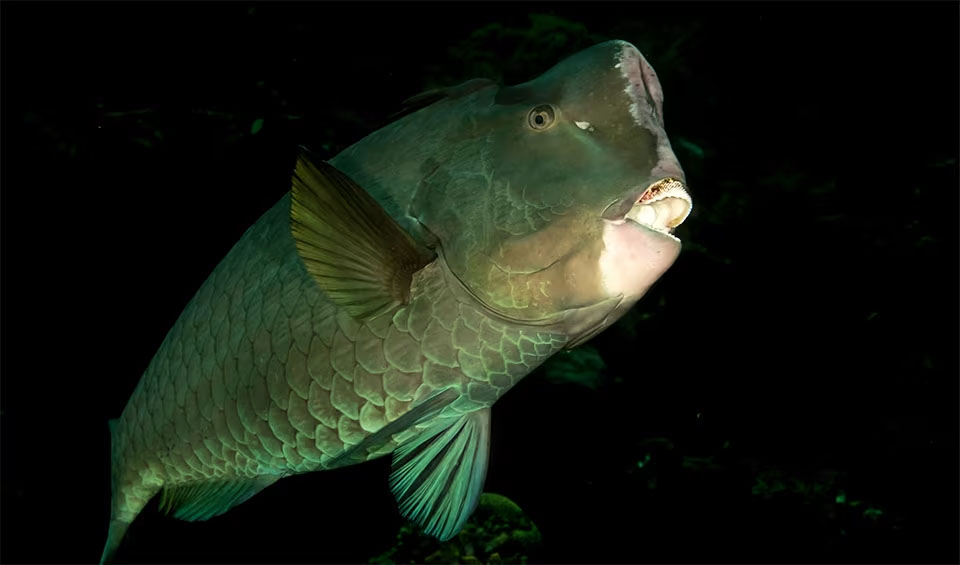
Green humphead parrotfish
With a robust body adorned in iridescent hues of emerald and turquoise, it is an underwater jewel that dazzles the eye
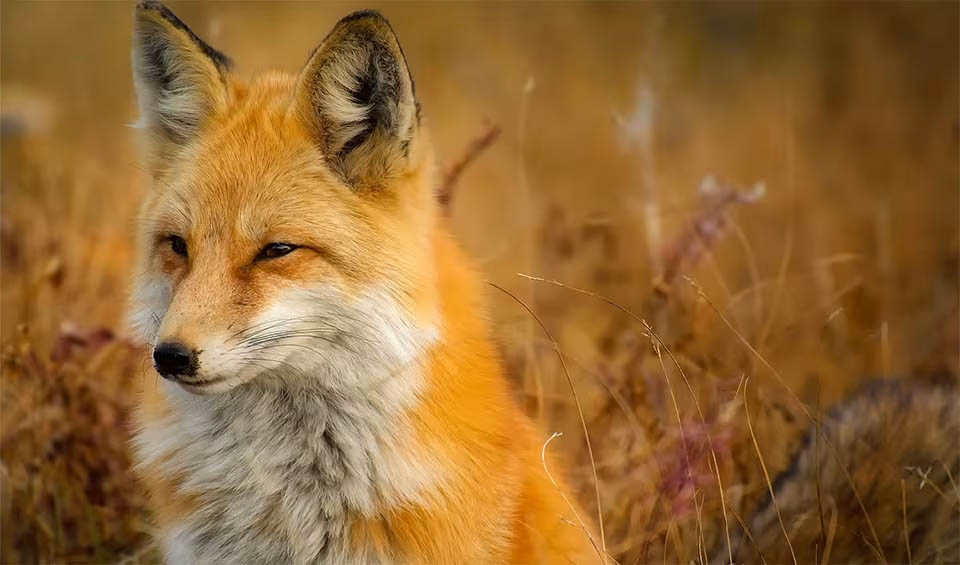
Red fox
Ladies and gentlemen, please welcome the world’s most widely distributed carnivore!

Human
Adaptable and resourceful; destroying our planet with “Paleolithic emotions, medieval institutions, and god-like technology”

Common brushtail possum
They use their tails to grip branches, aiding in climbing and movement
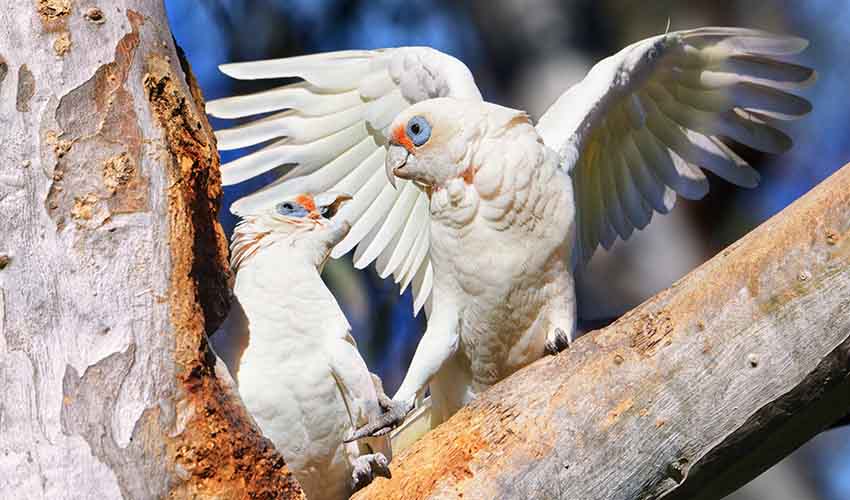
Little corella
When hundreds gather together, their noise can rival the sound of a passing jet!

Galah
They engage in a unique behavior known as “anting”

Long-billed corella
A bird full of personality—intelligent, noisy, social, and a little cheeky

Sulphur-crested cockatoo
Famous for its extremely loud, raucous screeches that echo across forests, suburbs, and city parks alike

Kookaburra
They are known to form cooperative breeding groups, where offspring from previous years help the parents raise the next brood of chicks

Swamp wallaby
Its dense fur and dark coloration blend seamlessly into its swampy habitat, making it a true master of camouflage

Tiger quoll
The largest remaining marsupial carnivore in Australia

Koala
The cute iconic Australian nappers at risk after government fails to protect its home

Antarctic minke whale
The most ice-associated baleen whale, often found right at the frozen frontier where krill thrives
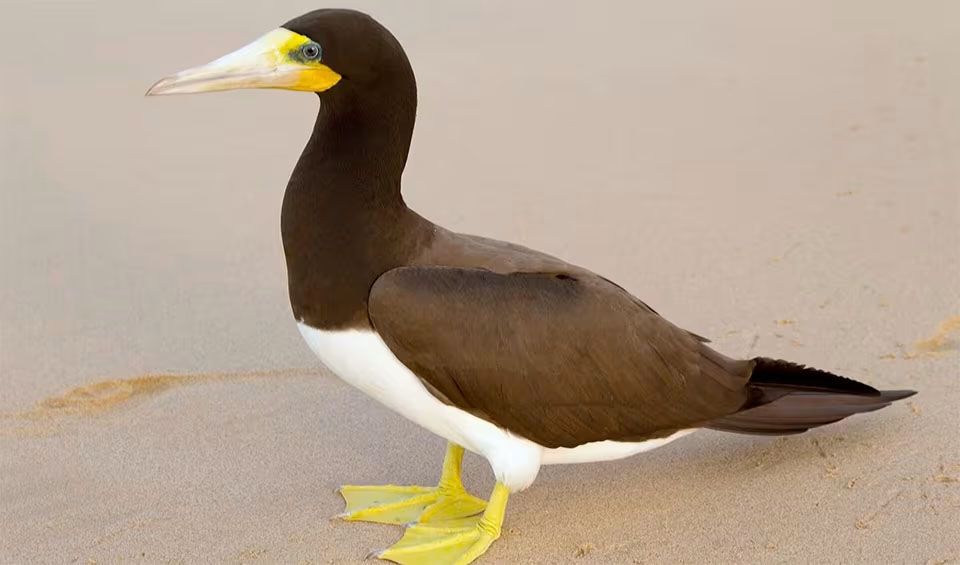
Brown booby
An impressively acrobatic bird that can catch flying fish mid-jump
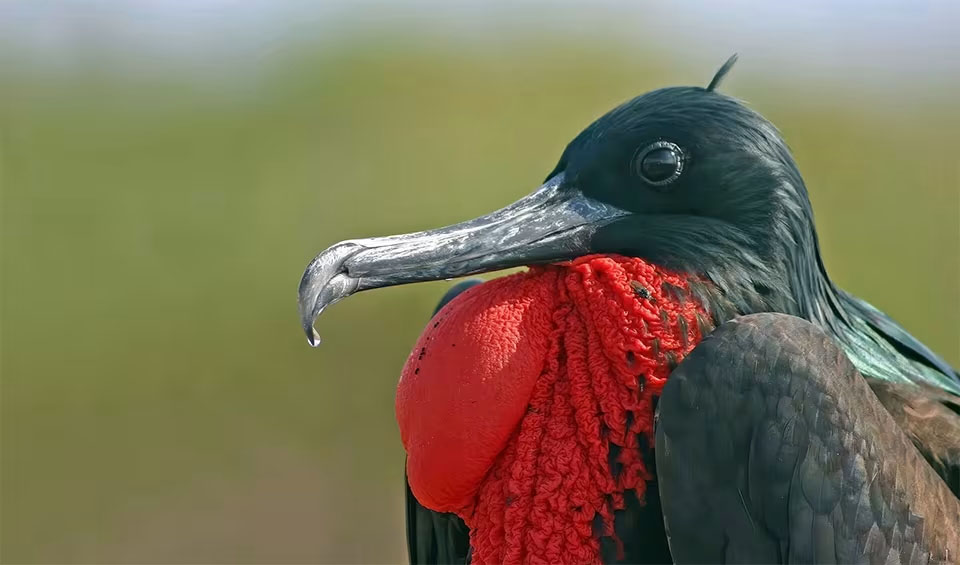
Great frigatebird
These birds spend weeks in the air and hunt, preen and even sleep while in flight
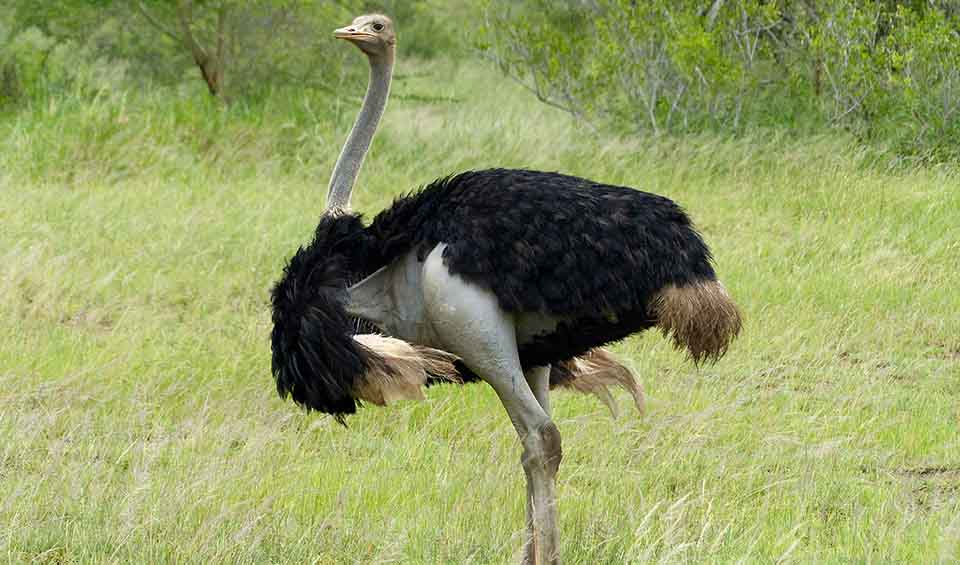
Common ostrich
Arabian ostrich, 1 of 4 subspecies, was hunted to extinction in mid-20th century

Australian masked-owl
These owls are non-seasonal breeders. They mate when food is in abundance to ensure their chicks survive
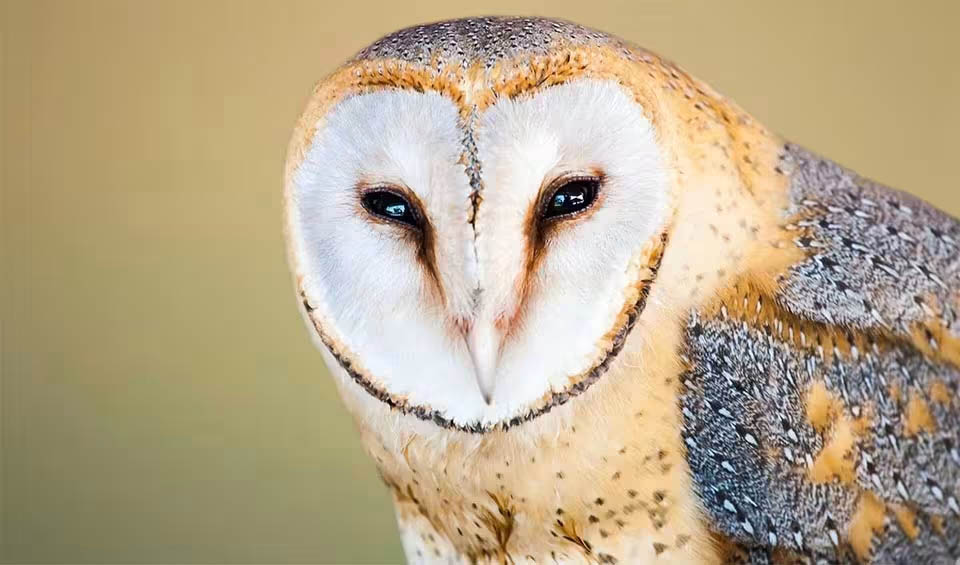
Barn owl
The most cosmopolitan of owls with home ranges extending across the globe
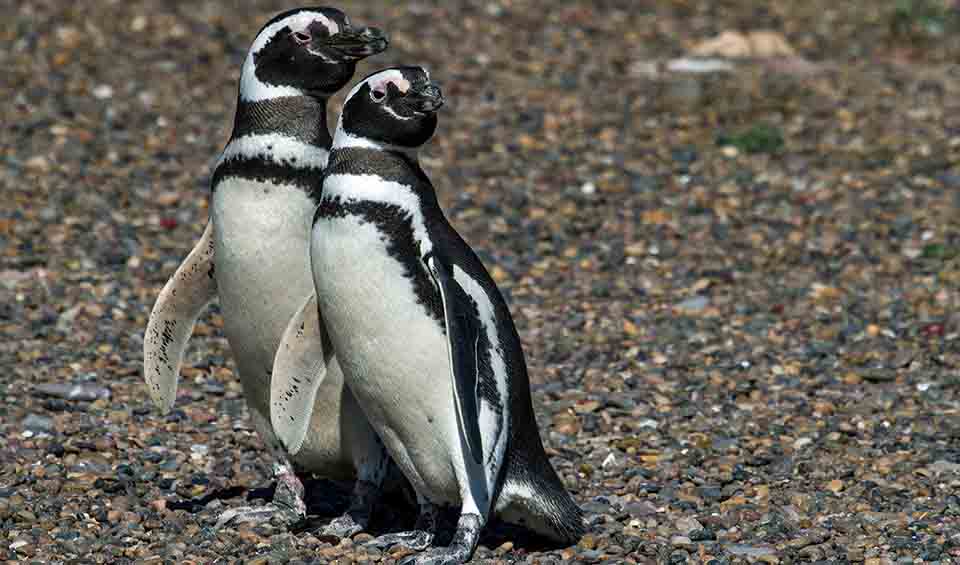
Magellanic penguin
Their call, often compared to a donkey’s bray, is how they got their name in some regions

Erect-crested penguin
The endangered cousin of the Fiordland penguin
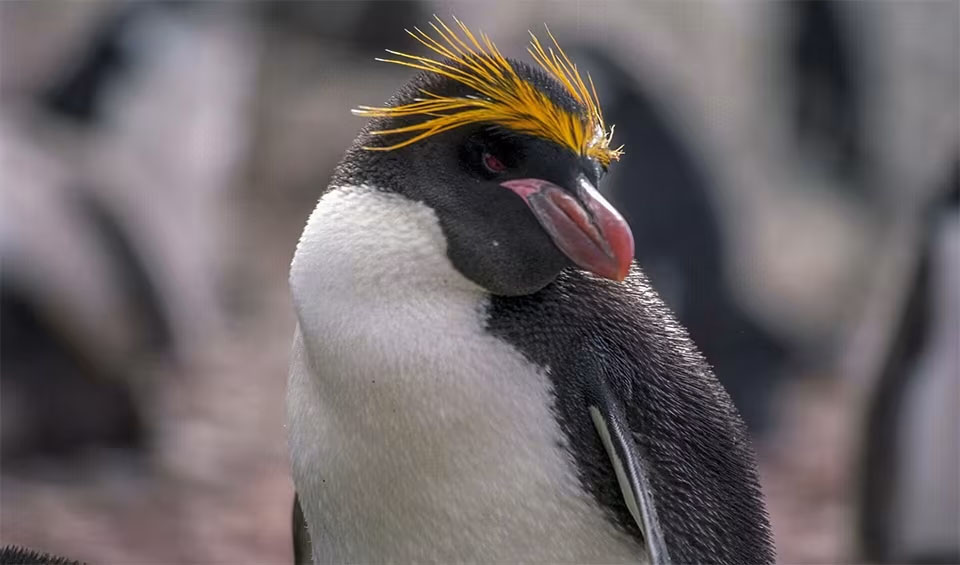
Macaroni penguin
The penguin with a cool tiara

Snares penguin
Known to be long-lived compared to many seabirds

Black-faced cormorant
Almost always found along the coast rather than inland waters
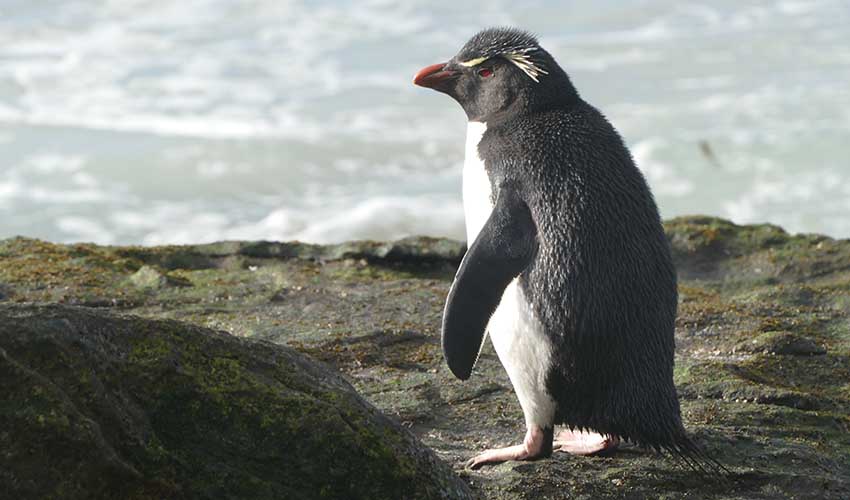
Western rockhopper penguin
Watching them misjudge a jump and immediately try again makes them look stubborn and determined rather than clumsy

Fiordland penguin
Surprisingly grumpy-looking, often appearing to frown due to their facial markings, even when perfectly calm

Little penguin
A blue, small wonder of the penguin world
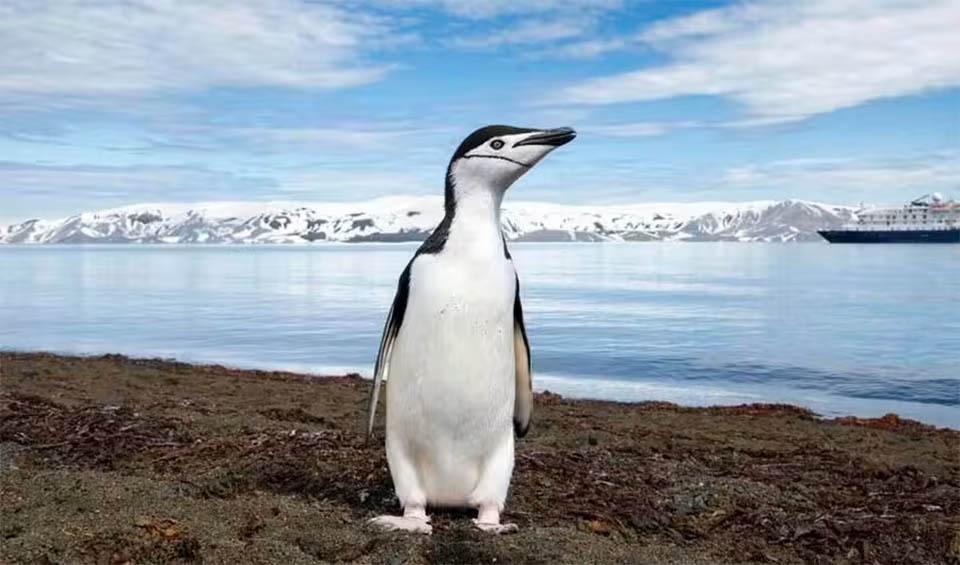
Chinstrap penguin
The most grumpy penguin with a helmet and a chinstrap!
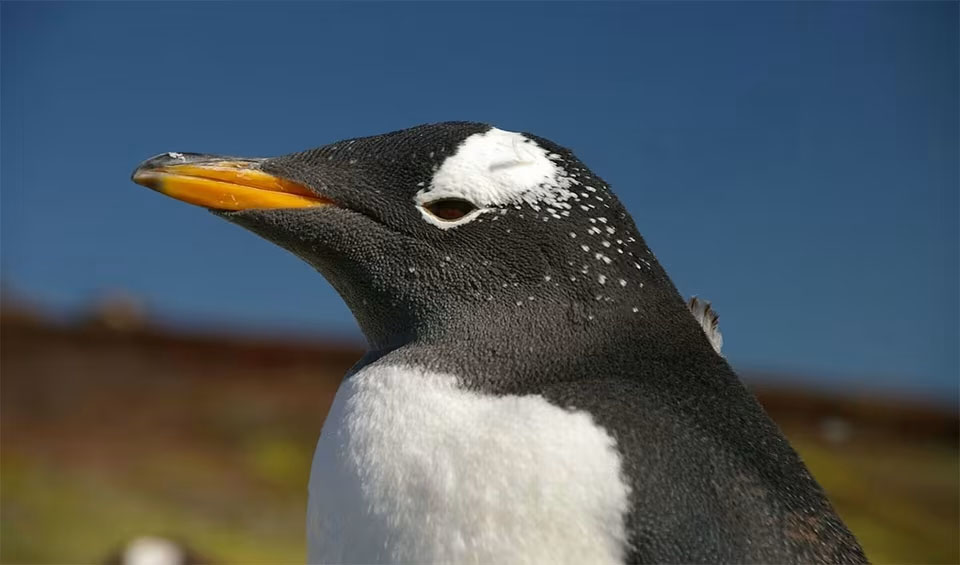
Gentoo penguin
Bushy tailed fastest diving penguin

Rainbow lorikeet
Most of their days are spent trying to fulfill their sugar cravings; the captive species have a strict sugary liquid diet

Pink cockatoo
This flawless cockatoo with a crown of charm and royal looks will steal away your heart
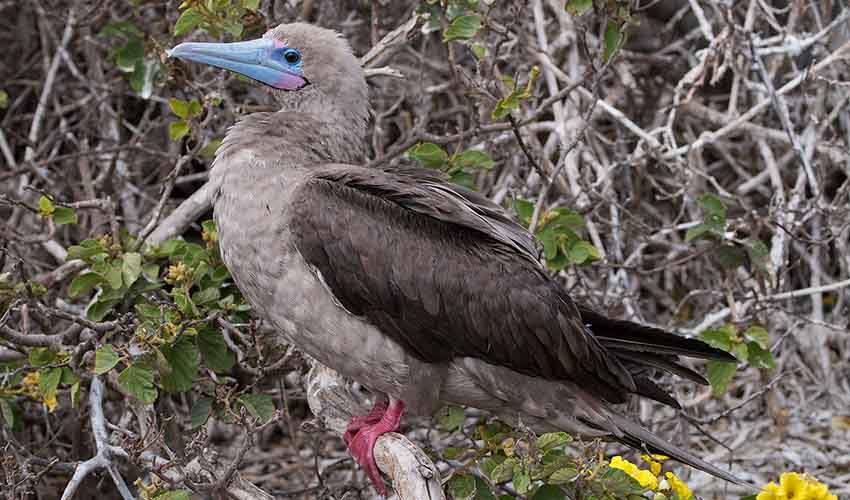
Red-footed booby
Goofy-looking yet evolutionarily refined for life above the waves
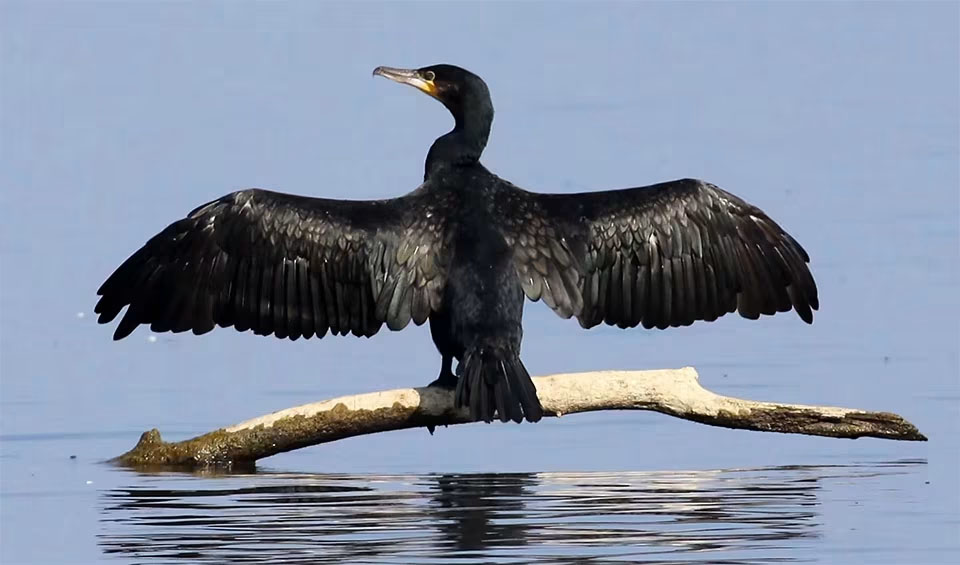
Great cormorant
Due to their adaptability and willingness to migrate to more favorable habitats, great cormorants are found worldwide

Little black cormorant
Often hunts in large groups, working together to herd fish into shallow water
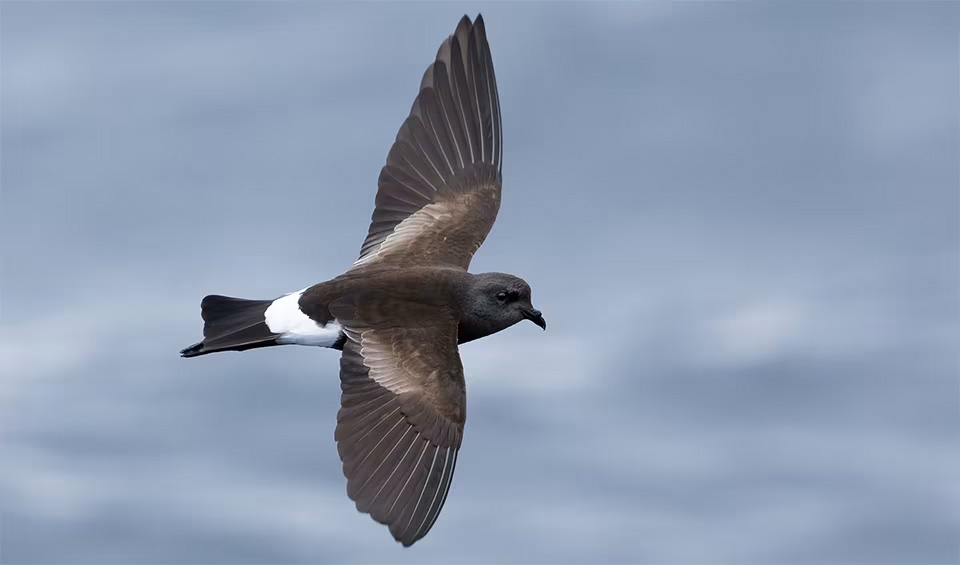
Wilsons storm petrel
This species is found in all world oceans except the north Pacific Ocean
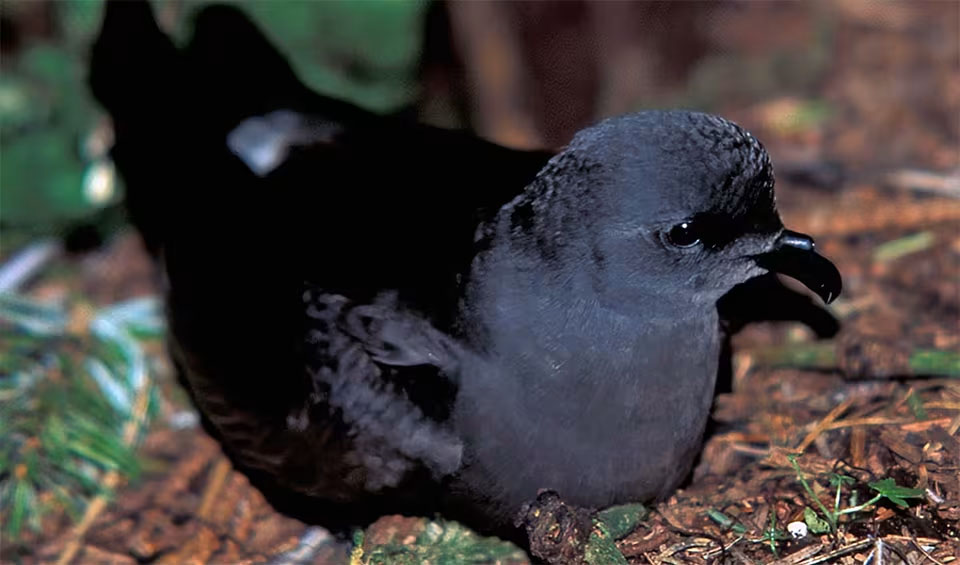
Leachs storm petrel
These petrels stylishly ride the ocean waves like they own the winds
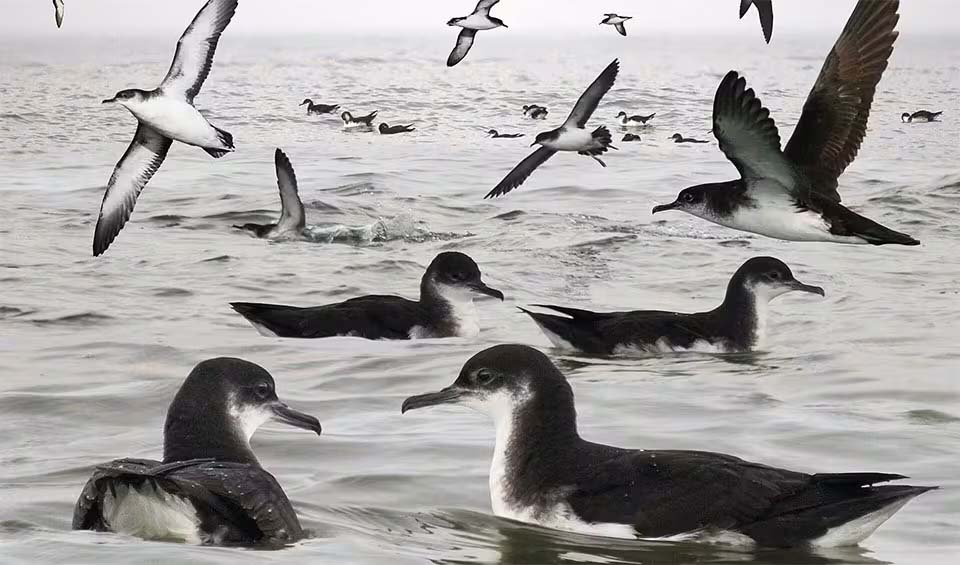
Manx shearwater
Impressive flights but clumsy walking on the ground are observed in these birds due to awkward legs
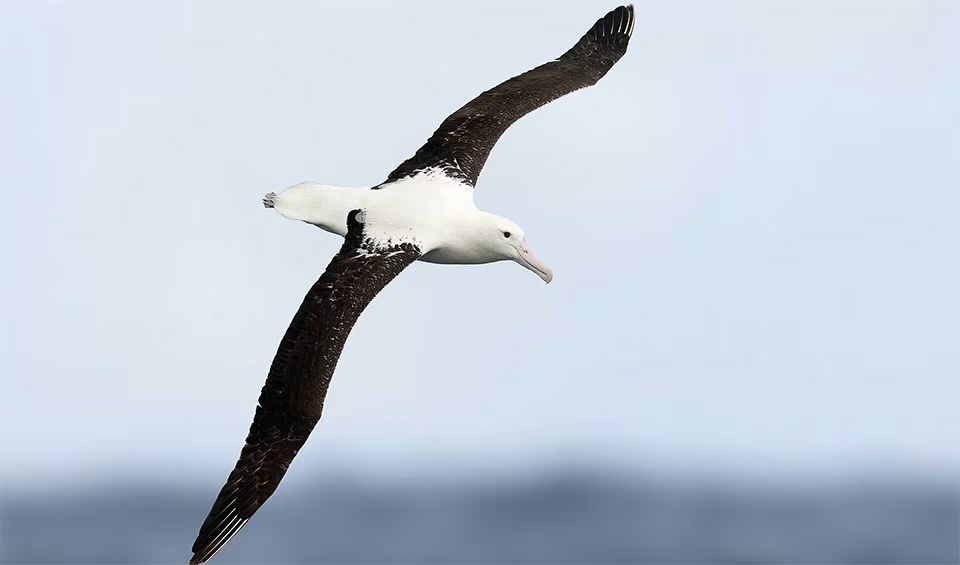
Royal albatross
These mighty birds have the longest wingspan, second only to wandering albatrosses
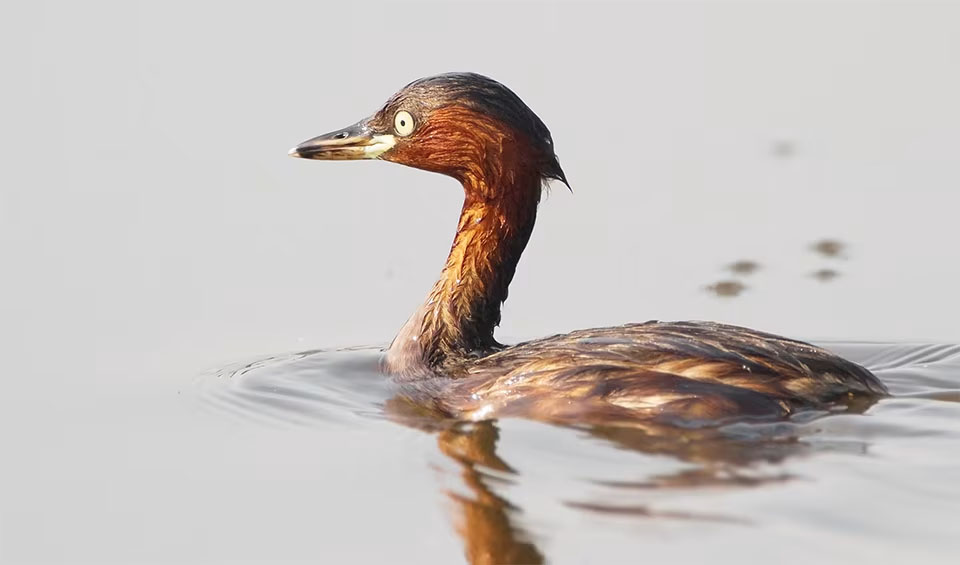
Little grebe
This cute and small bird is one of the most elite hunters below the water’s surface
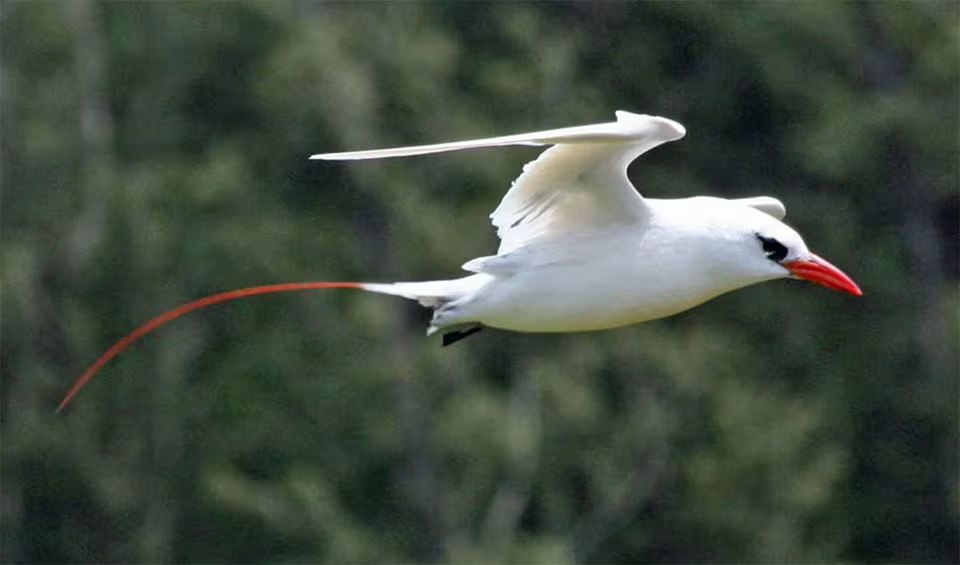
Red-tailed tropicbird
They dance along with their gorgeous red tails to attract partners in a faithful courtship
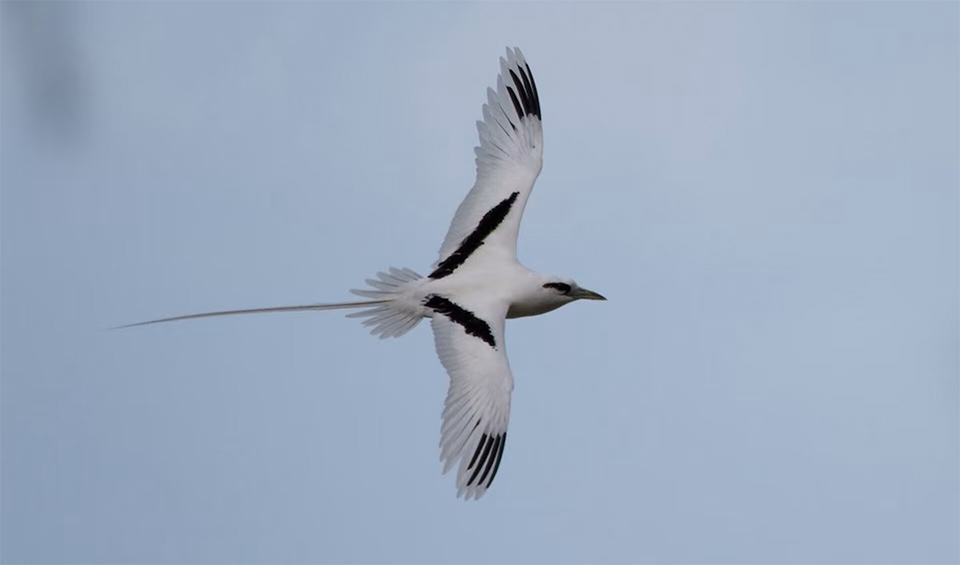
White-tailed tropicbird
These ocean wanderers can be spotted from a distance showing awe-inspiring aerial tricks
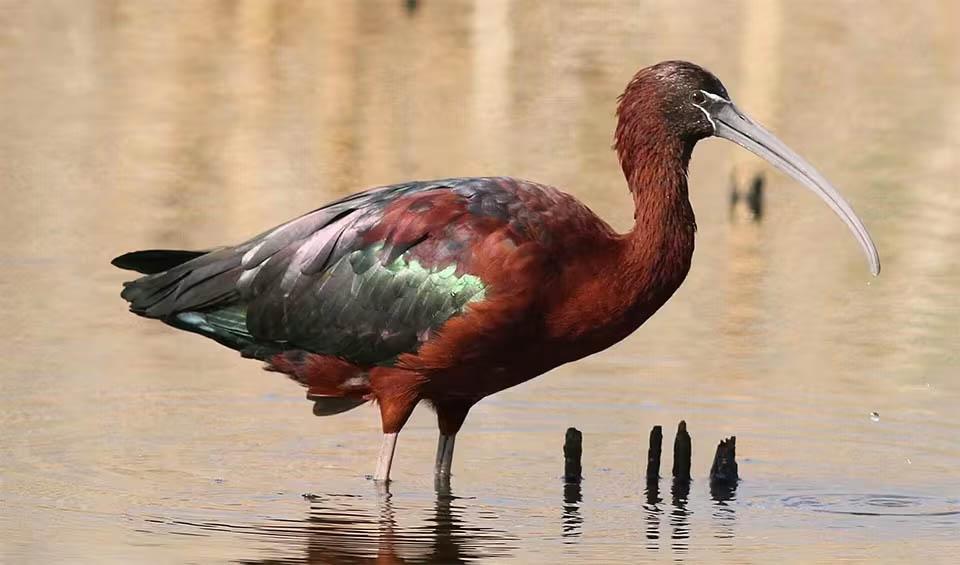
Glossy ibis
These birds seem to have lost their way to the beauty pageant
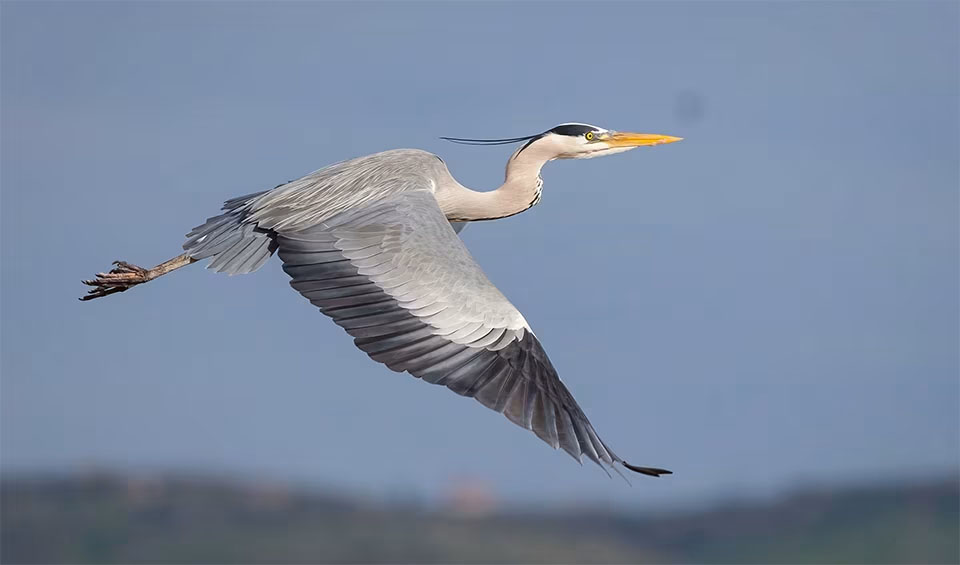
Gray heron
Exhibit powerful flight, with distinctive slow wing beats and an extended neck, defining features during their aerial movements
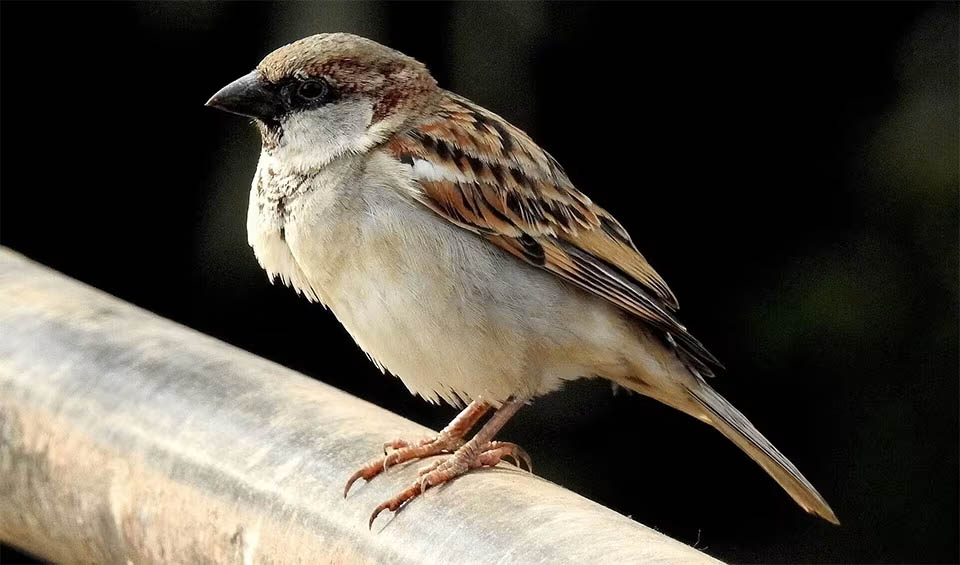
House sparrow
The most widely dispersed wild bird

Pied cormorant
Commonly seen near harbors and coastal towns
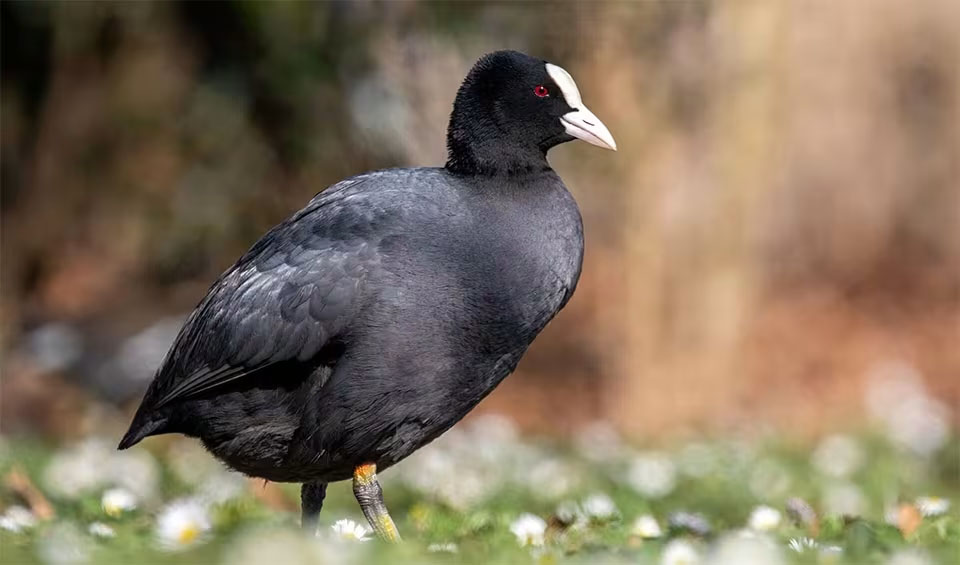
Eurasian coot
Like those bulging red eyes weren’t scary enough, they eat their innocent chicks when hungry

Malleefowl
One of the three mound-building birds in Australia and the only one living in arid areas
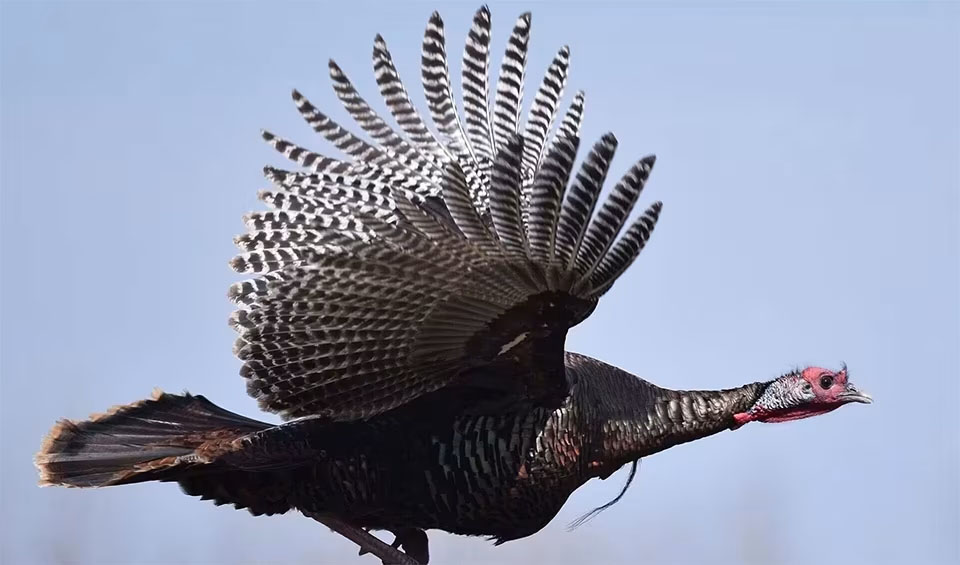
Wild turkey
Heaviest member of the order Galliformes, agile and fast fliers with good eyesight during day and poor vision at night
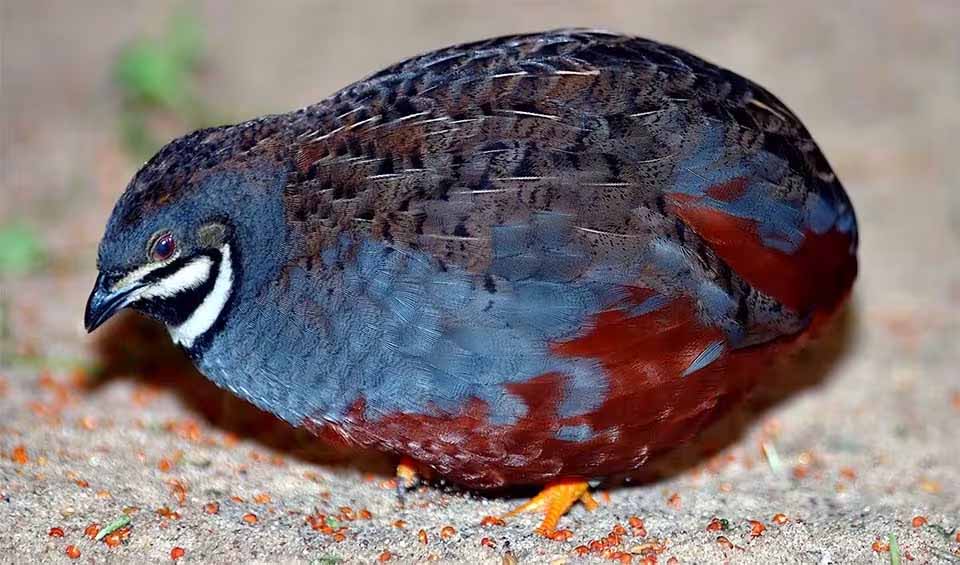
King quail
The smallest of all Galliformes lives on the ground, camouflaged from predators
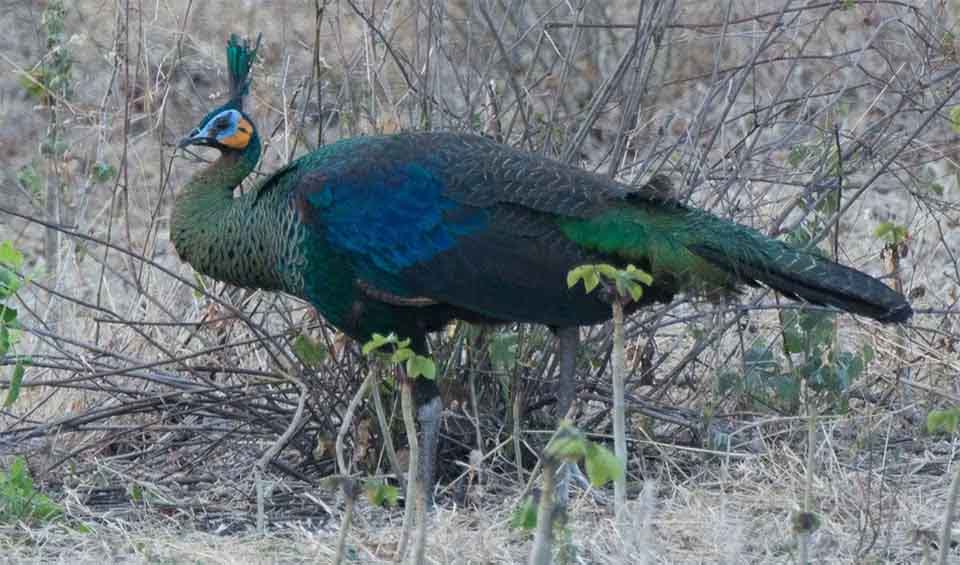
Indian peafowl
One of the most beautiful birds on Earth!

Straw-necked ibis
Sometimes nicknamed the “farmer’s friend” because of the number of insects it eats in fields
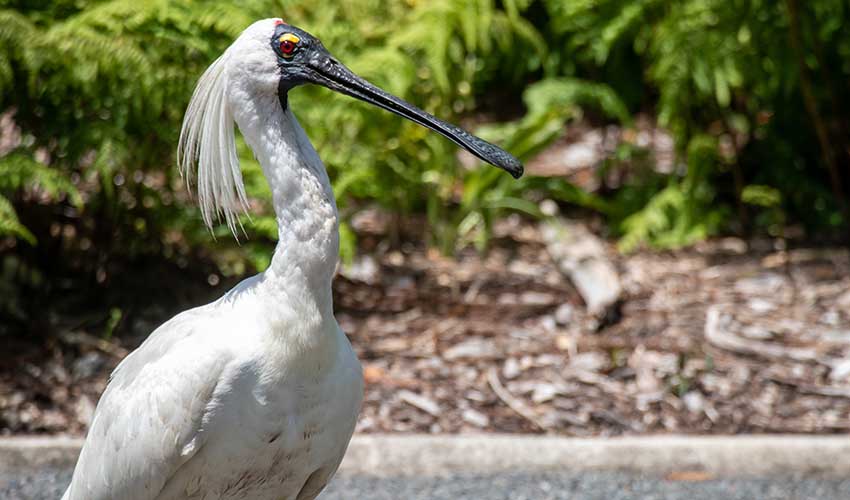
Royal spoonbill
Can feed in places where other birds might struggle, especially when the water is cloudy or stirred up
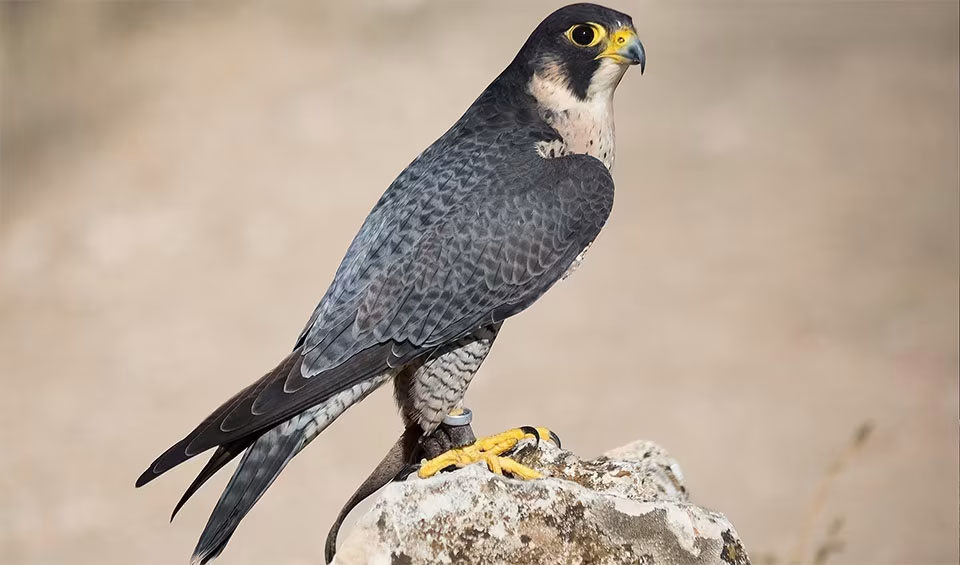
Peregrine falcon
At the speed of over 321 km/h (200 mph), this bird outraces a Formula1 car

Fan-tailed cuckoo
The yellow eye-ring cuckoo of Australia
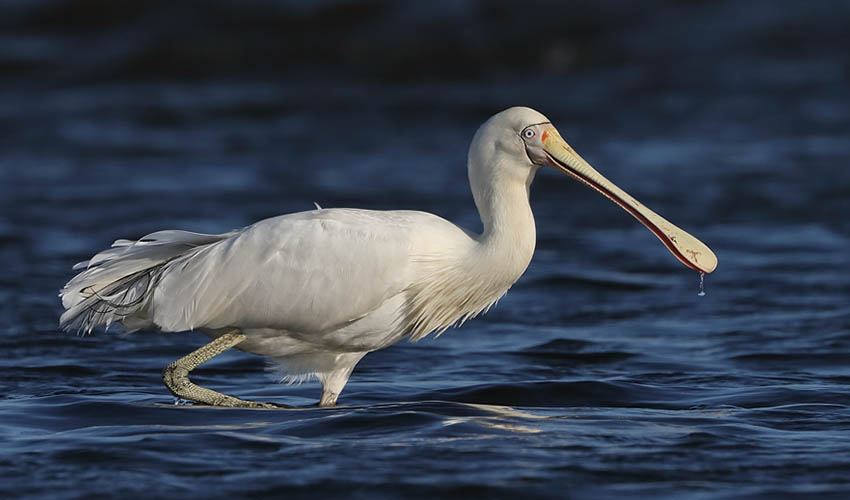
Yellow-billed spoonbill
Its spoon-shaped bill is not just wide for looks; it is filled with sensitive spots that help detect hidden prey
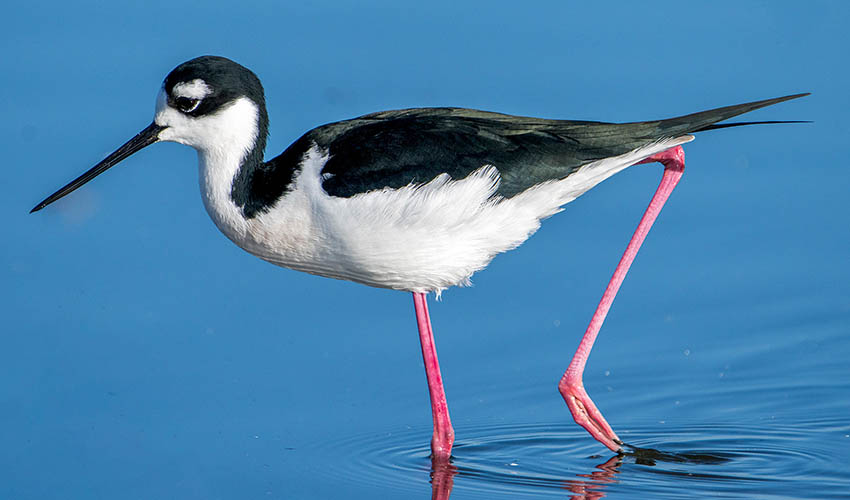
Black-necked stilt
Those impossibly long legs allow it to wade into deeper water than other shorebirds of its size
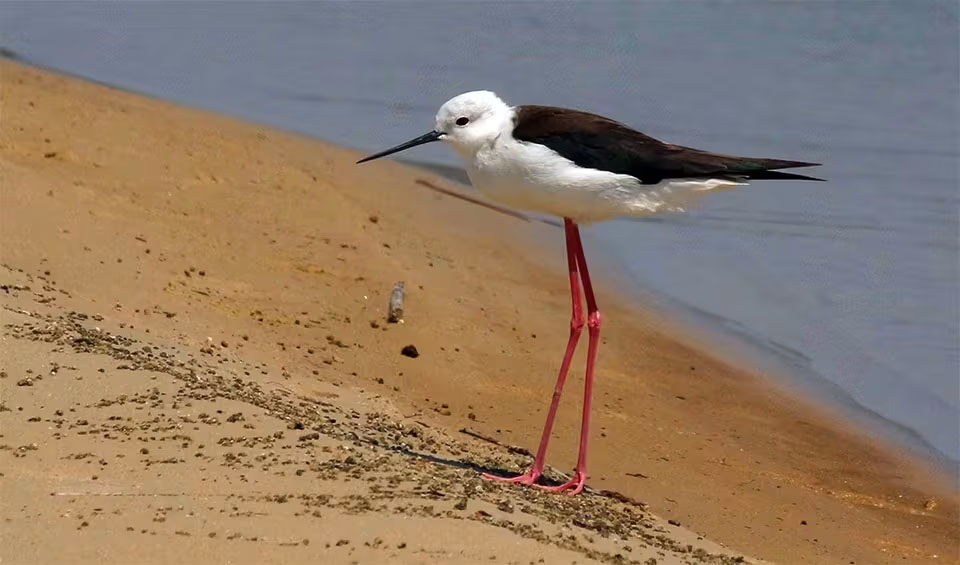
Black-winged stilt
Elegant long-legged wader, common almost worldwide
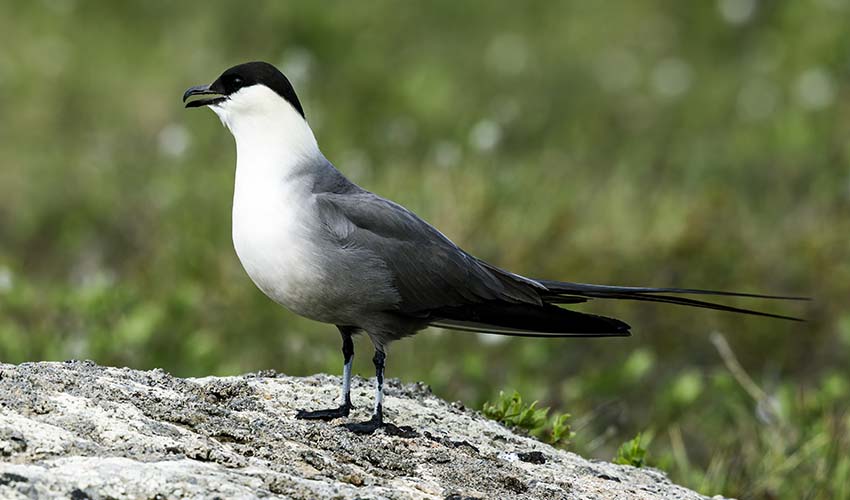
Long-tailed jaeger
This bird is incredibly light, weighing only about as much as a cup of yogurt
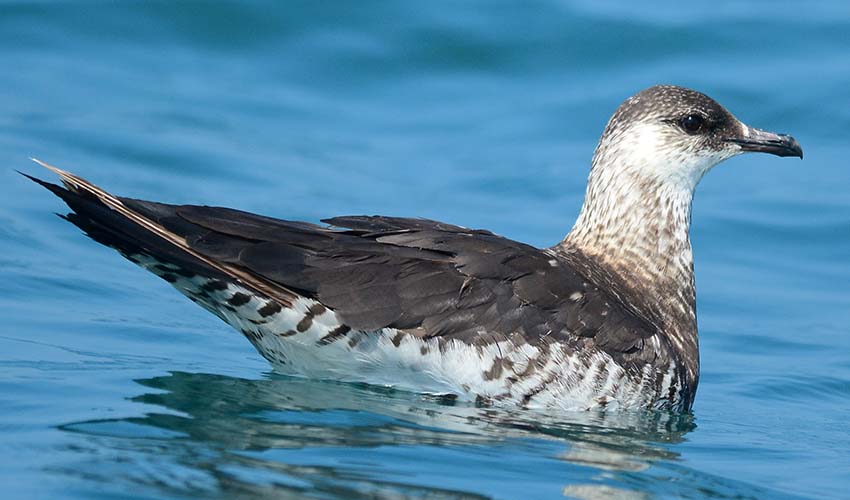
Parasitic jaeger
These birds come in two distinct looks—a “light morph” and a “dark morph”
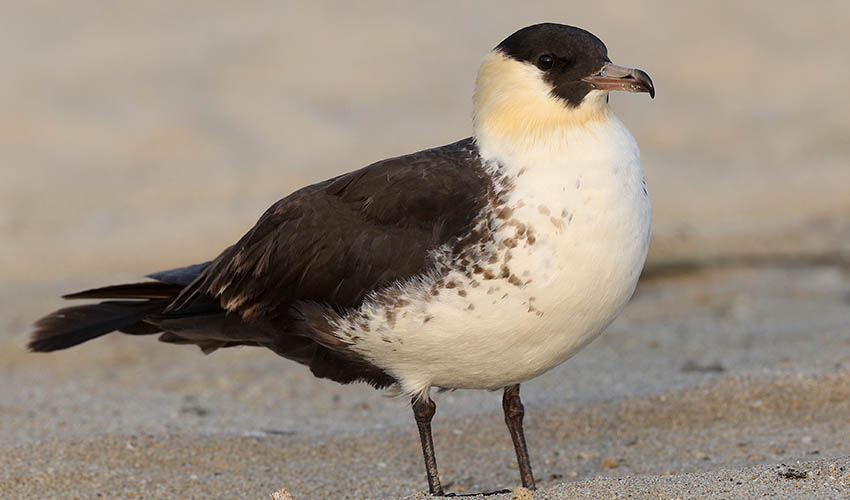
Pomarine jaeger
In the winter, they lose those iconic “spoon” tail feathers, making them much harder to identify
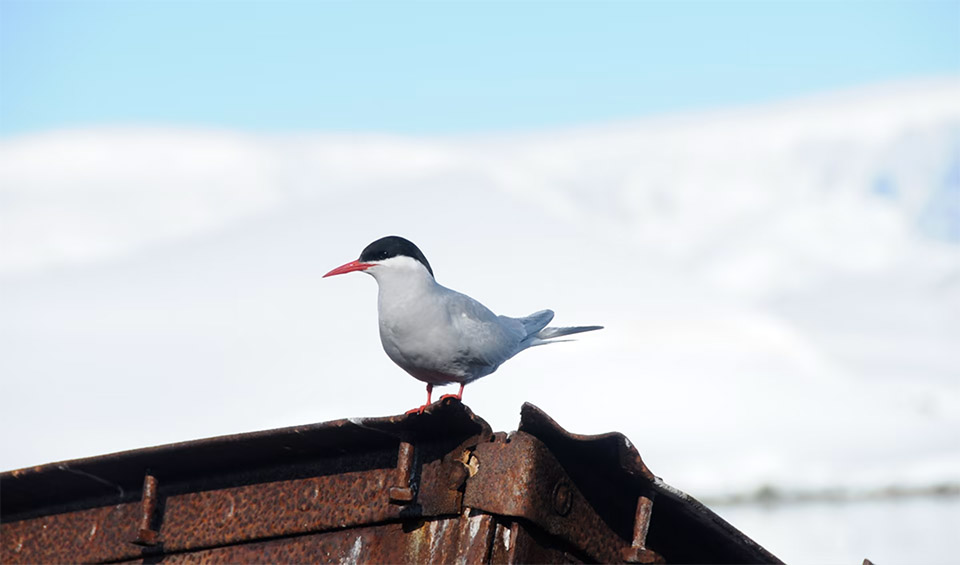
Arctic tern
This bird can give any cross-country runner a run for their money
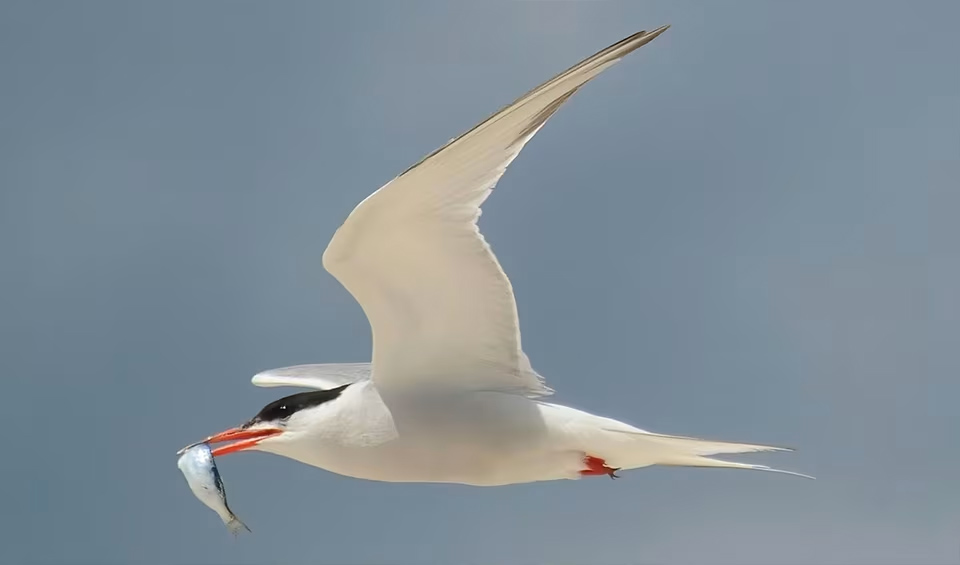
Common tern
This bird holds the record of the longest distance flown by any bird in recorded history

Plains-wanderer
On the brink of extinction, these birds evolved around 60 million years ago, when Australia was connected to America
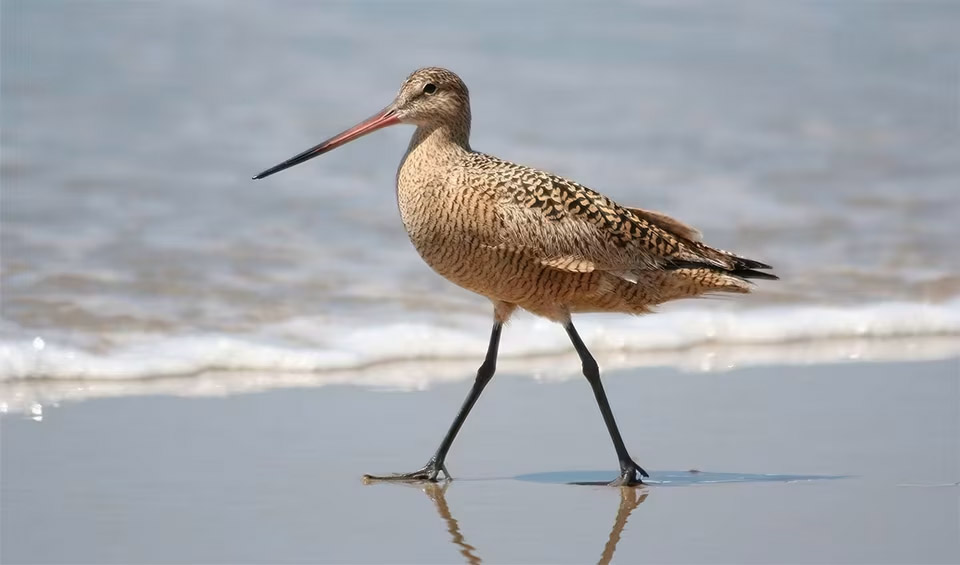
Black-tailed godwit
The most elegant of all godwit species

Emu
The unarmed winners of the Australia’s Emu-war

Southern cassowary
This heavyweight champion is the heaviest Asian and Australian living bird
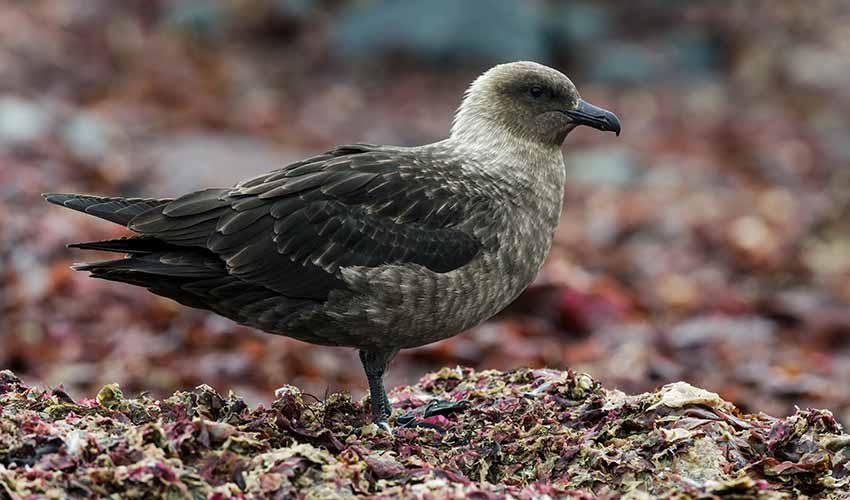
South polar skua
Famous for chasing other seabirds until they drop or cough up their food

Australian owlet-nightjar
It looks like a giant moth and loves moonlight like any other selenophile
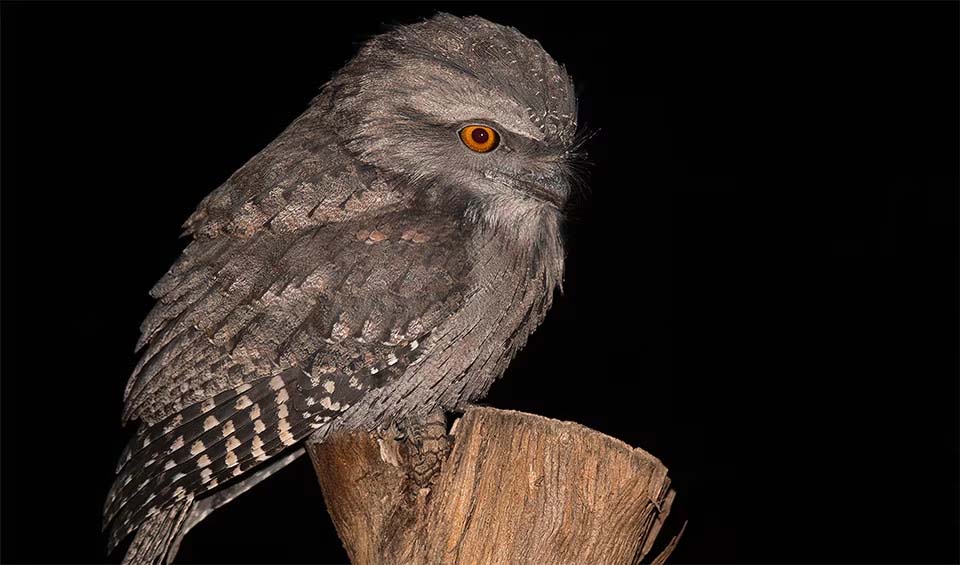
Tawny frogmouth
With a clever disguise ability entire family happily lives on the same branch, sleeps during the day, and hunts during the night
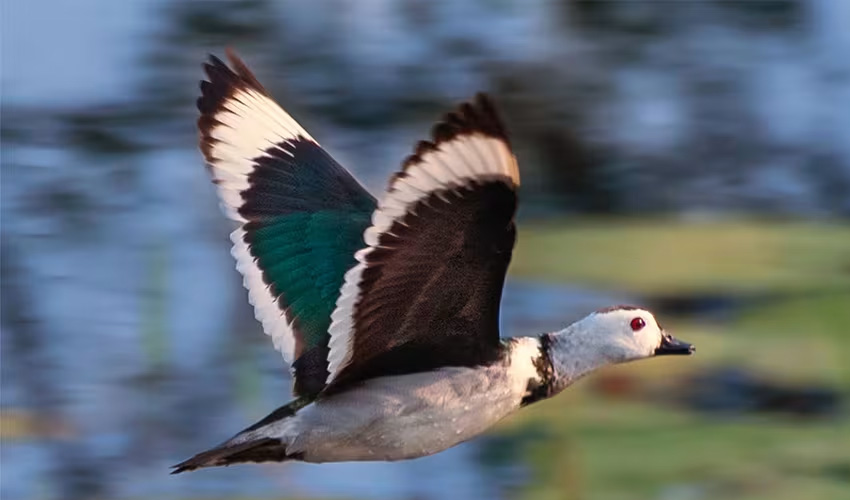
Cotton pygmy goose
Smaller than most iPads, meet the tiniest duck in the world
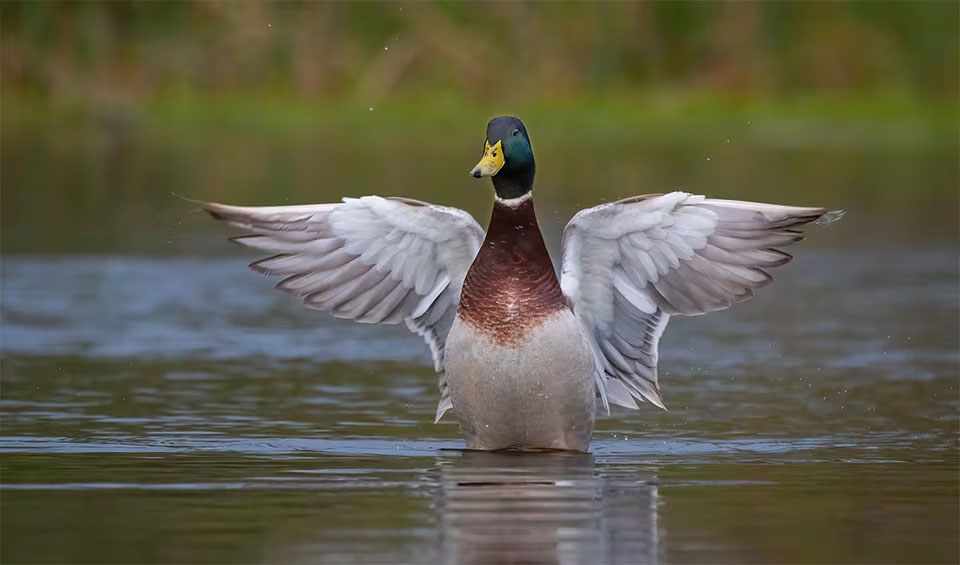
Mallard
This invasive species is the ancestor to most of the modern ducks
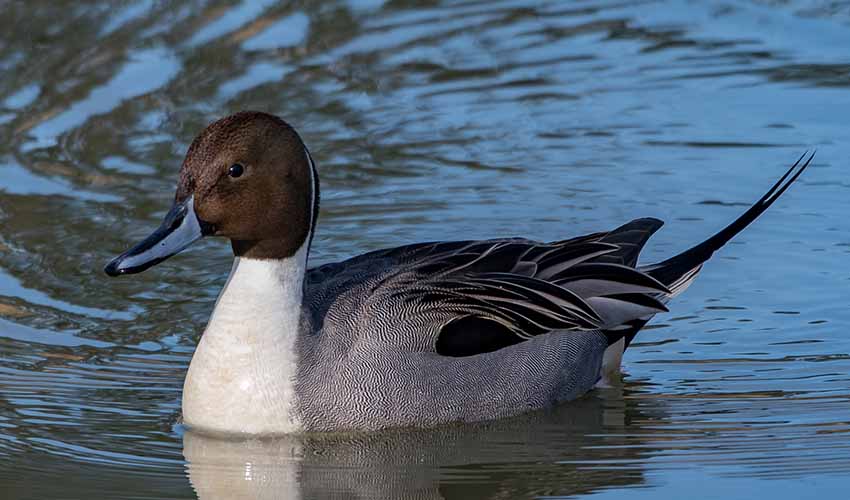
Northern pintail
Have been recorded at altitudes over 16,000 feet during migration—almost as high as small airplanes!

Magpie goose
The prime living example of an ancient fossil with only one species left to its name

Red goshawk
The rarest and powerful bird of prey with massive yellow feet and talons designed to quickly subdue its avian prey
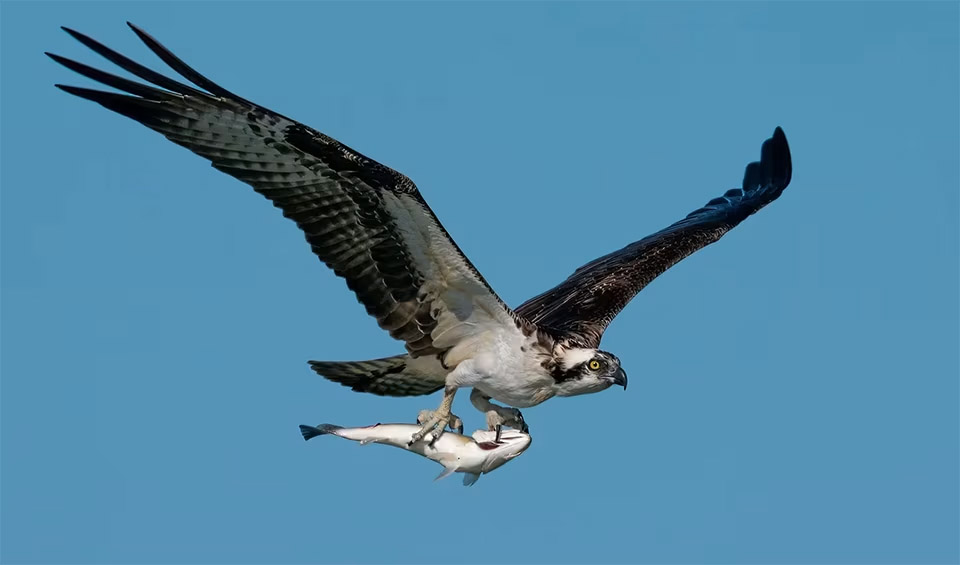
Osprey
One of only six land-birds with a cosmopolitan distribution habituating all continents except Antarctica
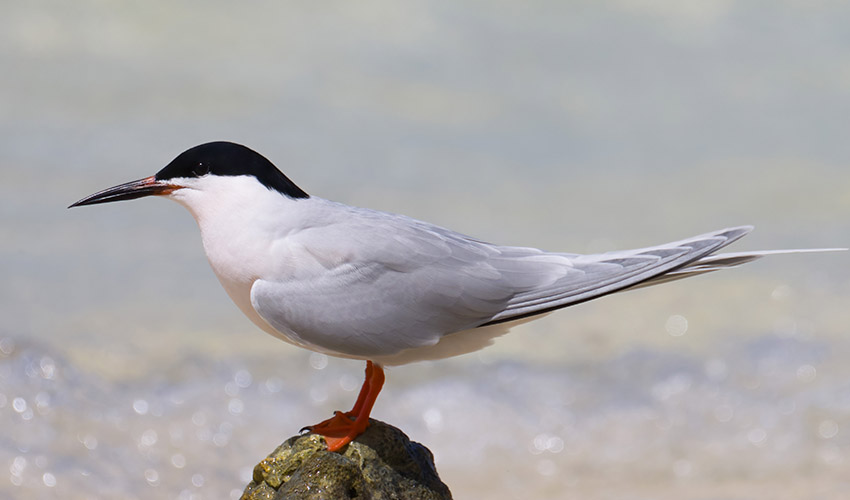
Roseate tern
One of the UK’s rarest breeding seabird
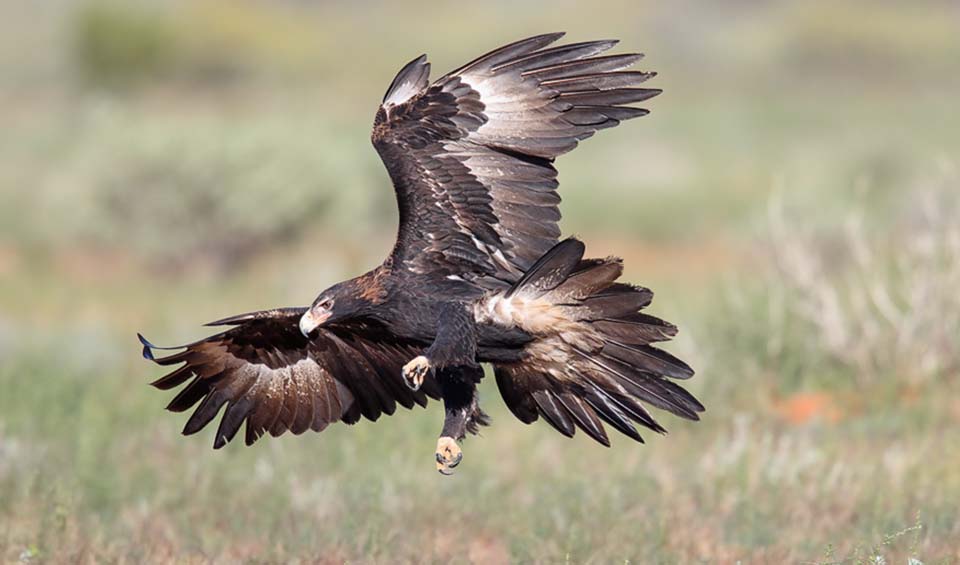
Wedge-tailed eagle
Australia’s largest bird of prey and one of the most impressive raptors in the world
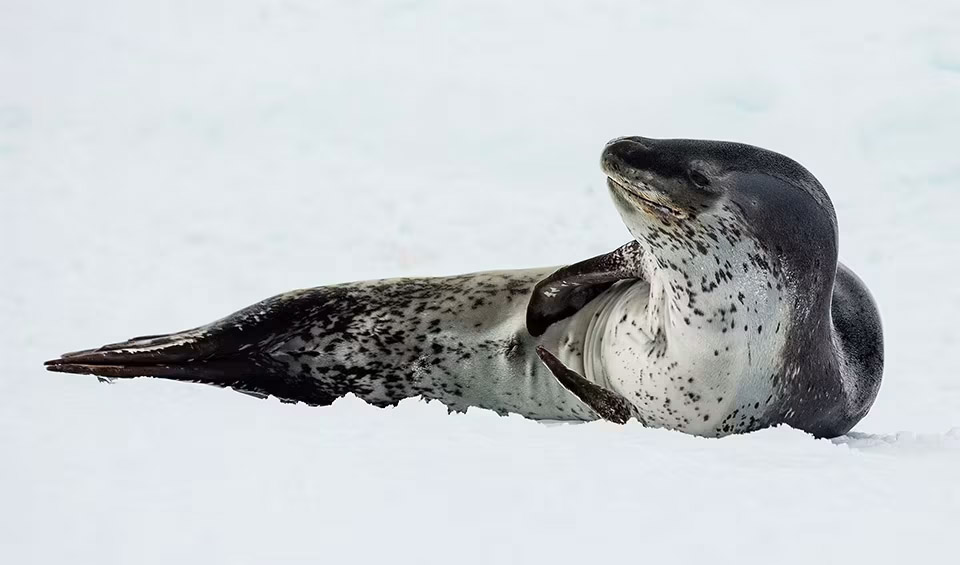
Leopard seal
The ends of the mouth are permanently curled upwards that look like a smile or a menacing grin
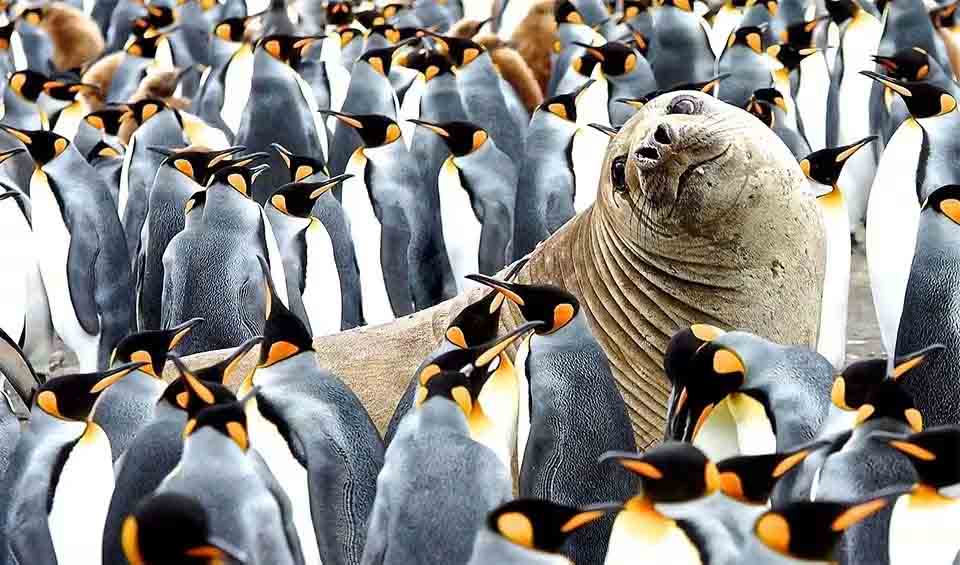
Southern elephant seal
The largest member of the order Carnivora, adult males, can be six times larger than polar bears!

New Zealand sea lion
One of the largest mammals found in New Zealand and the rarest sea lion species in the world

Australian sea lion
The only native and restricted pinniped in Australia

New Zealand fur seal
Heavily hunted in the 18th and 19th centuries for their pelts and oil
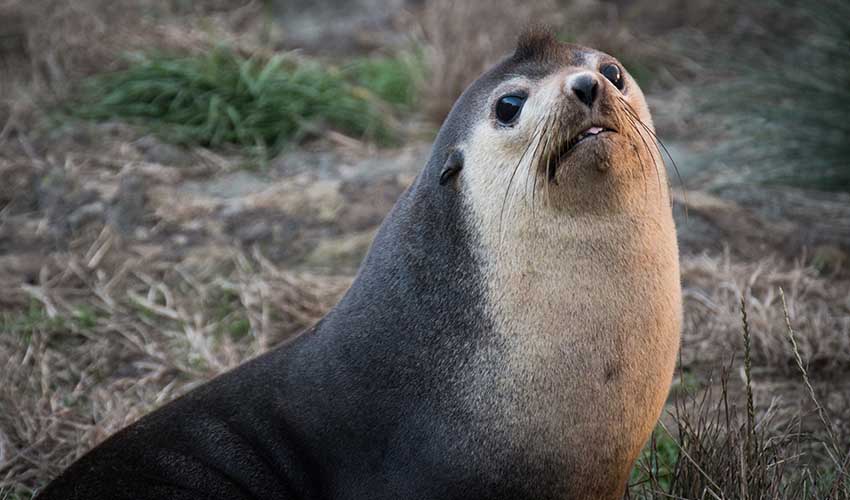
Subantarctic fur seal
Once nearly wiped out, it now thrives in great numbers

Pygmy right whale
The smallest baleen whale
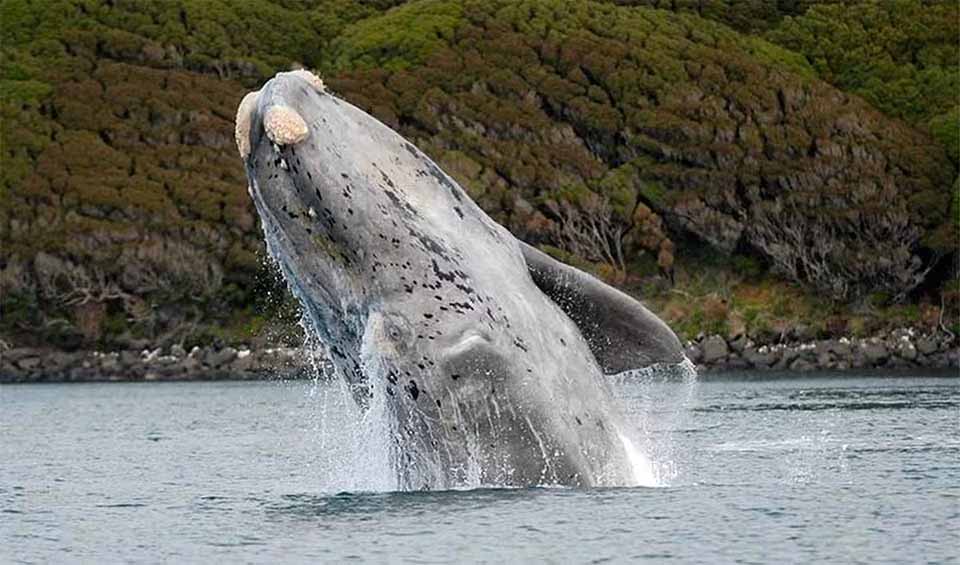
Southern right whale
Most common of right whales, cruising the southern oceans

Southern marsupial mole
Functionally blind and without external ears, they “swim” through the soil, leaving no permanent burrow

Short-beaked echidna
Has tiny muscle bundles connected to the bottom of each spine so that the spine’s movement and direction can be controlled

Platypus
An animal with a beak, fur and webbed-feet that also lays eggs and secretes venom? Meet platypus, The king of weirdos!
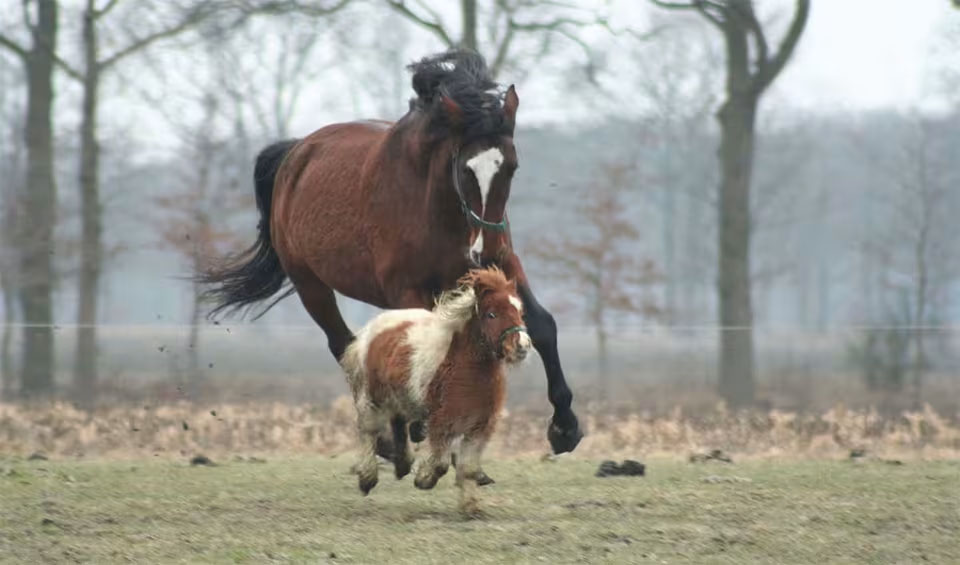
Horse
Have a strong fight-or-flight response, will usually flee when threatened but will defend themselves when fleeing is impossible, or the young are threatened

Short-nosed bandicoot
Do not avoid the odor of their native predator, which makes them vulnerable to predation

Numbat
Termite-eating machines; and one of only two marsupials that are strictly diurnal
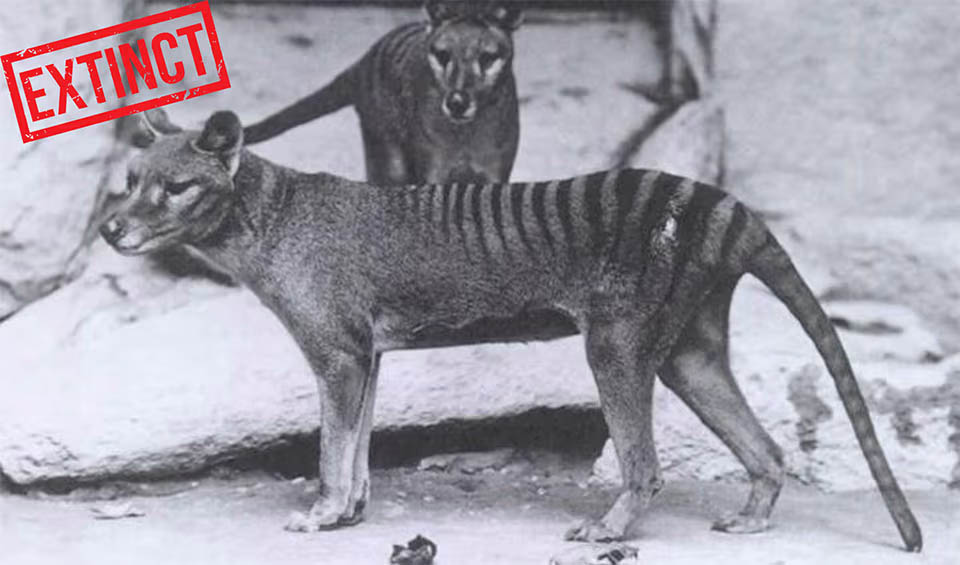
Tasmanian tiger
Unfortunately, a unique species is extinct due to overhunting and other human activities

Common planigale
Has a flattened skull to slip through holes, crevasses, and strands of grasses to escape from a predator or to hunt prey

Tasmanian devil
‘Taz’, a well-known character of ‘Looney Tunes’ is a Tasmanian devil

Western quoll
Important to the Australian aboriginal people as the symbol of their mythology and for ceremonial purposes

Kowari
Already became extinct in the Northern Territory, now limited to NE South Australia and SW Queensland
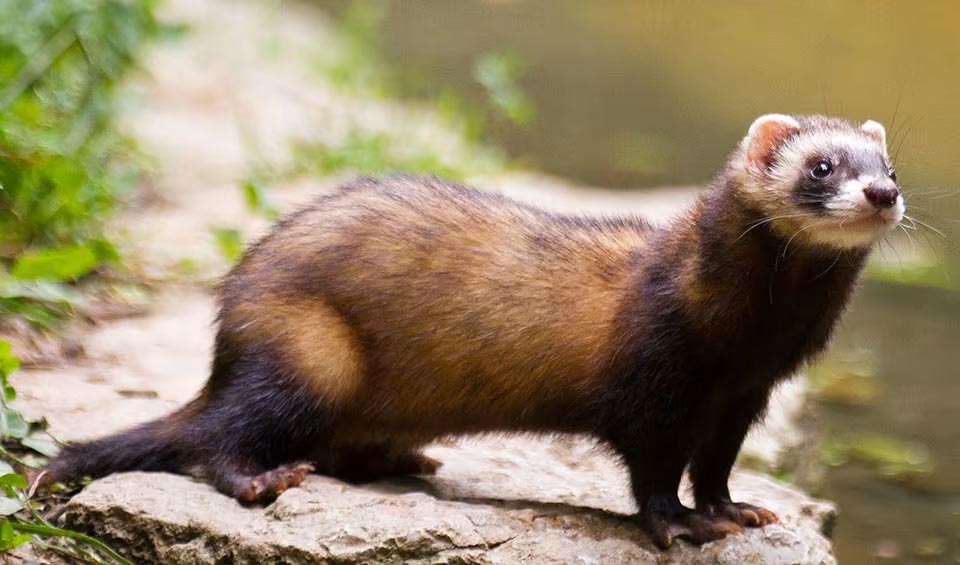
Domestic ferret
Domesticated from the European polecat, once bred for hunting, now as a pet
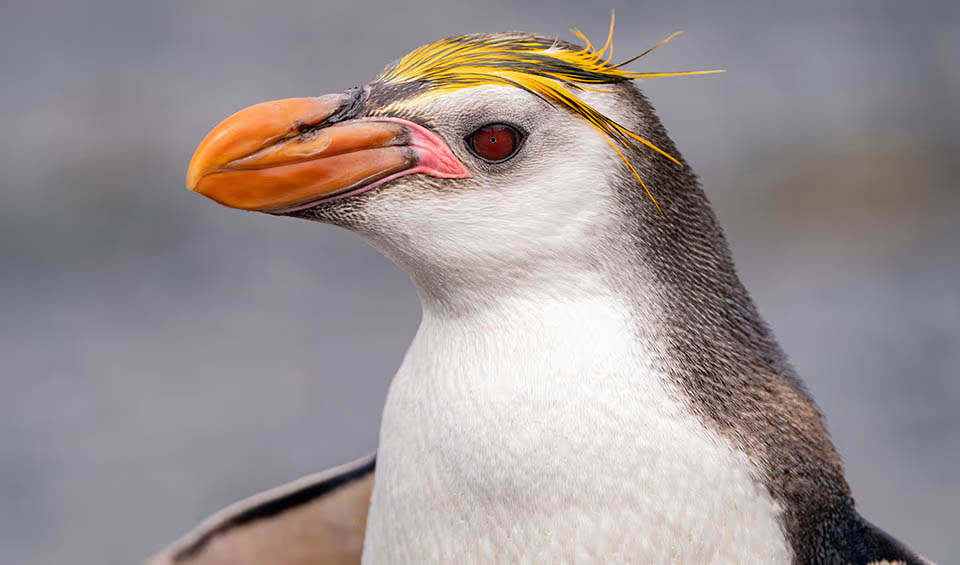
Royal penguin
Got their name from the striking yellow crests and facial plumes that adorn their heads, making them look quite regal
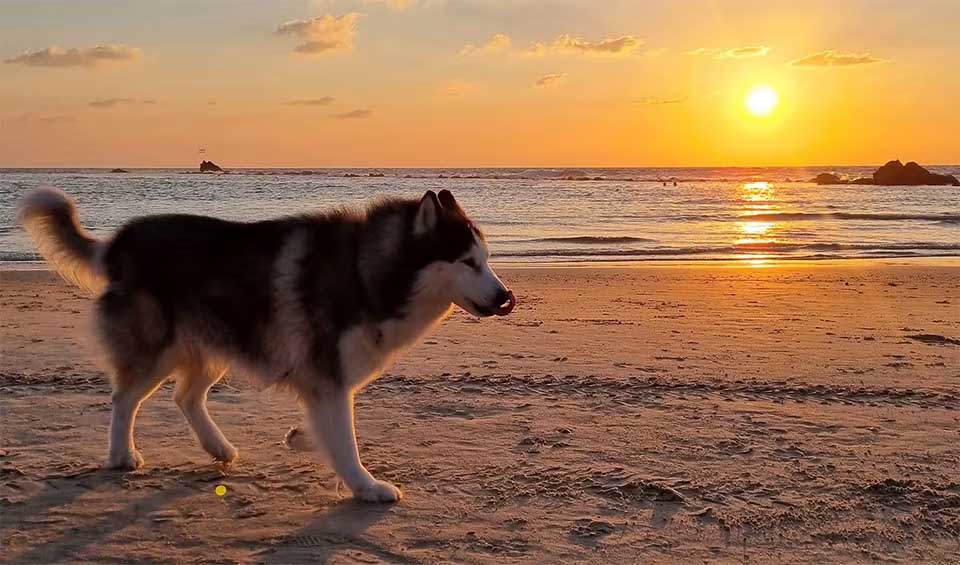
Dog
Man’s best friend is a domesticated descendant of an ancient, extinct wolf

Musky rat-kangaroo
The most primitive in their order and represent the earliest evolutionary stage, being a link between ancestral arboreal opossums and macropods

Eastern bettong
They can curl their tail around a bunch of material for nesting to transport it easily from place to place. Work smarter, not harder!

Allied rock-wallaby
Short and stocky forearms and tubercle-covered palms enable this species to grasp rocks

Bridled nail-tail wallaby
The purpose of the nail-like point of their tail is still unknown, but it is believed that it helps in keeping balance or changing direction

Agile wallaby
The white stripe near the hip is the identification mark for this species

Common wallaroo
The word ‘wallaroo’ combines both wallaby and kangaroo in word and essence

Forester kangaroo
One of the few kangaroo species that live in dense forests rather than open grasslands

Red kangaroo
Hop into the world of the mighty red kangaroo, Australia’s iconic marsupial

Feathertail glider
The world’s smallest gliding mammal, named because of its long feather-shaped tail

Common ringtail possum
Another Australian passport holder lives in different habitats and eats leaves, flowers, fruit, and sap

Striped possum
Solitary, nocturnal; builds its nest in tree branches

Honey possum
The Hummingbird of the mammals class: feeds solely on nectar and pollen of flowering plants

Western pygmy possum
Population is stable, but still rare in the south coast & Southwest Australia

Common wombat
Most widespread wombat species, and has a large, naked snout

Domestic goat
Goats are social animals and become depressed if kept alone

Rothschild’s rock-wallaby
A rock-parkour specialist: strong back legs + a long tail for balance, let it bound across ledges and boulders with confidence

Domestic sheep
Social animals, typically of the same gender: males herds are called “bachelor” herds
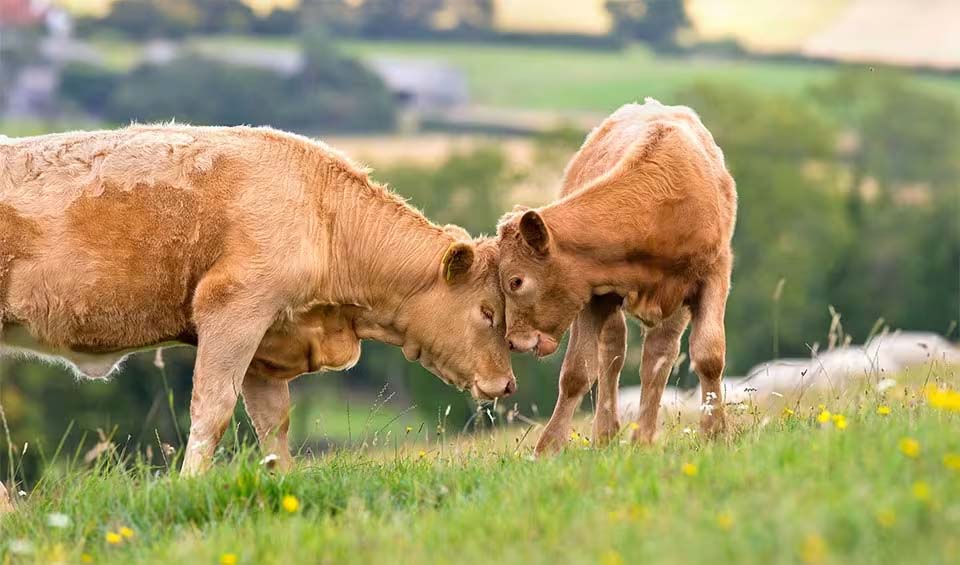
Cattle/cow
A genus of wild and domestic cattle closely related to the genus Bison

Northern nail-tail wallaby
The “nail-tail” part is real: it has a hard, nail-like tip at the end of its tail

Short-eared rock-wallaby
Built for hopping and scrambling across cliffs, boulders, and steep ledges

Western grey kangaroo
Their hop is so energy-efficient that once they get going, going faster doesn’t cost them much extra energy

Unadorned rock-wallaby
“Unadorned” means it’s plain-looking, which actually makes it excellent at camouflage on rock
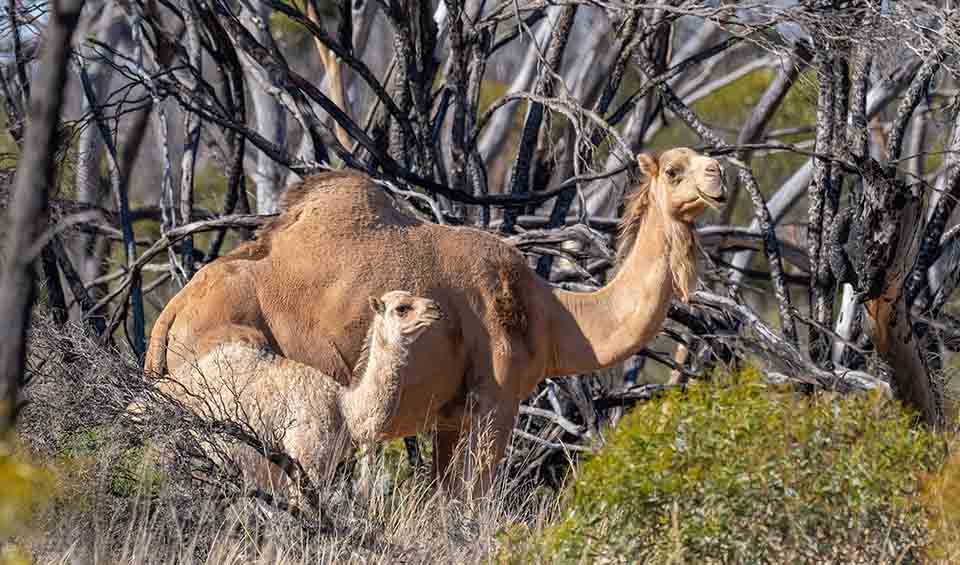
Arabian camel
No more true wild animals: all are domesticated or escaped from stock
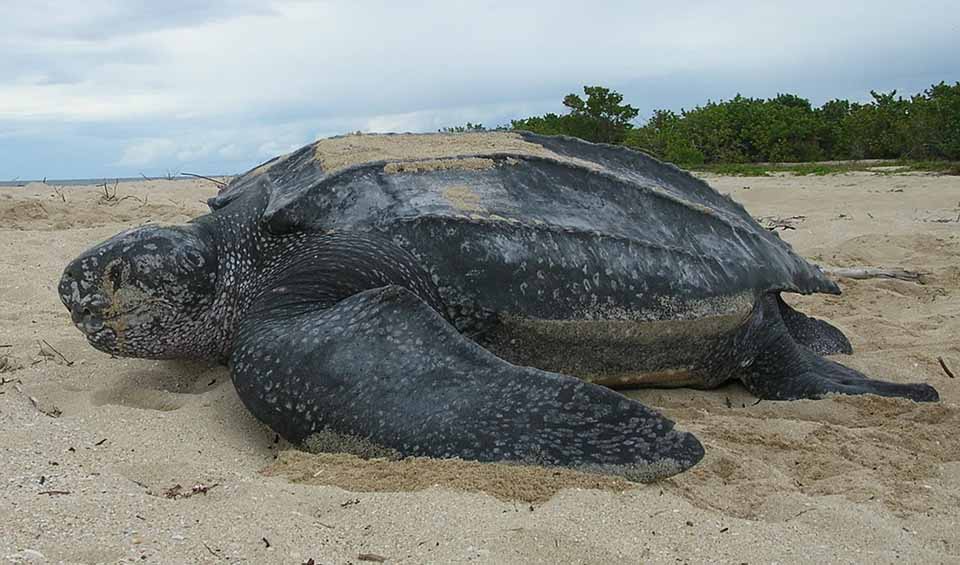
Leatherback sea turtle
The mysterious diver of the ocean is the largest and only sea turtle without a hard shell and scales

Green sea turtle
Largest hard-shelled sea turtle on earth

Pig-nosed turtle
Possesses an elongated fleshy proboscis, resembling a twin-snorkel, that extends above the water surface for breathing

Thorny devil
Otherwise known as the thorny dragon, this lizard is definitely in need of spa treatment

Inland taipan (fierce snake)
Often called the most venomous snake on earth, these creatures are anything but dangerous

Freshwater crocodile
A small freshwater crocodile native to the lands of Australia
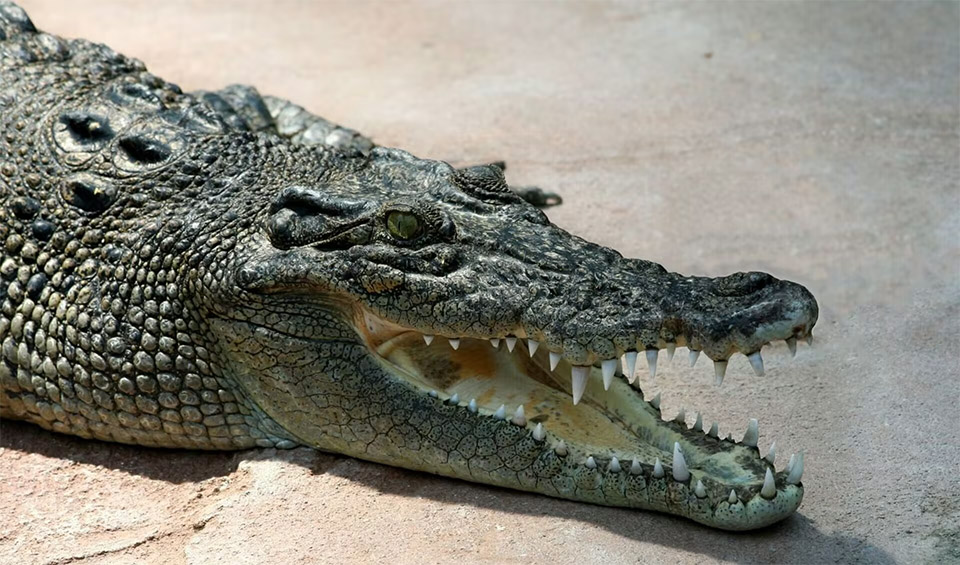
Saltwater crocodile
Largest of all living reptiles and the animal most likely to eat a human

White-lipped tree frog
These gorgeous frogs are the world’s largest tree frogs and can grow up to 14cm or 5.5 inches!
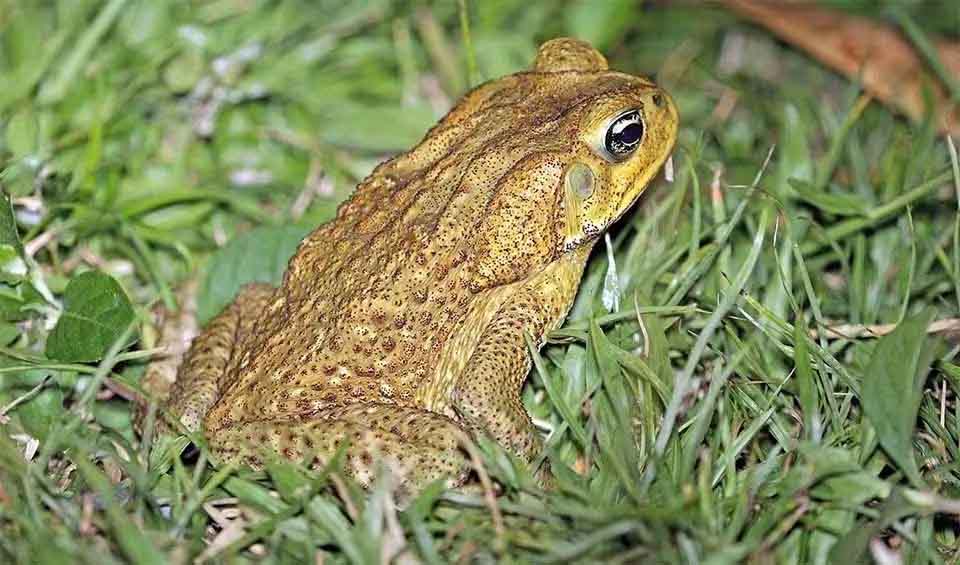
Cane toad
When a big one meets a smaller one, it’s lunch!

Domestic cat
Regardless of their breed, all 73 recognized kitties’ breeds are of one single species

