Search for Djibouti
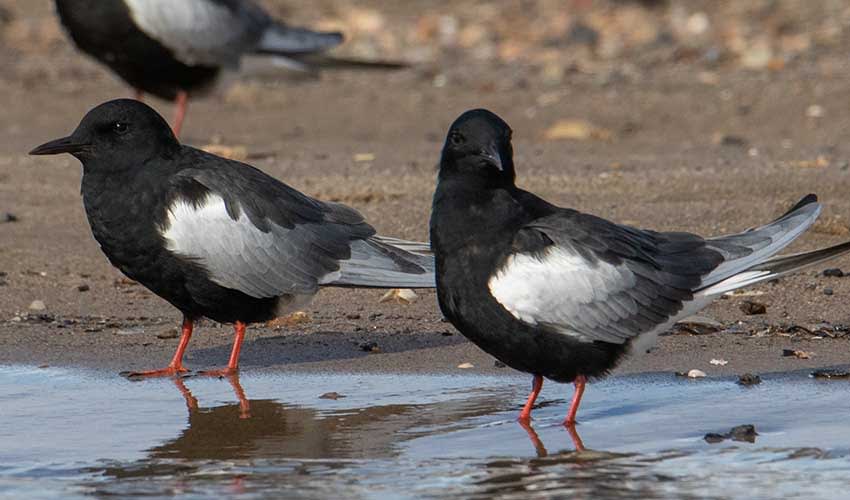


White-winged tern
A single flock can clear out thousands of mosquitoes and agricultural pests in a single afternoon

Bridled tern
Known to “ride out” massive tropical storms by flying into the calm eye of the hurricane

Sooty tern
Remains as one of the most resilient residents of the tropics

Black-headed gull
If you look closely at their dark hood, you’ll see two broken white crescents around the eye

Willow warbler
A tiny traveler with a powerful voice and one of nature’s most impressive journeys
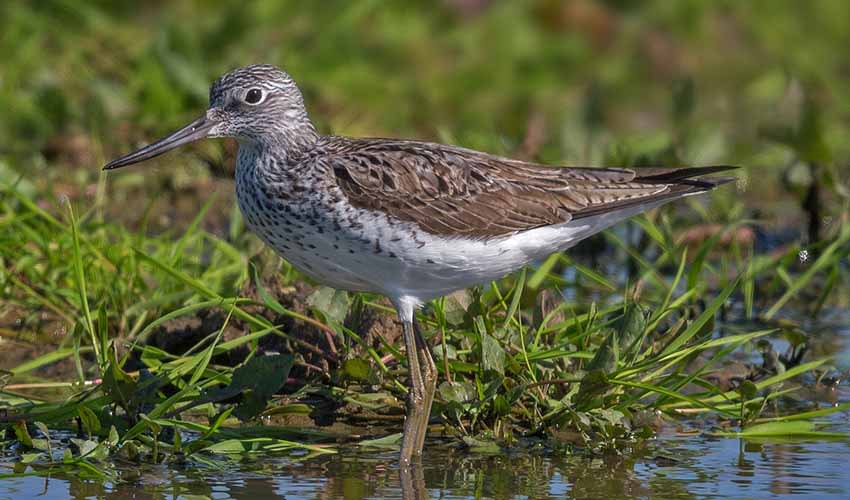
Common greenshank
When it’s time to migrate, they don’t just fly; they go into orbit

Spotted redshank
That vivid red color isn’t just for fashion; it’s a sign of health and vitality
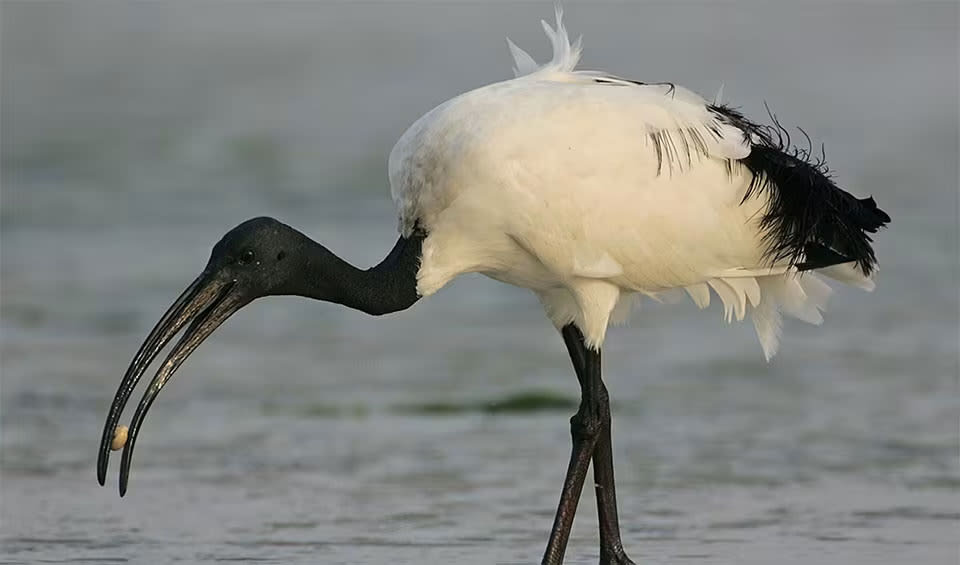
African sacred ibis
The fossil records suggest that this species has been on this planet for millions of years
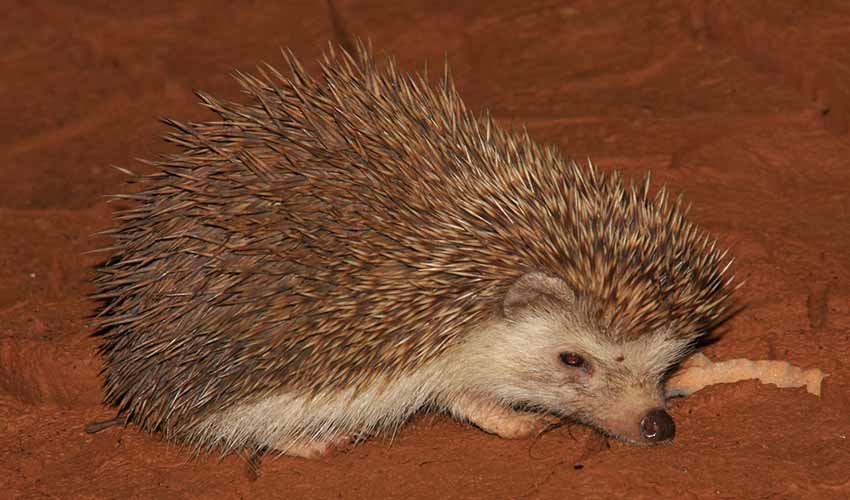
Four-toed hedgehog
Those spines aren’t “shootable”—they’re stiff hairs that just stay put
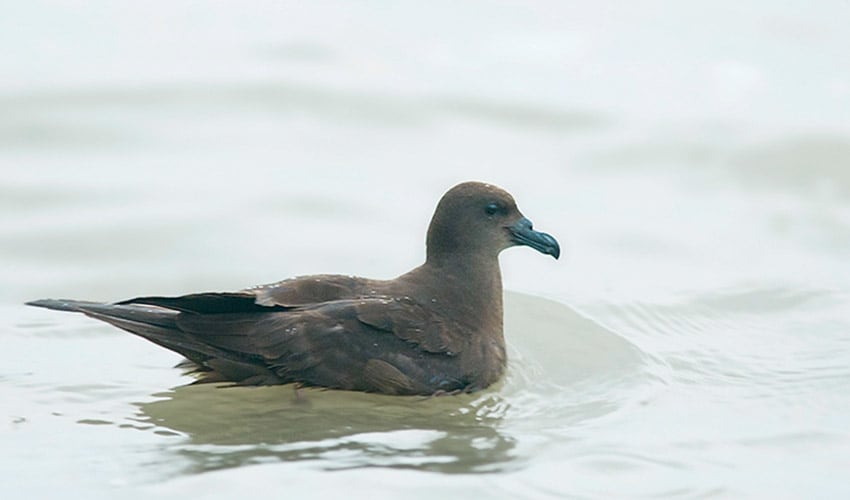
Jouanin’s petrel
One of the ocean’s “mystery birds”

Grey plover
Can be black, can be grey but it’s the same bird

Bar-tailed godwit
Has one of the longest nonstop flights ever recorded for any bird

Pacific golden plover
Before their 3,000-mile flight, they become “hyperphagic,” eating until fat makes up nearly half of their body weight
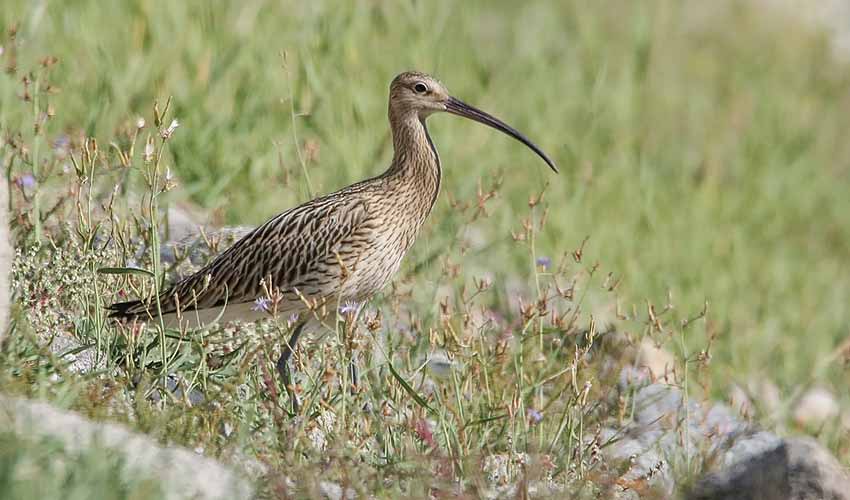
Eurasian curlew
Has the longest bill of any wading bird

Garganey
Known to cross the vast Sahara Desert in a single go during their migration

Maned rat
Its hairs are sponge-like, packed with tiny holes and grooves that soak up poison like a super-absorbent sponge
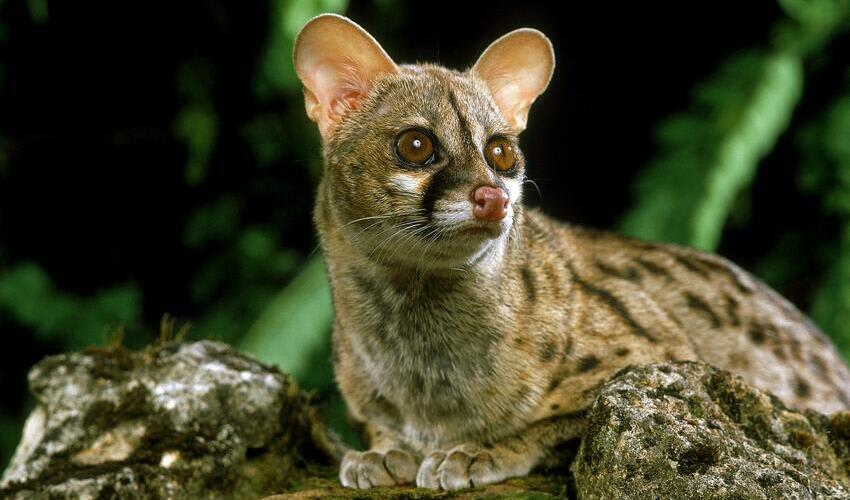
Common (spotted) genet
We can rotate our pinnae by 80 degrees!

Unstriped ground squirrel
One of the most drought-tolerant squirrels

Heart-nosed bat
Its noseleaf forms a perfect heart shape, giving the species both its common name and its scientific name (cor = “heart”)

Short-finned pilot whale
The “cheetahs” of the deep ocean

Greater spotted eagle
More active on overcast or slightly rainy days, when amphibians are abundant and easier to catch

Lesser spotted eagle
Frequently hunts from a low perch, dropping quietly on prey rather than making long chases

Caspian tern
A heavyweight champ — elegant, yes, but you don’t want to mess with that beak

Striped dolphin
Among the most athletic dolphins, known for their spectacular leaps and spins that can reach several meters high
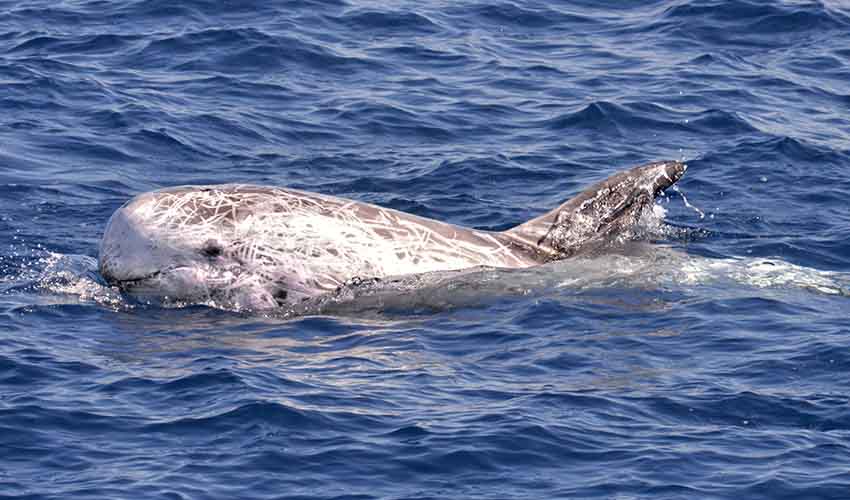
Risso’s dolphin
Sometimes called the “scars in the water” thanks to their many white markings

Yellow-bellied sea snake
The most widespread species of snakes on earth are found throughout the Indian and Pacific Oceans and from Africa to Central America

Egyptian saw-scaled viper
Extremely heat-tolerant, able to remain active in temperatures that would kill many other reptiles

Common long-tailed lizard
Its tail can make up over 70% of its total body length, one of the longest tail-to-body ratios among African lizards

Desert agama
Its scientific name, mutabilis, means “changeable,” a nod to its ability to shift coloration
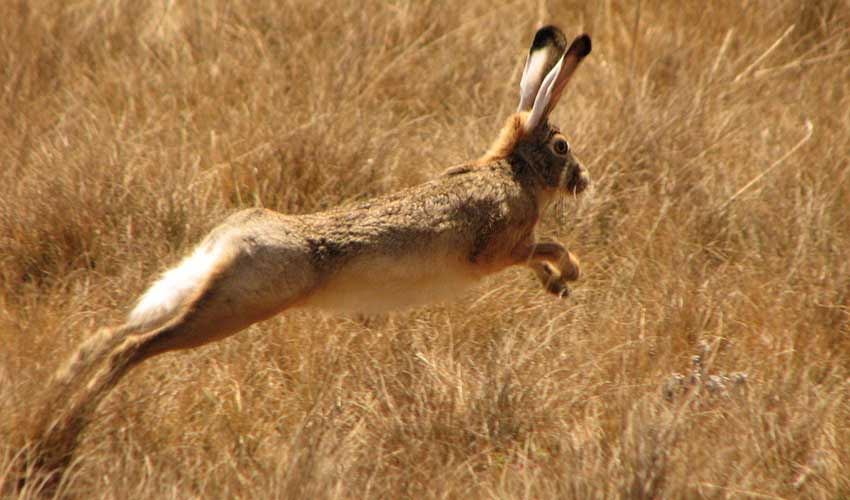
Abyssinian hare
Sandy, speckled fur is natural camouflage for dry grass, dusty soil, and scrubby ground

Lesser mouse-tailed bat
A tiny desert survivor, with a rodent-like tail

Sand martin
A bird that carries the rhythms of the seasons on its wings

Booted eagle
Despite its small frame, this eagle can take prey almost as large as itself
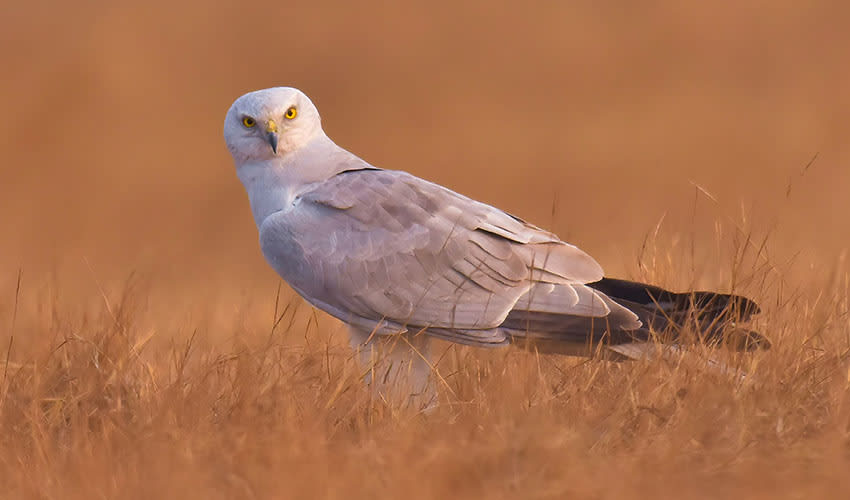
Pallid harrier
Local birdwatchers sometimes call it the “silver ghost of the grasslands”
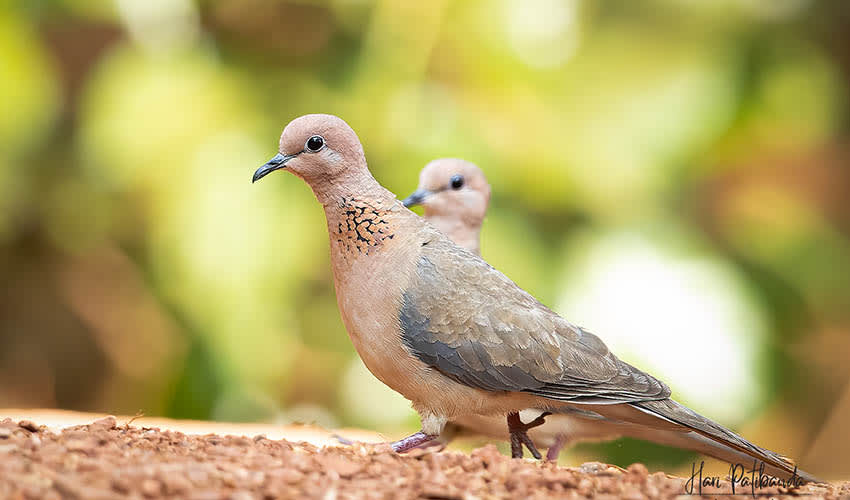
Laughing dove
One of the most charming doves you’re likely to encounter

Sudan plated lizard
Mini crocodiles with a vegetarian side
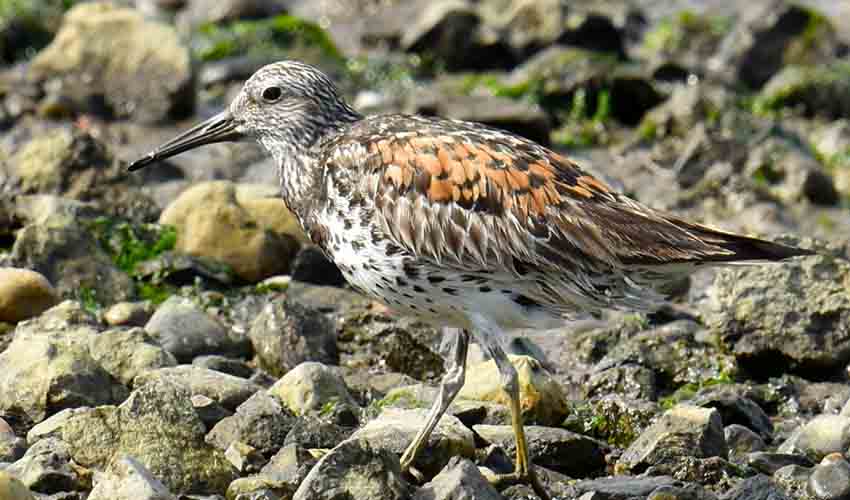
Great knot
Famous for very long migrations between Arctic breeding grounds and coastal wintering areas
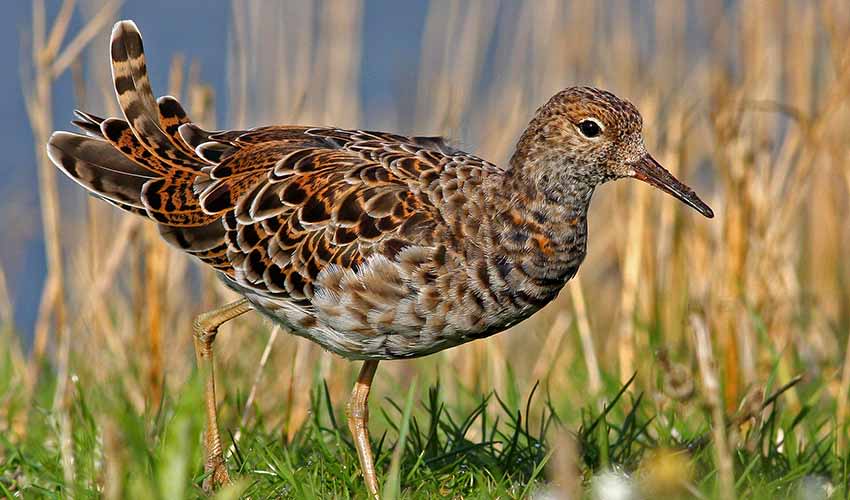
Ruff
Looks ordinary—but transforms into one of the most extravagant birds during breeding season

Desert hedgehog
Surprisingly dainty, weighing less than a can of soda
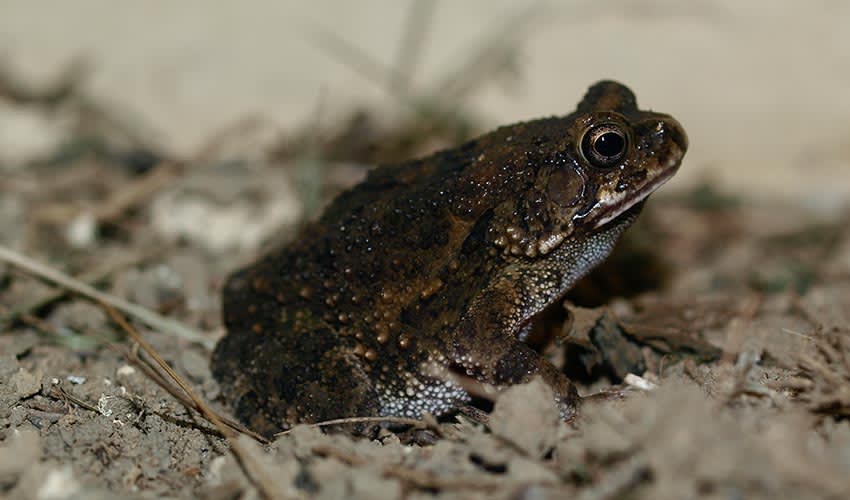
African common toad
One of the most widespread and adaptable amphibians across sub-Saharan Africa

Pygmy killer whale
One of the lesser-known members of the dolphin family, despite its dramatic name
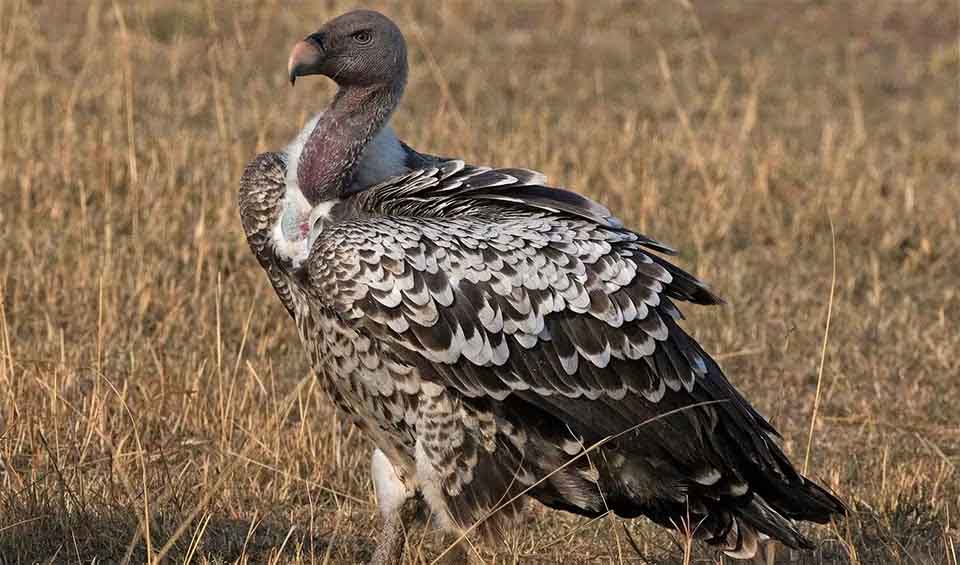
Rüppells vulture
Once found flying 11,300 meters (37,100 ft) high, sadly, this was more of an accident than a discovery

Scalloped hammerhead
Their skin actually darkens, just like a sunburn!

Reed cormorant
Despite its short stature, it’s a strong and fast flier

Common duiker
And they live up to the name — these little antelopes are known for diving headfirst into thickets when spooked

Flap-necked chameleon
Its tongue can shoot out up to twice its body length in a fraction of a second

Hamadryas baboon
In ancient Egypt, they were associated with the god Thoth

Black crake
They’re always close to the reeds, but just bold enough to be seen

Ruddy turnstone
They flip the script — literally!
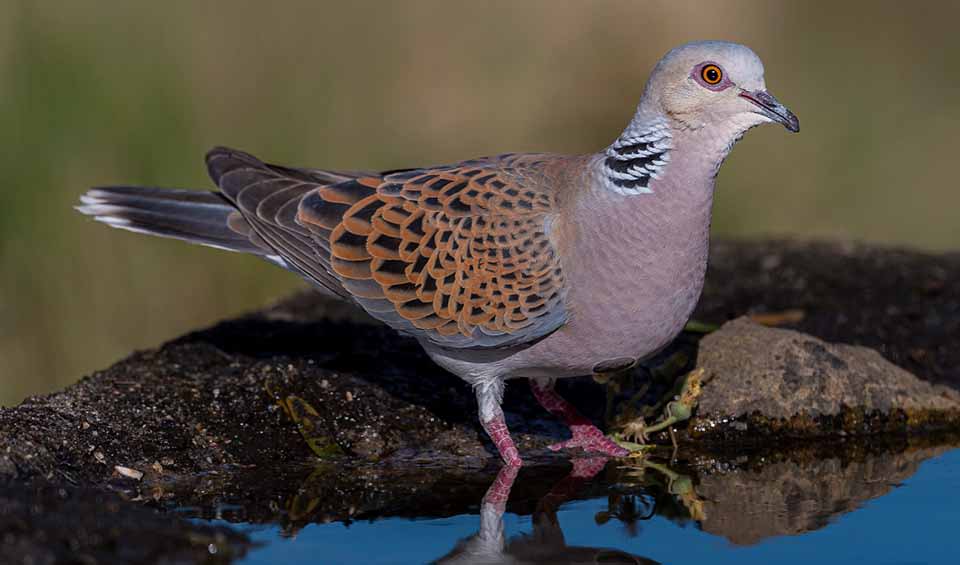
European turtle dove
The only long-distance migratory dove in Europe
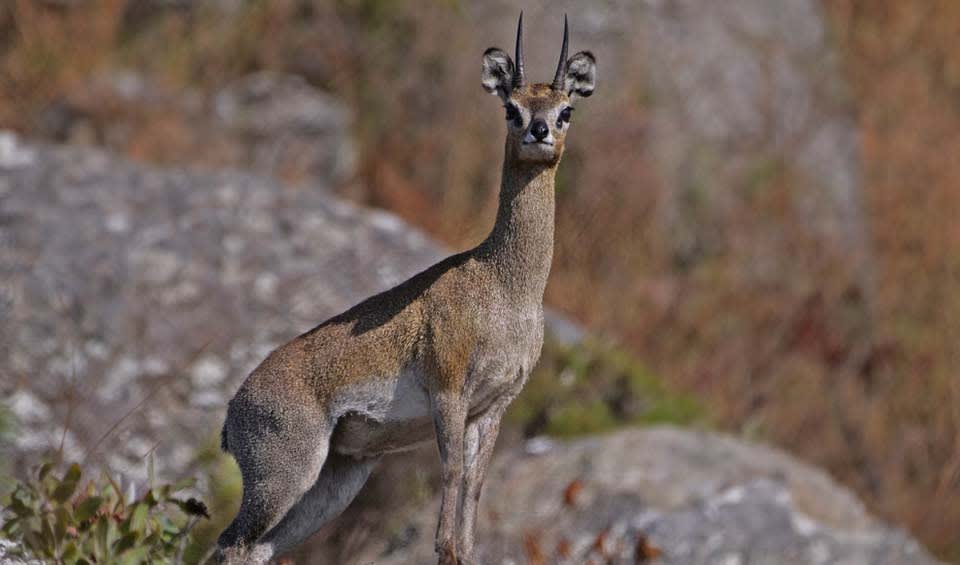
Klipspringer
Natural-born climber, capable of leaping with incredible agility across steep cliffs and boulder-strewn slopes

African paradise flycatcher
Its call—a soft, sweet “chee-chee” or chattering trill—can often be heard before the bird itself is seen
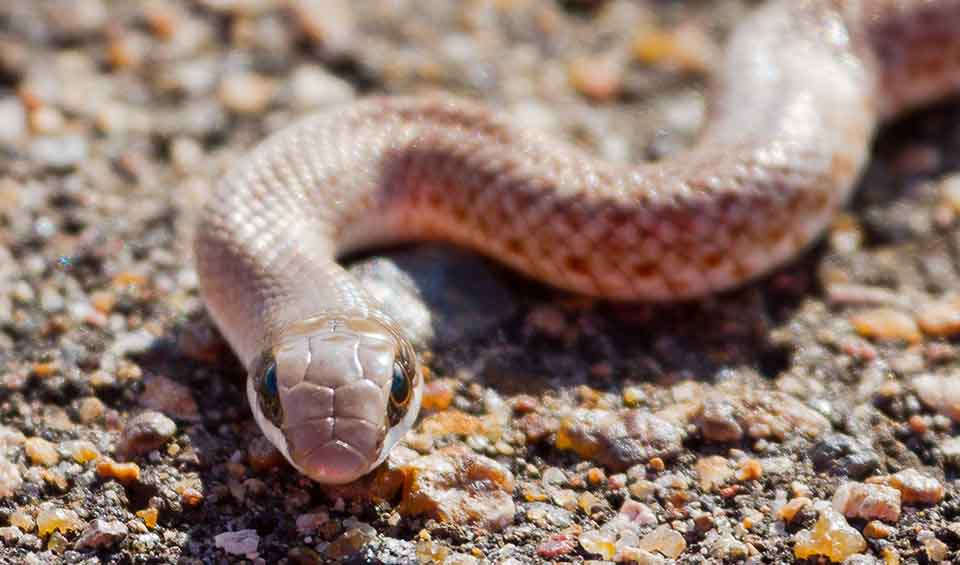
Rufous beaked snake
Often dig its own shelter or take over abandoned rodent holes

Egyptian cobra
The pharaoh’s bodyguard

Common slender mongoose
Can take on a cobra with nothing but speed and confidence
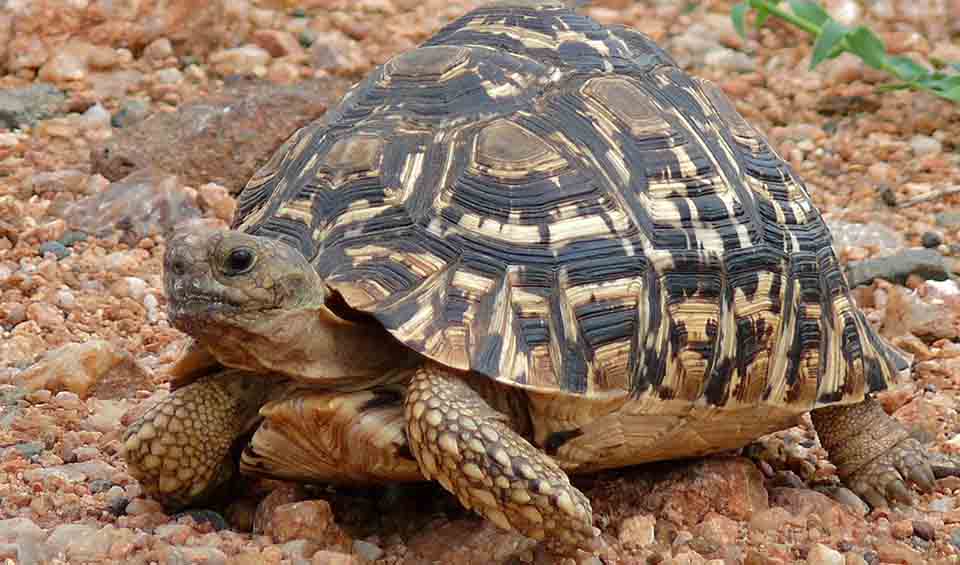
Leopard tortoise
Famous for its beautiful, patterned shell that resembles the spotted coat of a leopard

Common dwarf mongoose
Tiny but mighty warriors of Africa — proof that being small doesn’t mean you can’t live large
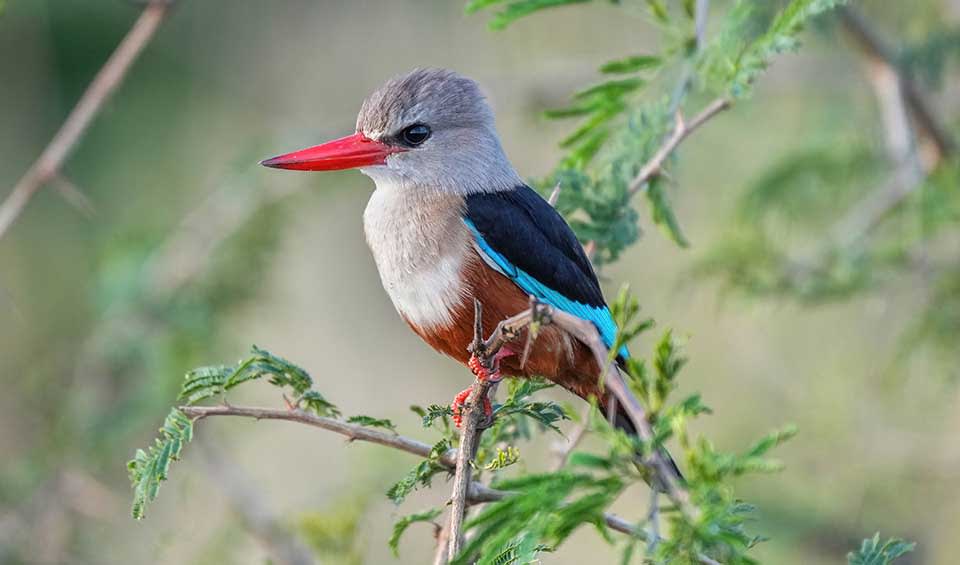
Grey-headed kingfisher
Despite the name, it rarely goes fishing!
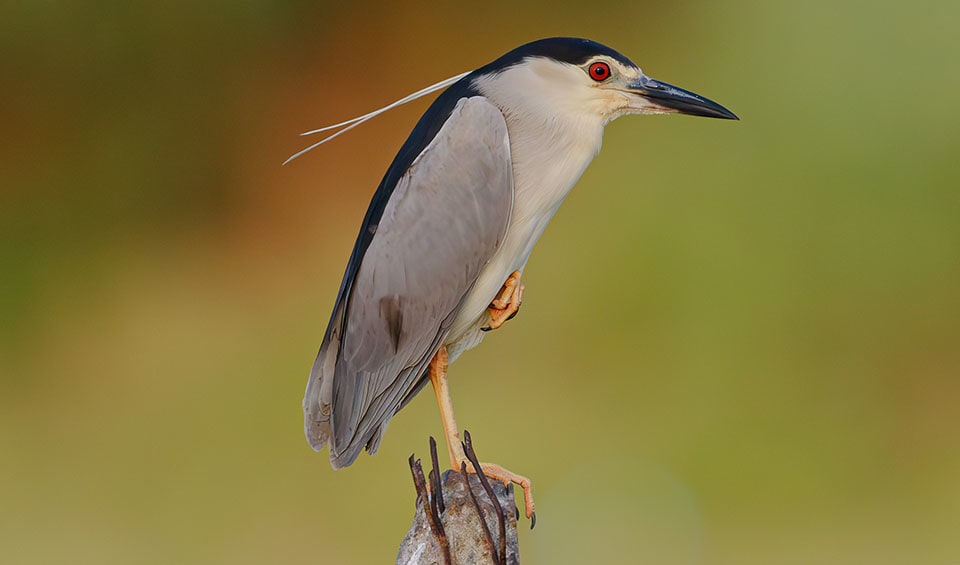
Black-crowned night heron
One of the most widespread and adaptable herons in the world

Steppe eagle
The treasured bird of Saladin, the first Sultan of Egypt

Beira
Its large, rabbit-like ears are what gave it the species name megalotis, meaning “big-eared”

African spoonbill
A skilled hunter with a very practical tool attached to its face

East African oryx
They can raise their body temperatures to avoid loss of water from their body by sweating

White-tailed mongoose
One of its favorite snacks? Beetles and other crunchy bugs!

Lesser kudu
Bushland antelope found in East Africa; often considered the pretties of all antilopes
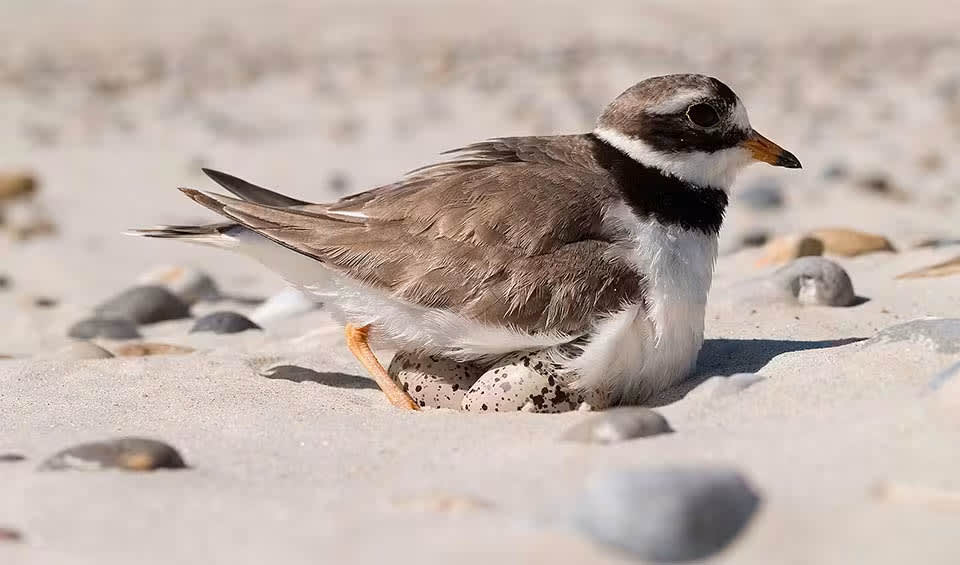
Common ringed plover
This bird taps its feet to imitate rain to make the prey reach the surface

Saker falcon
Their keen vision enables them to scan vast landscapes, identifying small movements or potential prey items even from high altitudes
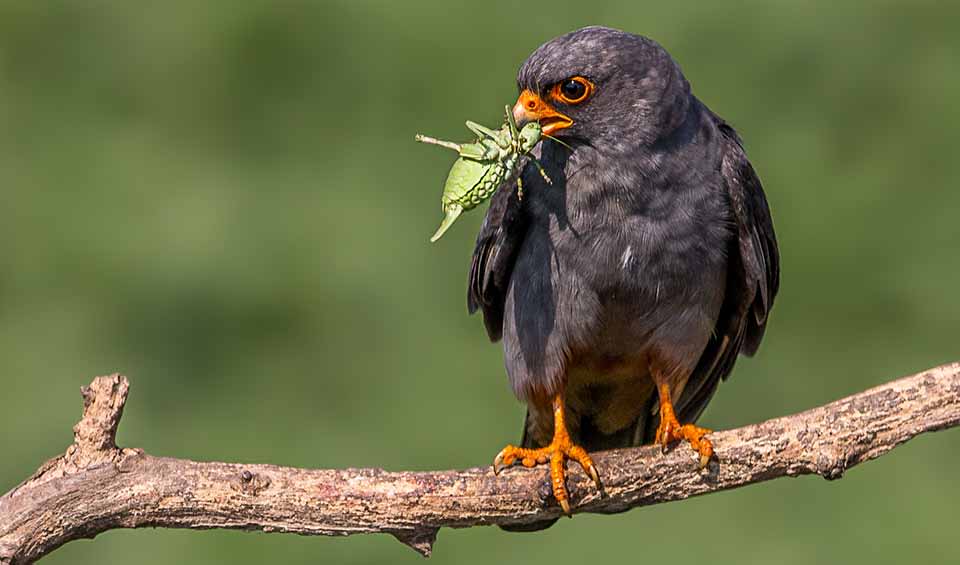
Red-footed falcon
Their favorite snack? Large insects like locusts and dragonflies

Little tern
Renowned for their spectacular aerial displays during courtship, including steep dives and intricate flight patterns

Common crane
The flocks of this social and gregarious bird are fond of migration, flying over the horizon and creating a V-shaped formation

European roller
Loves trees! Only member of its family breeding in Europe
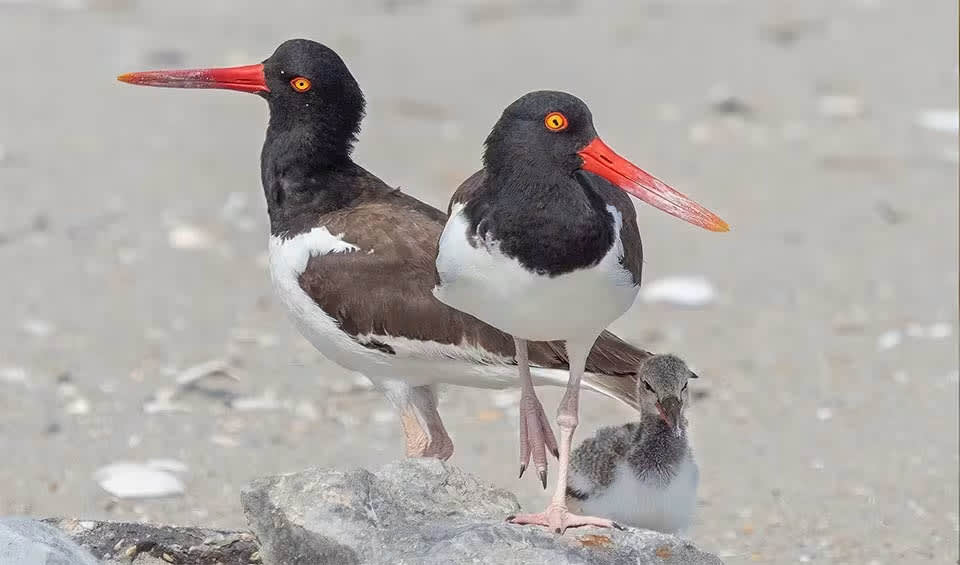
Eurasian oystercatcher
The masters of catching oysters, clams, and cockles

Lesser black-backed gull
A common sight in coastal regions throughout the Northern Hemisphere
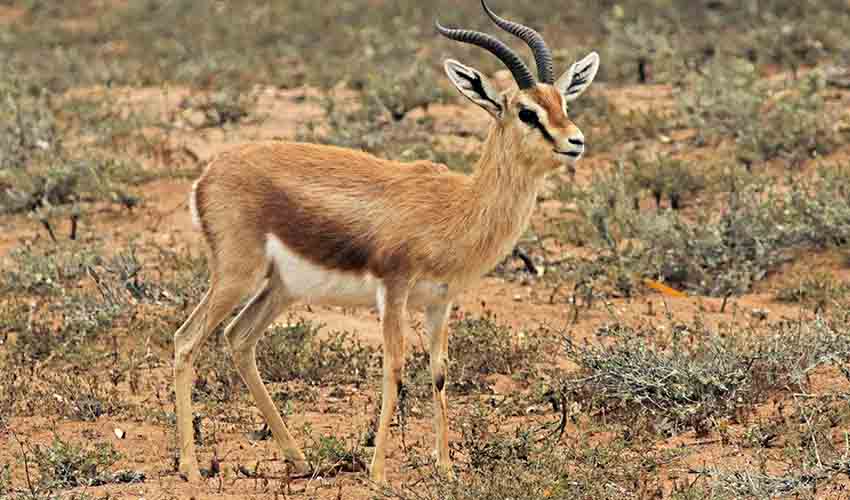
Dorcas gazelle
One of the classic desert gazelles, perfectly shaped for hot, dry landscapes
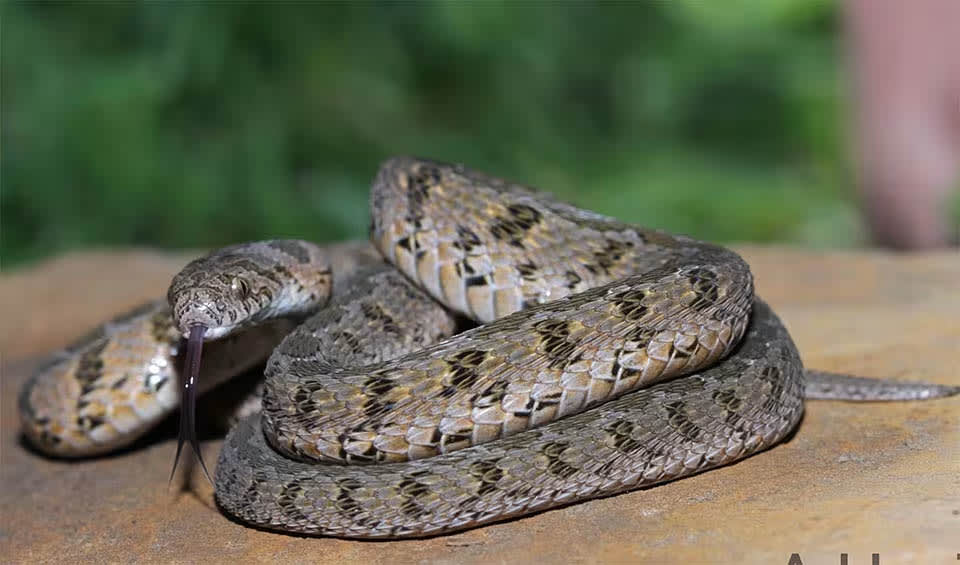
Common egg eater
Has the incredible ability to swallow eggs that are much larger than its own head

Bateleur
One of the easiest birds of prey to identify from a distance
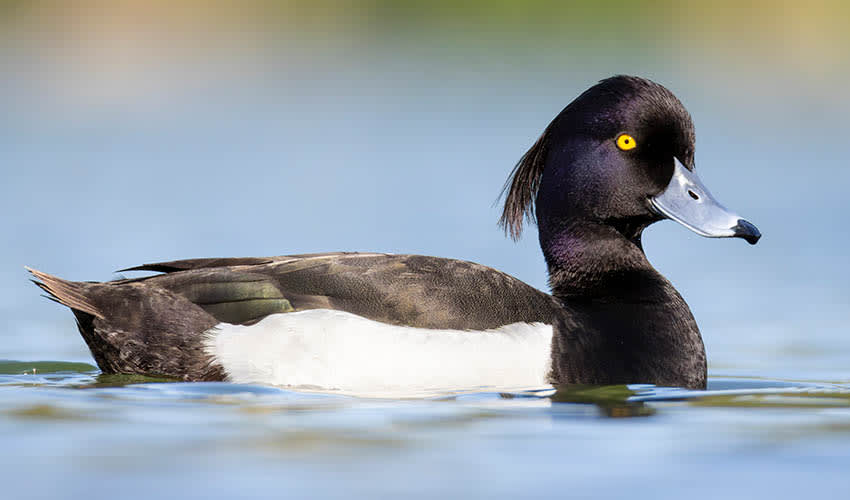
Tufted duck
Sometimes mistaken for the North American ring-necked duck — but the tuft gives them away immediately
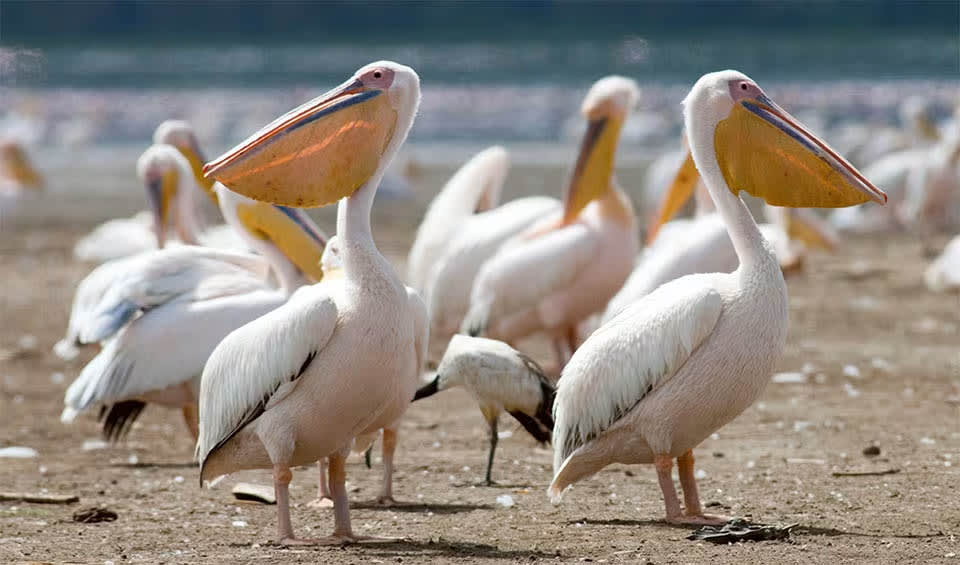
Great white pelican
Underneath this colorful beak, there’s a hidden surprise – a built-in net for scooping up a delicious lunch!

Pink-backed pelican
Mostly pale grey or white, but when the light hits just right, you’ll see a rosy-pink blush across their back and wings
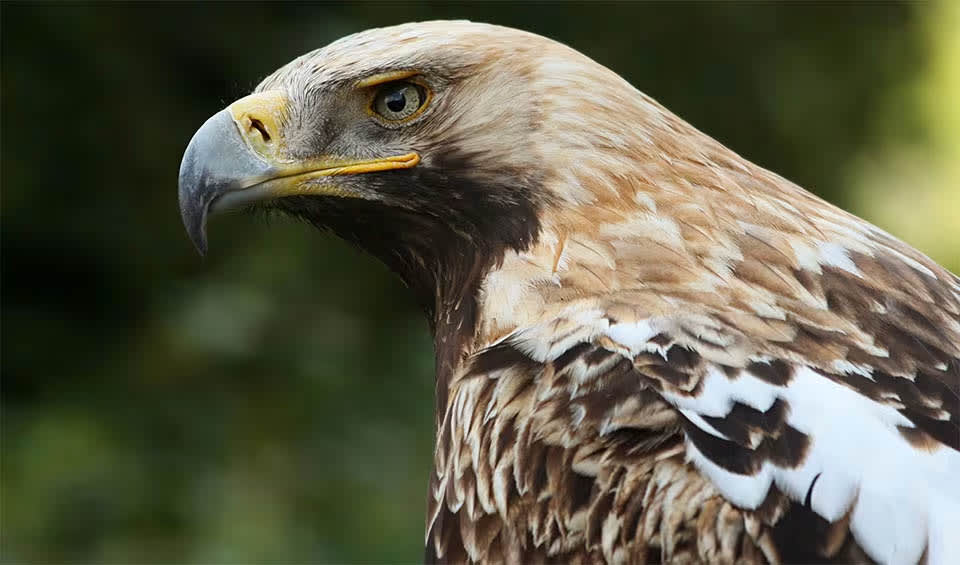
Eastern imperial eagle
Its imperial imagery and fierce demeanor have made it a symbol of power and nobility throughout history
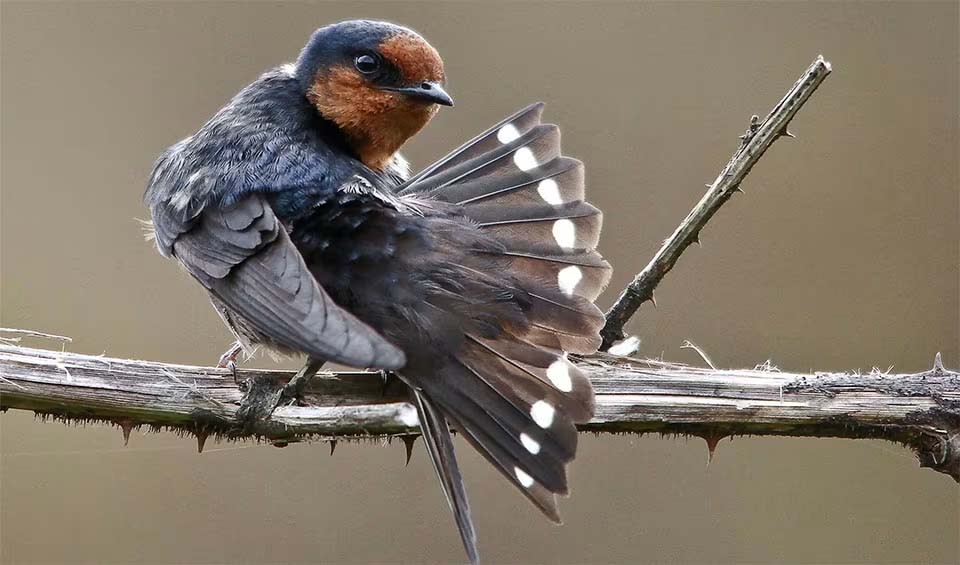
Barn swallow
Most common and widely distributed swallow globally

Common nightingale
Often called the “singer of the night,” it produces a complex and beautiful melody that has captivated people for centuries

Lesser grey shrike
Have been observed remembering the locations of their impaled prey and even using tools to help them catch food
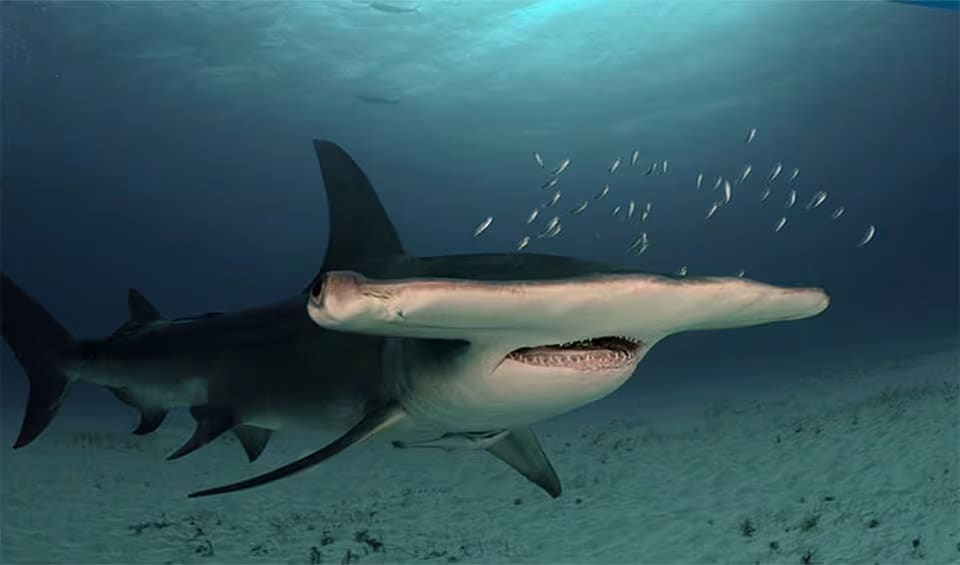
Great hammerhead
The biggest of all the hammerhead sharks, with a massive head that looks like a giant, flat hammer

Rüppell’s weaver
Skilled builders — can build giant communal nests with multiple chambers, like a bird apartment building!
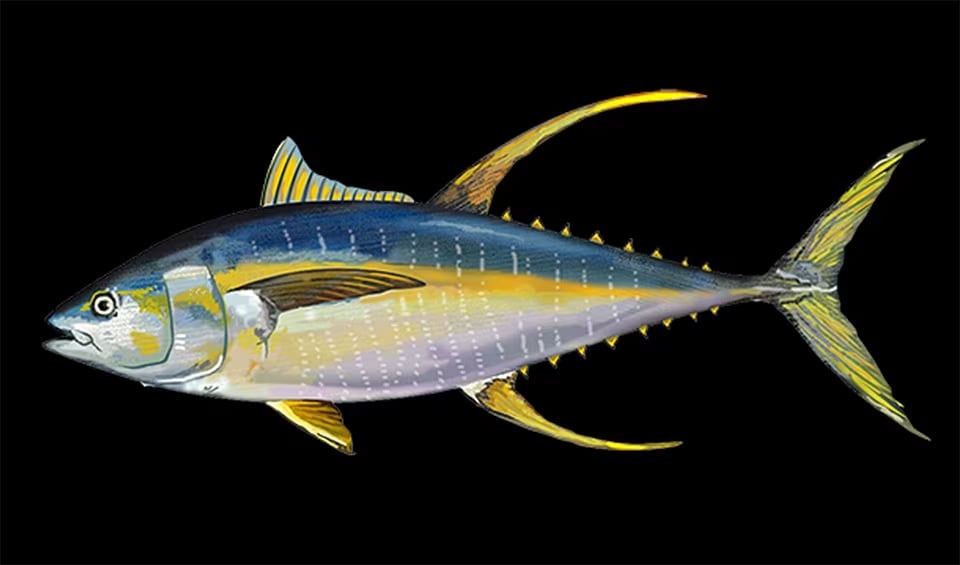
Yellowfin tuna
Popular food fish, prized for its mild flavor and firm texture
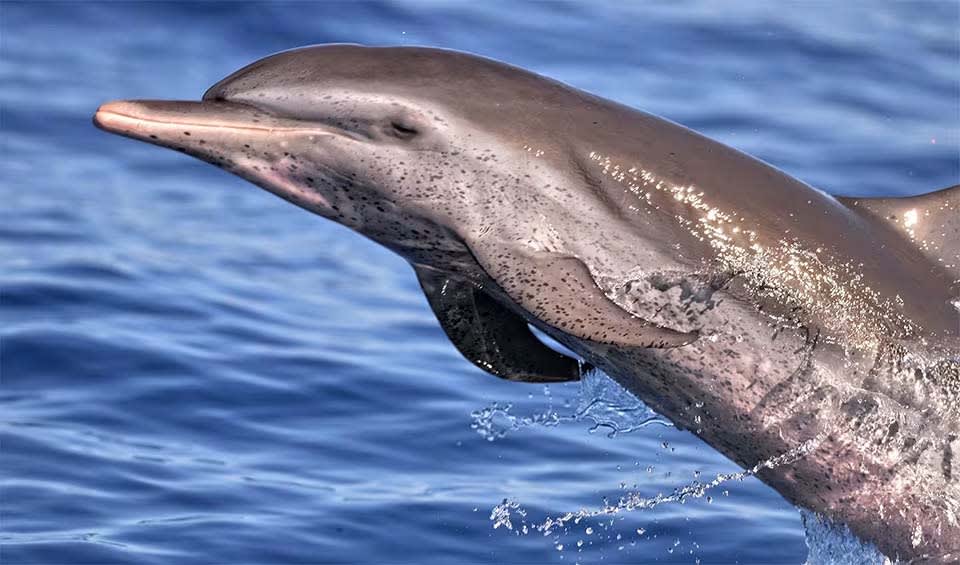
Pantropical spotted dolphin
A champion swimmer and a social butterfly of the warm seas

Brown noddy
They bob their heads up and down as they fly, which is actually how they earned the nickname “Noddy”

Common bottlenose dolphin
Known for their acrobatic leaps, twisting and turning gracefully as they jump completely out of the water
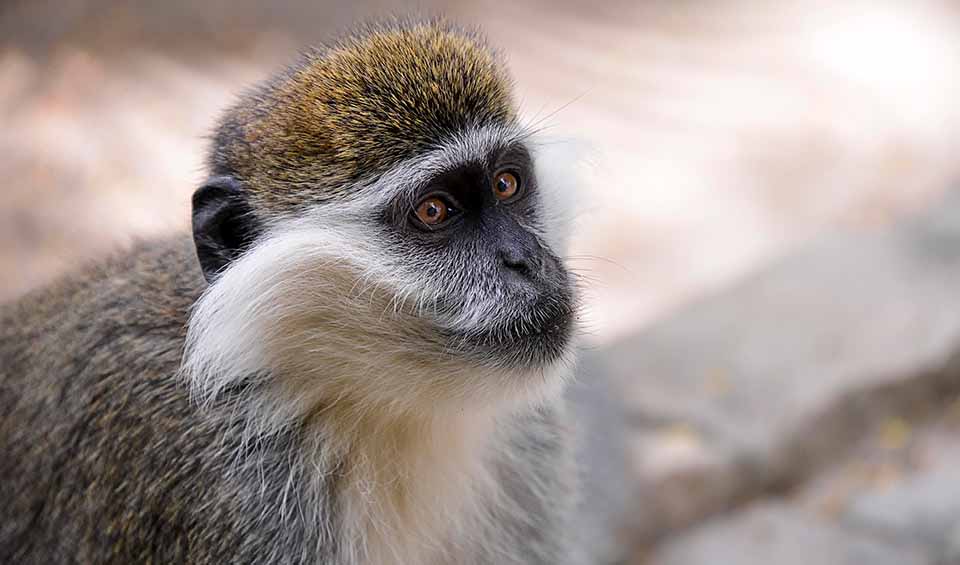
Grivet
They live in big, noisy troops full of gossip, grooming, and monkey politics
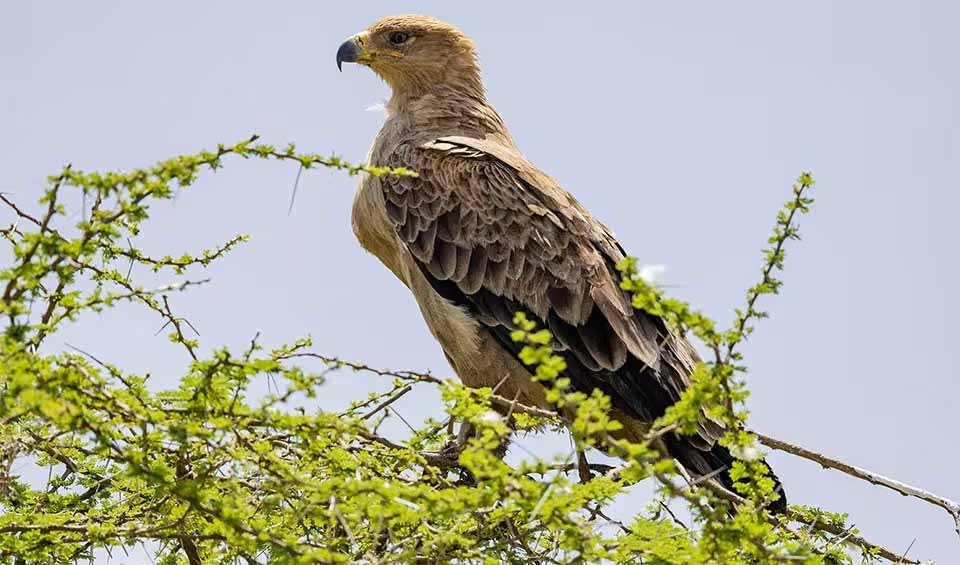
Tawny eagle
Often seen as a symbol of strength, freedom, and keen vision in many African communities
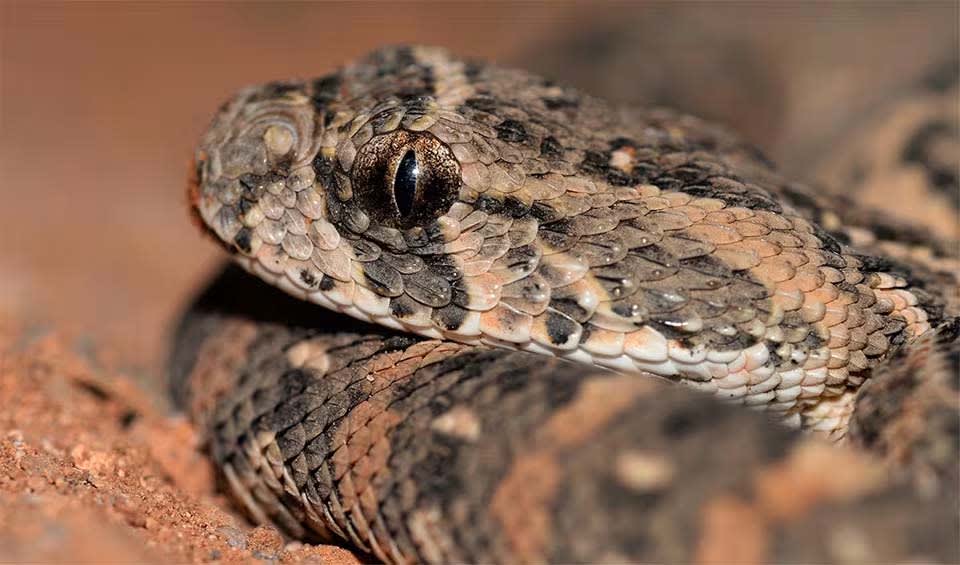
Puff adder
Notoriously grumpy, always putting on a dramatic hissy fit when approached

Soemmerring’s gazelle
Those dark stripes from the eyes to the nose aren’t just pretty—they help cut down glare from the harsh sun

Little egret
During breeding, they transform with elegant white plumage, adorned by decorative plumes on the head, neck, and back
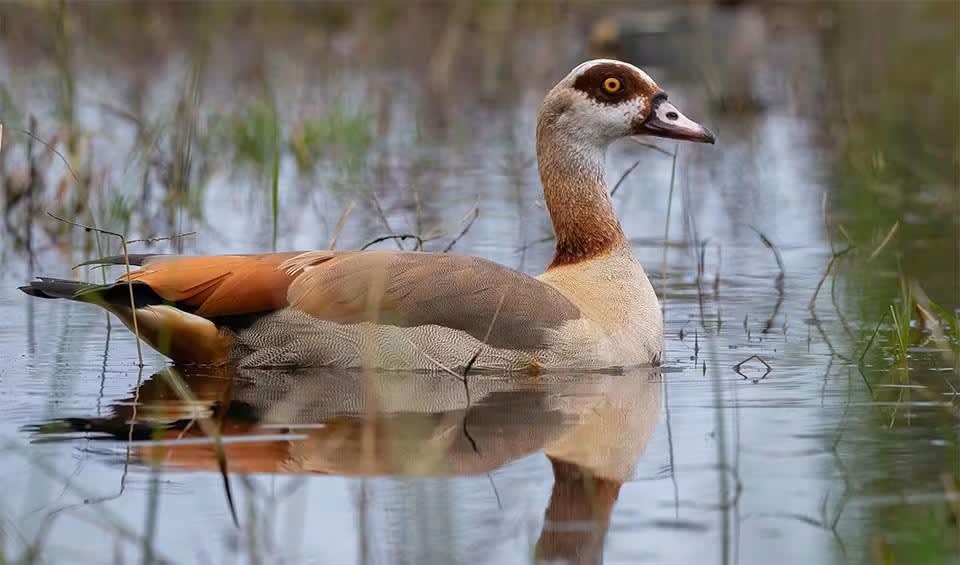
Egyptian goose
They were commonly depicted in art from ancient Egypt
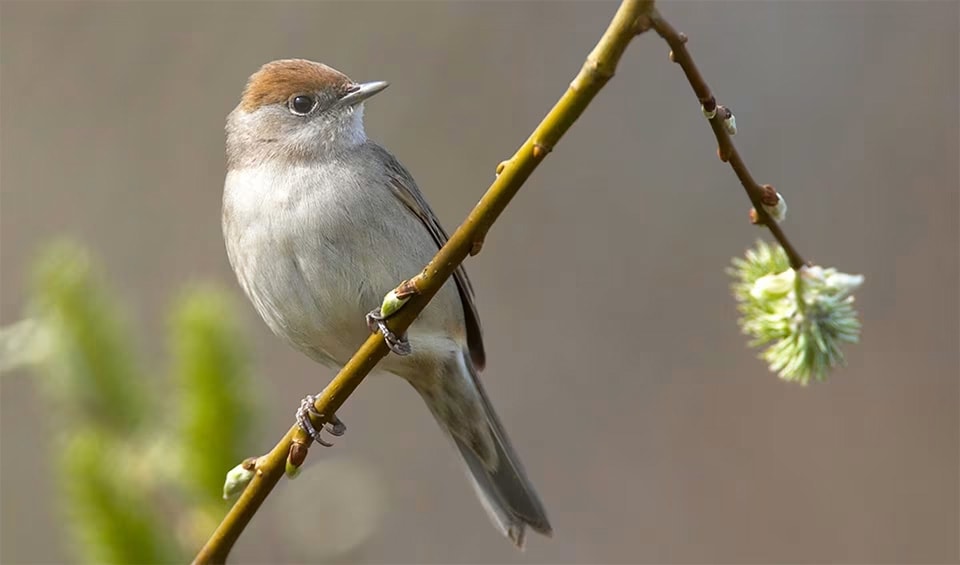
Eurasian blackcap
The males, in particular, produce a rich and intricate song that contributes to their charm
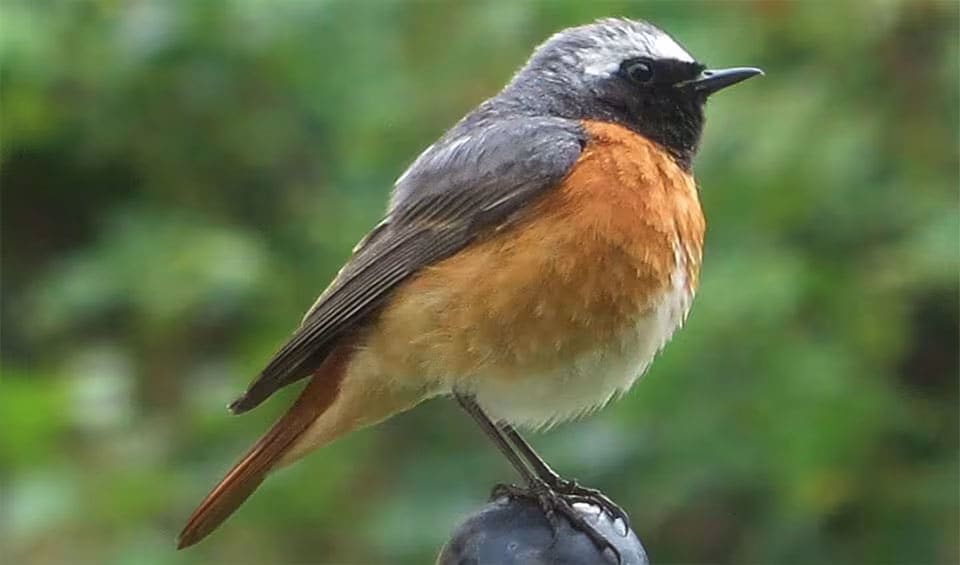
Common redstart
They consistently display a restless demeanor and exhibit a distinctive, tail-trembling behavior
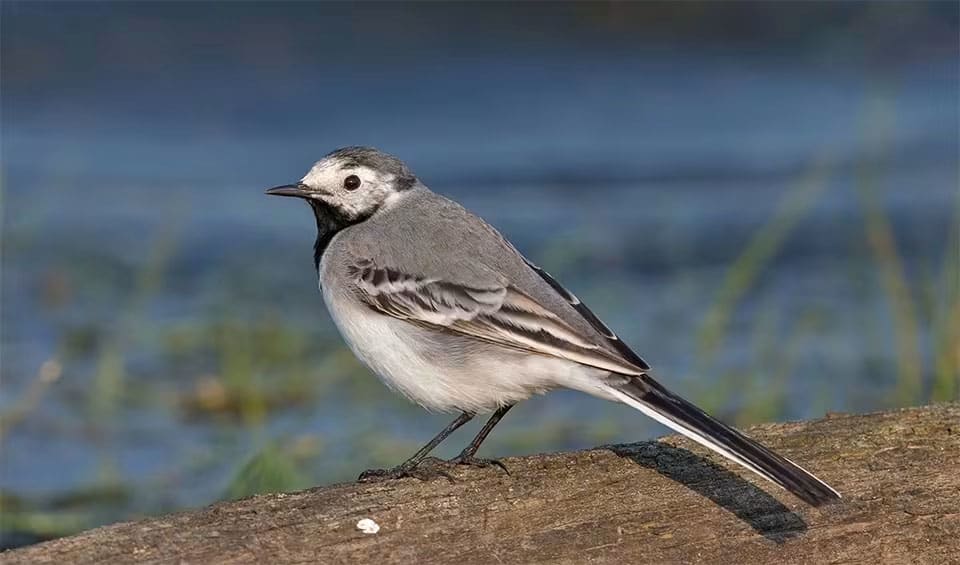
White wagtail
Holds cultural symbolism in some societies, representing good luck
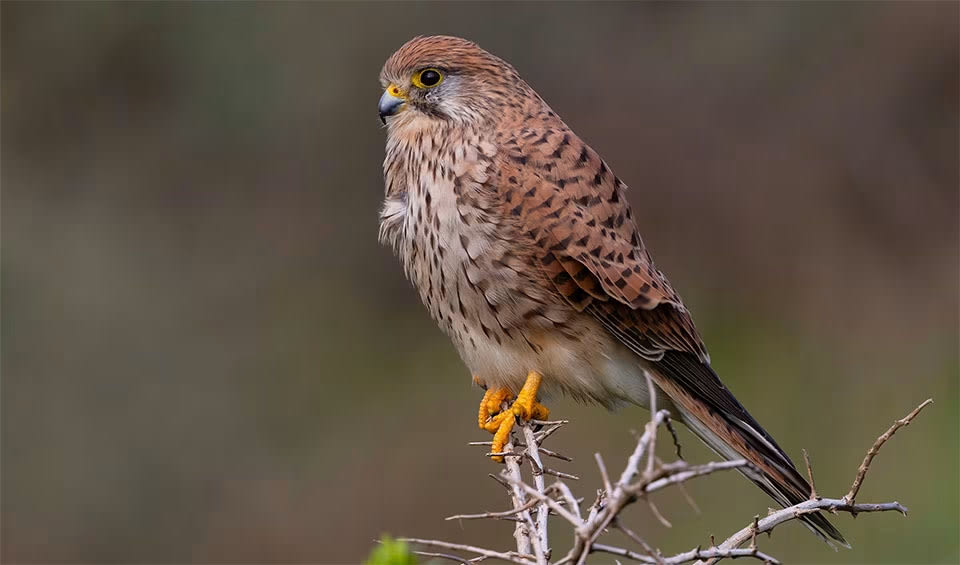
Eurasian kestrel
Adaptable raptor known for its hovering hunting technique and striking appearance

Graceful prinia
Territorial and defends its territory aggressively against other birds
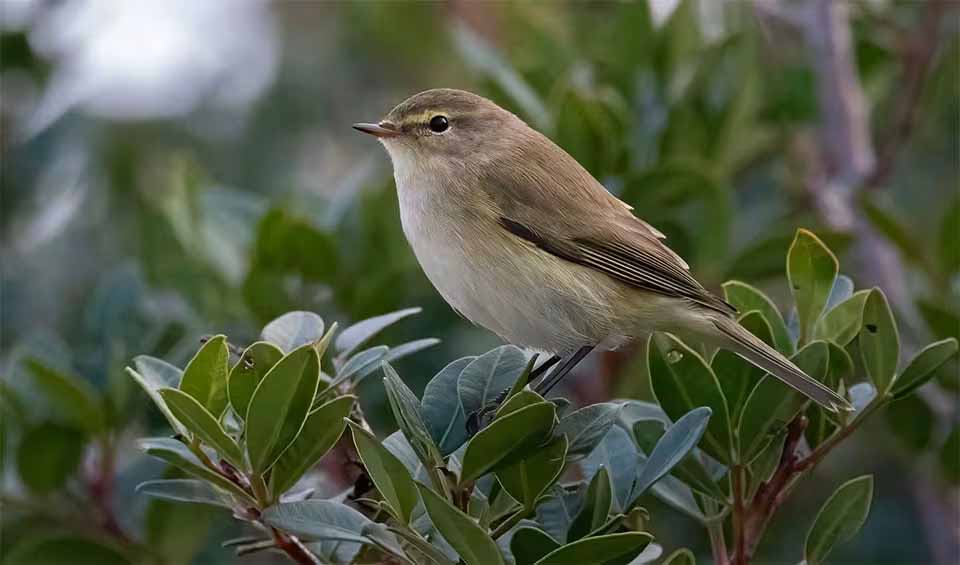
Common chiffchaff
Their migratory behavior is often linked to the availability of insects for food
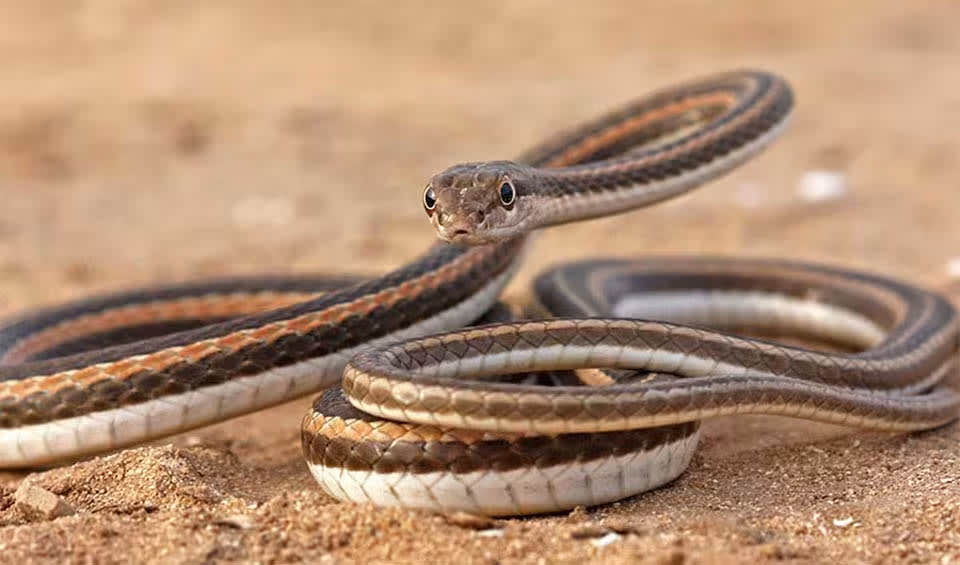
Schokari sand racer
With lightning-fast speed and a keen sense of smell, this predator easily captures prey in the desert

Tiger shark
They eat almost anything that comes their way – you name it, they’ll try to snack on it!

Gerenuk
A giraffe look-alike antelope
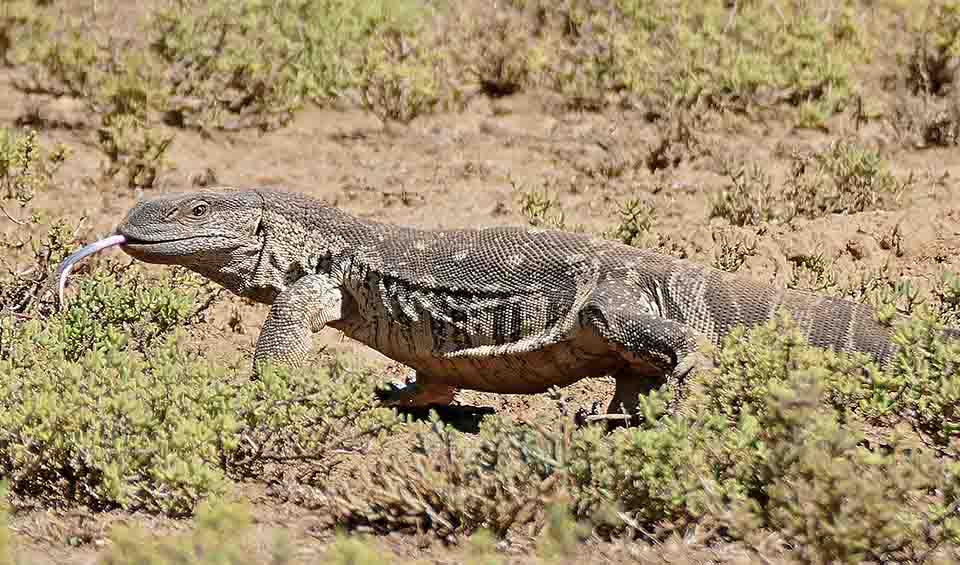
Rock monitor
One of Africa’s largest and most powerful lizards
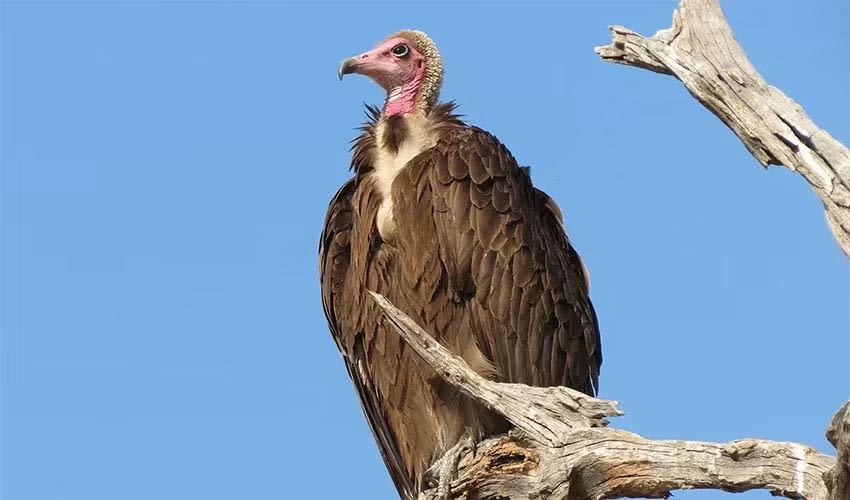
Hooded vulture
They are known to scavenge at rubbish dumps and around slaughterhouses, helping to dispose of animal byproducts and reducing potential health risks

Blacktip reef shark
Graceful and stealthy, these reef dwellers navigate the coral maze with finesse, showcasing their iconic black-tipped fins
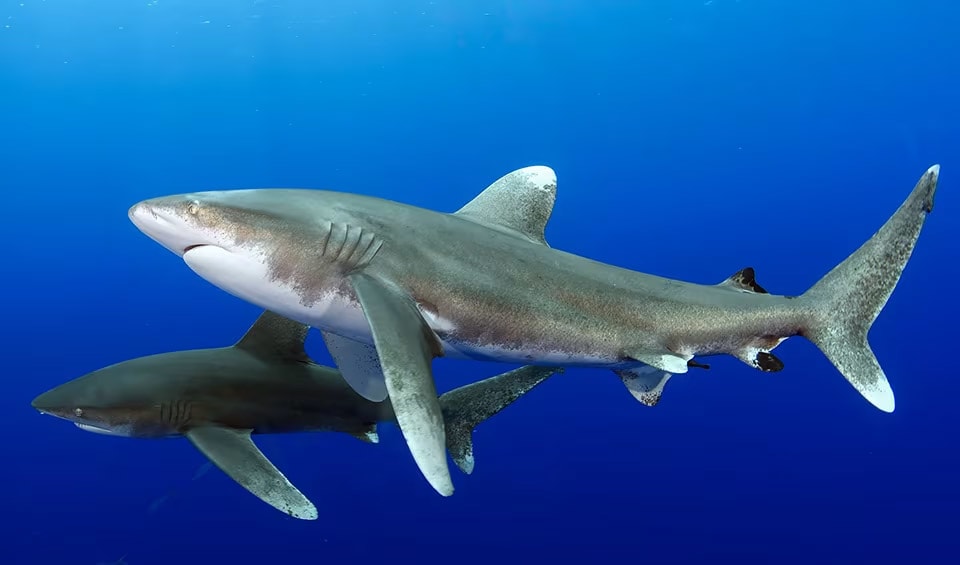
Oceanic whitetip shark
Opportunistic predators of the open ocean, their aggressive and persistent feeding behaviour strikes fear into the hearts of their prey

Bull shark
Fearless and formidable, these aggressive predators command respect in the waters they roam
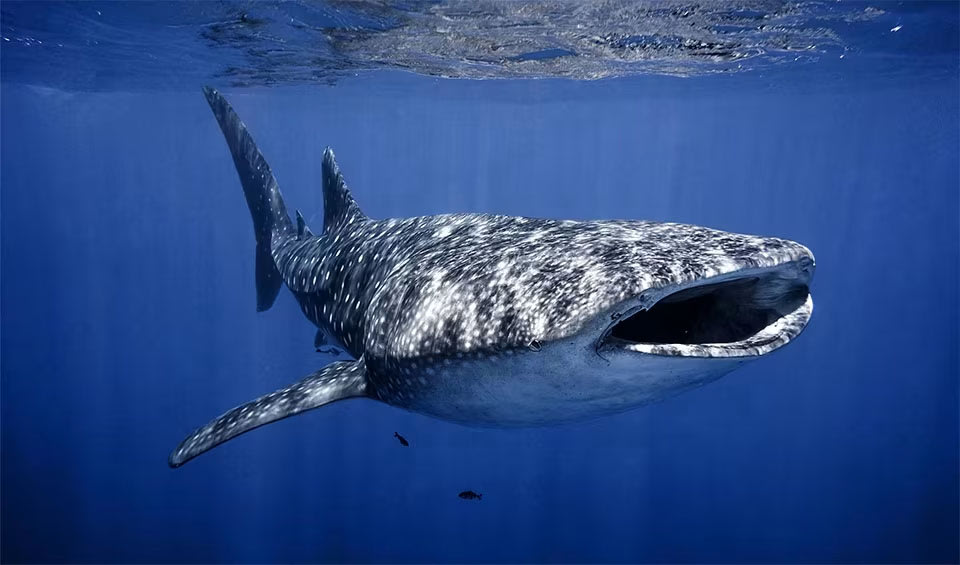
Whale shark
Gentle giants of the sea, with mouths wide open to filter the ocean’s bounty
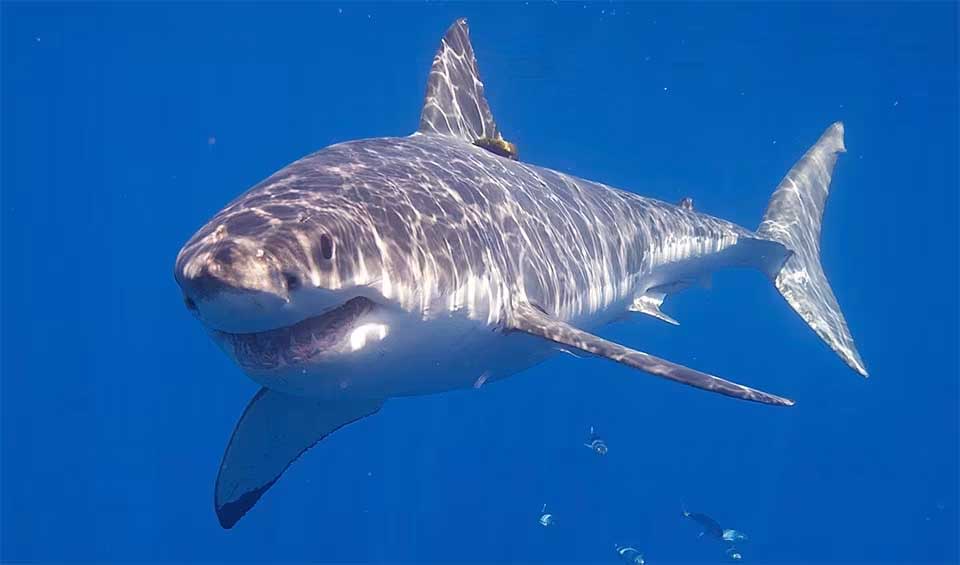
Great white shark
Majestic ocean predators, embodying power, speed, and precision in their pursuit of prey

Loggerhead sea turtle
One of the largest and strongest sea turtles in the world

Emperor angelfish
As it grows older, it undergoes a metamorphosis that is nothing short of extraordinary

African wolf
A genetic mix of 72% grey wolf & 28% Ethiopian wolf was classified as an African variant of the golden jackal until 2015!

Rüppell’s fox
Can be easily identified by its larger ears, making it stand out from red and pale foxes

Cheetah
Racing to extinction: historically ranging throughout Africa to India, now distributed in small, fragmented populations
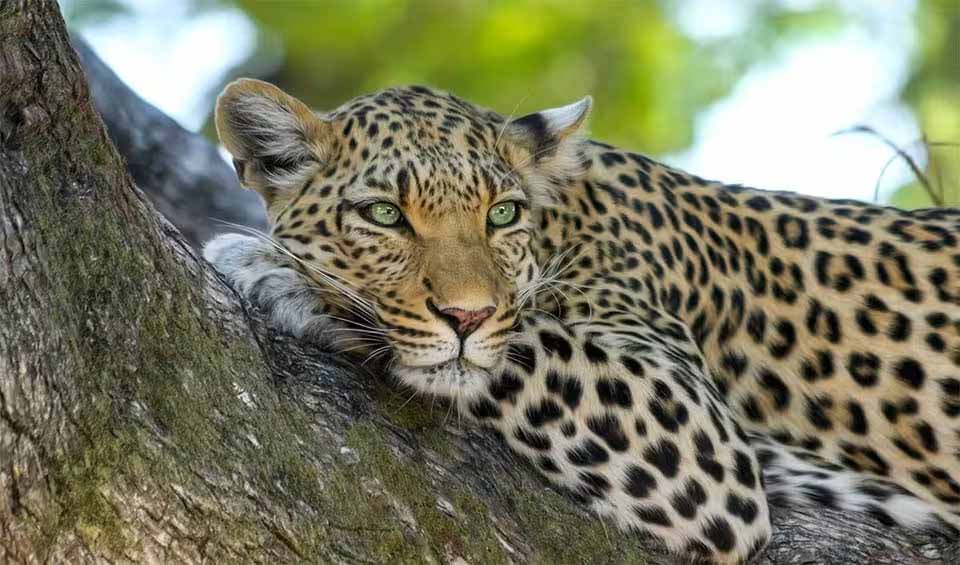
Leopard
Disappearing graceful shadows, this tree-climber is on the way to extinction
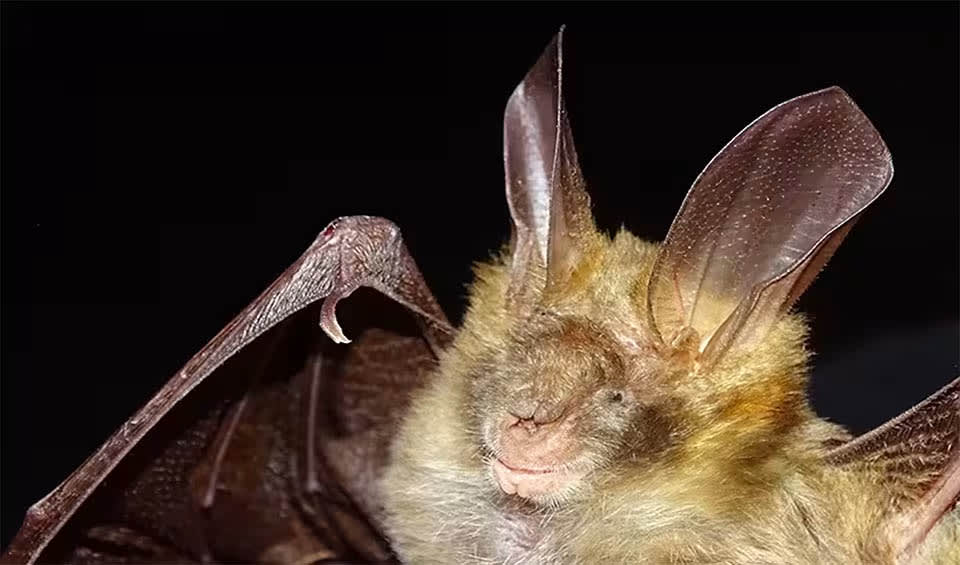
Egyptian slit-faced bat
Often called ‘whispering’ bats because their echolocation used to access the area and prey location are low intensity and not strong
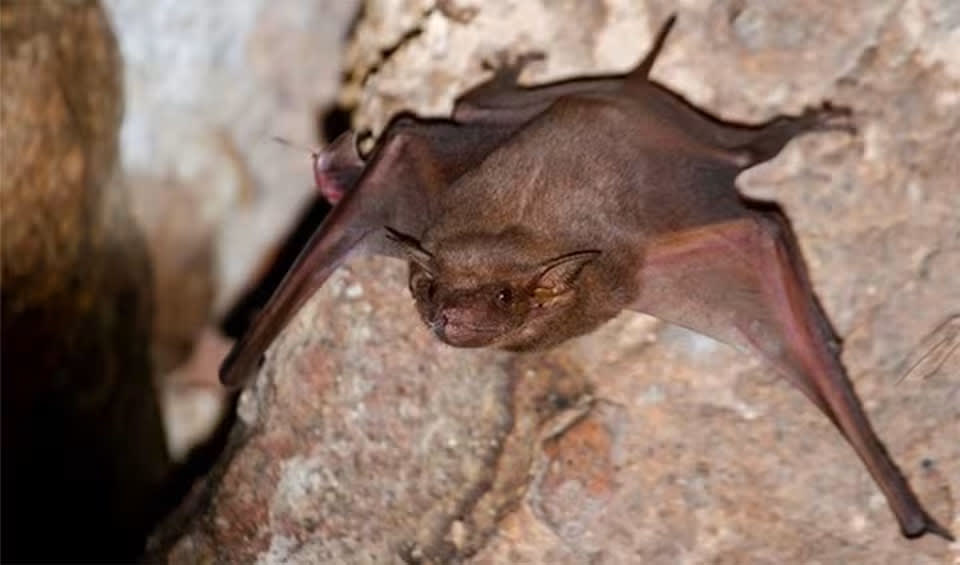
Naked-rumped tomb bat
These ‘sloppy animals’ tend to have a strong and unpleasant odor due to accumulated wastes in roosts

Trident bat
Highly mobile bats that tend to roost in hundreds to thousands of whatever shelters they can find
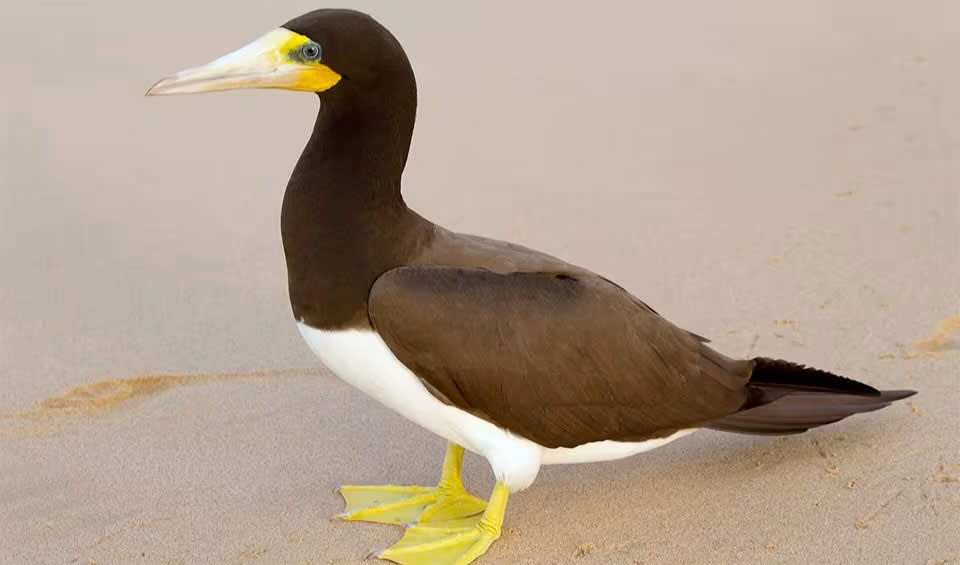
Brown booby
An impressively acrobatic bird that can catch flying fish mid-jump

Somali ostrich
Blue necked browser ostrich from North-east Africa

Common ostrich
Arabian ostrich, 1 of 4 subspecies, was hunted to extinction in mid-20th century
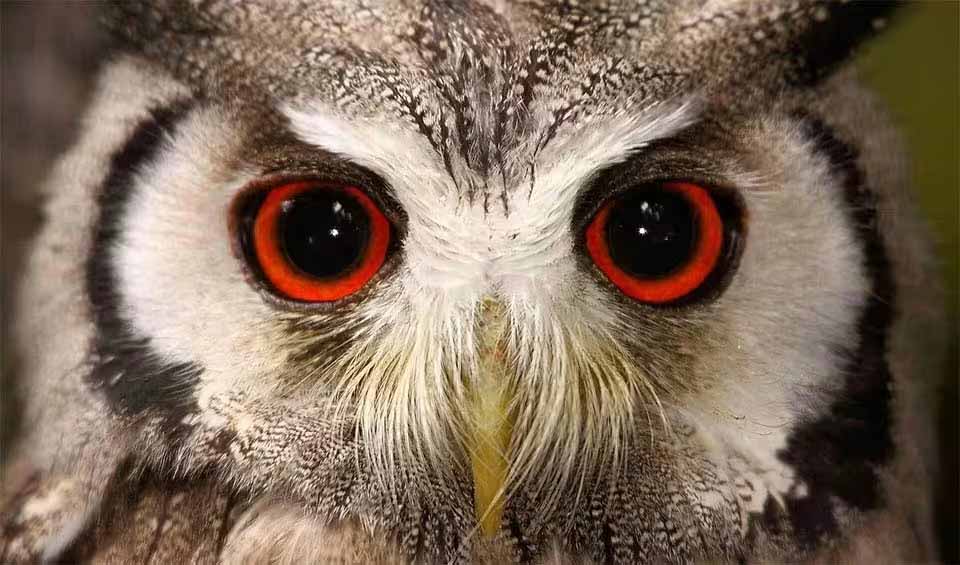
Northern white-faced owl
These owls are strictly nocturnal and generalist hunters, preying on moths, scorpions, birds, rodents, and everything in between

Little owl
Aptly named after the goddesses of wisdom and war, little owls have lived alongside human civilizations since 500 BC
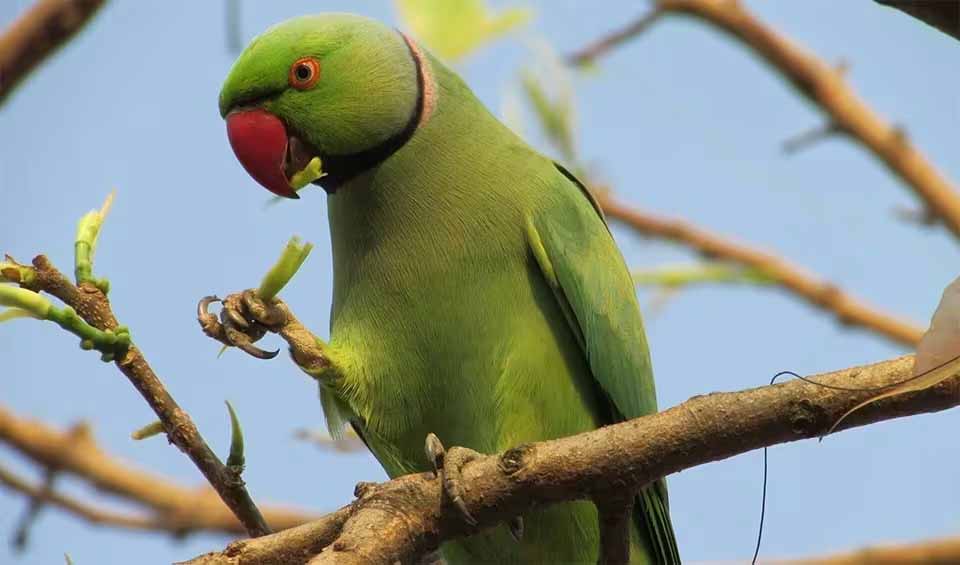
Rose-ringed parakeet
If you ever forget the tune of a song, don’t worry; this bird has your back
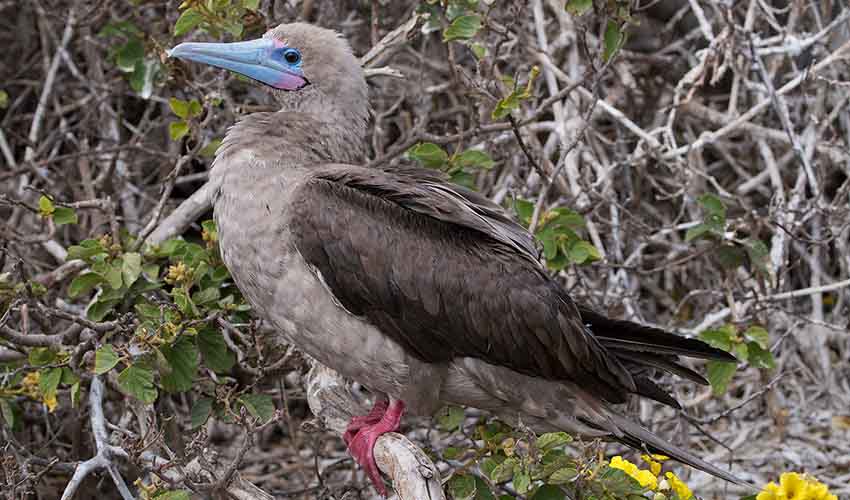
Red-footed booby
Goofy-looking yet evolutionarily refined for life above the waves
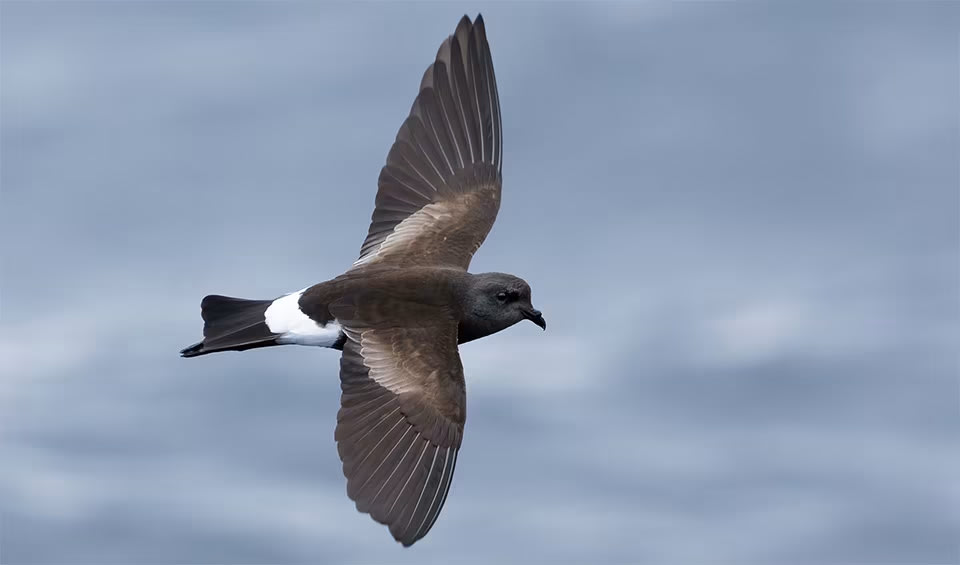
Wilsons storm petrel
This species is found in all world oceans except the north Pacific Ocean
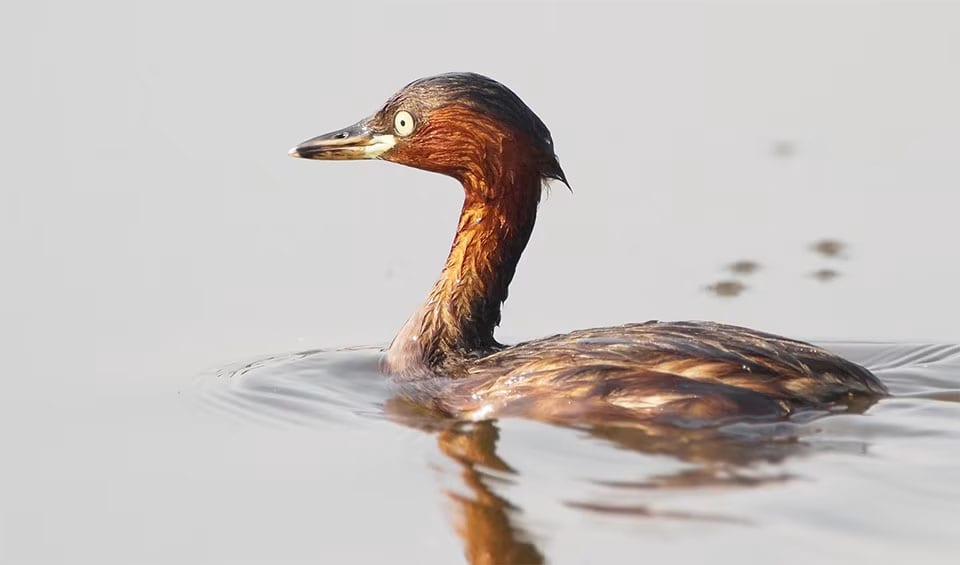
Little grebe
This cute and small bird is one of the most elite hunters below the water’s surface
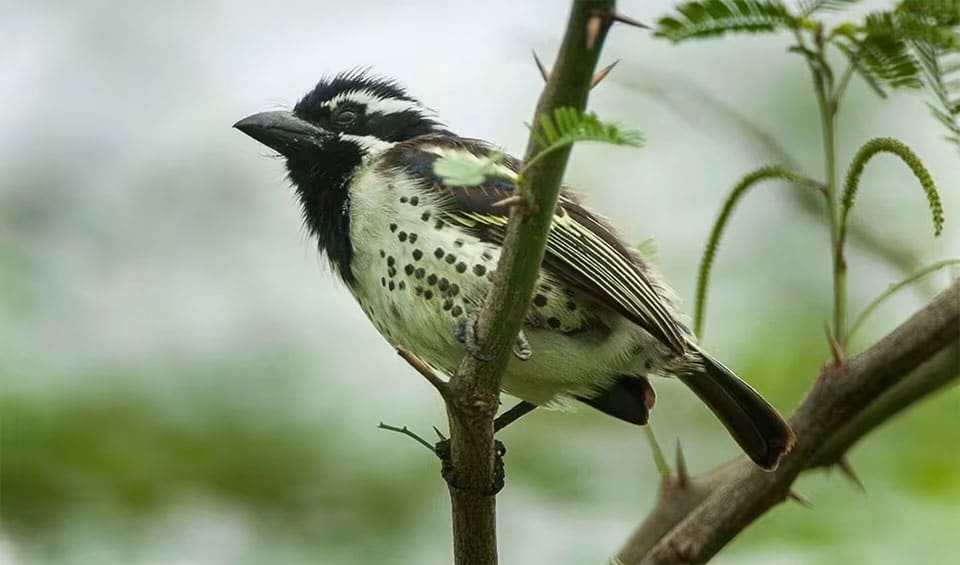
Black-throated barbet
One of the smaller barbet species that resemble a sparrow, only found in Africa

Lesser flamingo
This bird holds a Guinness book of world records to its name
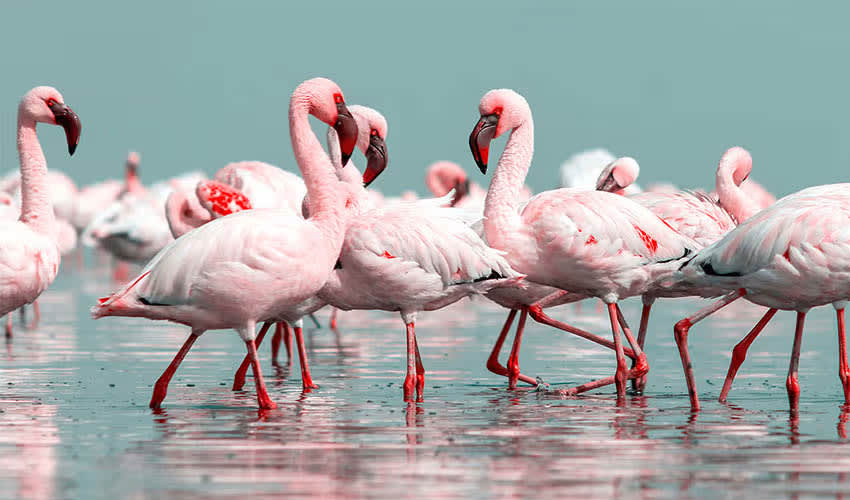
Greater flamingo
The iconic and elegant bird with a curved pink bill is known for turning heads

Red-billed tropicbird
Professional marine forecasters to optimize breeding success and prey availability

Hamerkop
The hammerheads of the bird kingdom

Glossy ibis
These birds seem to have lost their way to the beauty pageant
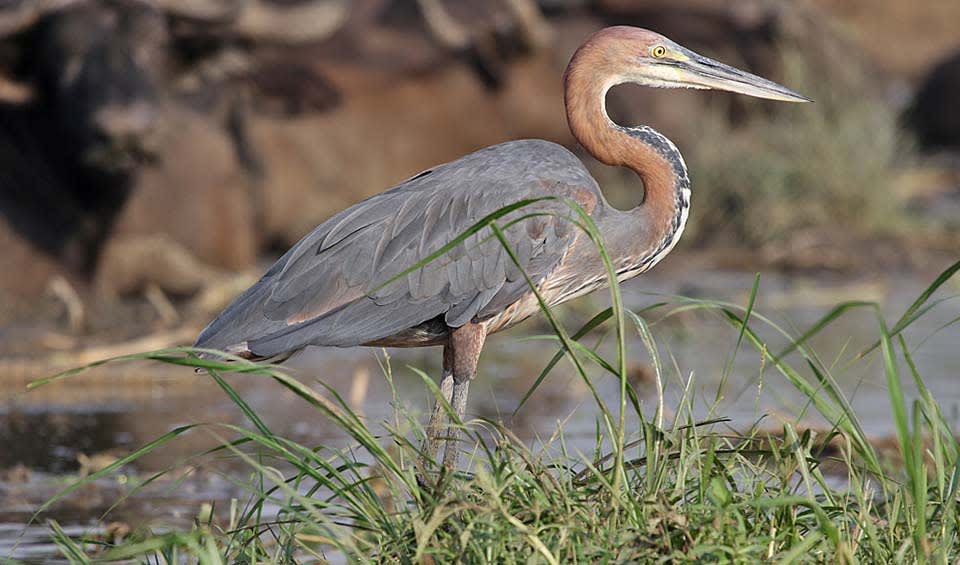
Goliath heron
This large heron is a firm believer in the adage: “Patience is the key to success”
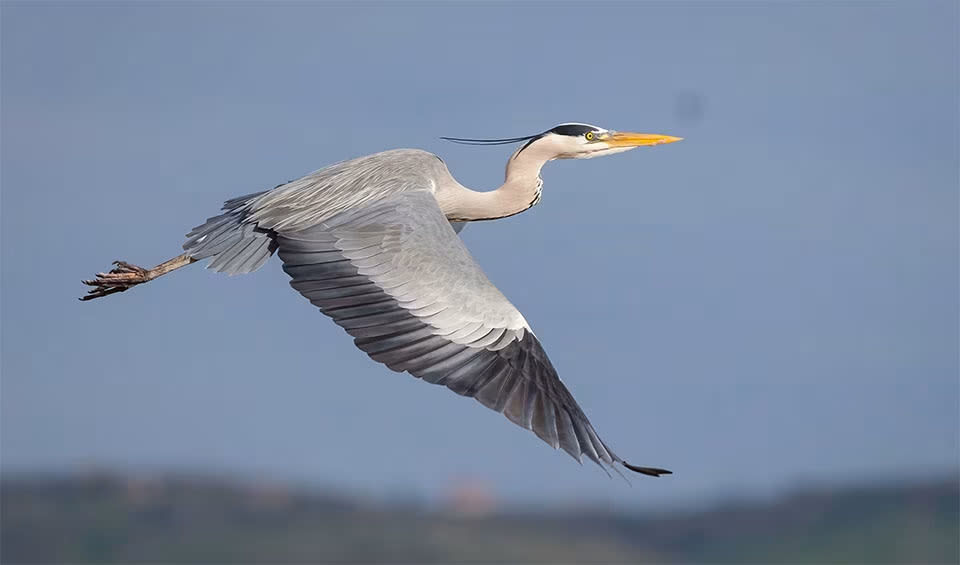
Gray heron
Exhibit powerful flight, with distinctive slow wing beats and an extended neck, defining features during their aerial movements

Red-billed quelea
The most numerous wild bird species in the world

Eurasian coot
Like those bulging red eyes weren’t scary enough, they eat their innocent chicks when hungry
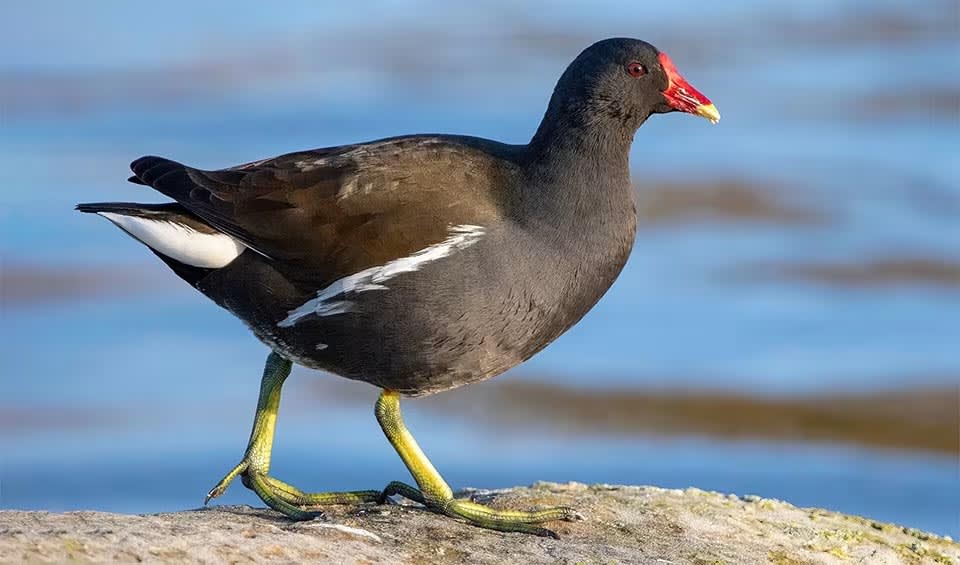
Common moorhen
Living around smelly brackish marshes is unthinkable, but these birds love their isolated habitat or don’t have a sense of smell
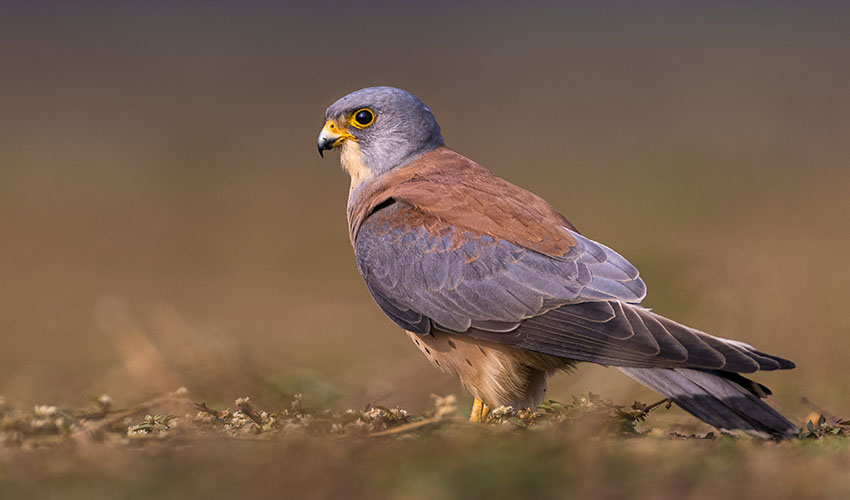
Lesser kestrel
Rather than hovering constantly, they often glide and make short flutters to conserve energy in open landscapes

Peregrine falcon
At the speed of over 321 km/h (200 mph), this bird outraces a Formula1 car
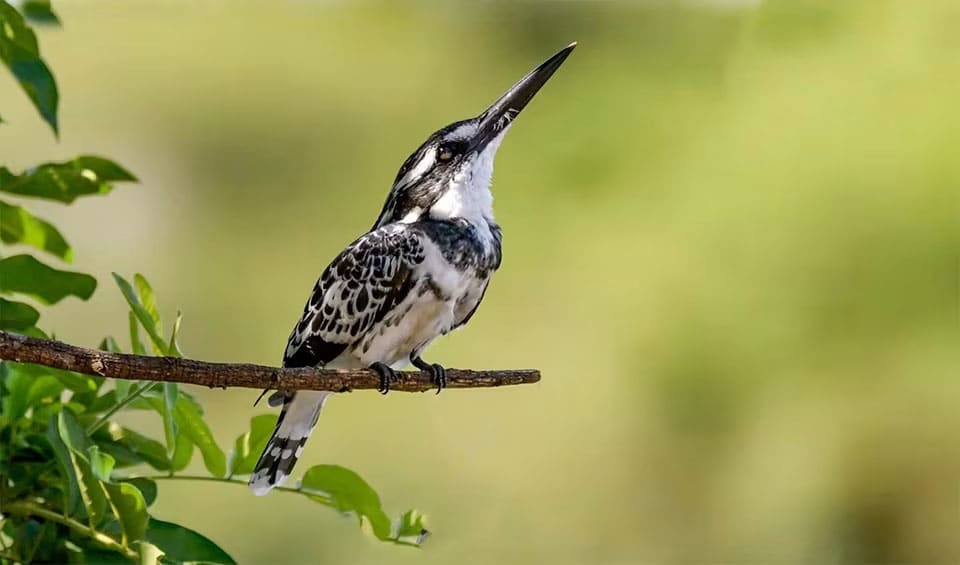
Pied kingfisher
The only member of the genus having wide distribution across Asia and Africa is sociable, unlike other members of its family

Blue-naped mousebird
They can support their whole body weight on a single toenail! I wonder how many steps long their nail care routine is
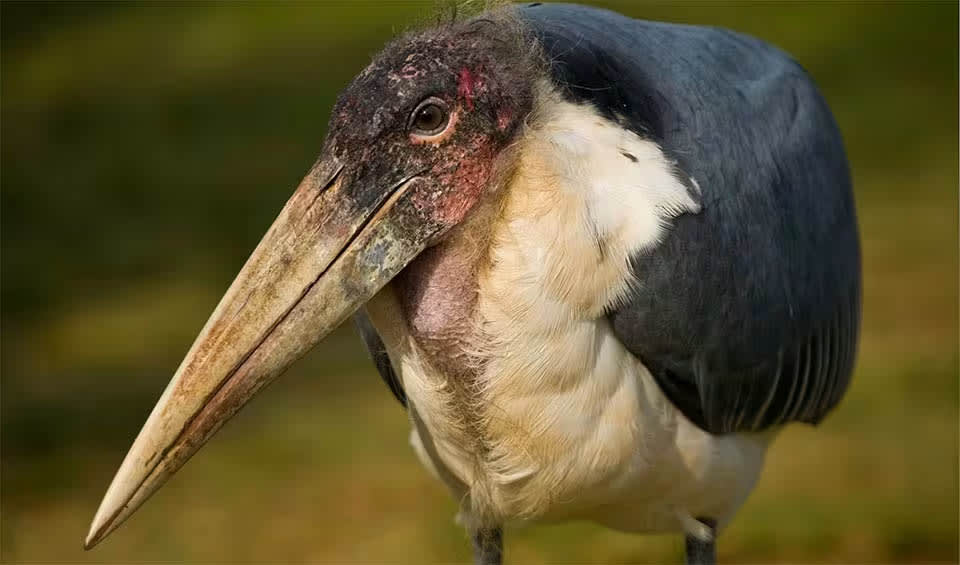
Marabou stork
This Nature’s cleaners are the largest & heaviest living stork
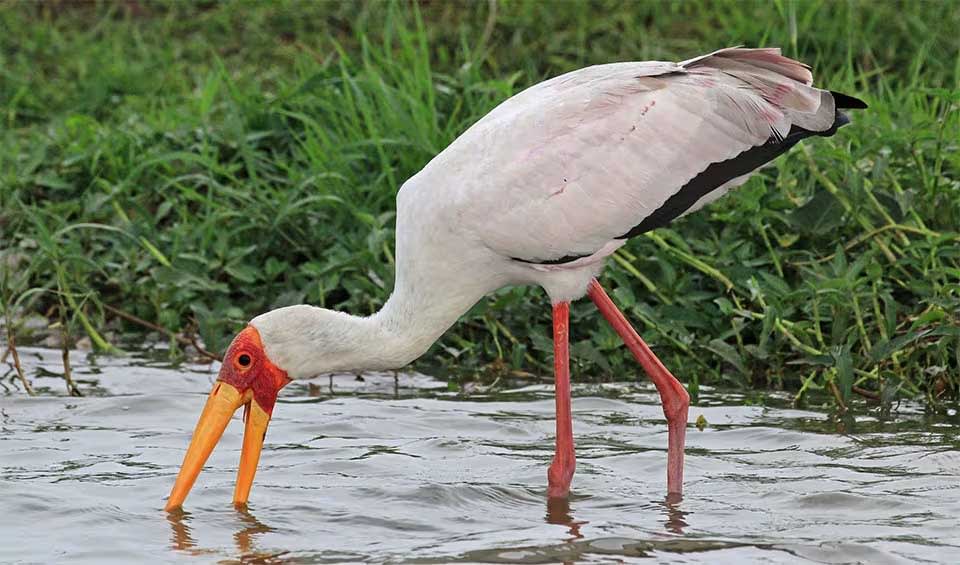
Yellow-billed stork
As the name suggests, this whitish stork has a bright red face and a distinctively long yellow bill

Saddle-billed stork
The colorful stork of Africa
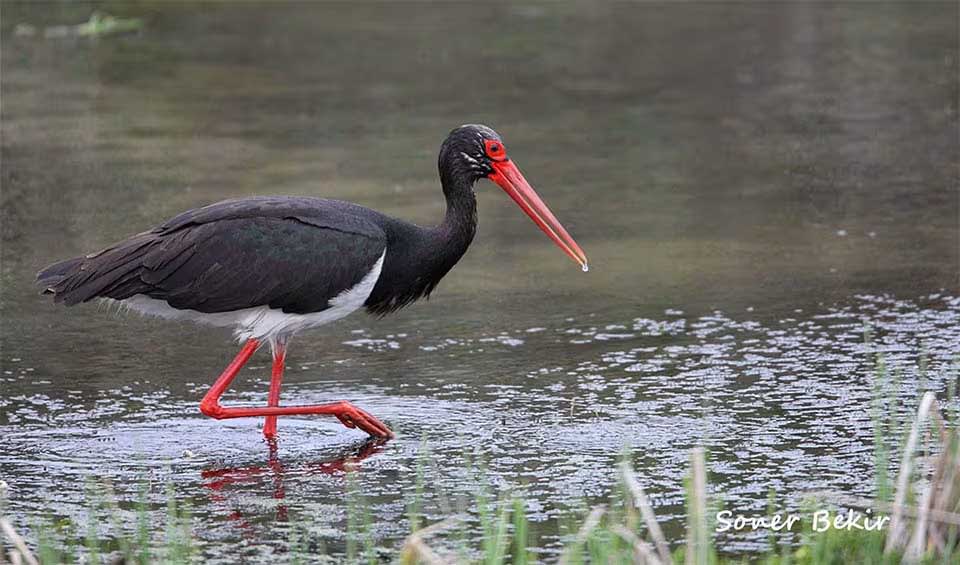
Black stork
The stork with the widest geographic range

White stork
The folktale bird that brings the babies!
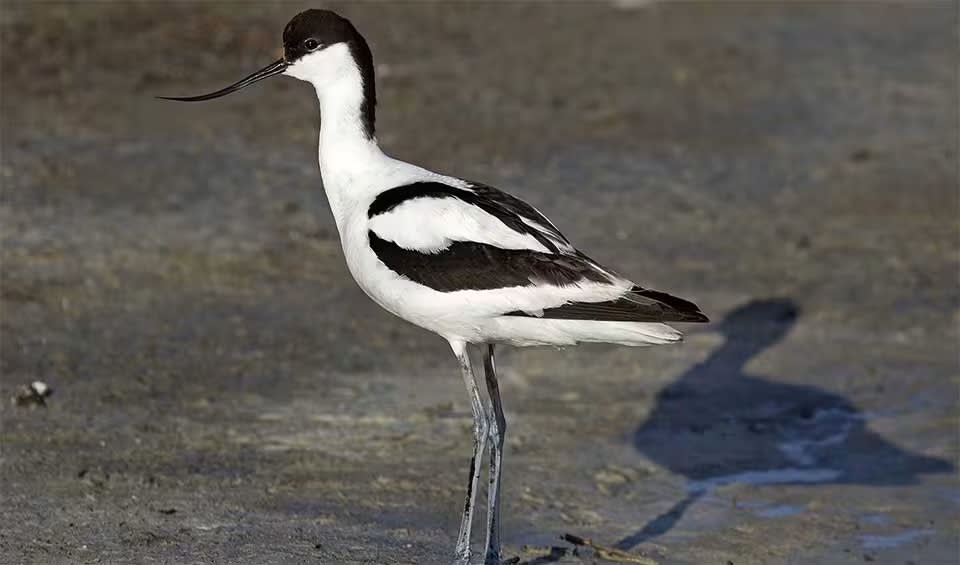
Pied avocet
One of the very few birds with an upturned bill

Black-necked stilt
Those impossibly long legs allow it to wade into deeper water than other shorebirds of its size

Black-winged stilt
Elegant long-legged wader, common almost worldwide

Eurasian stone-curlew
One of the bigger waders with a reptilian eye

Crab-plover
This bird has learned how to use a spear and made it an extension of itself

Pomarine jaeger
In the winter, they lose those iconic “spoon” tail feathers, making them much harder to identify

Common tern
This bird holds the record of the longest distance flown by any bird in recorded history
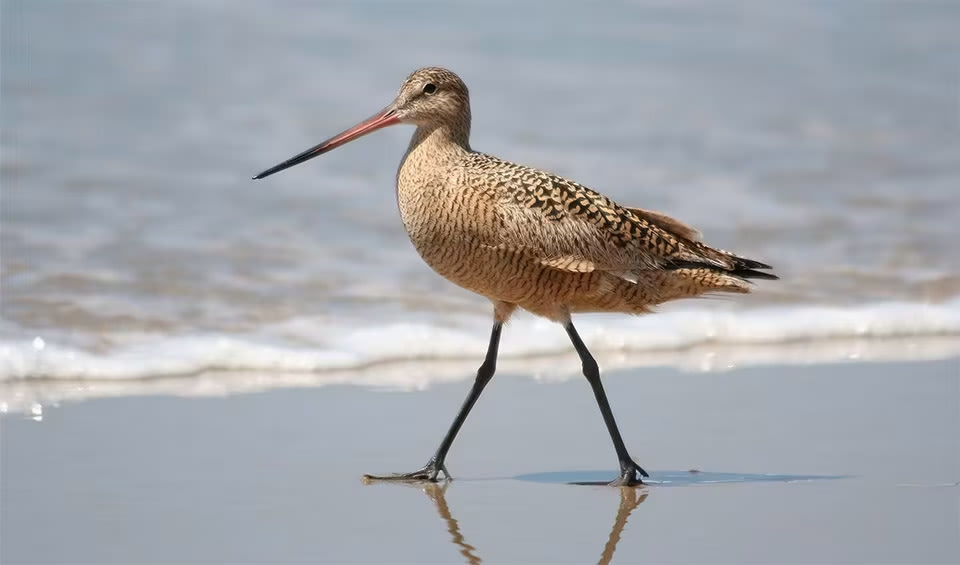
Black-tailed godwit
The most elegant of all godwit species

Common swift
These enthusiastic travelers can be seen almost worldwide in different seasons
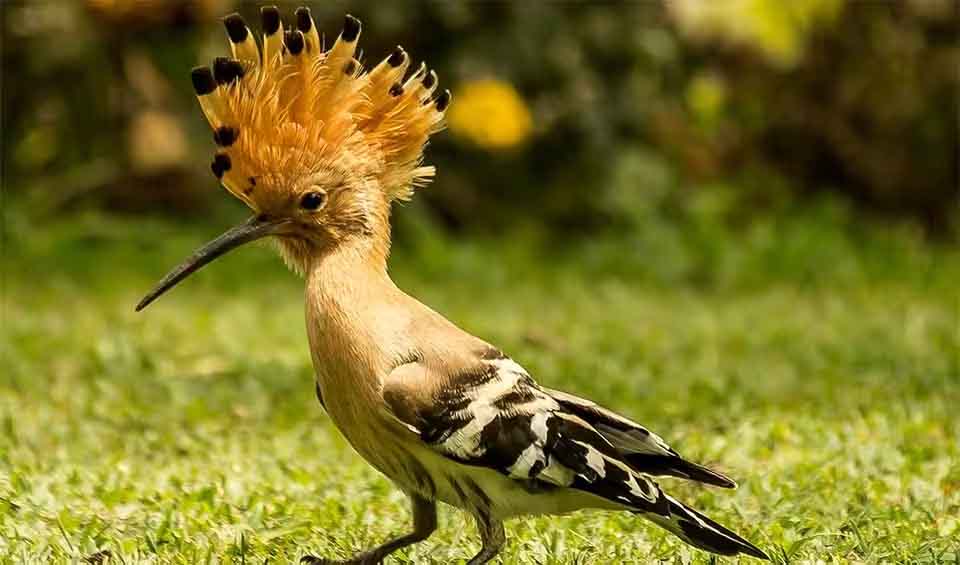
Eurasian hoopoe
Dependable wings and a muscular build. Nope, we aren’t talking about the next Redbull ad campaign

Mallard
This invasive species is the ancestor to most of the modern ducks
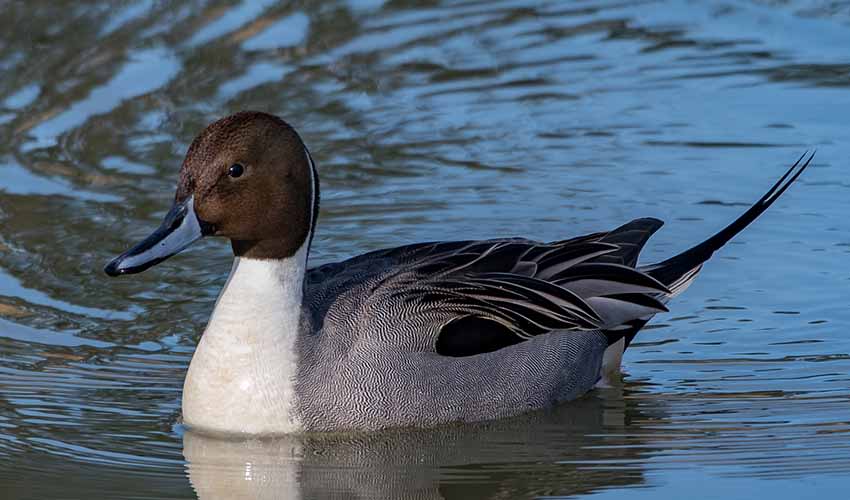
Northern pintail
Have been recorded at altitudes over 16,000 feet during migration—almost as high as small airplanes!

White-headed vulture
They’re known as ‘old world vultures’ endemic to Africa and the first ones to get a whiff of corpses

Egyptian vulture
A highly intelligent species that is the world’s only tool-using vulture with a long migratory range
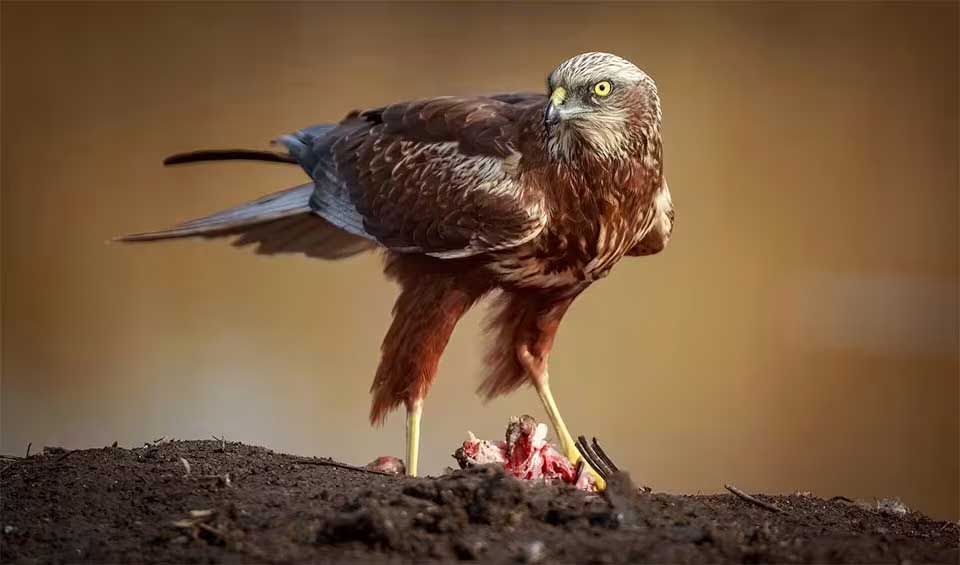
Western marsh harrier
The yellow-eyed devil

Eurasian sparrowhawk
Better call the ambulance before the Sparrowhawk comes to devour all those who are injured

Common buzzard
They eat just about everything — rabbits, rodents, birds, carrion, earthworms, insects… even beetles get a look-in
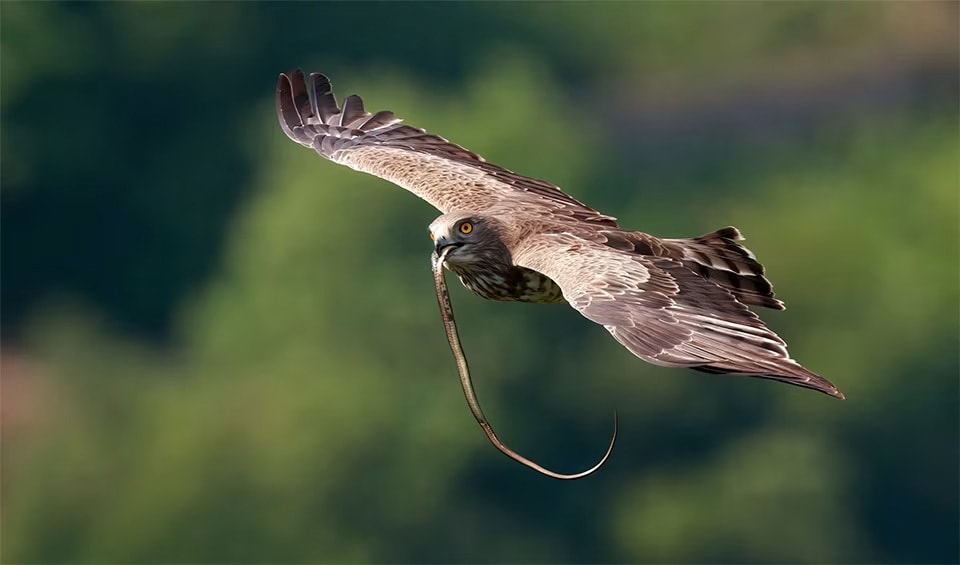
Short-toed snake eagle
A magnificent migratory bird with long, broad wings and a short tail that sings in the form of musical whistles

Lappet-faced vulture
The African giant vulture has a wingspan up to 2.80 m (9 ft) wide

Bearded vulture
The only living creature that feeds on bone marrow from carcasses in high and inaccessible mountain areas

Osprey
One of only six land-birds with a cosmopolitan distribution habituating all continents except Antarctica

Secretarybird
A long-legged bird with a stunning black feather crest on its back head

Levant sparrowhawk
Often chasing each other in the air or amusing themselves by catching and dropping objects like sticks or leaves

Eurasian Griffon
Most social vultures with 12 distinct types of vocalization

Rock hyrax
African rock dwellers that resemble pikas , but are more closely related to elephants!

Aardvark
Dig large subterranean burrows that other animals can hide in during fires, hence preventing wildlife deaths
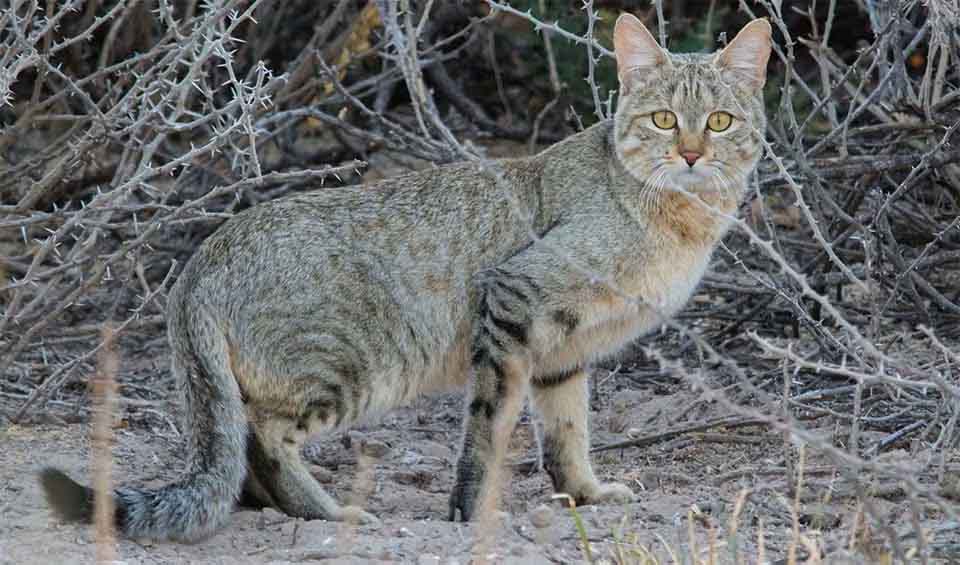
African wildcat
The direct ancestor of the domestic cat—no wonder why they look so alike!
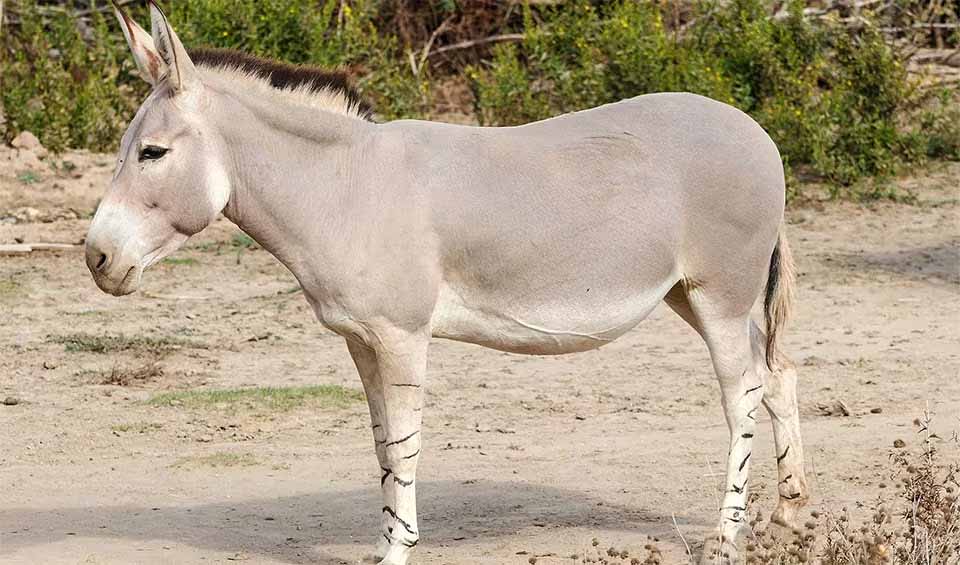
African wild ass
Able to survive water lose up to 30% of the body weight, and capable of restoring it within 2-5 minutes when drinking water
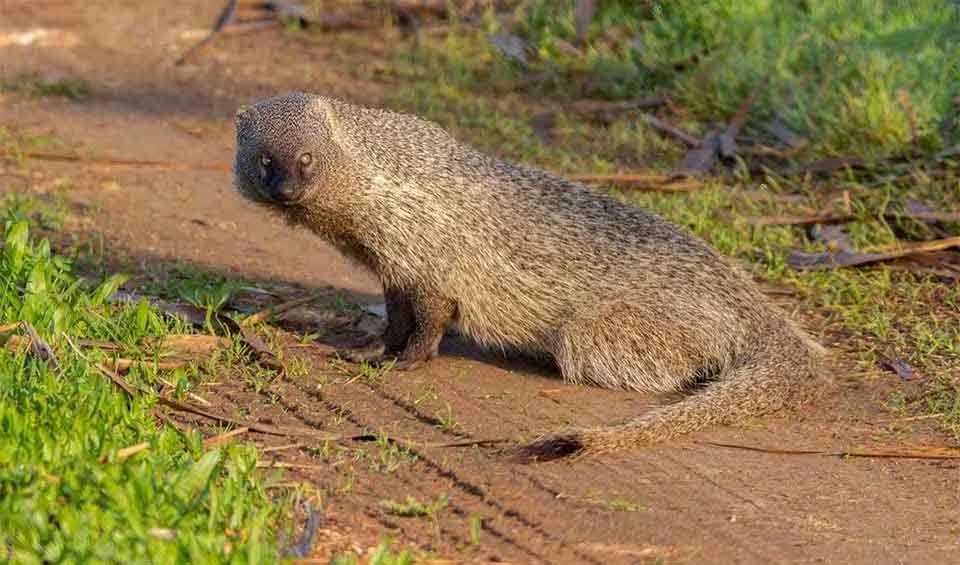
Egyptian mongoose
Appeared in Egyptian paintings from 300 B.C., it is known as “Pharaoh’s cat” and is considered a holy animal that is housed in temples

Striped hyena
The only hyena species outside of Africa that can go 15km (10 miles) for a meal

Spotted hyena
Also known as Laughing Hyena, it gets chewed a lot for being cruddy and a good-for-nothing scavenger!

Aardwolf
Unlike other hyenas, they do not hunt or scavenge but mainly consume termites

Striped polecat
They are also called ‘zorilla’ which comes from the Spanish word ‘zorro’, meaning small fox, but they are not fox
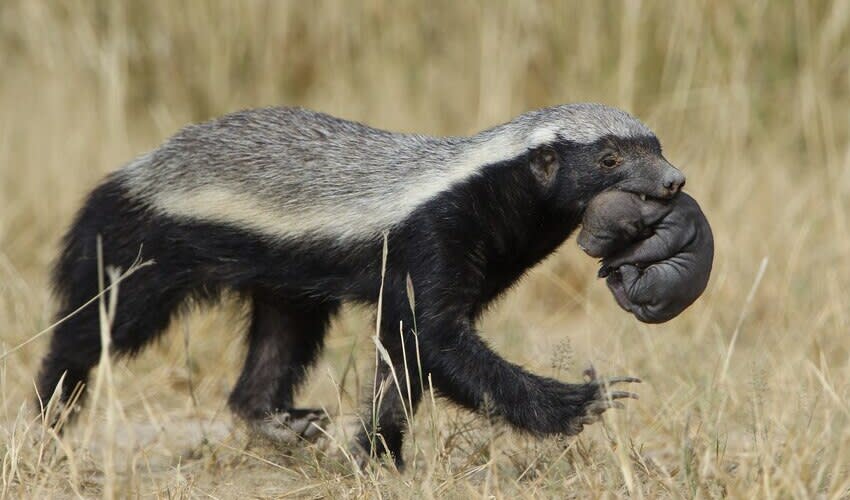
Honey badger
Well known for their ferocity, these fearless little creatures are always ready to take on an entire pride of lions

Serval
Owners of the longest legs-for-body-size of all cats are widespread in sub-Saharan savannahs
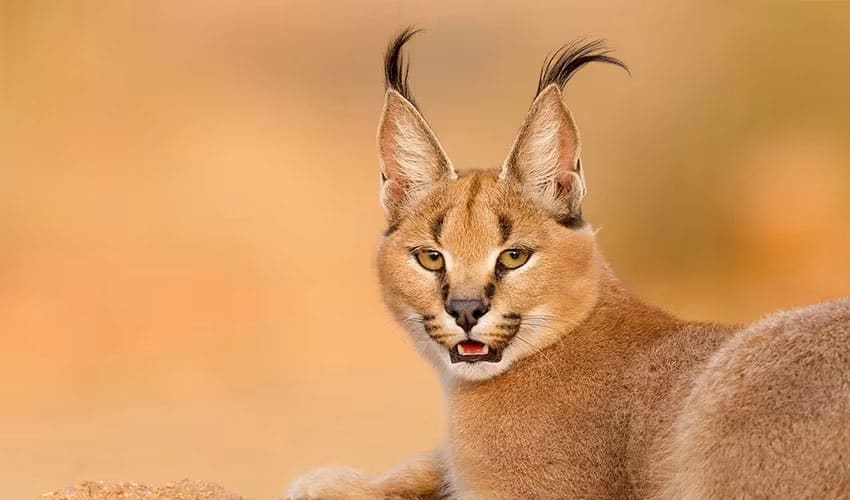
Caracal
“To put the cat among the pigeons” was phrased on caracals, as they were once trained for hunting game birds for Persian and Indian royalty
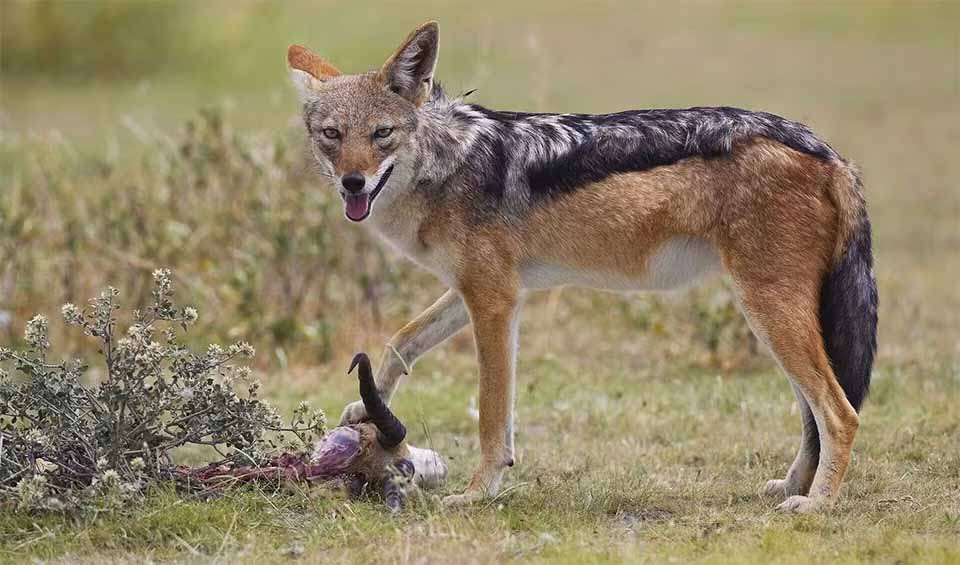
Black-backed jackal
Has two subspecies populations, separated by 900km (560 miles)

Salt’s dik-dik
Cools off through its nose!

Greater kudu
One of the largest antelopes – a male kudu having thick and spiraled horns as long as 1.8m (6 feet) in length

Reticulated giraffe
The most common giraffe in zoos is the second most endangered giraffe species

Common warthog
Widely distributed and the only pigs that live in grasslands

Green sea turtle
Largest hard-shelled sea turtle on earth

African spurred tortoise
This giant is the largest African and third of all the tortoises on earth

Painted saw-scaled viper
A venomous and aggressive snake with the highest mortality rates in the areas of its occurrence

Black mamba
Africa’s most feared snake that would inevitably evoke reactions of fear by just its looks

