Search for Venezuela


Bridled tern
Known to “ride out” massive tropical storms by flying into the calm eye of the hurricane

Sooty tern
Remains as one of the most resilient residents of the tropics
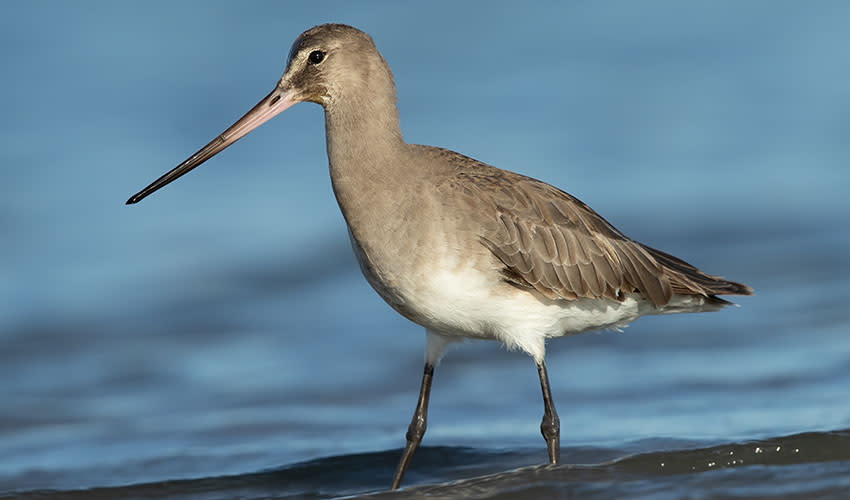
Hudsonian godwit
Despite traveling across entire hemispheres, they often return to the exact same marsh or mudflat

Upland sandpiper
Often called the “shorebird that forgot the shore”

Killdeer
Famous for nesting in the most inconvenient places possible

Common gallinule
A bird that looks like a cross between a sleek chicken and a neon-painted waterfowl

Sora
Possesses a unique physical defense mechanism: the “laterally compressed” body

Common nighthawk
Doesn’t perch across a branch like most birds; it perches lengthwise along the limb

Scaly-naped pigeon
The elusive “monarch of the mangroves” and the high-altitude forests of the Caribbean

American wigeon
Notoriously high-strung and are often the first ducks to take flight at the slightest hint of danger

Black-bellied whistling duck
Despite being tiny fluff-balls, they are so light that they almost always bounce and walk away unharmed

Fulvous whistling duck
Famous (and sometimes infamous) for their love of rice.

Brown weeper capuchin
Their diet changes with the seasons, showing how adaptable they are when certain fruits are hard to find

Sierra de Perijá white-fronted capuchin
Because their habitat is somewhat limited, deforestation, agriculture, and human-induced habitat fragmentation put their populations at risk

Humboldt’s white-fronted capuchin
Because they are so light, they move easily across thin, swaying branches that would not hold heavier monkeys

Wedge-capped capuchin
Highly depends on untouched, old forests to live well

Brazilian squirrel
Smaller and slimmer than many common park squirrels

Bare-faced ibis
Though it looks dark and serious, its glossy feathers can flash beautiful colors when the light hits them just right

Sharp-tailed ibis
A sleek South American wetland specialist with a silhouette unlike any other ibis

Buff-necked ibis
Its calm, steady walking style makes it look almost like a careful farmer inspecting the field

Muscovy duck
To this day, no one knows exactly how this warm-weather bird ended up with a freezing Russian namesake

Crane hawk
Despite being a formidable bird of prey, they are highly secretive and surprisingly quiet

Grey-cowled wood rail
Despite having long, unwebbed toes that are perfectly designed for walking across floating lily pads, they are surprisingly powerful swimmers

Large-billed tern
These sharp-eyed birds have been known to swoop down and snatch up the tiny, newly hatched turtles

Roadside hawk
Do not let their relatively compact, crow-like size fool you— they have a fiery temperament and are fiercely territorial

Greater yellowlegs
The very tip of the bill has special “pits” that can detect the vibrations of a moving fish in murky water
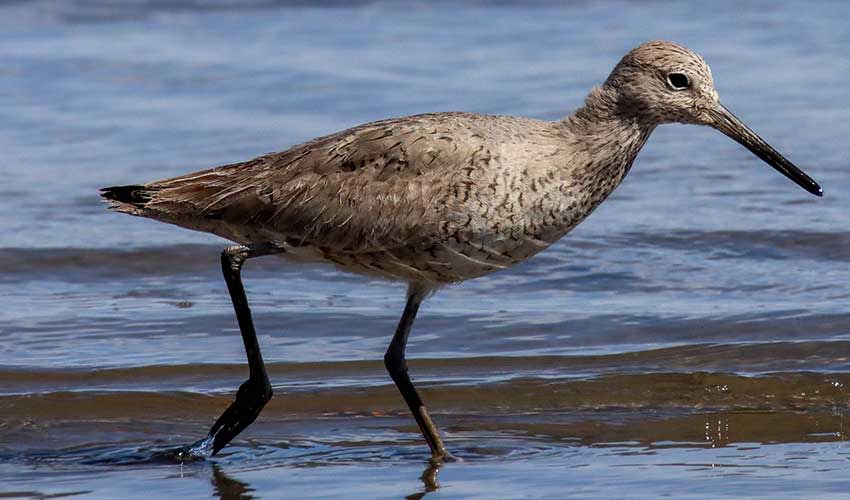
Willet
One of the few shorebirds that can handle small fish and even lizards
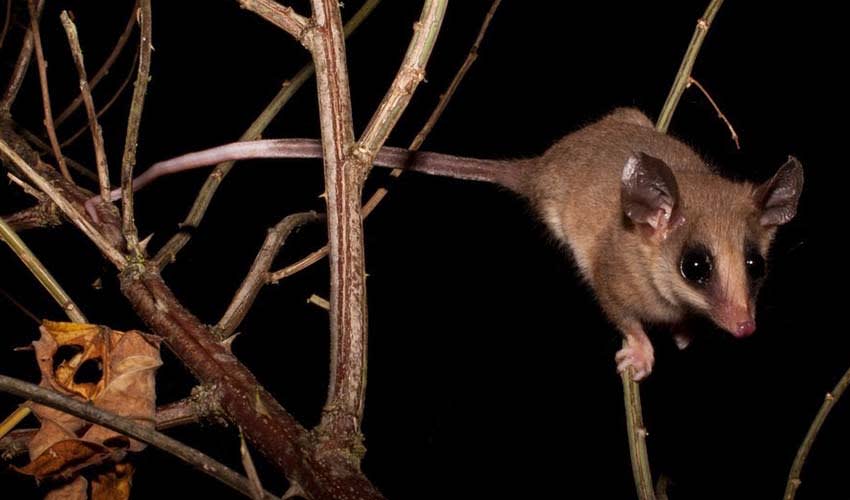
Little woolly mouse opossum
Can live from lowland rainforest up into cooler, misty cloud forest zones

Robinson’s mouse opossum
Tiny enough to treat vine tangles like highways—moving through “forest clutter” that would stop bigger mammals

Woolly mouse opossum
Its “woolly” coat gives it a plush look compared with many sleeker mouse opossums

Anderson’s four-eyed opossum
In a flashlight beam at night, the eye-spots can pop so clearly that the face looks almost “masked” or cartoon-like
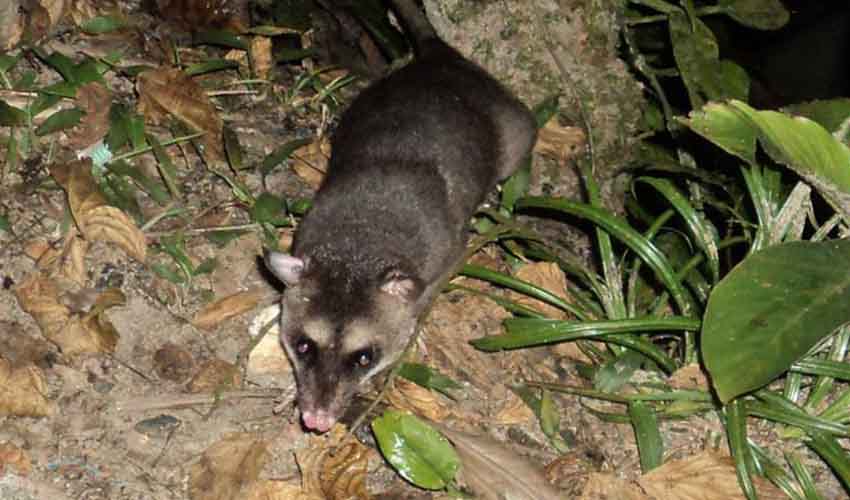
Gray four-eyed opossum
Often uses its nose like a detector, “painting” the air with quick sniffs to track food it can’t see
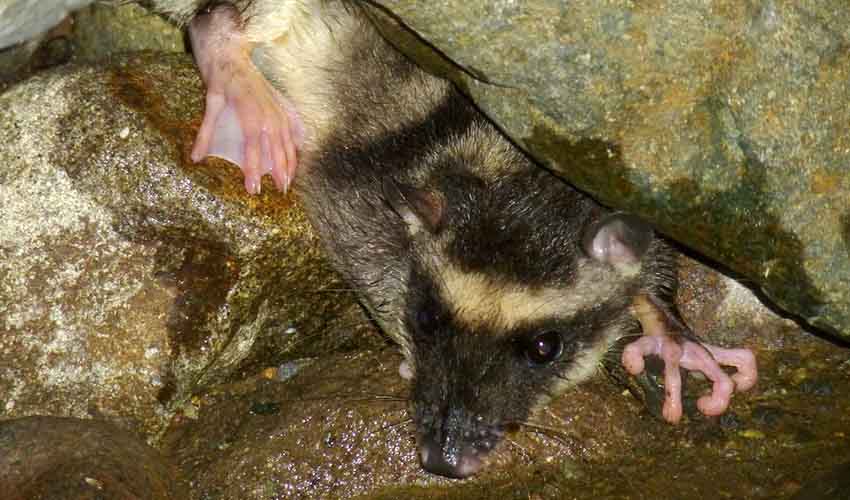
Water opossum
Its fur is dense and water-resistant, which helps it stay warm and buoyant during night swims

Bare-tailed woolly opossum
The “woolly” look isn’t just cute—it likely helps with warmth and protection in cool, damp forest nights

Andean white-eared opossum
Those pale ears can help with heat control, since thin ear skin can release extra warmth when needed

Common opossum
50 teeth? That’s a serious set of chompers for crunching insects, fruit, or even bones!
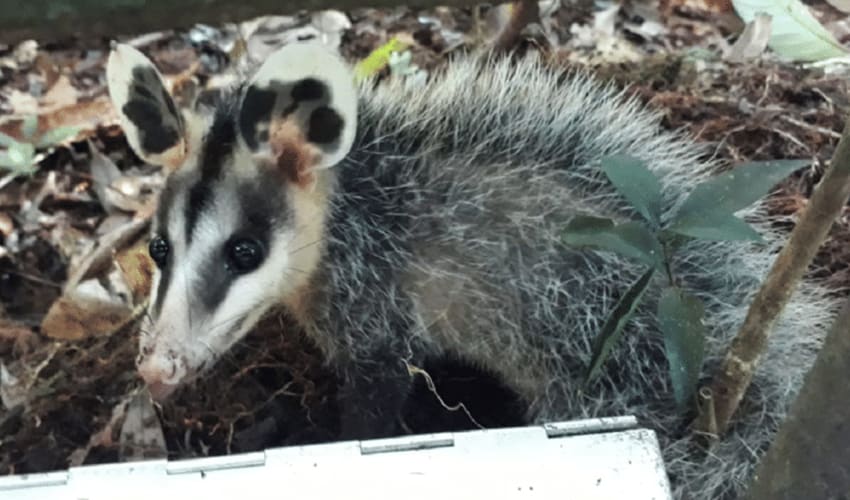
Guianan white-eared opossum
Has “handy” back feet, including a thumb-like toe that helps it grip branches like a natural climber’s glove
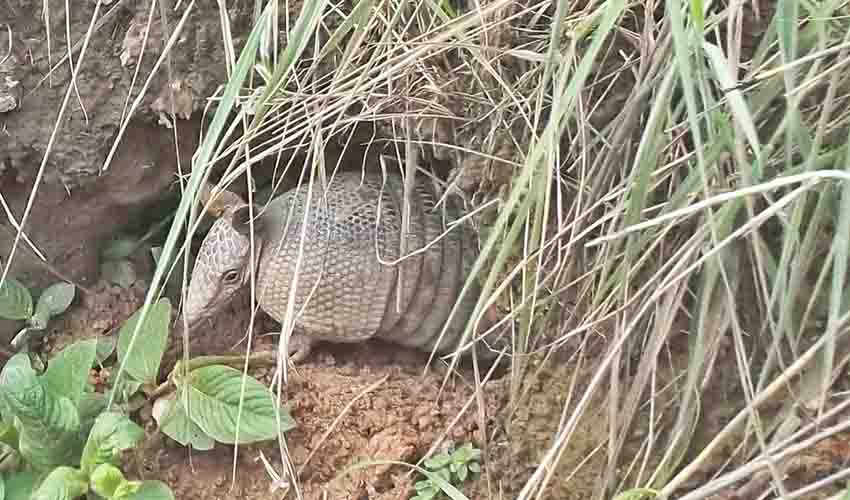
Llanos long-nosed armadillo
Spends a lot of time sniffing the ground to locate hidden ants and termites before it starts digging

Black-tailed hairy dwarf porcupine
It’s a porcupine—but a tiny, tree-dwelling one, not a ground-stomping giant

Sun parakeet
Its bright yellow, orange, and red feathers make it look like a flying flame

Golden-winged parakeet
When perched, it blends in well with green leaves despite its bright wing color
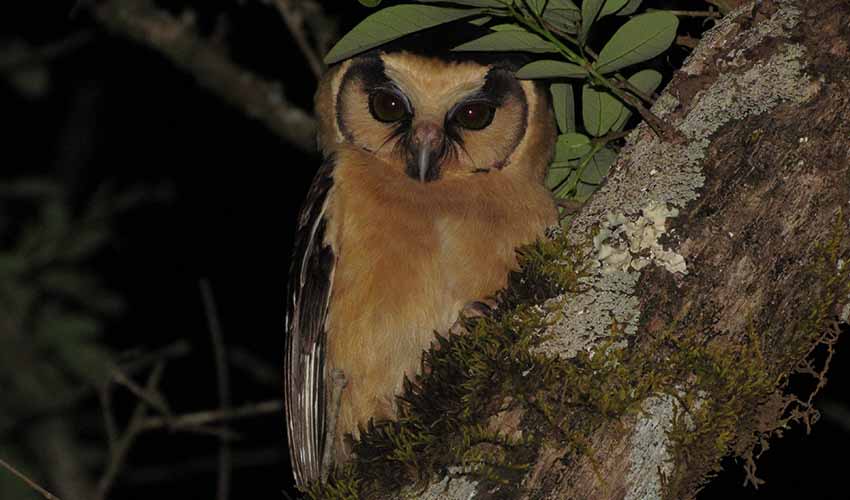
Buff-fronted owl
Their coloring and stillness can make them look like part of the bark rather than a living bird
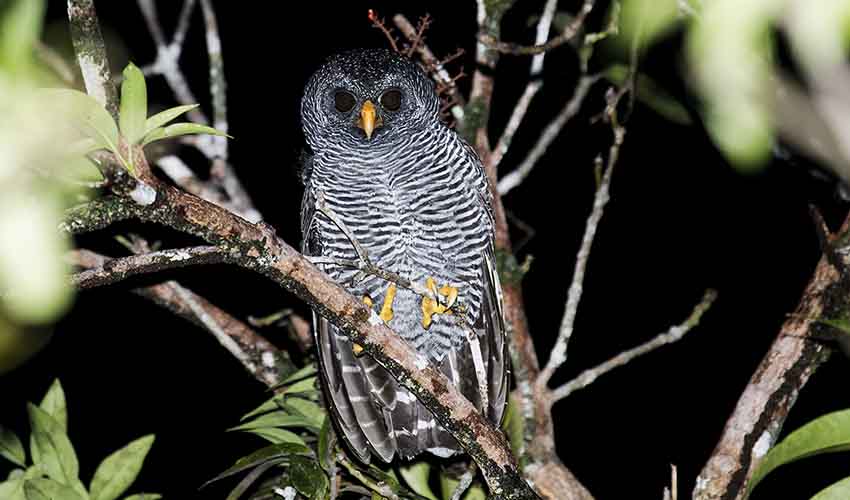
Black-banded owl
Known for their deep, booming voices, which can travel long distances through dense forest

Golden-olive woodpecker
Males usually have a red crown patch, while females usually don’t—so the “red hat” can be a quick clue

Purple-throated fruitcrow
As its name suggests, fruit is at the center of this bird’s world
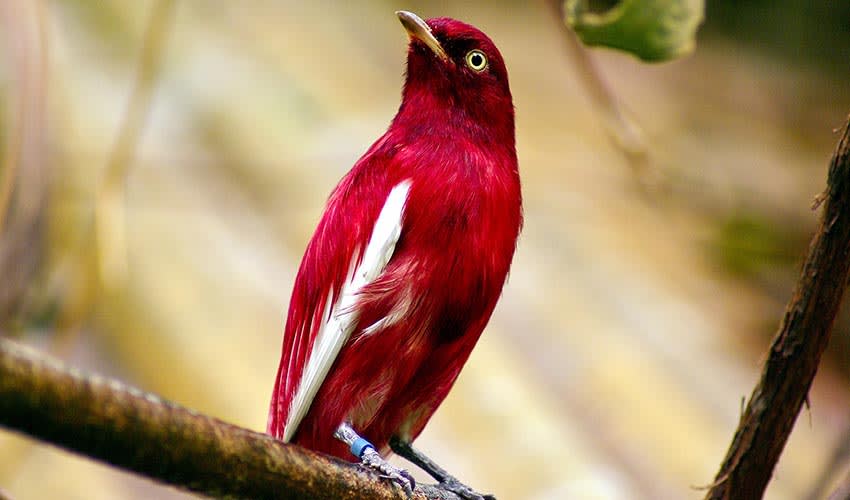
Pompadour cotinga
In shade it may look almost black, but when light hits it, the color can suddenly look rich and velvety

Black-billed cuckoo
Once believed that their frequent calling was a sure sign that a thunderstorm was on its way

Mangrove cuckoo
Have specialized glands that help them manage the high-salinity environment of the coast
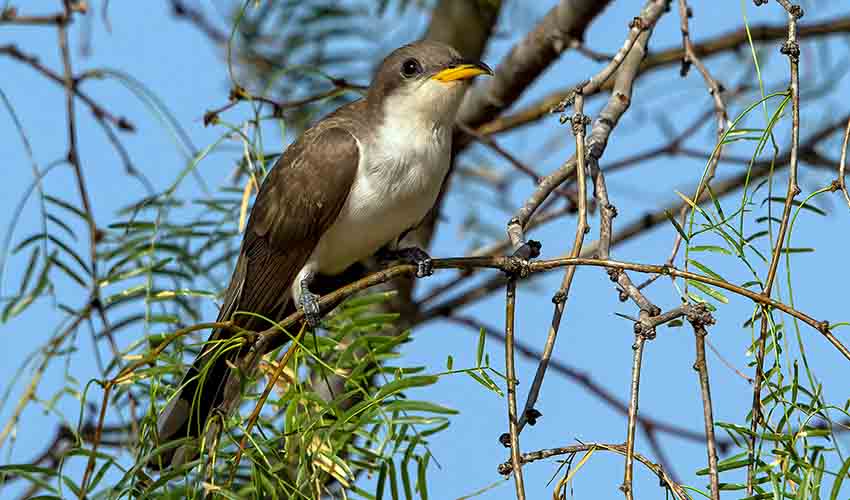
Yellow-billed cuckoo
Its sound is one of the most iconic sounds of the American summer

Crested guan
The “wild turkey of the rainforest canopy”

Grey plover
Can be black, can be grey but it’s the same bird

Bar-tailed godwit
Has one of the longest nonstop flights ever recorded for any bird

American golden plover
These birds perform a massive, circular migration that covers nearly 32,000 km (20,000 miles) annually

Franklin’s gull
These gulls aren’t scavengers; they are specialized insect eaters.

Greater yellow-headed vulture
A bird with a nose for gas (literally)
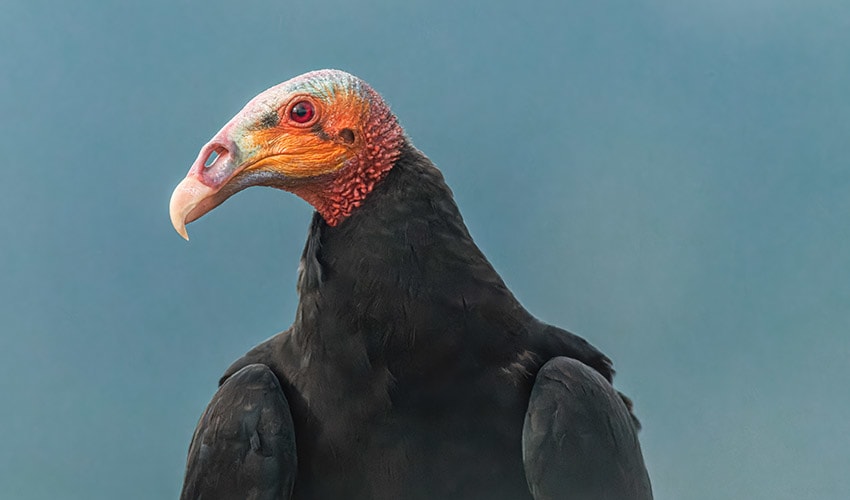
Lesser yellow-headed vulture
One of the very few “smelly” birds (in a good way)
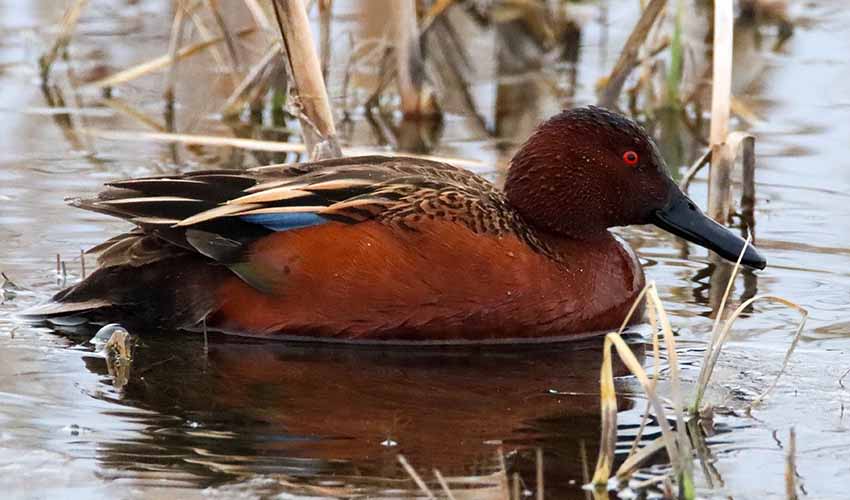
Cinnamon teal
Its speed and size make it harder for predators (and hunters) to track

Masked duck
One of the smallest stiff-tailed ducks in the Americas
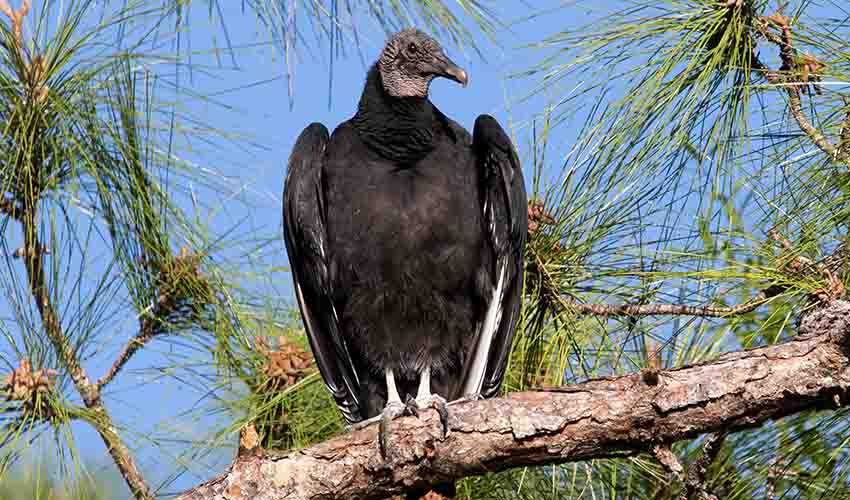
Black vulture
Smell? Not so much—mostly rely on eyesight and the behavior of other vultures to find food

Crested eagle
When the crest is up, it looks like it’s wearing a dramatic feather crown or mohawk

Solitary eagle
Looks like other hawks in disguise

Chuck-will’s-widow
Have a specialized reflective layer behind the retina to help them see in near-total darkness.
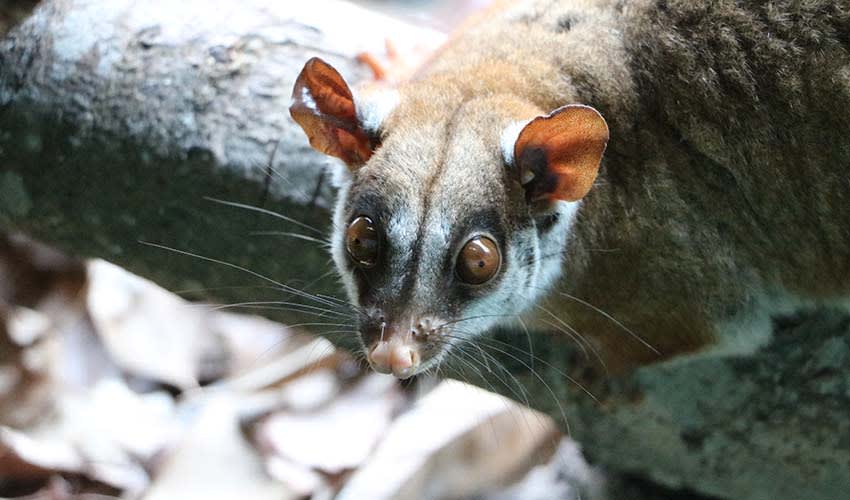
Brown-eared woolly opossum
As it moves around, it may pollinate trees like a tiny, furry “night bee”
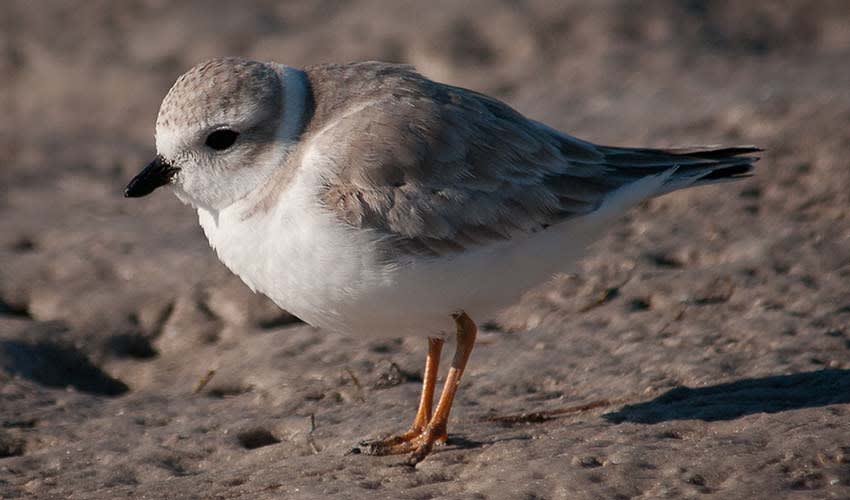
Snowy plover
Weighs about as much as a couple of slices of bread and is barely bigger than a sparrow

Short-finned pilot whale
The “cheetahs” of the deep ocean

Bobolink
Symbols of open summer fields and joyful wild song

Indigo bunting
Under certain angles, the feathers can look almost black

Southern American bushmaster
One of the longest venomous snakes in the Americas

Giant leaf frog
It rubs waxy skin secretions over its body to prevent drying — essentially using natural lotion

Guianan cock-of-the-rock
Their bright plumage is so vivid that, from a distance, they can look like glowing fruit hanging on a branch
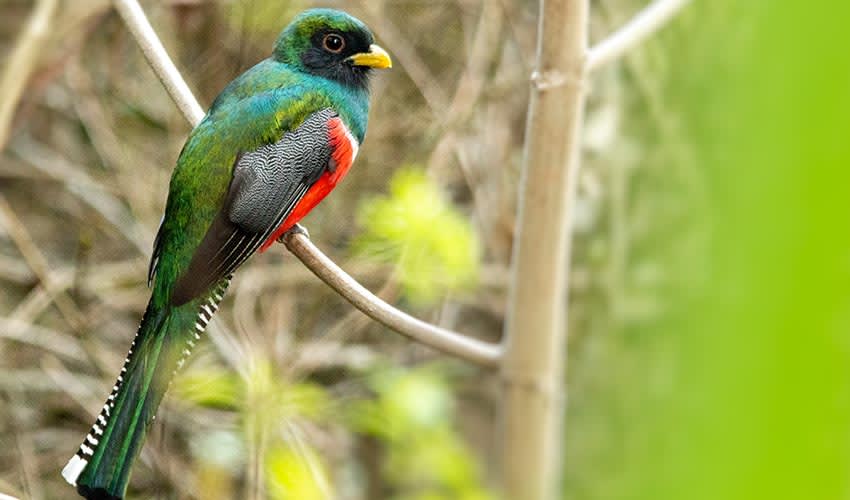
Collared trogon
Spend so much time sitting still that birdwatchers sometimes double-check to see if they’re statues
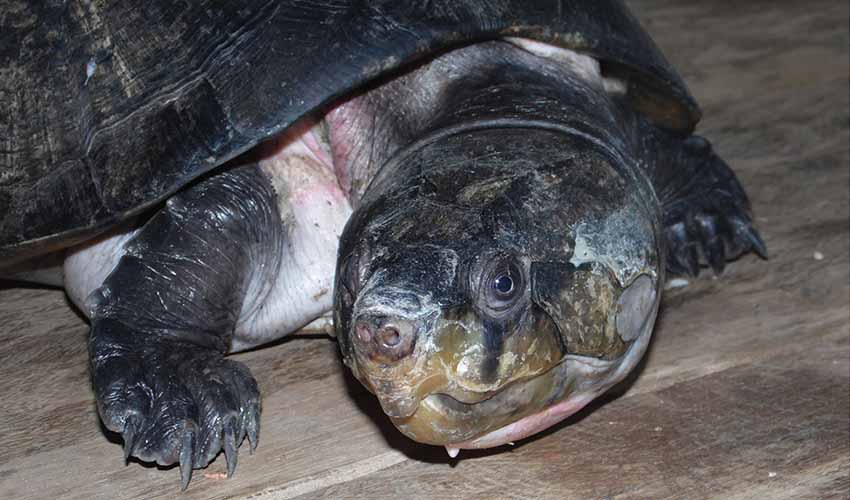
Big-headed Amazon river turtle
Those jaws can crunch tough river snails like popcorn

Caspian tern
A heavyweight champ — elegant, yes, but you don’t want to mess with that beak
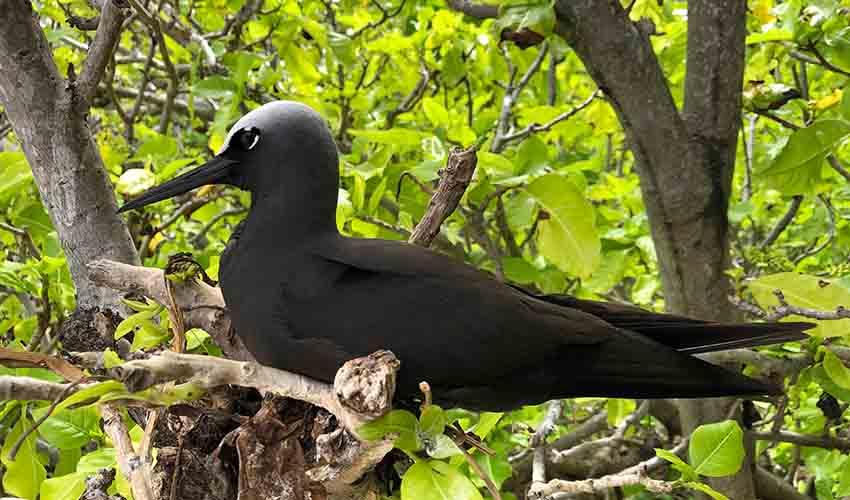
Black noddy
Black feathers, white cap, sleek shape — it’s the tuxedo of the bird world

Rufous nightjar
With feathers patterned like dry leaves, it can sit right in front of you and you’d still swear it wasn’t there

Striped dolphin
Among the most athletic dolphins, known for their spectacular leaps and spins that can reach several meters high
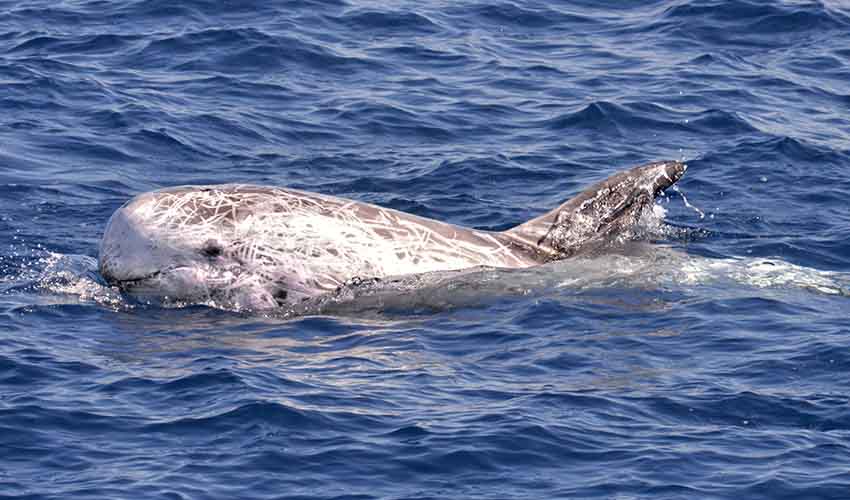
Risso’s dolphin
Sometimes called the “scars in the water” thanks to their many white markings

American redstart
One of the most admired warblers across the continent
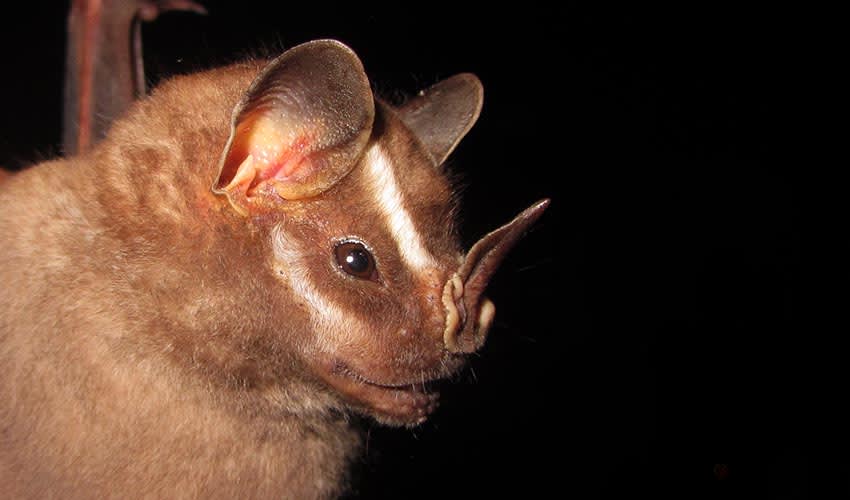
Great stripe-faced bat
Despite its somewhat fearsome scientific name, it does not drink blood—it feeds exclusively on plant material
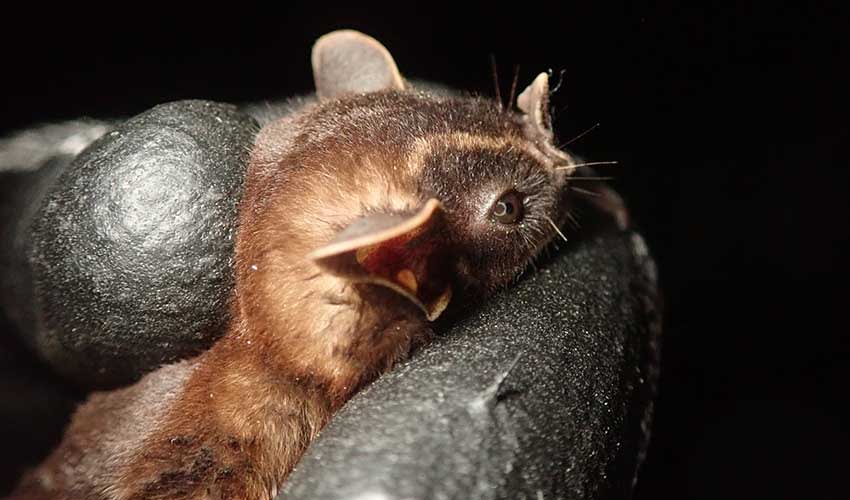
Velvety fruit-eating bat
Its fur is so soft and dense that early naturalists compared it to fine velvet or mink
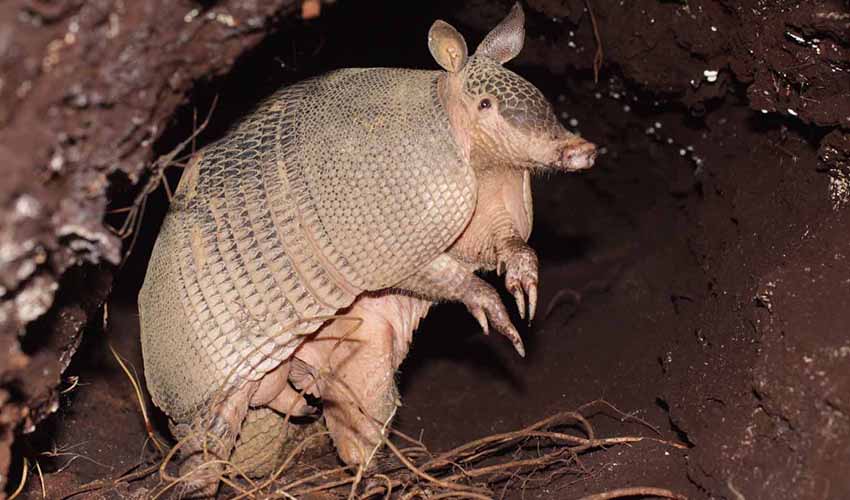
Greater long-nosed armadillo
Not a “roll-into-a-ball” armadillo—its escape plan is armor + burrow + disappearing fast

Nine-banded armadillo
Found all over the Americas, it is the most widespread species of all armadillos
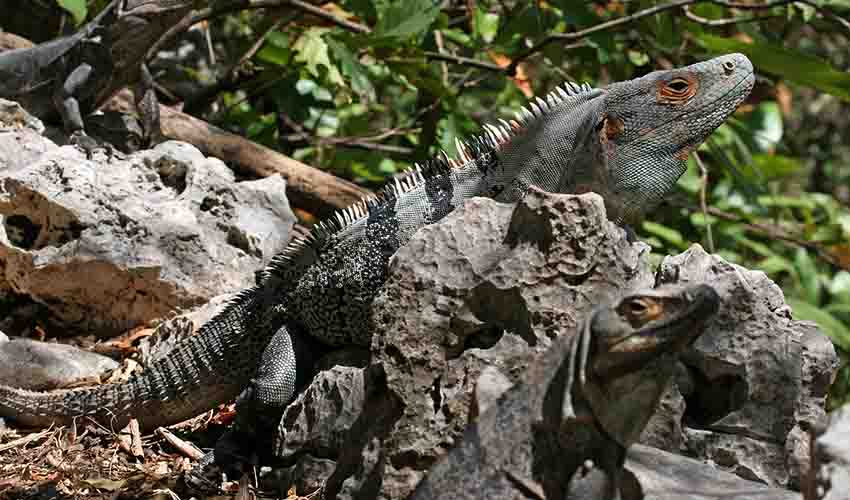
Black spiny-tailed iguana
Blink and you’ll miss it — this iguana can out-sprint a chasing dog
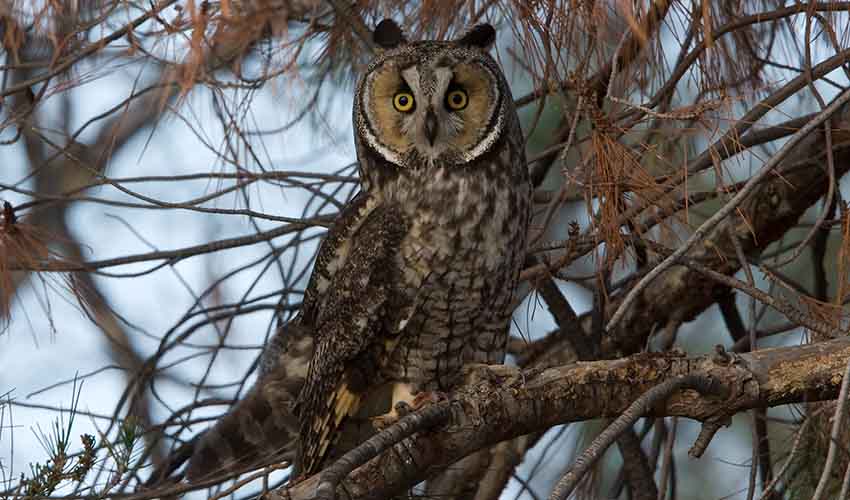
Long-eared owl
Its flight is nearly soundless, thanks to specially fringed wing feathers that disrupt air turbulence

Short-eared owl
Defies the usual “creature of the night” stereotype by thriving in open landscapes and often hunting boldly in daylight

Stygian owl
Famous for its glowing “devil eyes”

Lemon shark
Their “lemon” color actually changes slightly depending on light and habitat

Spotted eagle ray
Though they possess venomous spines near the base of their tail, they rarely use them except in self-defense

Blue-gray tanager
Often bathe in rainwater pools or birdbaths

Helmeted curassow
The knob on its bill is a solid, bony structure, making it one of the most instantly recognizable curassows

Black agouti
The only animal capable of cracking the Brazil nut’s rock-hard shell with its strong teeth

Brown tent-making bat
Lighter than a AAA battery!

Tent-making bat
Well known for its unusual behavior of modifying leaves into makeshift shelters

Pacarana
Its closest living relatives are guinea pigs and chinchillas, though it look more like a miniature capybara
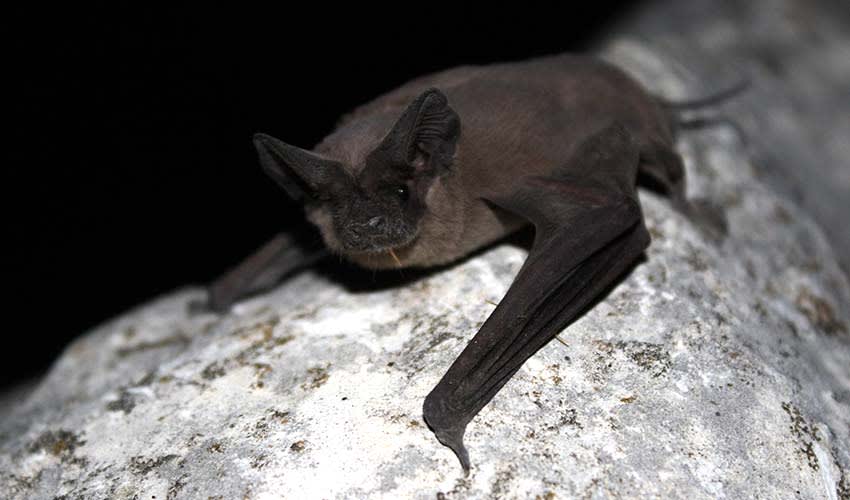
Mexican free-tailed bat
Their guano deposits have historically been harvested as fertilizer

Northern naked-tailed armadillo
One of the most mysterious and hardest to spot armadillo in the wild

Sand martin
A bird that carries the rhythms of the seasons on its wings

Southern naked-tailed armadillo
Looks like it’s wearing a full suit of armor… and then forgot to armor up its tail
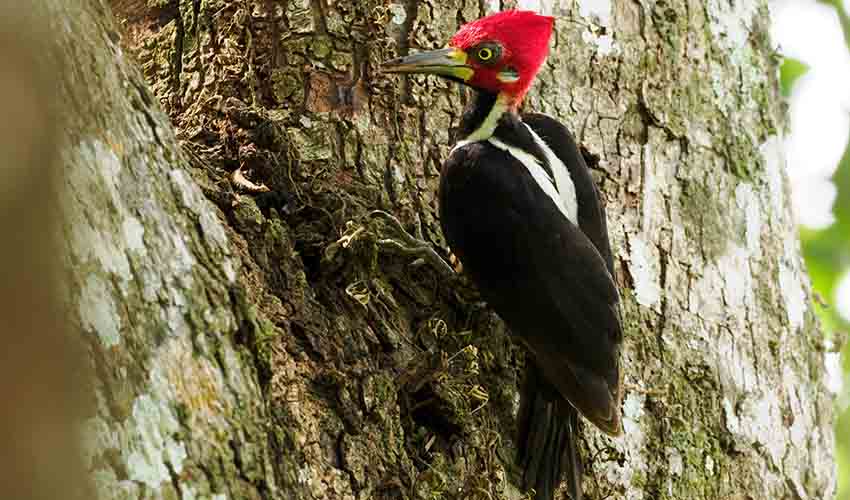
Crimson-crested woodpecker
Did you know that these birds have a tongue that would make a chameleon jealous?

Powerful woodpecker
A close relative of the famous and elusive ivory-billed woodpecker
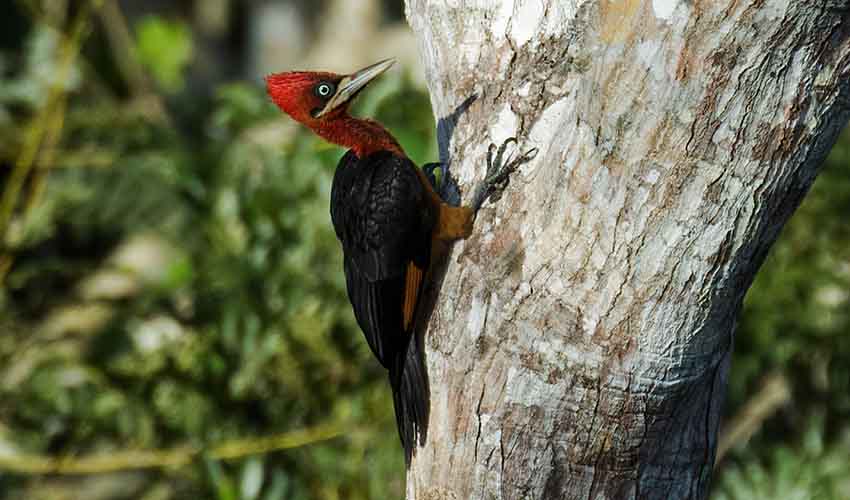
Red-necked woodpecker
Known for extracting wood-boring beetle and moth larvae from tree bark

Red knot
In winter, they’re plain grey and white, but in the Arctic summer, they turn into a glowing rusty red
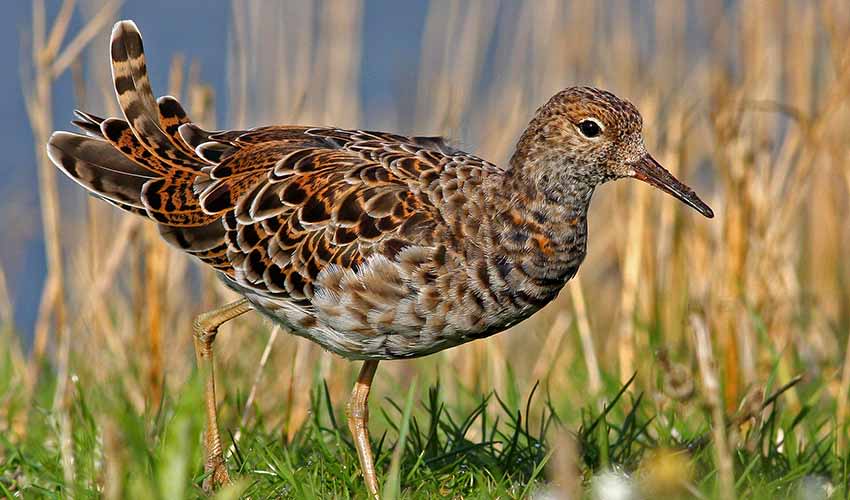
Ruff
Looks ordinary—but transforms into one of the most extravagant birds during breeding season
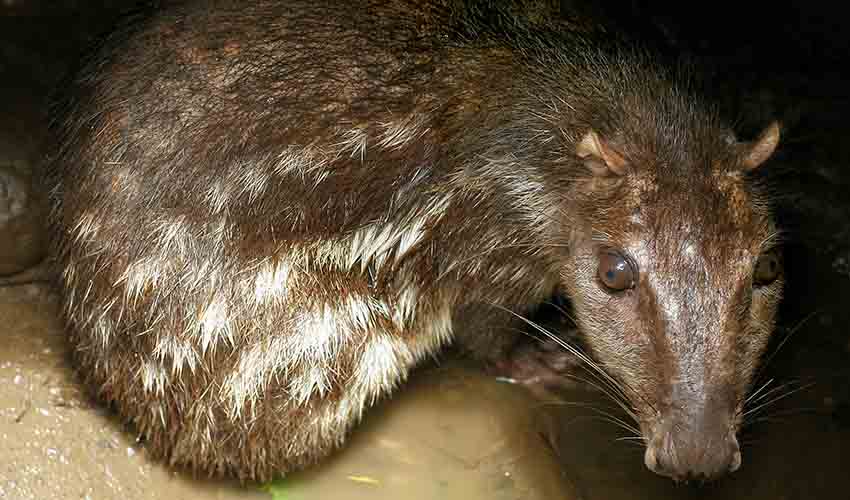
Lowland paca
The spotted rabbit of the jungle—though they are rodents, not rabbits!

Brazilian porcupine
Their long, fleshy noses give them a comical, almost cartoonish look, especially when sniffing around for fruit

Southern tamandua
One of the most effective—and quirky—pest controllers in South America’s wild landscapes

Pygmy killer whale
One of the lesser-known members of the dolphin family, despite its dramatic name

Eastern cottontail
They produce two types of droppings and re-eat the softer kind to get extra nutrients (a clever “second-pass” digestion trick)

Long-billed hermit
Those “plain” feathers? They’re perfect camouflage for a bird that does most of its business in the shade

Rufous-crowned elaenia
A master of understatement—until it pops its crest

Largetooth sawfish
The only sawfish known to spend long stretches of its life in freshwater lakes, not just rivers or coasts

Red-backed bearded saki
Sometimes called “the philosophers of the forest” because of their bearded, thoughtful expressions

Ruddy ground dove
One of the tiniest doves in the Americas

Green ibis
Sometimes called the “Whispering Ibis”—not because it whispers, but because it’s so quiet and elusive compared to other ibises
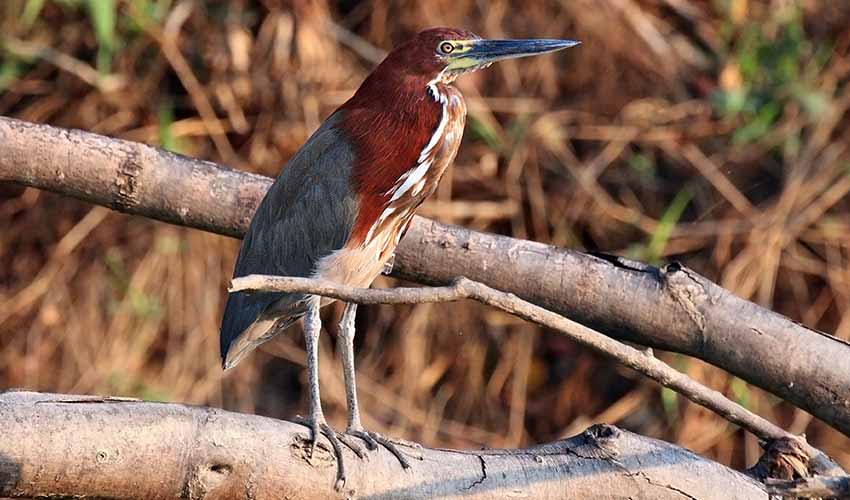
Rufescent tiger heron
Doesn’t put its nest near the water’s edge like many of its relatives

Wood stork
The “giant of the swamp”

Green kingfisher
Have eyesight that is exceptionally keen—so much so that they can easily spot tiny fish swimming just beneath rippling water
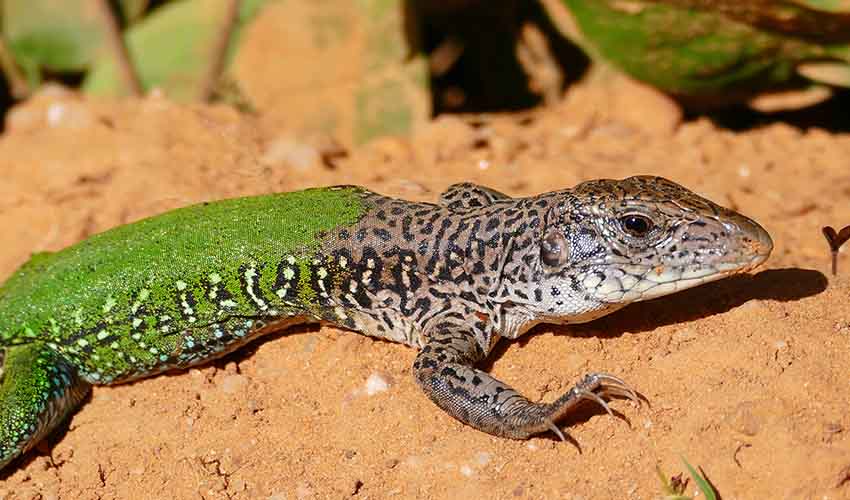
Giant ameiva
Can move startlingly fast, often vanishing in a blur of motion when startled

Amazon tree boa
Can “see” the body heat of animals even in total darkness

Masked trogon
Often tame and unafraid of humans

Red siskin
Tiny but feisty flyers
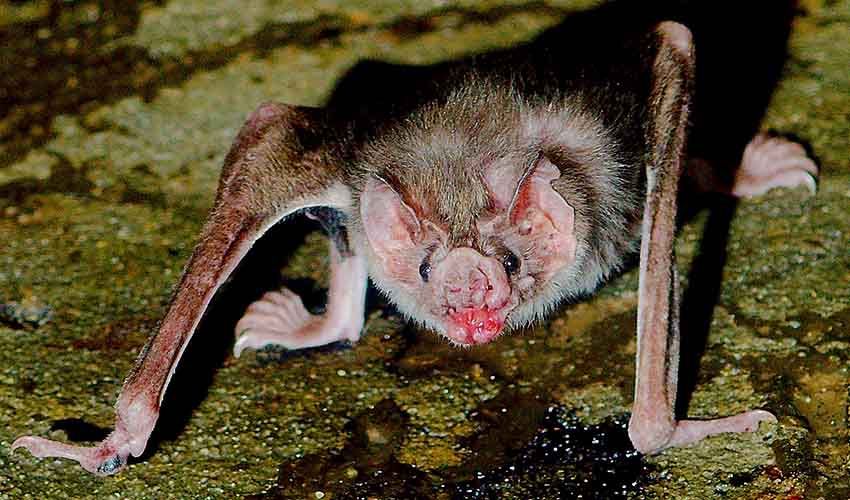
Common vampire bat
Most famous — and misunderstood — of all vampire bats

Tropical kingbird
Surprisingly aggressive for a bird with a sunny name

Gold tegu
A rugged, resourceful lizard with a bold look and a wild streak

Greater sac-winged bat
A scented, singing, socially savvy insect hunter
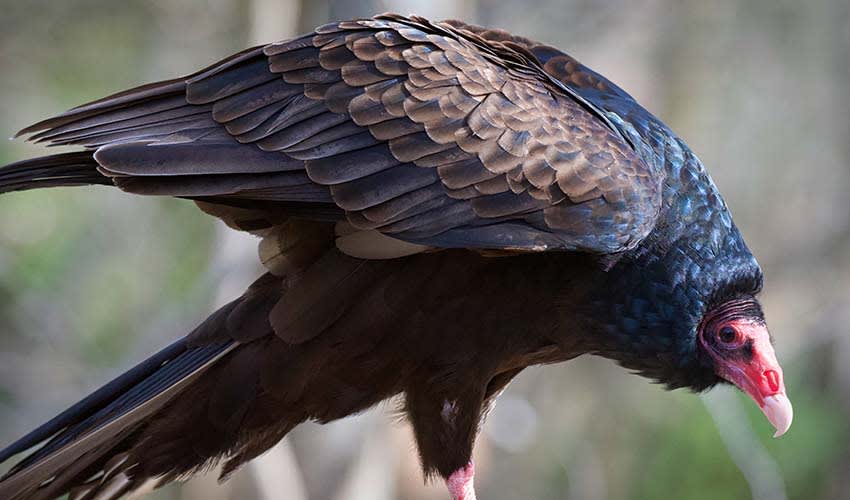
Turkey vulture
A bird that quietly keeps the environment clean

Amazon kingfisher
Despite its name, it is not limited to the Amazon Basin
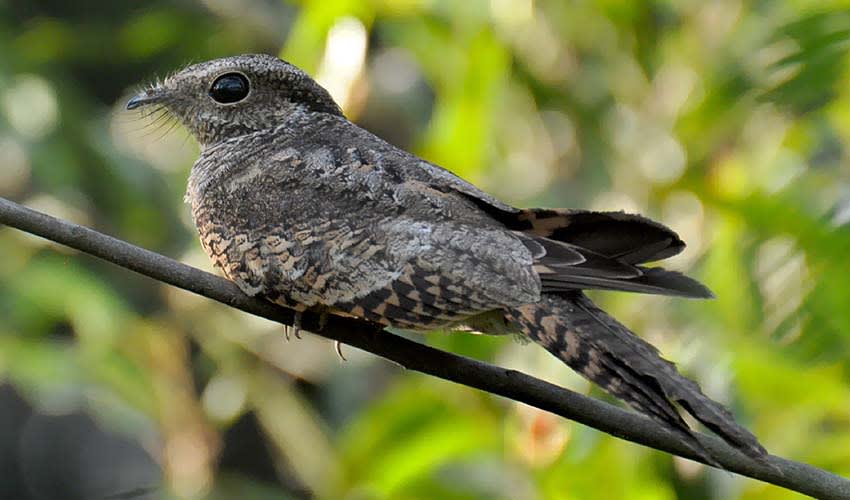
Ladder-tailed nightjar
A nighttime hunter extraordinaire

Great black hawk
One of the largest hawks in the Americas

South American coati
Known to investigate campsites, rummage through backpacks, and even figure out how to open containers

Red brocket deer
Instead of fleeing immediately when threatened, they often freeze completely still

Scalloped hammerhead
Their skin actually darkens, just like a sunburn!
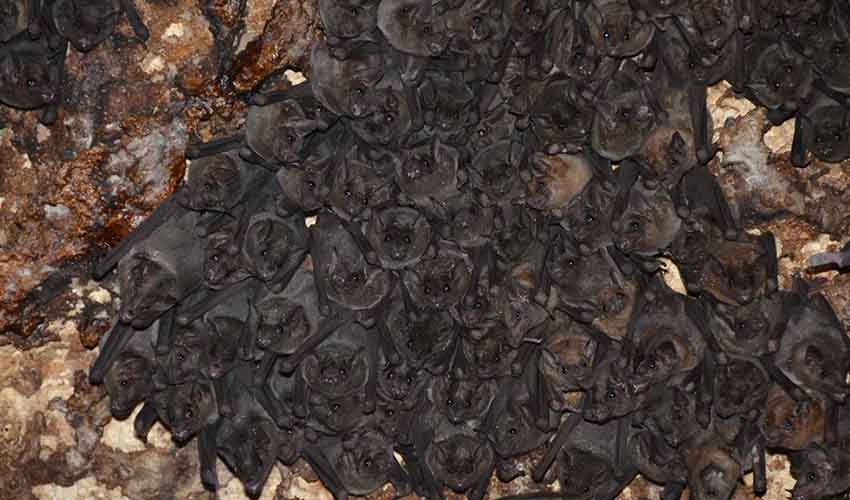
Southern long-nosed bat
Loves to drink sweet nectar—just like a hummingbird!
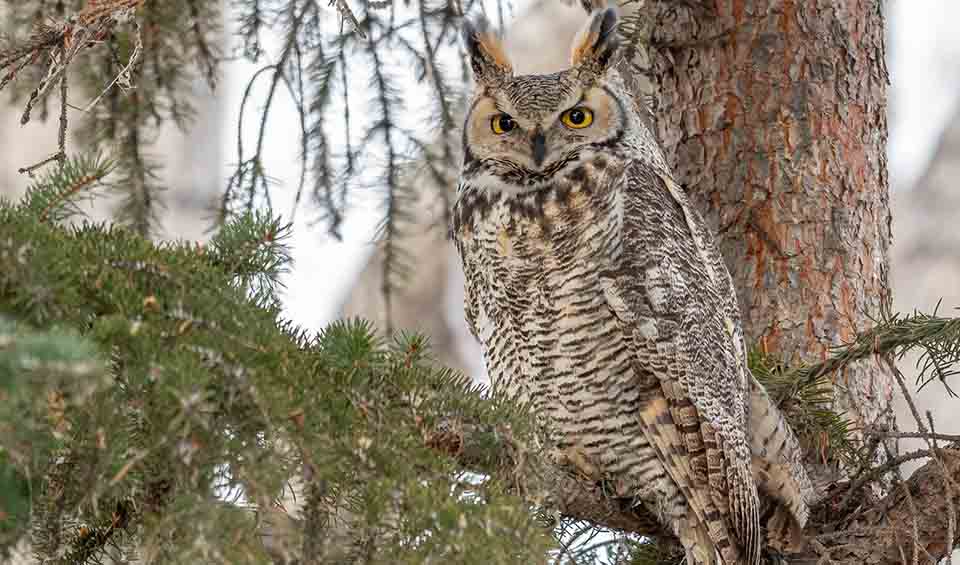
Great horned owl
Often called the “tiger of the sky” because of its fierce hunting skills and bold personality

Northern tamandua
Armed with claws and a tongue longer than its head, it specializes in breaking and entering… ant nests, that is

Ruddy turnstone
They flip the script — literally!

Emerald tree boa
Often confused with the green tree python but they aren’t closely related at all

Barred forest falcon
The ghost of the rainforest — more often heard than seen

Spectacled owl
Easily recognized by its bold facial markings that resemble a pair of white spectacles
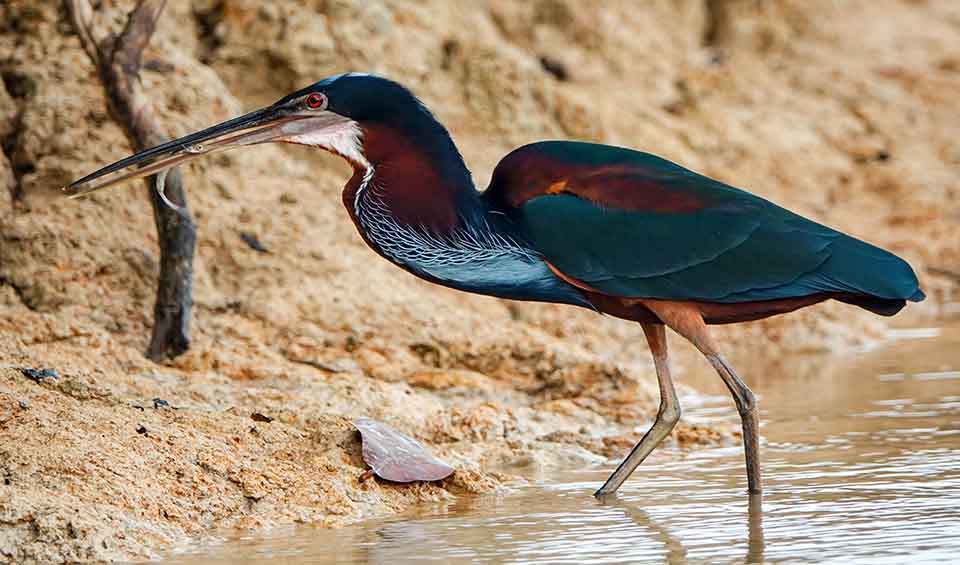
Agami heron
One of the most beautiful and secretive herons in the world
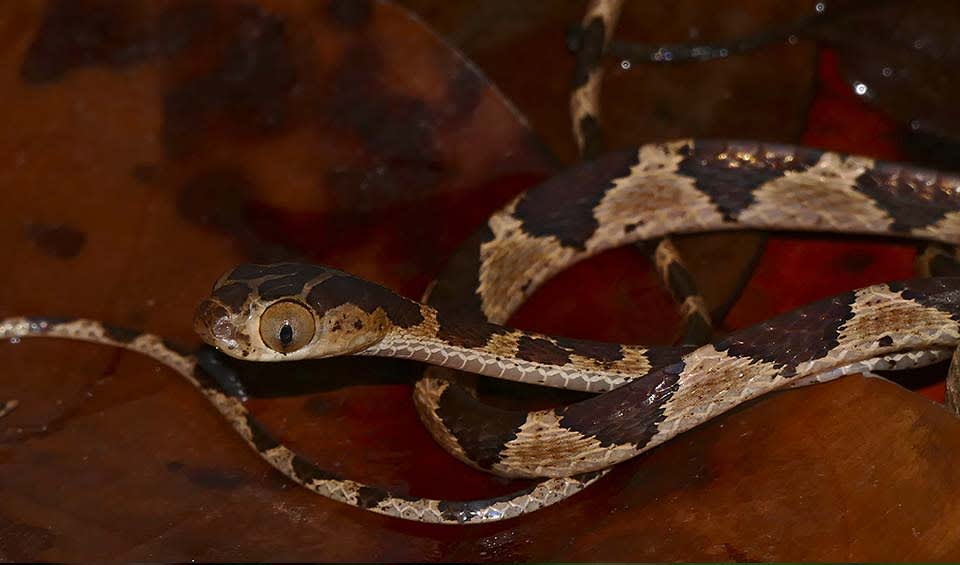
Blunthead tree snake
Looks more like a living vine or a character from a fantasy novel than a typical reptile

Cloudy snail-eating snake
Unlike many snakes that rely on speed or venom, this snake depends on stealth and precision
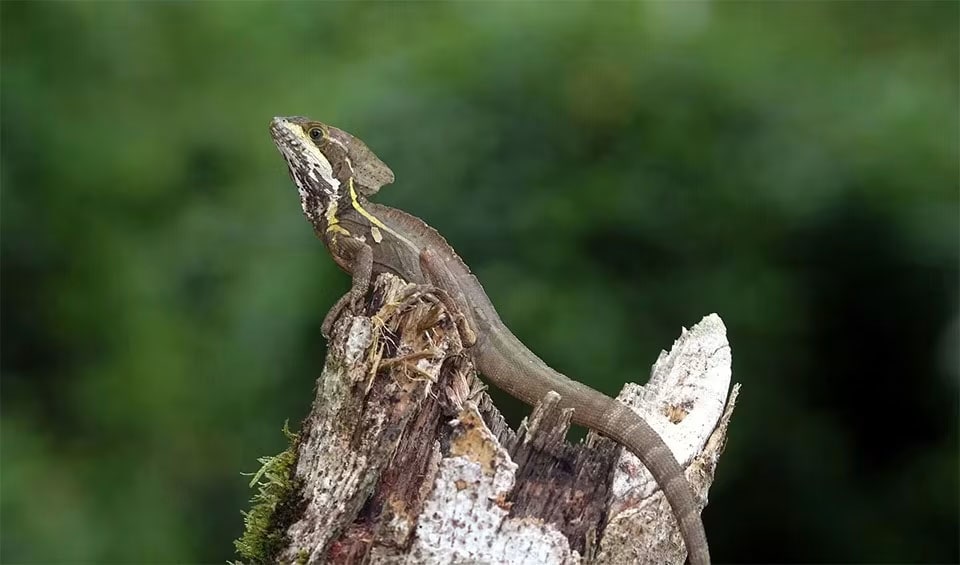
Common basilisk
Also called the Jesus Christ lizard because of its ability to walk on water
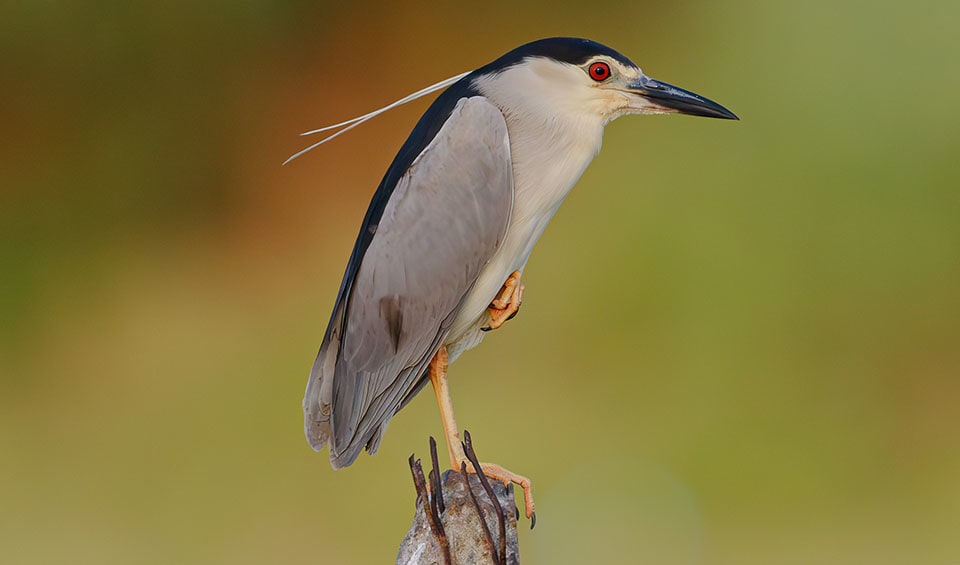
Black-crowned night heron
One of the most widespread and adaptable herons in the world

Yellow-crowned night heron
Crabs make up over 90% of their diet

Crimson-rumped toucanet
Despite their bright colors, they can be surprisingly hard to spot
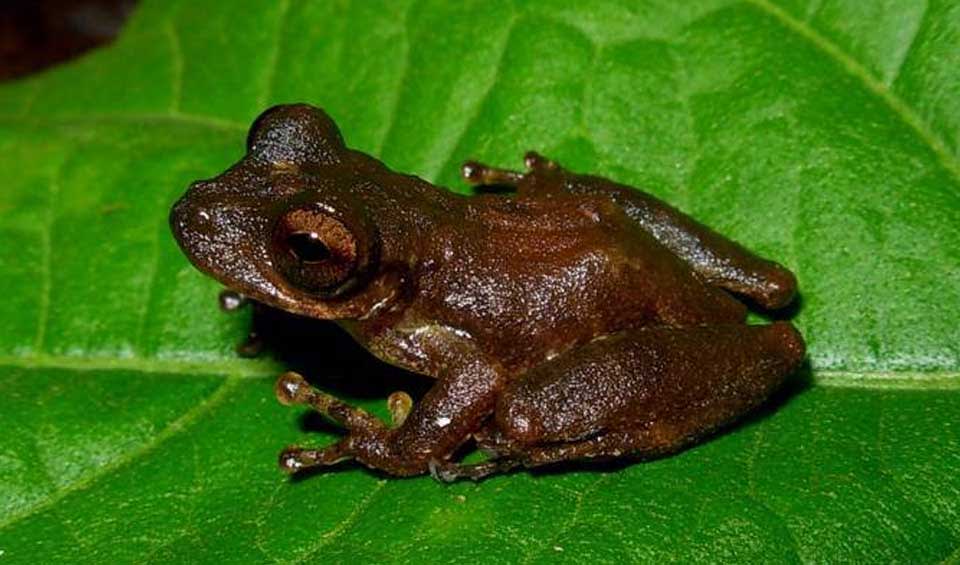
Puerto Cabello treefrog
Just like kangaroos, they interestingly have a brood pouch

Orinoco crocodile
One of the largest crocodiles in the world, known for its immense size and incredible strength

American crocodile
These creatures often ingest stones, aiding food digestion and buoyancy regulation in the water

Green anaconda
When most people say anaconda, they mean the green anaconda, the largest of all snakes!
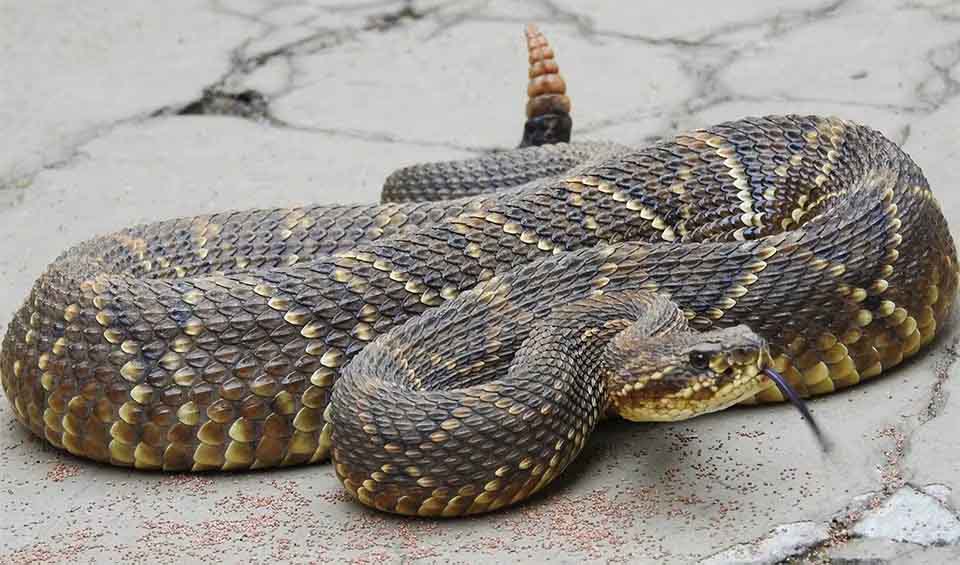
South American rattlesnake
Both feared and respected, often appearing in traditional stories and as a symbol of danger and power

American herring gull
It’s the classic white-headed, grey-backed “seagull” of postcards and cartoons

Great black-backed gull
Capable of living surprisingly long lives in some of the harshest, stormiest environments on Earth
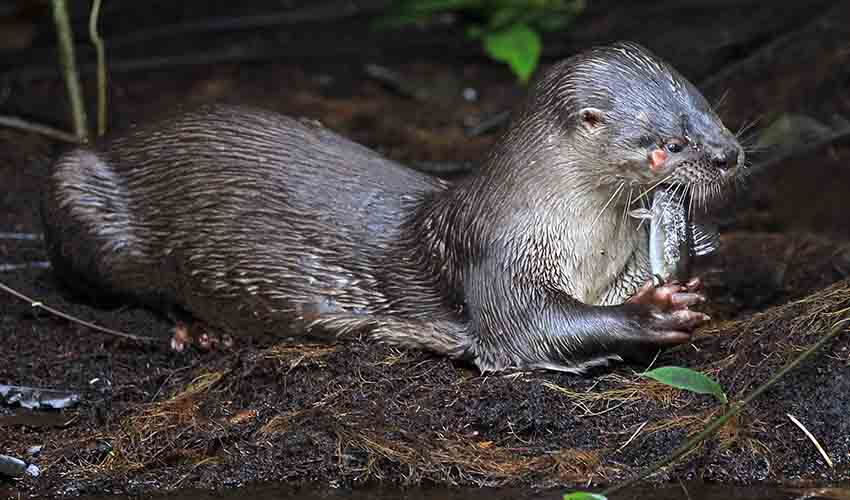
Neotropical otter
The pale patch on its throat often varies between individuals, like a natural “bib design”

Common Surinam toad
Got trypophobia? You might want to avoid looking at this froggy!

Laughing gull
Once you’ve heard them laugh, it’s hard to forget!

Military macaw
Its green color inspired its name because it resembles the shade of old military uniforms

Royal tern
These birds ride ocean breezes for miles without flapping much at all
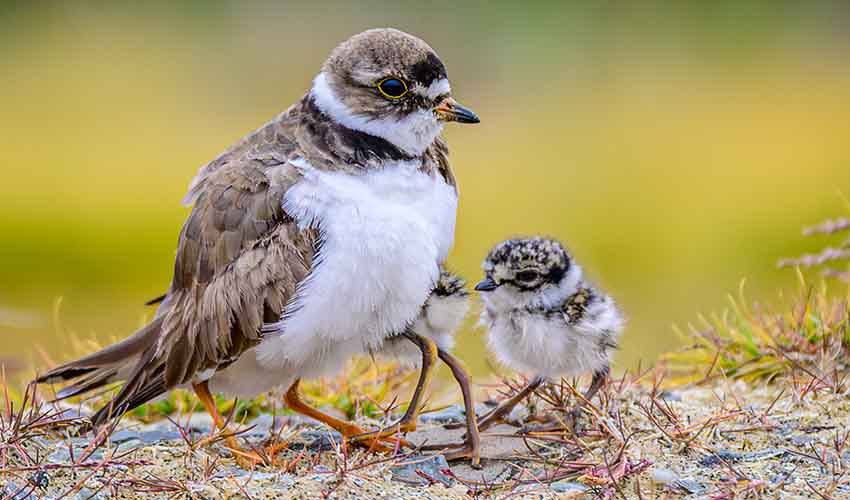
Semipalmated plover
Often described as the “compact” version of the plover family

Black titi monkey
One of their cutest habits is sitting close and wrapping their tails around each other—it’s their version of cuddling!

Eastern lowland olingo
Looks like a cat–raccoon hybrid, which is probably why people who spot one are never quite sure what they saw

Black-capped petrel
Even though it’s an ocean bird, it raises its chick in hidden burrows high on Hispaniola

Brown spider monkey
One of the most threatened primates in the Neotropics and has been listed six times as one of the world’s 25 most endangered primates

American kestrel
The smallest of falcons in the entirety of America, but you would be mistaken to take this bird lightly

Bat falcon
Most famous for hunting around dusk, when bats start flying out to feed

Highland eyelash-pitviper
Those ‘eyelashes’ are actually special scales that help them hide in the leaves

Collared aracari
An attractive small toucan found in Mexico, Central, and South America
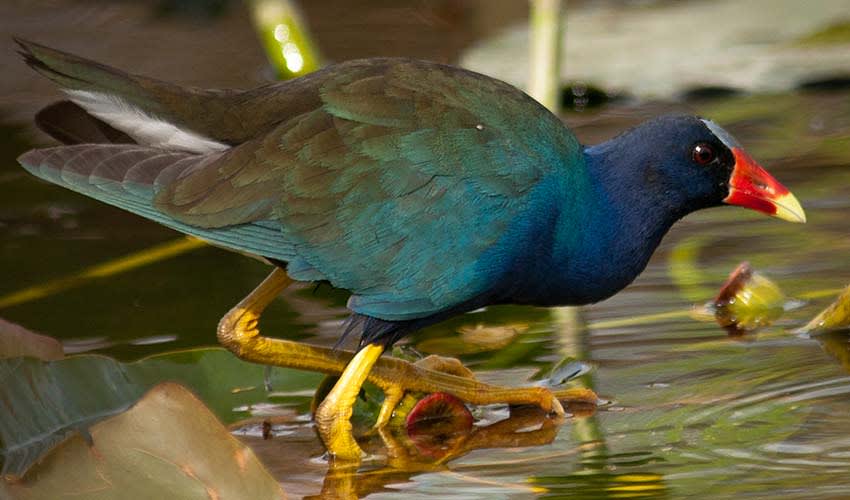
Purple gallinule
One of the most dazzling waterbirds of the Americas, often described as a “swamp jewel”

Lesser black-backed gull
A common sight in coastal regions throughout the Northern Hemisphere
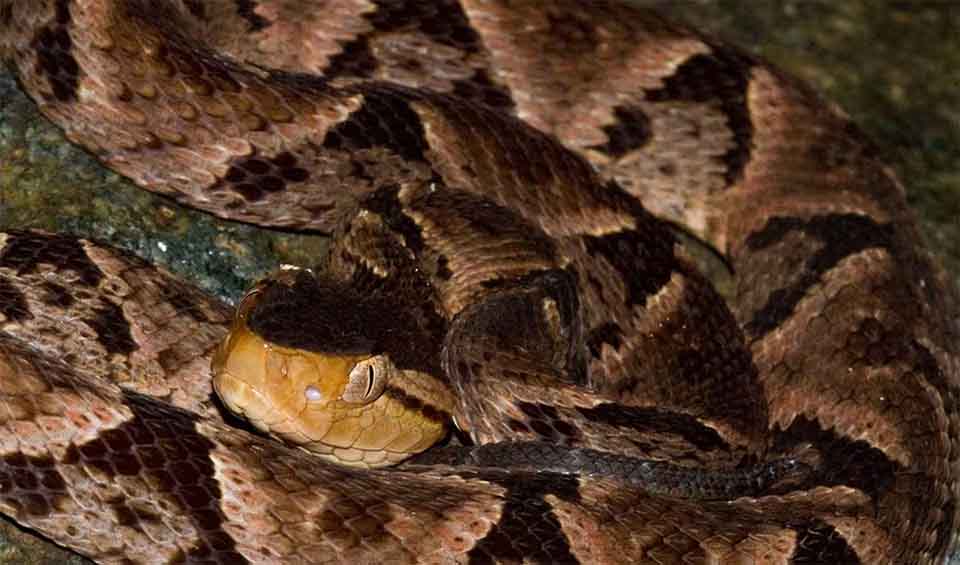
Terciopelo
One of the most well-known and feared snakes in Central and South America

Ring-billed gull
While they are famous for stealing fries, they have a very ancient, natural hunting technique called “foot-paddling”

Boat-billed heron
Got its name from its distinctive, boat-shaped bill, which is wider than it is tall

White-faced whistling duck
Loud birds with a distinct three-note whistling sound
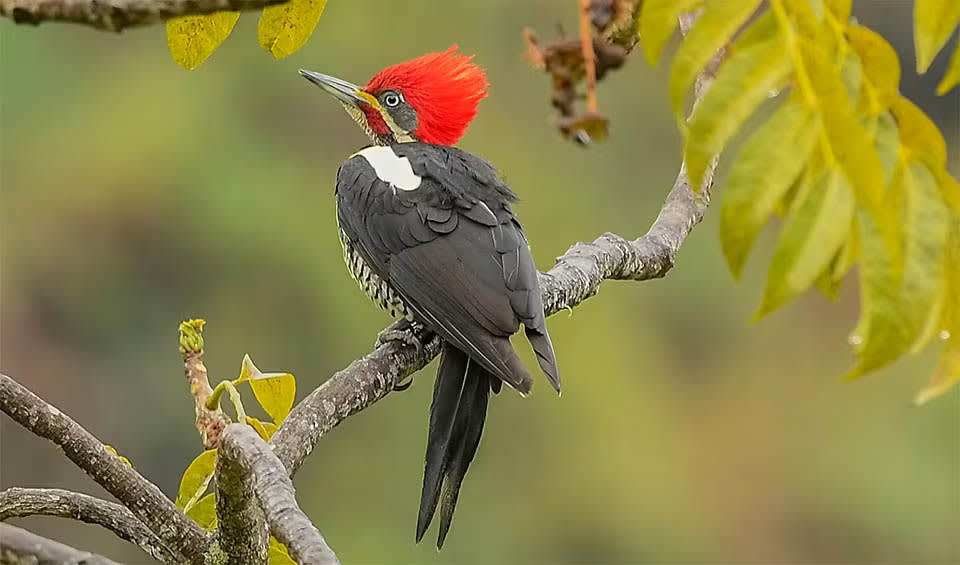
Lineated woodpecker
With its strong, sharp beak, it’s a master at pecking holes into trees to find tasty bugs hiding inside

Brown pelican
The smallest of the eight pelican species

Green jay
Often seen as a symbol of both curiosity and cleverness

Groove-billed ani
Got a long tail, a big head, and a curved bill with little grooves on it – that’s where its name comes from
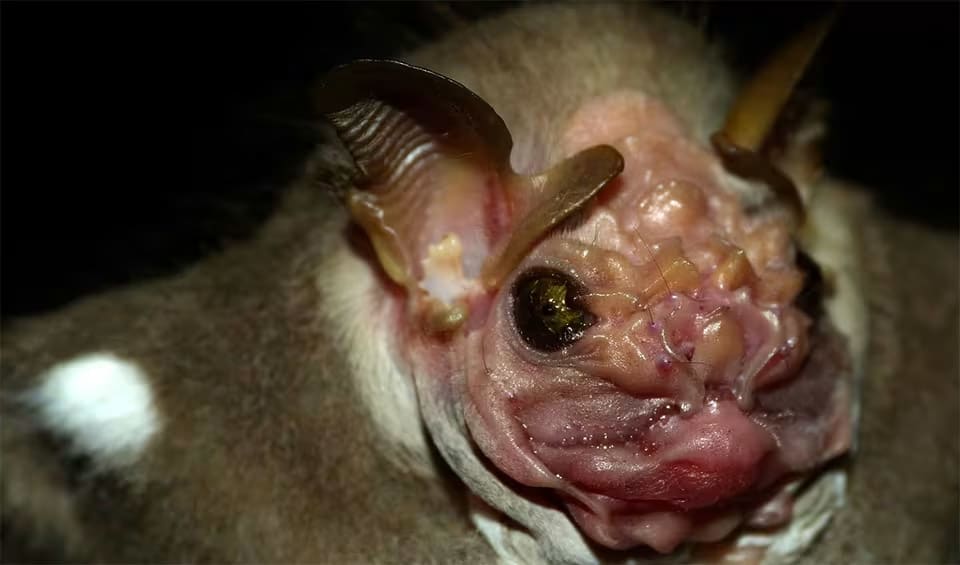
Wrinkle-faced bat
One of the most unusual-looking bats with lots of funny wrinkles and folds in its face
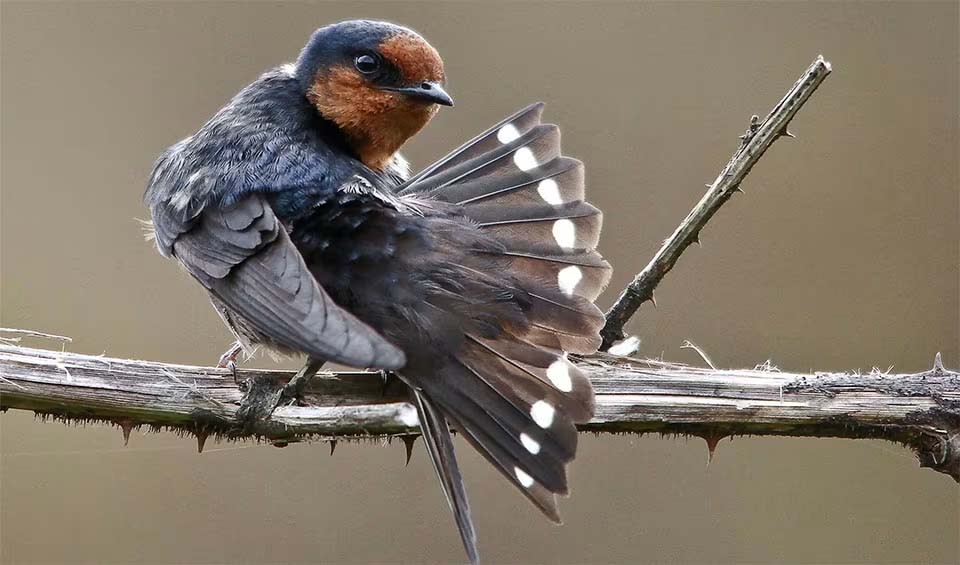
Barn swallow
Most common and widely distributed swallow globally

Smoky jungle frog
Eats almost anything smaller than itself, including other frogs
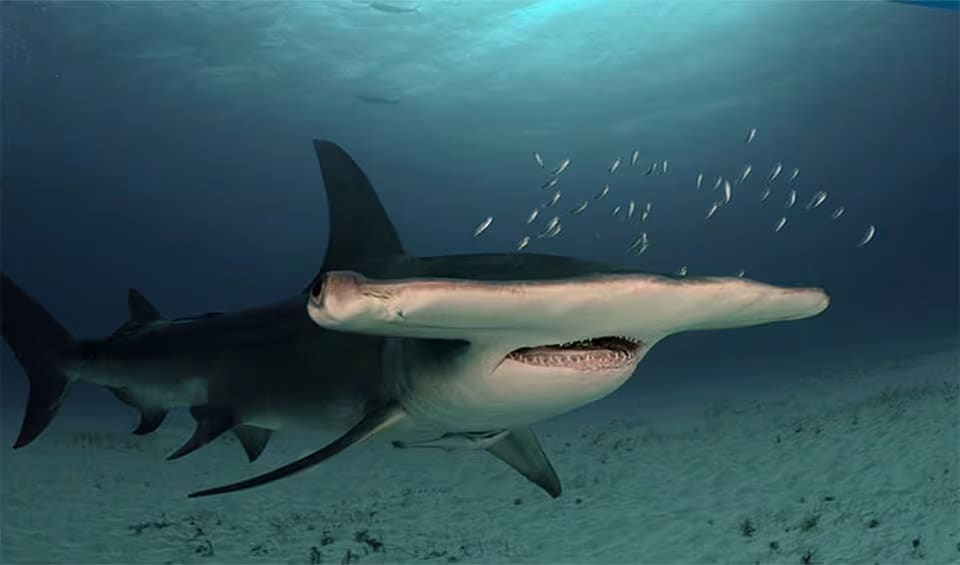
Great hammerhead
The biggest of all the hammerhead sharks, with a massive head that looks like a giant, flat hammer

Crested caracara
Got the looks of a hawk with the scavenging habits of a vulture
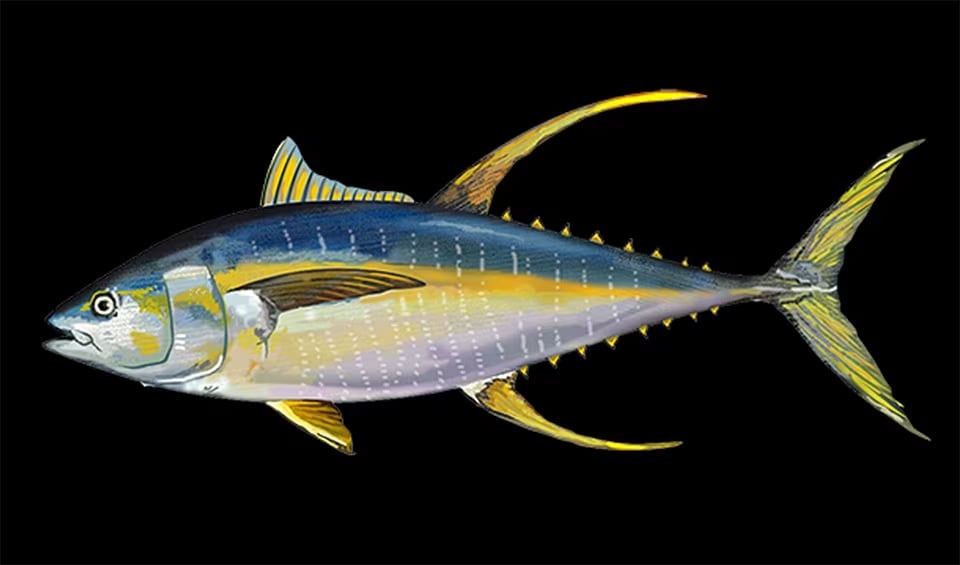
Yellowfin tuna
Popular food fish, prized for its mild flavor and firm texture

Venezuelan troupial
The largest and the most visually unusual of all orioles

Southern lapwing
Fearless defenders of their nests and chicks, often taking on much larger animals or humans if they perceive a threat

Great kiskadee
This bird is a real chatterbox, constantly announcing its presence with its loud, three-part call – “kis-ka-dee!”
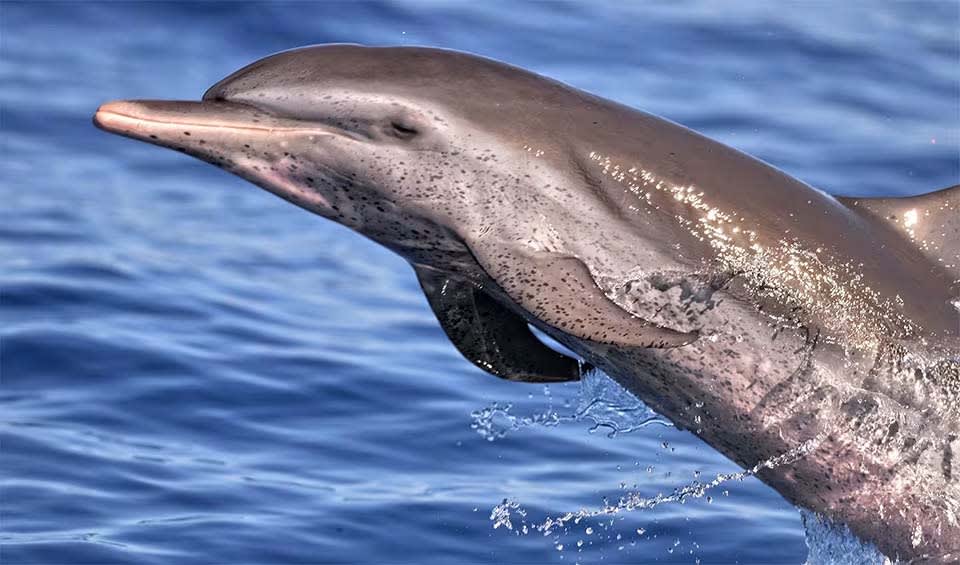
Pantropical spotted dolphin
A champion swimmer and a social butterfly of the warm seas

Brown noddy
They bob their heads up and down as they fly, which is actually how they earned the nickname “Noddy”

Brown-throated parakeet
Charming little parrot with a personality as bright as its feathers

Burrowing owl
They don’t build their own nests – they cleverly take over burrows abandoned by prairie dogs, ground squirrels, or even tortoises!

Common bottlenose dolphin
Known for their acrobatic leaps, twisting and turning gracefully as they jump completely out of the water

Rufous-vented chachalaca
Often make a distinctive “cha-cha-lac” sound, which is where they get their name

American flamingo
Famous for its habit of standing on one leg
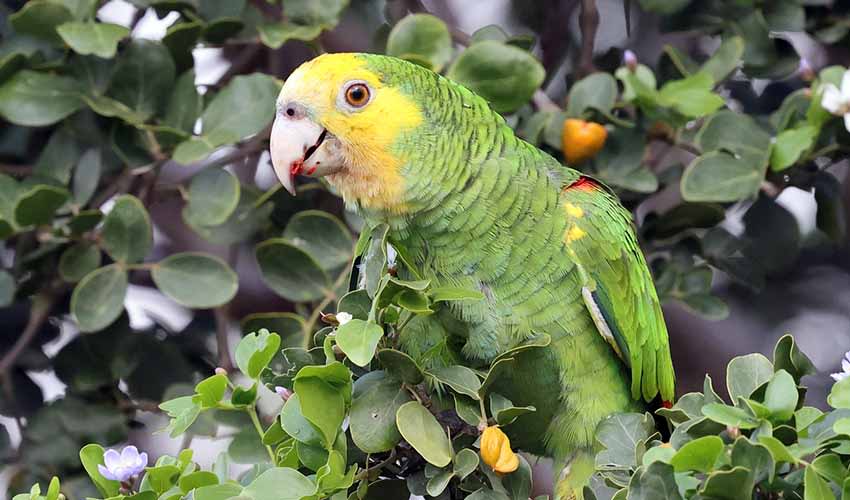
Yellow-shouldered amazon
Excellent problem-solvers and can figure out how to open tough fruit or reach hidden food

Mealy amazon
Known to dangle upside down from perches, perform little dances, and invent games with simple objects

Water buffalo
The “living tractors of the East”—vital in traditional agriculture, particularly in Asia

Andean cock-of-the-rock
Its dramatic appearance and behavior make it a symbol and national bird of Peru

American bullfrog
Introduced to many regions where it is now considered an invasive species

Snowy egret
In the late 1800s, a single ounce of its feathers could be worth more than gold

Tiger shark
They eat almost anything that comes their way – you name it, they’ll try to snack on it!

Red-headed Amazon river turtle
Hatchlings have the most vivid red heads

White-lipped peccary
They can spend up to two-thirds of their day traveling and feeding

Black-and-chestnut eagle
A magnificent bird of prey, blending into the forest with its striking colors and ruling the skies with its impressive wingspan
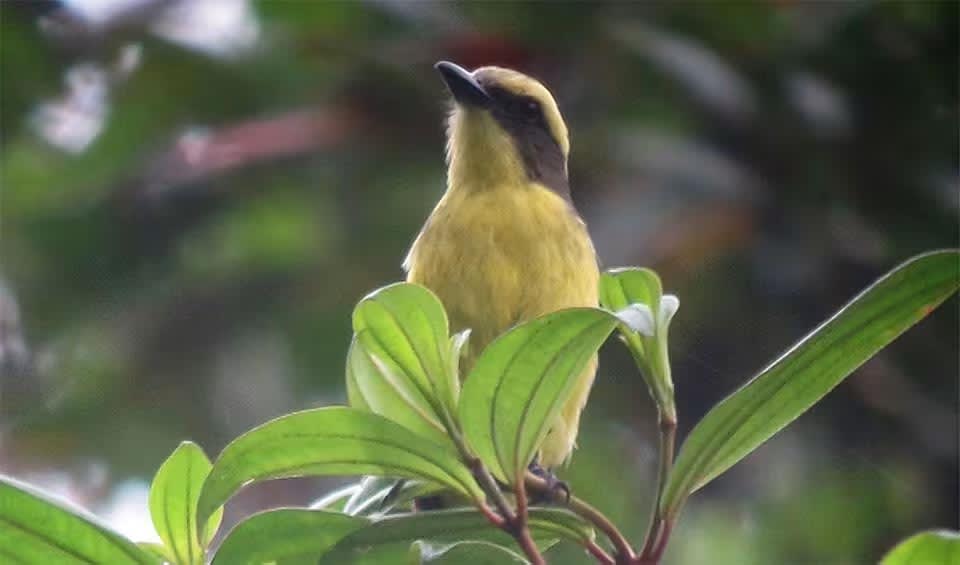
Lemon-browed flycatcher
Vibrant, melodious charm of the Brazilian Atlantic Forest

White-bellied spider monkey
With its long limbs, thumbless hands, and graceful movements, this monkey gracefully resembles a spider in the tree canopy
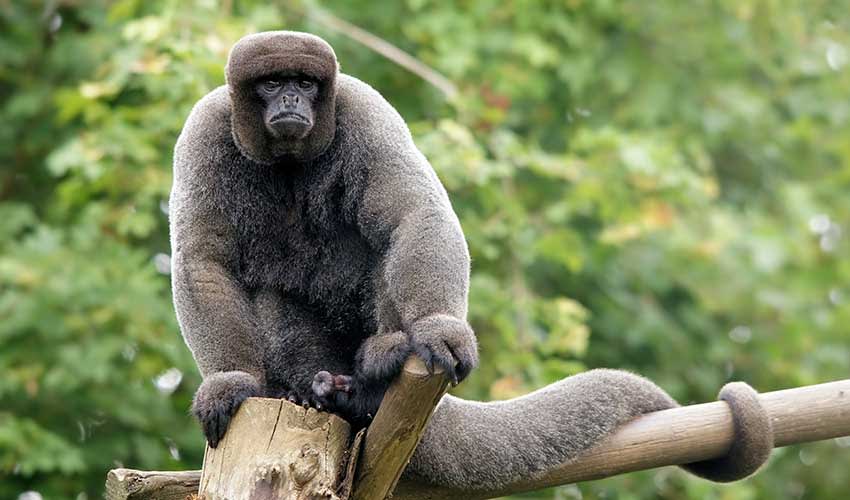
Common woolly monkey
They’ve shown high curiosity—traits that highlight their advanced cognitive abilities among New World monkeys
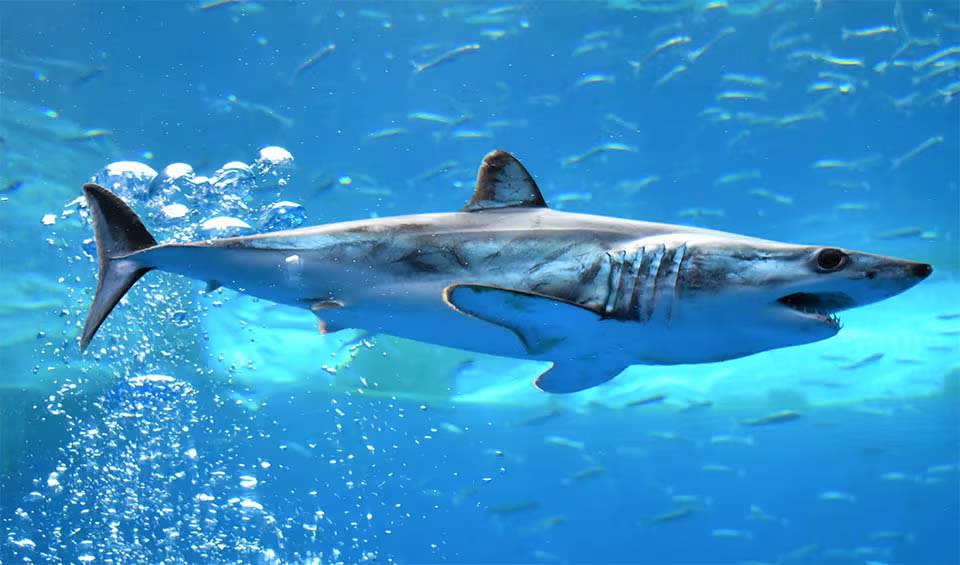
Shortfin mako shark
Speed and power embodied, they rule the seas with their sleek bodies and jaw-dropping leaping prowess
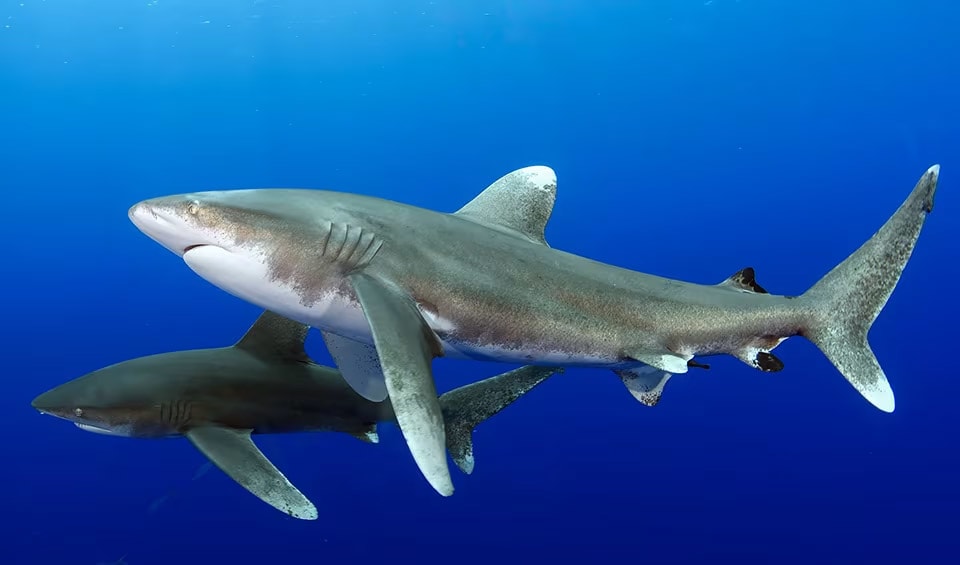
Oceanic whitetip shark
Opportunistic predators of the open ocean, their aggressive and persistent feeding behaviour strikes fear into the hearts of their prey

Bull shark
Fearless and formidable, these aggressive predators command respect in the waters they roam
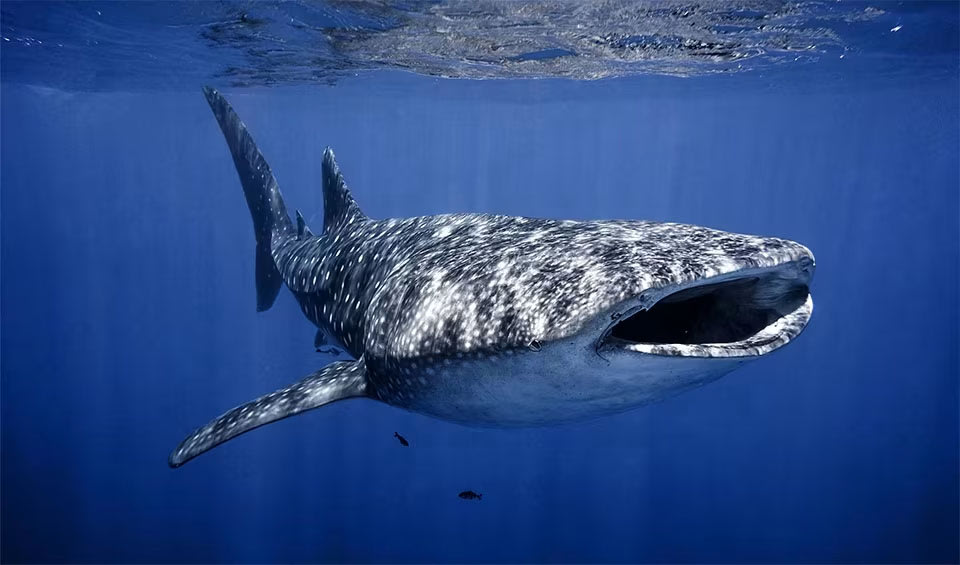
Whale shark
Gentle giants of the sea, with mouths wide open to filter the ocean’s bounty
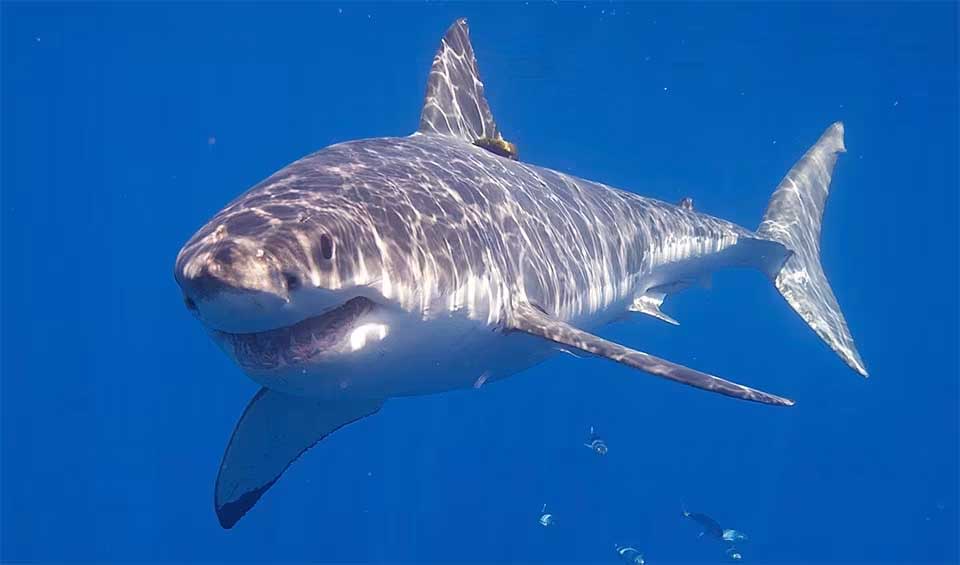
Great white shark
Majestic ocean predators, embodying power, speed, and precision in their pursuit of prey

Loggerhead sea turtle
One of the largest and strongest sea turtles in the world

Hawksbill sea turtle
Its slender frame and narrow head bear a beak curved like a hawk’s, earning this marine marvel its name

Saber-toothed tiger
Despite its name, this animal was not a true tiger, nor was it related to any modern cat

Oncilla
Beneath its fierce exterior lies a tender heart, as it is also known for its loving nature toward its young

Margay
These wild cats are cute, intelligent, agile, and well-adapted to inhabiting tropical and subtropical forests

Dusky caenolestid
Hunts like a tiny detective, using its long snout and sensitive whiskers to “scan” leaf litter for hidden prey
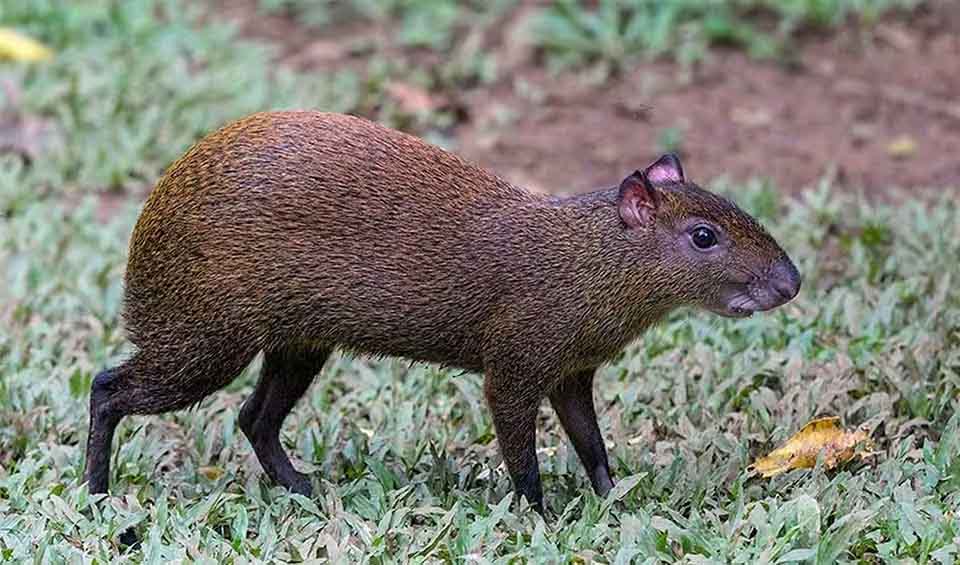
Central American agouti
This widespread cute-looking creature is also known as the ‘gardener of the forest’
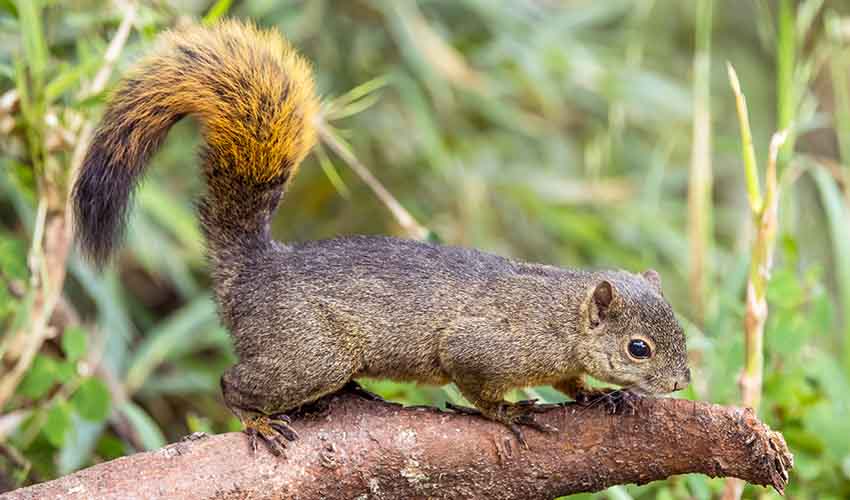
Red-tailed squirrel
One of the most color-variable squirrels in its region

Capybara
Communicate using various vocalizations such as whistles, whinnies, and growls

Anhinga
Their neck vertebrae have a hinge mechanism that allows it to dart its long neck and pierce its prey quickly

Long-tailed weasel
Uses a hunting technique known as the Weasel War Dance that involves a series of frenetic turns, manic twists, and jumps to confuse the prey

Great Tinamou
A large bird with the tiniest heart and the highest percentage of skeletal muscles used for locomotion
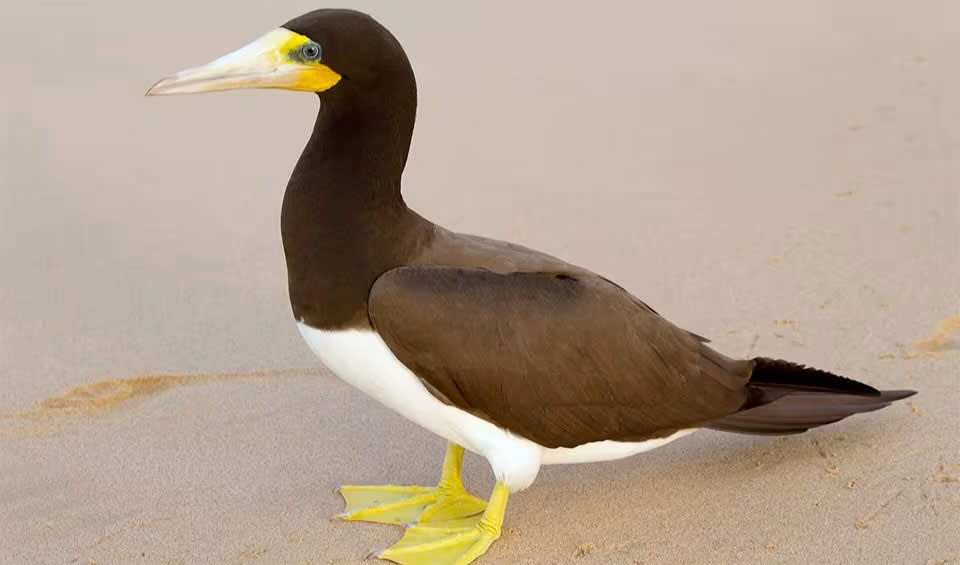
Brown booby
An impressively acrobatic bird that can catch flying fish mid-jump

Blue-and-yellow macaw
The pale yet gorgeous face blushes when this bird is excited, revealing a sensitive and soft heart
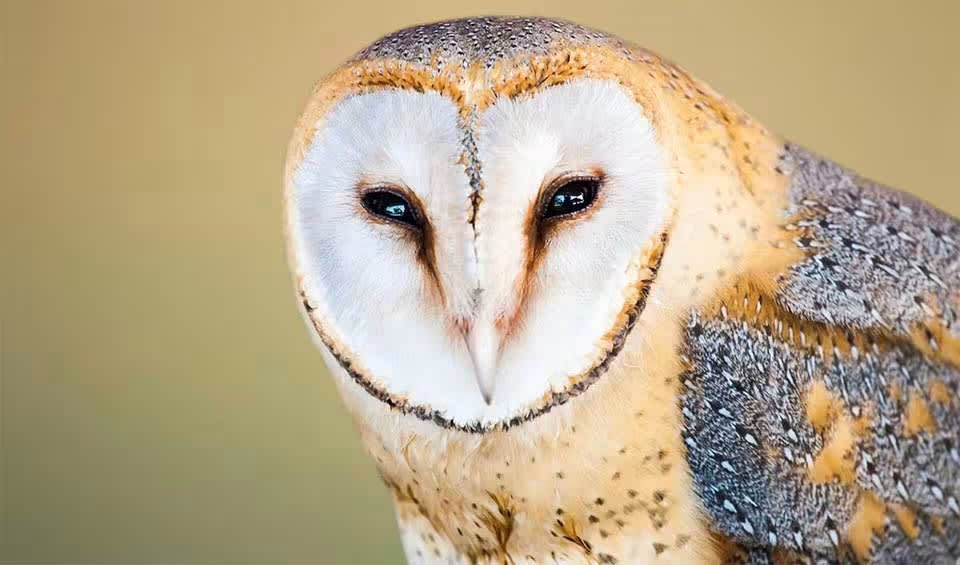
Barn owl
The most cosmopolitan of owls with home ranges extending across the globe

Magnificent frigatebird
Cannot land on water because their feathers are not waterproof
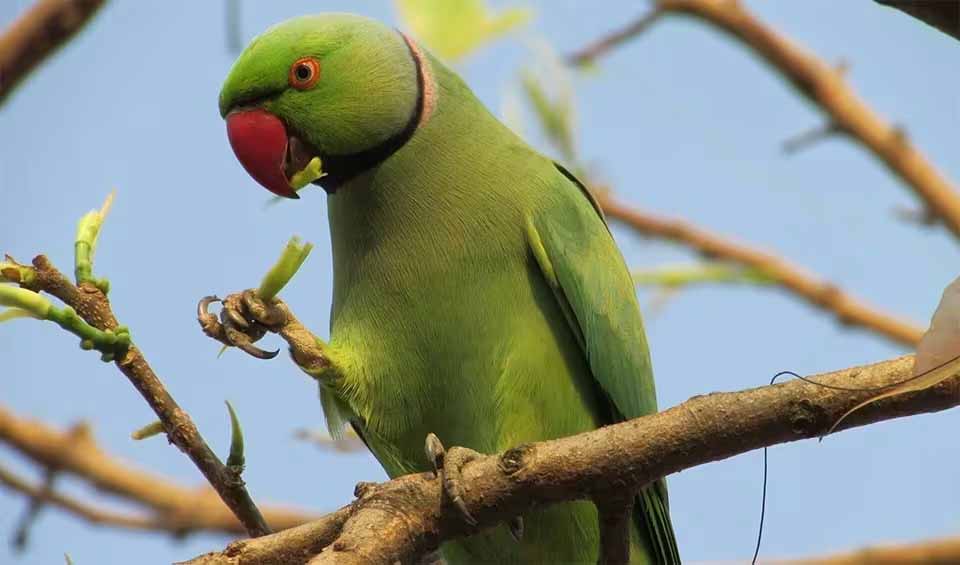
Rose-ringed parakeet
If you ever forget the tune of a song, don’t worry; this bird has your back

Scarlet macaw
One of the most colorful birds — effortlessly falls in love
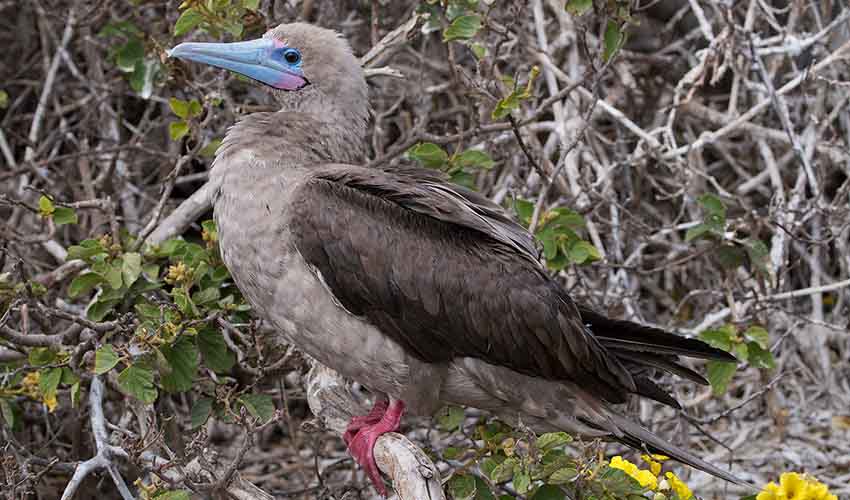
Red-footed booby
Goofy-looking yet evolutionarily refined for life above the waves
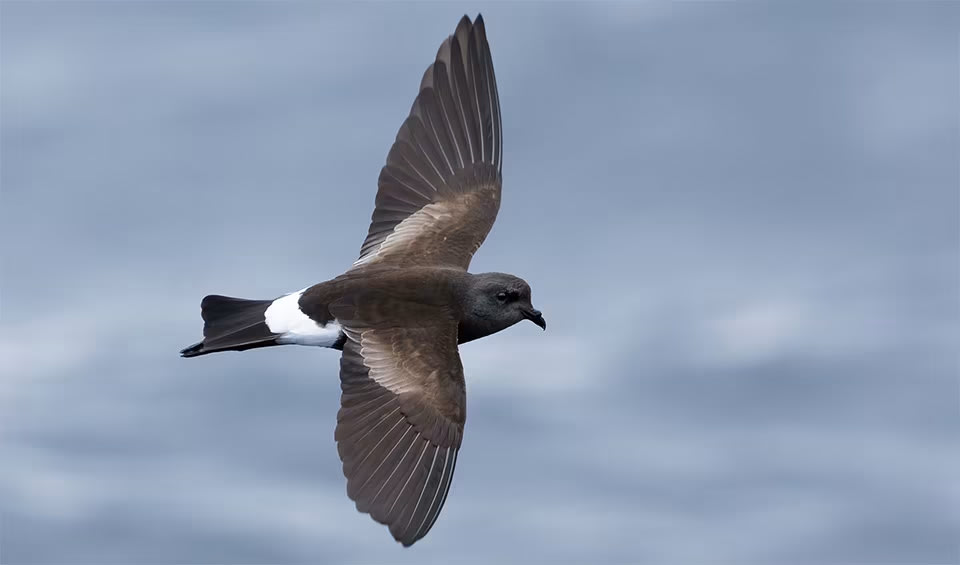
Wilsons storm petrel
This species is found in all world oceans except the north Pacific Ocean

Leachs storm petrel
These petrels stylishly ride the ocean waves like they own the winds

Manx shearwater
Impressive flights but clumsy walking on the ground are observed in these birds due to awkward legs
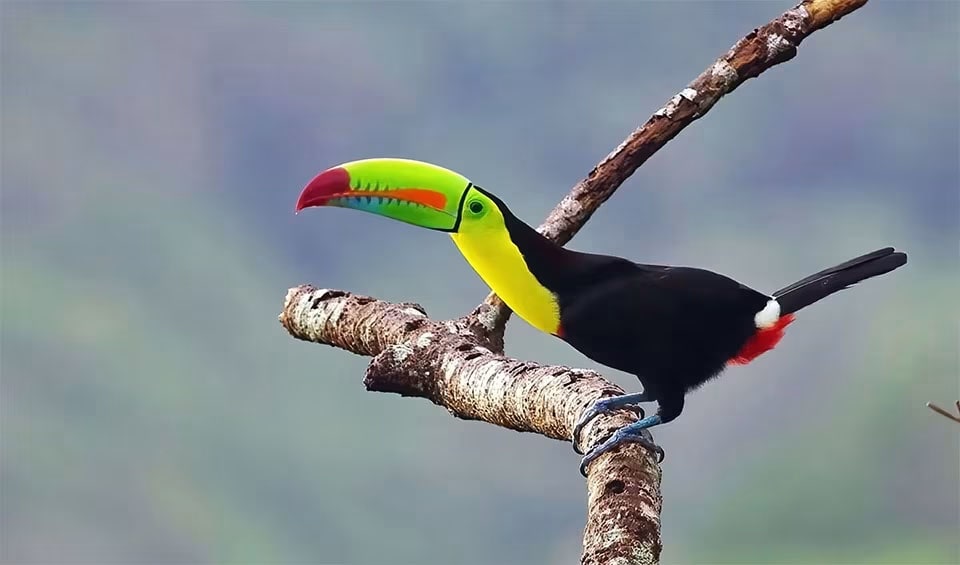
Keel-billed toucan
The national bird of Belize, this majestic bird will make your head turn

Yellow-throated toucan
Formerly known as Yellow fronted toucan; formerly-formerly known as Chestnut-mandibled toucan

Red-headed barbet
One of the prime examples of sexual dimorphism

Guianan puffbird
These puffy birds can eat poisonous prey for breakfast

Paradise jacamar
These agile hunters can catch butterflies and dragonflies mid-flight

Red-billed tropicbird
Professional marine forecasters to optimize breeding success and prey availability

White-tailed tropicbird
These ocean wanderers can be spotted from a distance showing awe-inspiring aerial tricks

Glossy ibis
These birds seem to have lost their way to the beauty pageant

Scarlet ibis
The flocks of this striking self-descriptive bird are a sight to behold

White ibis
Very good at detecting storms, often the last to leave and first to arrive before and after a hurricane

House sparrow
The most widely dispersed wild bird

White bellbird
The loudest living bird

Scarlet flycatcher
The scarlet ambush hunter

Hoatzin
Only living representative of this order is the hoatzin, found only deep in the Amazon!

Roseate spoonbill
An easily recognizable bird due to its pink body and spatulate bill
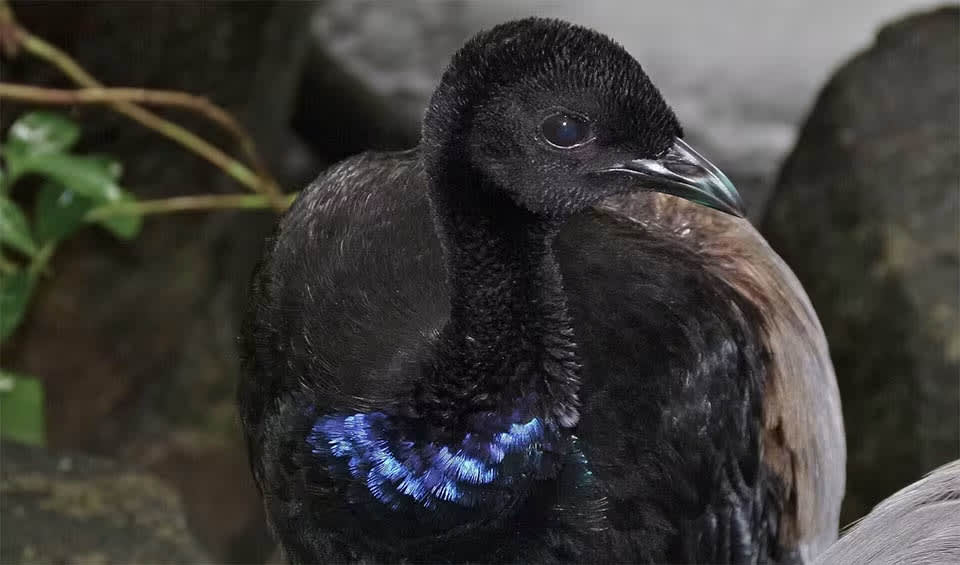
Grey-winged trumpeter
Before you ask – no, this bird doesn’t sound like a trumpeter; however, they do have distinct call

Limpkin
They don’t need salt, bamboo sticks, or forks to deshell a snail – they have a well-adapted bill to do the job
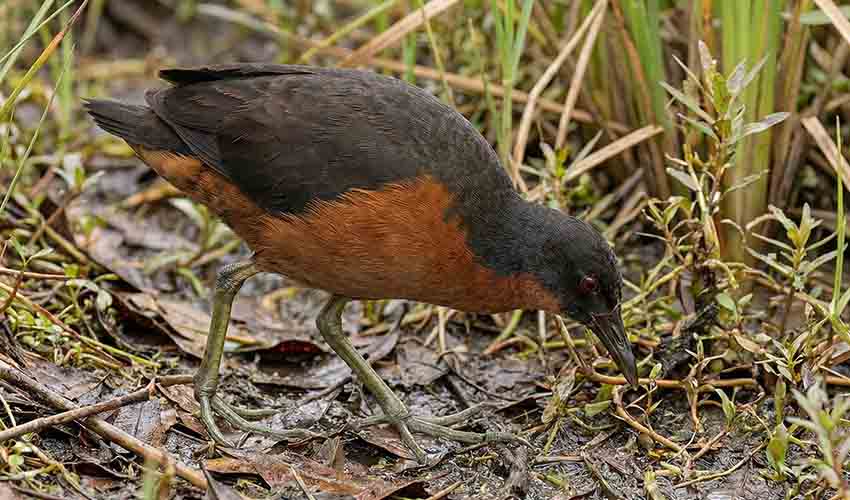
Rusty-flanked crake
Can be just a few meters away and still stay invisible by threading through reeds like a mouse

Black caracara
The Racoons of the bird kingdom who will eat almost anything to survive
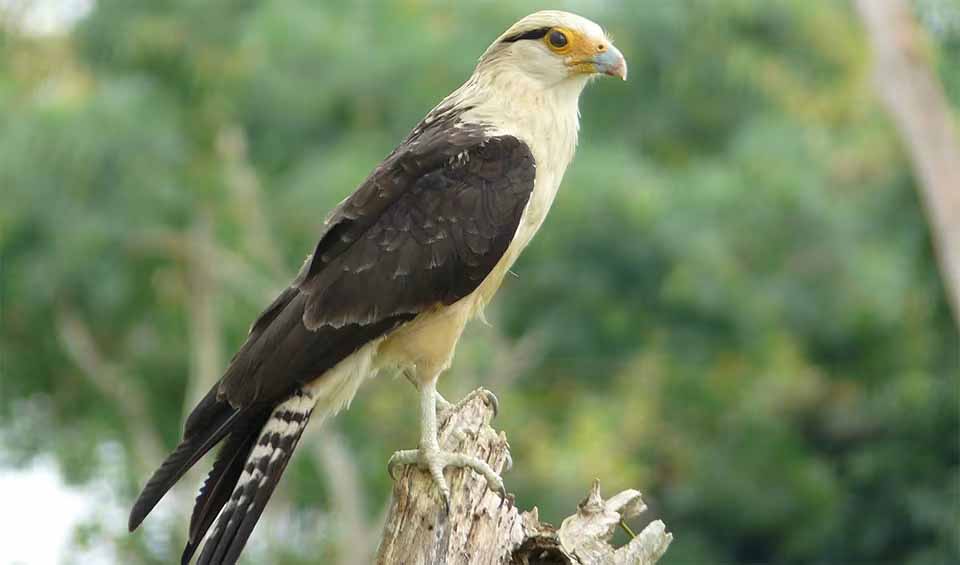
Yellow-headed caracara
A common scavenger bird that cleans up the roads of Central and South America

Red-throated caracara
The largest species of the three species present in the Amazon

Merlin
The pocket-sized falcon with an eagle’s attitude

Peregrine falcon
At the speed of over 321 km/h (200 mph), this bird outraces a Formula1 car
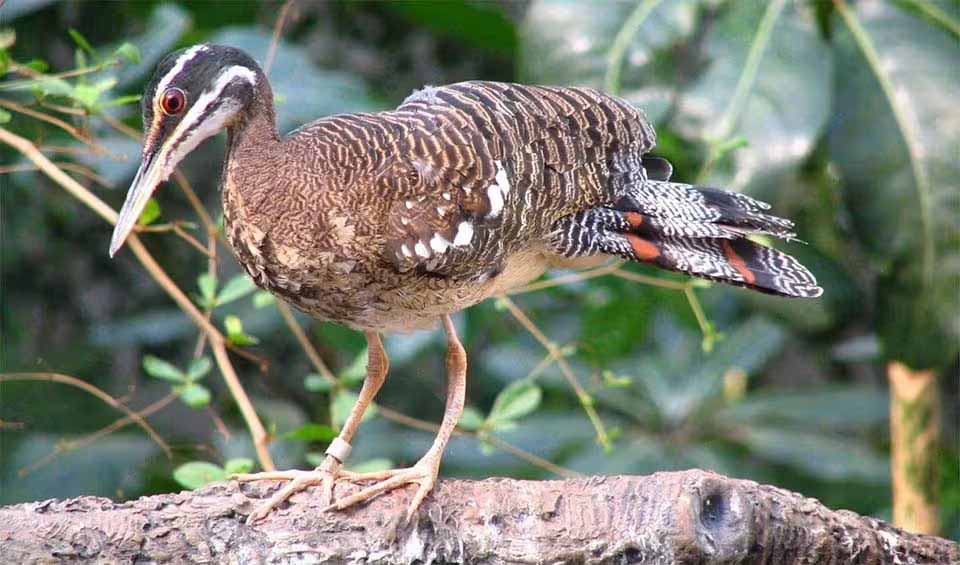
Sunbittern
The sole member of its entire family and the closest living relative to the Kagu

Jabiru
One of the tallest flying birds of Americas

Maguari stork
“Maguari” comes from the Tupi language, roughly translating to “heavy bill.” Not the most poetic nickname, but accurate!

Black-necked stilt
Those impossibly long legs allow it to wade into deeper water than other shorebirds of its size

Black-winged stilt
Elegant long-legged wader, common almost worldwide

Great skua
Jack Sparrow of the bird kingdom

Parasitic jaeger
These birds come in two distinct looks—a “light morph” and a “dark morph”

Pomarine jaeger
In the winter, they lose those iconic “spoon” tail feathers, making them much harder to identify

Common tern
This bird holds the record of the longest distance flown by any bird in recorded history

King vulture
The most colorful vulture, with the orange cruncle

Andean condor
The largest and heaviest raptor in the world

Wattled jacana
Often nicknamed the Jesus bird because it looks like it’s walking on water

Black skimmer
If you come across a flock on a sandy beach, you might think they’re all exhausted or even dead

Oilbird
This nocturnal species lives in caves and uses echolocation to navigate, and yes, it is a bird, not a bat!

Great potoo
These nocturnal birds live in solitary and can peek around even with closed eyes
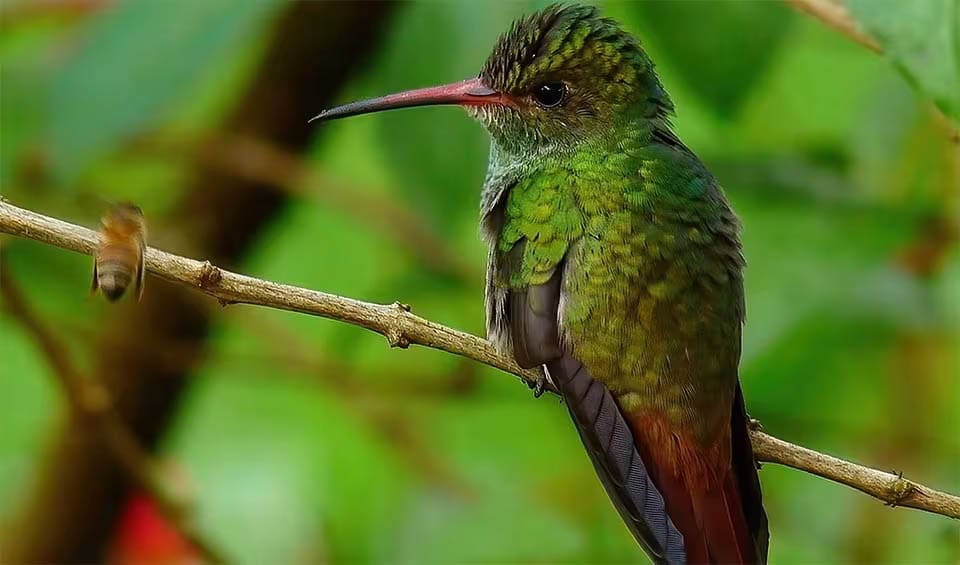
Rufous-tailed hummingbird
Like many of us, this bird loves coffee and feeds on its flowers

Sword-billed hummingbird
This introverted species has an unusually large beak, making it unique and different from the rest of hummingbirds
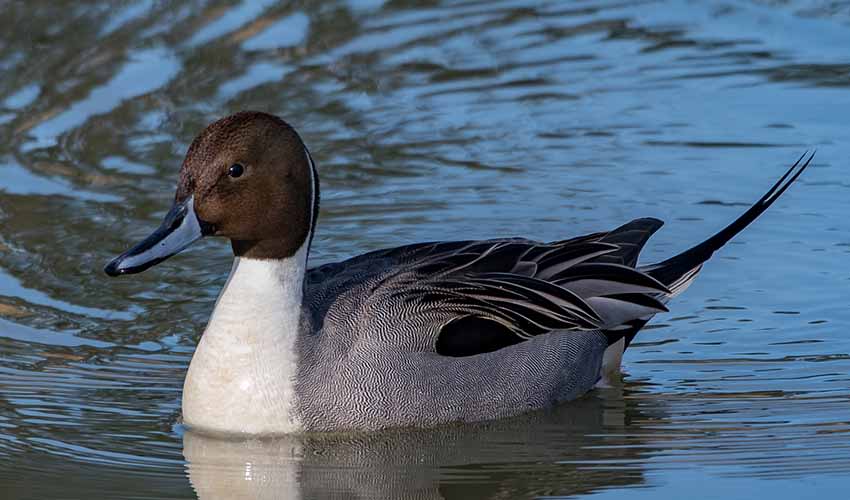
Northern pintail
Have been recorded at altitudes over 16,000 feet during migration—almost as high as small airplanes!

Northern screamer
This bird can most definitely break a wine glass with its singing

White-cheeked pintail
So unafraid of humans that they will often swim right up to curious travelers

Harpy eagle
The world’s most spectacular and most robust eagle species serves a critical ecological role in the ecosystem they live in
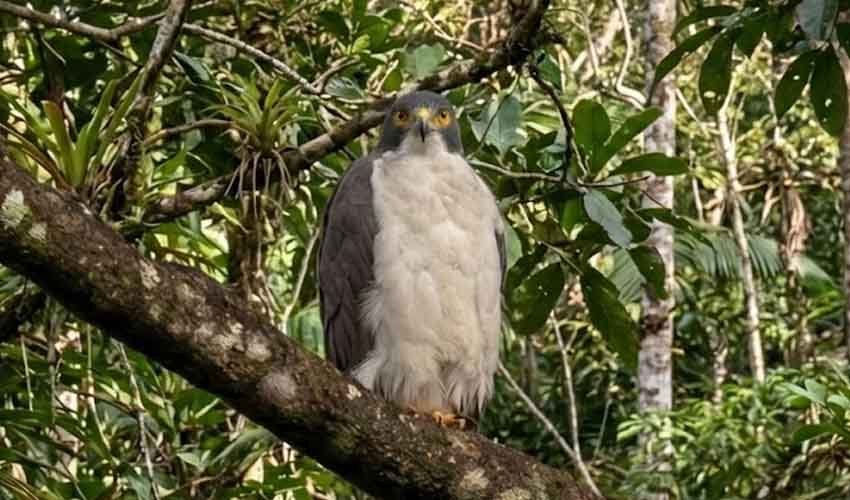
Grey-bellied hawk
Often hunts snakes and lizards, which many other hawks avoid

Red-tailed hawk
One of the most common raptors across North America

Osprey
One of only six land-birds with a cosmopolitan distribution habituating all continents except Antarctica

Sargasso shearwater
Can navigate the depths with the agility of a penguin

Roseate tern
One of the UK’s rarest breeding seabird

Amazon river dolphin
Playful, curious, and intelligent; the largest river dolphins in the world

Sharp-shinned hawk
Their thin legs are one of the easiest ways to tell them apart from similar hawks
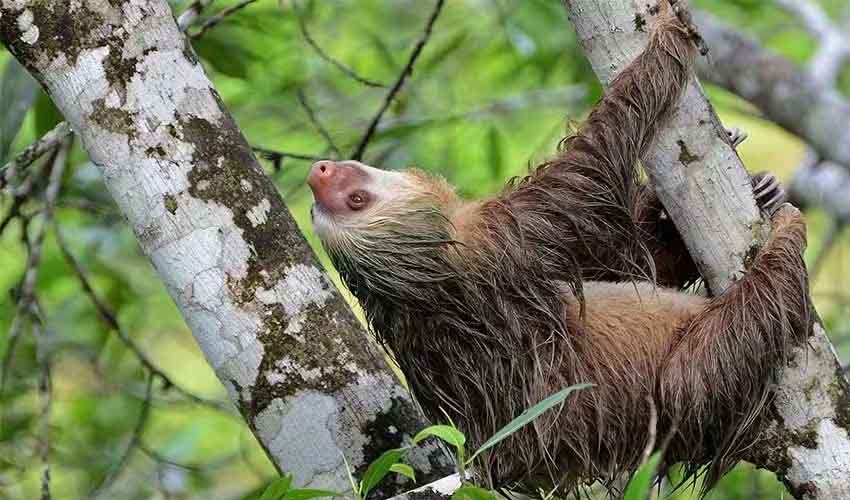
Hoffmann’s two-toed sloth
Can camouflage itself in trees with the help of algae growth on fur

Linnaeus’s two-toed sloth
The digestion process of tough leaves is very slow; it might even take up to 1 month to digest one meal
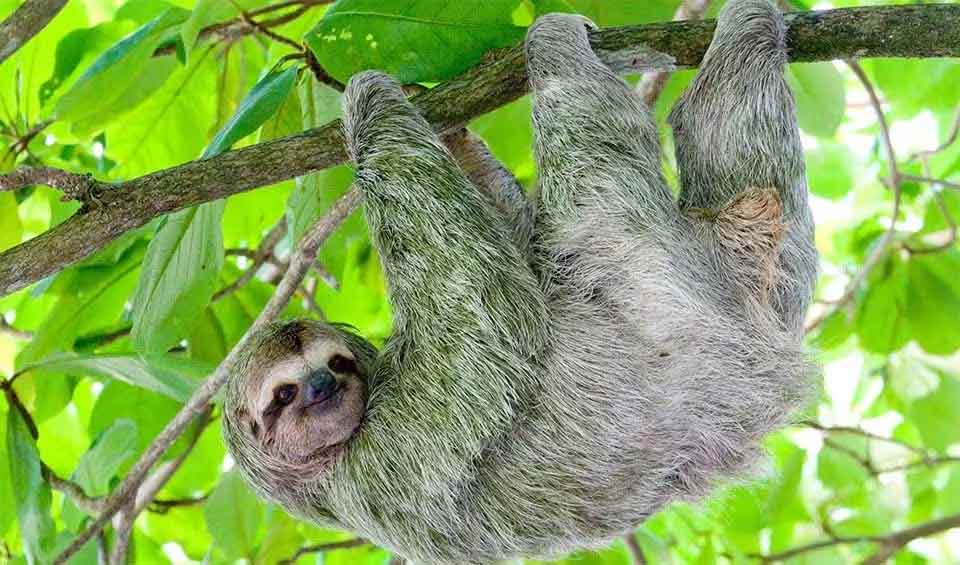
Brown-throated sloth
Cute but lazy species harmlessly sleep in the trees for 14 to 16 hours a day

Pale-throated sloth
When it comes to sloths, there are degrees of slothfulness and three-toed sloths are the most slothful (SLOW) of all!

Giant anteater
These specialist predators of termites and ants are not immune to ant bites
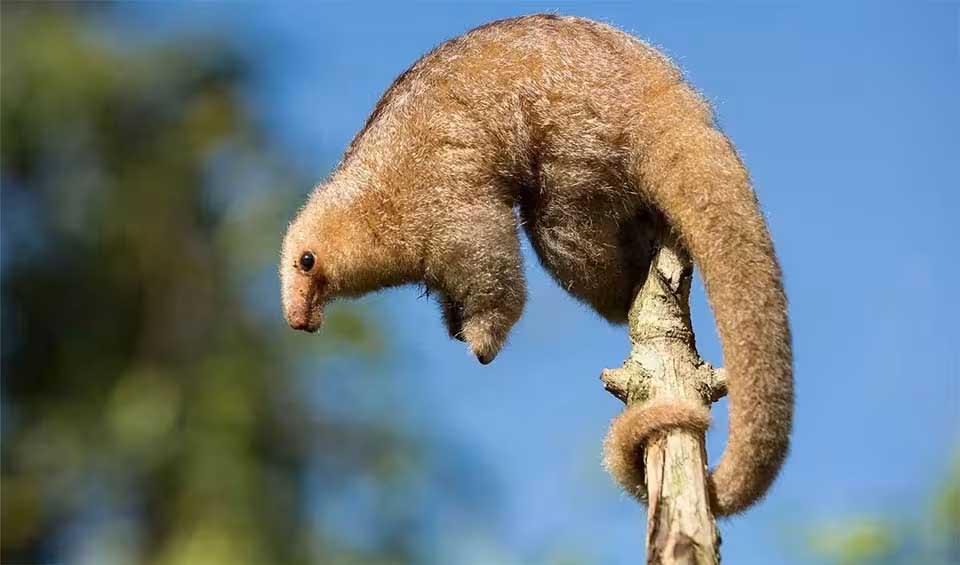
Silky anteater
Also known as pygmy anteater, they are the smallest and most adorable of their insect-eating kind
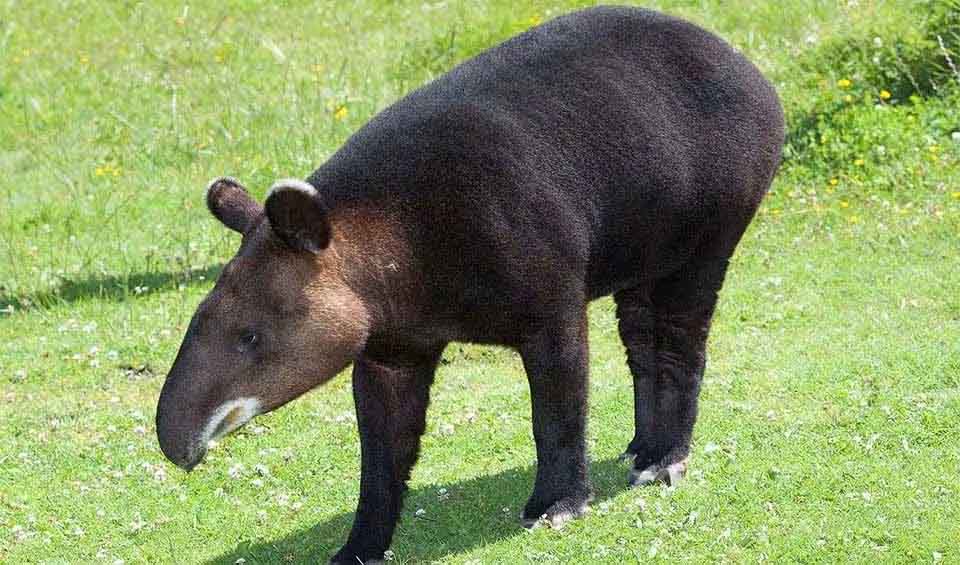
Mountain tapir
The only tapir species found exclusively in the mountains
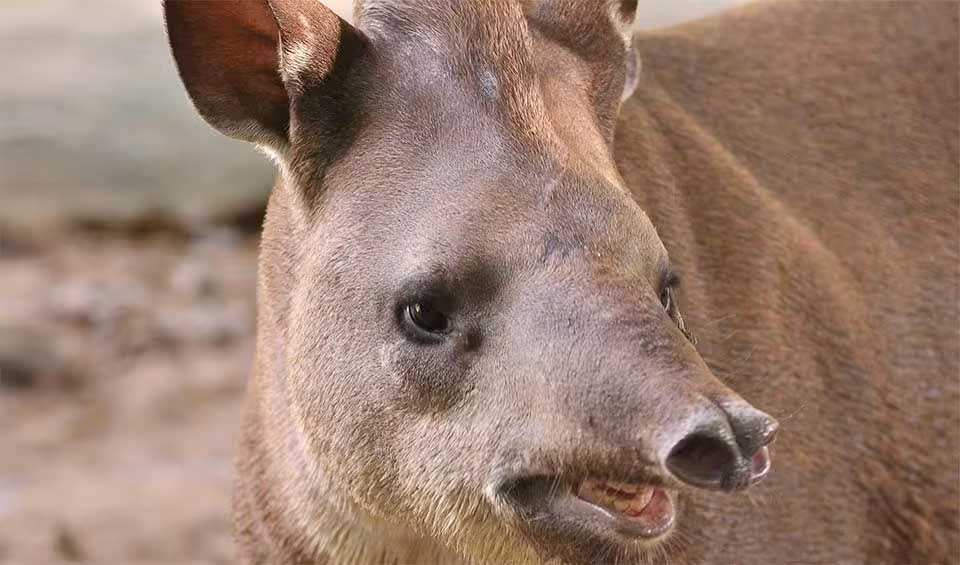
Brazilian tapir
Flee and dive into the water when facing a predator and remain deep under the water until the predator leaves
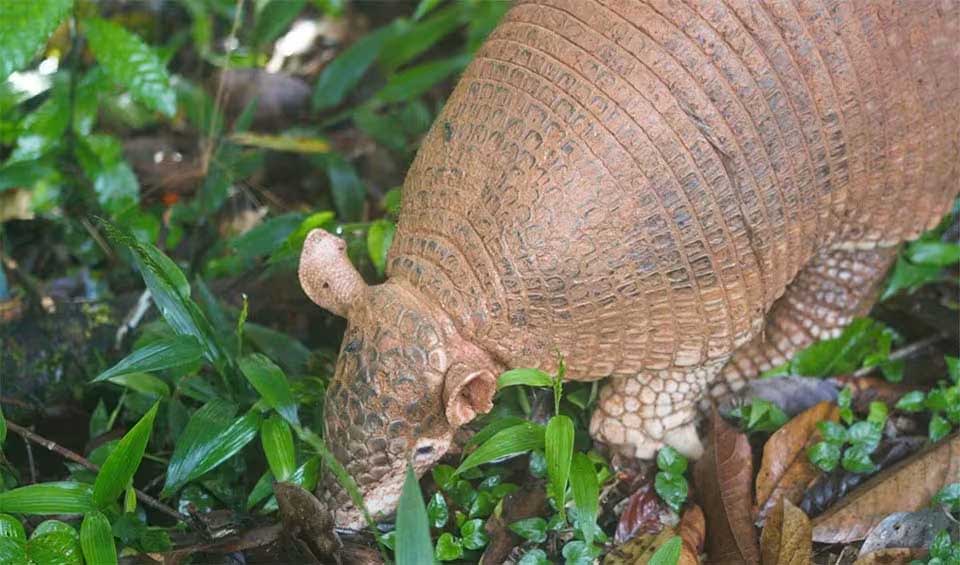
Giant armadillo
The largest living armadillo, growing up to 1.5m (5 ft) in length, yet it feeds on tiny termites!
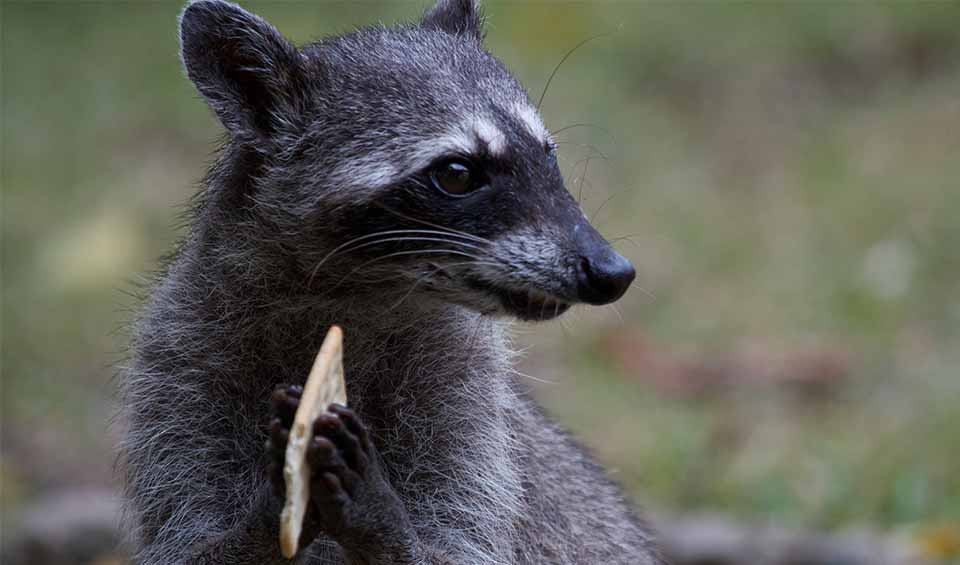
Crab-eating raccoon
Despite the common name, they do not feed on crabs exclusively
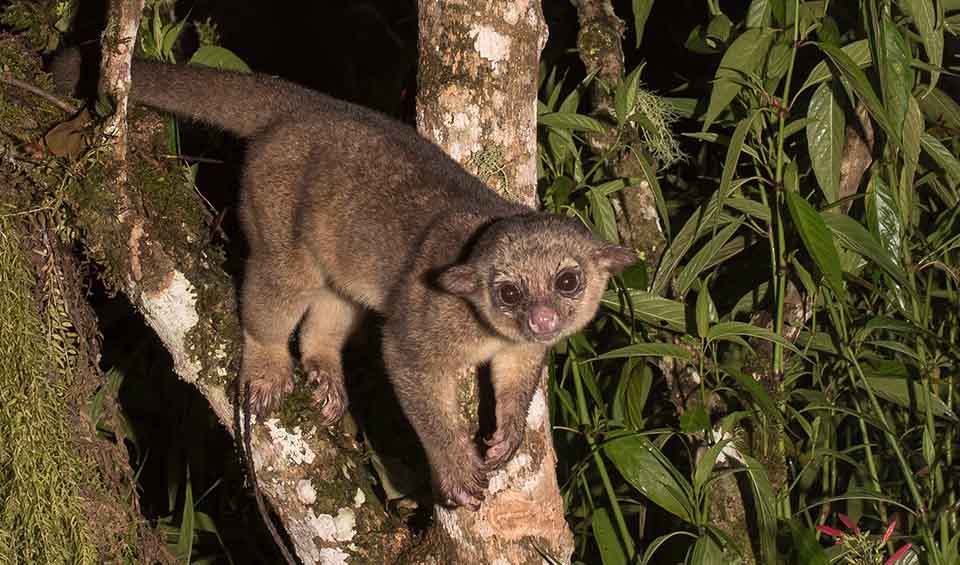
Kinkajou
Has a spooky nickname, “La Llorona” meaning crying woman in Spanish due to their noisy barks, hisses, and high-pitched squeaks

Tayra
Widespread in tropical and subtropical forests Central and South America

Greater grison
When they move cautiously, they press their body close to the ground and move in a zigzag pattern like a snake
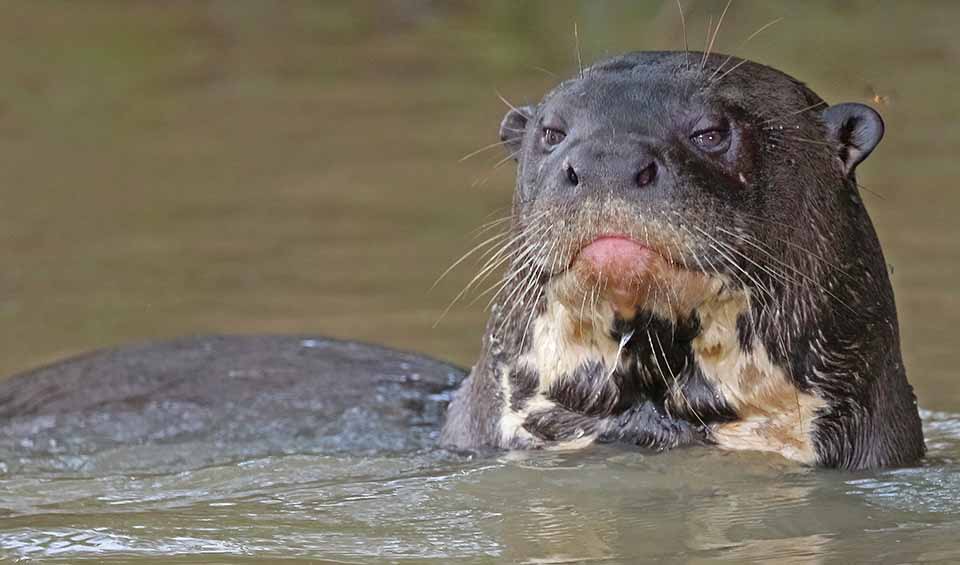
Giant otter
Don’t be fooled by their harmless appearances; they can hunt caiman, piranhas, and anacondas in the wild!

Cougar
The most widespread large mammal of the Americas: from Canada’s Yukon to the Andes in South America

Jaguarundi
Secretive and solitary, inhabiting various habitats of Central and South America

Ocelot
They are picky eaters, often plucking off all the furs or feathers of the prey before start eating them
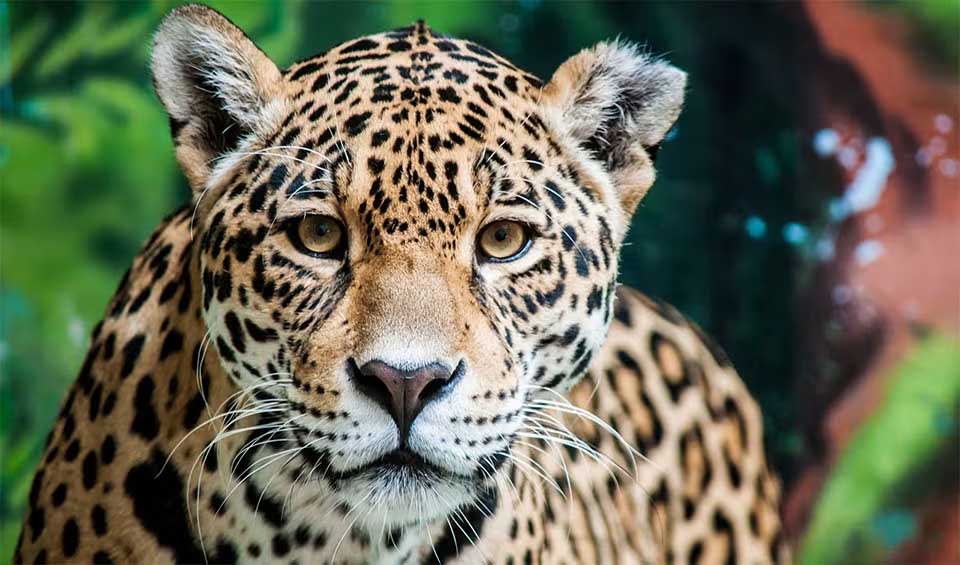
Jaguar
This solitary cat is America’s largest feline and the world’s third, after the tiger and the lion

Spectacled bear
The last surviving bear species of South America, native to the Andes mountains

Bush dog
First discovered as a fossil in Brazil, before ever witnessed – it was believed to be extinct

Crab-eating fox
During the wet season, they search for crabs in muddy floodplains

Gray fox
While still widespread throughout North & Central America, habitat loss and deforestation allowed the red fox to become more dominant

Striped hog-nosed skunk
That “hog-nose” isn’t just a look, it’s a tool for rooting and shoving through soil like a mini plow
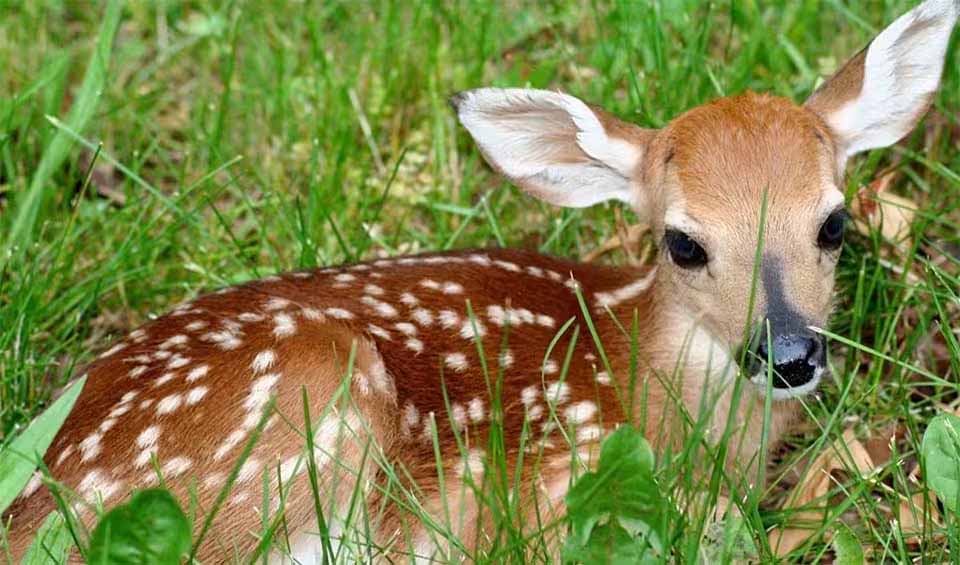
White-tailed deer
We use our agility and speed to outrun their predators, sprinting up to 48.2km/h (30 mph) and leaping as high as 3m (10 ft)

Collared peccary
Suffering from poorly developed vision, they heavily rely on vocalization to communicate

Colombian red howler
Known for being among the sleepiest monkeys, often dozing for up to 15 hours a day!

Guyanan red howler
The renowned “alarm clocks of the jungle”

White-faced saki
Nicknamed ‘flying monkeys’ due to their exceptional ability to move around rainforest habitats by very long leaps

Yellow-spotted river turtle
These turtles have a dark shells with yellow markings, giving them their name

Giant Amazon river turtle
One of the largest freshwater turtles in the world and the true heavyweight of South America’s rivers

Mata mata
Second species in this genus only identified in 2020
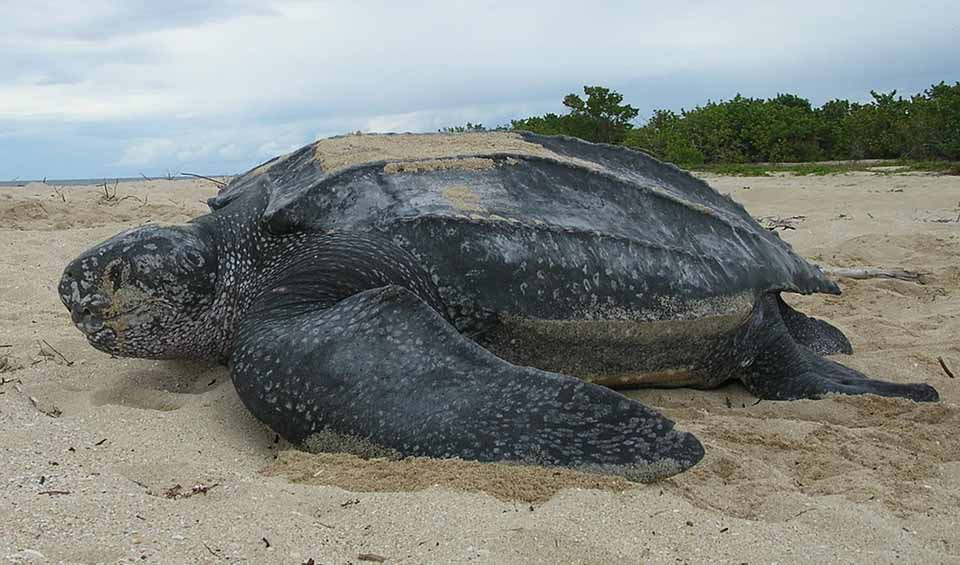
Leatherback sea turtle
The mysterious diver of the ocean is the largest and only sea turtle without a hard shell and scales

Green sea turtle
Largest hard-shelled sea turtle on earth

Yellow-footed tortoise
By munching fruits and spreading seeds, they literally help plant the jungle
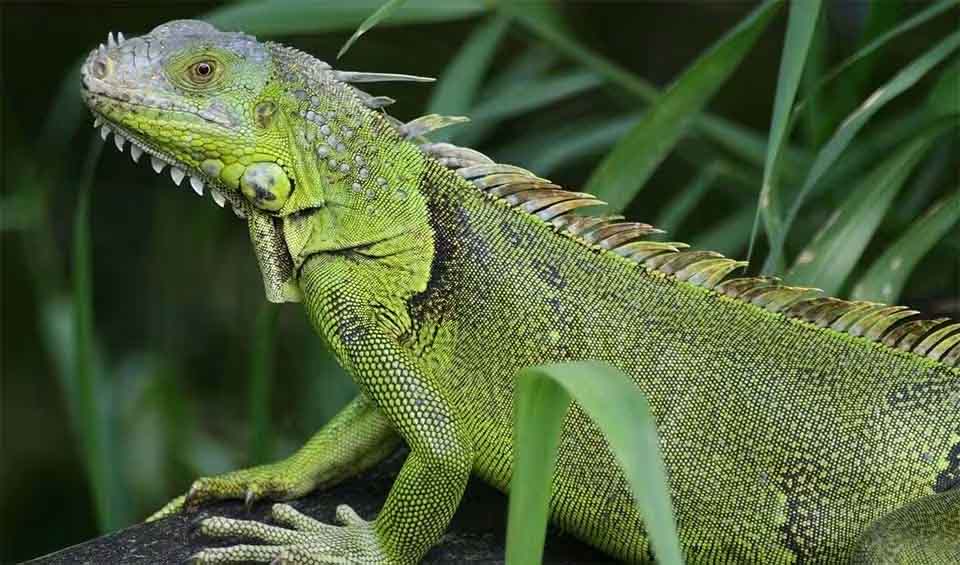
Green iguana
From the US down to Brazil, this trans-American lizard is the most common iguana

Black caiman
There are a lot of big reptiles, but these caimans are a class of their own!
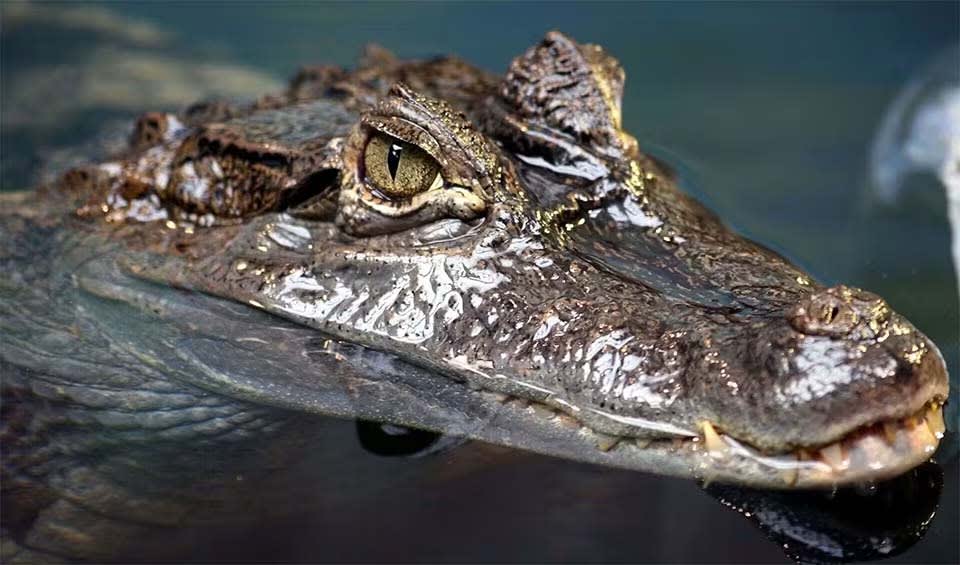
Spectacled caiman
You might get the worst scare of your life if you see the crimson glow in the eyes of these creatures at night

Cuviers dwarf caiman
A heavily armored small crocodile native to South America

Ringed caecilian
They do not just look like snakes, but they might also be able to deliver a nasty bite
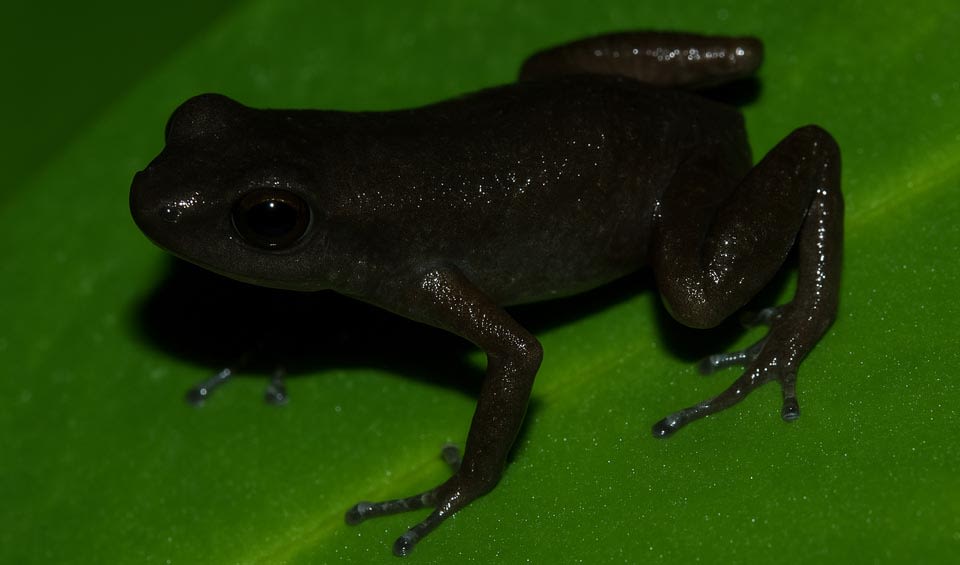
Venezuelan skunk frog
So smelly that they will make you pinch your nose and hold your breath

Mission golden-eyed tree frog
Golden-eyed frog, Panda treefrog, Blue-milk frog -so many cute names for such a poisonous animal!

Cane toad
When a big one meets a smaller one, it’s lunch!

Smooth-fronted caiman
Its eyes reflect red under flashlight or torchlight, making it possible to spot them during night surveys

