Search for Afghanistan
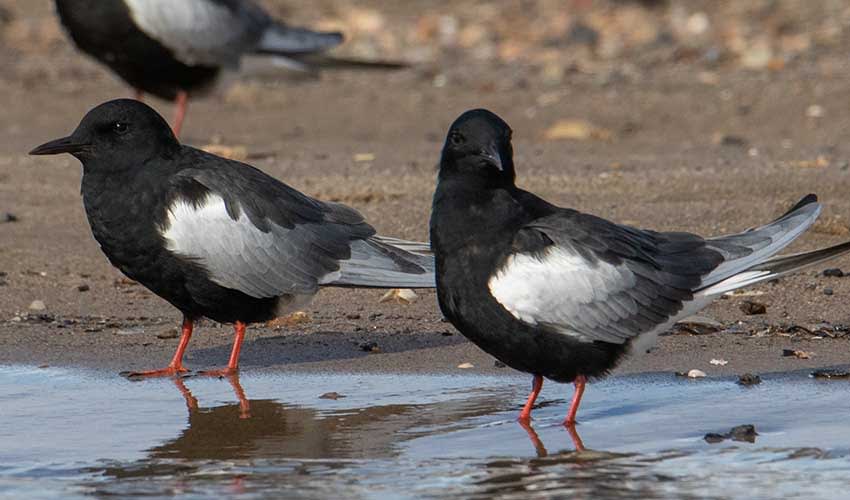


White-winged tern
A single flock can clear out thousands of mosquitoes and agricultural pests in a single afternoon

Black-headed gull
If you look closely at their dark hood, you’ll see two broken white crescents around the eye

Little gull
Most gulls have sharp, pointed wings, but this one has strikingly rounded wingtips
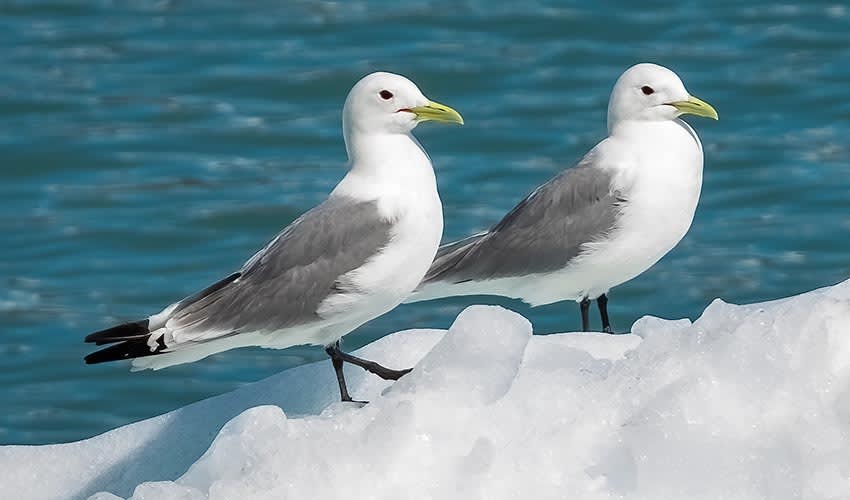
Black-legged kittiwake
During the winter, they are one of the few gull species that becomes truly pelagic

Gadwall
One of the most dedicated vegetarians in the waterfowl world

Willow warbler
A tiny traveler with a powerful voice and one of nature’s most impressive journeys
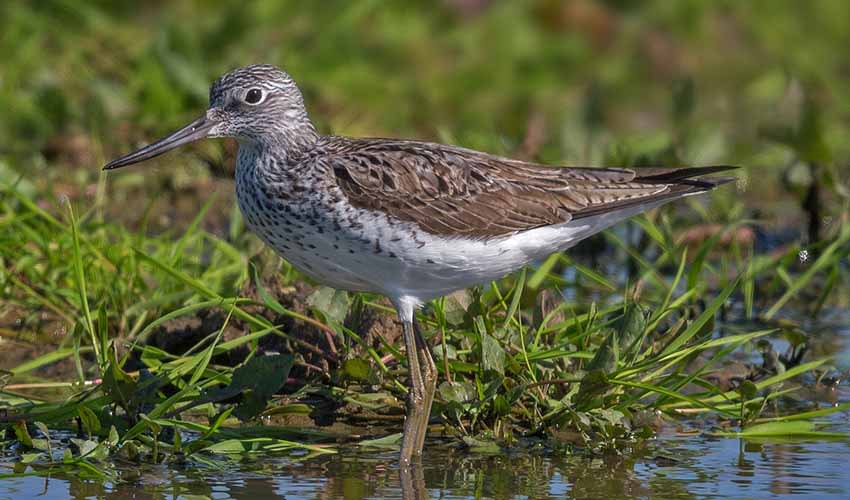
Common greenshank
When it’s time to migrate, they don’t just fly; they go into orbit

Spotted redshank
That vivid red color isn’t just for fashion; it’s a sign of health and vitality

Brandt’s hedgehog
Its ears are pretty striking for a hedgehog—large and noticeable
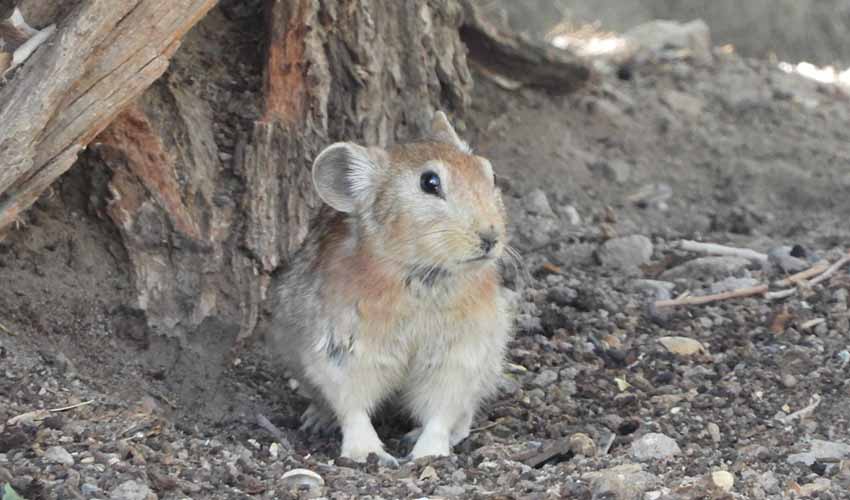
Afghan pika
One of the most “desert-proof” pikas
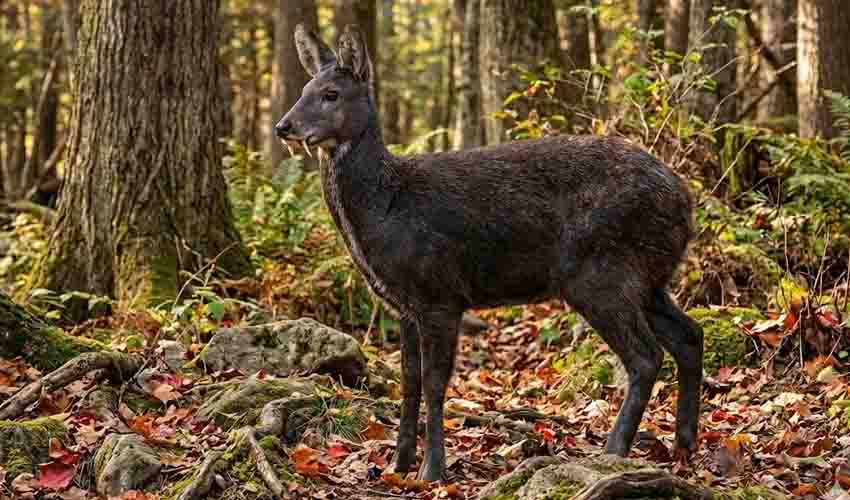
Kashmir musk deer
Don’t get fooled by those fangs..they’re plant-eaters

Large-eared pika
Thrives where few mammals dare to live

Himalayan woodpecker
Drums on wood not only to find food, but also to communicate and claim space
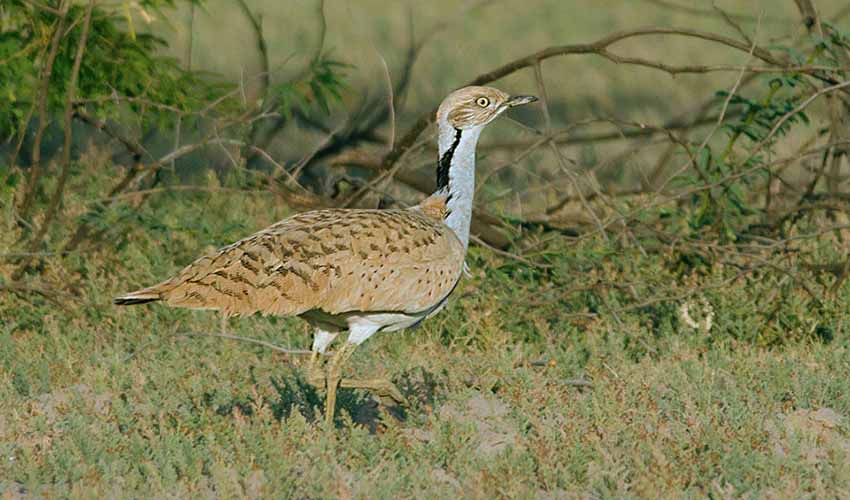
Asian houbara
It’s a runner before it’s a flyer

Grey plover
Can be black, can be grey but it’s the same bird

Bar-tailed godwit
Has one of the longest nonstop flights ever recorded for any bird

Pacific golden plover
Before their 3,000-mile flight, they become “hyperphagic,” eating until fat makes up nearly half of their body weight
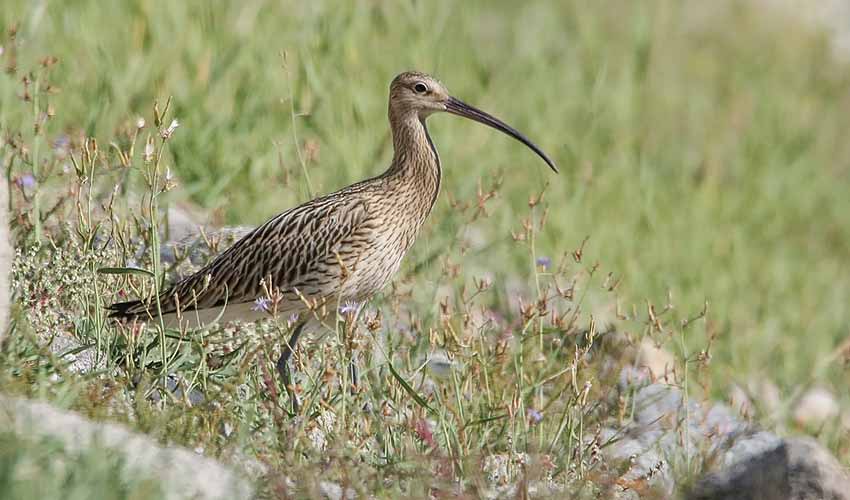
Eurasian curlew
Has the longest bill of any wading bird
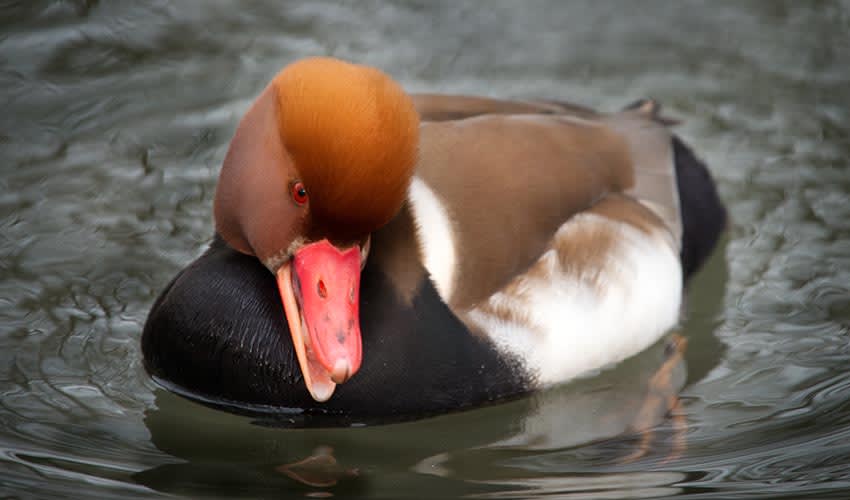
Red-crested pochard
On busy lakes, they often feed more at night, quietly cruising around to forage while everything else has calmed down

Common shelduck
It’s technically a duck, but it’s big, upright, and long-legged enough that it often looks like a small goose

Garganey
Known to cross the vast Sahara Desert in a single go during their migration
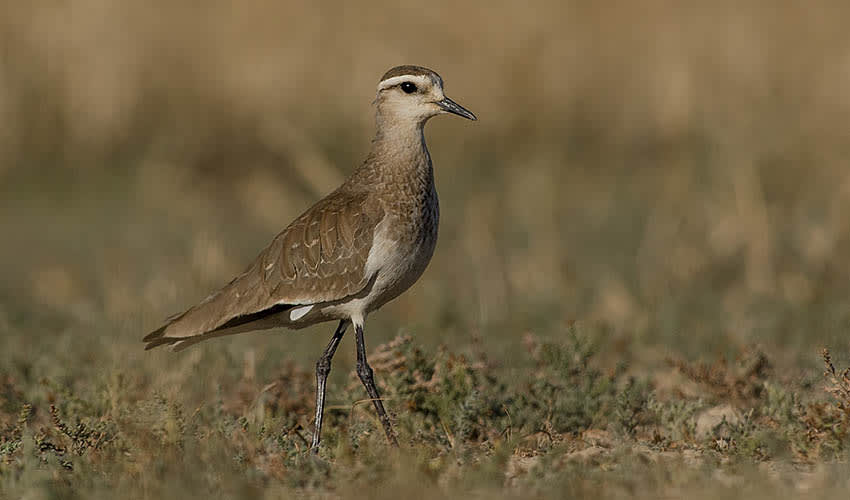
Sociable lapwing
Often stop to feed in freshly plowed fields, taking advantage of insects disturbed by farming machinery
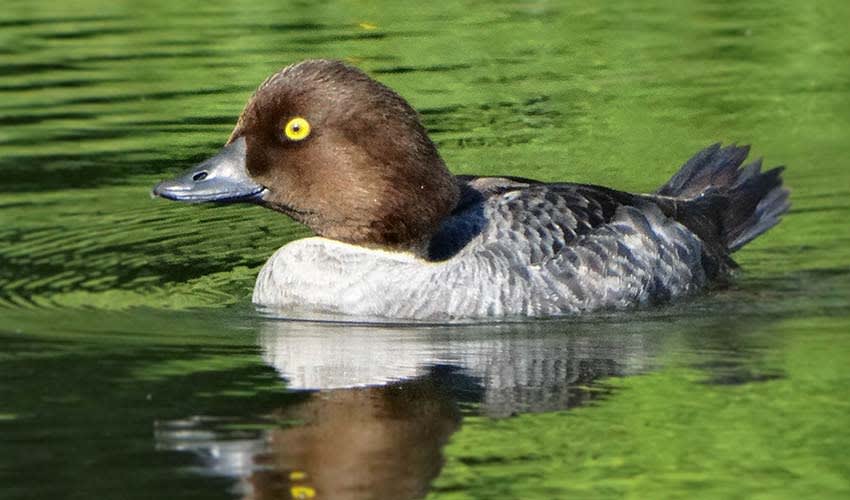
Common goldeneye
Crisp-feathered, fast-flying, and fearless in icy waters

Eurasian bittern
Its boom has been compared to blowing across the top of a giant bottle — a sound low enough to feel in your chest on still mornings

Greater spotted eagle
More active on overcast or slightly rainy days, when amphibians are abundant and easier to catch

Caspian tern
A heavyweight champ — elegant, yes, but you don’t want to mess with that beak

Bearded reedling
It’s actually moustached, not bearded!

Toad-headed agama
Can “swim” through sand just like a fish moves through water!

Persian horned viper
Has its own unique blend of venom, but you won’t find an equally unique antidote for it sitting on the shelf
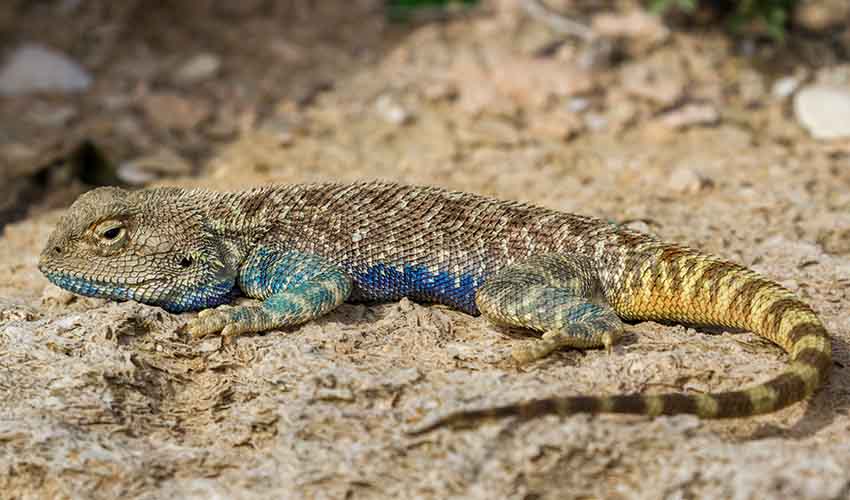
Steppe agama
Can survive in scorching summer heat over 40°C (104°F) and freezing winters below zero
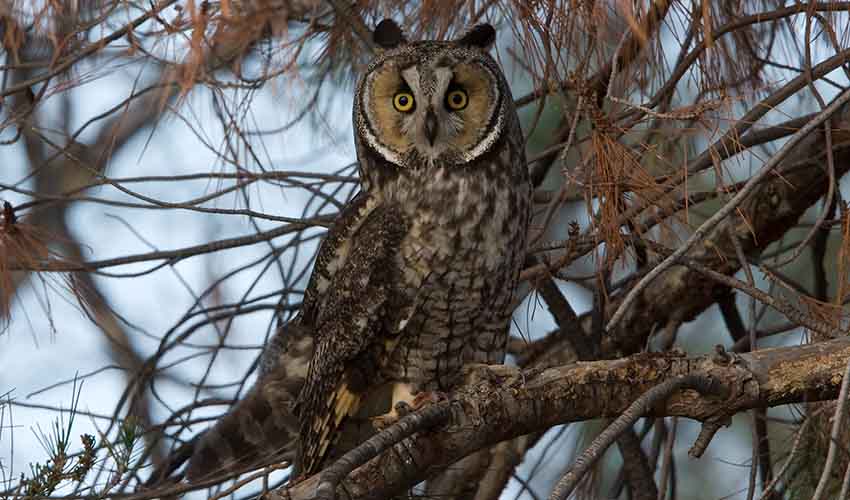
Long-eared owl
Its flight is nearly soundless, thanks to specially fringed wing feathers that disrupt air turbulence

Short-eared owl
Defies the usual “creature of the night” stereotype by thriving in open landscapes and often hunting boldly in daylight
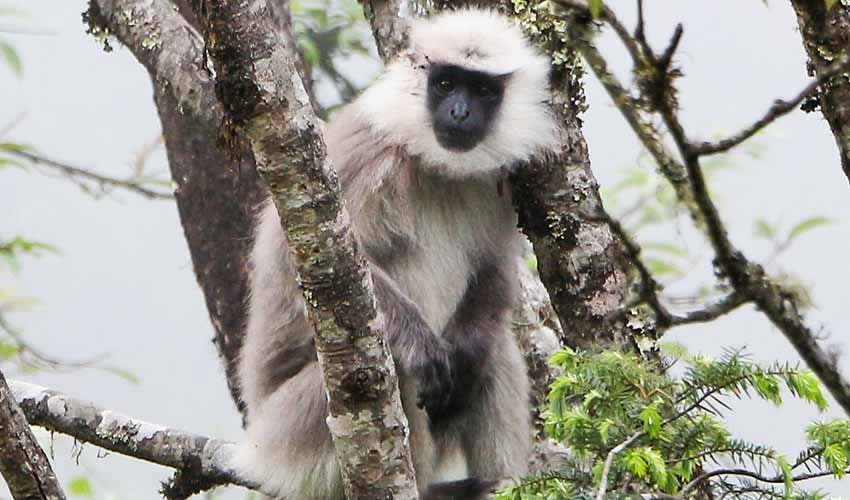
Nepal gray langur
Considered sacred animals, often associated with the Hindu monkey-god Hanuman

Lesser mouse-tailed bat
A tiny desert survivor, with a rodent-like tail
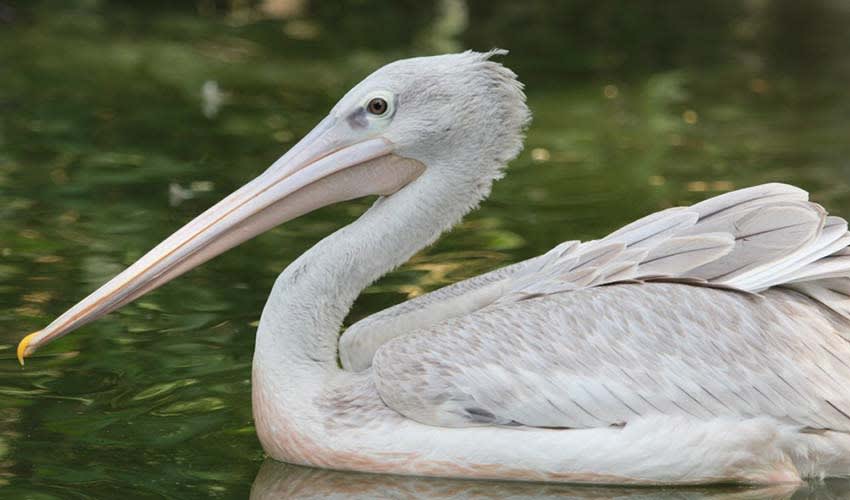
Dalmatian pelican
Has the largest wingspan of any pelican species, and among the very largest of any living bird

Sand martin
A bird that carries the rhythms of the seasons on its wings

Sheltopusik
Can blink and close their eyes while sleeping, something snakes cannot do
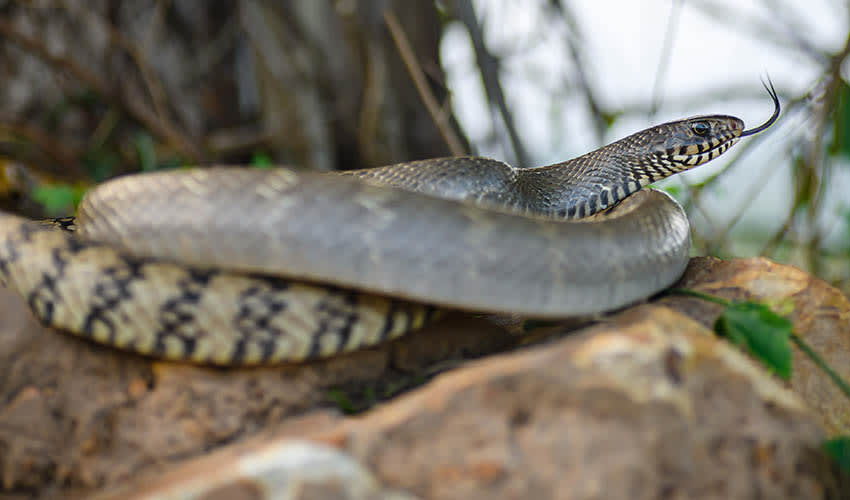
Oriental rat snake
A giant among Asia’s harmless snakes
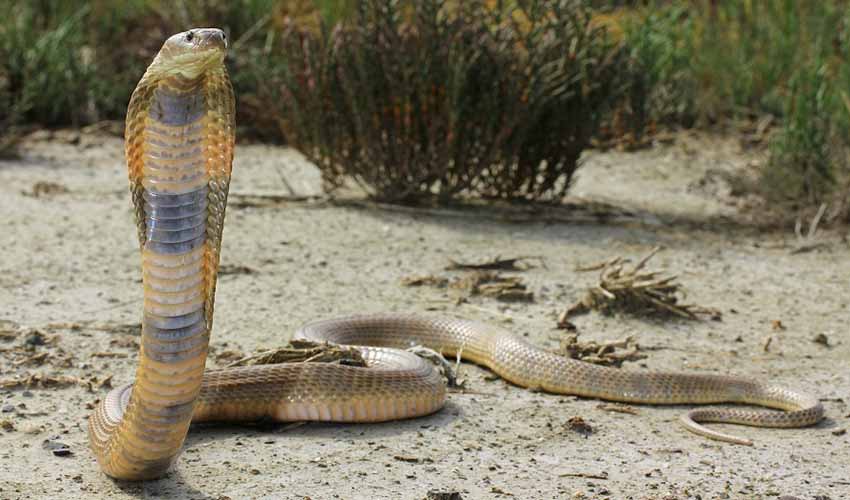
Caspian cobra
A cobra most adapted to colder climates

Carrion crow
Observed using sticks as tools to extract insects from crevices—something once thought to be exclusive to primates

Rook
Known for their intelligence—can use tools, solve problems, and even recognize human faces

Booted eagle
Despite its small frame, this eagle can take prey almost as large as itself
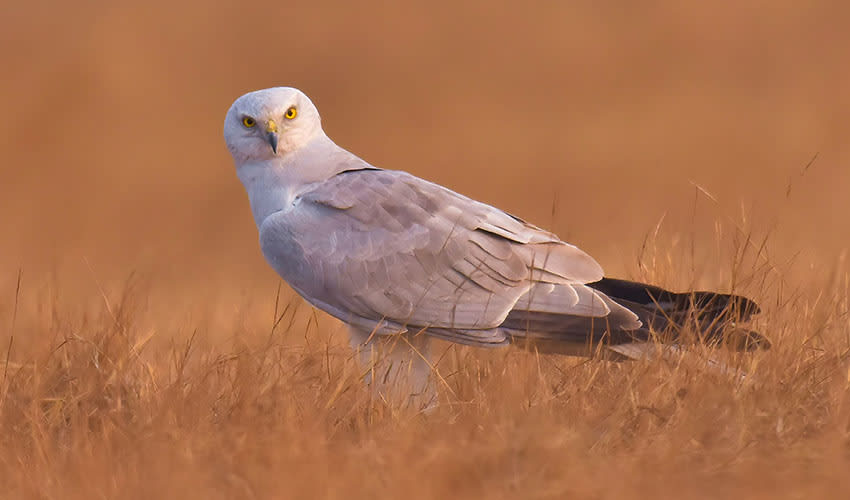
Pallid harrier
Local birdwatchers sometimes call it the “silver ghost of the grasslands”

Hen harrier
Its name comes from its habit of preying on free-ranging domestic hens in medieval Europe—though such encounters are rare today
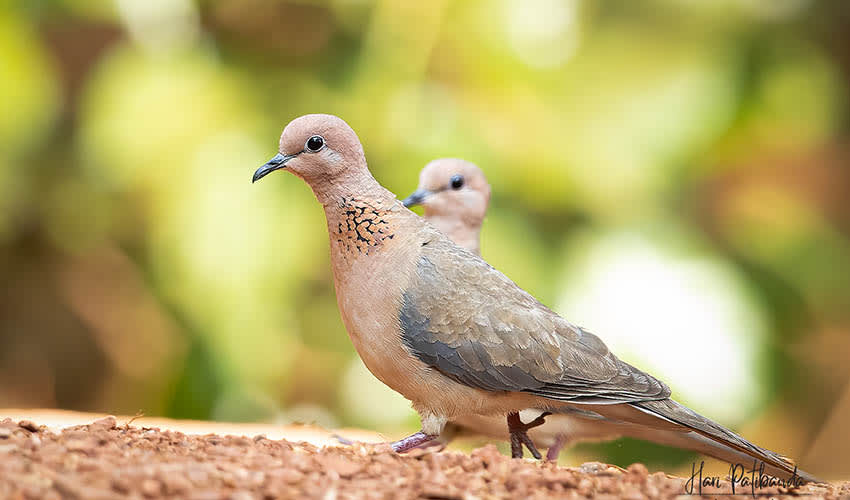
Laughing dove
One of the most charming doves you’re likely to encounter

Crested kingfisher
Have been recorded catching fish nearly half their body length

Little bustard
Only when cornered will it burst into flight, usually low and fast, showing its striking white wing patches
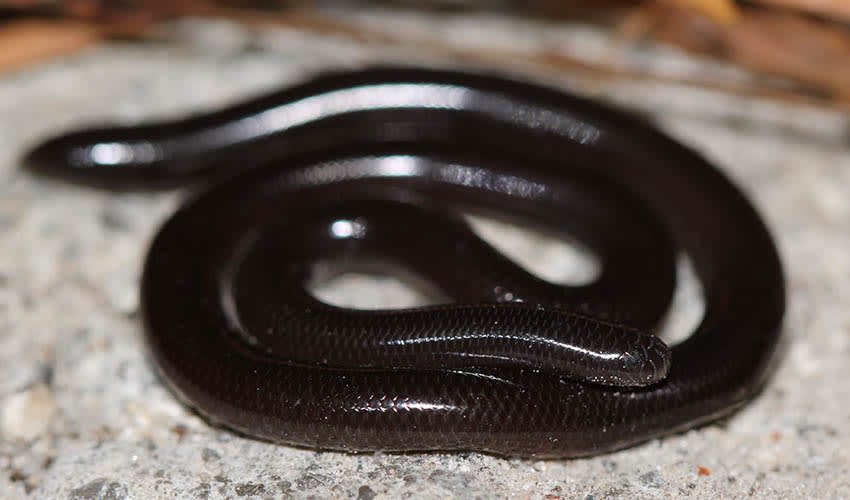
Brahminy blind snake
Often mistaken for an earthworm

Red-vented bulbul
Cherished as common, friendly garden birds
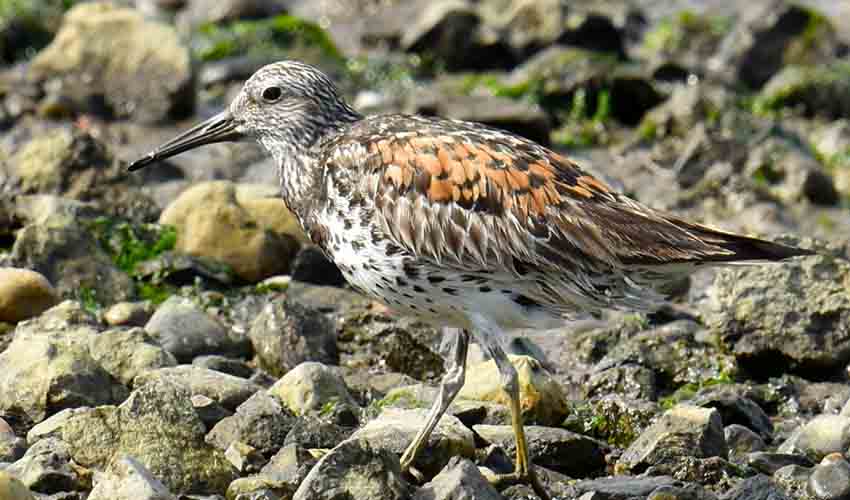
Great knot
Famous for very long migrations between Arctic breeding grounds and coastal wintering areas
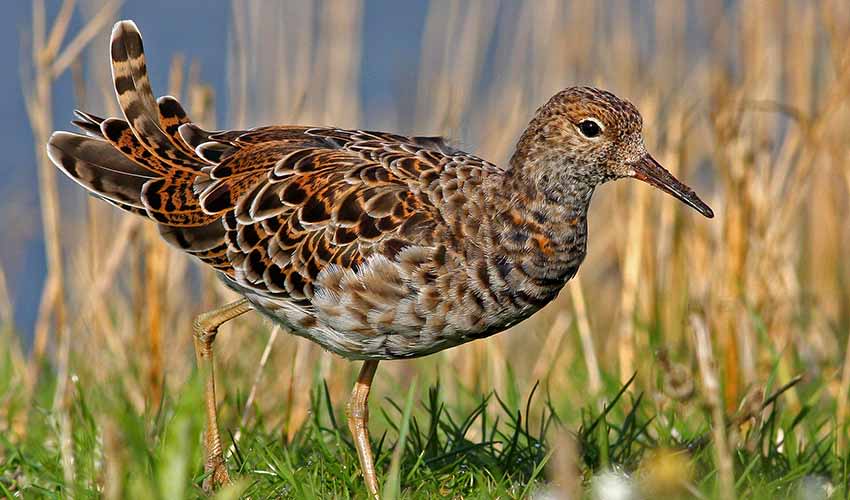
Ruff
Looks ordinary—but transforms into one of the most extravagant birds during breeding season

Hardwicke’s rat snake
Has a tendency to mimic venomous snakes
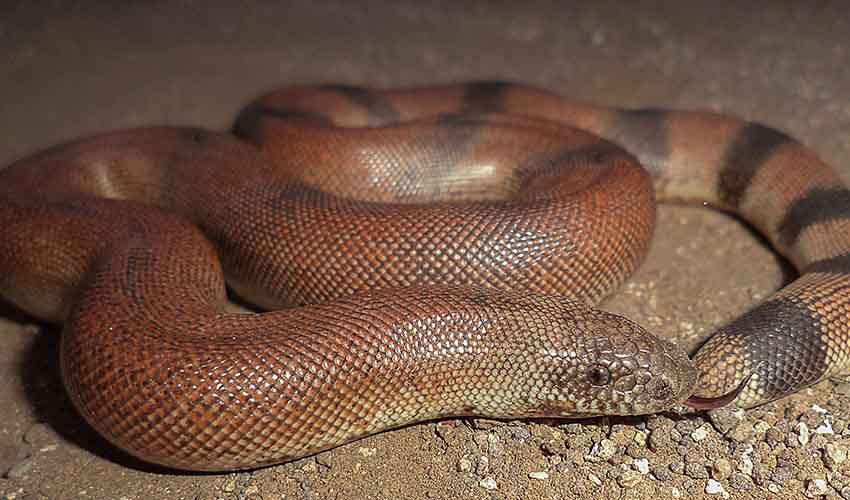
Red sand boa
Also called the “two-headed snake” because of its rounded tail

Dwarf sand boa
Despite its name, it’s a true boa—just one of the smallest in the world!

Halys pit viper
Its wide distribution has made it a bit of a “jack-of-all-trades” viper

Great gerbil
The largest of all gerbils—think “hamster on steroids”

Spotted whip snake
Rarely causes harm since it lacks venom

Lesser white-fronted goose
One of the smallest wild geese in the Northern Hemisphere, only a bit bigger than a mallard

Indian vulture
A majestic scavenger with a wingspan wider than a car

Taurus scarab
Guinness World Record holders among animals for “strongest relative to body weight”

Sacred scarab
Turning waste into new life for the soil

Eurasian eagle-owl
These owls have specialized feathers that make their flight nearly silent

Ruddy shelduck
Has the body of a duck, neck of a goose, and voice of a goose having a bad day

Ruddy turnstone
They flip the script — literally!
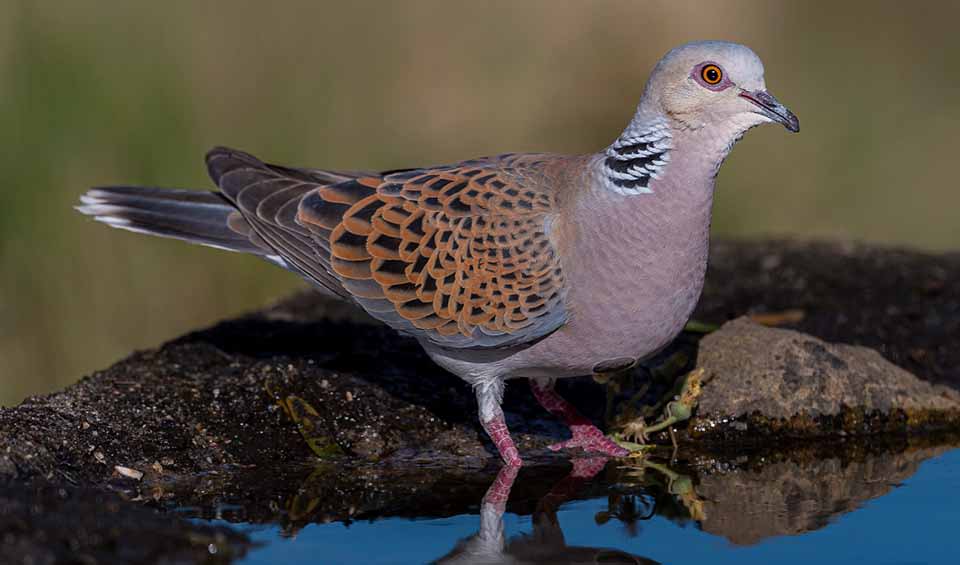
European turtle dove
The only long-distance migratory dove in Europe

Wood pigeon
Timid by nature, often flying off at the slightest sign of danger

Checkered keelback
Have you ever seen one gliding through a stream or sunning itself by a quiet pond?

Asian palm civet
Famously linked to the production of a luxury coffee called kopi luwak

Bengal monitor
Need to escape? No problem! They can dive into water and swim powerfully using their tail like a paddle
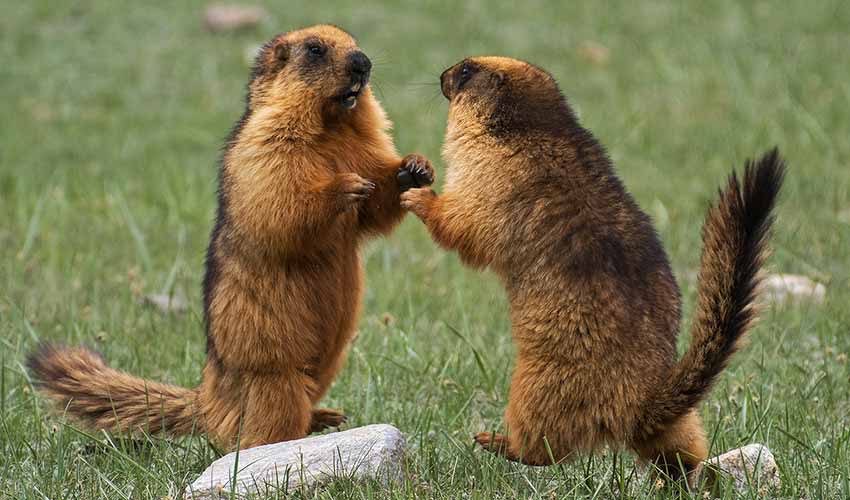
Long-tailed marmot
Big, golden, and built for mountains
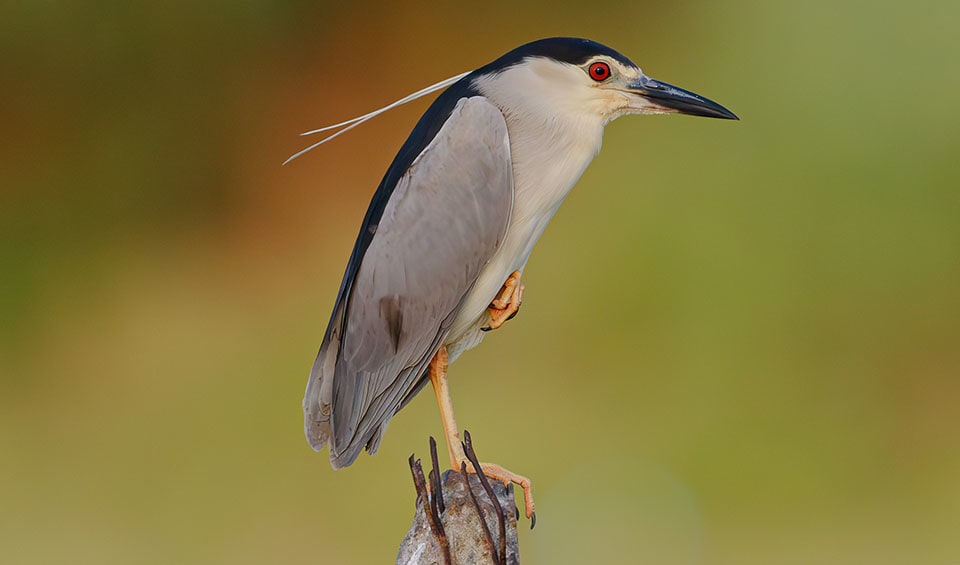
Black-crowned night heron
One of the most widespread and adaptable herons in the world
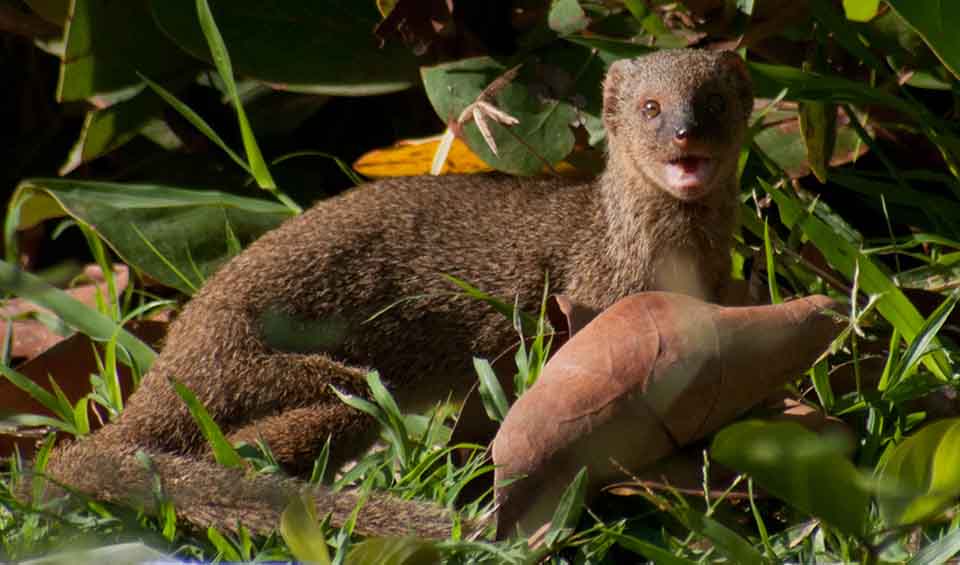
Small Indian mongoose
Famous snake-fighter — with strategy

Redwing
In Iceland, its arrival is eagerly awaited as it signifies the end of the harsh winter

Long-eared hedgehog
One of the fastest runners among hedgehogs

Steppe eagle
The treasured bird of Saladin, the first Sultan of Egypt

Dice snake
A big, harmless snake that likes to live near freshwater

Central Asian red deer
With thick coats that help them survive freezing Central Asian temperatures
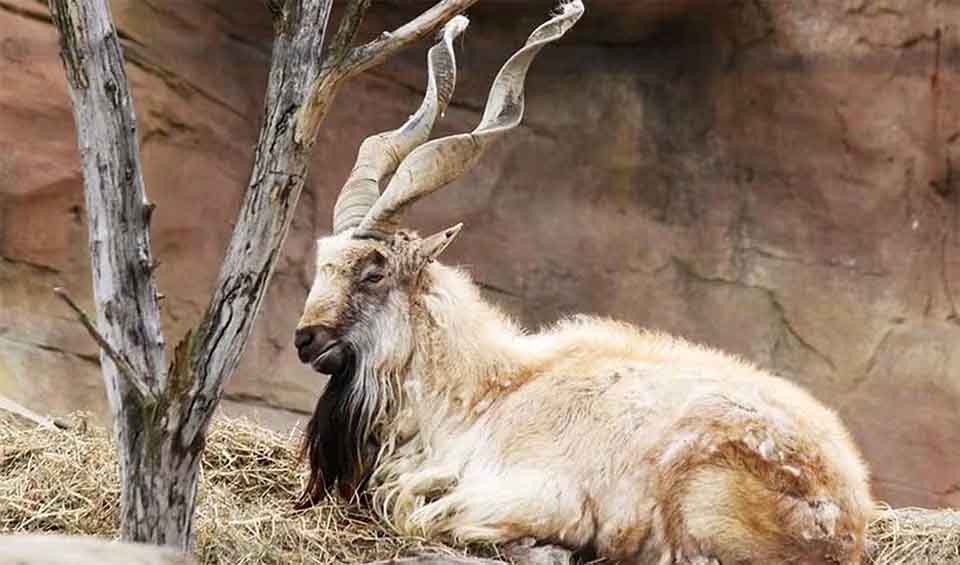
Markhor
The largest of all goats and Pakistan’s national animal

Siberian ibex
An incredible climber — it can scale almost vertical cliffs and jump across wide gaps with ease

Wild goat
The rugged ancestor of the domestic goat
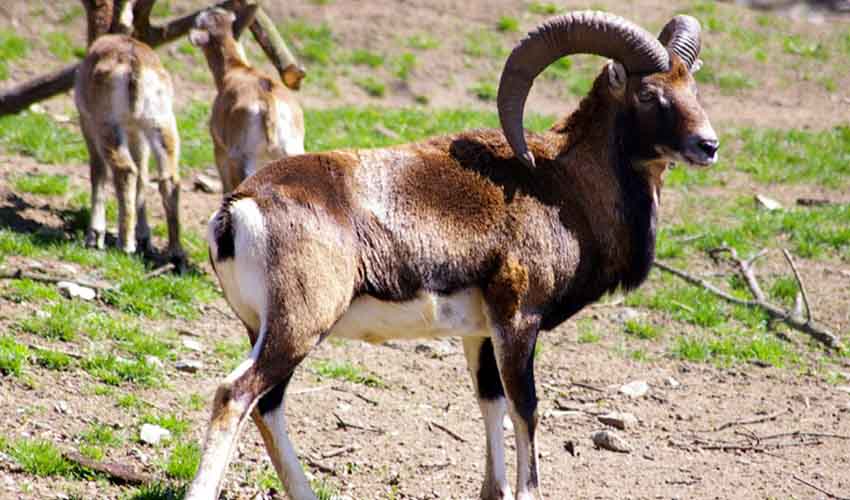
Argali
Known as the “Marco Polo sheep,” it was first described by the explorer during his Central Asia travels
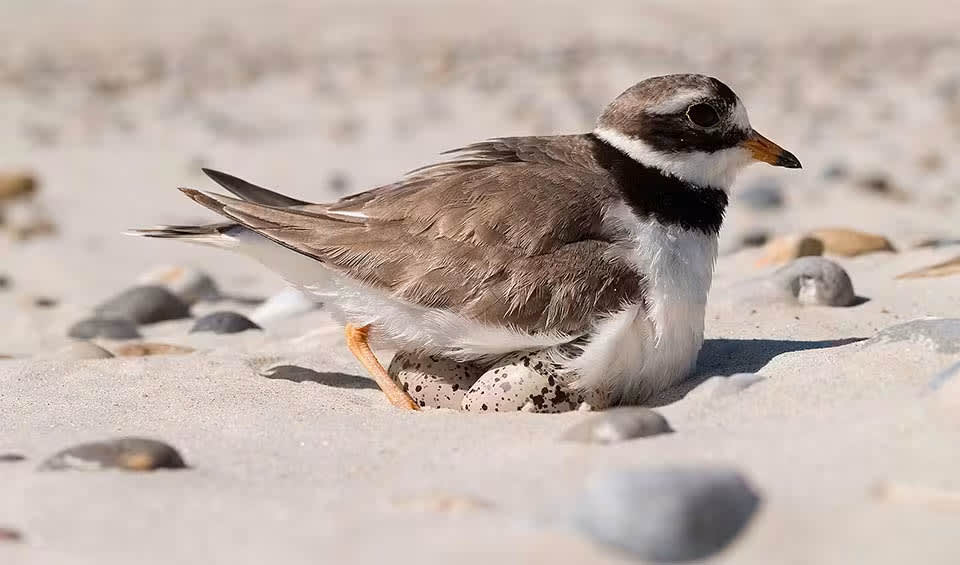
Common ringed plover
This bird taps its feet to imitate rain to make the prey reach the surface

Siberian crane
One of the rarest and most critically endangered crane species in the world
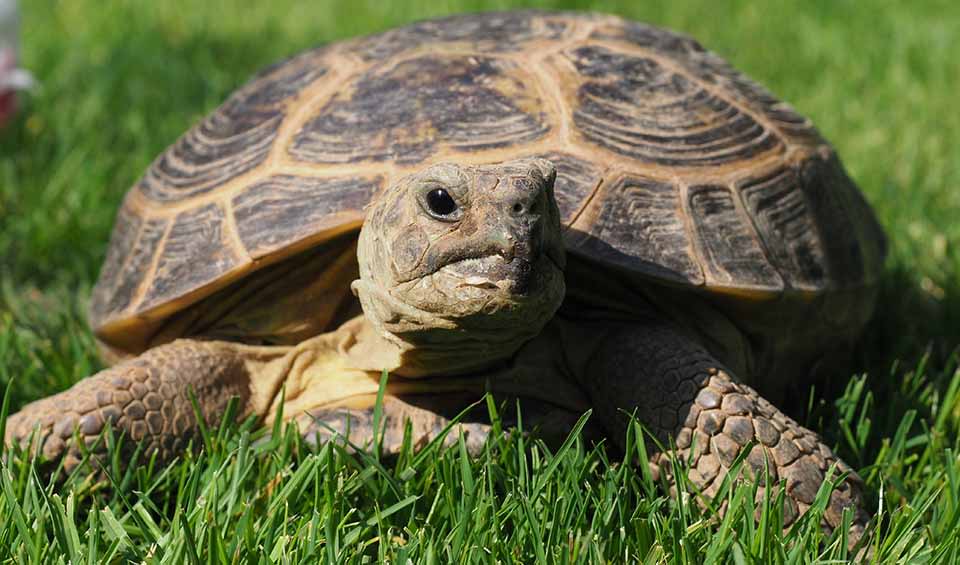
Russian tortoise
Like miniature tanks, built for survival in some seriously harsh climates

Saker falcon
Their keen vision enables them to scan vast landscapes, identifying small movements or potential prey items even from high altitudes
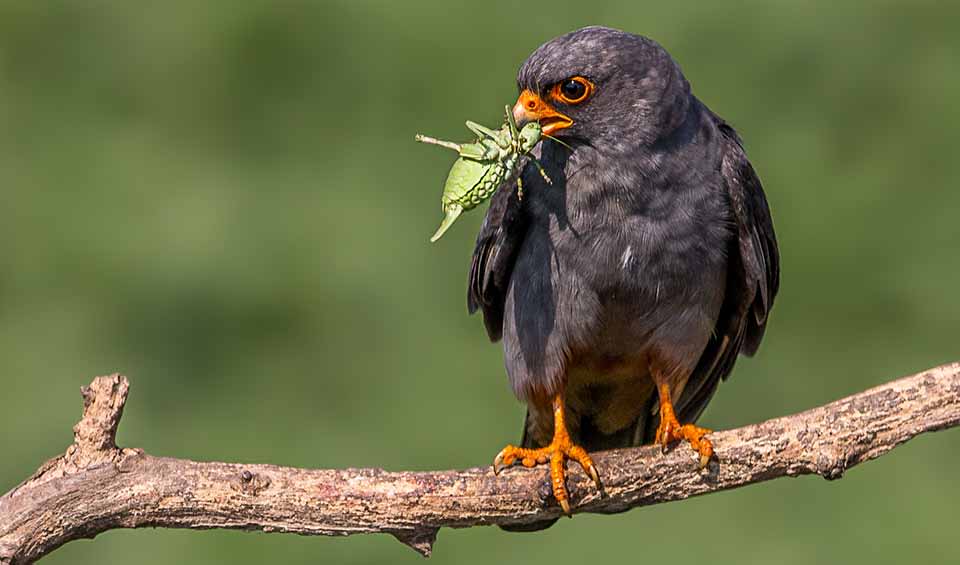
Red-footed falcon
Their favorite snack? Large insects like locusts and dragonflies

Little tern
Renowned for their spectacular aerial displays during courtship, including steep dives and intricate flight patterns

Common blackbird
Arguably among the most beautiful songbirds in the world — they enjoy singing after a rain shower

Common crane
The flocks of this social and gregarious bird are fond of migration, flying over the horizon and creating a V-shaped formation

Goosander
Its long, serrated beak, often called a “sawbill,” is perfectly adapted for catching slippery prey like fish

European roller
Loves trees! Only member of its family breeding in Europe
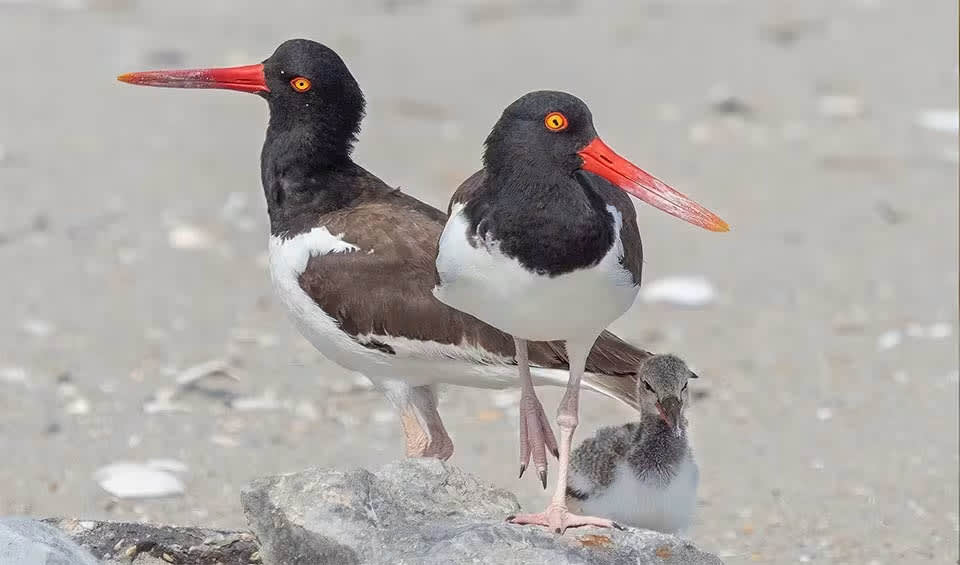
Eurasian oystercatcher
The masters of catching oysters, clams, and cockles

European starling
Brilliant mimics, they can copy bird calls and even human-made sounds like car alarms and ringing phones!
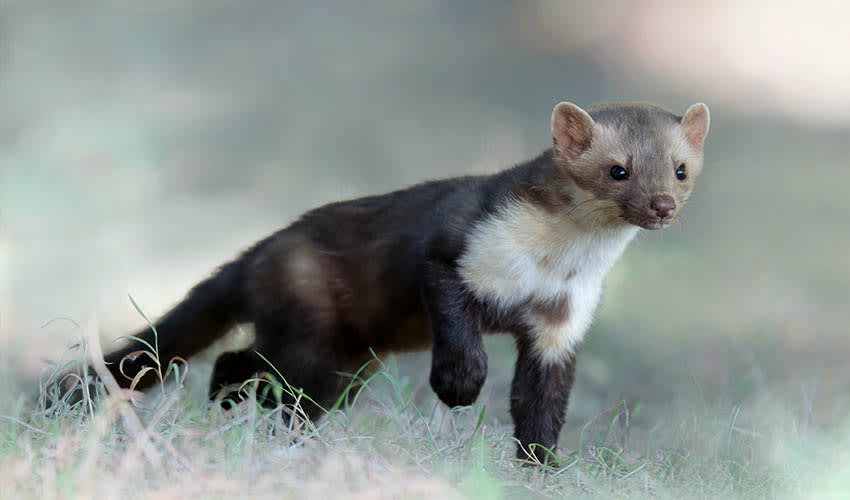
Beech marten
Notorious for sneaking into cars and chewing on soft bits under the hood

Lesser black-backed gull
A common sight in coastal regions throughout the Northern Hemisphere

Goitered gazelle
The “goiter” is a male feature
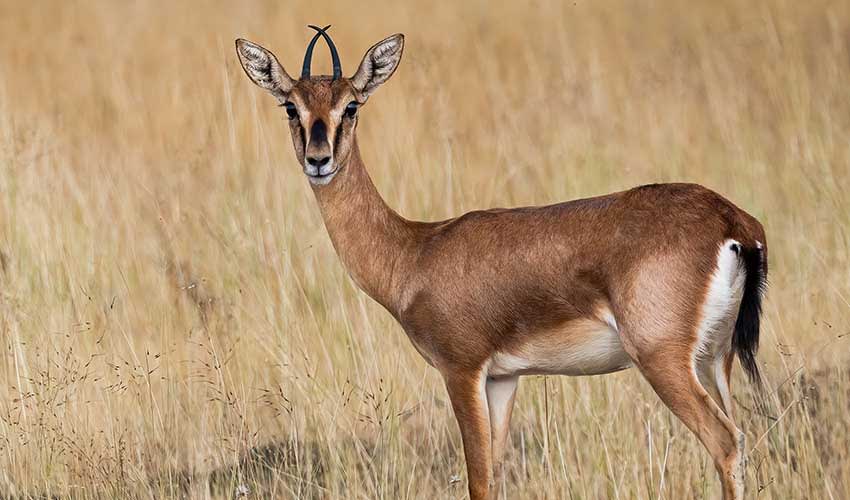
Chinkara
Even though it looks delicate, it’s a tough, heat-resistant survivor

Black-necked grebe
Unlike many birds, their chicks can swim and dive just hours after hatching

European goldfinch
Can hang upside down while feeding!

Red-rumped swallow
Amazing flyers — they can even drink water while they’re flying!

Common pochard
Can dive down to the bottom of a lake and rest there, safe from predators!

Eurasian skylark
They might not look like much, but they have an incredible talent: singing!
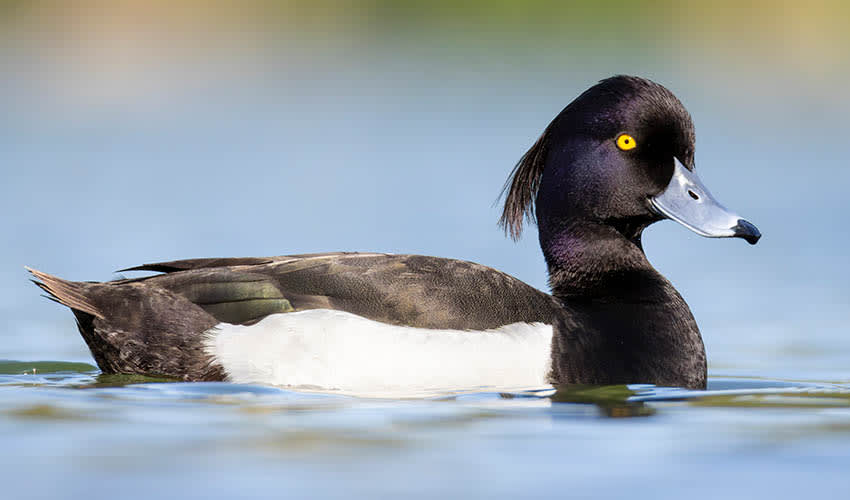
Tufted duck
Sometimes mistaken for the North American ring-necked duck — but the tuft gives them away immediately

Leopard gecko
They don’t have eyelids, instead, they have a clear covering over their eyes that they lick to keep clean

European pied flycatcher
Males are particularly eye-catching with their black and white plumage, looking like they’re wearing a little tuxedo
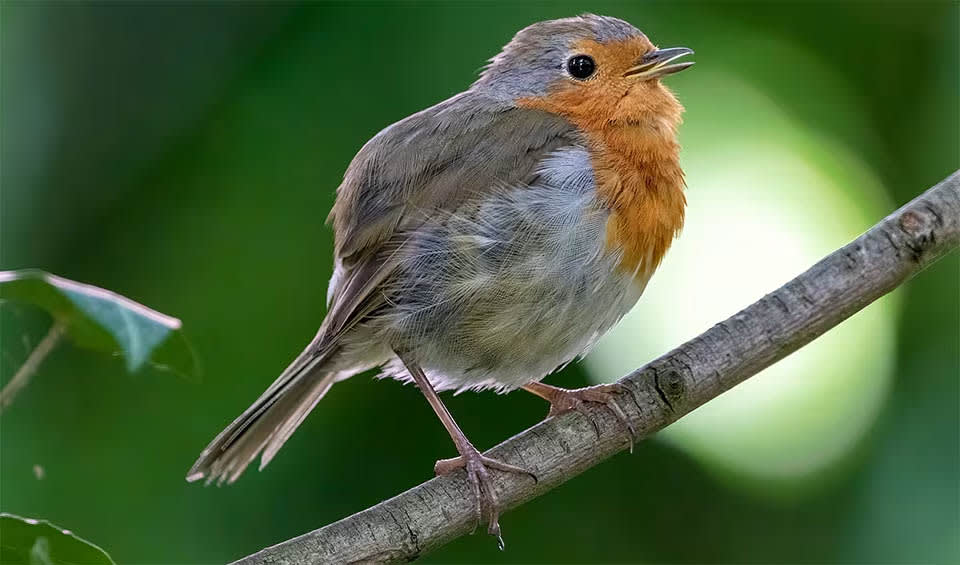
European robin
Can be quite friendly and will often come close to humans, especially if they’re offered food
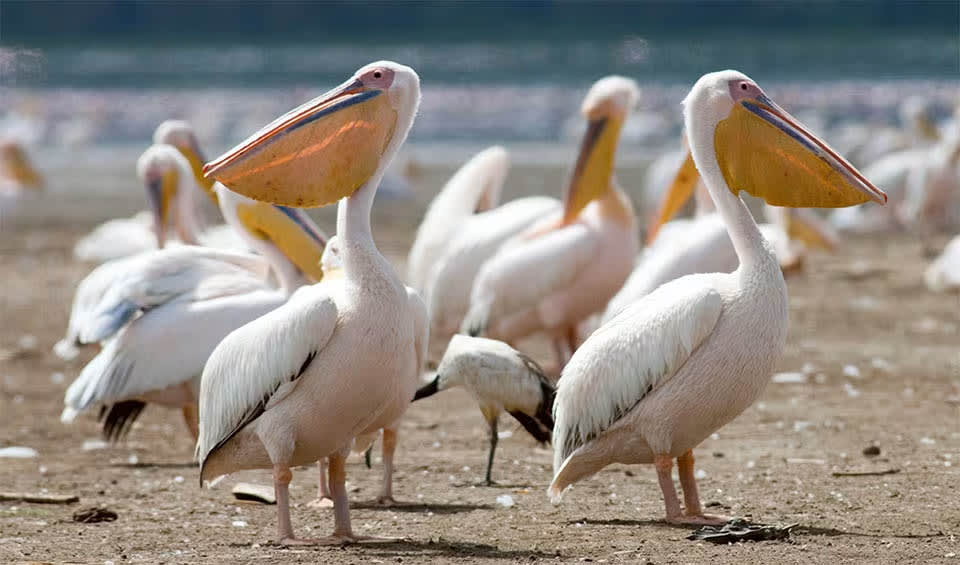
Great white pelican
Underneath this colorful beak, there’s a hidden surprise – a built-in net for scooping up a delicious lunch!

Mountain weasel
A lightning-fast hunter with a personality far larger than its size
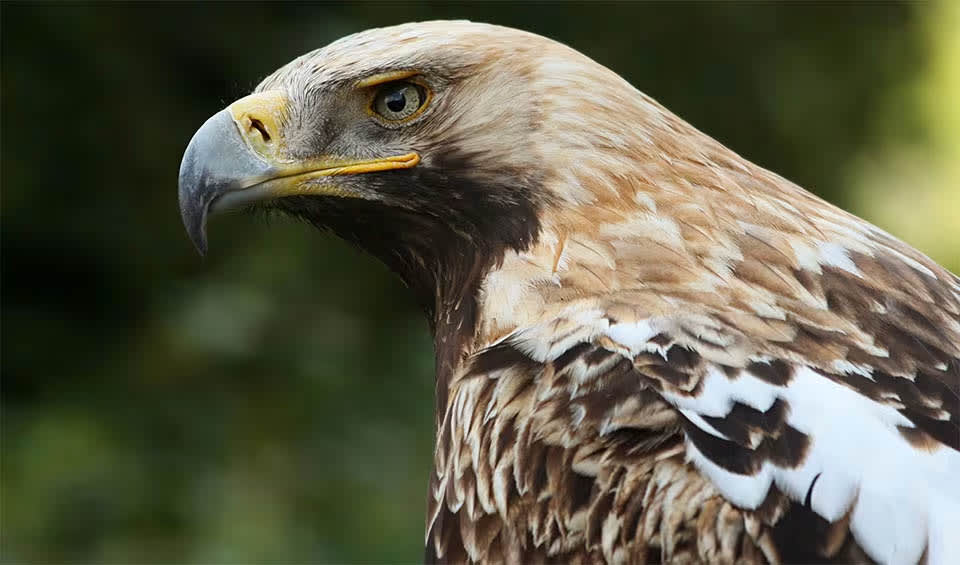
Eastern imperial eagle
Its imperial imagery and fierce demeanor have made it a symbol of power and nobility throughout history
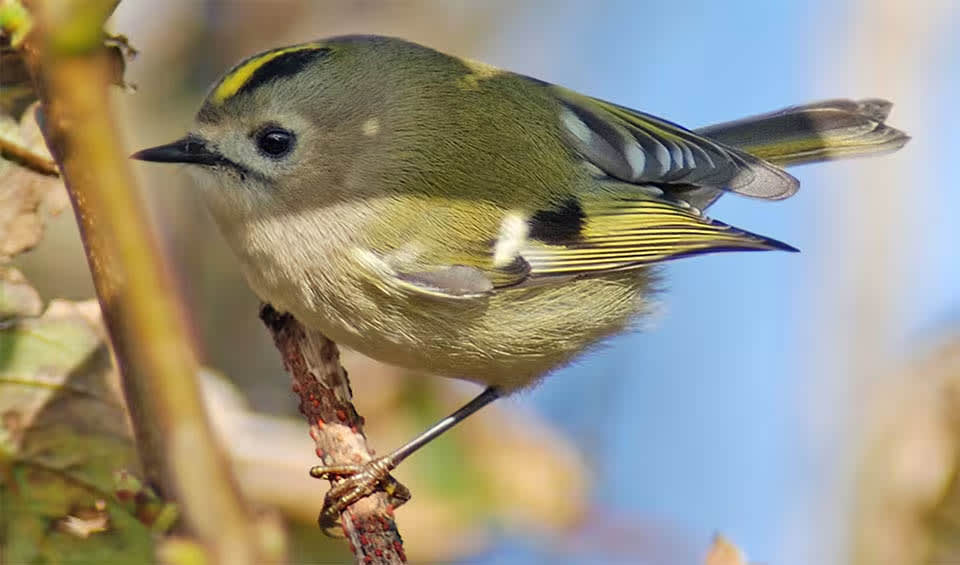
Goldcrest
A tiny bird, one of the smallest in fact!
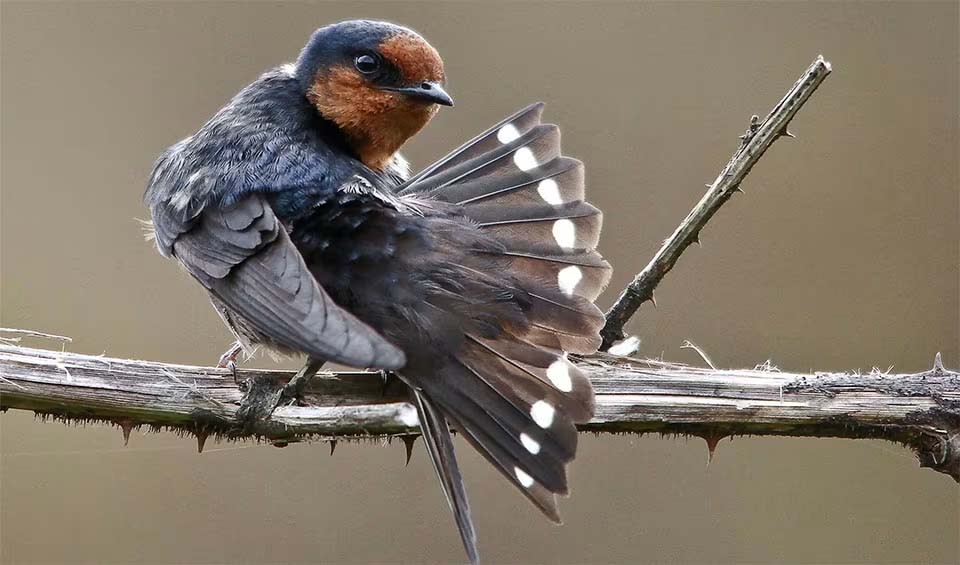
Barn swallow
Most common and widely distributed swallow globally

Demoiselle crane
The smallest of all the crane species and is known for its elegance and grace

Northern lapwing
Very active and noisy, with a loud, piercing call that sounds like “pee-wit”

Common nightingale
Often called the “singer of the night,” it produces a complex and beautiful melody that has captivated people for centuries

Lesser grey shrike
Have been observed remembering the locations of their impaled prey and even using tools to help them catch food

Marsh frog
Quite noisy creatures which is a common sight in wetland areas

Mute swan
Known for their graceful movements and the distinctive “S” shape of their neck

Tolai hare
One of the few hare species that can survive comfortably in desert regions, including the Gobi Desert

Whooper swan
Very loyal partners! Once they find a mate, they usually stay together for life

Indian bullfrog
Capable of making long leaps, thanks to their powerful hind legs

White-headed duck
Their stiff, upright tail feathers aid them in swimming and diving

White-throated dipper
Can walk along the riverbed using its wings to stabilize itself against the current

Himalayan monal
It’s dazzling plumage has earned it the nickname “nine-colored bird” in some cultures

Common pheasant
One of the most hunted, widespread, ancient, and well-known game birds

Little egret
During breeding, they transform with elegant white plumage, adorned by decorative plumes on the head, neck, and back
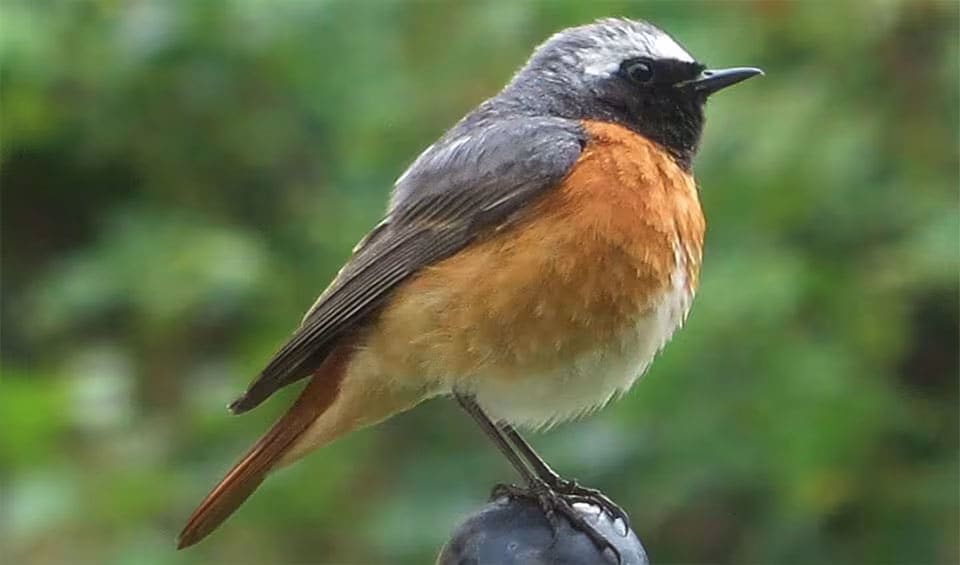
Common redstart
They consistently display a restless demeanor and exhibit a distinctive, tail-trembling behavior
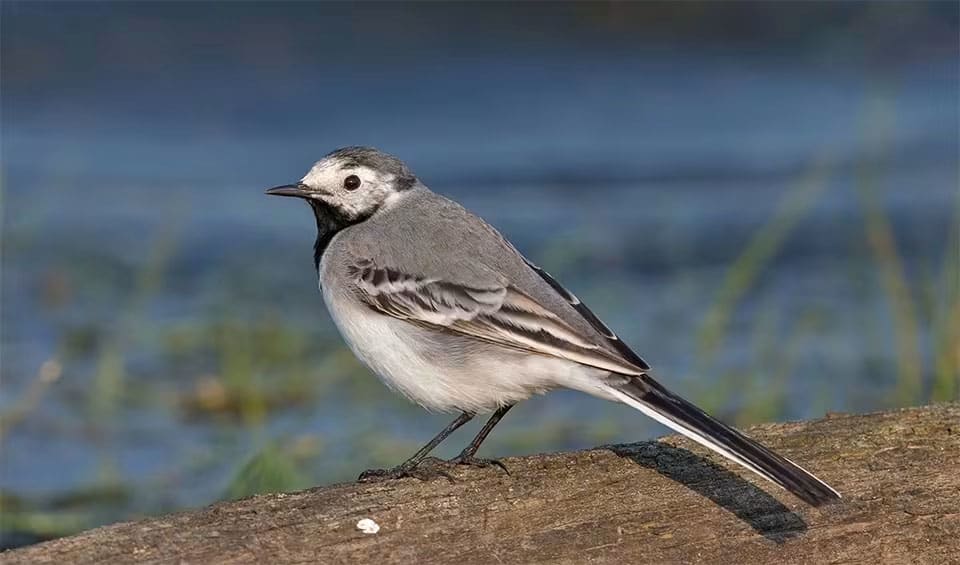
White wagtail
Holds cultural symbolism in some societies, representing good luck
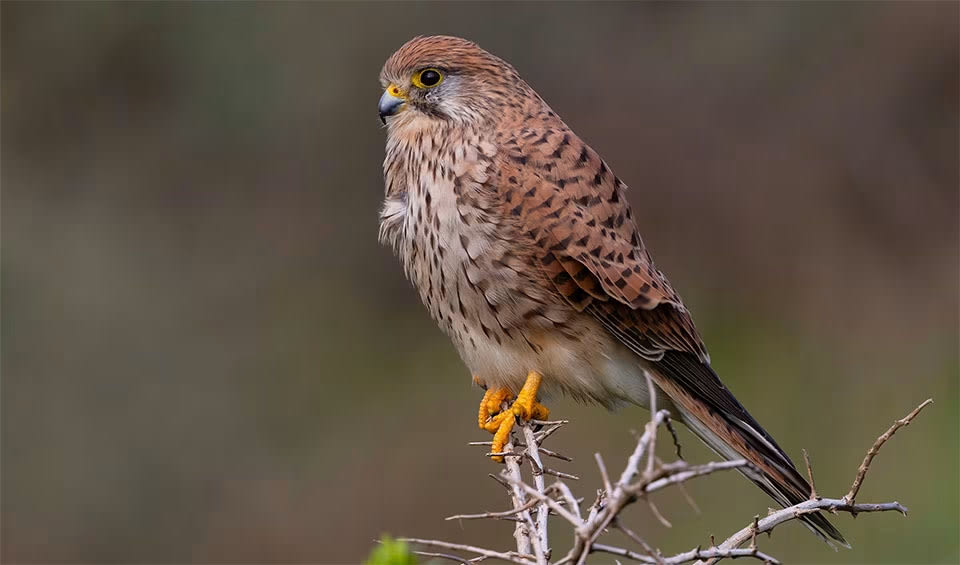
Eurasian kestrel
Adaptable raptor known for its hovering hunting technique and striking appearance

Graceful prinia
Territorial and defends its territory aggressively against other birds
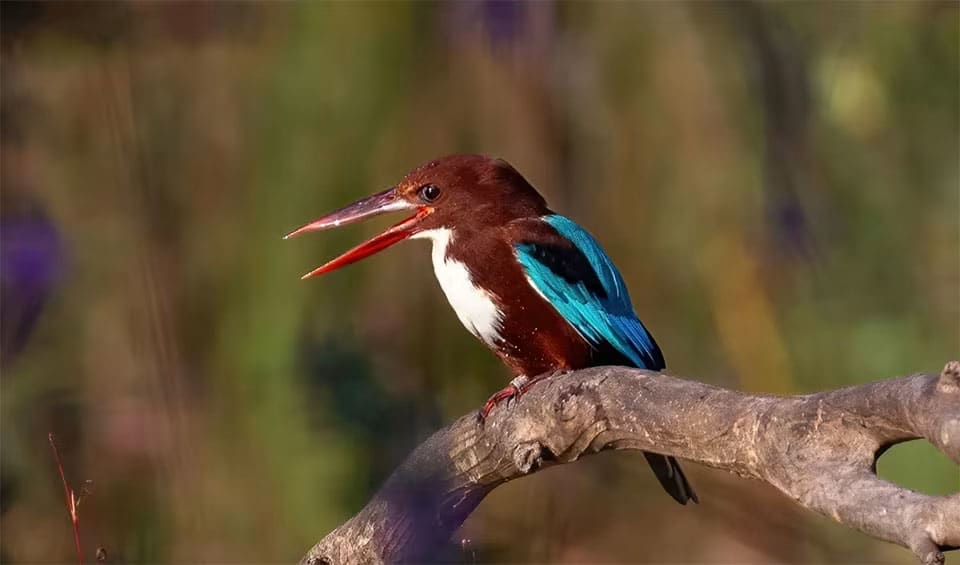
White-throated kingfisher
These birds are quite chatty, and their sounds are like a strong and determined rattling laugh
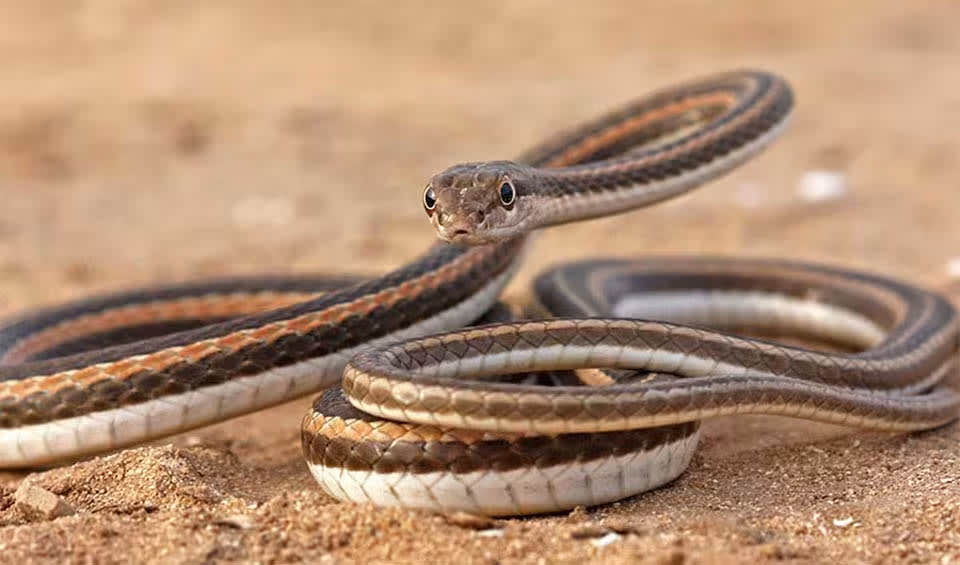
Schokari sand racer
With lightning-fast speed and a keen sense of smell, this predator easily captures prey in the desert

Steppe ribbon racer
One of the fastest snakes in Central Asia, capable of quick bursts of speed to chase down prey or escape predators

Indian roller
With its splendid plumage, it has earned its place as a jewel of the skies
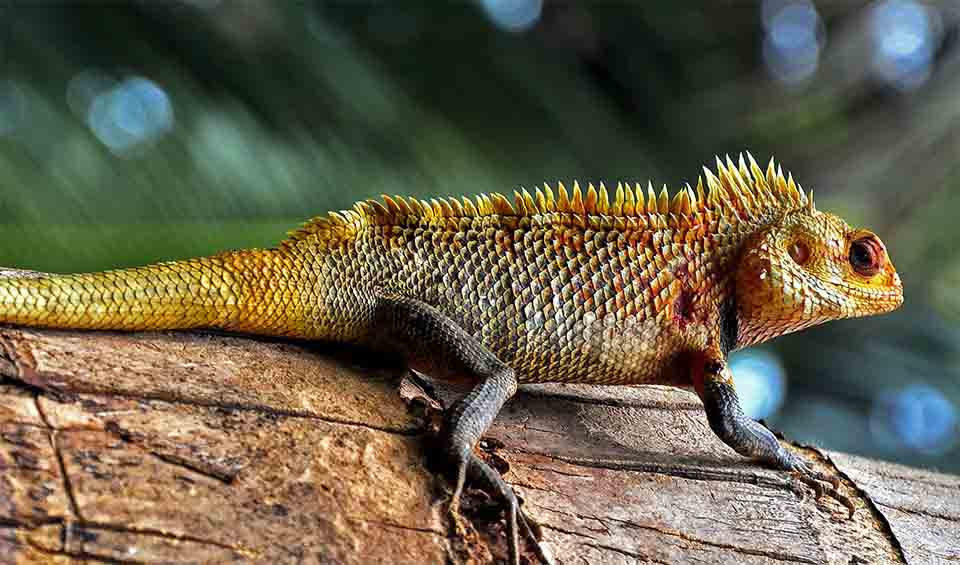
Oriental garden lizard
A lizard with vibrant hues – a living canvas of green, brown, and sometimes even blue

Desert monitor
Known for their impressive stamina and can travel long distances in search of food and water

Yellow-throated Marten
Aren’t afraid of bigger animals, and they’ve been known to fight off dogs and even leopards!

White-rumped vulture
Millions once filled the skies and trees across South Asia, acting as nature’s cleanup crew

Eurasian blind snake
A small, burrowing snake that can’t see well but can smell its way to a tasty insect

Javelin sand boa
Known for its docile and non-aggressive nature

Blanfords fox
A balanced diet for a healthy fox: fruits and insects!

Corsac fox
A sly, sandy-furred survivor of Central Asian grasslands, threatened by human activity but fiercely protected by conservationists
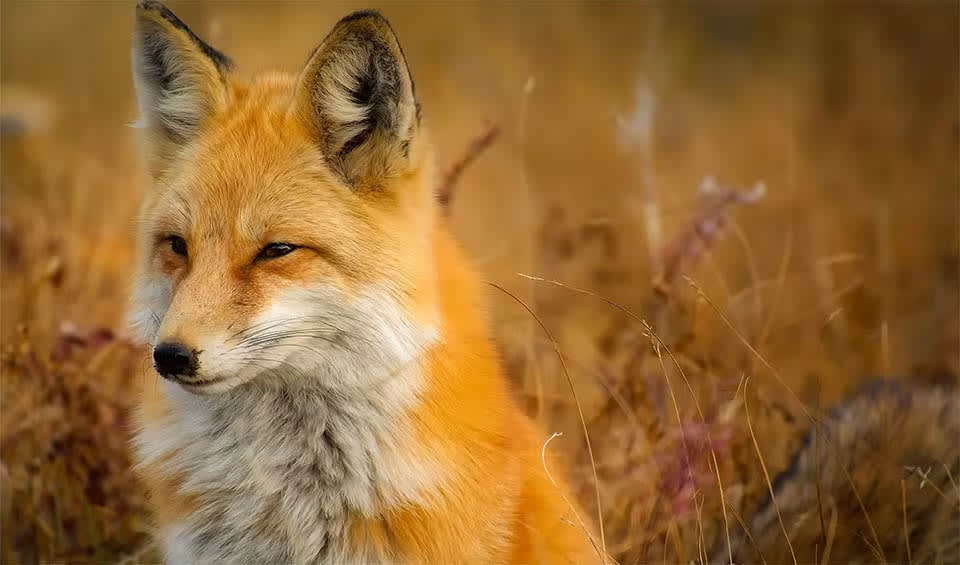
Red fox
Ladies and gentlemen, please welcome the world’s most widely distributed carnivore!

Rüppell’s fox
Can be easily identified by its larger ears, making it stand out from red and pale foxes

Common kingfisher
Possessed with special visual adaptations to catch fish
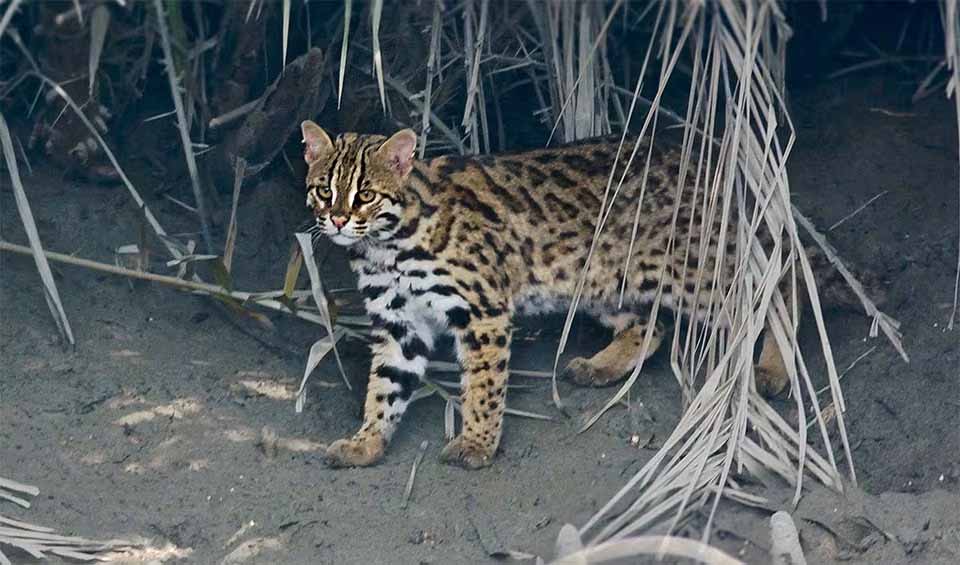
Leopard cat
A skilled predator with a unique coat and playful personality
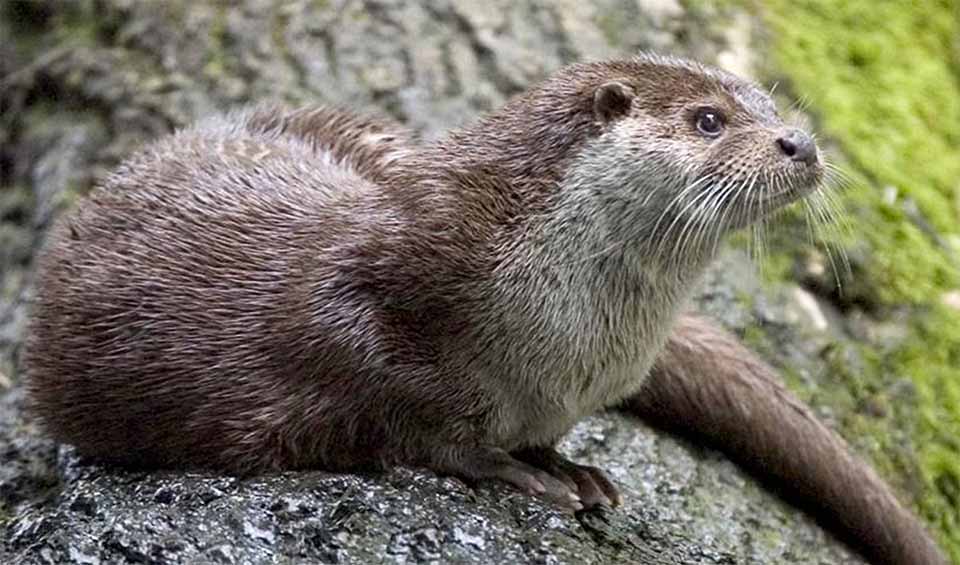
Eurasian otter
Fiercely territorial, marking their territory with scent to communicate with other otters

European water vole
They are excellent swimmers and can hold their breath for up to 30 seconds underwater

Etruscan shrew
Meet the world’s smallest mammal but a fierce predator

Cheetah
Racing to extinction: historically ranging throughout Africa to India, now distributed in small, fragmented populations

Asian black bear
In Vietnam, these bears are caught, crammed into tiny cages, have their teeth removed to extract bile – sold as “medicine”

Brown bear
The second largest bear, right after the polar bear. Sadly, it well might top the list soon
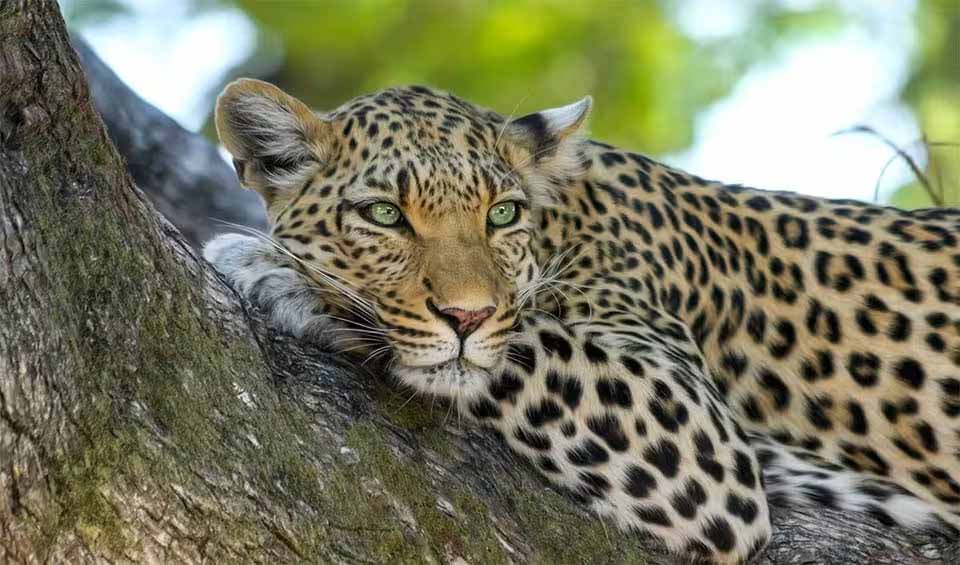
Leopard
Disappearing graceful shadows, this tree-climber is on the way to extinction

Kuhls pipistrelle
Their population distribution is often associated with human settlements as they are comfortable in both agricultural and urban habitats
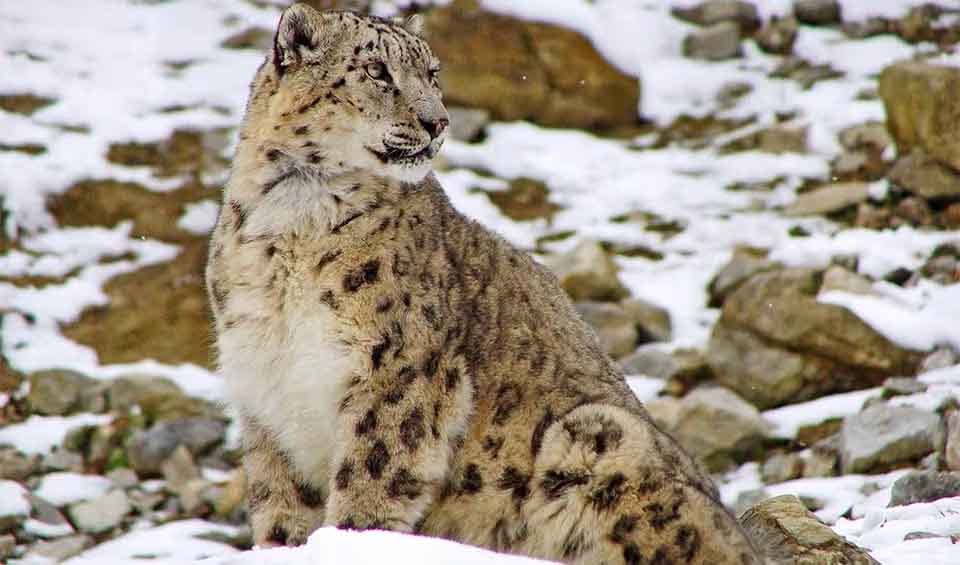
Snow leopard
The vanishing big cat of the cold, rugged Himalaya mountains is being executed by the humans
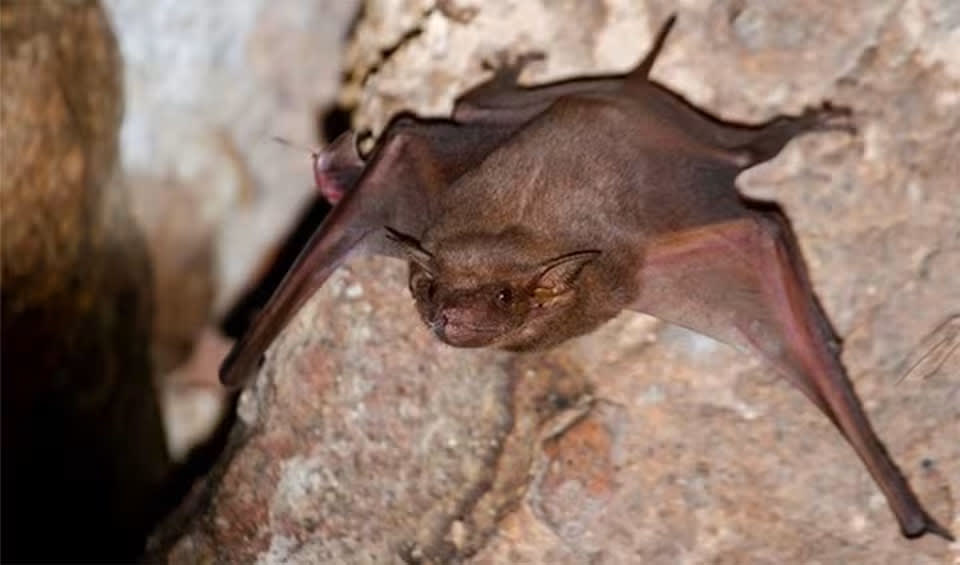
Naked-rumped tomb bat
These ‘sloppy animals’ tend to have a strong and unpleasant odor due to accumulated wastes in roosts

Trident bat
Highly mobile bats that tend to roost in hundreds to thousands of whatever shelters they can find

Greater horseshoe bat
These elegant acrobats perform a perfectly timed and skilled somersault as they approach their chosen resting site

European free-tailed bat
Their muzzle has wrinkled lips, which makes them look like a dog’s face, and is commonly called a bulldog bat
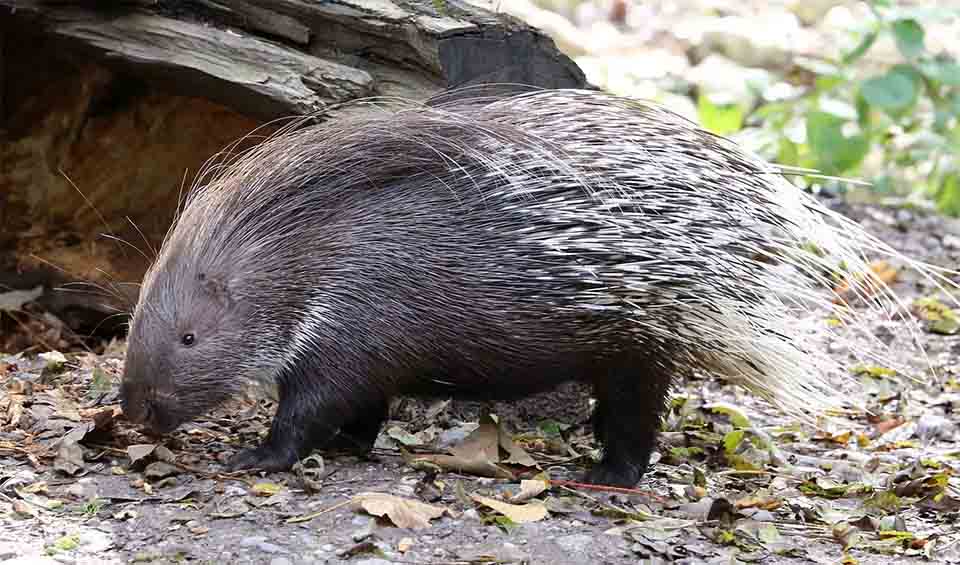
Indian crested porcupine
This charismatic creature is not just a quilled beauty but also a skilled architect
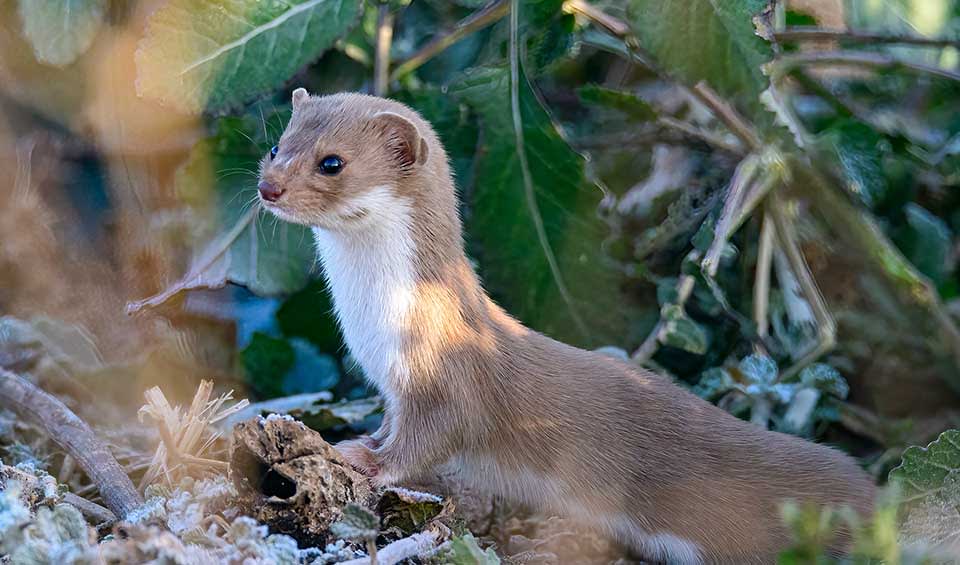
Least weasel
The smallest carnivorous predator in the world and so have limited fat stores and need to eat more than 50% of the body weight
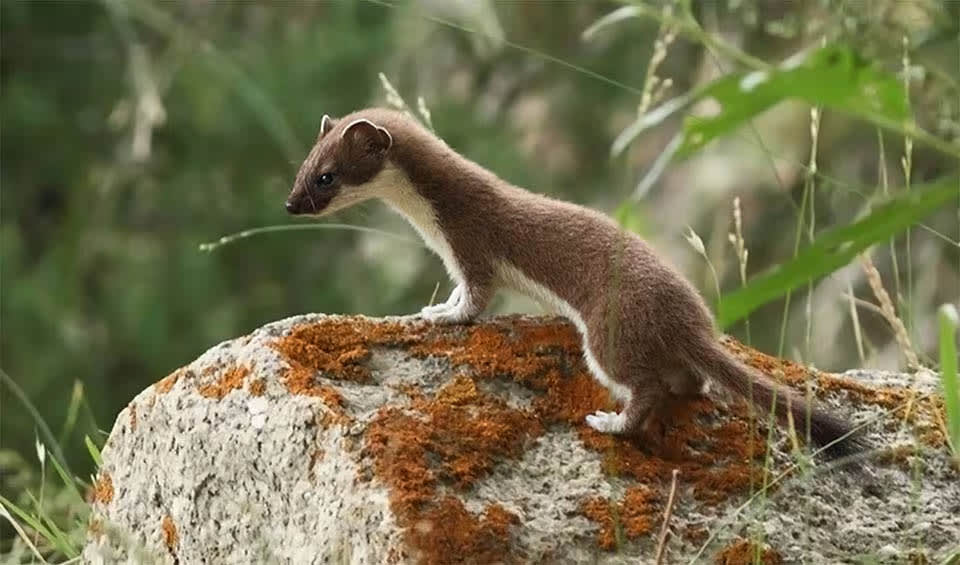
Stoat
A small, fierce predator known for its agility, hunting skills, and color-changing fur

Little owl
Aptly named after the goddesses of wisdom and war, little owls have lived alongside human civilizations since 500 BC

Pin-tailed sandgrouse
This bird looks like a modern mosaic art-piece
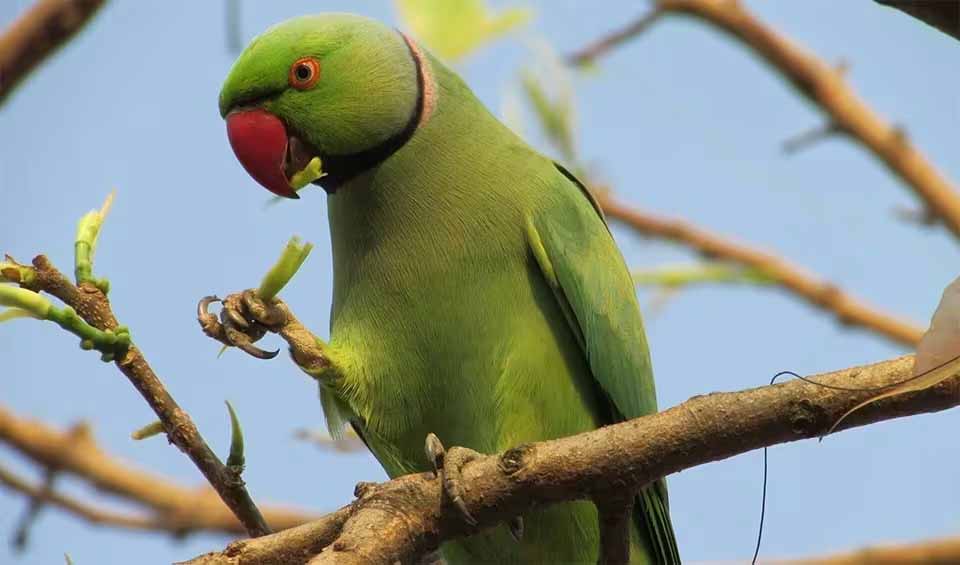
Rose-ringed parakeet
If you ever forget the tune of a song, don’t worry; this bird has your back

Great cormorant
Due to their adaptability and willingness to migrate to more favorable habitats, great cormorants are found worldwide
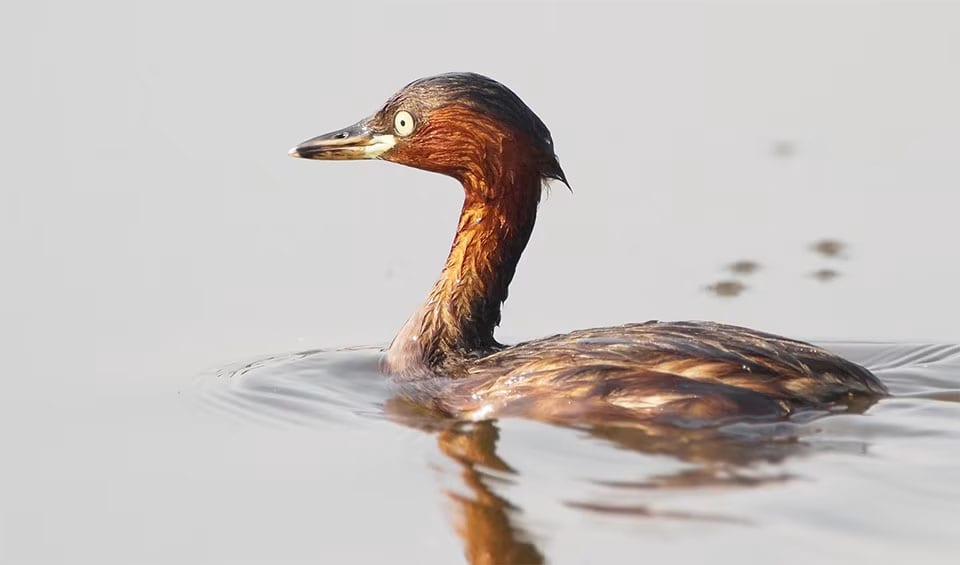
Little grebe
This cute and small bird is one of the most elite hunters below the water’s surface

Lesser flamingo
This bird holds a Guinness book of world records to its name
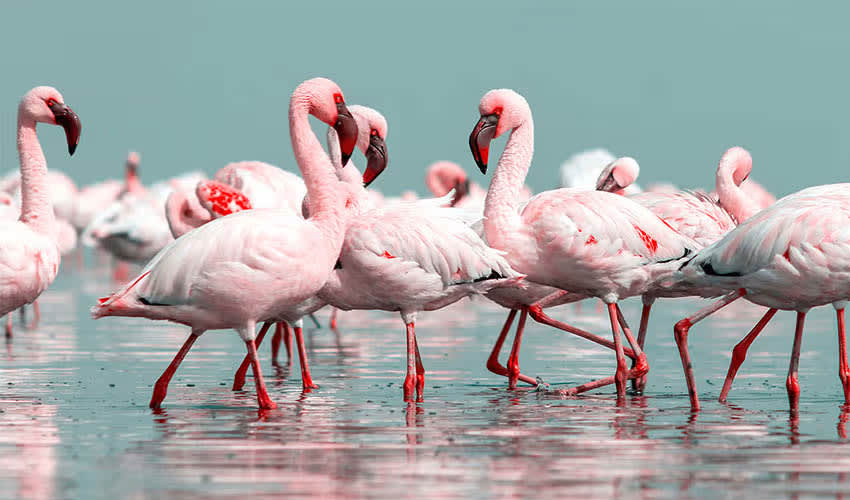
Greater flamingo
The iconic and elegant bird with a curved pink bill is known for turning heads

Eurasian spoonbill
This bird is unmistakable for its namesake, spoon-shaped bill

Glossy ibis
These birds seem to have lost their way to the beauty pageant
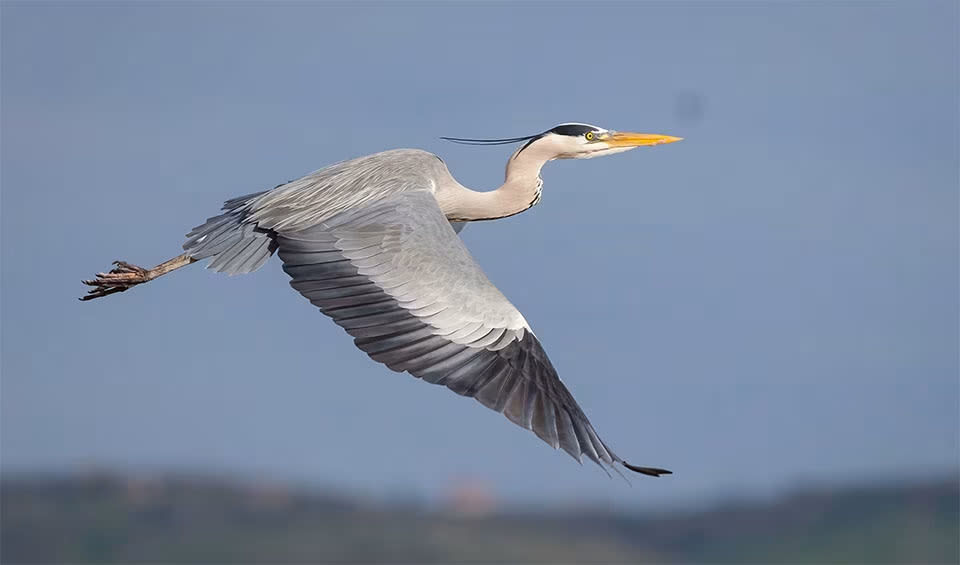
Gray heron
Exhibit powerful flight, with distinctive slow wing beats and an extended neck, defining features during their aerial movements

Great tit
The songbird that occasionally eats bats

Alpine / Yellow billed chough
The master aerial diver and swooper

House sparrow
The most widely dispersed wild bird

Eurasian coot
Like those bulging red eyes weren’t scary enough, they eat their innocent chicks when hungry
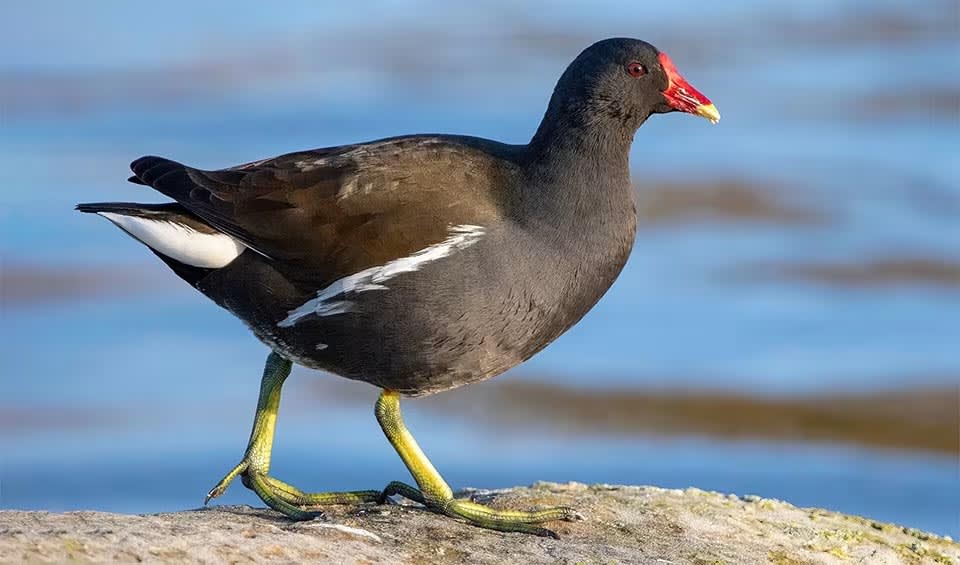
Common moorhen
Living around smelly brackish marshes is unthinkable, but these birds love their isolated habitat or don’t have a sense of smell

Chukar partridge
The national bird of Pakistan and Iraq is known to improve degraded ecosystems by aiding in the dispersal and germination of seeds
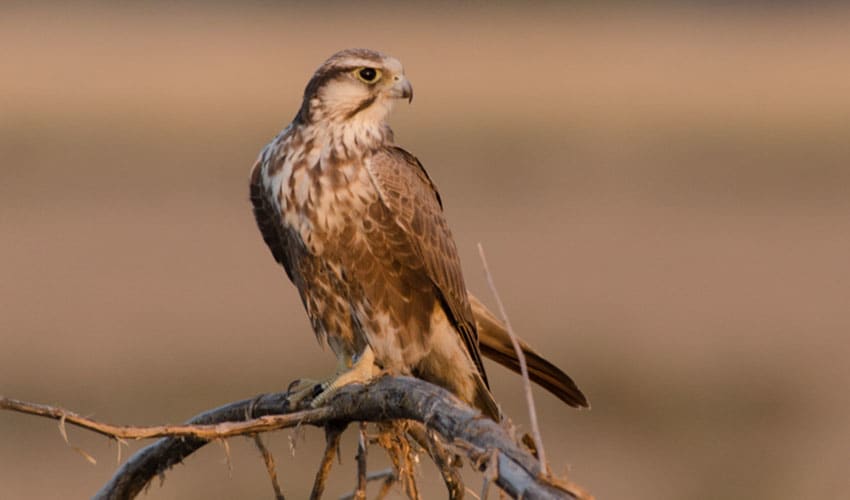
Laggar falcon
Can hunt under blazing sun when many birds slow down
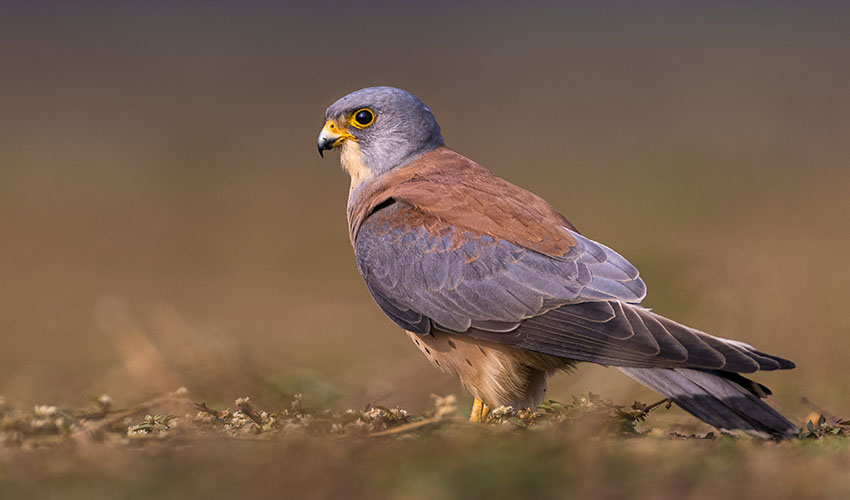
Lesser kestrel
Rather than hovering constantly, they often glide and make short flutters to conserve energy in open landscapes

Merlin
The pocket-sized falcon with an eagle’s attitude

Peregrine falcon
At the speed of over 321 km/h (200 mph), this bird outraces a Formula1 car

Asian green bee-eater
Having wide distribution across Asia, the beautifully colored bee-eater avoids living near water and only migrates from areas with rainfall
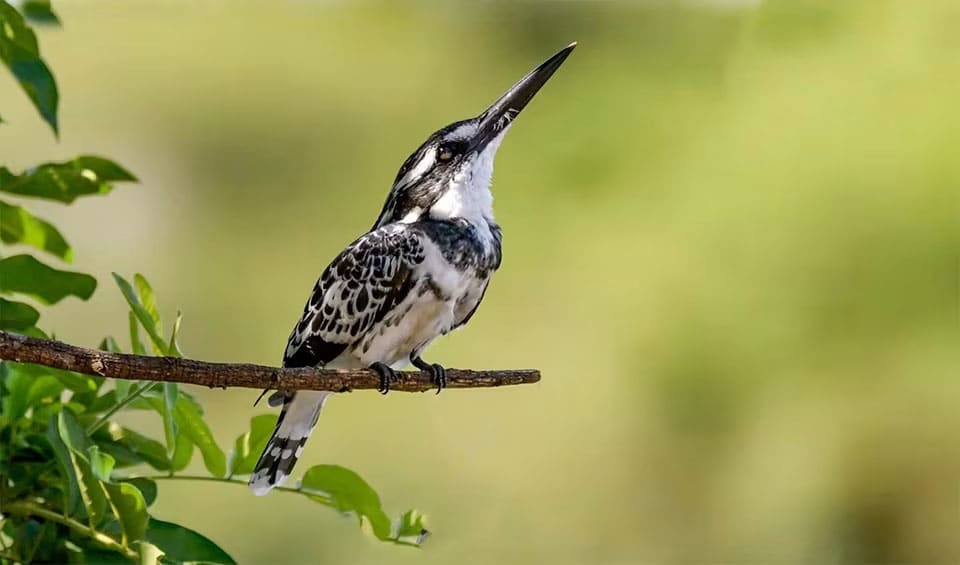
Pied kingfisher
The only member of the genus having wide distribution across Asia and Africa is sociable, unlike other members of its family
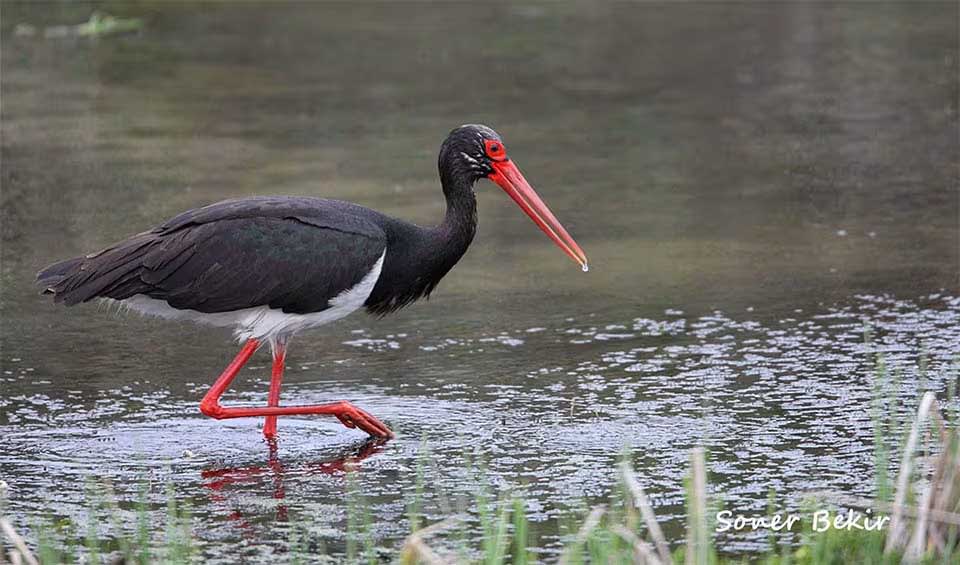
Black stork
The stork with the widest geographic range

White stork
The folktale bird that brings the babies!
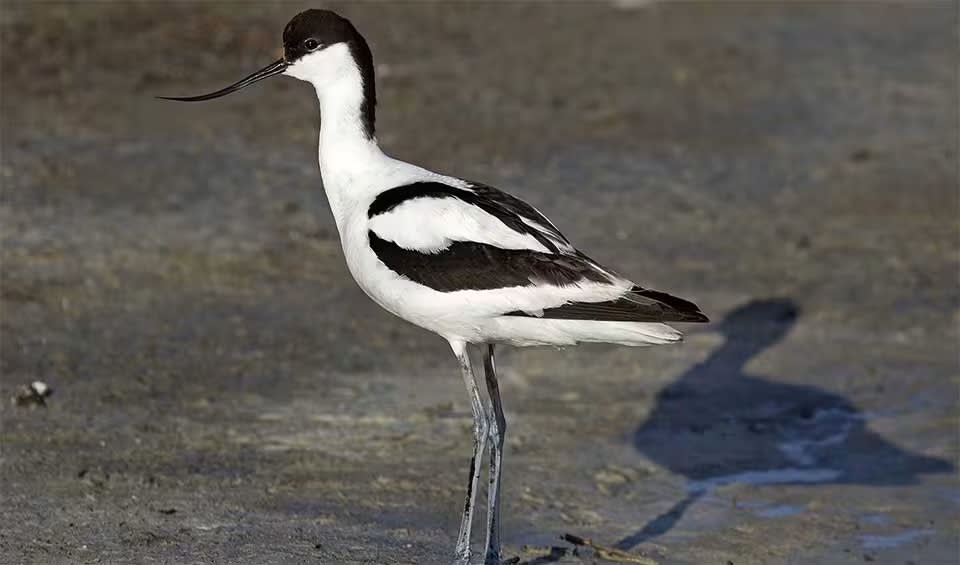
Pied avocet
One of the very few birds with an upturned bill

Black-necked stilt
Those impossibly long legs allow it to wade into deeper water than other shorebirds of its size

Black-winged stilt
Elegant long-legged wader, common almost worldwide
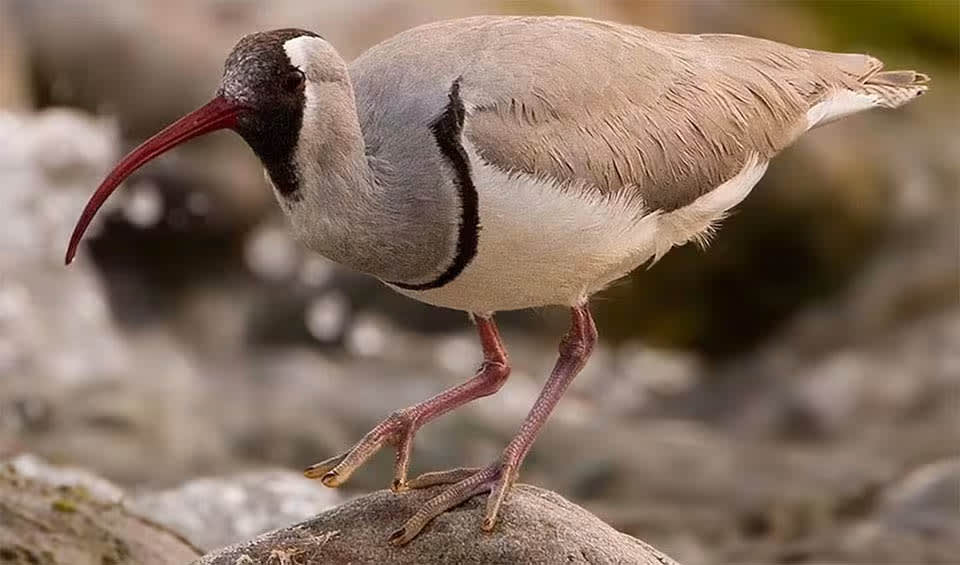
Ibisbill
Owner of one of the most peculiar-looking beak shapes in all of the bird kingdom

Eurasian stone-curlew
One of the bigger waders with a reptilian eye

Common tern
This bird holds the record of the longest distance flown by any bird in recorded history
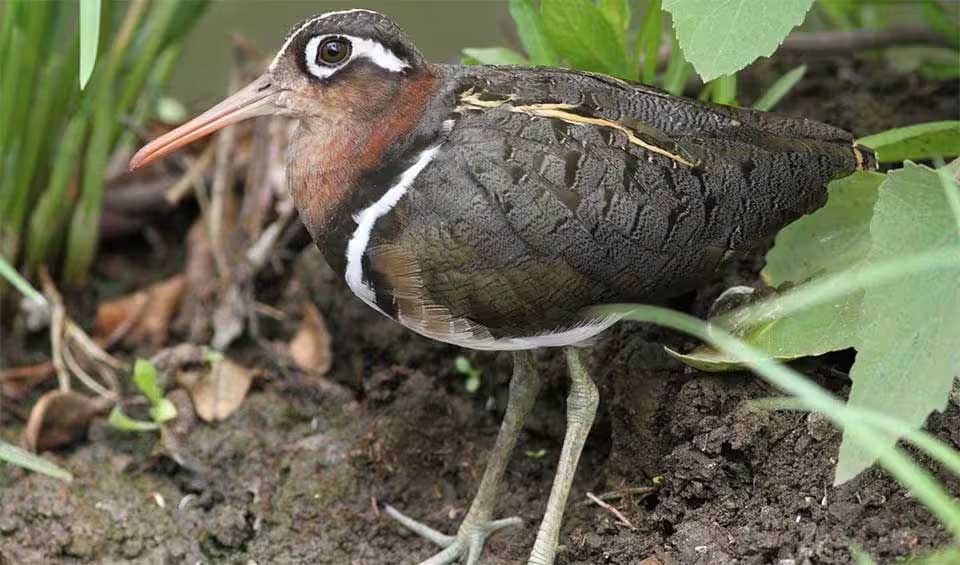
Greater painted-snipe
Looks no less than a renaissance masterpiece
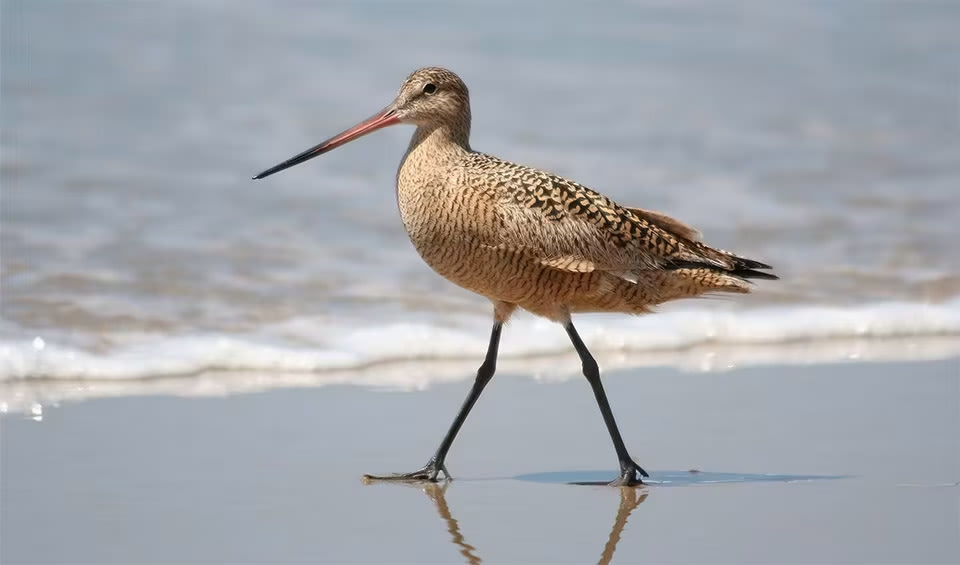
Black-tailed godwit
The most elegant of all godwit species

Common swift
These enthusiastic travelers can be seen almost worldwide in different seasons
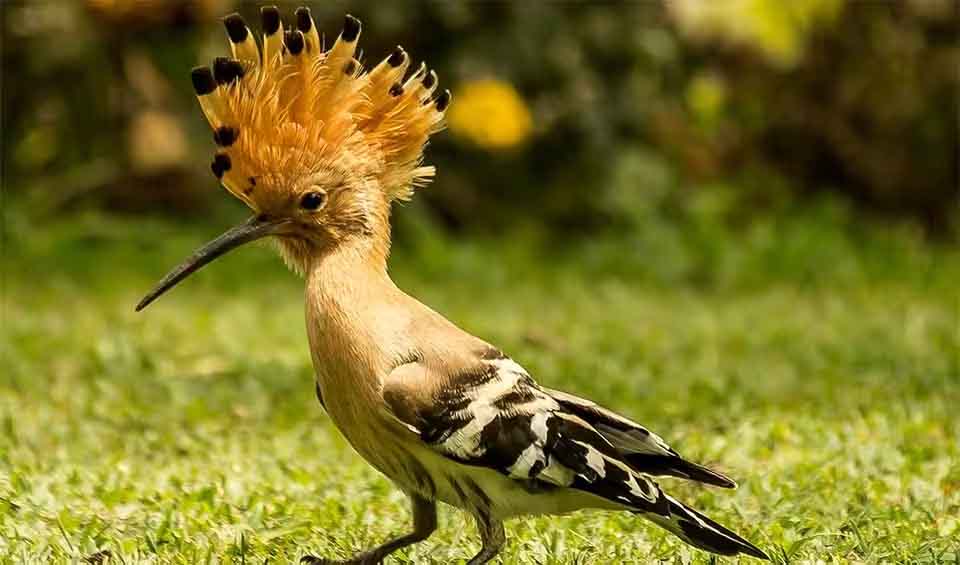
Eurasian hoopoe
Dependable wings and a muscular build. Nope, we aren’t talking about the next Redbull ad campaign

Bar-headed goose
These hardy birds are capable of flying at dizzying heights, where even helicopters can’t fly

Cotton pygmy goose
Smaller than most iPads, meet the tiniest duck in the world

Mallard
This invasive species is the ancestor to most of the modern ducks
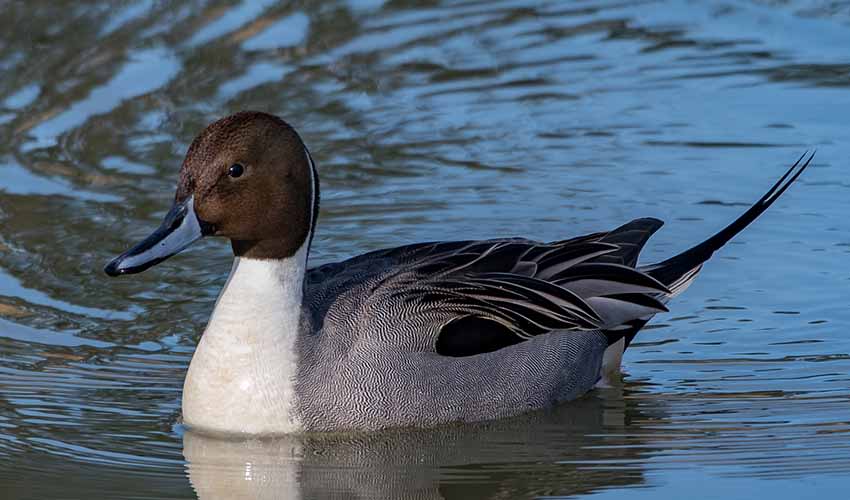
Northern pintail
Have been recorded at altitudes over 16,000 feet during migration—almost as high as small airplanes!

Egyptian vulture
A highly intelligent species that is the world’s only tool-using vulture with a long migratory range
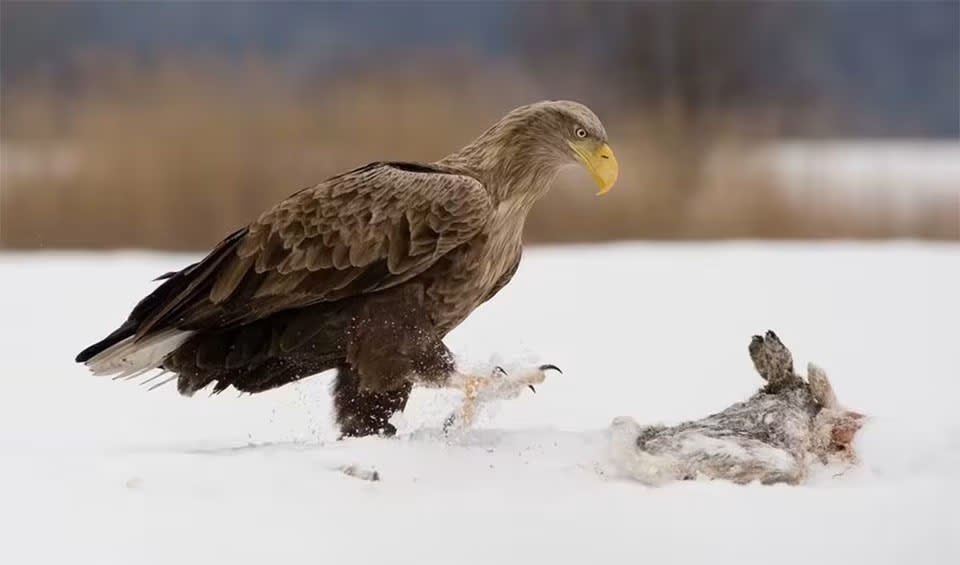
White-tailed eagle
Extinct and reintroduced – What’s the story behind these so-called ‘flying barn doors’?

Golden eagle
This majestic brown raptor is most widely distributed eagle species
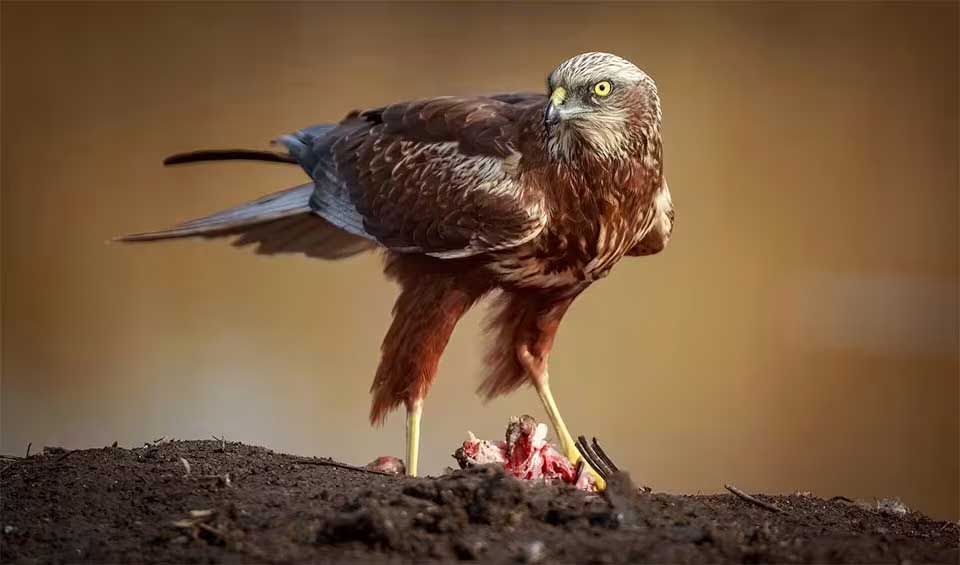
Western marsh harrier
The yellow-eyed devil

Eurasian sparrowhawk
Better call the ambulance before the Sparrowhawk comes to devour all those who are injured

Common buzzard
They eat just about everything — rabbits, rodents, birds, carrion, earthworms, insects… even beetles get a look-in
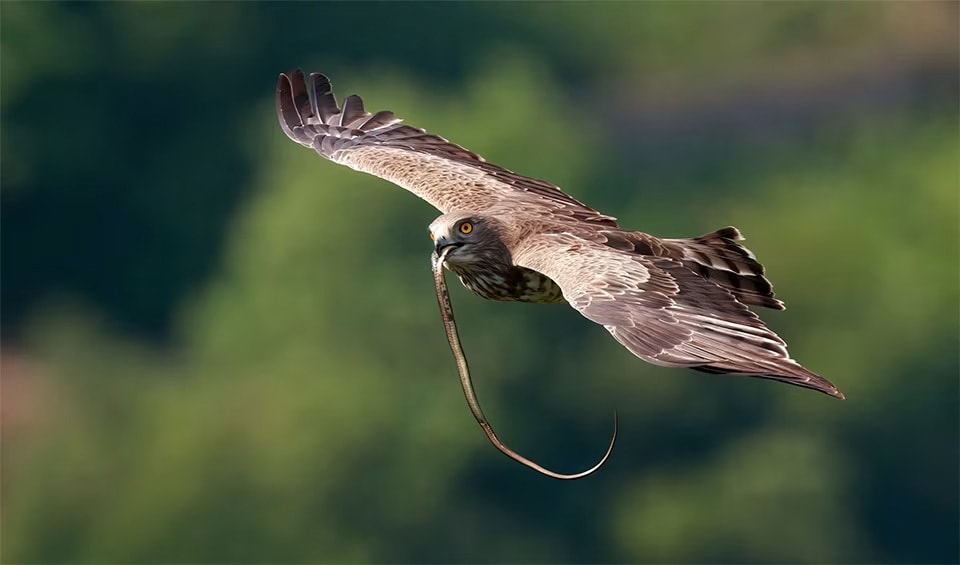
Short-toed snake eagle
A magnificent migratory bird with long, broad wings and a short tail that sings in the form of musical whistles

Bearded vulture
The only living creature that feeds on bone marrow from carcasses in high and inaccessible mountain areas

Cinereous vulture
Largest soaring vulture in the sky with extremely broad wings that assists an important role in nature as “clean-up” team

Osprey
One of only six land-birds with a cosmopolitan distribution habituating all continents except Antarctica

Himalayan vulture
Unlike most vultures with bald heads, it has a unique feature – a ruff of white feathers around its neck

Eurasian Griffon
Most social vultures with 12 distinct types of vocalization
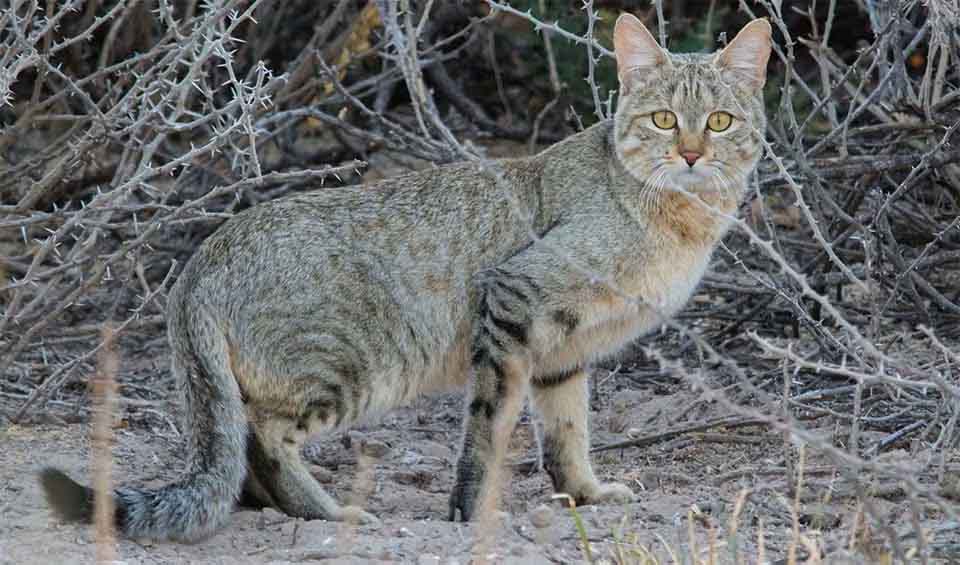
African wildcat
The direct ancestor of the domestic cat—no wonder why they look so alike!
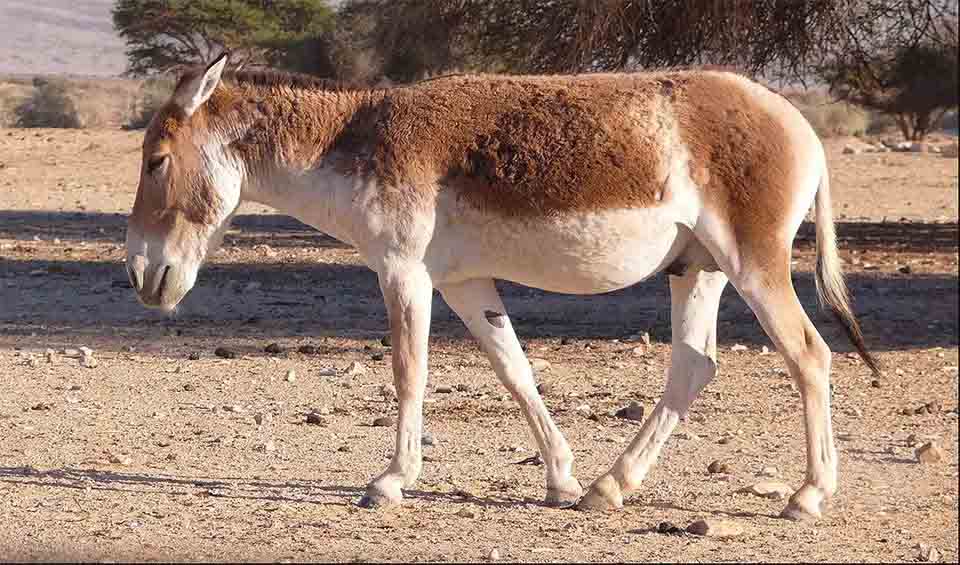
Onager
Two out of six subspecies were hunted to extinction: the European & Syrian wild ass

Lesser white-toothed shrew
Also known as the “musk shrew” due to the strong scent they secrete to mark their territories
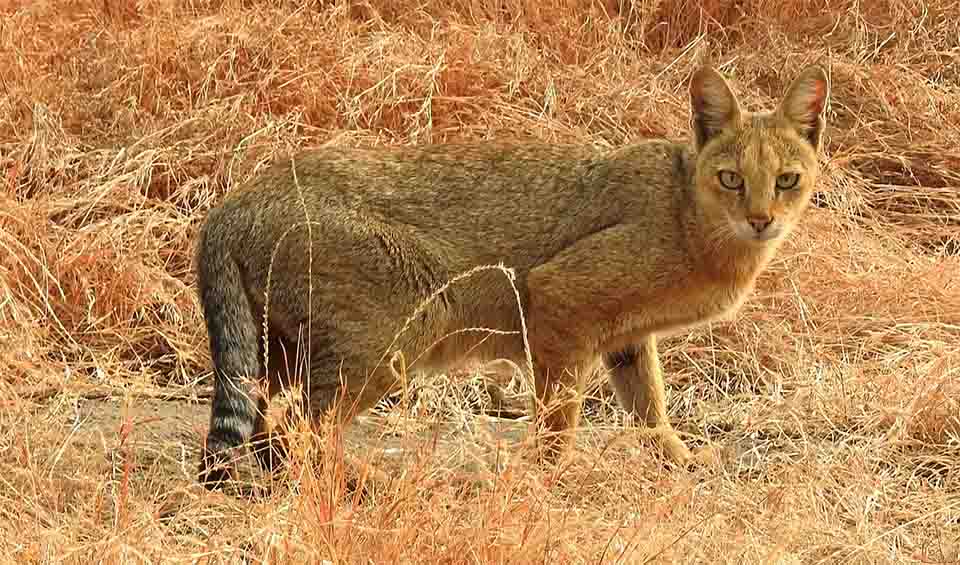
Jungle cat
One of the cats that were mummified and put into tombs in ancient Egypt as Egyptians worshipped a cat goddess

Striped hyena
The only hyena species outside of Africa that can go 15km (10 miles) for a meal

Pallas’s cat
‘Grumpiest cat on earth’ is well camouflaged, widespread, and adapted to cold climate

Marbled polecat
Delayed implantation enables them to time the birth for favorable conditions, such as when foods are abundant
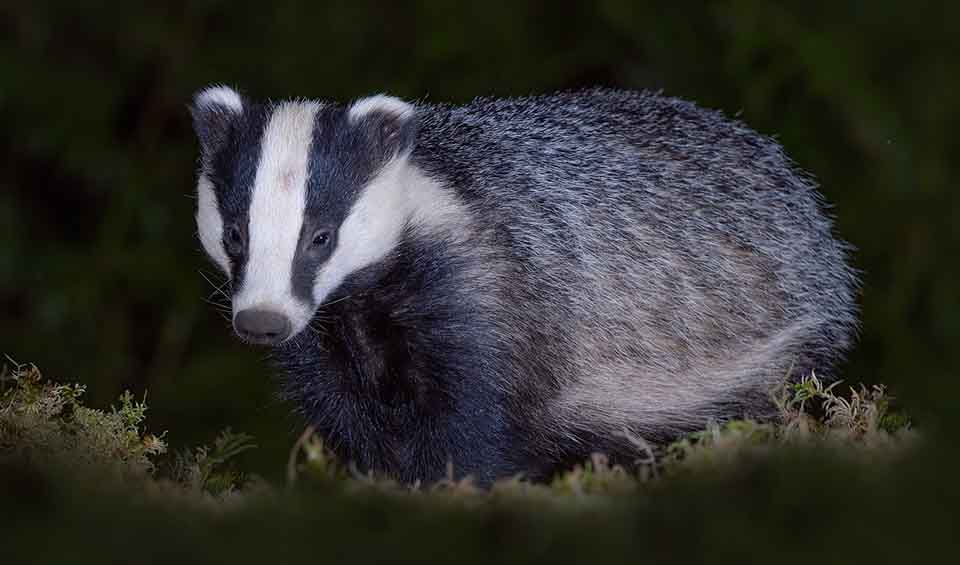
European badger
One of the only predators of hedgehogs, thanks to their thick skin and long claws to get past the vicious spines

Eurasian lynx
Once widespread throughout most of Europe, by now extinct in most of Western and Central Europe
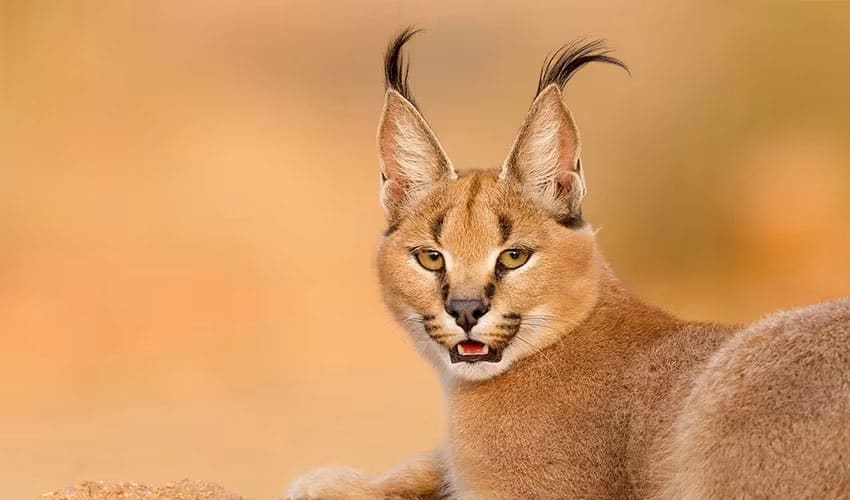
Caracal
“To put the cat among the pigeons” was phrased on caracals, as they were once trained for hunting game birds for Persian and Indian royalty

Dhole
Extinct in Europe and North America, probably due to landscape changes during the ice age, and currently can only be found in Asia
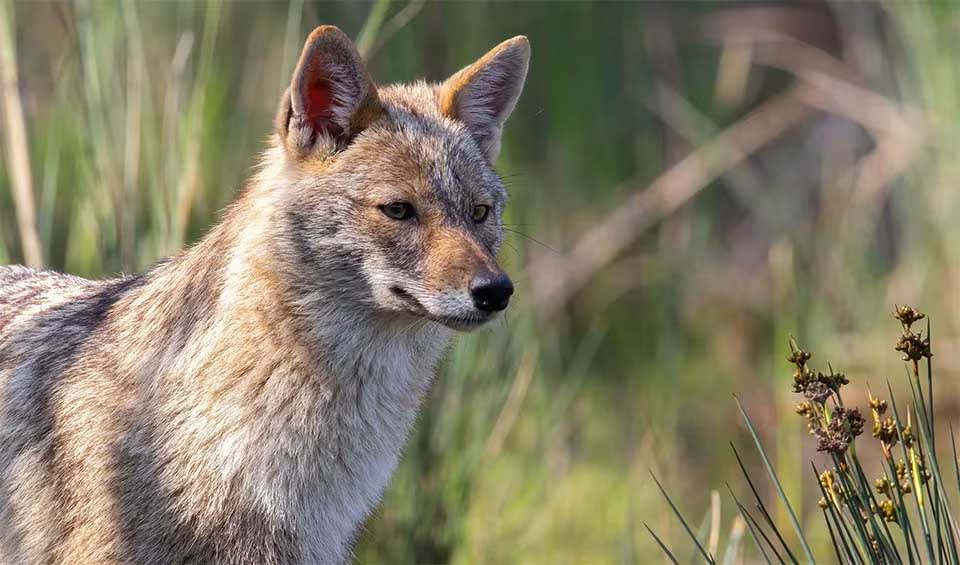
Golden jackal
Exceptional hunters, but they can feed solely on grass and survive in the absence of prey
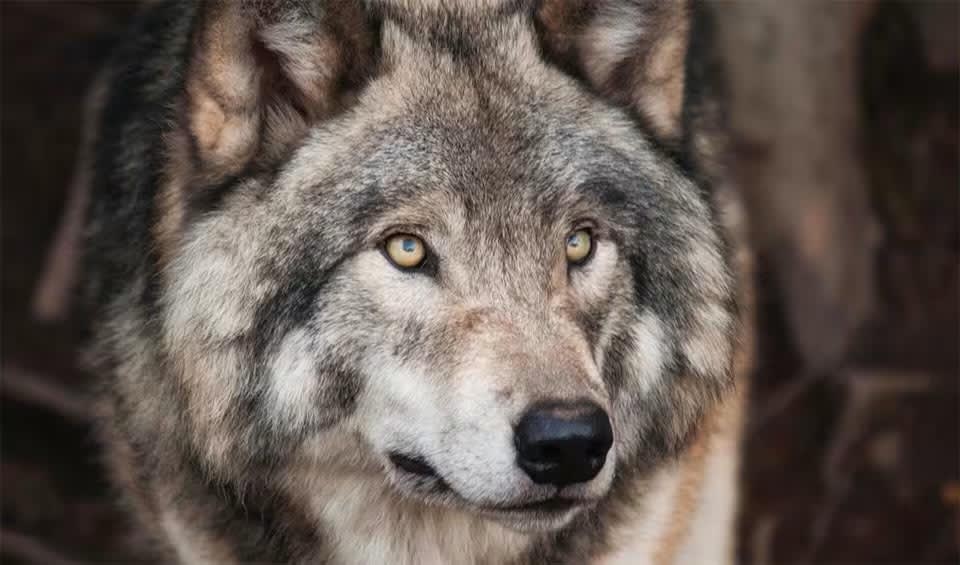
Wolf
The howl of each wolf is different

Wild boar
They have an elongated and elastic snout that can be used to dig out roots and bulbs

Indian flapshell turtle
They get their name from flaps of skin that cover their limbs as they retract into the shell

