Search for Vietnam
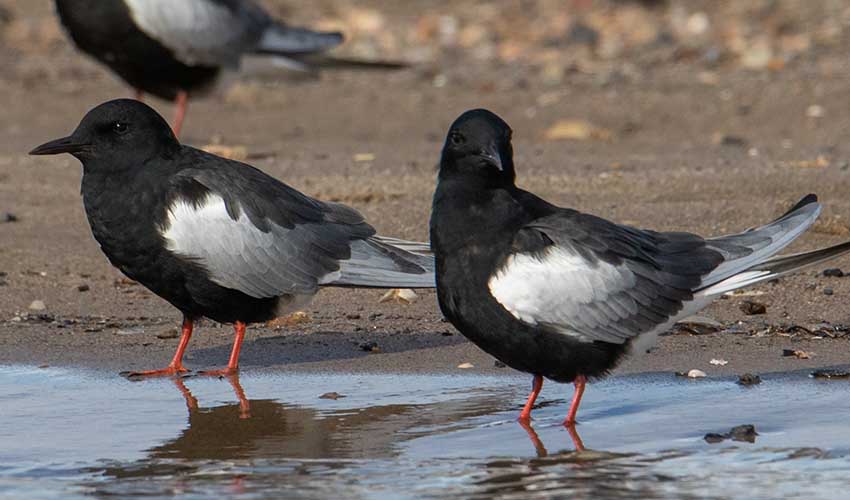


White-winged tern
A single flock can clear out thousands of mosquitoes and agricultural pests in a single afternoon
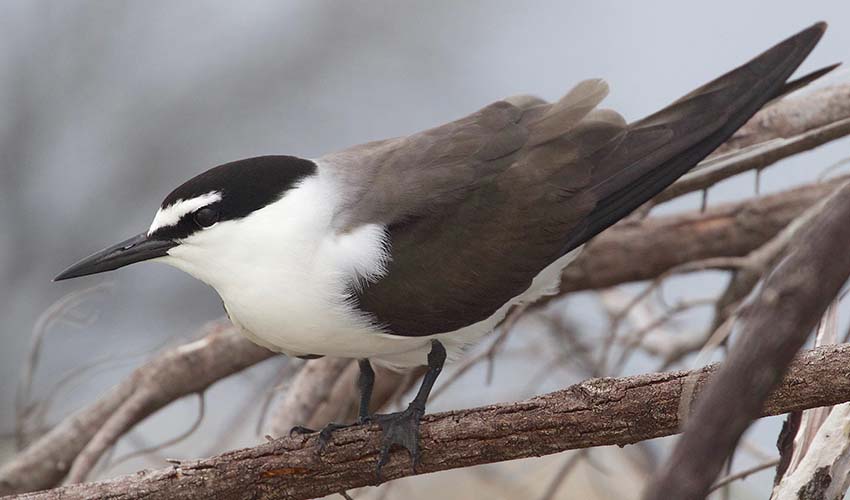
Bridled tern
Known to “ride out” massive tropical storms by flying into the calm eye of the hurricane
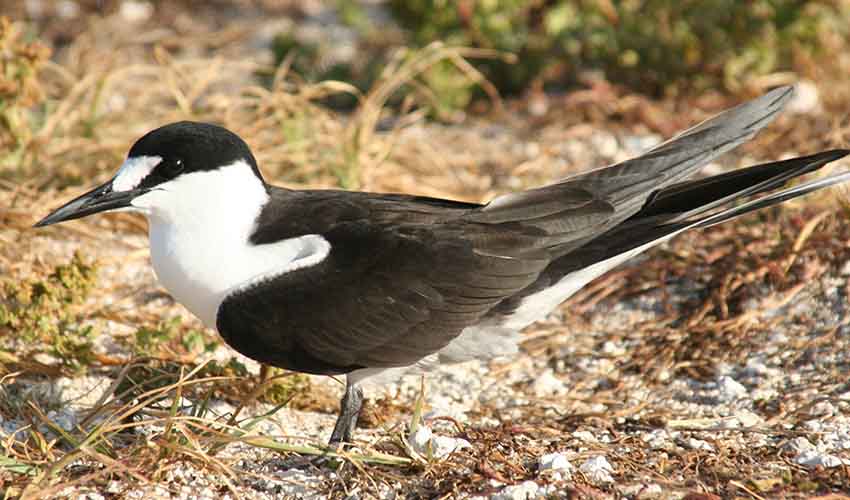
Sooty tern
Remains as one of the most resilient residents of the tropics
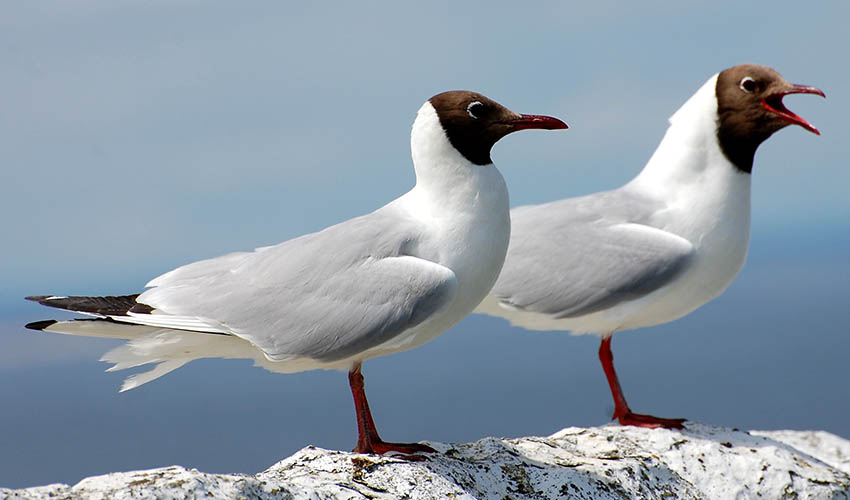
Black-headed gull
If you look closely at their dark hood, you’ll see two broken white crescents around the eye

Gadwall
One of the most dedicated vegetarians in the waterfowl world

Grey-crowned crocias
A small, lively bird with a look that feels both elegant and slightly dramatic. True to its name, it wears a soft grey crown that contrasts beautifully with its warm buff underparts and darker wings. A bold black mask cuts across its eyes, giving it a sharp, alert expression—as though it is always studying its […]

Nordmann’s greenshank
Usually looks shorter-legged because of its overall build and stance

Indian skimmer
Feeds by flying low with its mouth open, letting the lower bill slice the water’s surface and snap shut when it hits prey
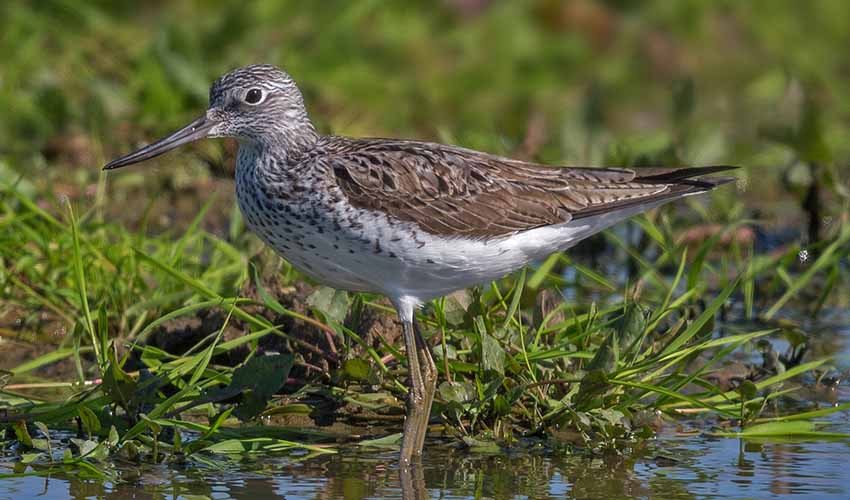
Common greenshank
When it’s time to migrate, they don’t just fly; they go into orbit
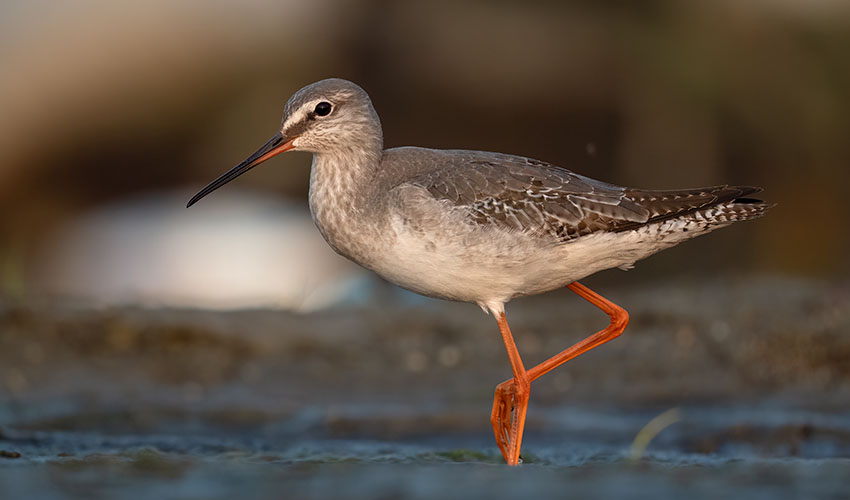
Spotted redshank
That vivid red color isn’t just for fashion; it’s a sign of health and vitality

Vietnamese crested argus
Its “eye spots” aren’t bright like a peacock’s; they’re designed to look elegant up close while still blending into leaf litter

Dwarf musk deer
It’s “deer-like,” but not a true deer in the usual sense

Chinese ferret-badger
Closer in size to a ferret than a true badger
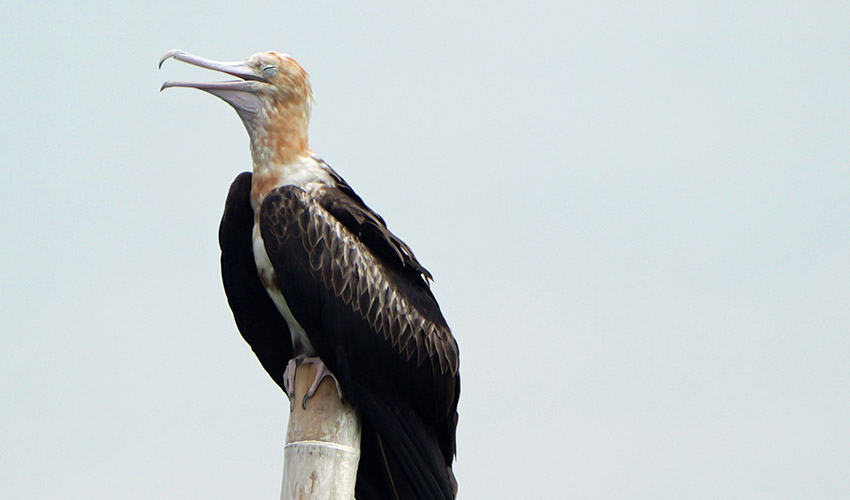
Christmas Island frigatebird
Cannot swim or land on water because their feathers are not waterproof
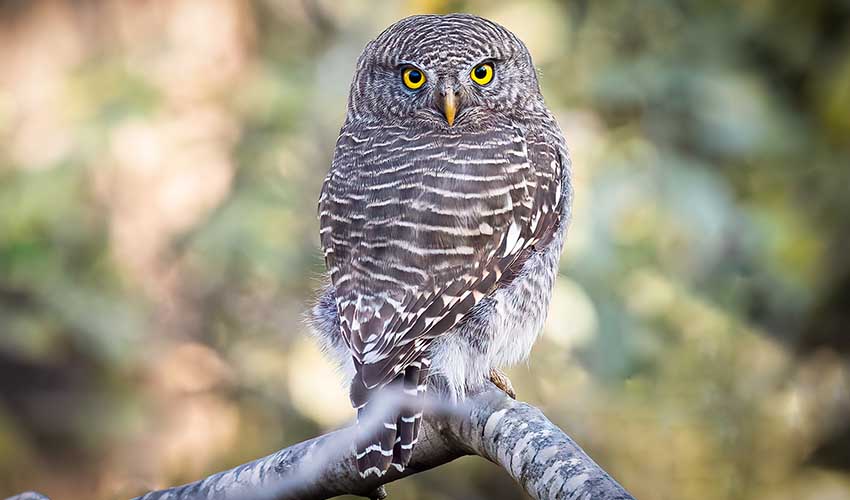
Asian barred owlet
Often watch people closely, sometimes following movement with slow head turns, as if studying what’s going on below them
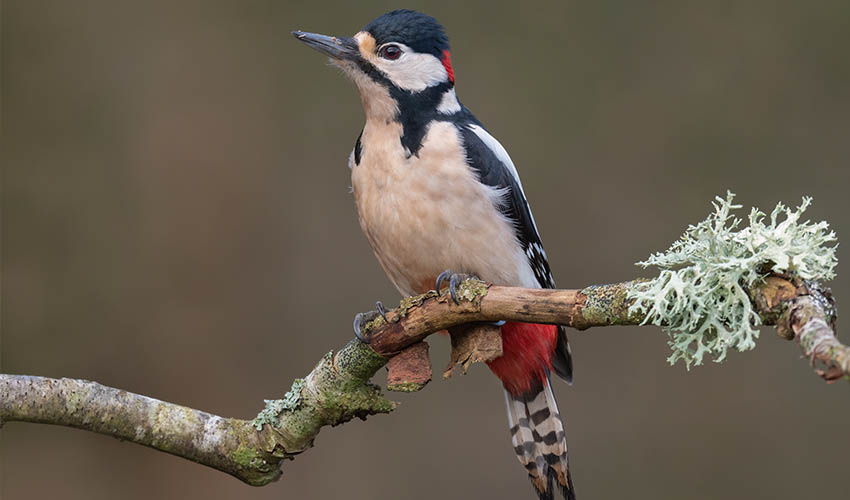
Great spotted woodpecker
One of the best-known woodpeckers across Europe and much of Asia

Japanese night-heron
Even in places where it lives, sightings can be rare because it stays hidden in dense, shady woods

Von Schrenck’s bittern
When alarmed, it often points its bill straight up and stays still so it looks like just another reed stalk
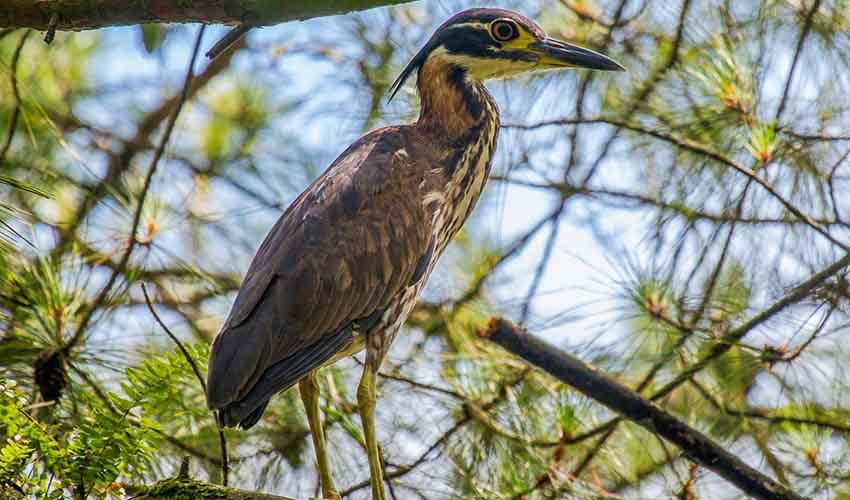
White-eared night-heron
People spend days in the right habitat and never spot one because it stays hidden and active in low light

Sarus crane
Tallest flying birds on Earth
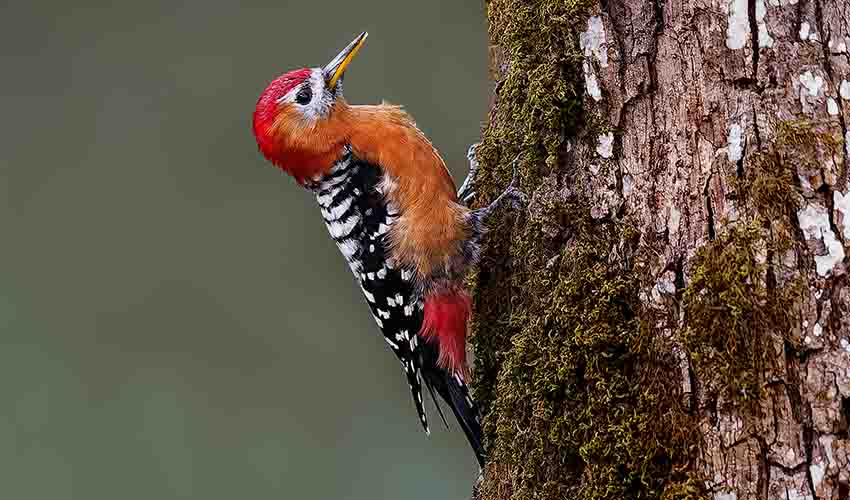
Rufous-bellied woodpecker
Can be both a sap drinker and an insect hunter

White-rumped falcon
One of the smallest falcons, yet it will boldly chase away much bigger birds if they get too close to its nest
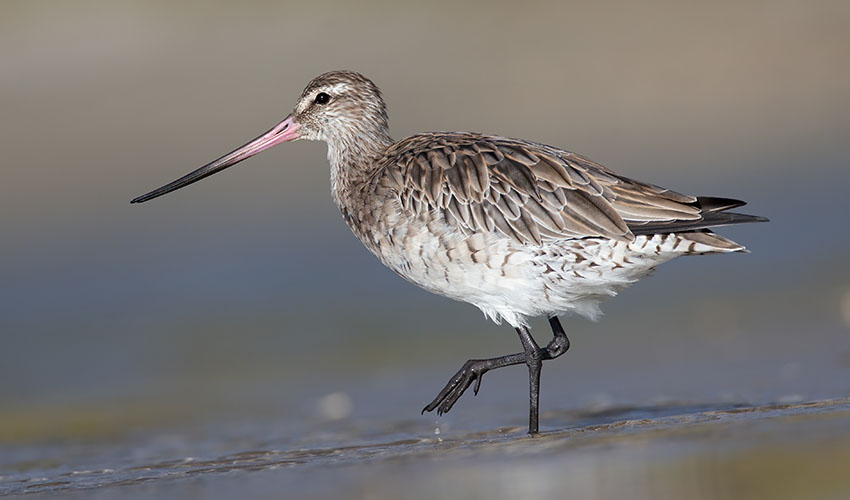
Bar-tailed godwit
Has one of the longest nonstop flights ever recorded for any bird

Far Eastern curlew
Biggest “sandpiper” on the planet
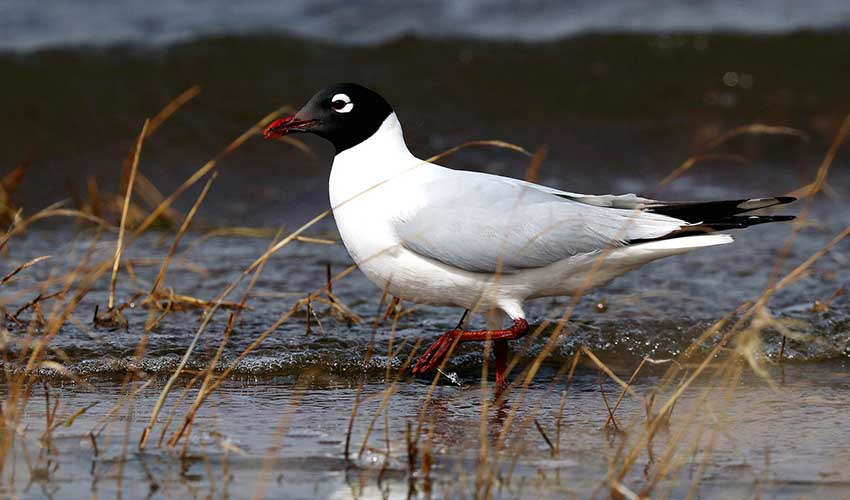
Relict gull
It was “just a Mediterranean gull” until the 1970s
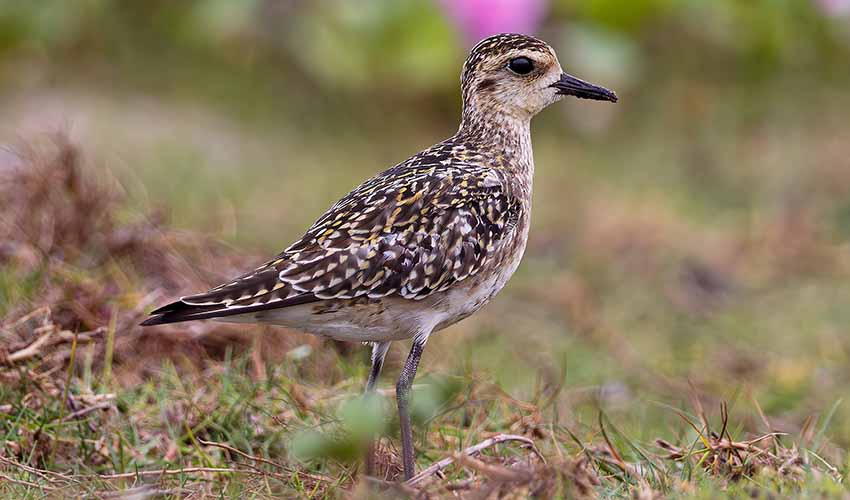
Pacific golden plover
Before their 3,000-mile flight, they become “hyperphagic,” eating until fat makes up nearly half of their body weight

Black-bellied tern
Once widespread, now very hard to find
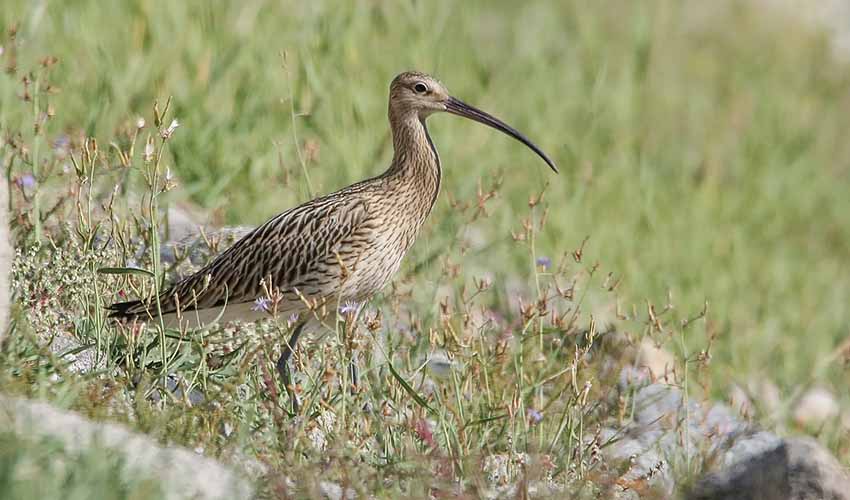
Eurasian curlew
Has the longest bill of any wading bird
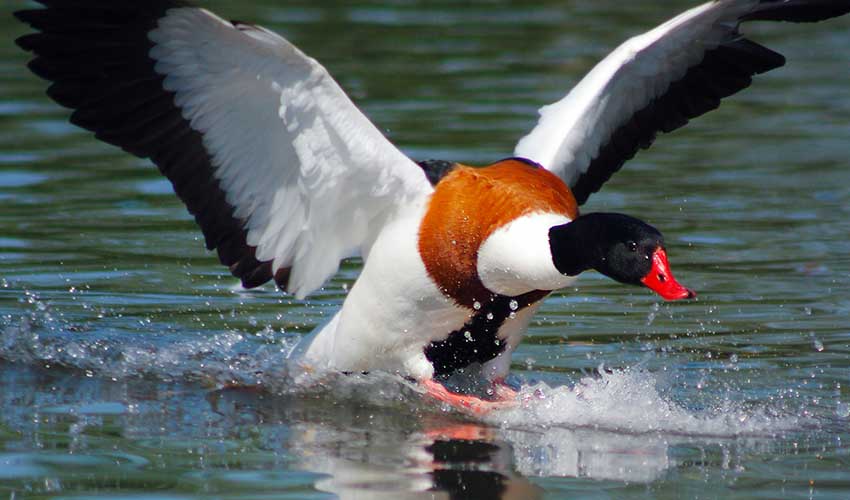
Common shelduck
It’s technically a duck, but it’s big, upright, and long-legged enough that it often looks like a small goose
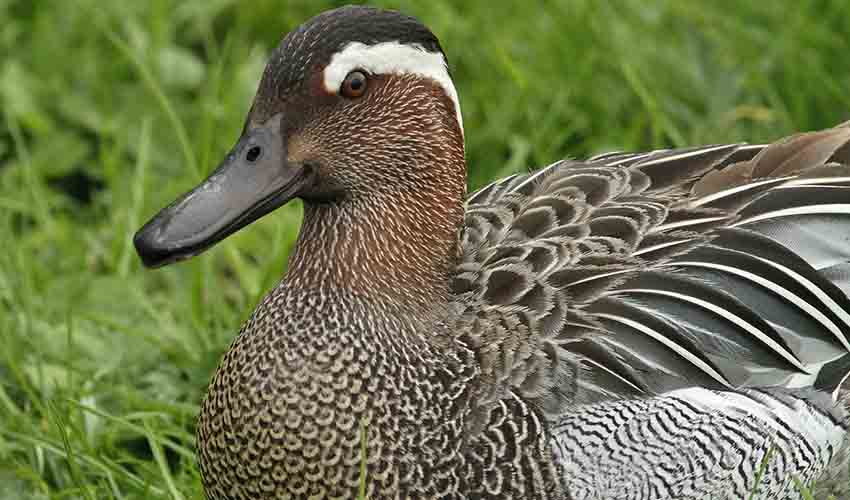
Garganey
Known to cross the vast Sahara Desert in a single go during their migration

Black baza
Has a “bug-like” smell—possibly from their insect-heavy diet

Rufous-necked hornbill
Major seed spreaders in Eastern Himalayan forests

Crab-eating mongoose
One of the few with webbing between its toes, helping it walk through water and grab slippery prey
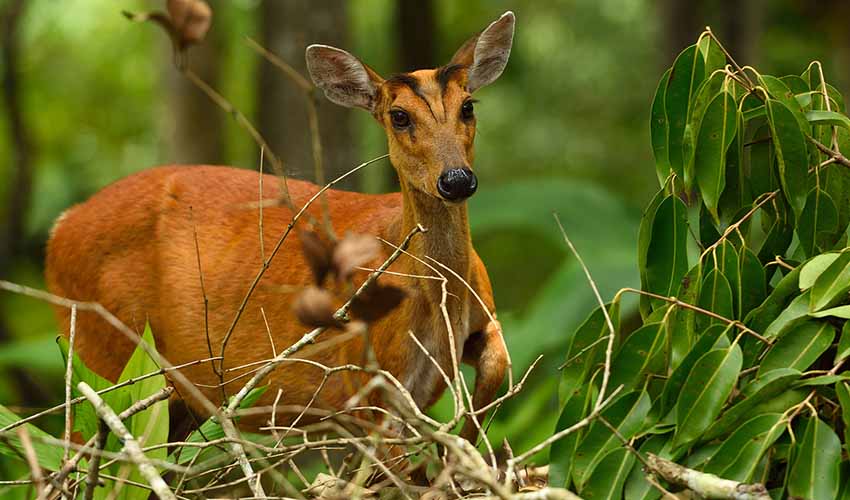
Northern red muntjac
Literally barks like a dog—hence the nickname “barking deer”

Indian hog deer
It runs like a pig — not a deer

Giant ibis
Has a distinctly ancient look and is often described as a bird that “looks like it walked out of the Pleistocene”

White-shouldered ibis
One of the few ibis species that prefers dry forests over wetlands, making its ecology quite unusual

White-winged duck
One of the largest living ducks, often heavier than many geese

Baer’s pochard
Its decline was so rapid and poorly tracked that conservationists only realized how critical the situation was in the early 2000s

Eurasian bittern
Its boom has been compared to blowing across the top of a giant bottle — a sound low enough to feel in your chest on still mornings

Greater spotted eagle
More active on overcast or slightly rainy days, when amphibians are abundant and easier to catch
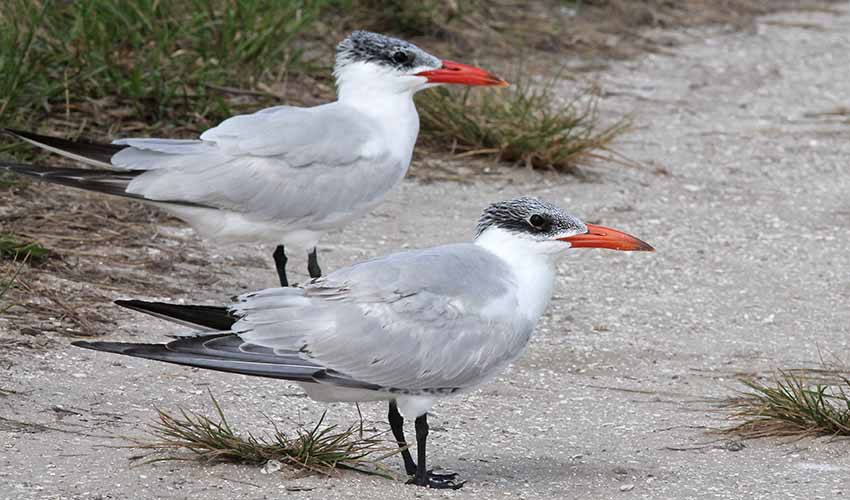
Caspian tern
A heavyweight champ — elegant, yes, but you don’t want to mess with that beak

Malayan pit viper
Can stay completely motionless for hours or even days, waiting for an unsuspecting rodent to wander by
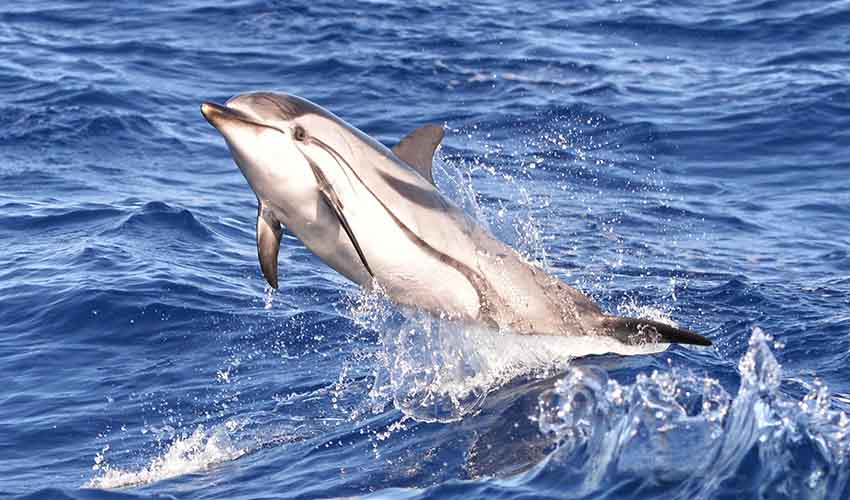
Striped dolphin
Among the most athletic dolphins, known for their spectacular leaps and spins that can reach several meters high
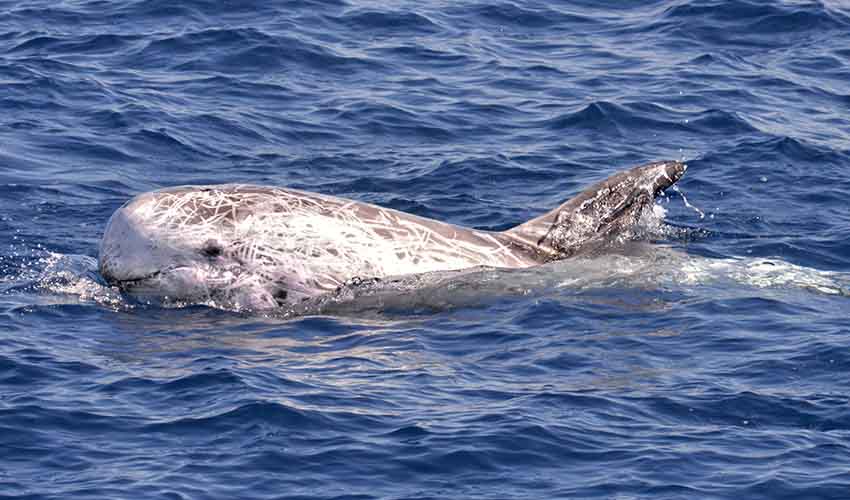
Risso’s dolphin
Sometimes called the “scars in the water” thanks to their many white markings

Burmese glass lizard
No need to double check, it is not a snake!
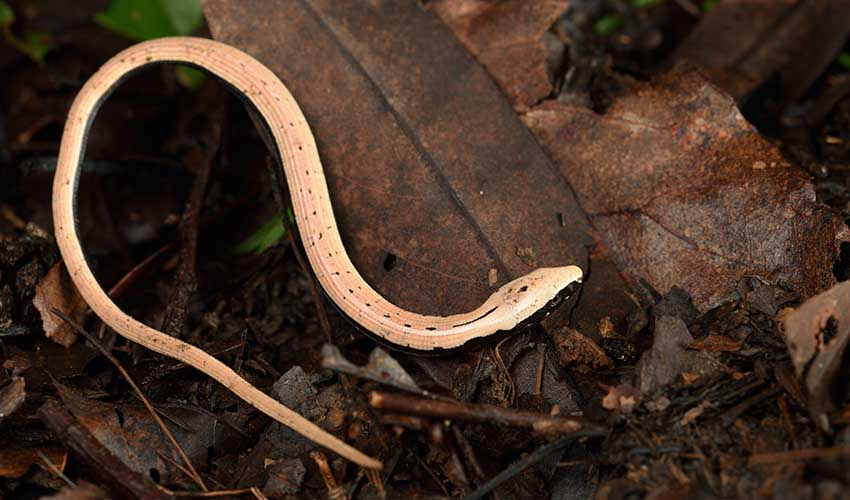
Hart’s glass lizard
It’s not a snake! Can blink and hear—two things snakes can’t do

Indo-Chinese forest lizard
How to express emotion? Turn brighter during excitement or darker when stressed

Wart snake
When you touch it (not that you should!), it feels like coarse sandpaper

Small-toothed palm civet
Can rotate its ankles backward—just like a raccoon—allowing it to climb down trees headfirst

Fea’s viper
Often described as one of the most beautiful vipers in existence

Chinese moccasin
Its fangs can rotate forward like switchblades, allowing deep, efficient strikes before folding neatly back into its mouth

Common mock viper
Called a “mock viper” because it mimics the look and behavior of true vipers

Banded krait
Believed to guard hidden treasures or sacred sites due to its rare and majestic appearance

Chinese green snake
Known for its calm and shy behavior, it’s one of the most docile snakes in Asia

Chinese cobra
Has one of the most complex venoms among Asian cobras
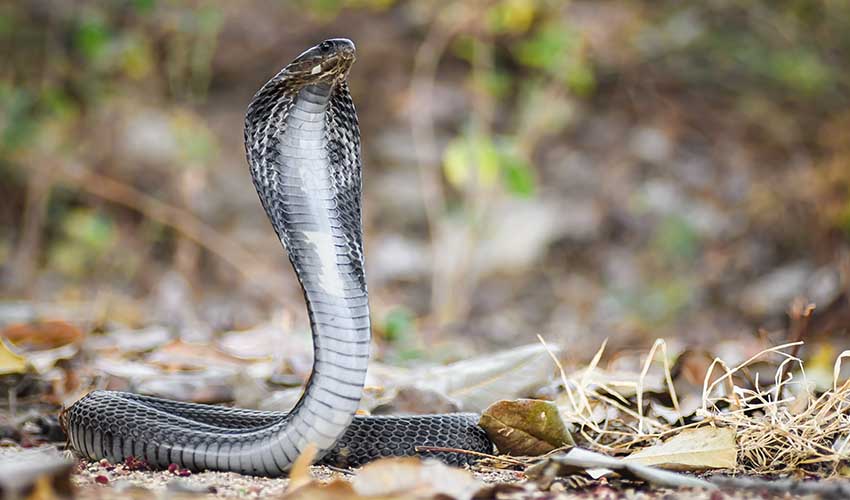
Siamese spitting cobra
Can accurately hit a target from up to ten feet away!

Diard’s blind snake
Often mistaken for an earthworm because of its size and shiny, cylindrical body

Black-breasted leaf turtle
One of the smallest turtles in Asia, with adults easily fitting in the palm of a hand

Lambert’s sea snake
Has salt-excreting glands, allowing it to live entirely in the ocean without ever needing to come ashore
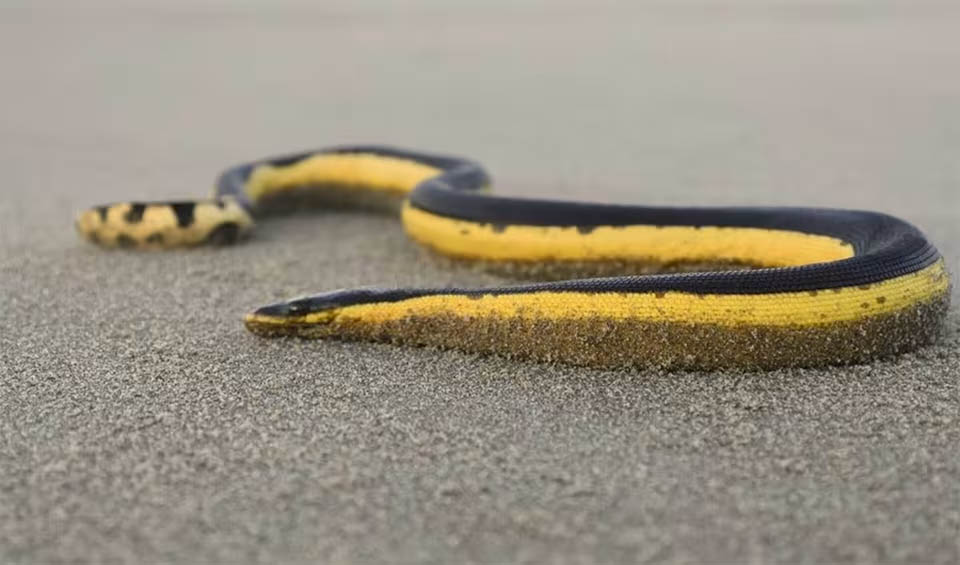
Yellow-bellied sea snake
The most widespread species of snakes on earth are found throughout the Indian and Pacific Oceans and from Africa to Central America
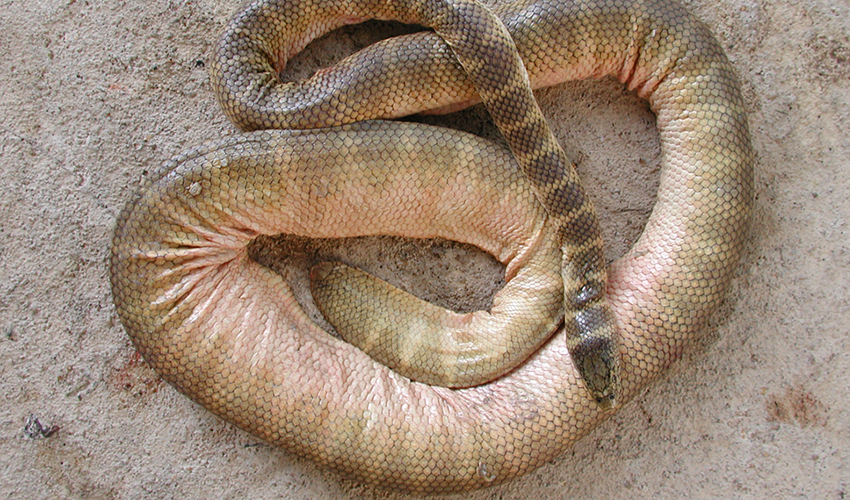
Faint-banded sea snake
Its venom is among the most toxic of any snake, but it’s so mild-mannered that bites to humans are extremely rare
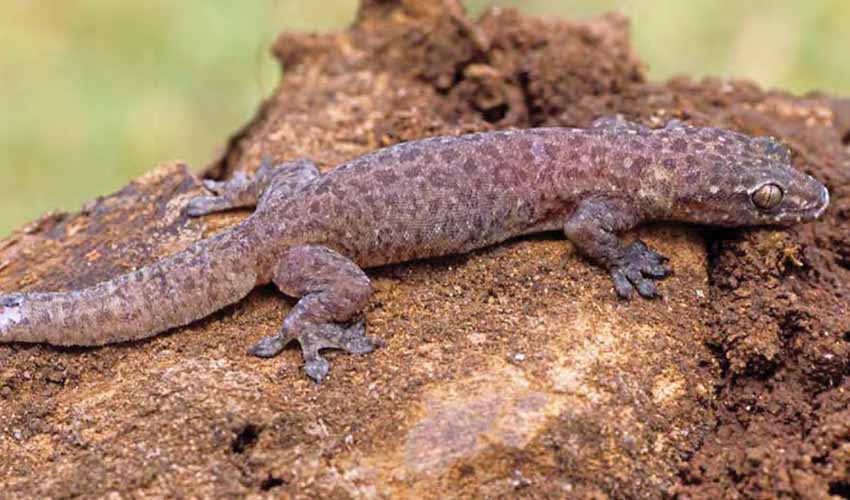
Stump-toed gecko
Its thin, translucent skin gives it a ghostly appearance under bright light

Asiatic brush-tailed porcupine
With quills that are lighter and more flexible than those of other porcupines

Masked palm civet
Can spray a strong secretion from its anal glands when threatened—somewhat analogous to a skunk, though not as potent

Elongated tortoise
Can tolerate humid heat extremely well, thanks to its habit of seeking shade and damp soil
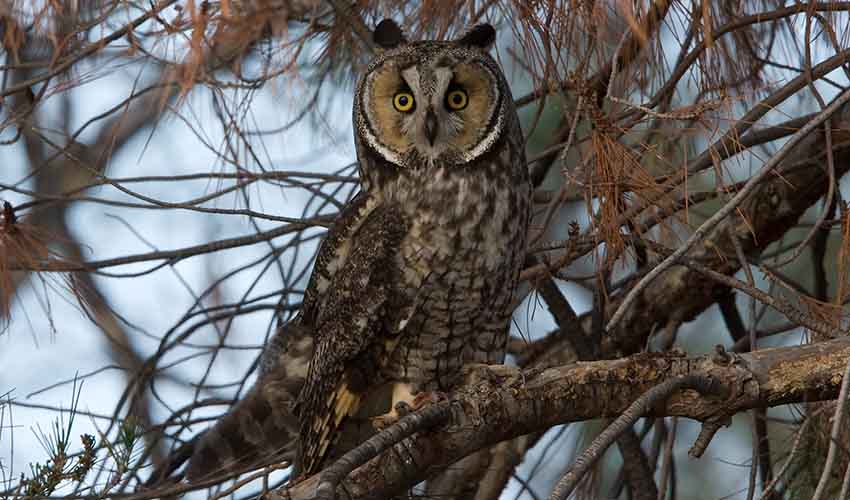
Long-eared owl
Its flight is nearly soundless, thanks to specially fringed wing feathers that disrupt air turbulence
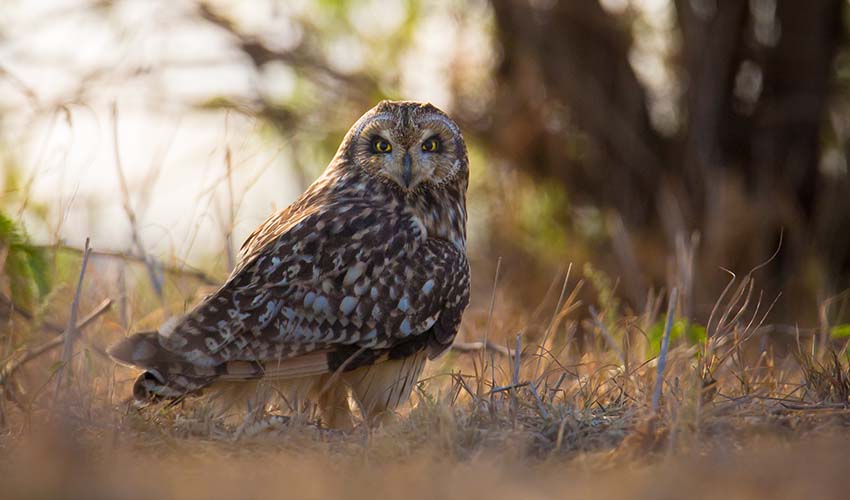
Short-eared owl
Defies the usual “creature of the night” stereotype by thriving in open landscapes and often hunting boldly in daylight
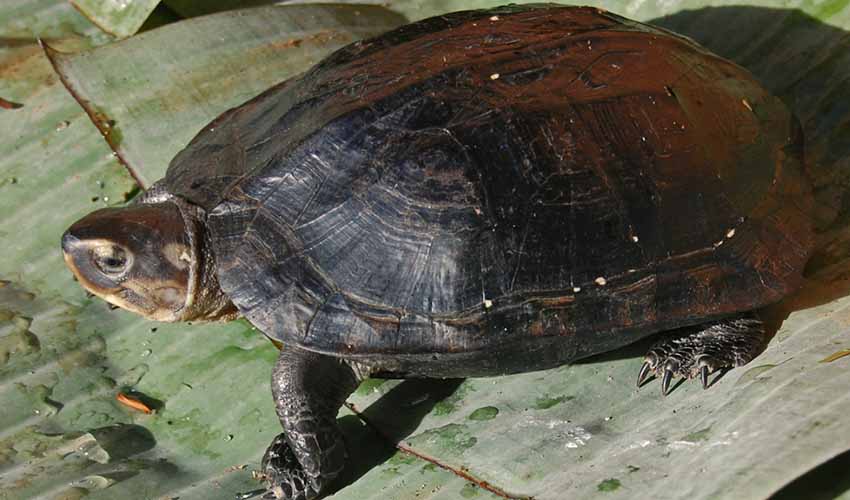
Black marsh turtle
Its “smiling” appearance isn’t just endearing—it’s a natural shape of its jawline and mouth corners that gives it a perpetual friendly look
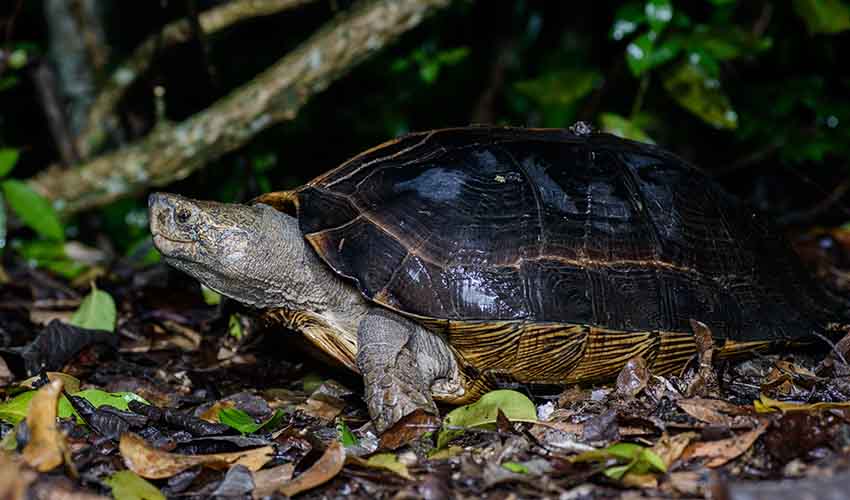
Giant Asian pond turtle
Known as the “temple turtle” because it is often kept in temple ponds

Wattle-necked softshell turtle
A leathery, flat-bodied turtle that looks part alien and part ancient relic
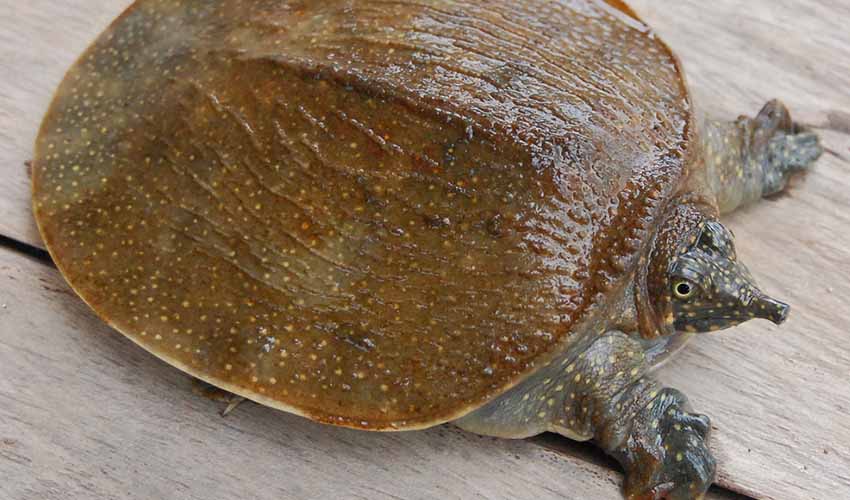
Asiatic softshell turtle
While they look soft and harmless, their strong jaws can deliver a surprisingly sharp bite
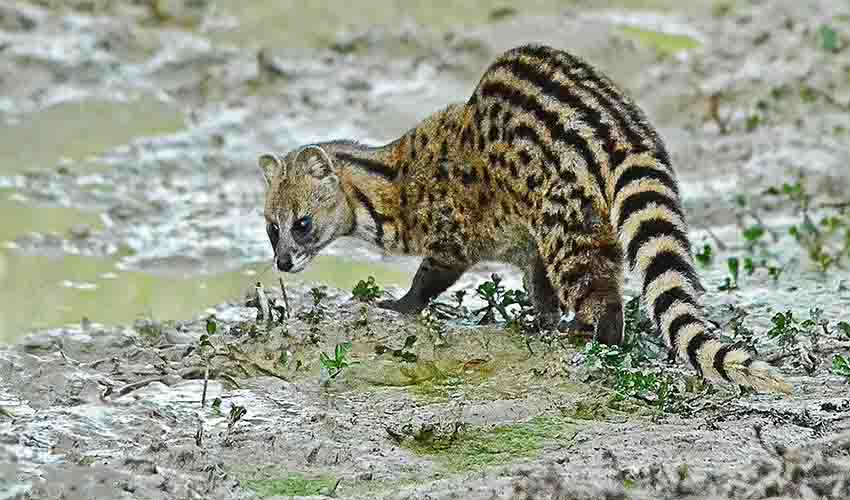
Small Indian civet
No two civets look exactly alike—like a fingerprint in fur
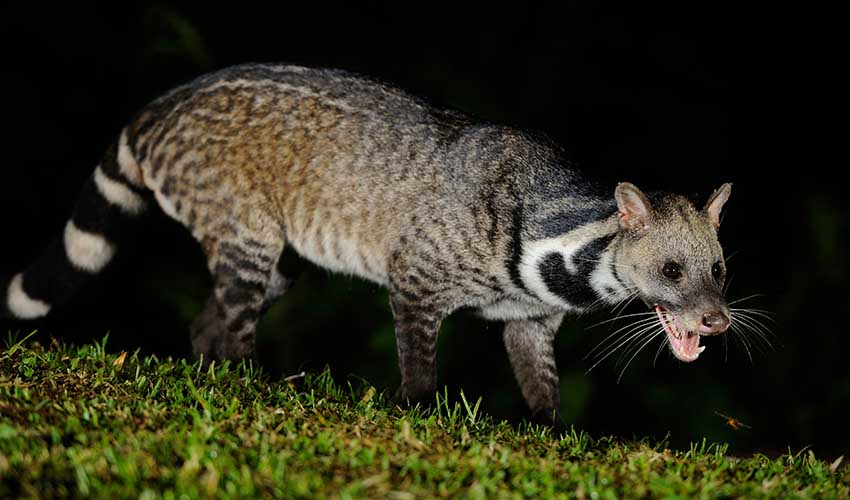
Large Indian civet
Both predator and scavenger, shy yet bold, wild yet living close to human world
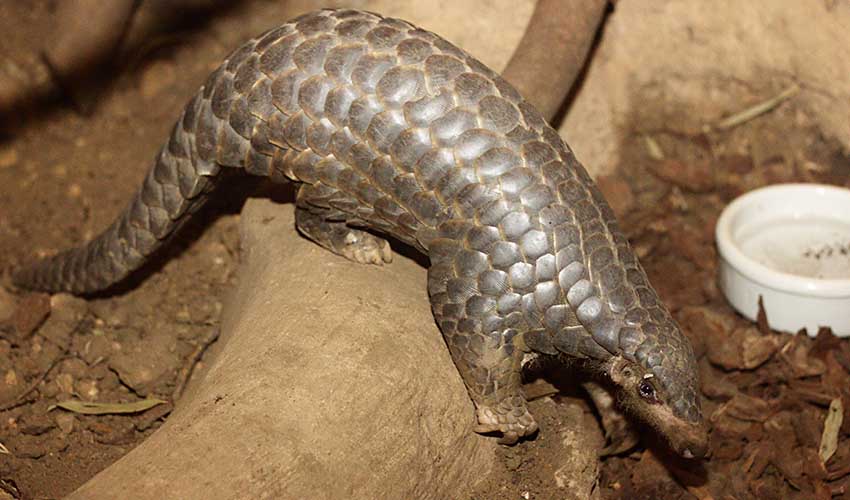
Chinese pangolin
Sometimes called a “scaly anteater,” though it is not related to anteaters at all
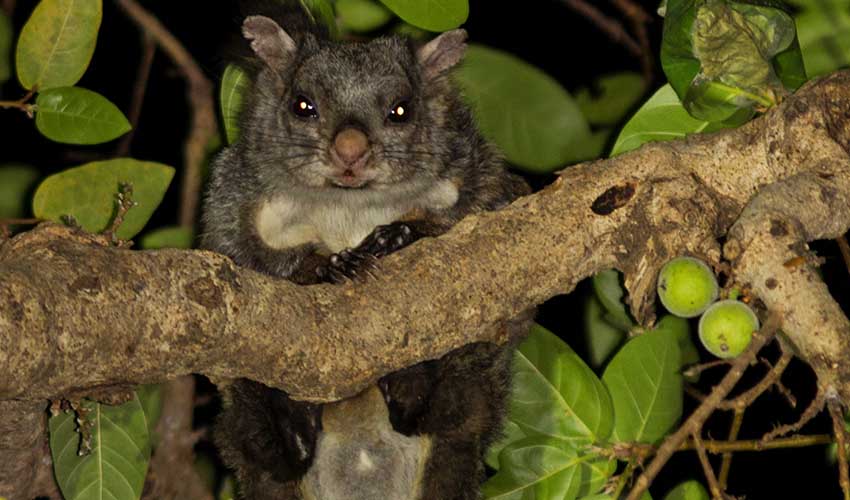
Indian giant flying squirrel
Can perform sharp turns and even upward swoops while gliding, almost like birds
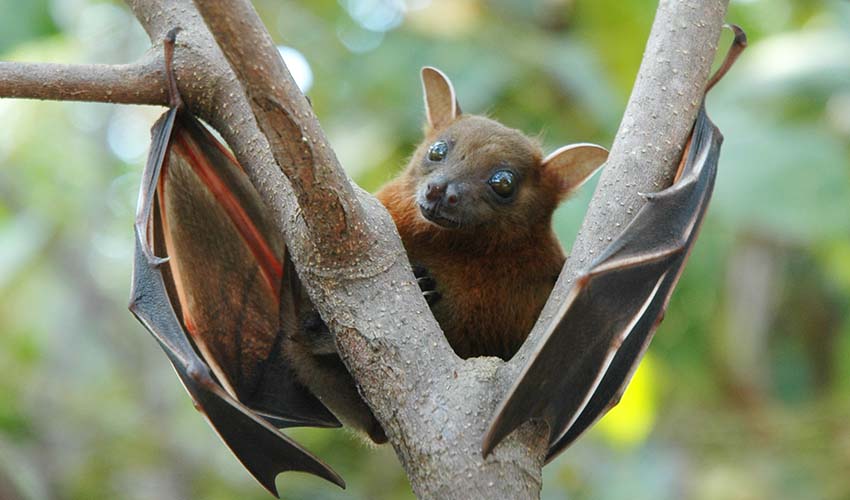
Lesser short-nosed fruit bat
Has a charming quirk—it’s a tent-making bat
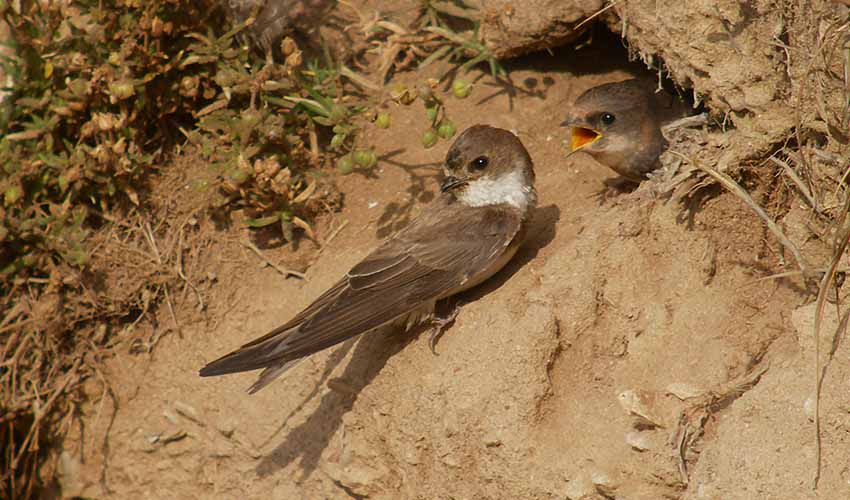
Sand martin
A bird that carries the rhythms of the seasons on its wings
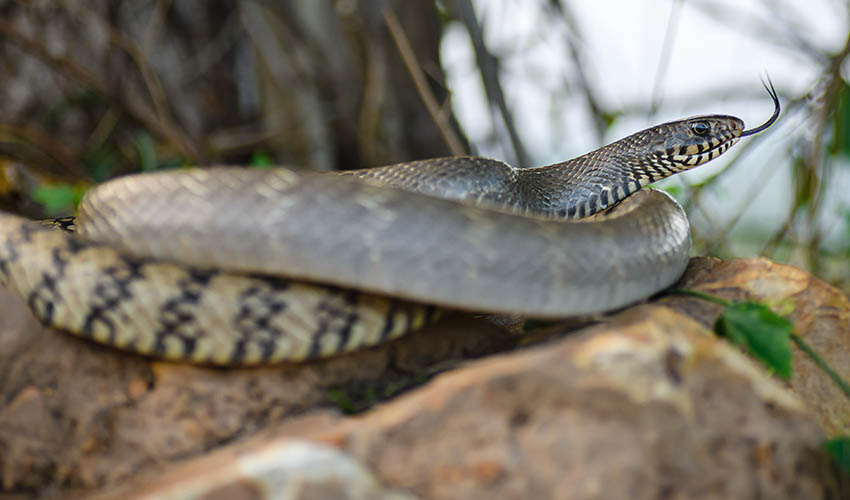
Oriental rat snake
A giant among Asia’s harmless snakes

Carrion crow
Observed using sticks as tools to extract insects from crevices—something once thought to be exclusive to primates
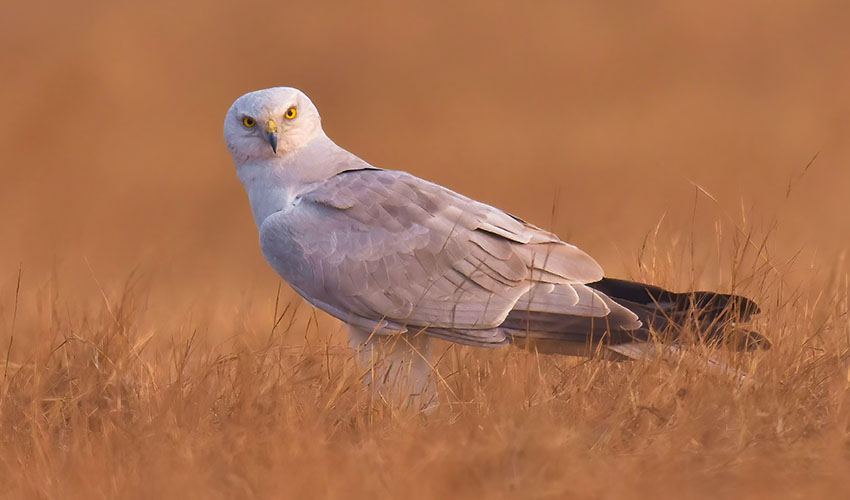
Pallid harrier
Local birdwatchers sometimes call it the “silver ghost of the grasslands”
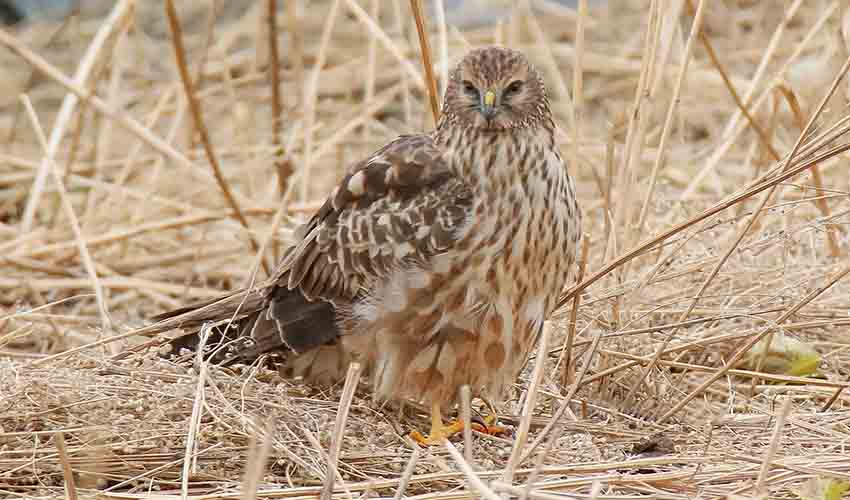
Hen harrier
Its name comes from its habit of preying on free-ranging domestic hens in medieval Europe—though such encounters are rare today

Pied harrier
Quietly appreciated by farmers because it helps control pest populations, especially rats and locusts, in agricultural areas
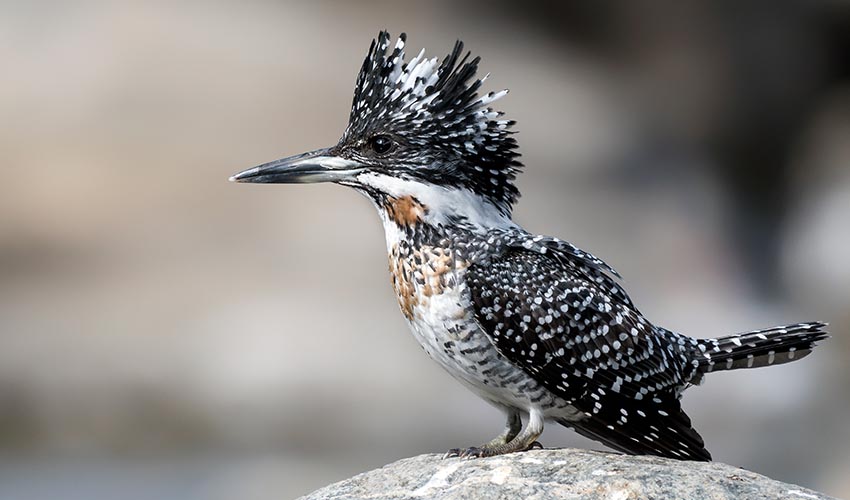
Crested kingfisher
Have been recorded catching fish nearly half their body length
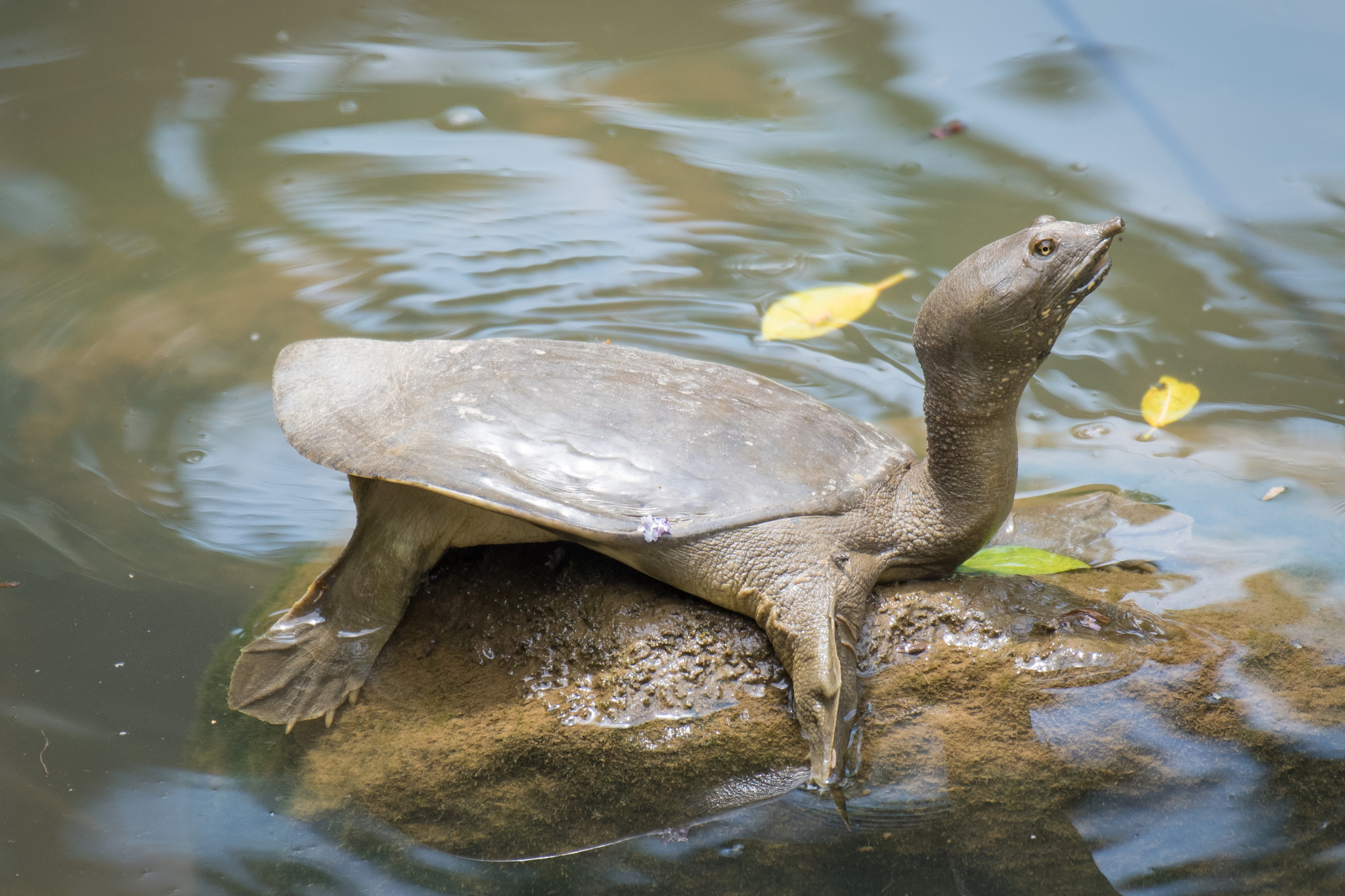
Chinese softshell turtle
Its flat body makes it a superb swimmer and a master at burying itself in mud or sand

Yellow pond turtle
Their shells can show a golden or amber sheen in sunlight, which likely contributed to their reputation as “golden turtles”

Brown-spotted pit viper
Sometimes called “Taiwanese rattlesnake” by locals—not because it rattles (it doesn’t), but because of its power and frequency of encounters

Red-banded snake
Mistakenly thought to be dangerous and confused with venomous species
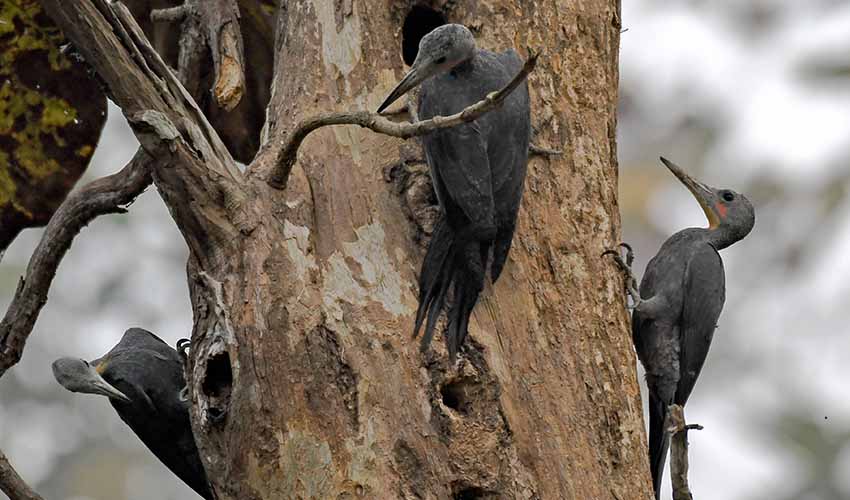
Great slaty woodpecker
Proudly holds the title of the largest woodpecker in Asia—and one of the largest in the world
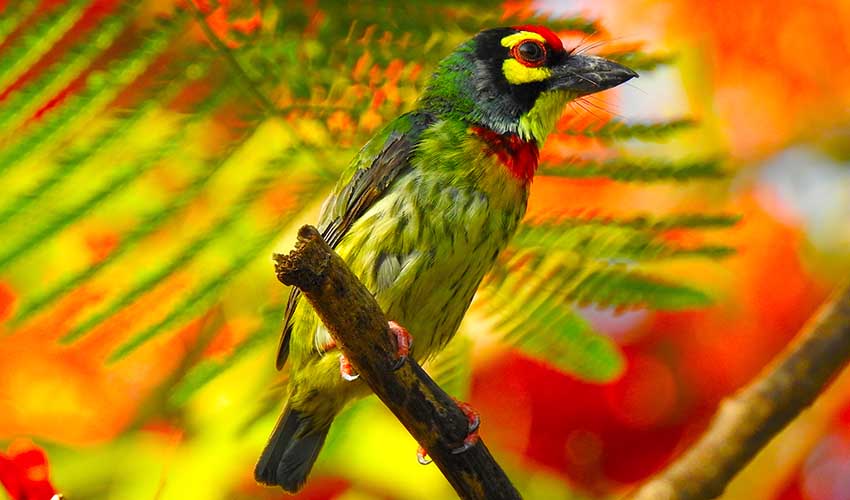
Coppersmith barbet
Its call is considered a sign of hot afternoons, since it often calls persistently during the warmest parts of the day
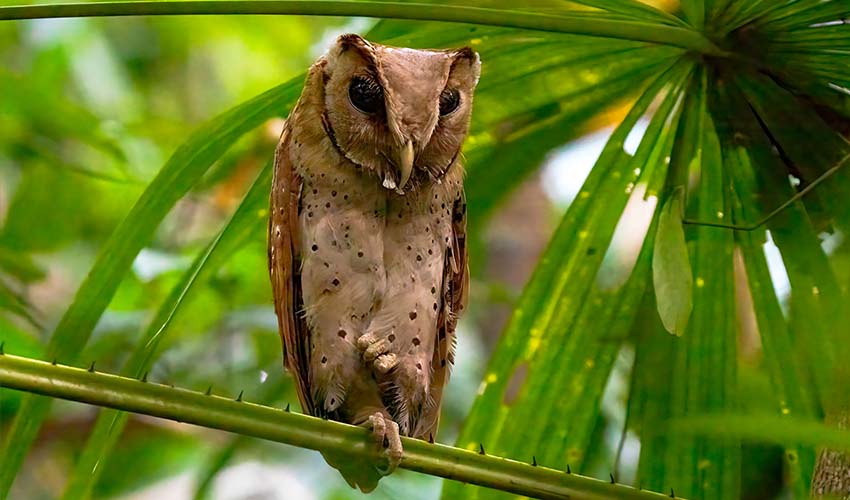
Oriental bay owl
Often seen in pairs, roosting together snugly in tree hollows
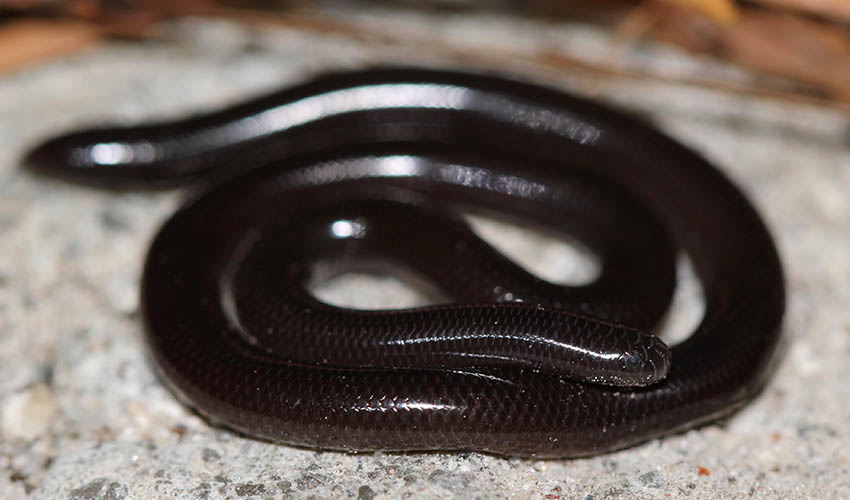
Brahminy blind snake
Often mistaken for an earthworm
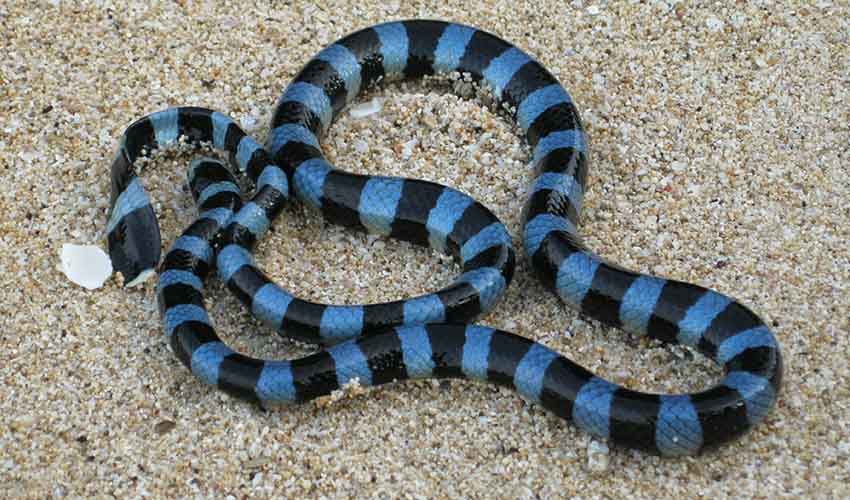
Blue-lipped sea krait
Its lungs are long and extend almost the entire length of its body

Square-headed cat snake
Its golden, catlike eyes are not just for show—they give it superb depth perception in the dark
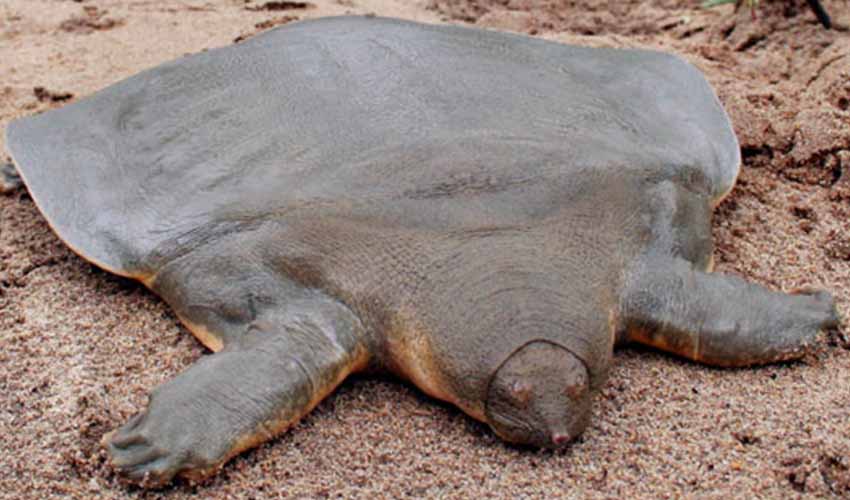
Asian giant softshell turtle
Sometimes mistaken for a rock or a log when it’s resting

Lesser mouse-deer
One of the smallest hoofed mammals on Earth
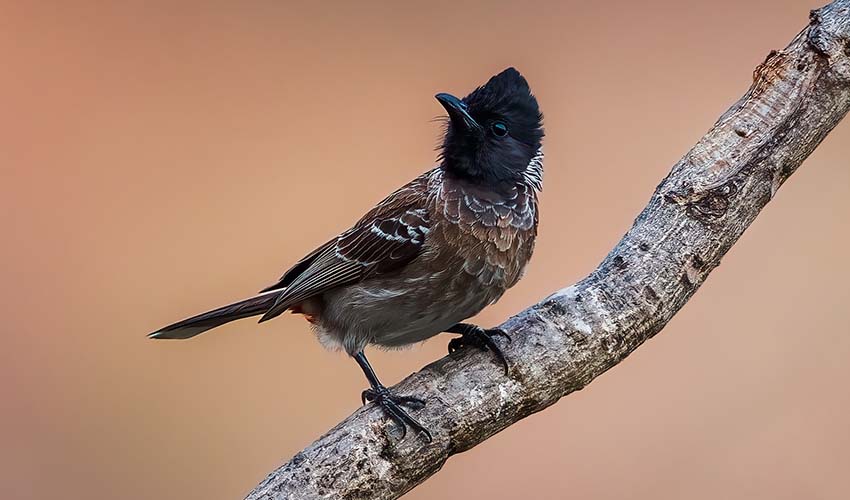
Red-vented bulbul
Cherished as common, friendly garden birds
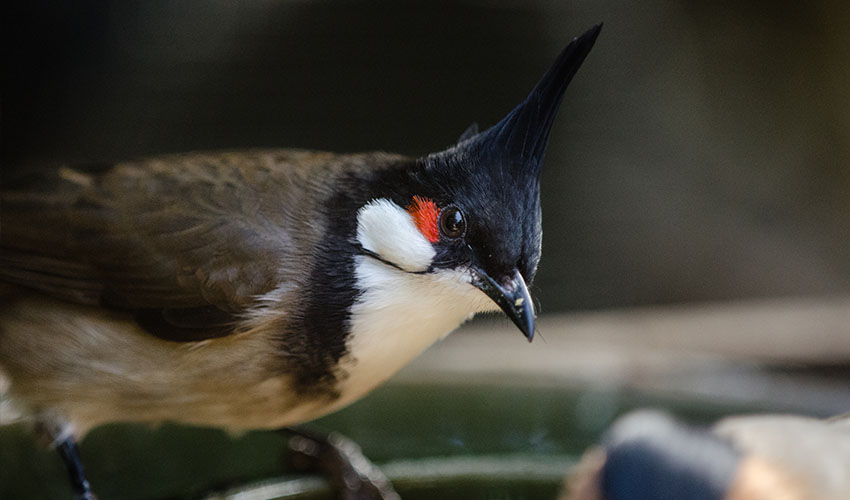
Red-whiskered bulbul
A bird that adds both music and style to any landscape it inhabits
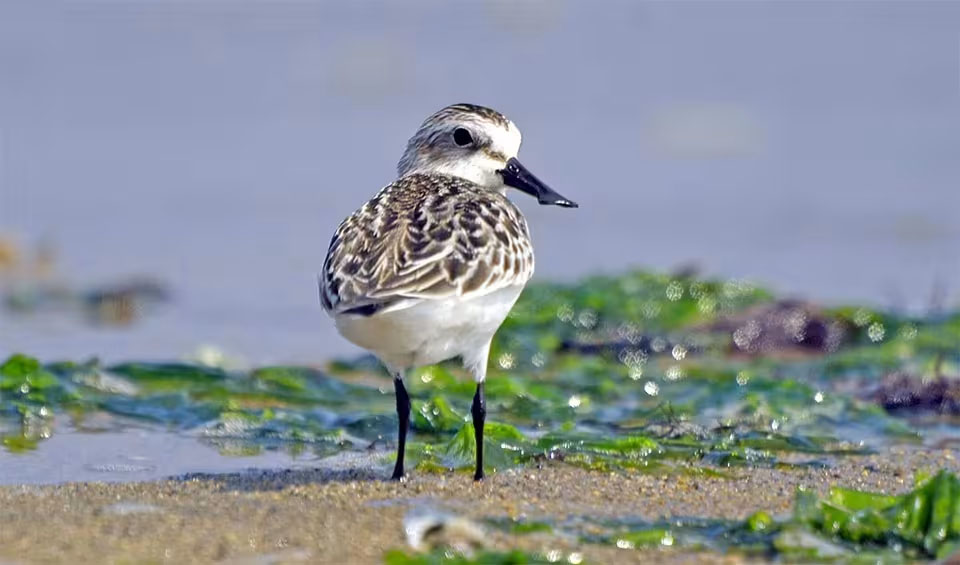
Spoon-billed sandpiper
One of the rarest birds in the world with feathers that change color depending on the season
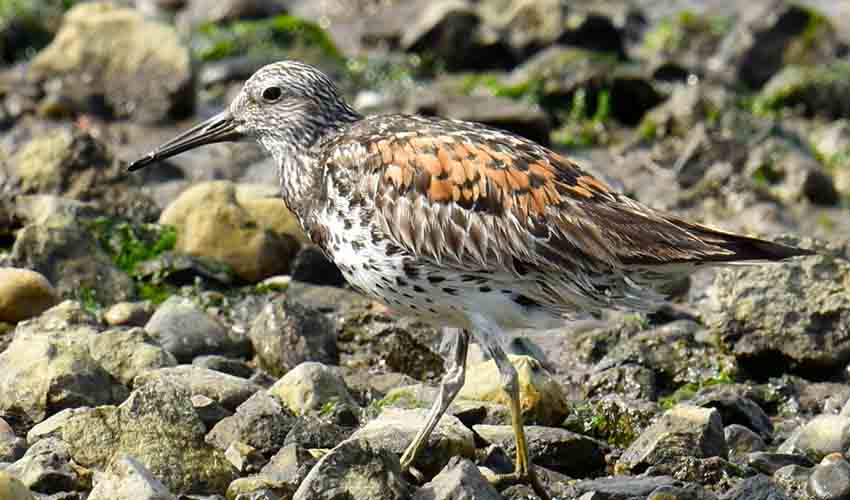
Great knot
Famous for very long migrations between Arctic breeding grounds and coastal wintering areas
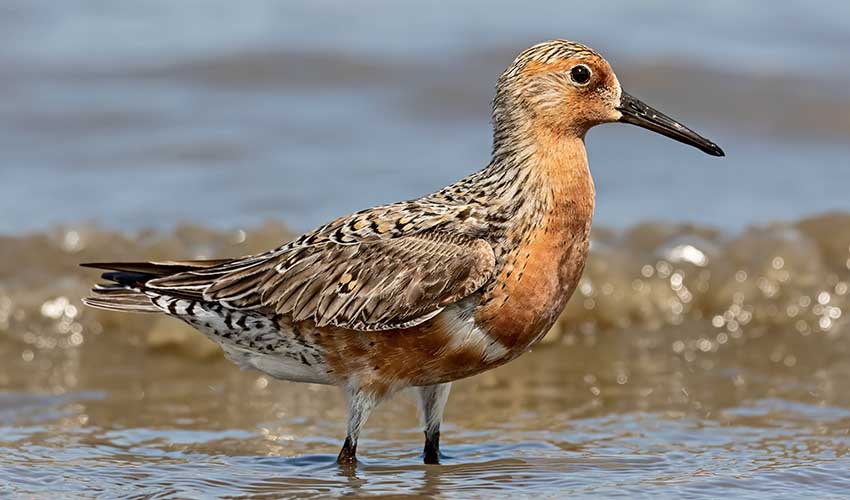
Red knot
In winter, they’re plain grey and white, but in the Arctic summer, they turn into a glowing rusty red
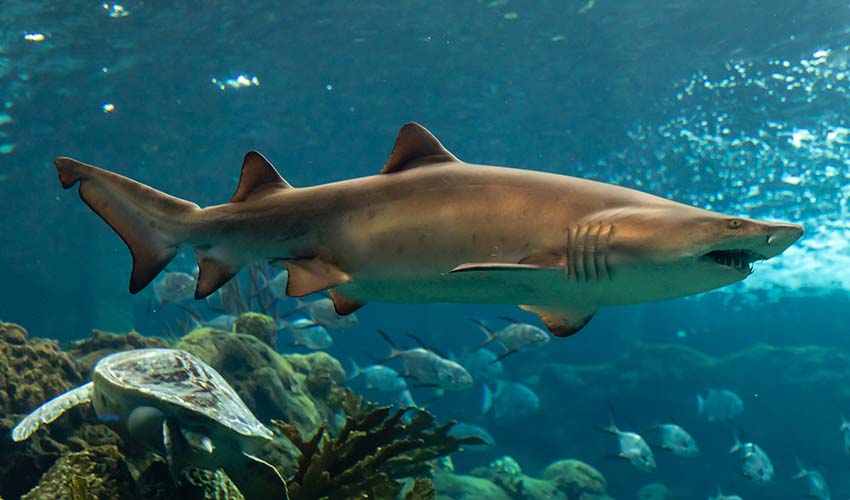
Sand tiger shark
May look like villains, but in truth, they’re peaceful giants of the sea
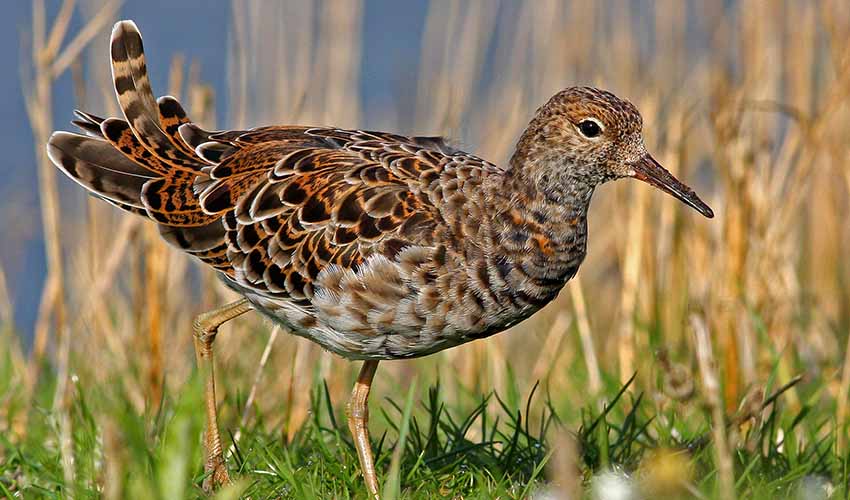
Ruff
Looks ordinary—but transforms into one of the most extravagant birds during breeding season

Impressed tortoise
One of the few tortoises that regularly eats mushrooms and fungi, including species toxic to humans!
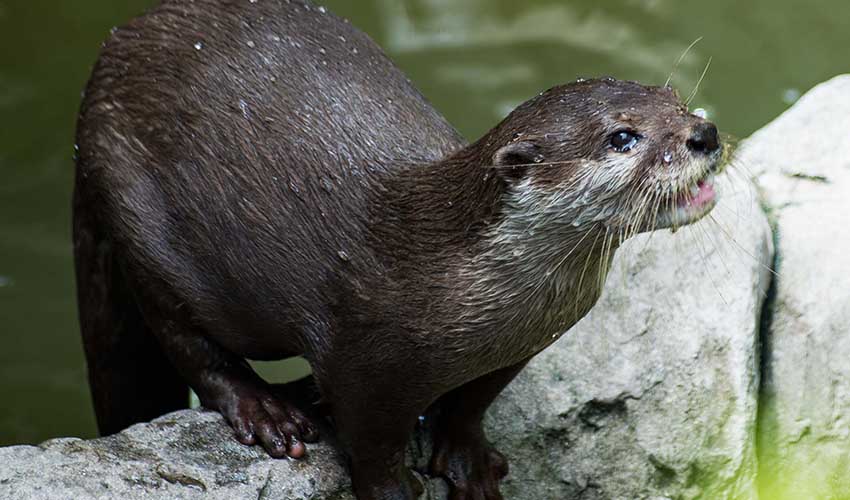
Hairy-nosed otter
One of the rarest and least-known otters in the world
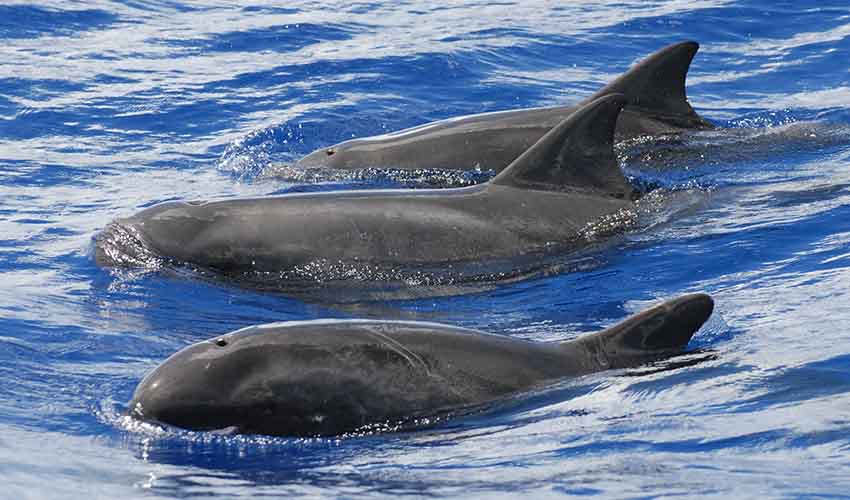
Pygmy killer whale
One of the lesser-known members of the dolphin family, despite its dramatic name
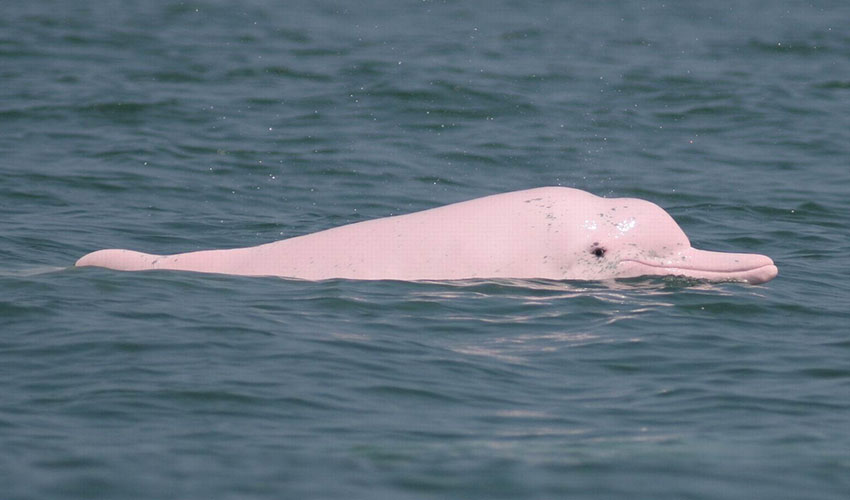
Indo-Pacific humpback dolphin
May appear grayer when calm and brighter pink when active or overheated
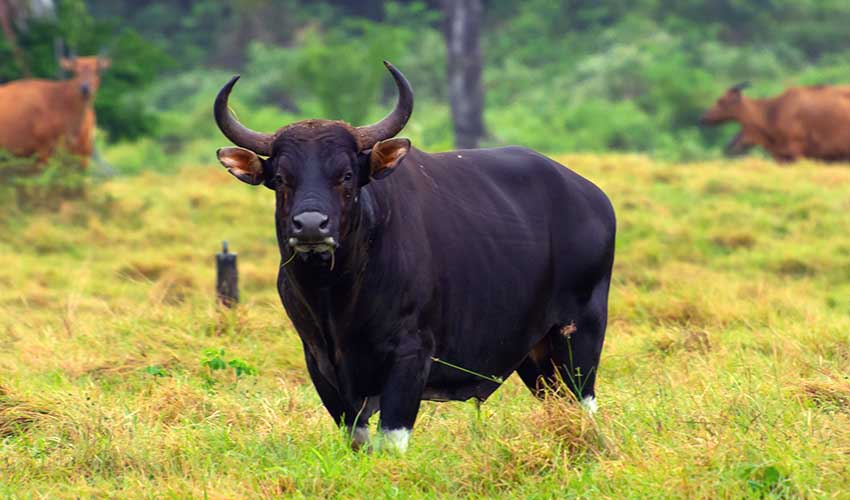
Banteng
One of the most beautiful of the wild cattle species
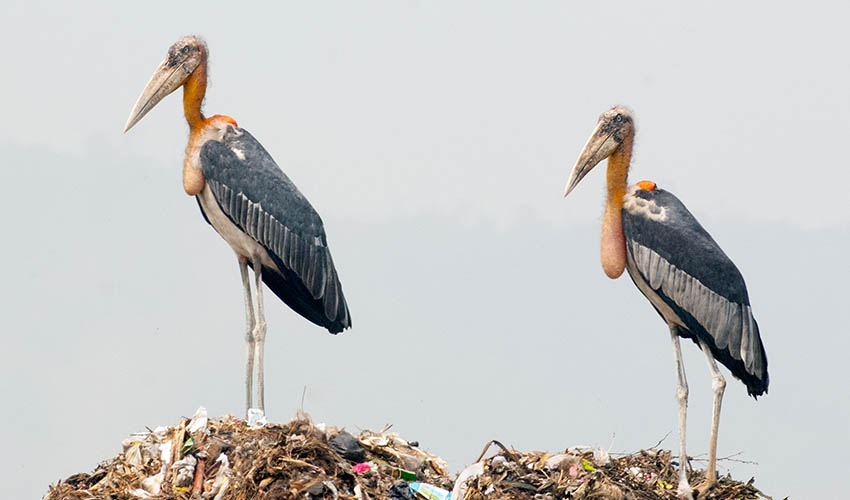
Greater adjutant
One of the rarest storks in the world
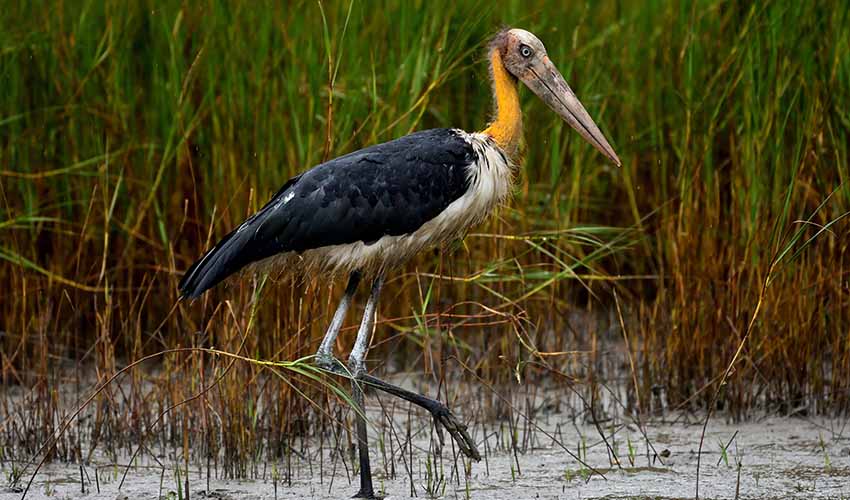
Lesser adjutant
Nicknamed the “undertaker bird” because of its bald head and hunched stance, as if dressed in dark mourning clothe
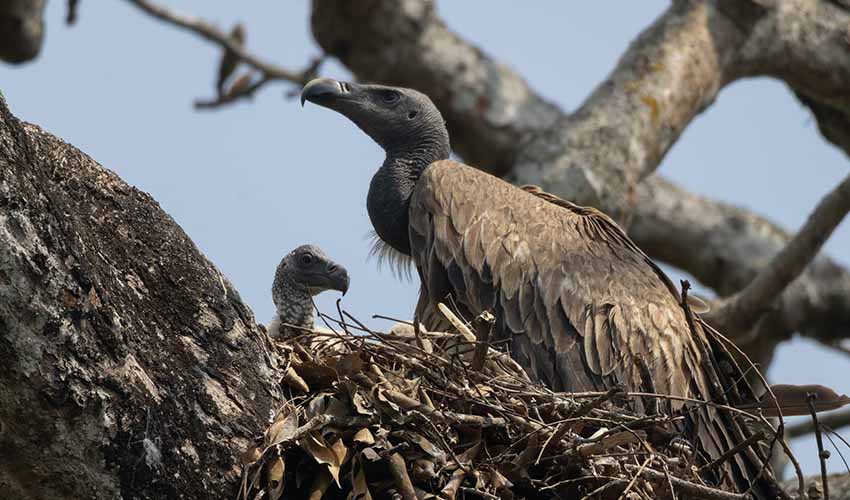
Slender-billed vulture
Rare “fine-beaked cleaner” of Asia’s plains and forests

Bengal florican
Holds the title of being the rarest bustard in the world
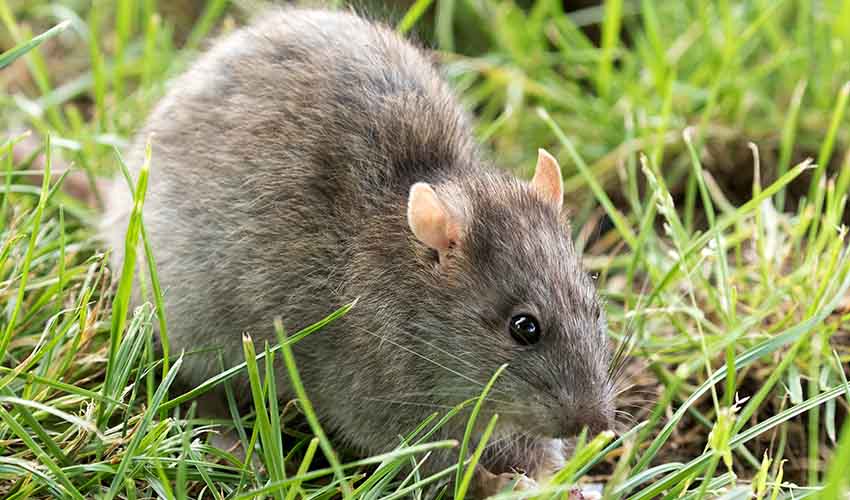
Brown rat
Can squeeze through shockingly small gaps if their head fits
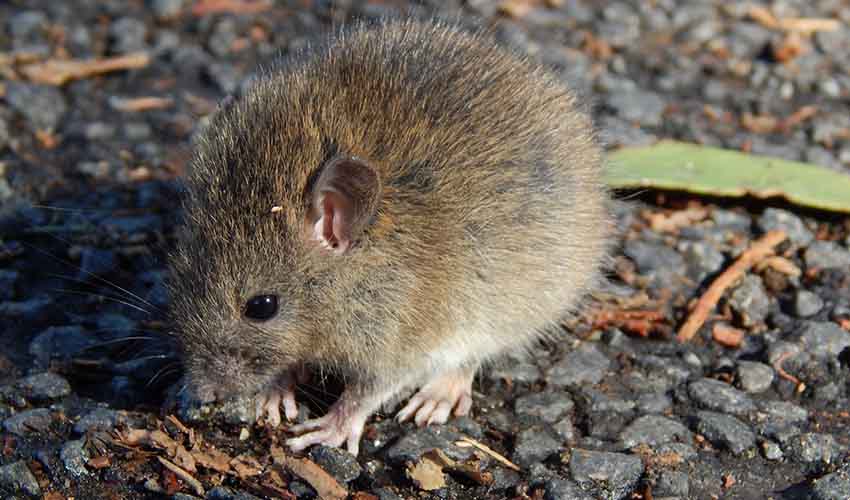
Polynesian rat
The third most widespread rat on Earth, after the brown rat and black rat
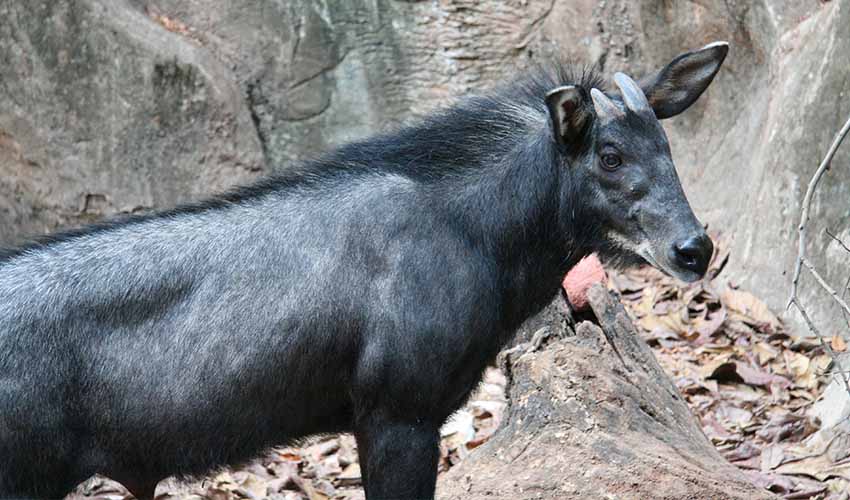
Mainland serow
Bristly mane from head to back and backward-curving horns give it a tough, distinctive appearance
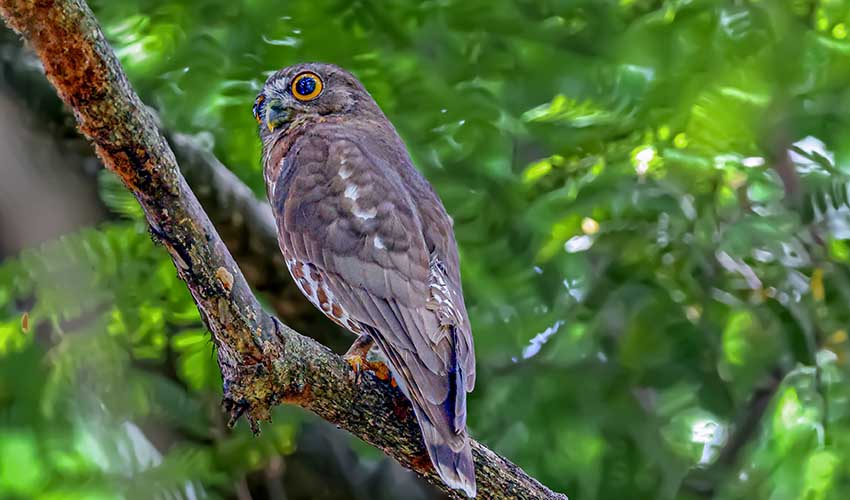
Brown boobook
Has a piercing yellow eyes with a default “surprised” look
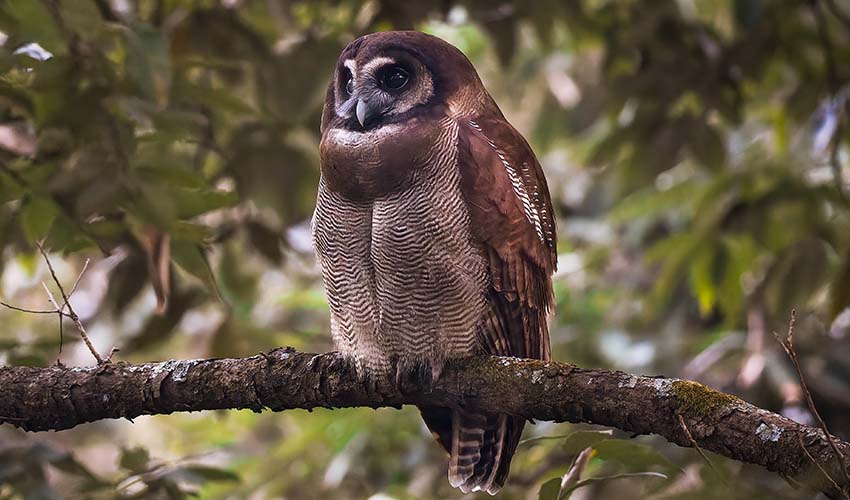
Brown wood owl
This owl sometimes makes a dog-like “wow-wow” bark when alarmed
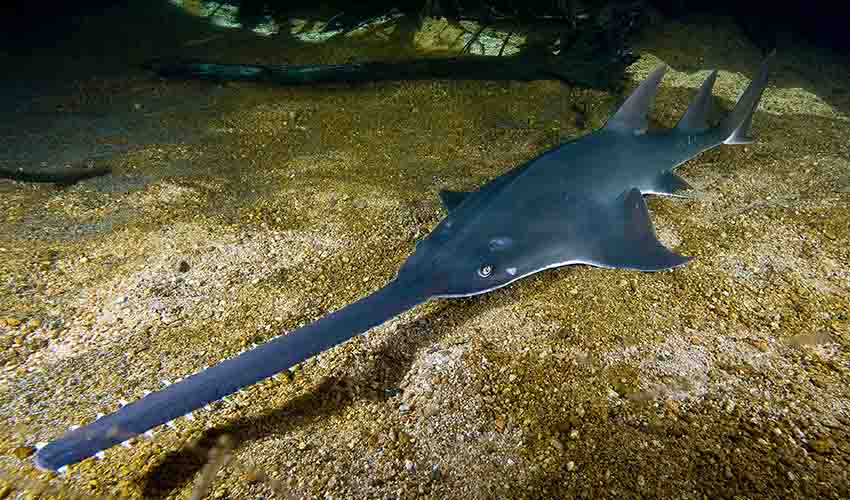
Largetooth sawfish
The only sawfish known to spend long stretches of its life in freshwater lakes, not just rivers or coasts
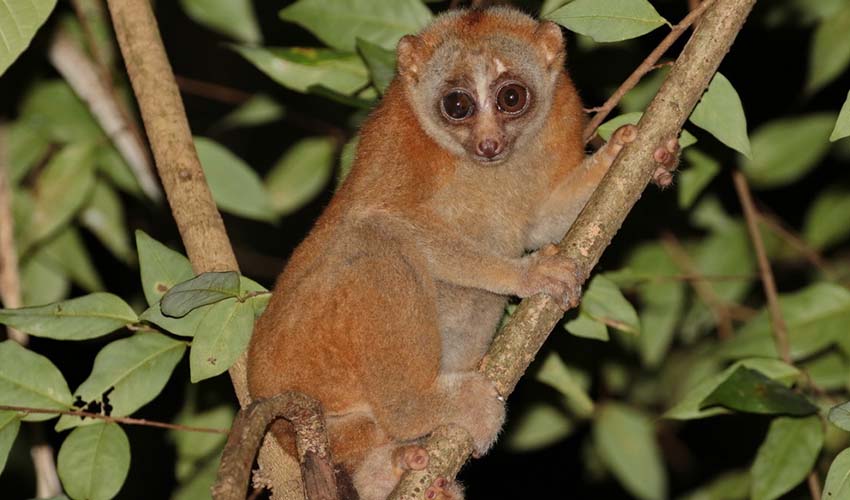
Bengal slow loris
One of the few venomous mammals in the world
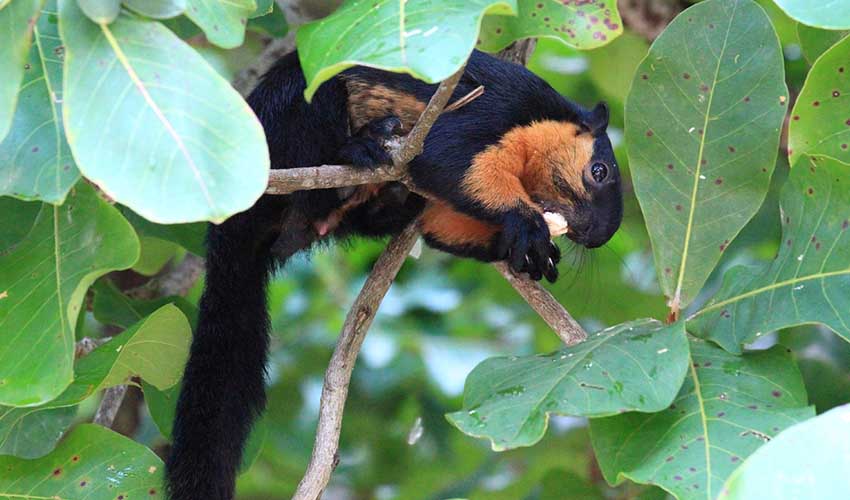
Black giant squirrel
Can go months without touching the ground
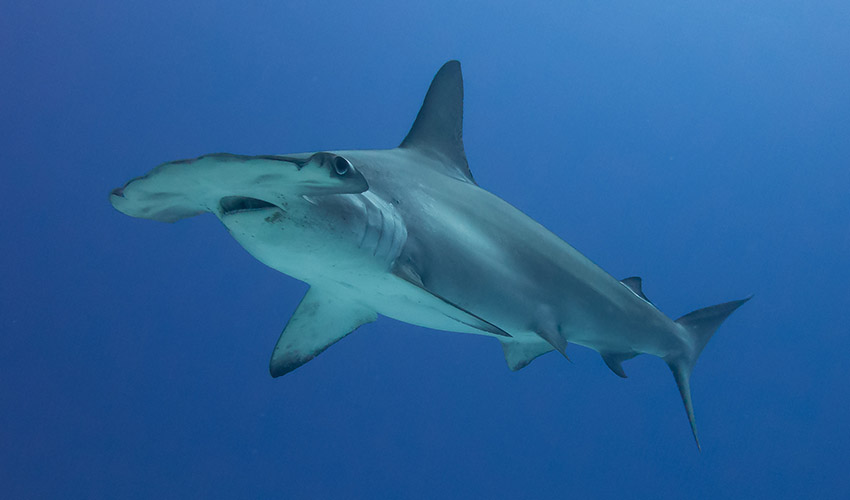
Scalloped hammerhead
Their skin actually darkens, just like a sunburn!
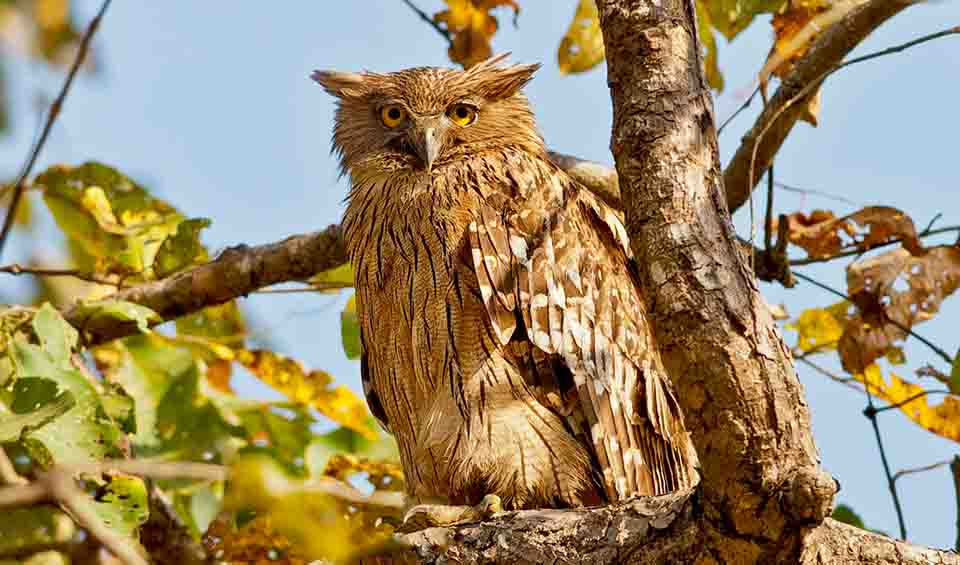
Brown fish owl
Yes, they really do eat fish!
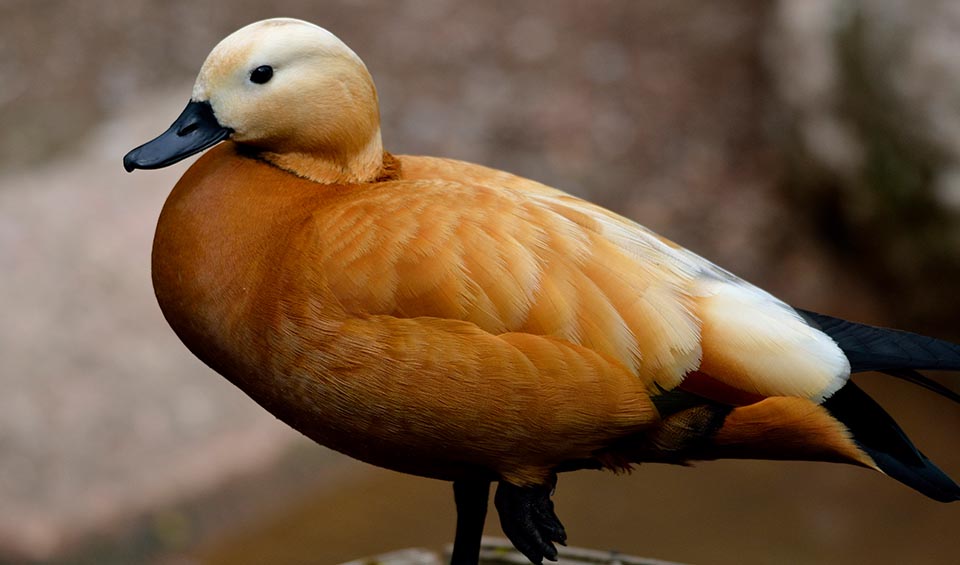
Ruddy shelduck
Has the body of a duck, neck of a goose, and voice of a goose having a bad day
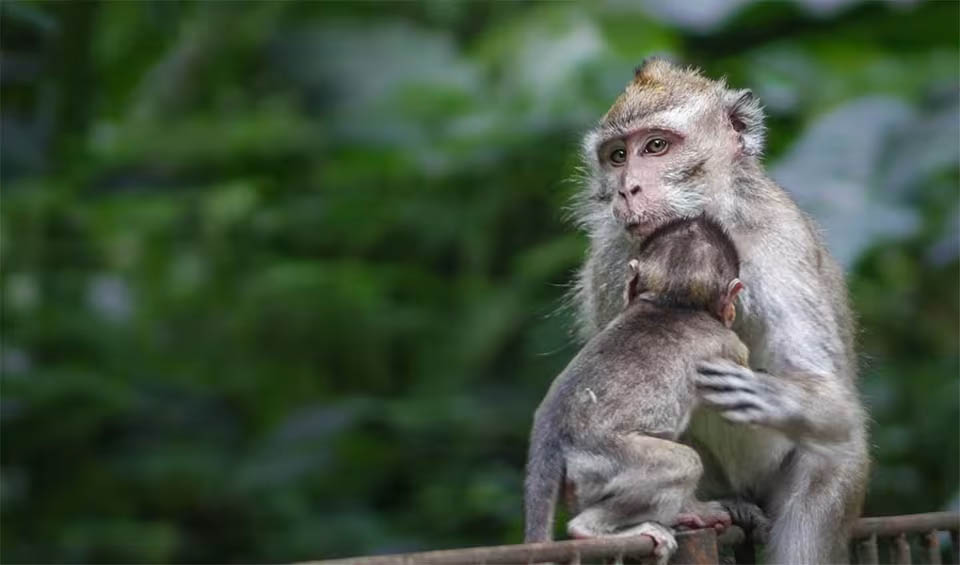
Crab-eating macaque
Despite their name,most of their diet makes up of fruits and seeds

Northern pig-tailed macaque
Their tail posture, always curled upward like a pig’s, is a key way to identify them in the wild
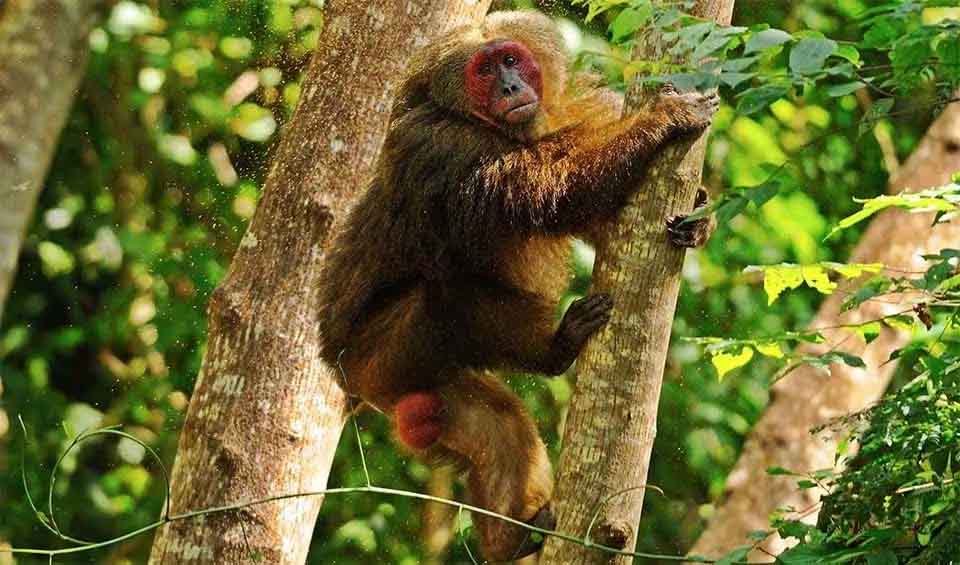
Stump-tailed macaque
Their faces start out pink and red when they’re young, but as they get older, they turn darker, almost brown or black
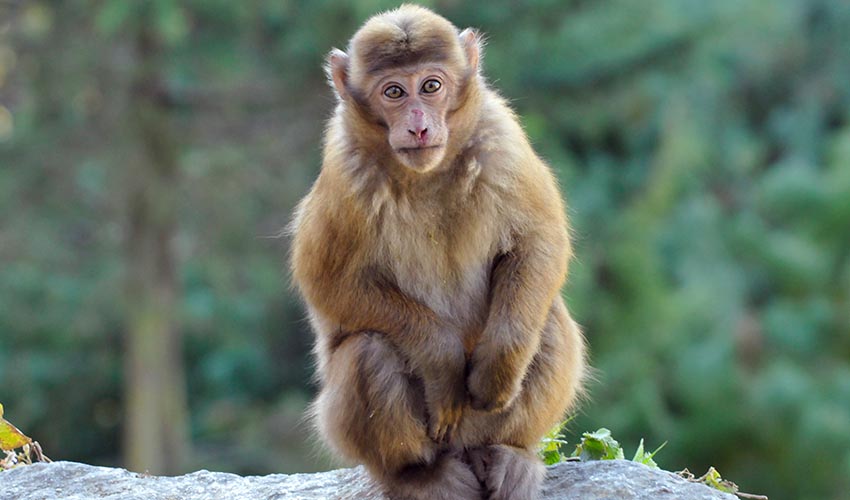
Assam macaque
Love to perch upright on stones, gazing around like calm little forest monks lost in meditation
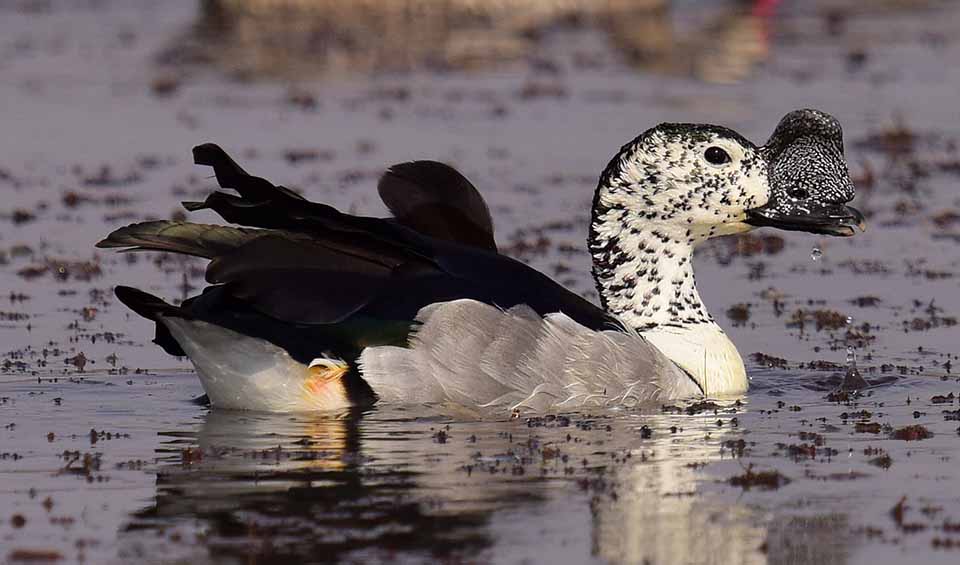
Knob-billed duck
Males sport a big, bumpy black “knob” on top of their bill — like a bird-sized bike helmet
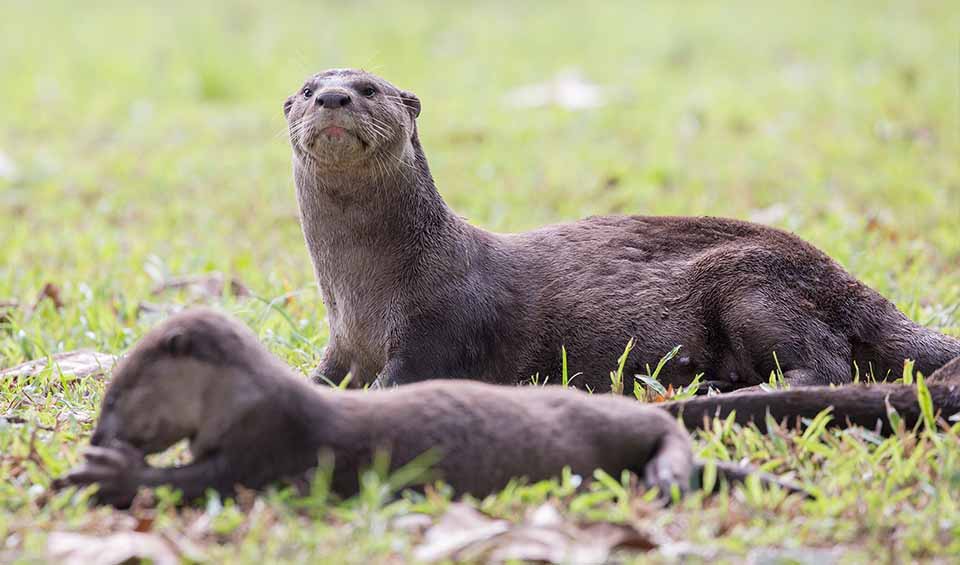
Smooth-coated otter
They’re the biggest otters in Asia
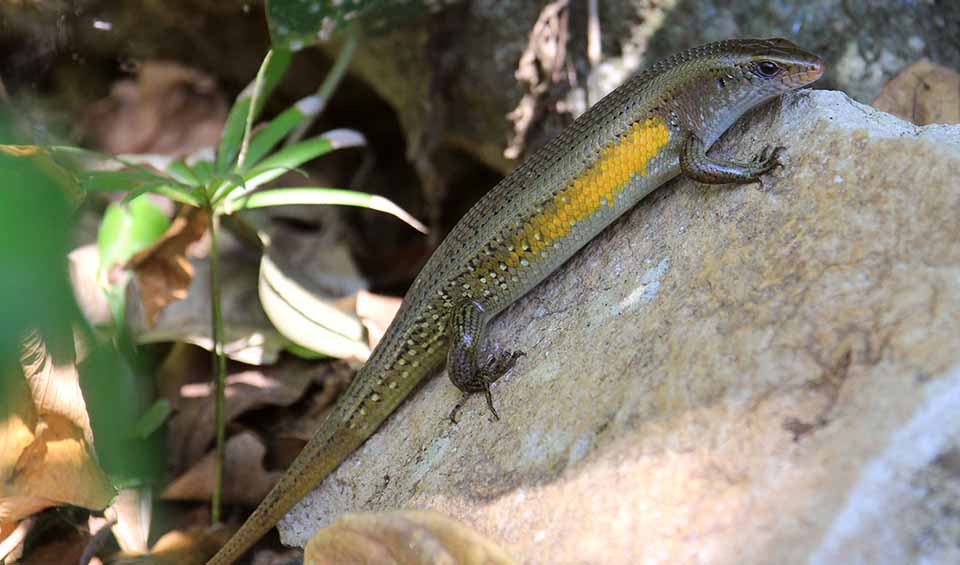
Common mabuya
You might’ve already seen one in your backyard
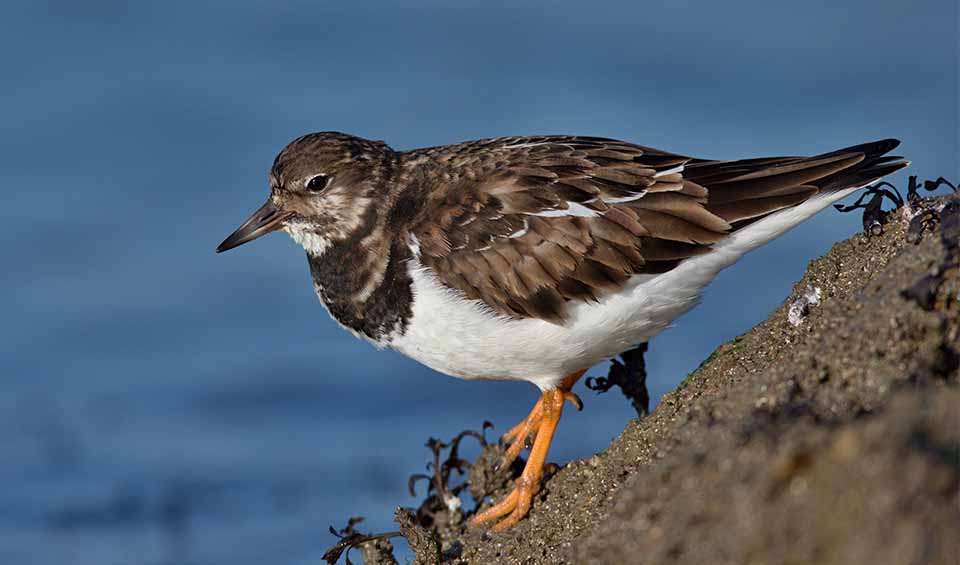
Ruddy turnstone
They flip the script — literally!

Monocled cobra
One of the most intelligent cobra species, capable of learning from repeated experiences
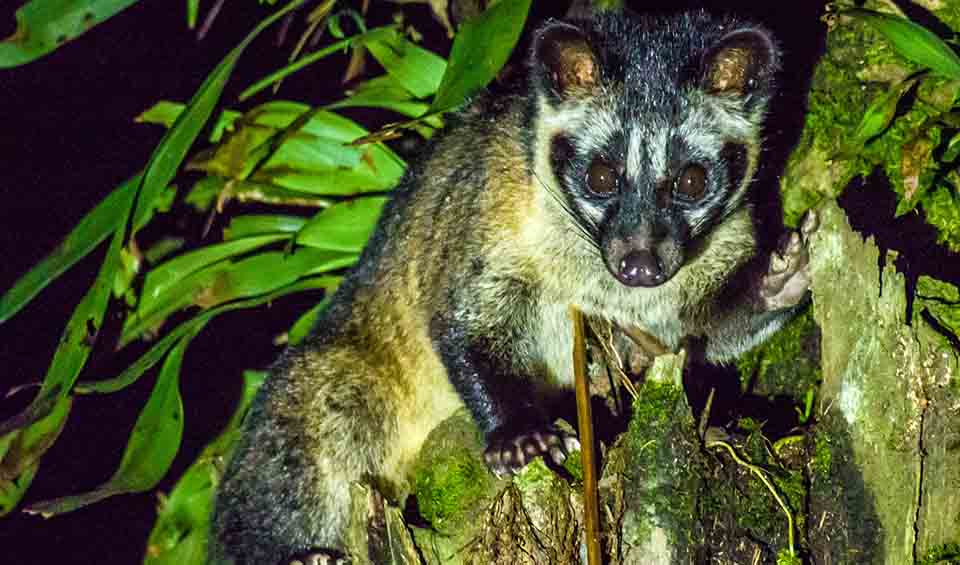
Asian palm civet
Famously linked to the production of a luxury coffee called kopi luwak
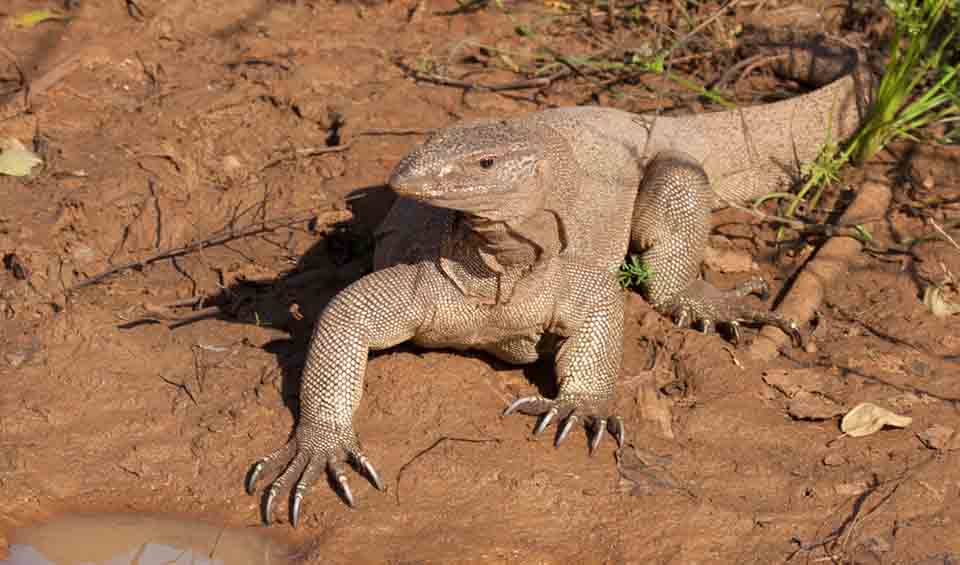
Bengal monitor
Need to escape? No problem! They can dive into water and swim powerfully using their tail like a paddle
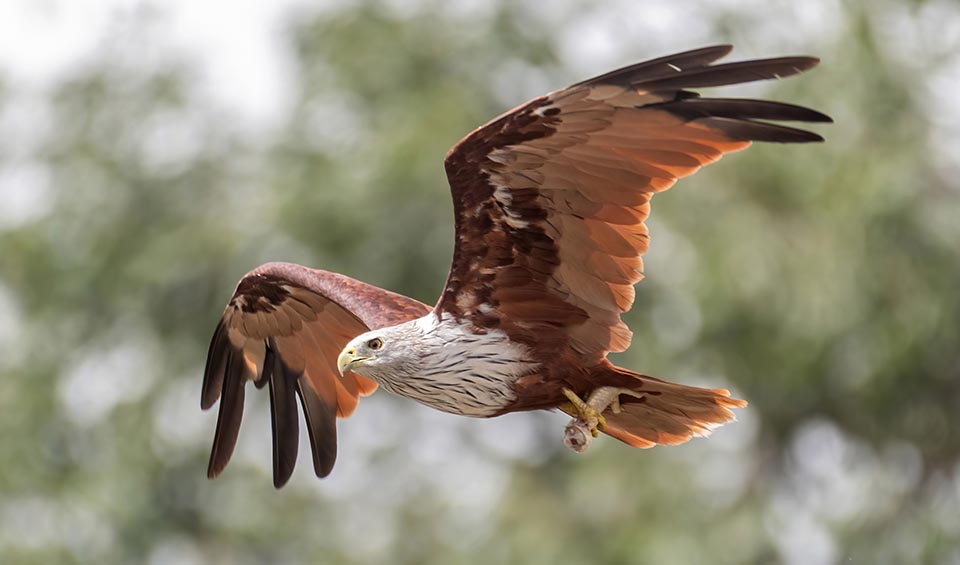
Brahminy kite
Sometimes seen snatching food in mid-air or stealing prey from other birds — a behavior known as kleptoparasitism

Oriental pied hornbill
When eating fruit, they often toss it into the air and catch it with the tip of their bill
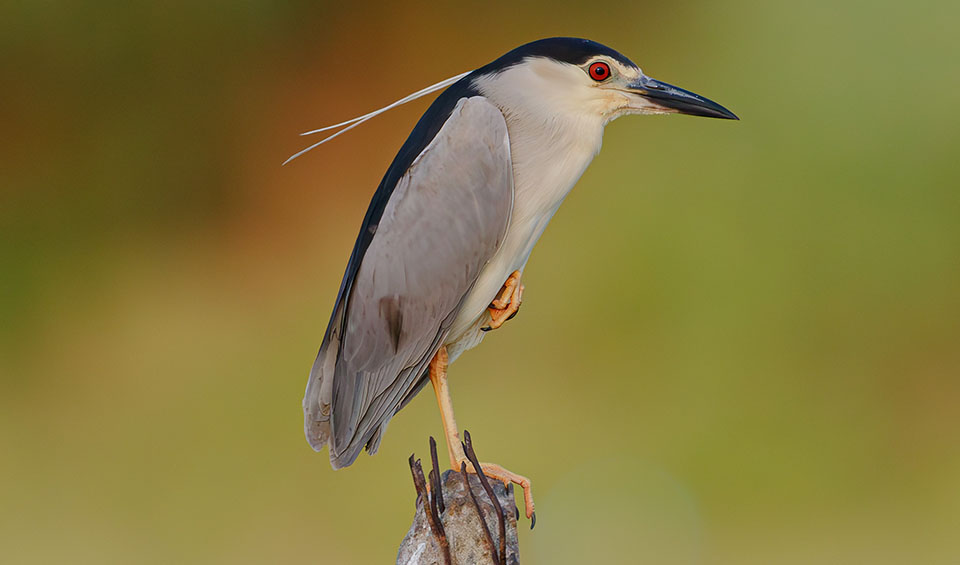
Black-crowned night heron
One of the most widespread and adaptable herons in the world
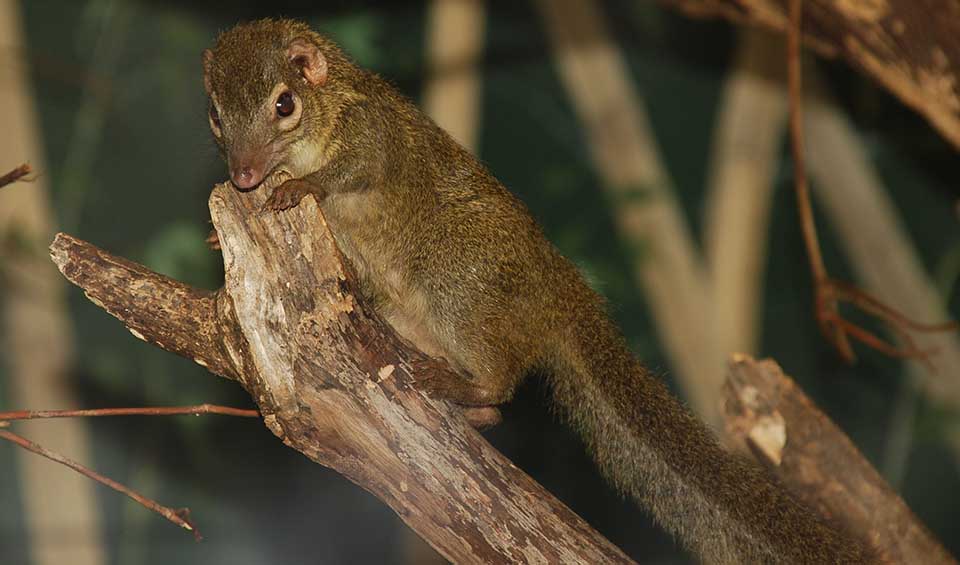
Northern treeshrew
The only mammal known to intentionally eat spicy food
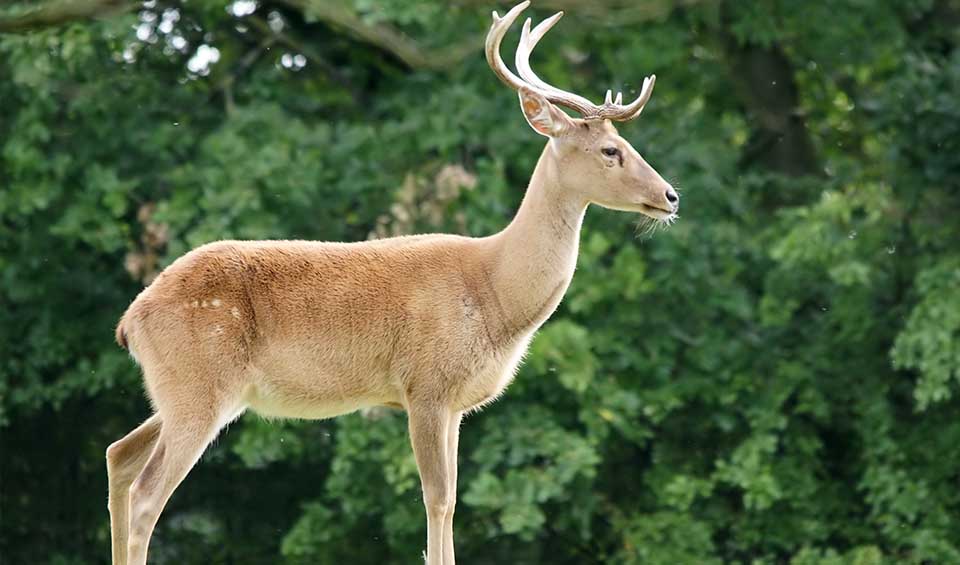
Eld’s deer
Was once so rare that it was believed extinct in the wild
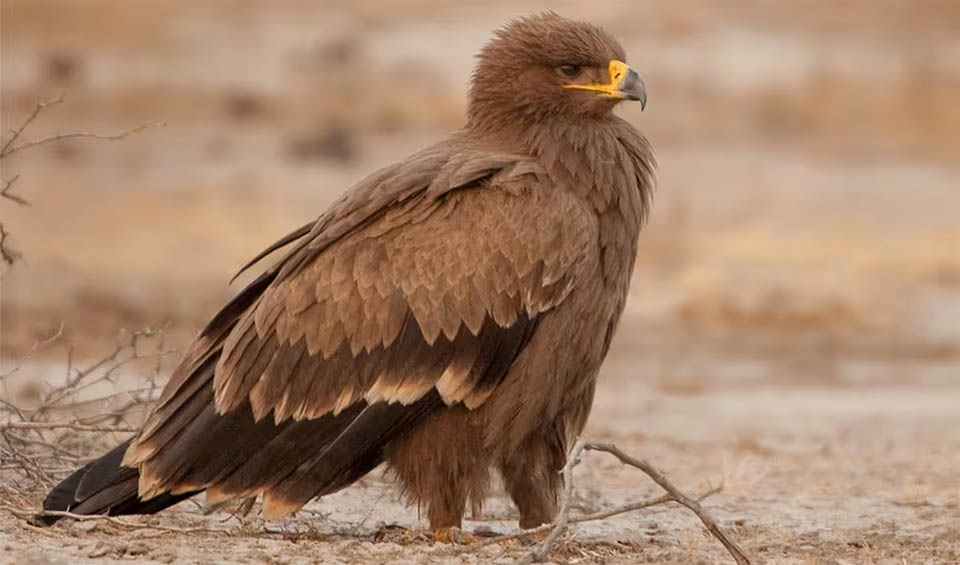
Steppe eagle
The treasured bird of Saladin, the first Sultan of Egypt
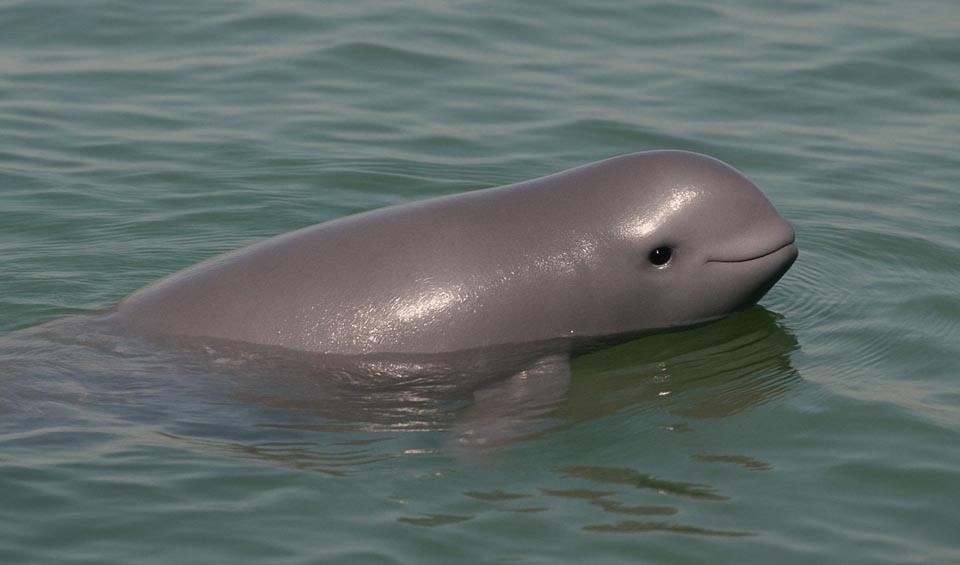
Indo-Pacific finless porpoise
Can make clicking sounds up to 200 times per second to locate prey in cloudy waters where vision is limited
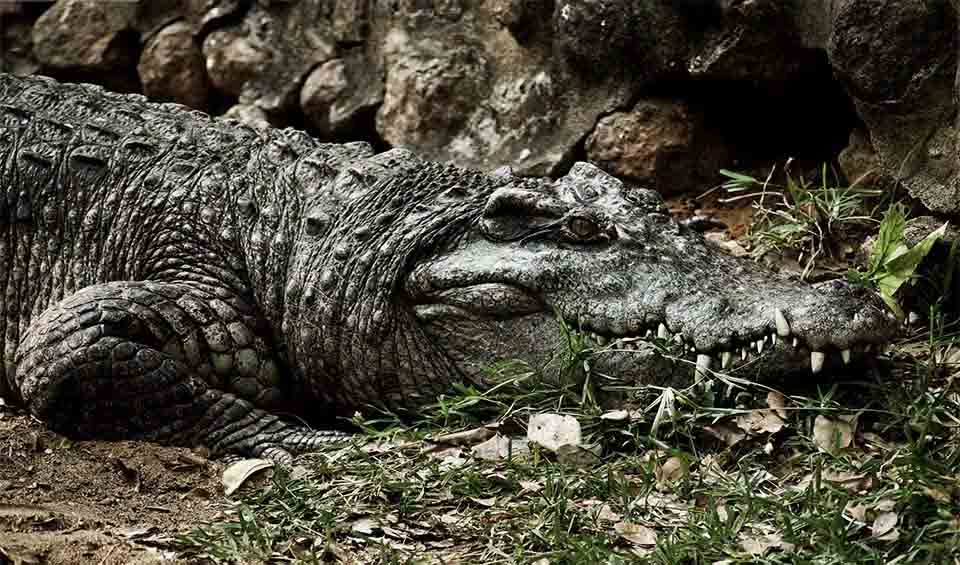
Siamese crocodile
On the back of their head, just behind the eyes, there’s a raised bony bump – like a miniature helmet!
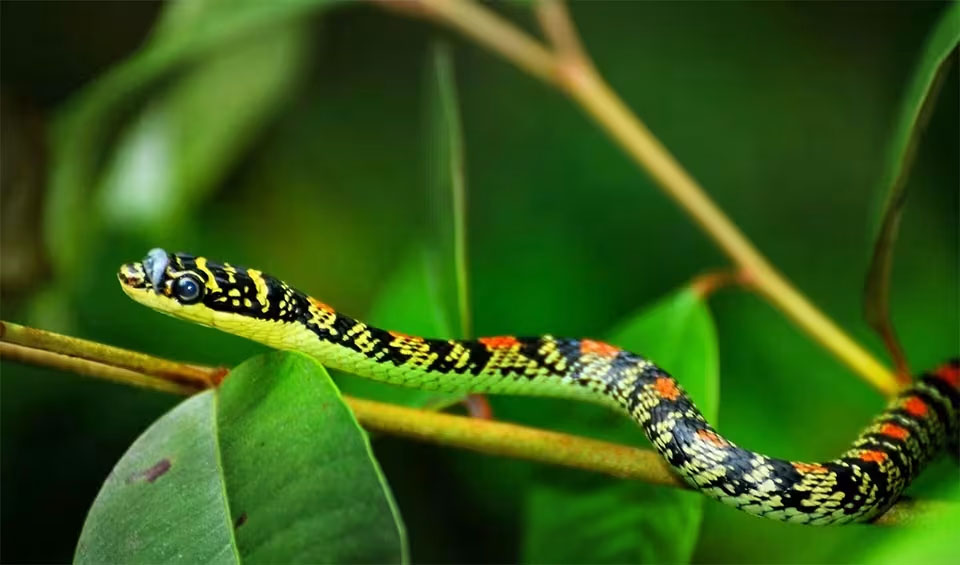
Golden tree snake
An accomplished climber with the ability to glide!
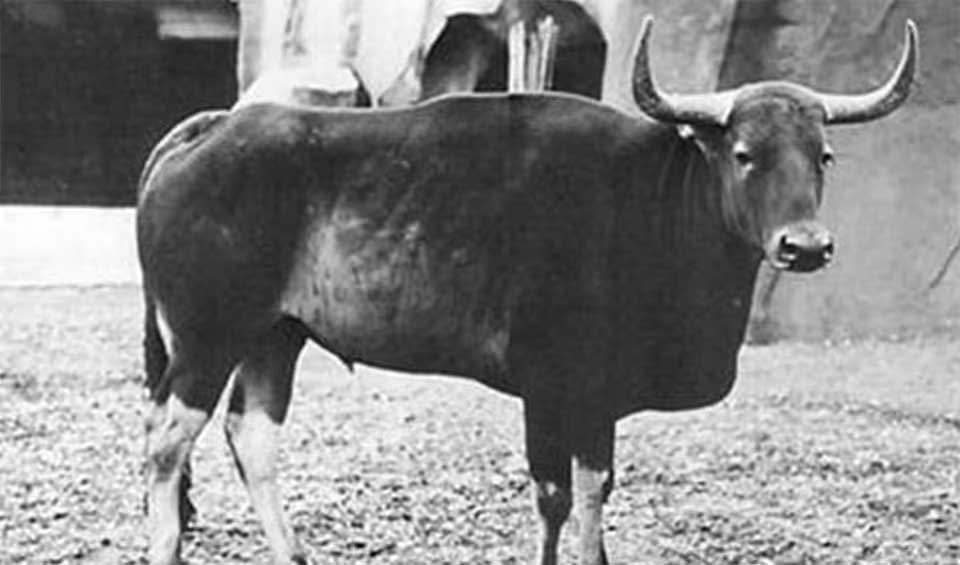
Kouprey
The last confirmed sighting was in the 1980s, leaving it teetering on the brink of extinction
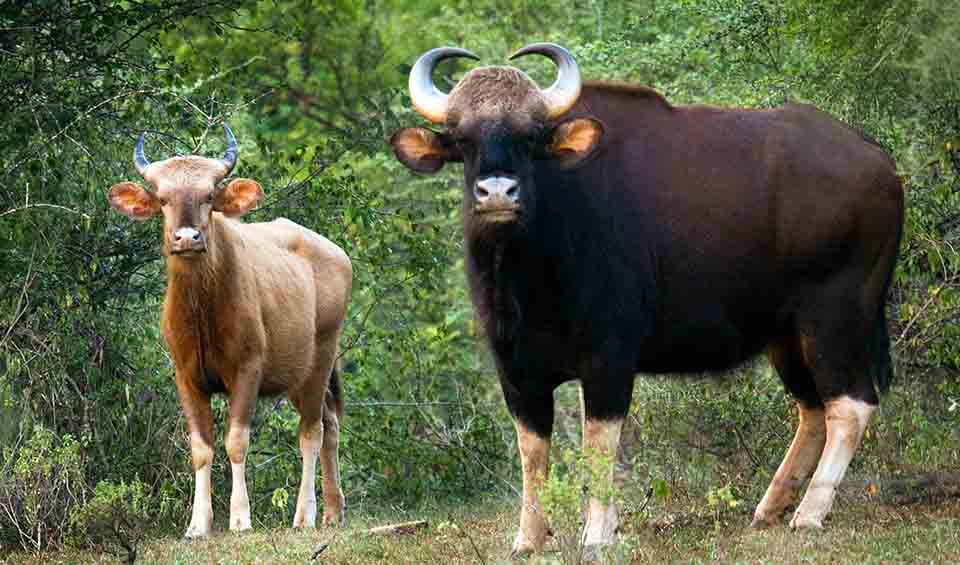
Gaur
Their calm behavior and massive size have earned them nicknames like the “gentle giants” of the jungle
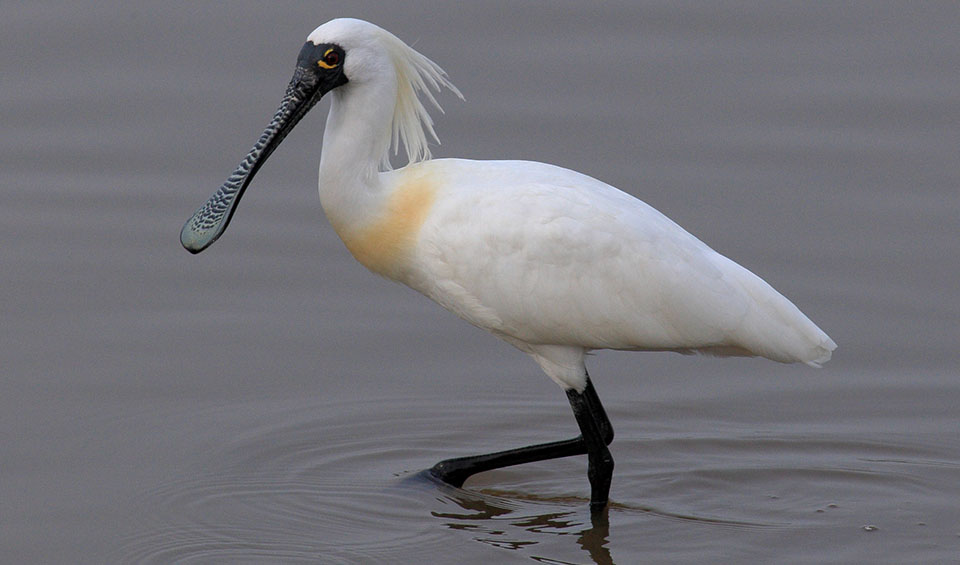
Black-faced spoonbill
Officially designated as Natural Monument No. 205 and classified as a first-class endangered species in South Korea
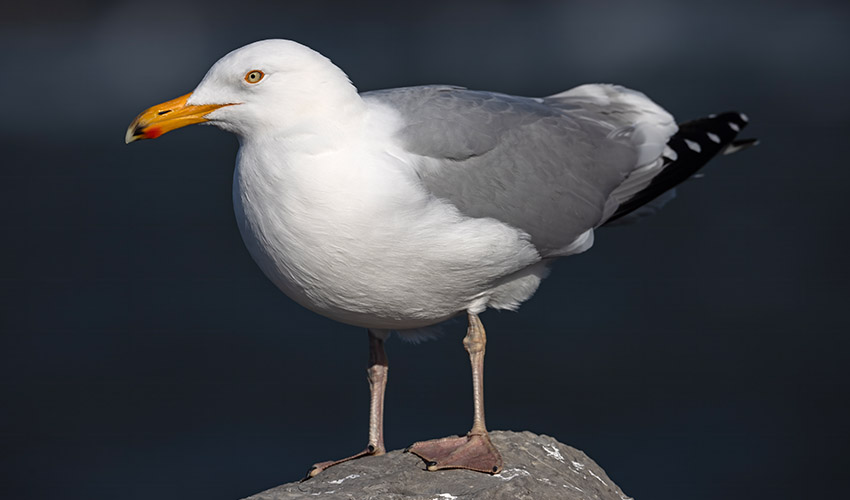
American herring gull
It’s the classic white-headed, grey-backed “seagull” of postcards and cartoons
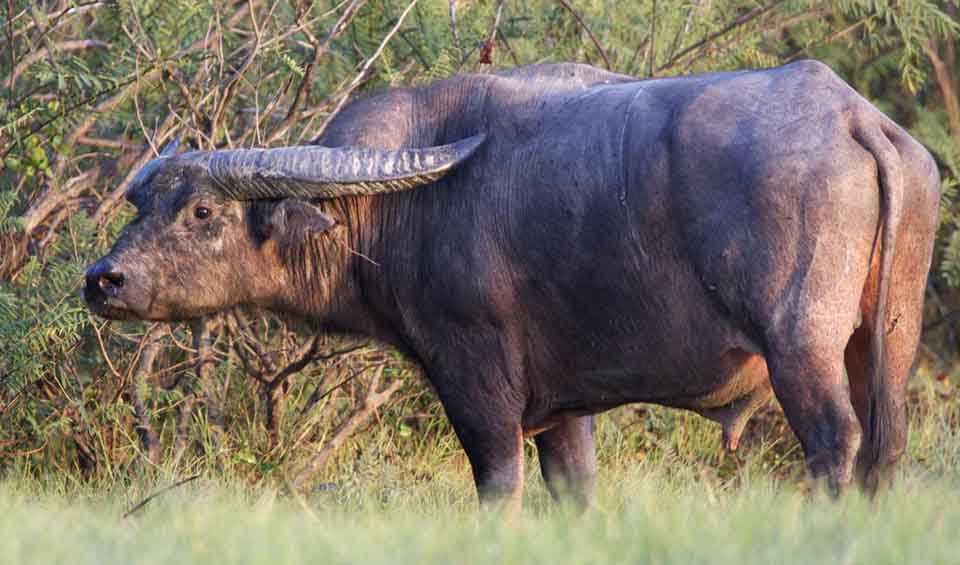
Wild water buffalo
One of the largest and most powerful wild bovines in the world
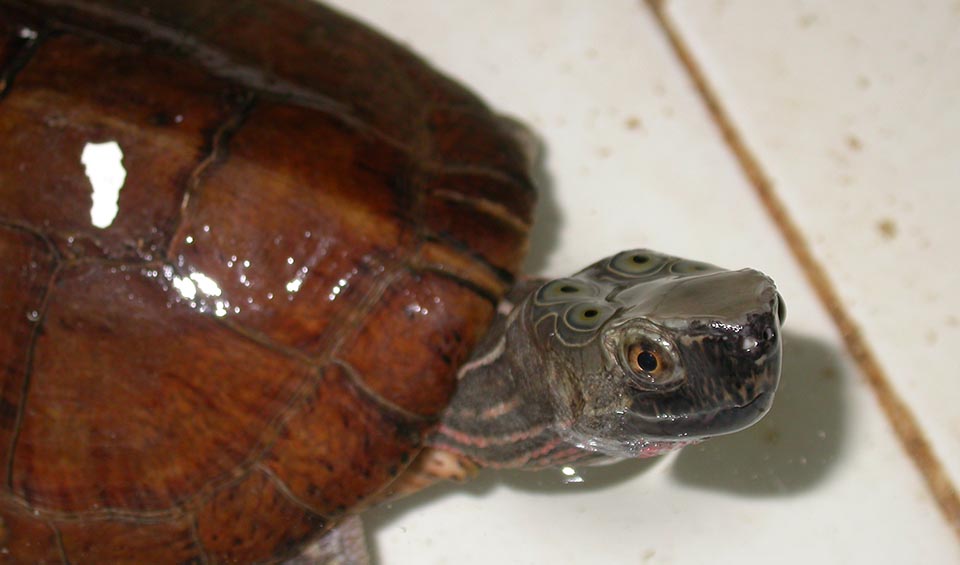
Four-eyed turtle
Doesn’t actually have four eyes — the two pale spots behind its real eyes are what inspired the name
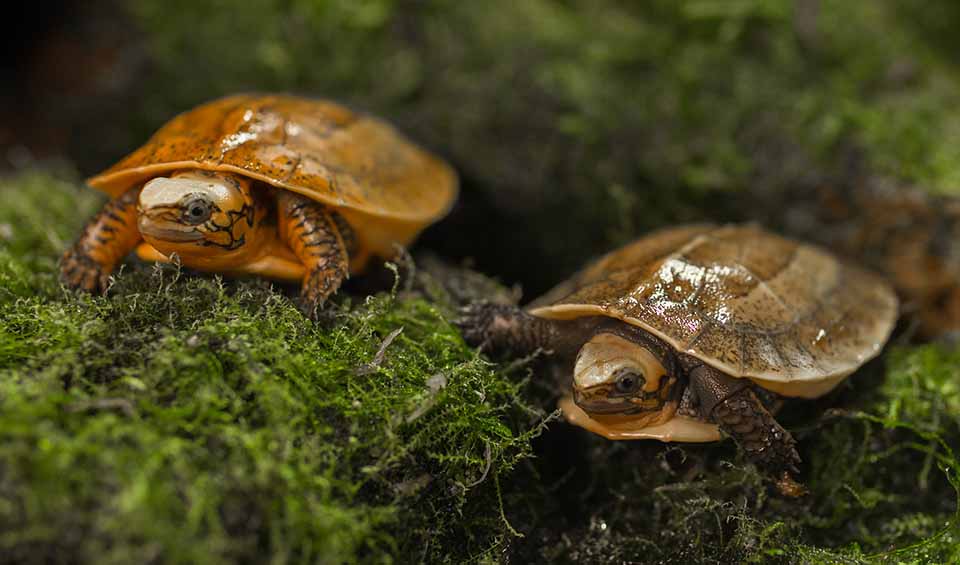
Indochinese box turtle
Has a hinged shell that allows it to completely shut itself inside

Common hill myna
Has an extraordinary ability to mimic human speech — better than almost any other bird on the planet

Tonkin snub-nosed monkey
Rarest and one of the world’s most endangered primates
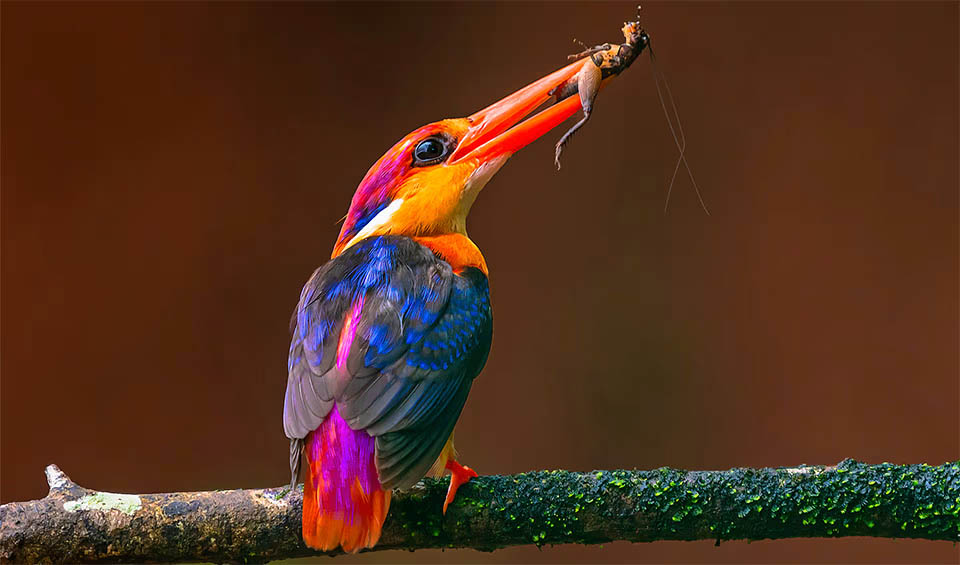
Black-backed dwarf kingfisher
One of the most visually stunning kingfisher, often described as a “flying jewel”
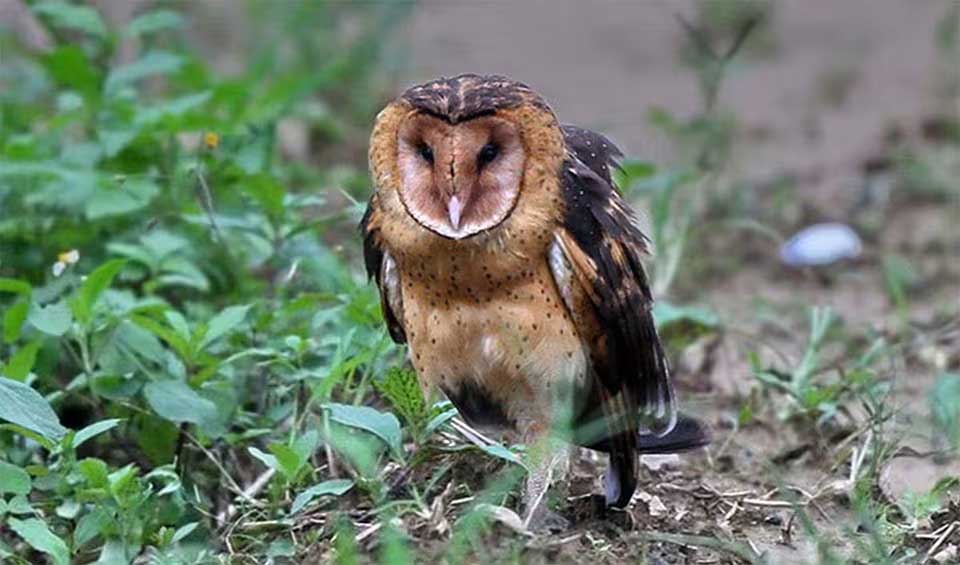
Australian grass-owl
This shy, nocturnal predator spends its life in open areas of grassland and cane fields but is rarely seen

Gray-shanked douc
Often described as one of the most colorful primates

Vietnam mouse-deer
No antlers—ever…
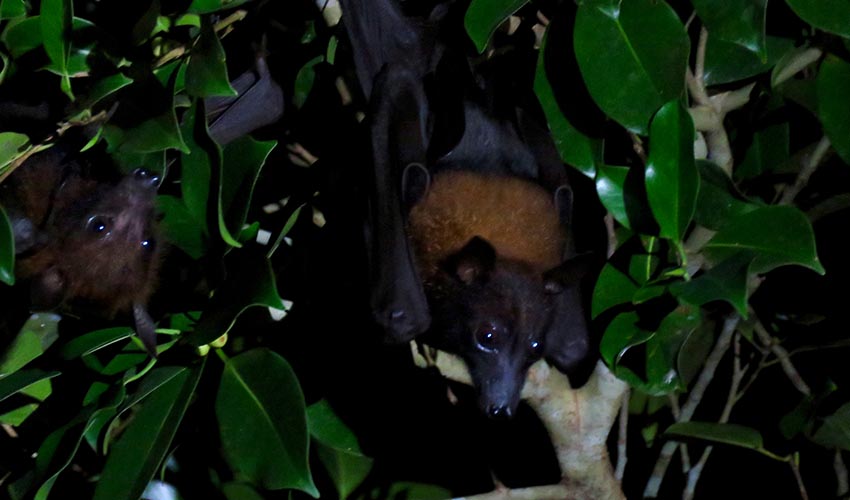
Large flying fox
So big that locals in some parts of Asia jokingly call it a “sky puppy,” because its face resembles that of a dog
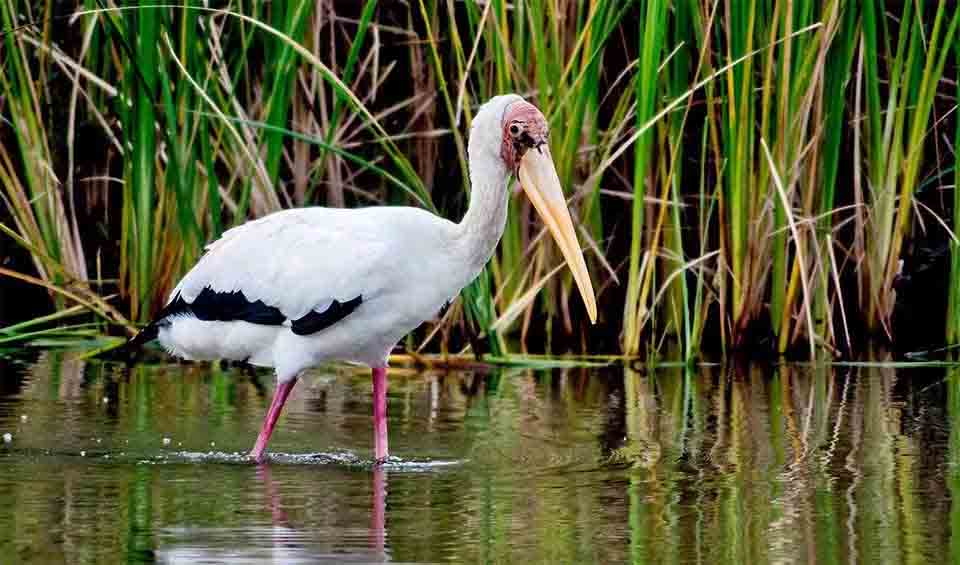
Milky stork
The creamy colored stork in need of conservation

Burmese hare
Known for its “freezing” behavior—when threatened

Chinese hare
Their speckled “peppered” fur blends into dry grass and soil so well people can walk right past

Black-necked crane
Among the highest-dwelling cranes on Earth
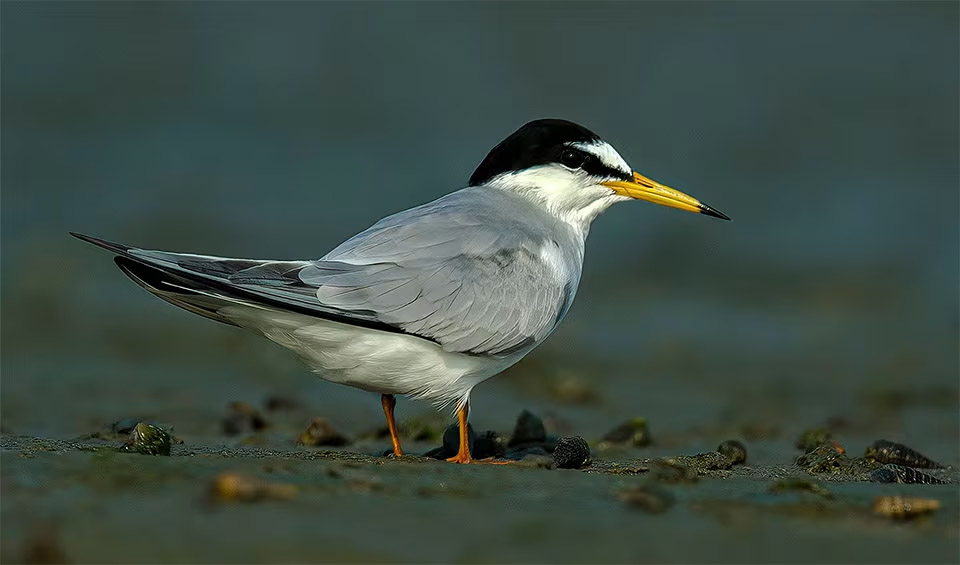
Little tern
Renowned for their spectacular aerial displays during courtship, including steep dives and intricate flight patterns
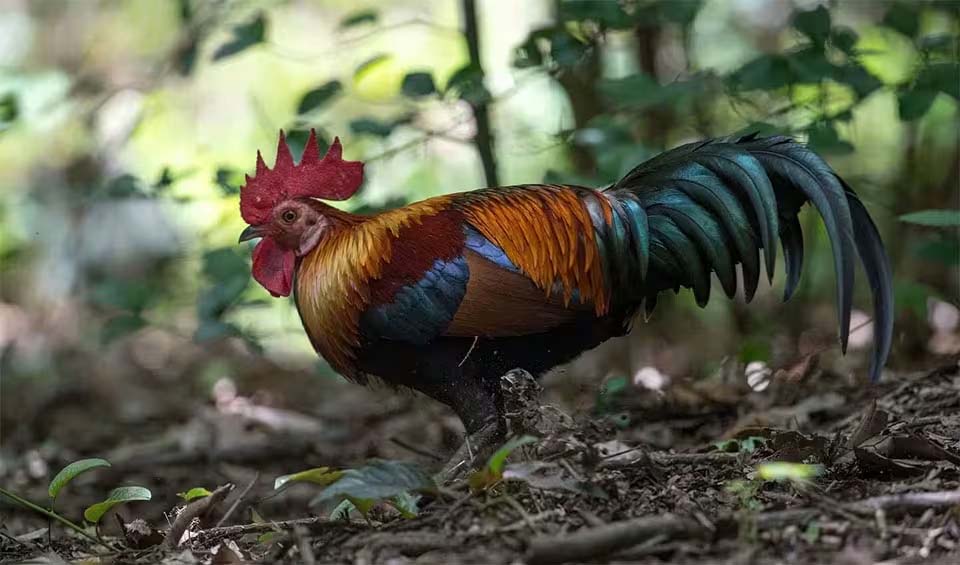
Red junglefowl
Native to Asia where they were first domesticated, the ancestors to all our chickens
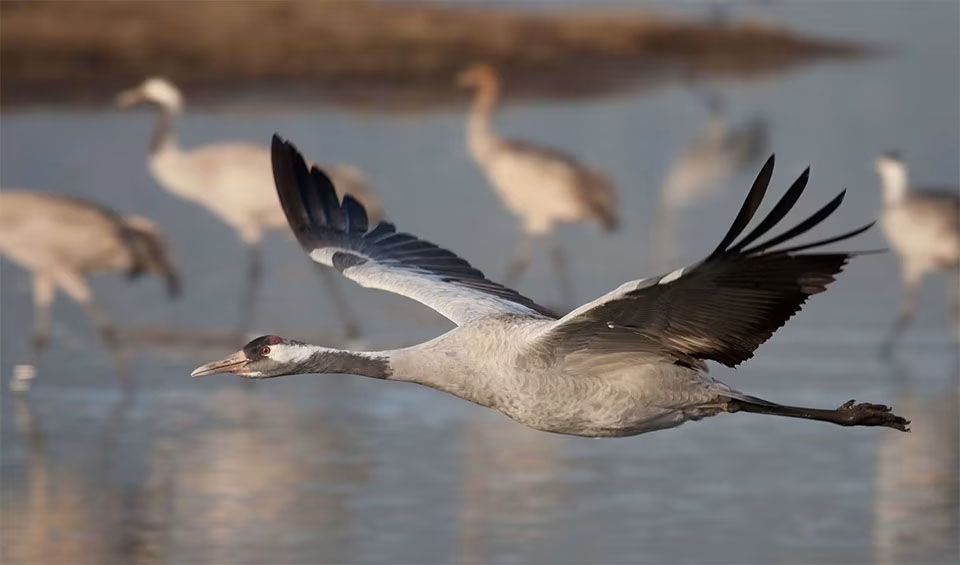
Common crane
The flocks of this social and gregarious bird are fond of migration, flying over the horizon and creating a V-shaped formation
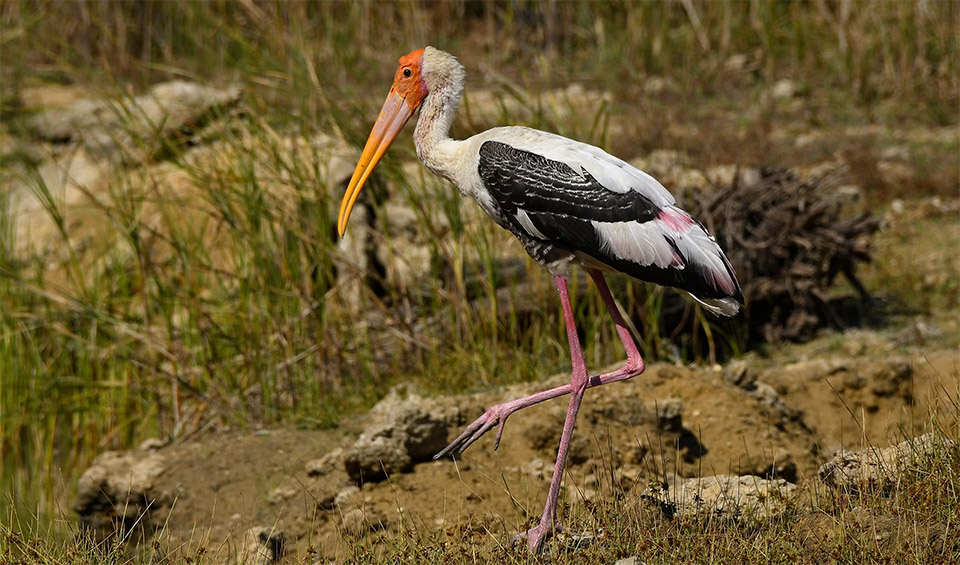
Painted stork
While they may look graceful in flight, they are relatively slow flyers compared to many other birds
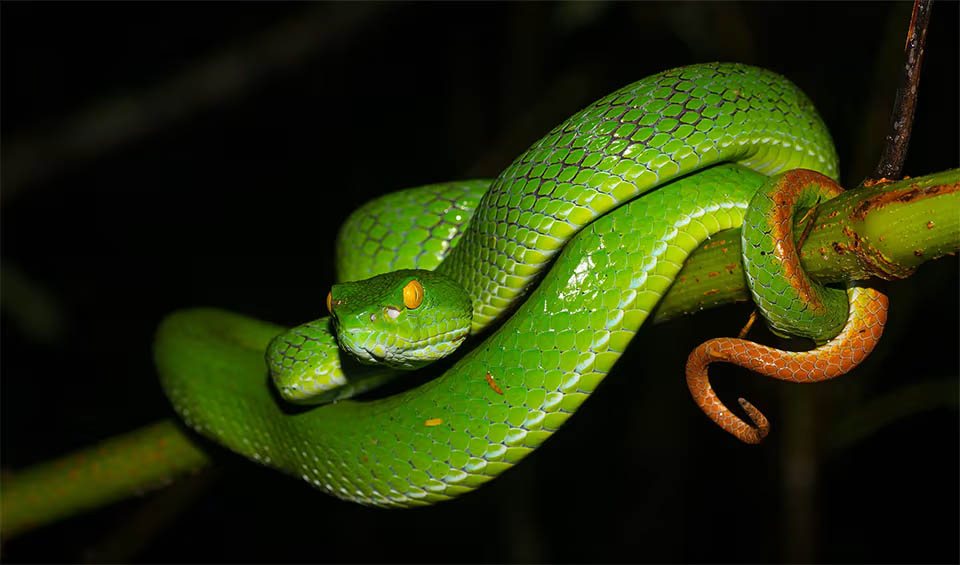
Large-eyed pitviper
Imagine gazing into its eyes—large, resplendent orbs that mirror the lush foliage around them
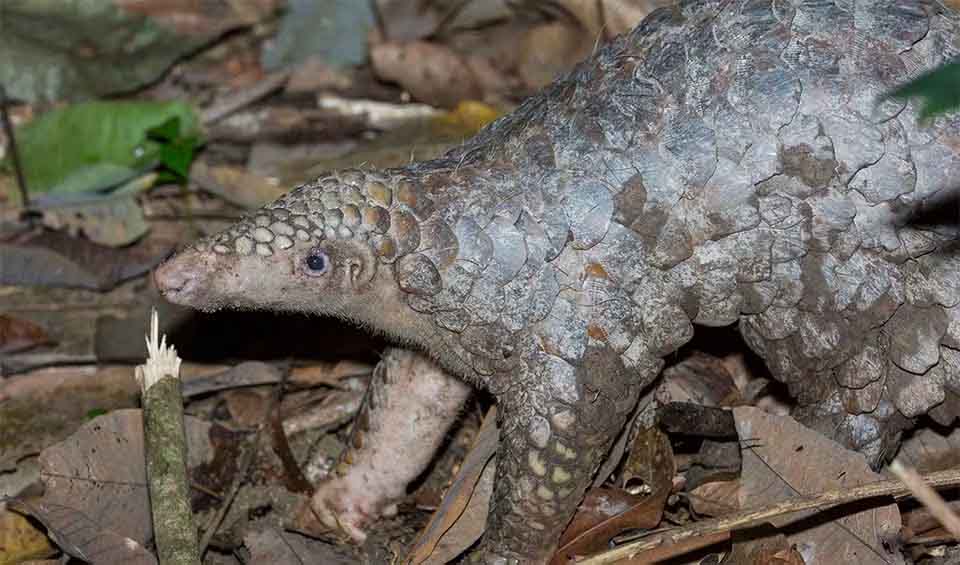
Sunda pangolin
This one-of-a-kind mammal is facing a major threat – illegal hunting
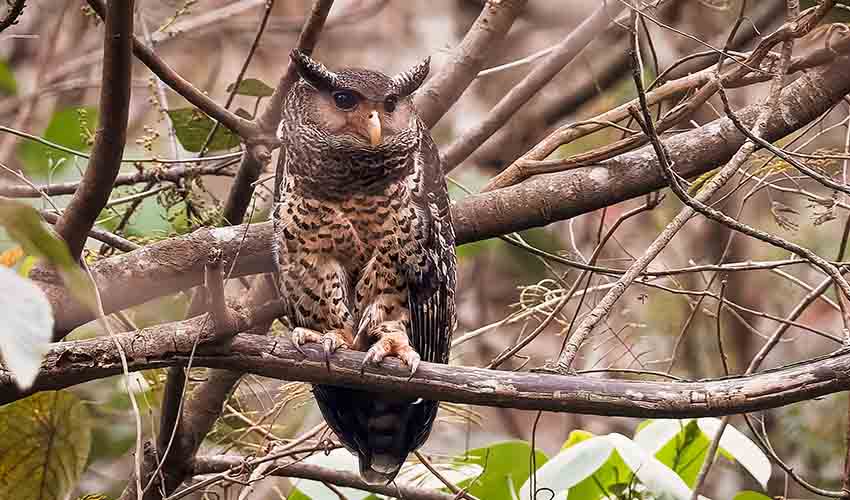
Spot-bellied eagle-owl
One of the heaviest-hitting owls in Asia
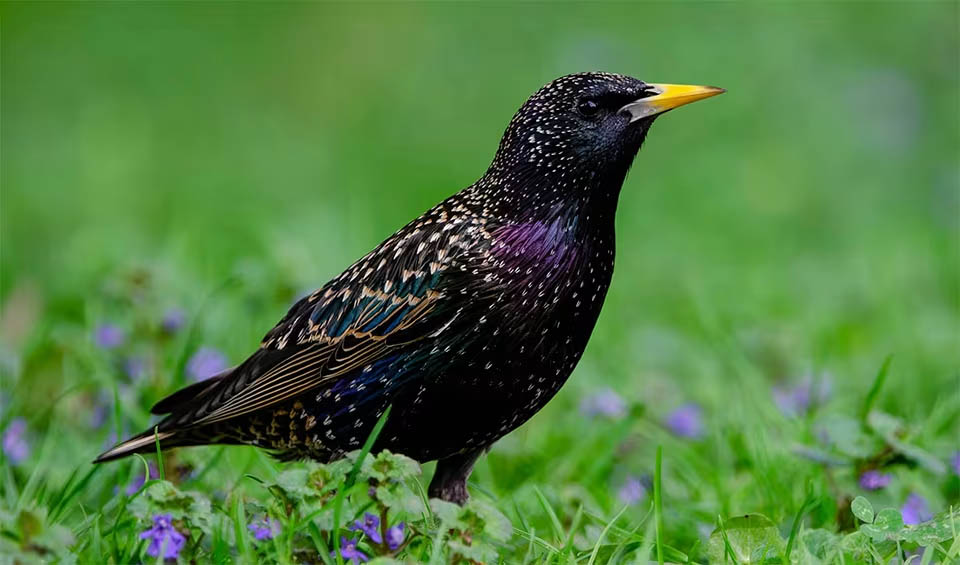
European starling
Brilliant mimics, they can copy bird calls and even human-made sounds like car alarms and ringing phones!
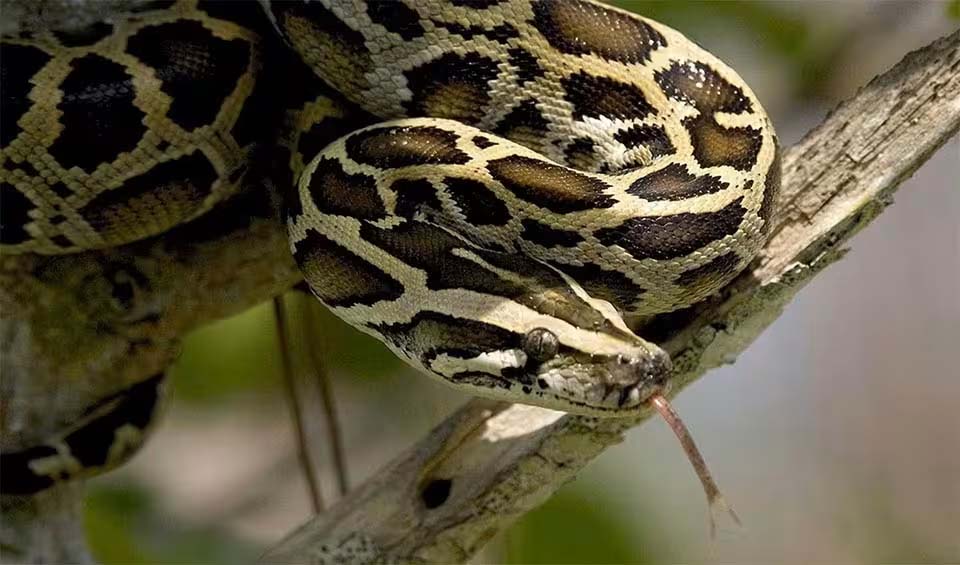
Burmese python
A powerful constrictor that can grow longer than a school bus!
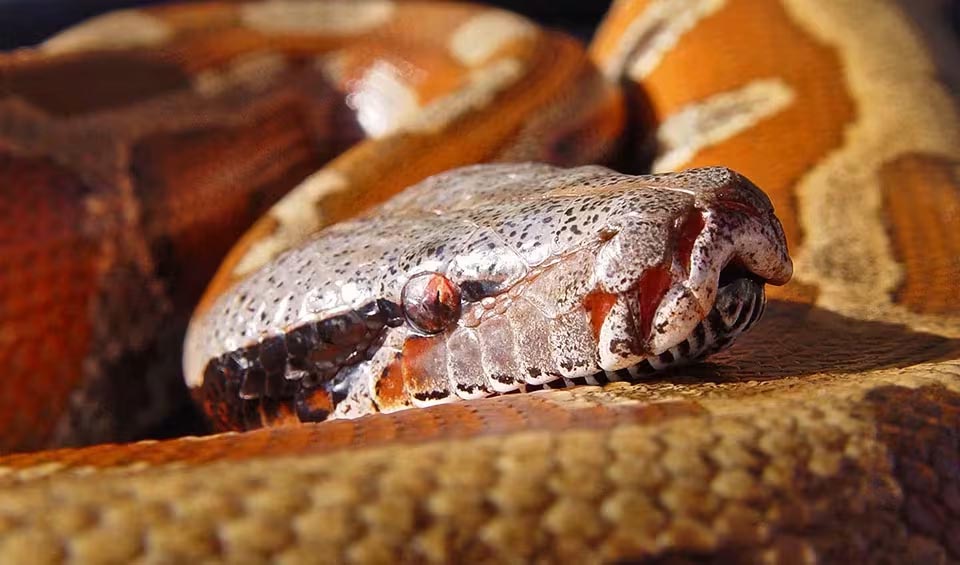
Blood python
Frequently harvested for their skin, which is prized in the leather industry

Cat Ba langur
Among the most endangered primates in the world, and potentially the most endangered primate in Asia
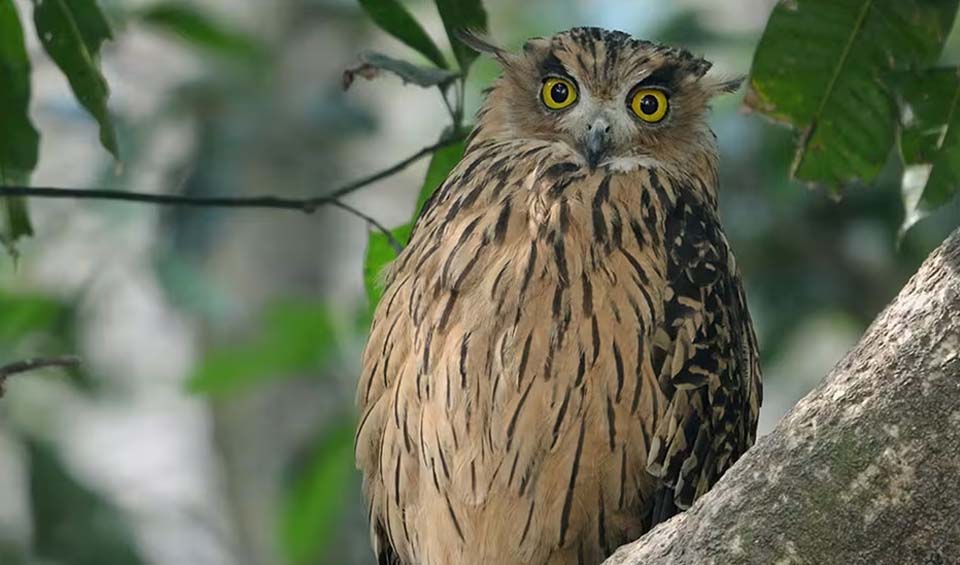
Tawny fish owl
An owl that meows like a cat
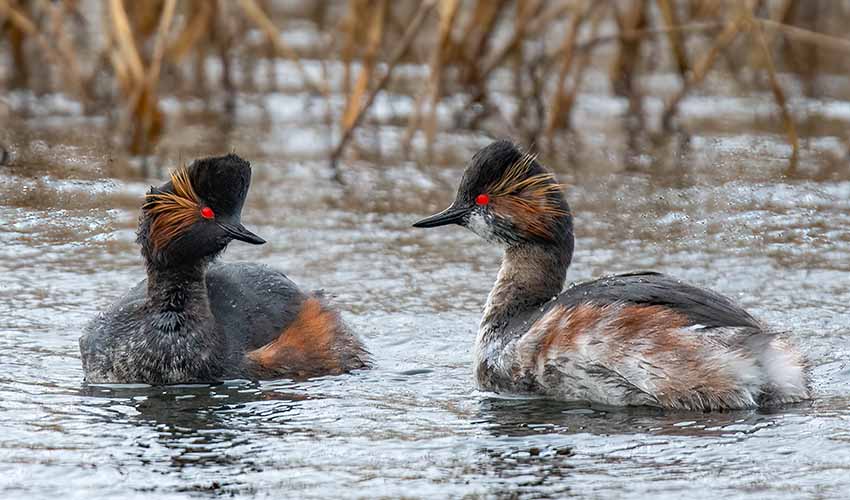
Black-necked grebe
Unlike many birds, their chicks can swim and dive just hours after hatching
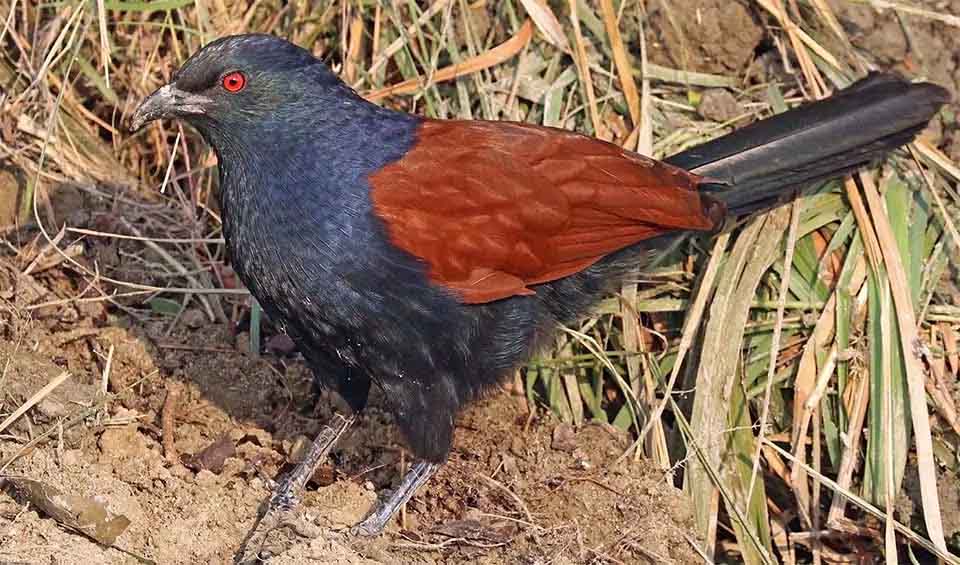
Greater coucal
Sometimes mistaken for a crow because of its size and dark coloration
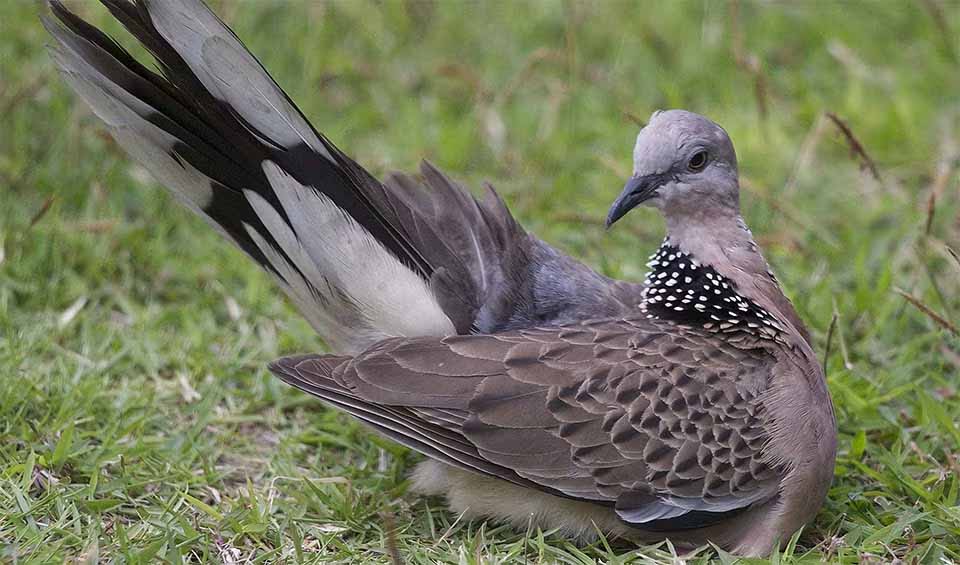
Spotted dove
A delightful bird with a calm and peaceful nature
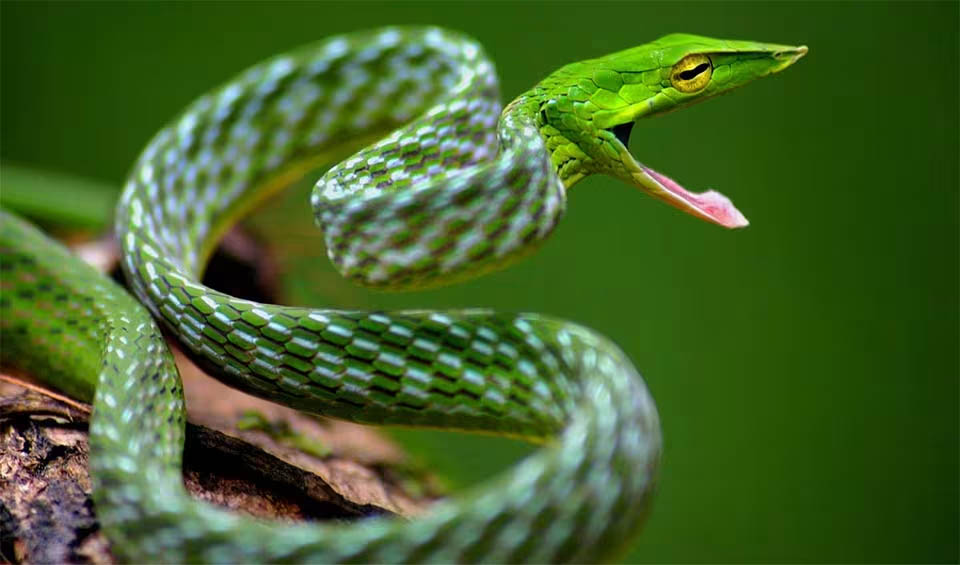
Long-nosed whip snake
Their long noses help them climb trees by giving them extra grip on the branches

Spot-billed pelican
Those bill “spots” are the quick ID clue
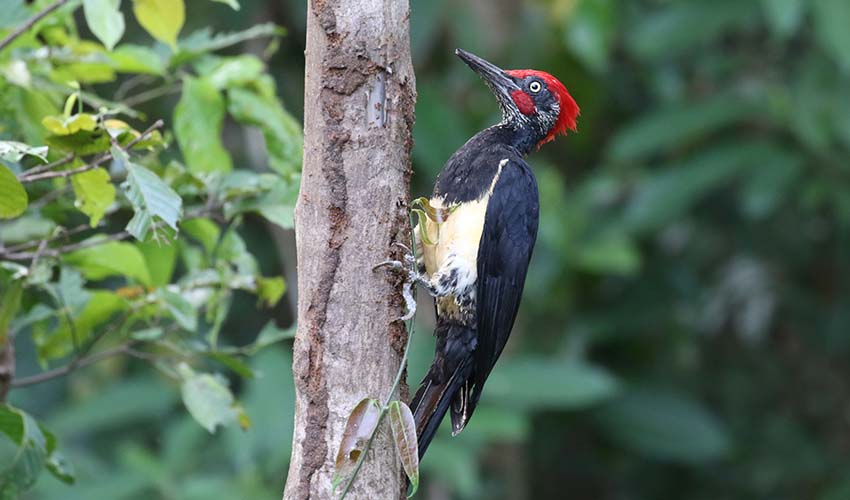
White-bellied woodpecker
A bold black-and-white bird with a red crown that makes it stand out in the forest
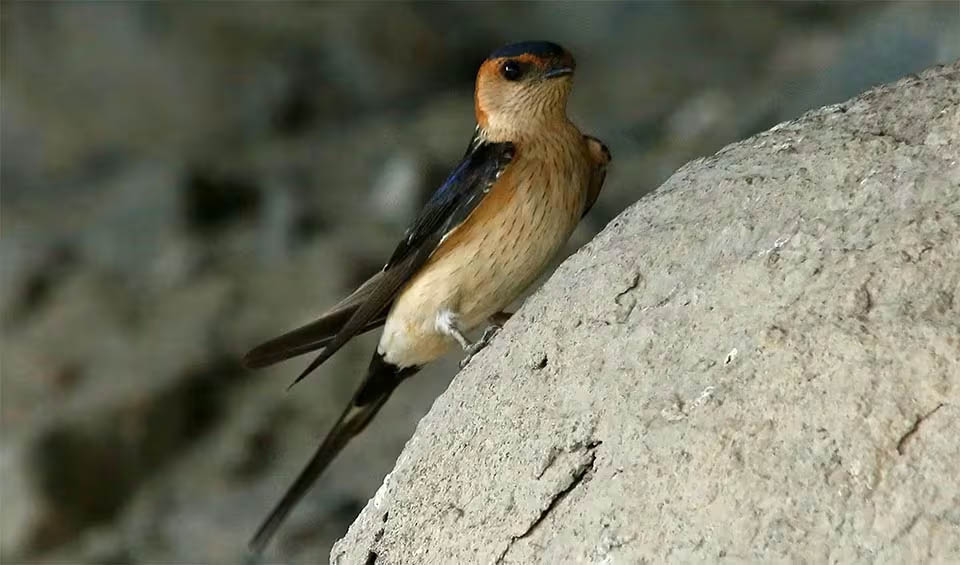
Red-rumped swallow
Amazing flyers — they can even drink water while they’re flying!
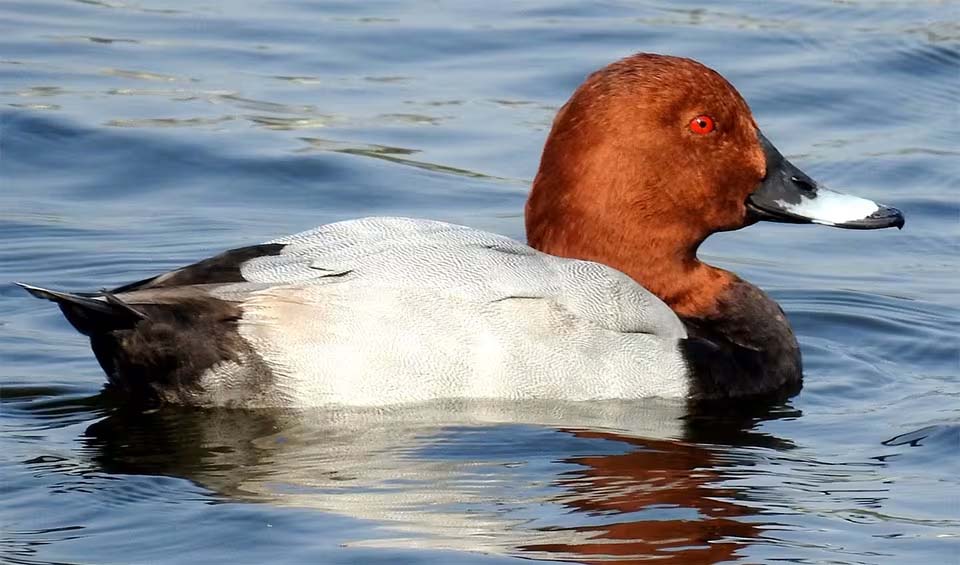
Common pochard
Can dive down to the bottom of a lake and rest there, safe from predators!

Tufted duck
Sometimes mistaken for the North American ring-necked duck — but the tuft gives them away immediately

Himalayan owl
Has excellent hearing and can locate prey even under fallen leaves or light snow

Delacours langur
It has a local Vietnamese name that translates to ‘langur with white pants,’ derived from their coat markings

François’ langur
Known as the “white side-burned monkey” thanks to the dramatic tufts of white hair along its cheeks
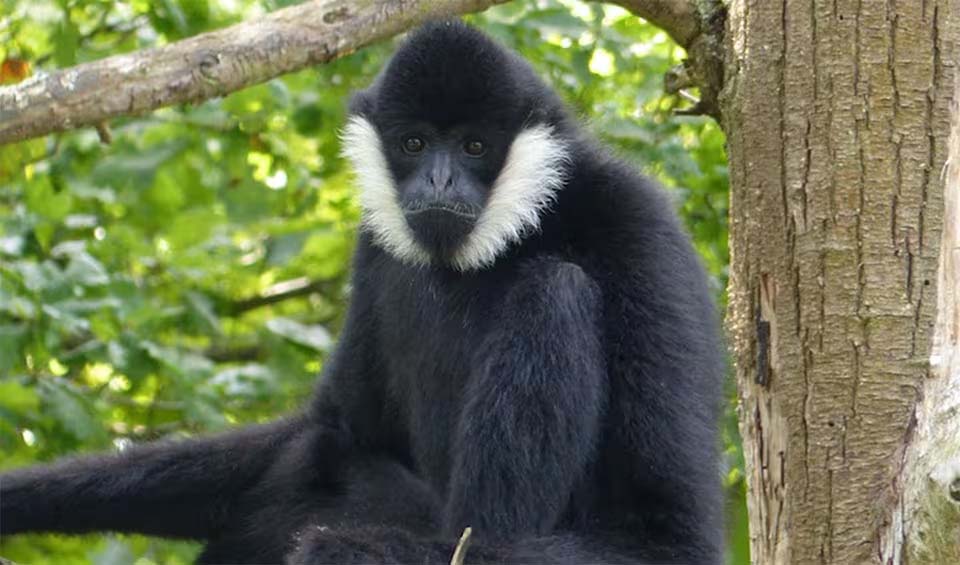
Black crested gibbon
Known for being fantastic climbers and jumpers, swinging through the trees with amazing speed and grace
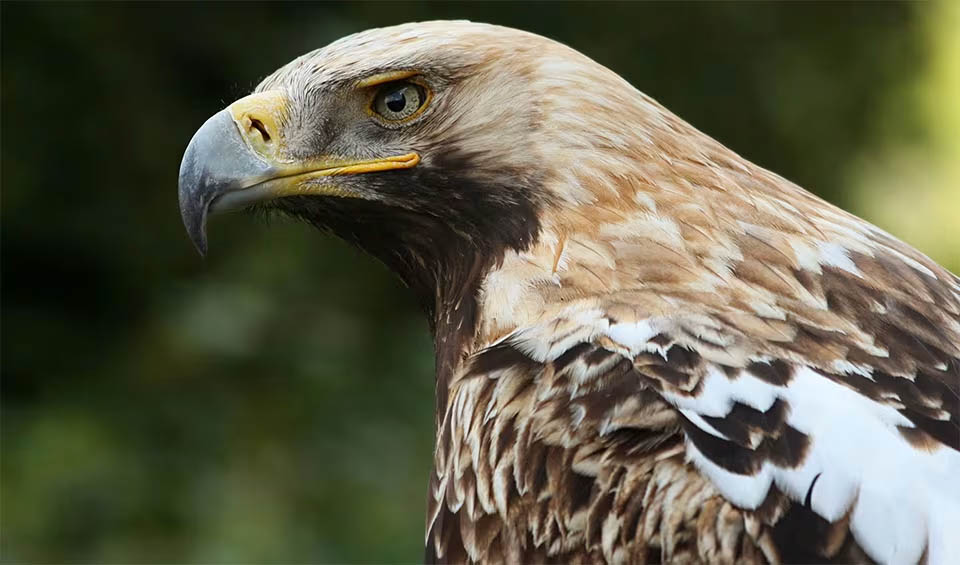
Eastern imperial eagle
Its imperial imagery and fierce demeanor have made it a symbol of power and nobility throughout history
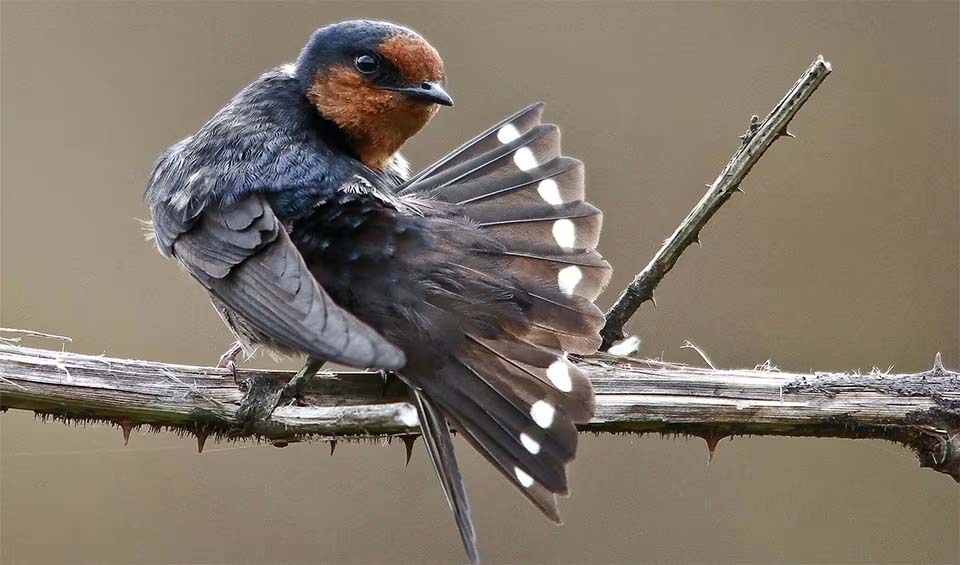
Barn swallow
Most common and widely distributed swallow globally
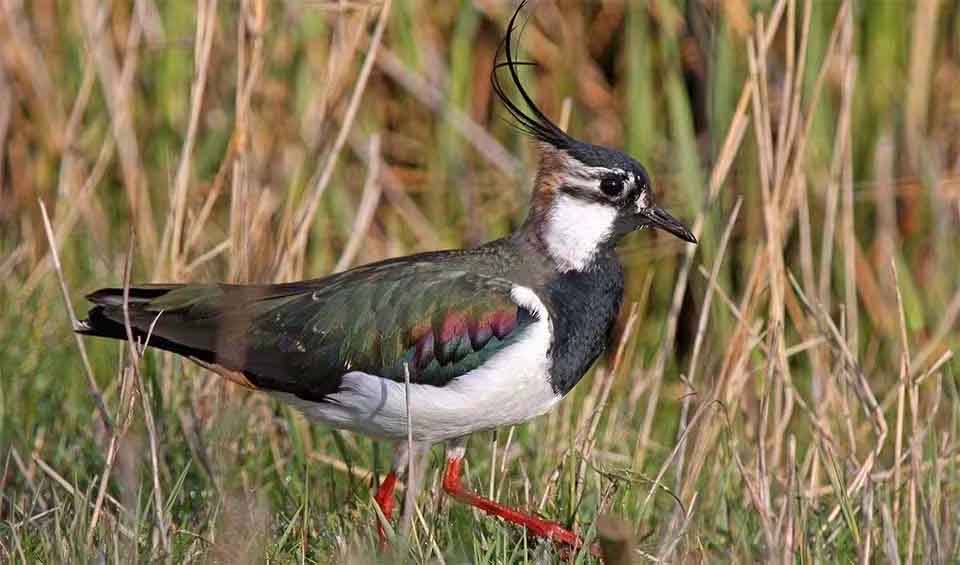
Northern lapwing
Very active and noisy, with a loud, piercing call that sounds like “pee-wit”
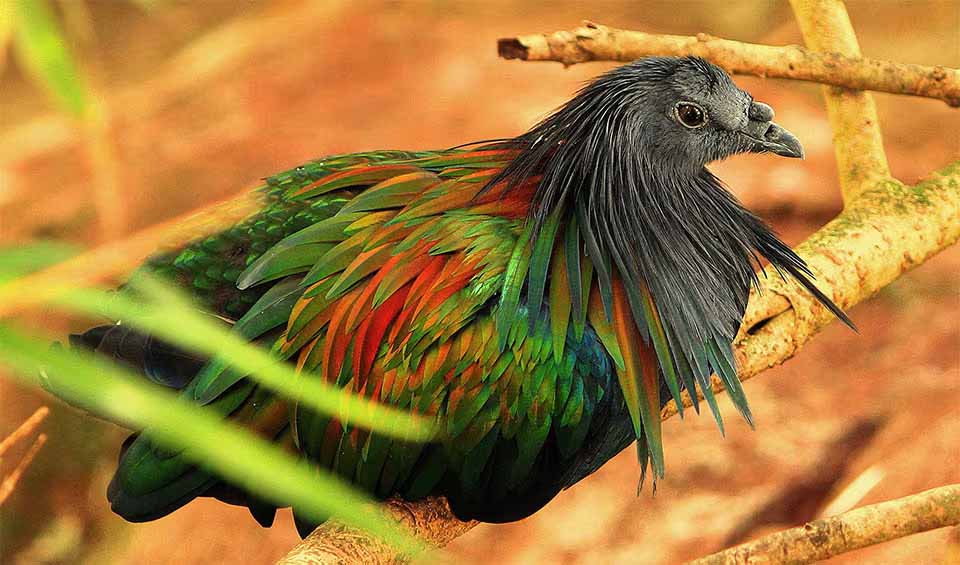
Nicobar pigeon
Considered one of the closest living relatives to the extinct dodo bird
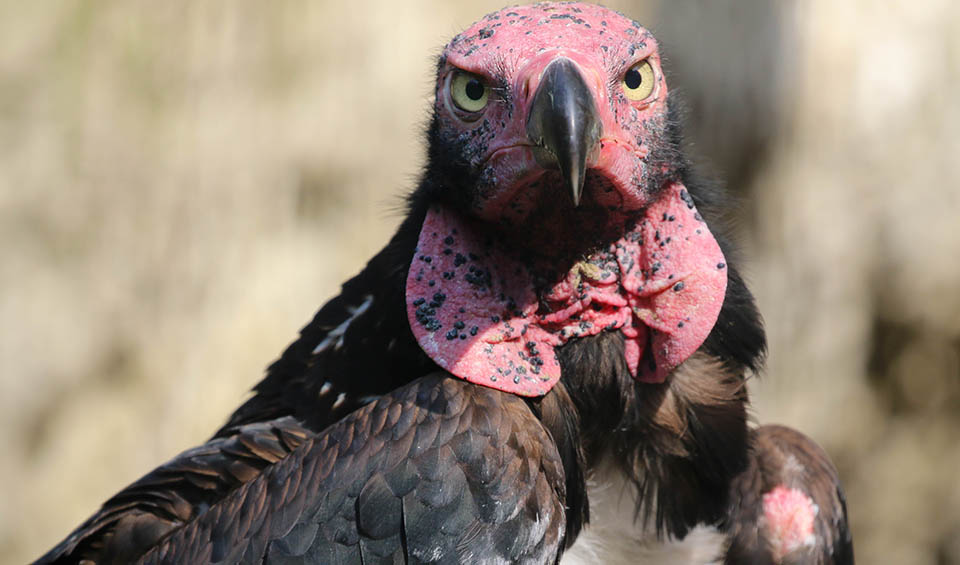
Red-headed vulture
The true eye-catcher is its head – completely bare with a shade of red, orange, or even yellow, depending on its age

Stejneger’s pit viper
Often seen coiled on bamboo stalks, where it’s almost invisible among the leaves
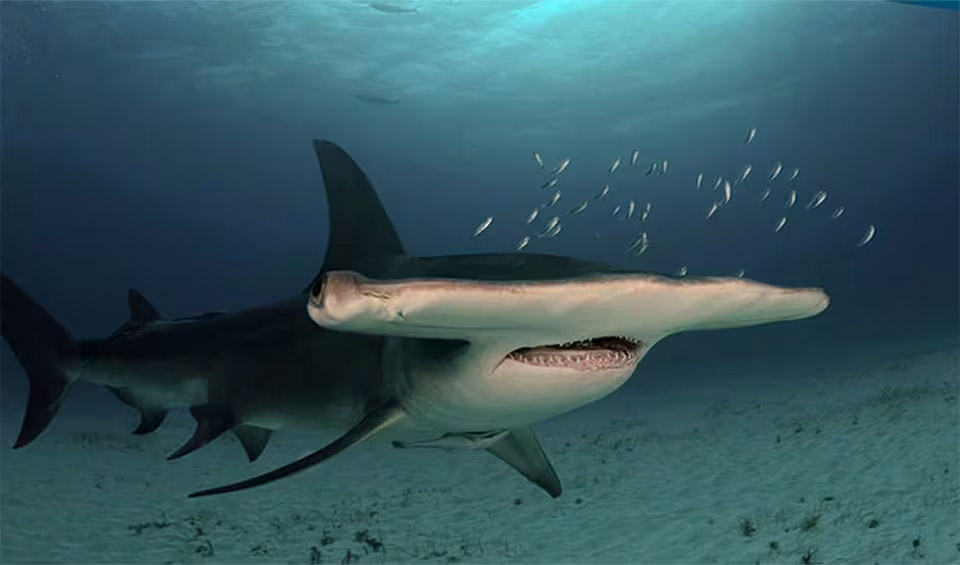
Great hammerhead
The biggest of all the hammerhead sharks, with a massive head that looks like a giant, flat hammer
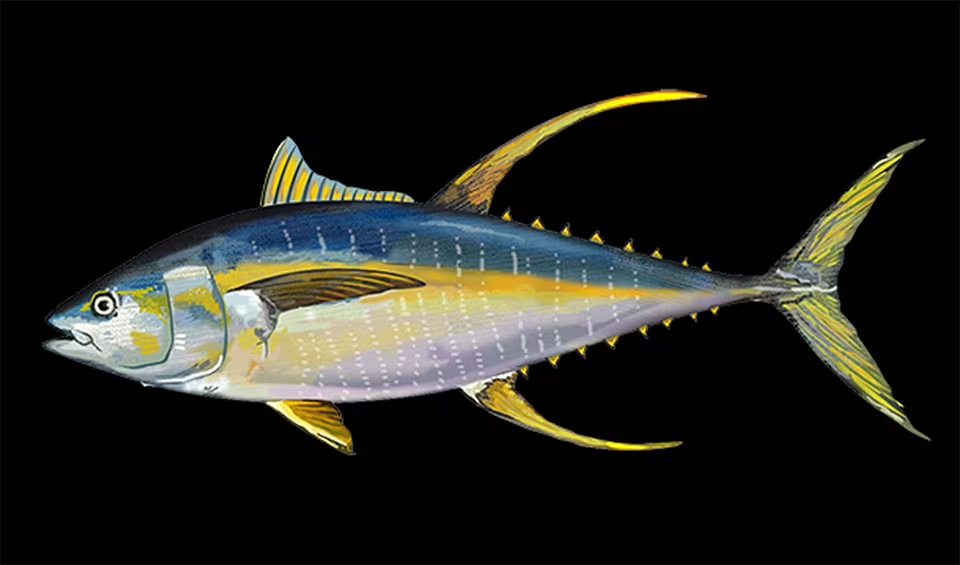
Yellowfin tuna
Popular food fish, prized for its mild flavor and firm texture
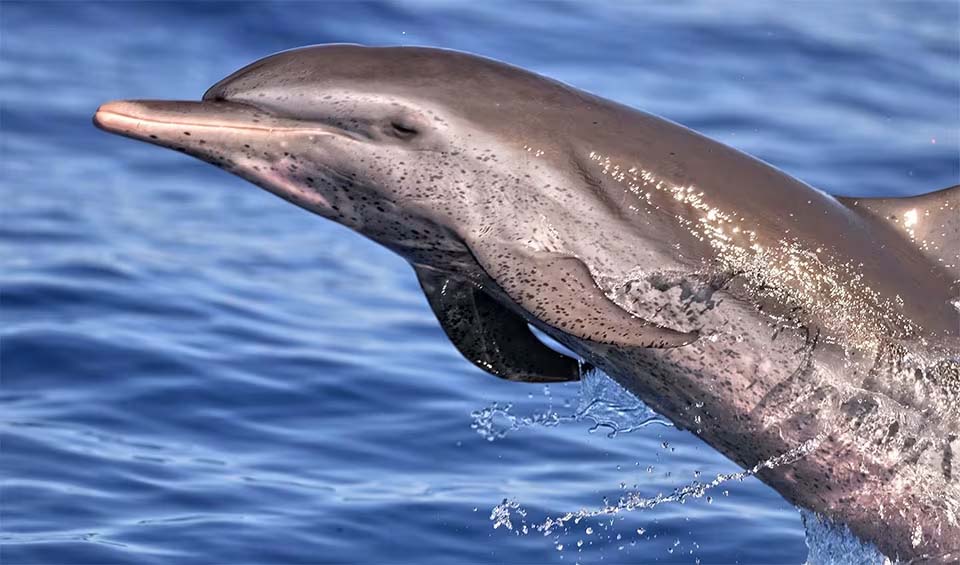
Pantropical spotted dolphin
A champion swimmer and a social butterfly of the warm seas
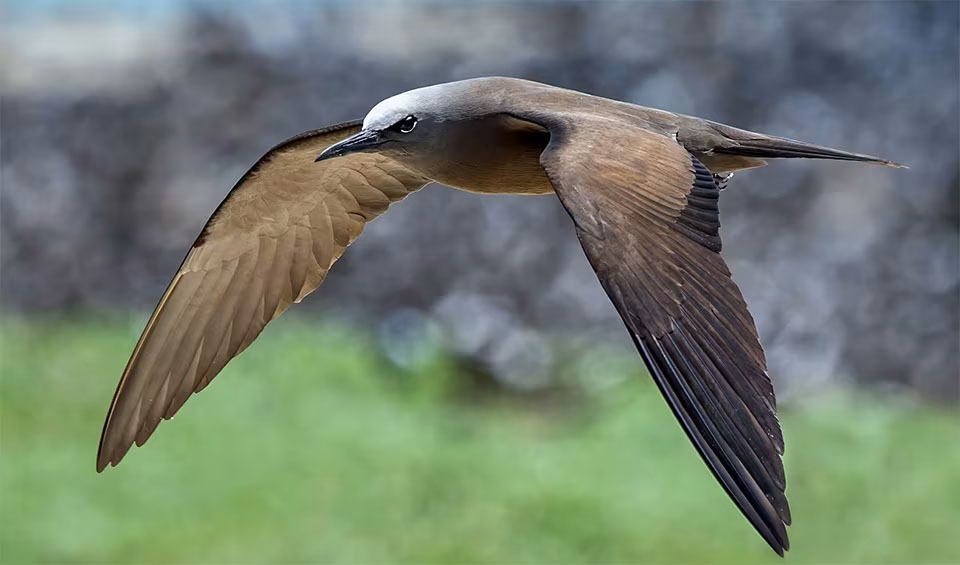
Brown noddy
They bob their heads up and down as they fly, which is actually how they earned the nickname “Noddy”
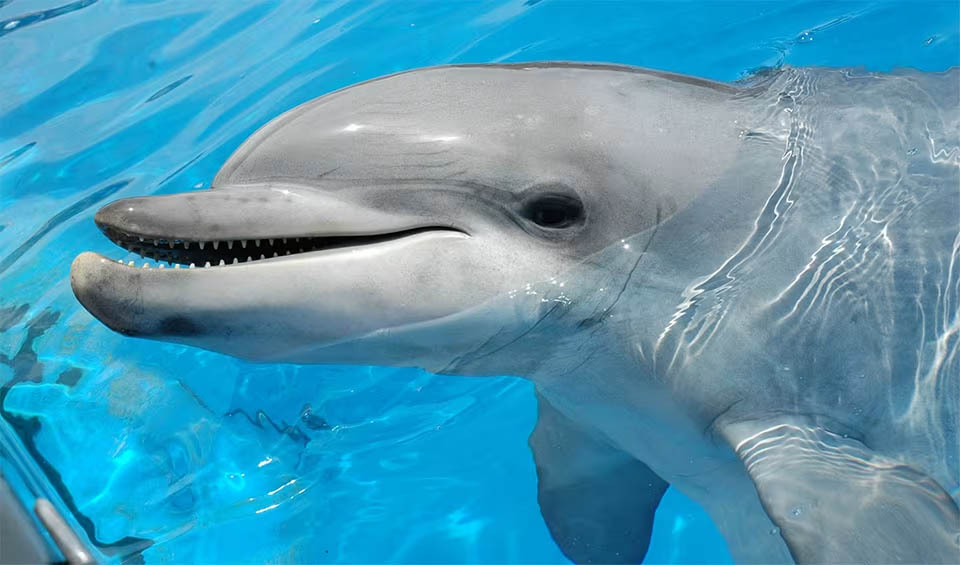
Common bottlenose dolphin
Known for their acrobatic leaps, twisting and turning gracefully as they jump completely out of the water

Grey-headed fish-eagle
Often described as quiet and patient despite its imposing look
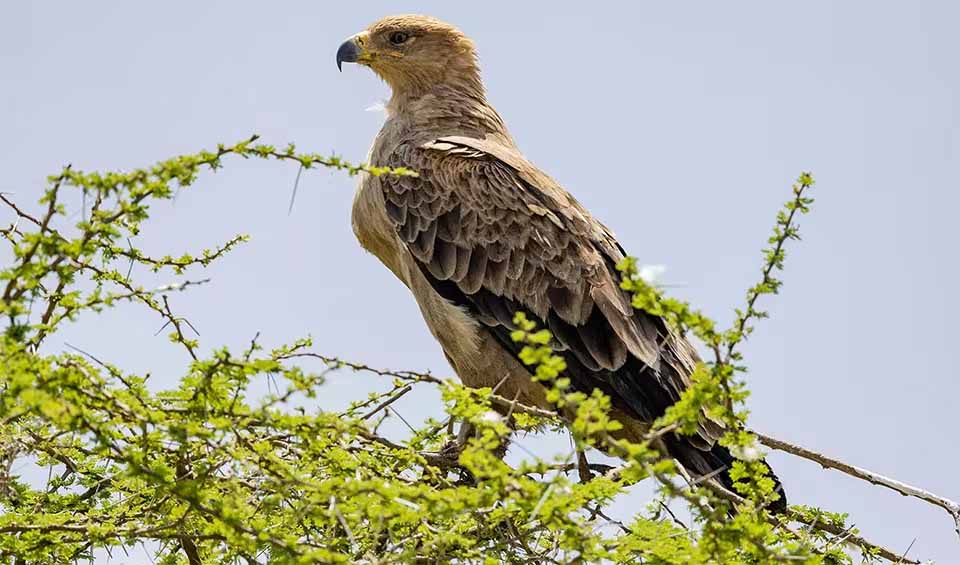
Tawny eagle
Often seen as a symbol of strength, freedom, and keen vision in many African communities
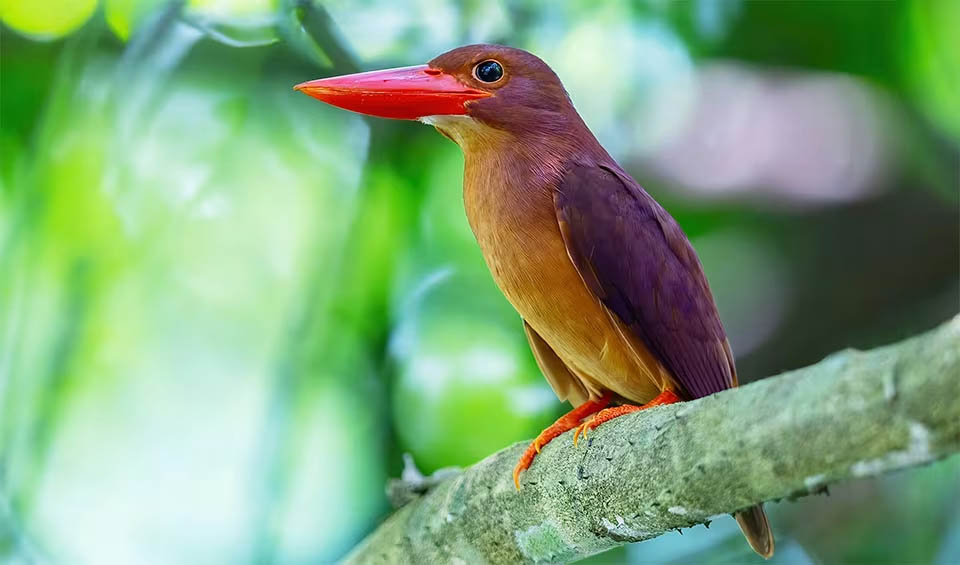
Ruddy kingfisher
Notoriously difficult to spot due to their preference for dense, shadowy forest habitats
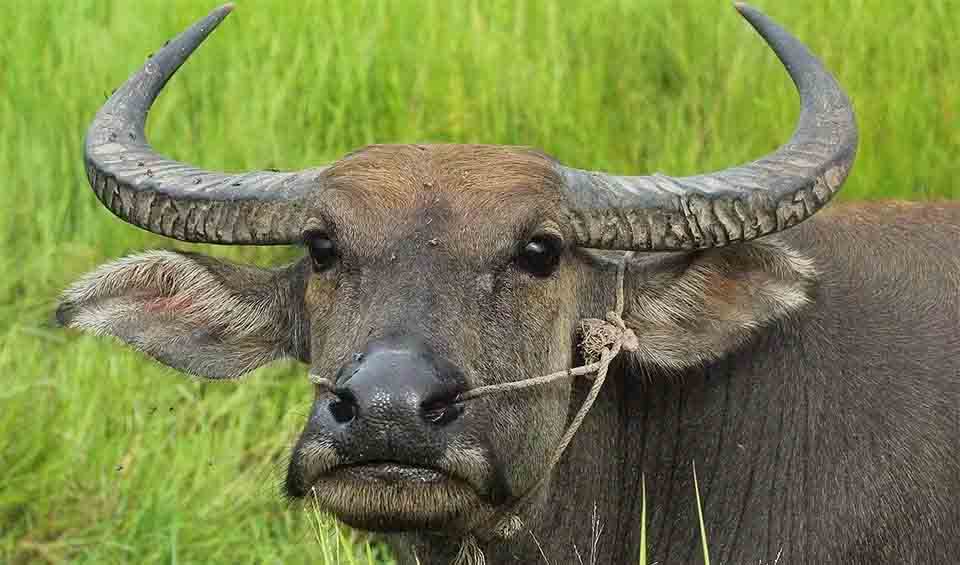
Water buffalo
The “living tractors of the East”—vital in traditional agriculture, particularly in Asia
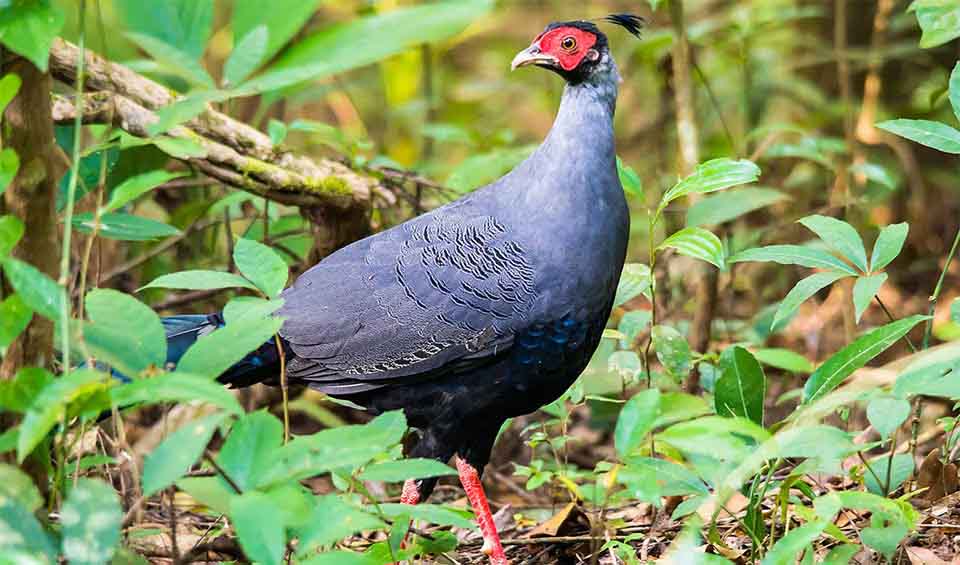
Siamese fireback
The national bird of Thailand, symbolizing the wildlife heritage of the country
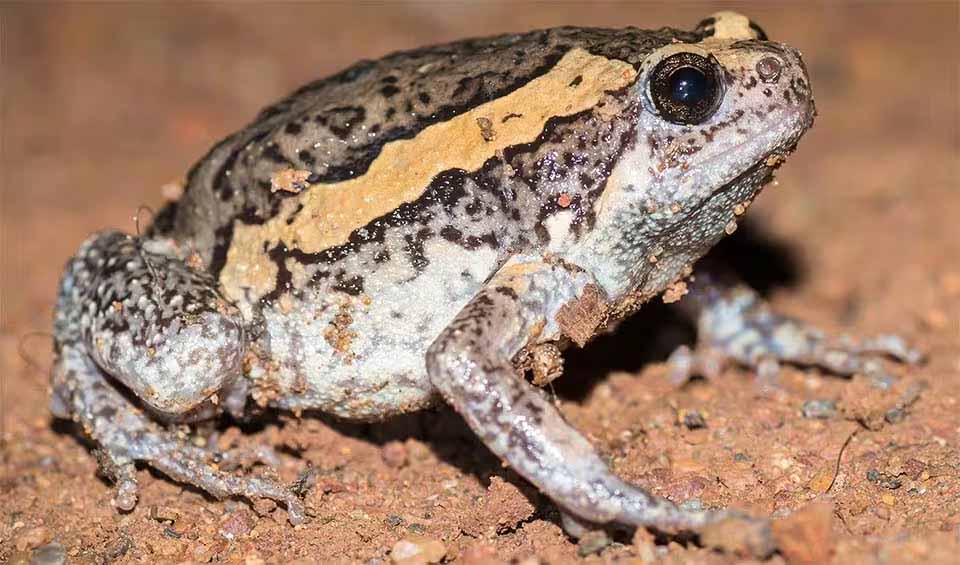
Banded bullfrog
These frogs don’t “croak”—their call sounds more like a dog’s bark!
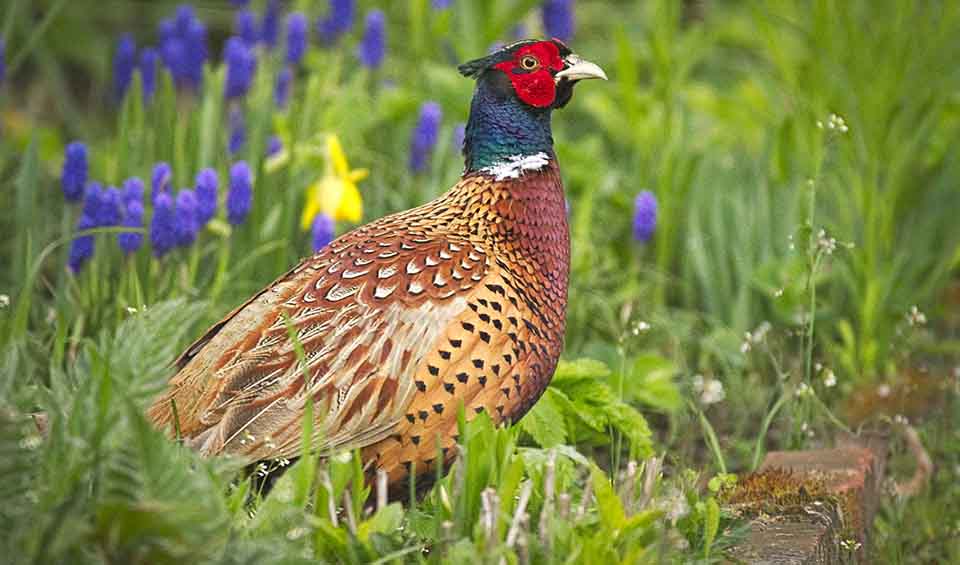
Common pheasant
One of the most hunted, widespread, ancient, and well-known game birds
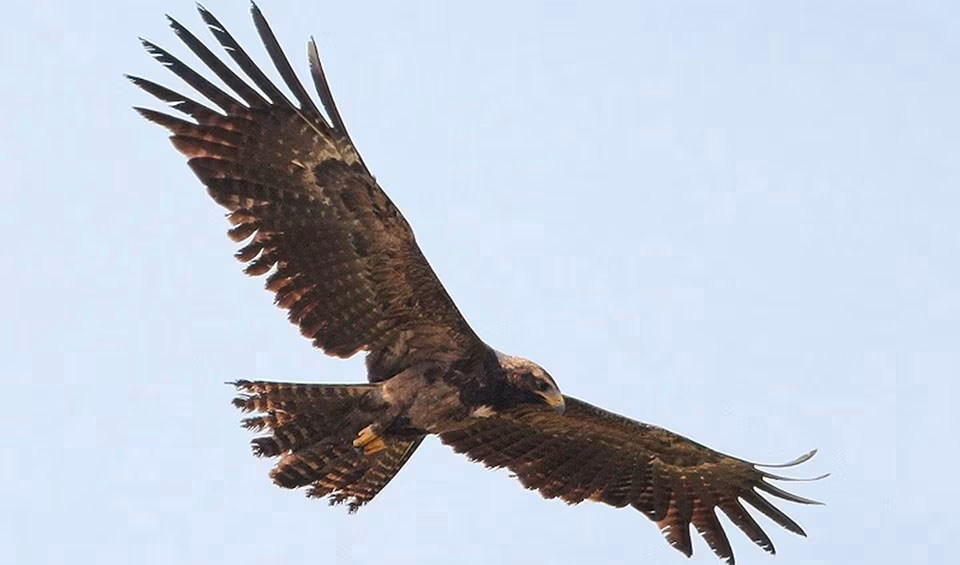
Black eagle
Controller of arboreal birds and mammals populations in Asia’s tropical forests
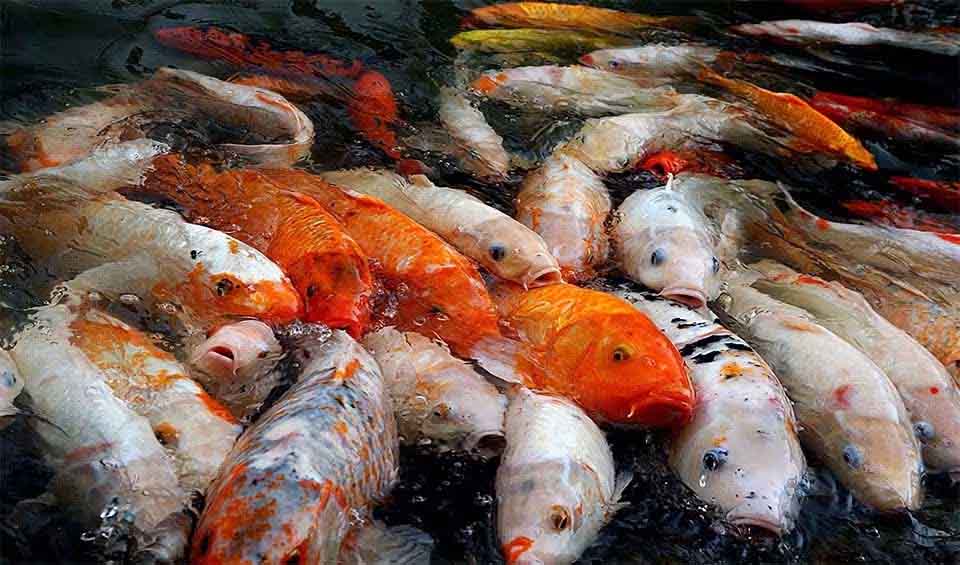
Koi carp
Not just a pond fish but a cultural icon, especially in Japan where they are most famously cultivated
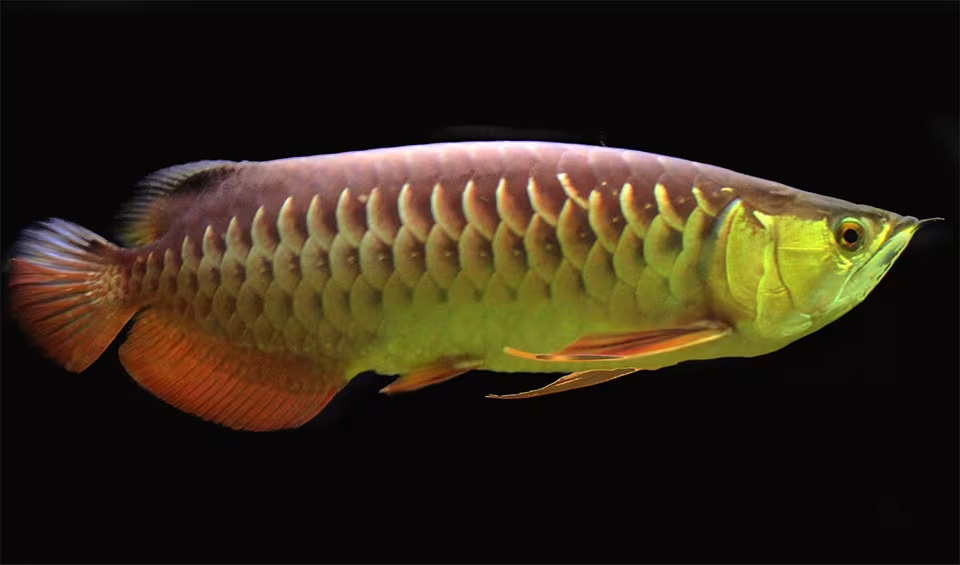
Asian arowana
Often called the “dragon fish” because of its shiny, scale-covered body and its resemblance to the mythical dragon
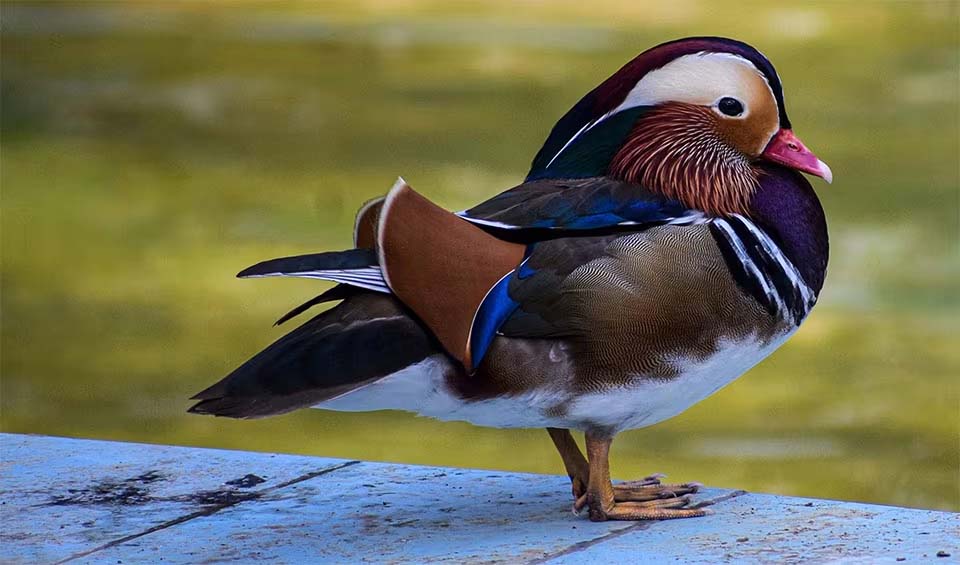
Mandarin duck
Revered in many cultures for their beauty, grace, and symbolism of love and fidelity
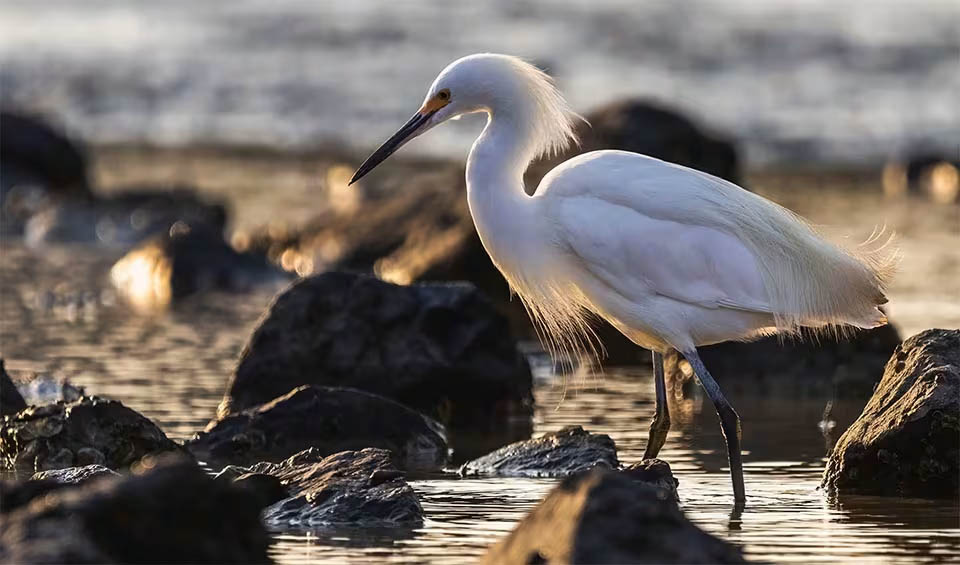
Little egret
During breeding, they transform with elegant white plumage, adorned by decorative plumes on the head, neck, and back
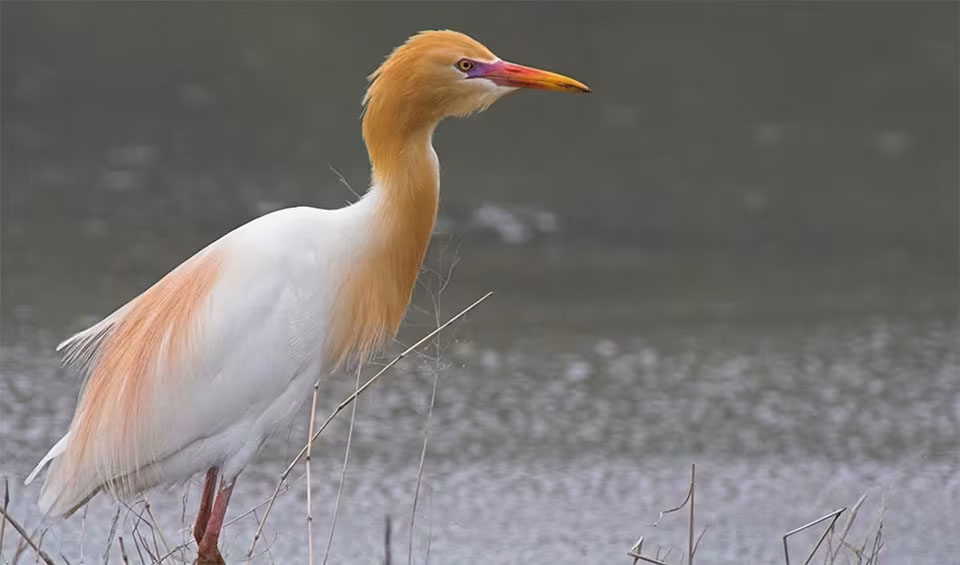
Eastern cattle egret
It can catch insects that are disturbed by the animals’ movements
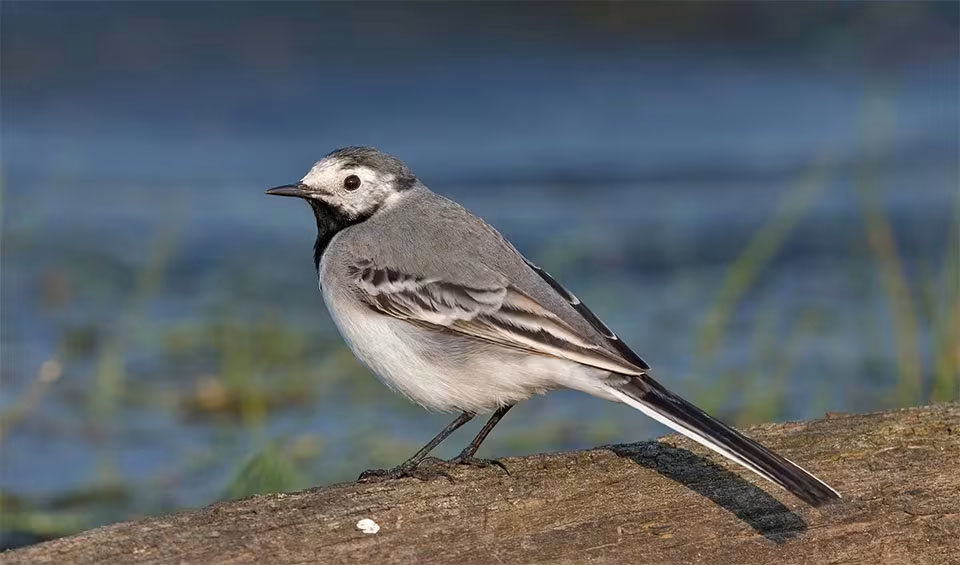
White wagtail
Holds cultural symbolism in some societies, representing good luck
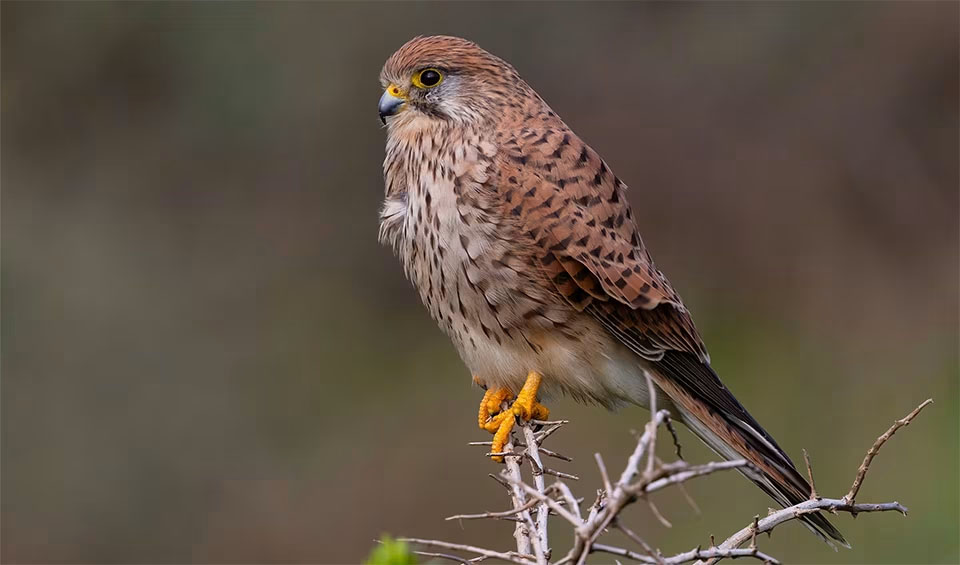
Eurasian kestrel
Adaptable raptor known for its hovering hunting technique and striking appearance
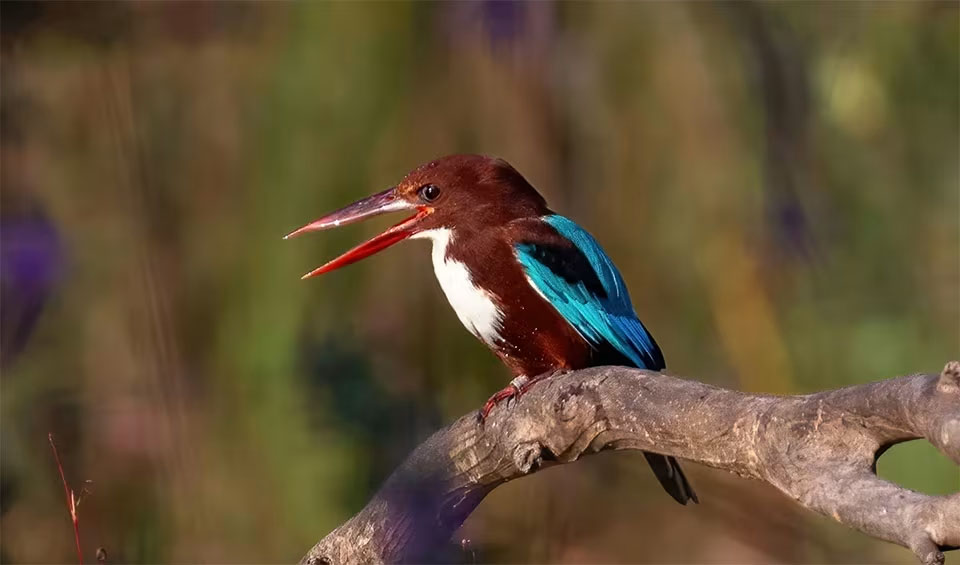
White-throated kingfisher
These birds are quite chatty, and their sounds are like a strong and determined rattling laugh
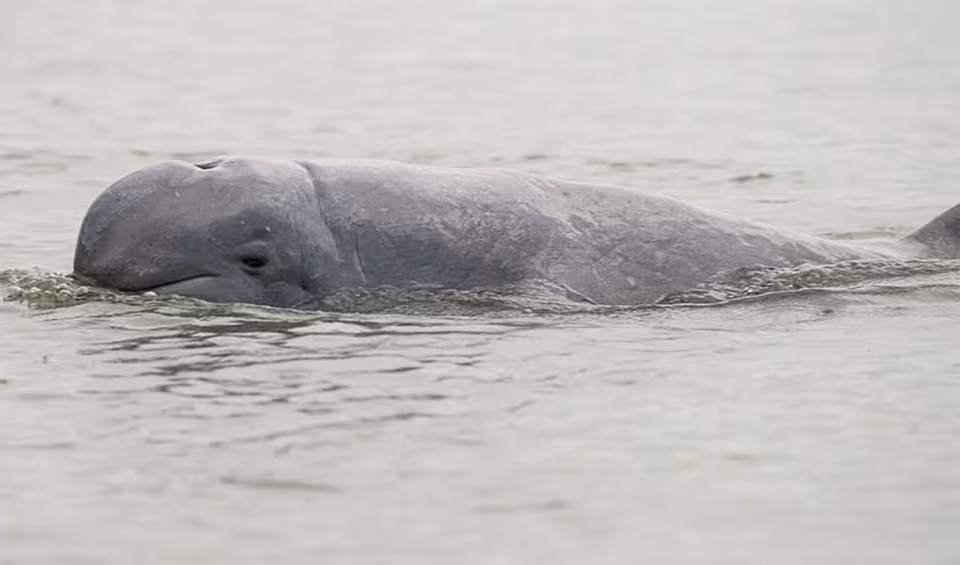
Irrawaddy dolphin
Have a preference for slower-moving or still waters, making them well-suited to environments like rivers and deltas
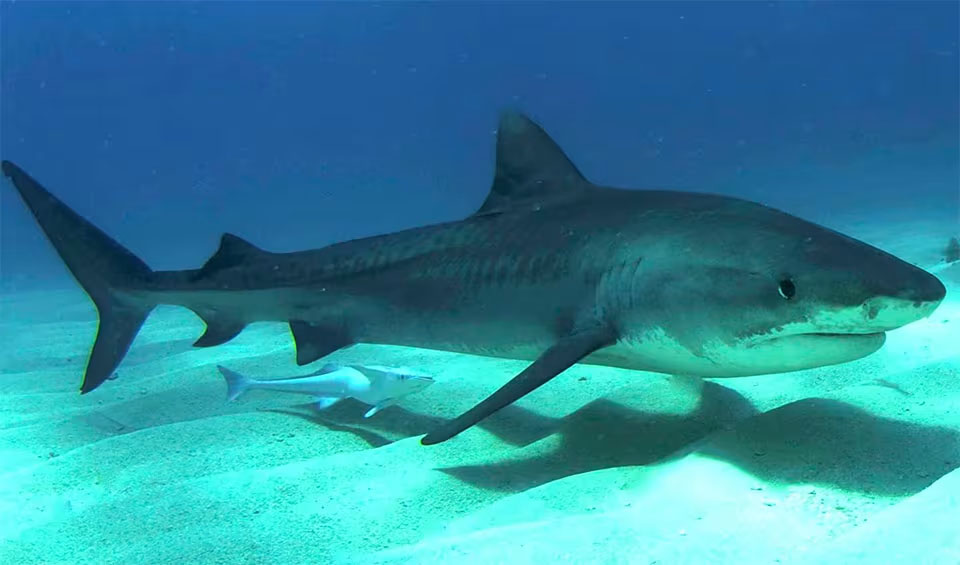
Tiger shark
They eat almost anything that comes their way – you name it, they’ll try to snack on it!
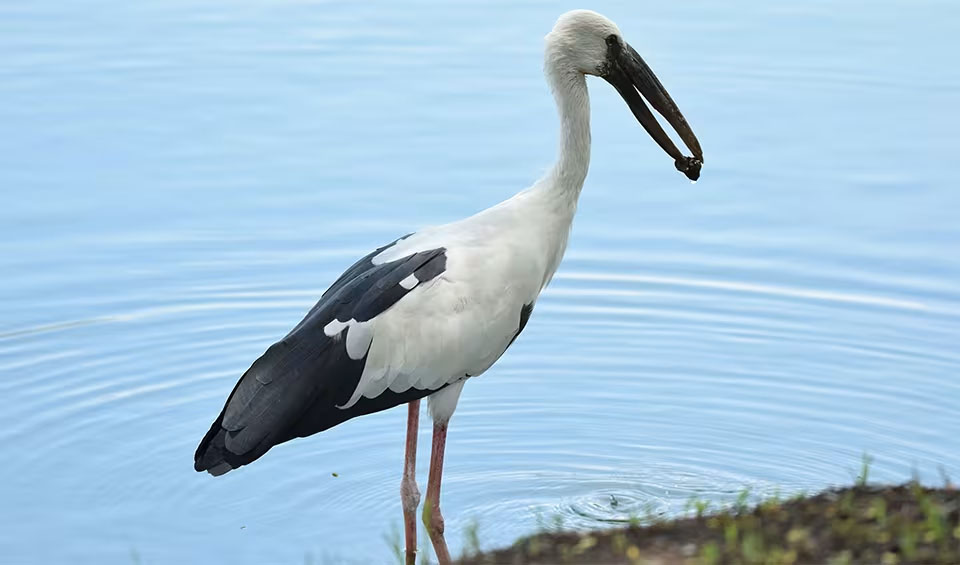
Asian openbill
Adept hunters of freshwater snails and mollusks, using their specialized bills to extract their prey from their shells
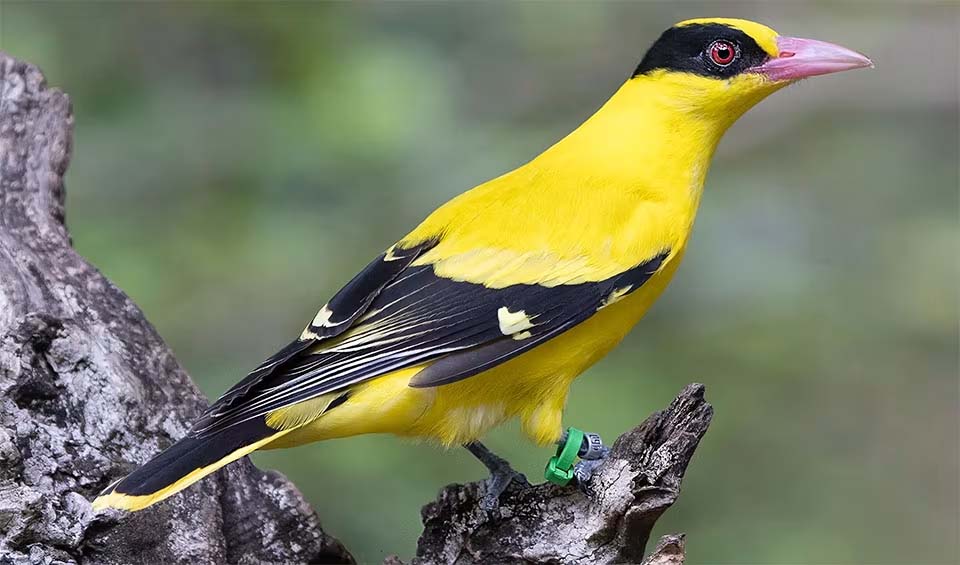
Black-naped oriole
They are skilled mimics, capable of imitating various sounds from their surroundings
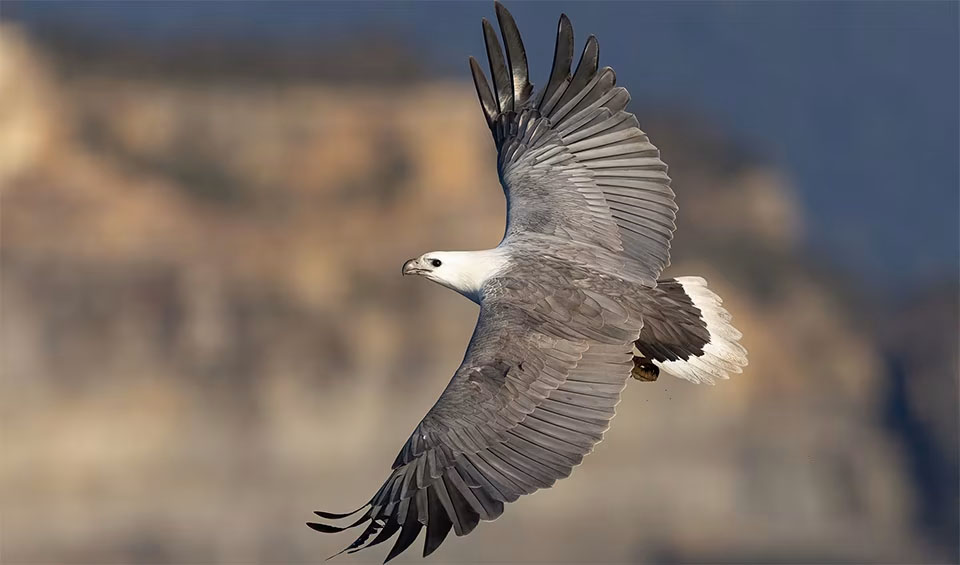
White-bellied sea eagle
Its broad wings enable it to glide effortlessly on air currents, often seen navigating the coastal winds
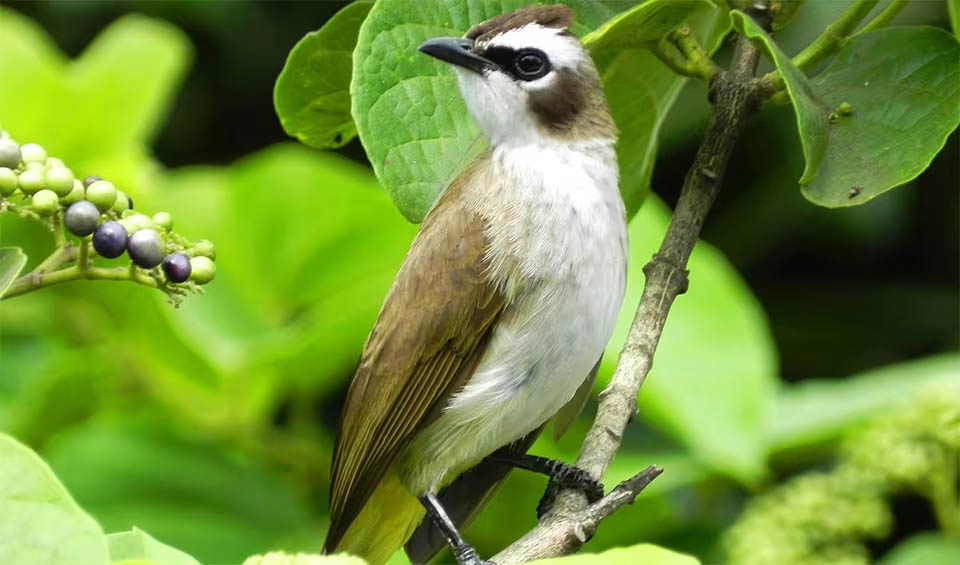
Yellow-vented bulbul
It successfully integrated itself into urban environments, often found in gardens, parks, and even city centers
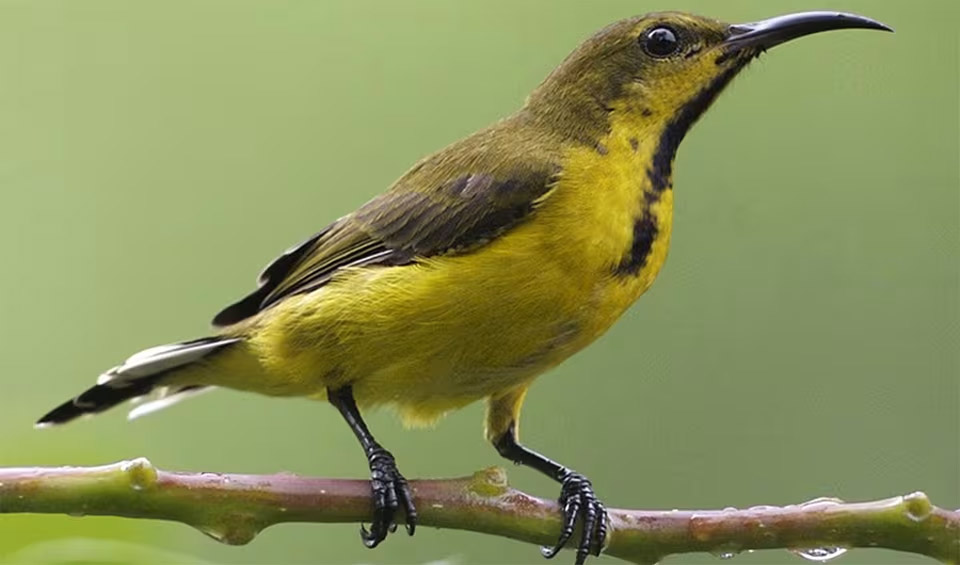
Olive-backed sunbird
Using spider silk and plant materials, they construct delicate nests that hang from branches
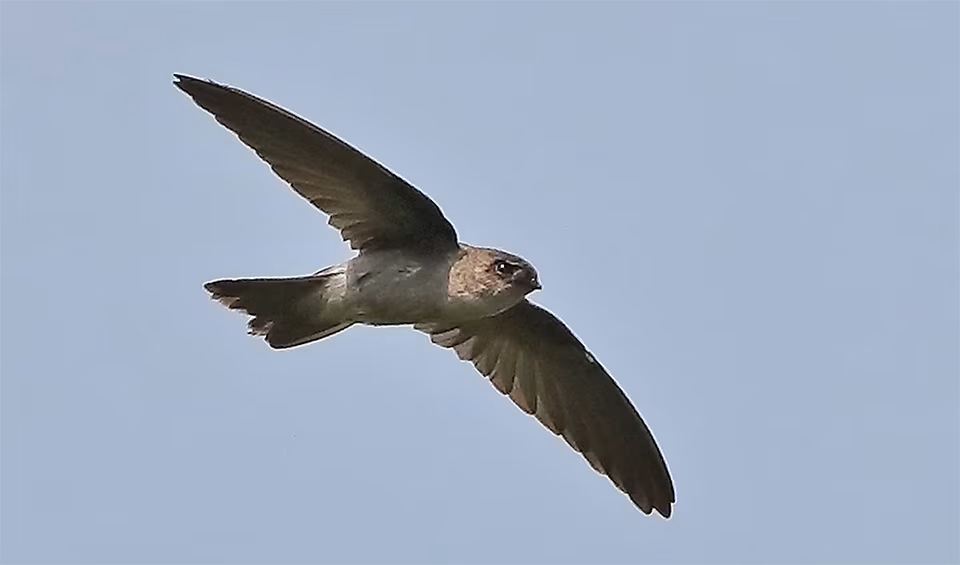
Asian palm swift
Their narrow wings, long forked tails, and streamlined bodies are perfectly designed for high-speed maneuvers
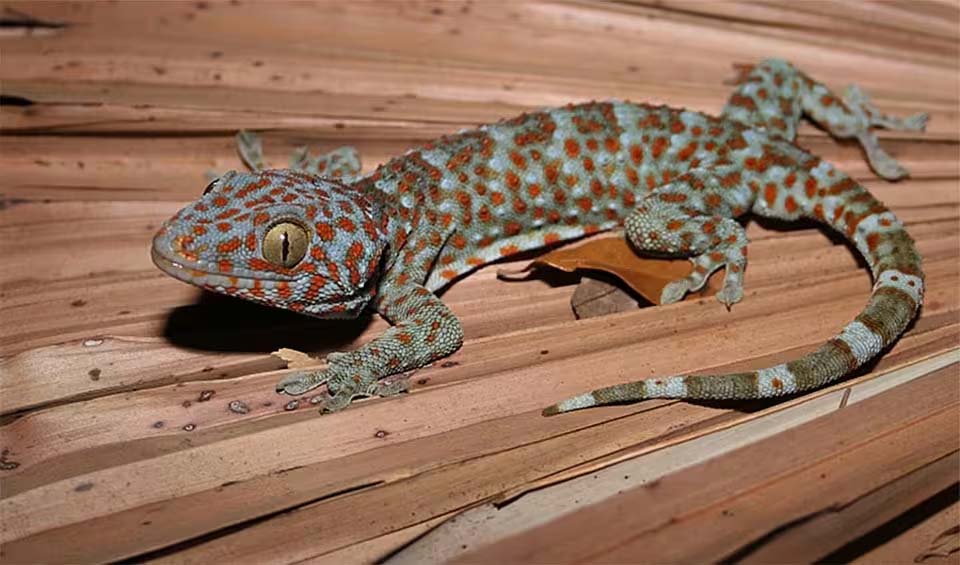
Tokay gecko
Its large eyes are equipped with highly sensitive retinas, which allow it to see in low light conditions
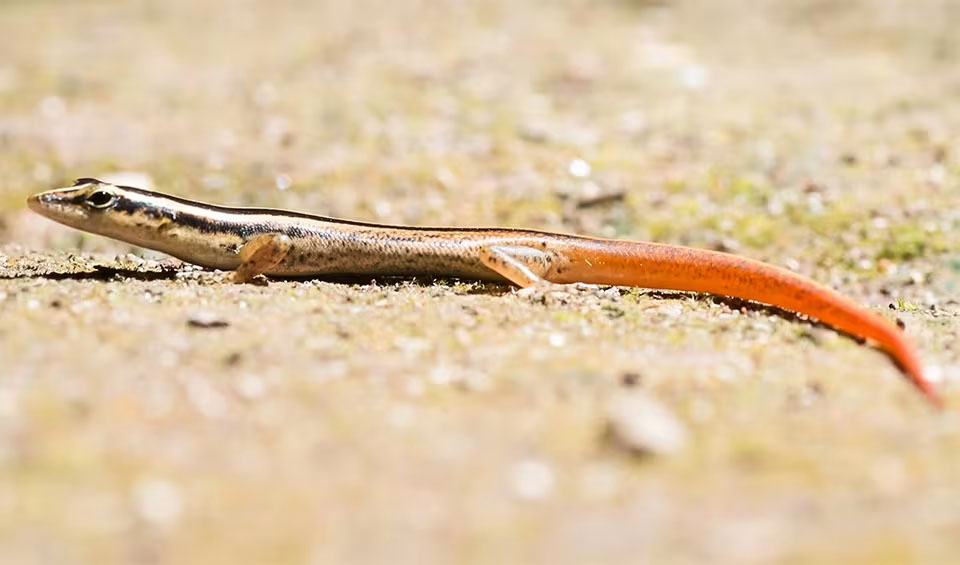
Sunda striped skink
Their stripes serve as an ingenious form of camouflage, allowing them to seamlessly blend into their environment
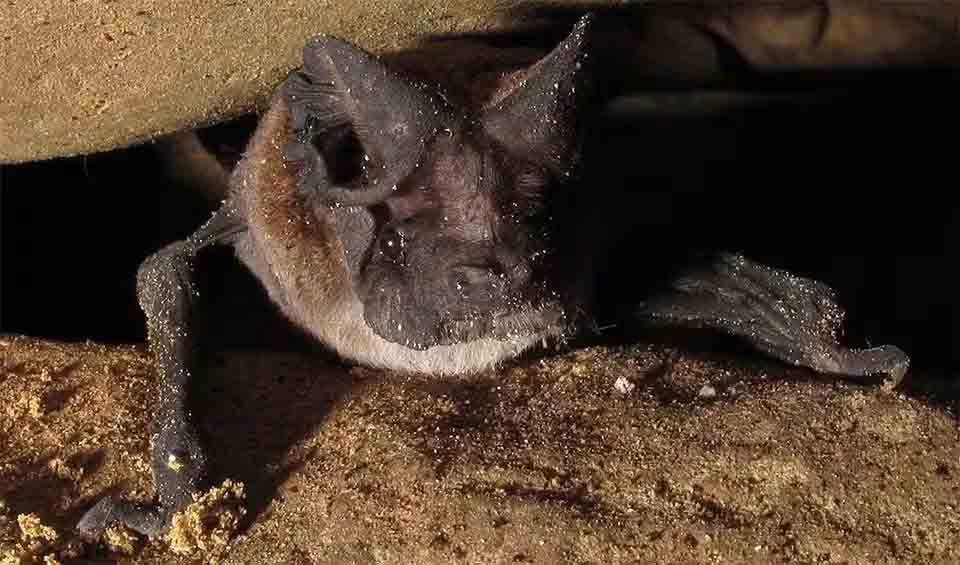
Wrinkle-lipped free-tailed bat
Their name comes from the distinctive folds or wrinkles on their lips which is essential for capturing prey in mid-flight
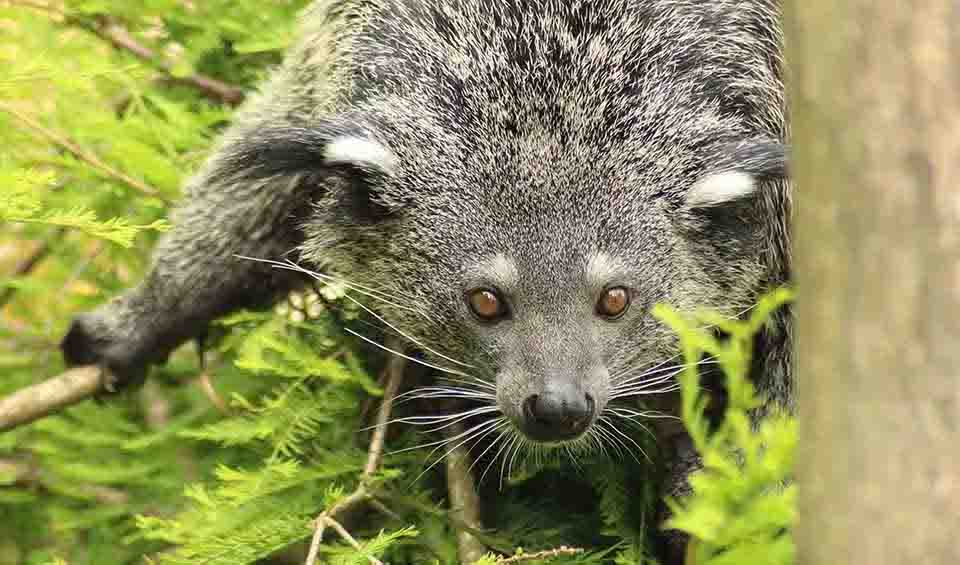
Binturong
Despite their nickname “bearcat,” they are not related to bears or cats
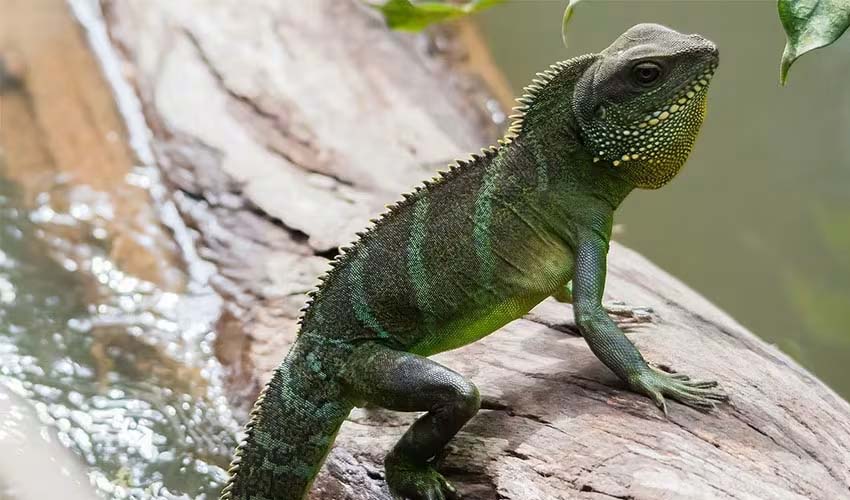
Chinese water dragon
An arboreal lizard that calls the water’s edge its home
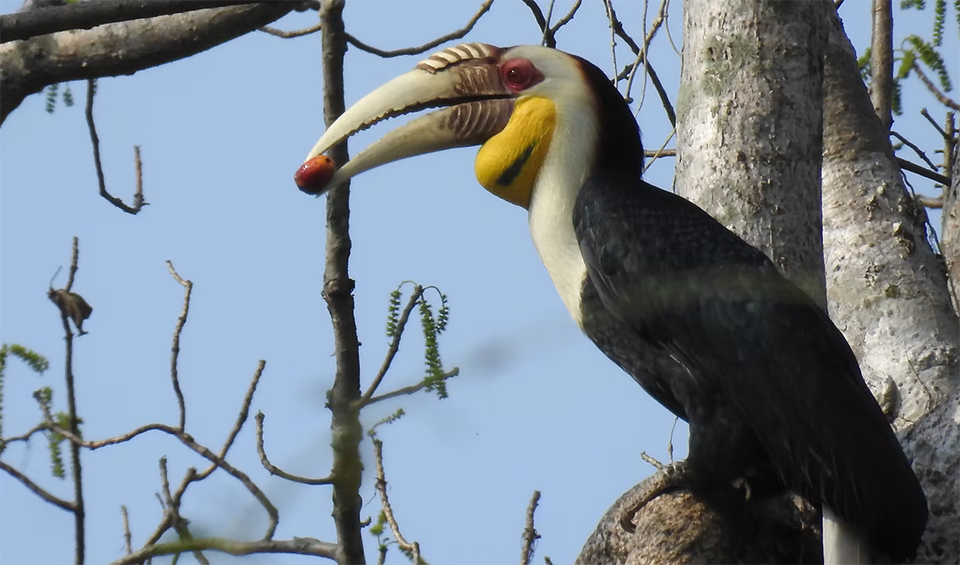
Wreathed hornbill
Their beaks are tools for everything from cracking open fruits to catching insects mid-air – talk about multitasking!
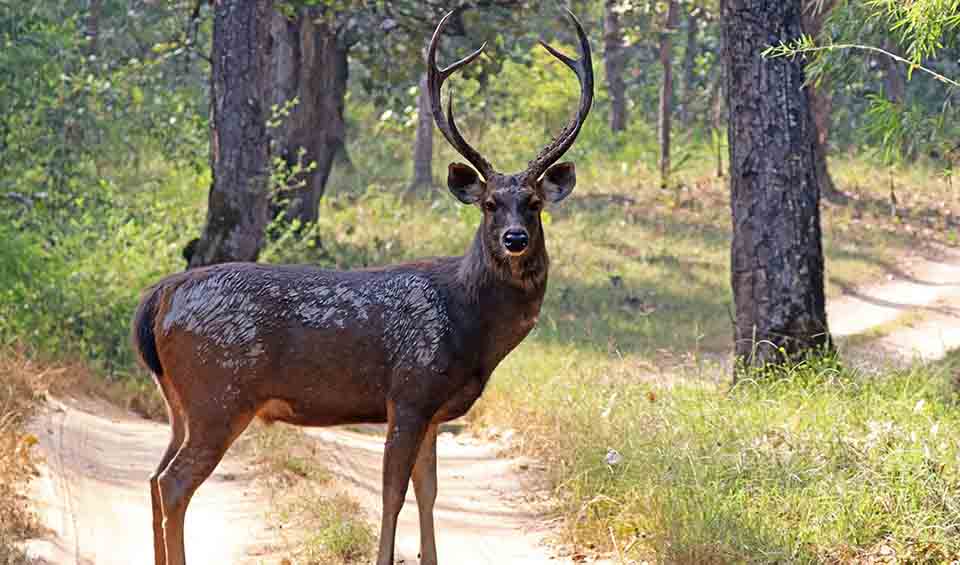
Sambar deer
With its towering stature and impressive antlers, is a true king of the Asian forests
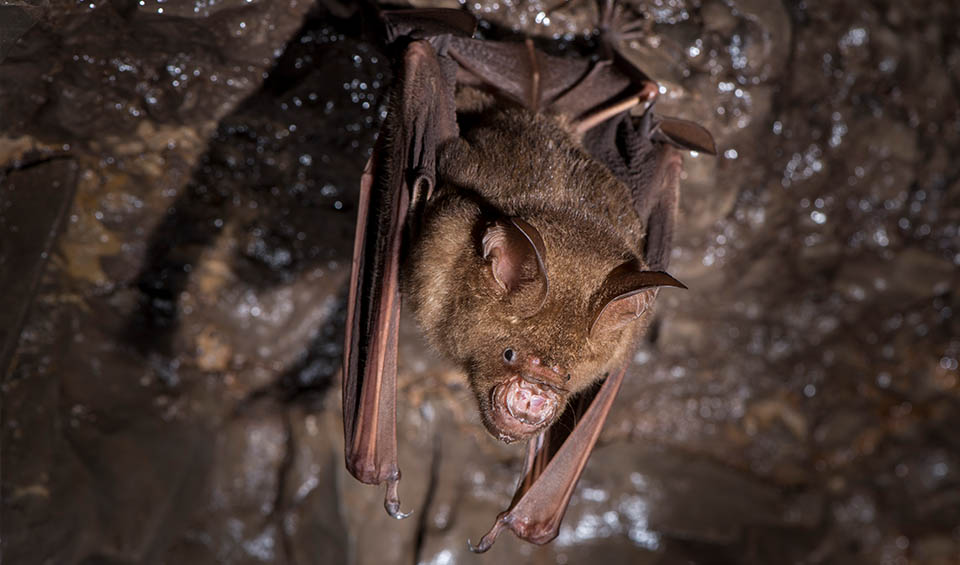
Great roundleaf bat
A key player in keeping pesky insect populations in check and lending a hand in pollination
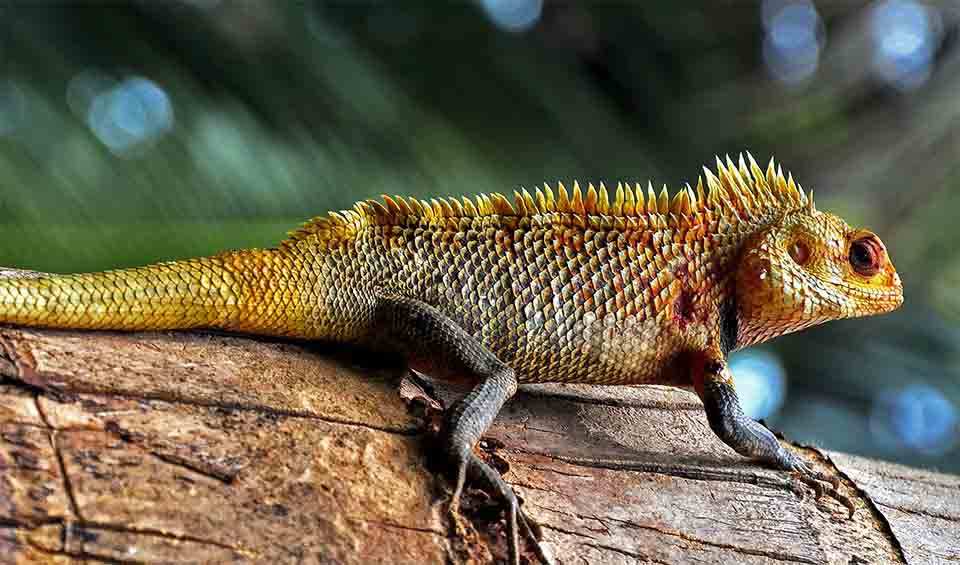
Oriental garden lizard
A lizard with vibrant hues – a living canvas of green, brown, and sometimes even blue
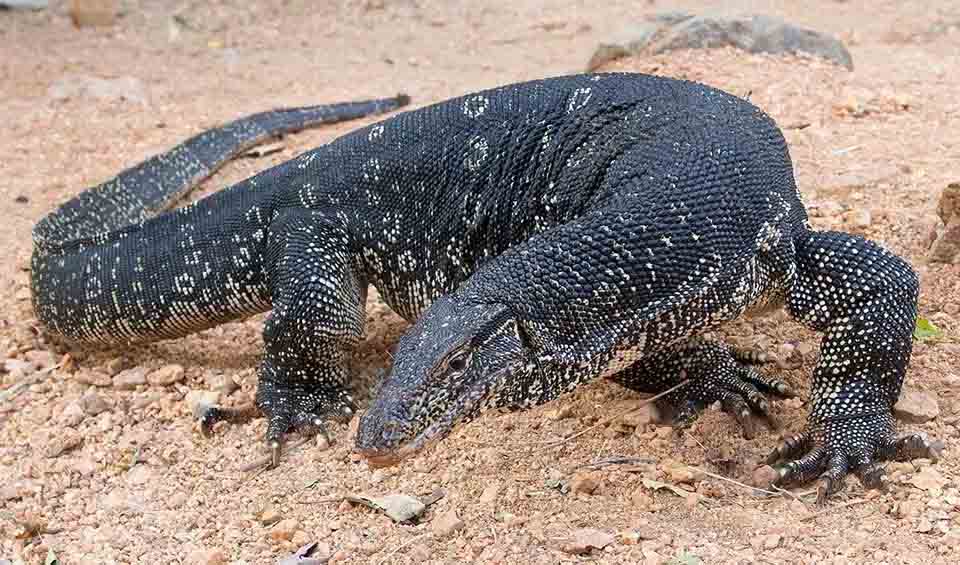
Asian water monitor
They can be found basking in the sun with their fellow monitors, sharing warmth and companionship
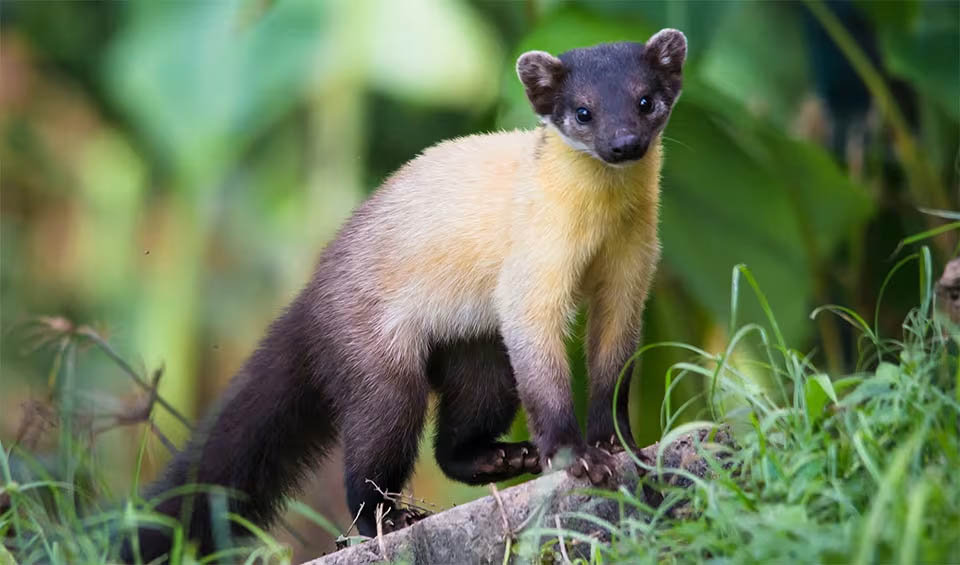
Yellow-throated Marten
Aren’t afraid of bigger animals, and they’ve been known to fight off dogs and even leopards!
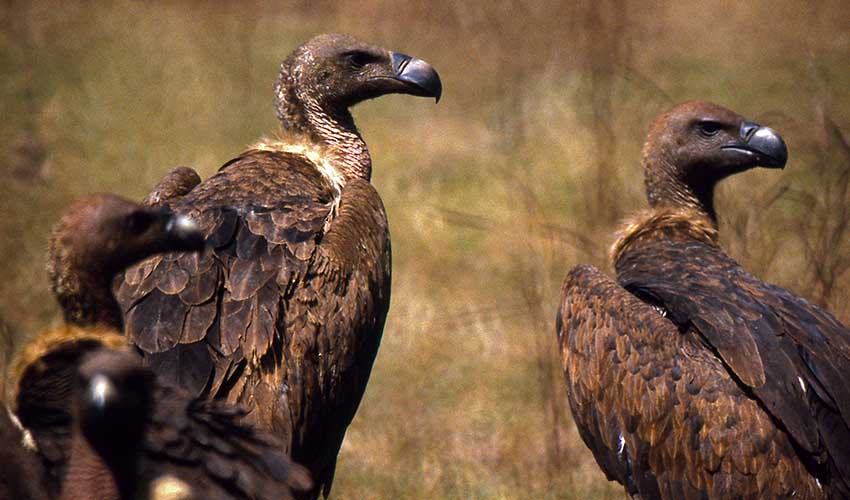
White-rumped vulture
Millions once filled the skies and trees across South Asia, acting as nature’s cleanup crew
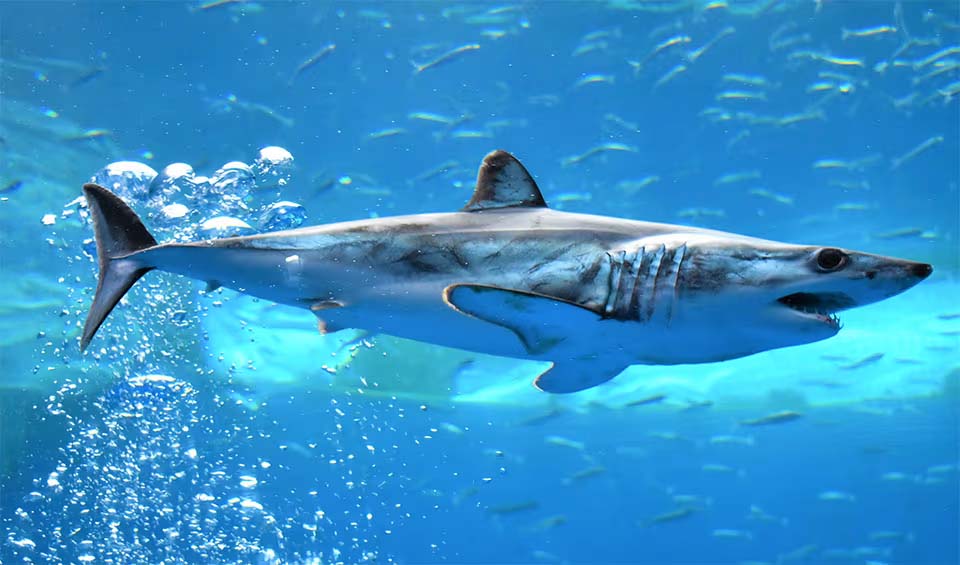
Shortfin mako shark
Speed and power embodied, they rule the seas with their sleek bodies and jaw-dropping leaping prowess
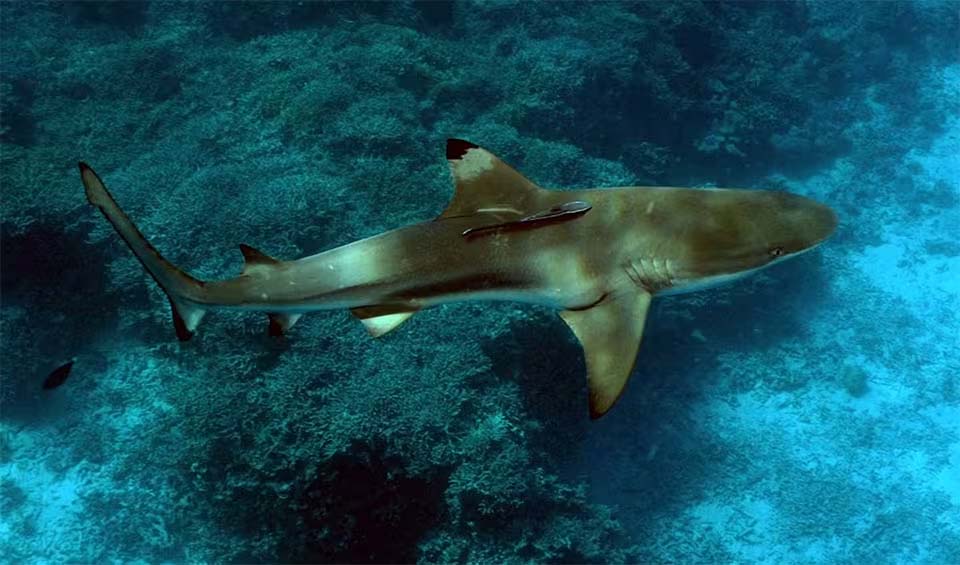
Blacktip reef shark
Graceful and stealthy, these reef dwellers navigate the coral maze with finesse, showcasing their iconic black-tipped fins
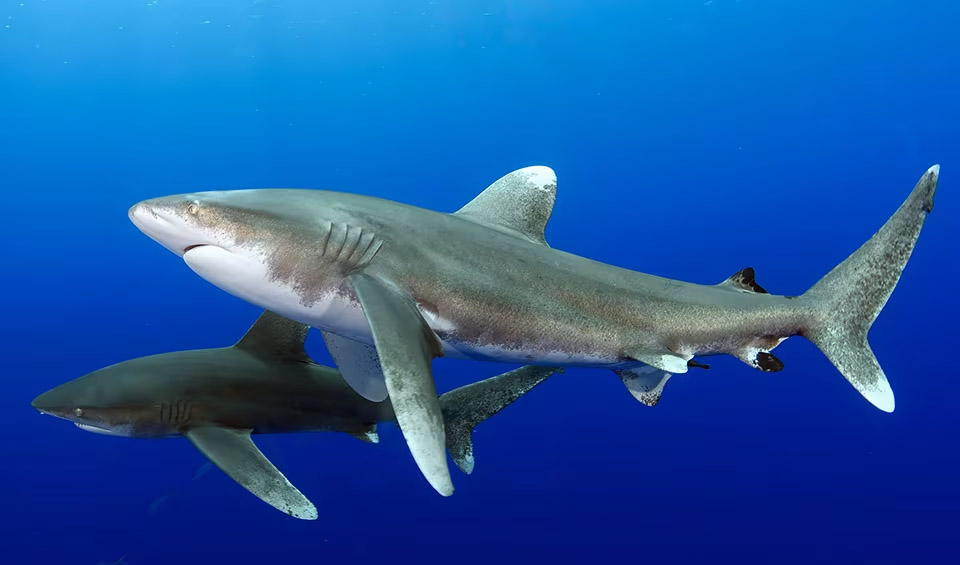
Oceanic whitetip shark
Opportunistic predators of the open ocean, their aggressive and persistent feeding behaviour strikes fear into the hearts of their prey
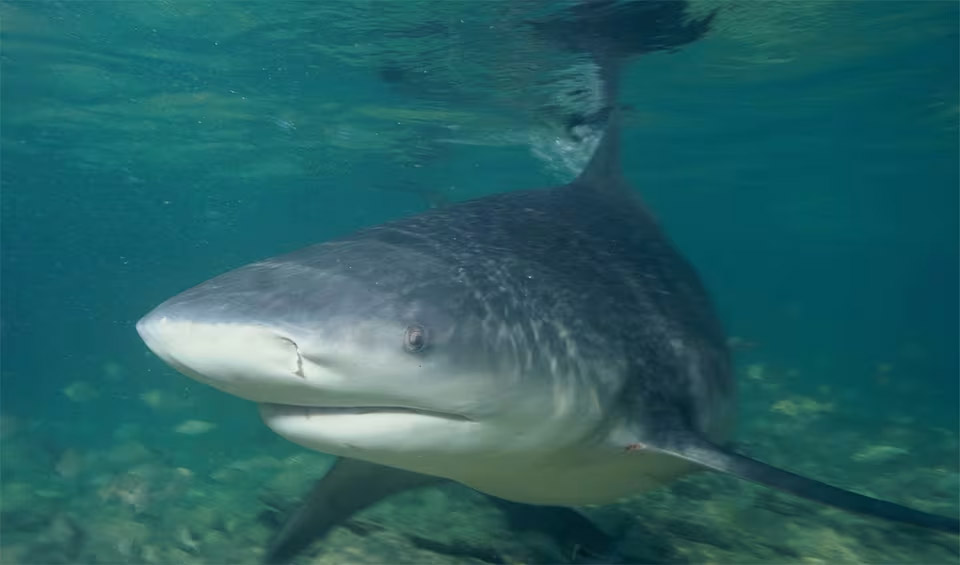
Bull shark
Fearless and formidable, these aggressive predators command respect in the waters they roam
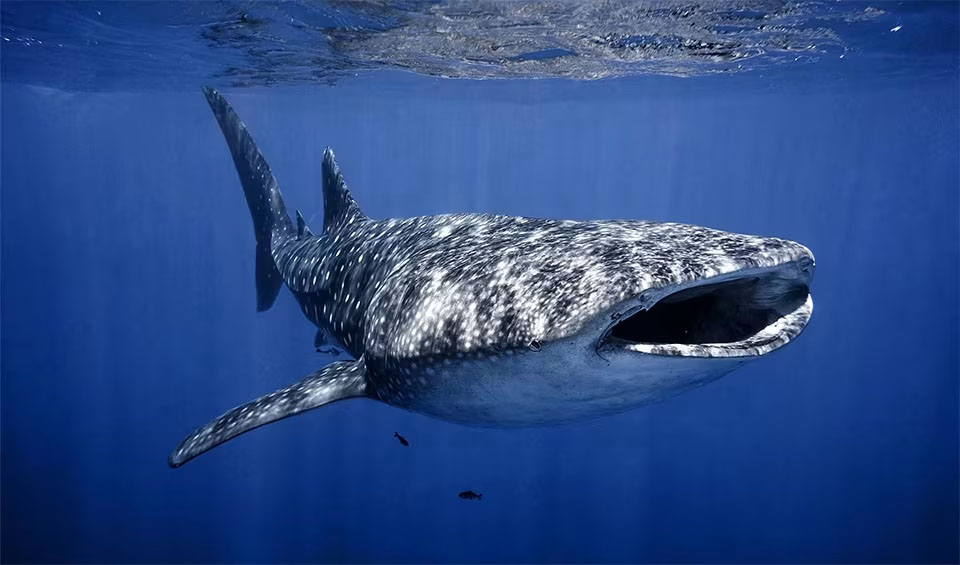
Whale shark
Gentle giants of the sea, with mouths wide open to filter the ocean’s bounty
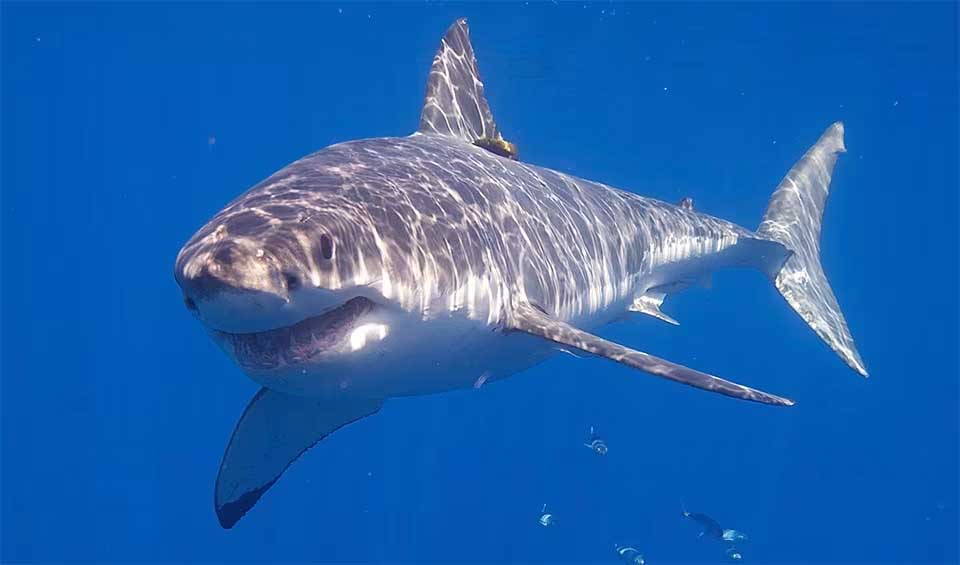
Great white shark
Majestic ocean predators, embodying power, speed, and precision in their pursuit of prey
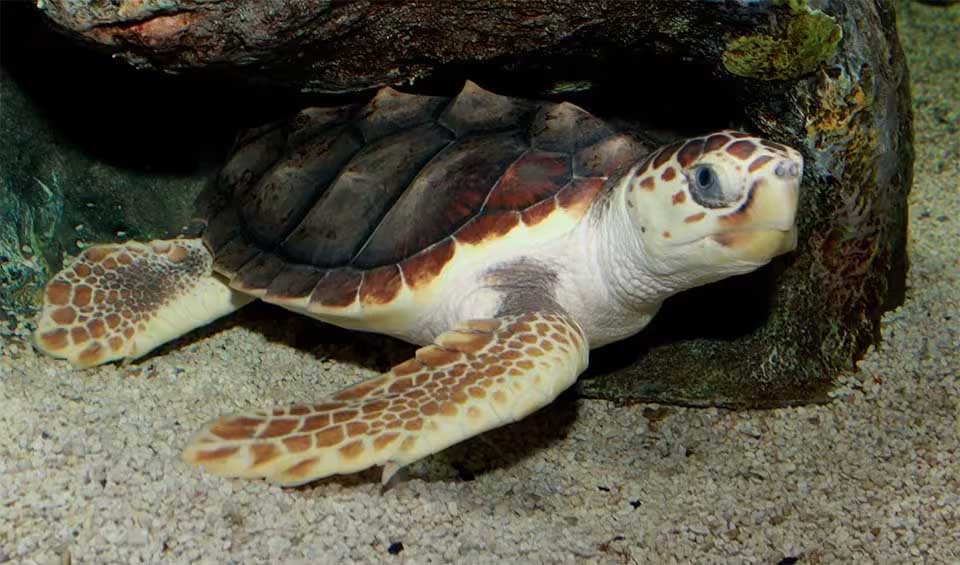
Loggerhead sea turtle
One of the largest and strongest sea turtles in the world
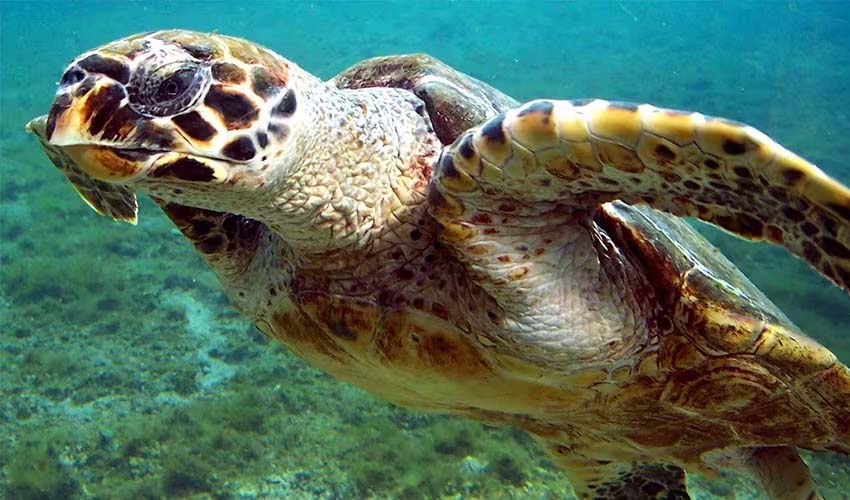
Hawksbill sea turtle
Its slender frame and narrow head bear a beak curved like a hawk’s, earning this marine marvel its name

Saola
A real-life unicorn hiding in the depths of Southeast Asia’s dense forests
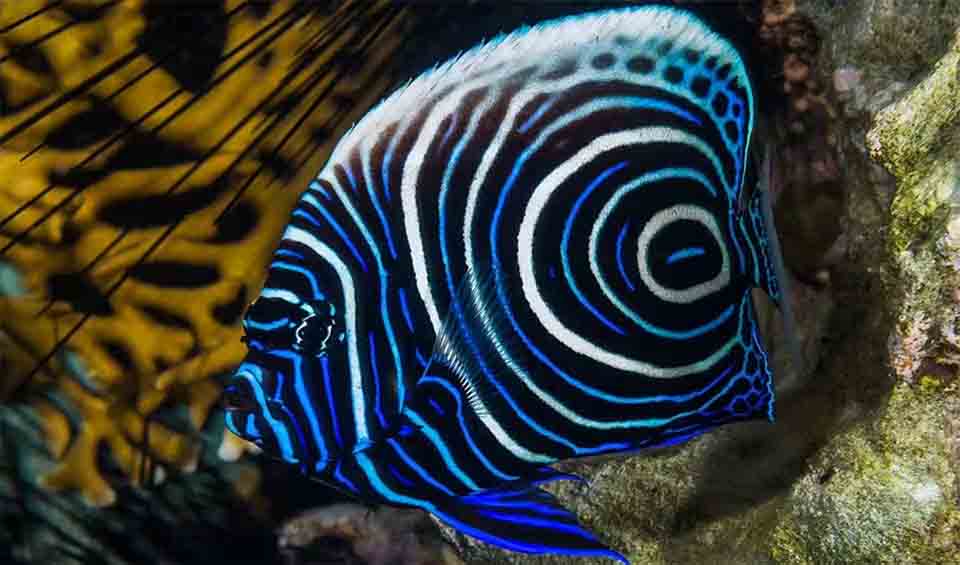
Emperor angelfish
As it grows older, it undergoes a metamorphosis that is nothing short of extraordinary
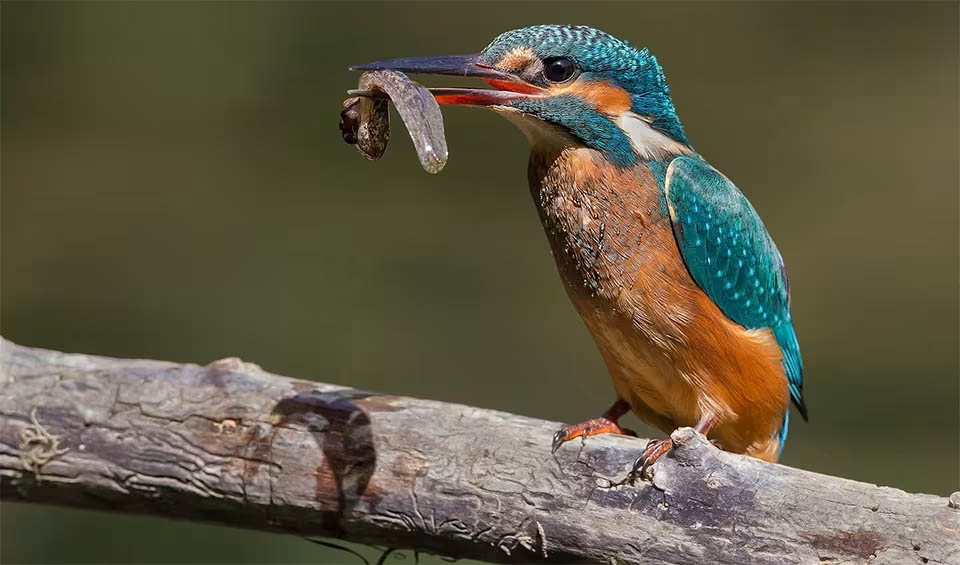
Common kingfisher
Possessed with special visual adaptations to catch fish
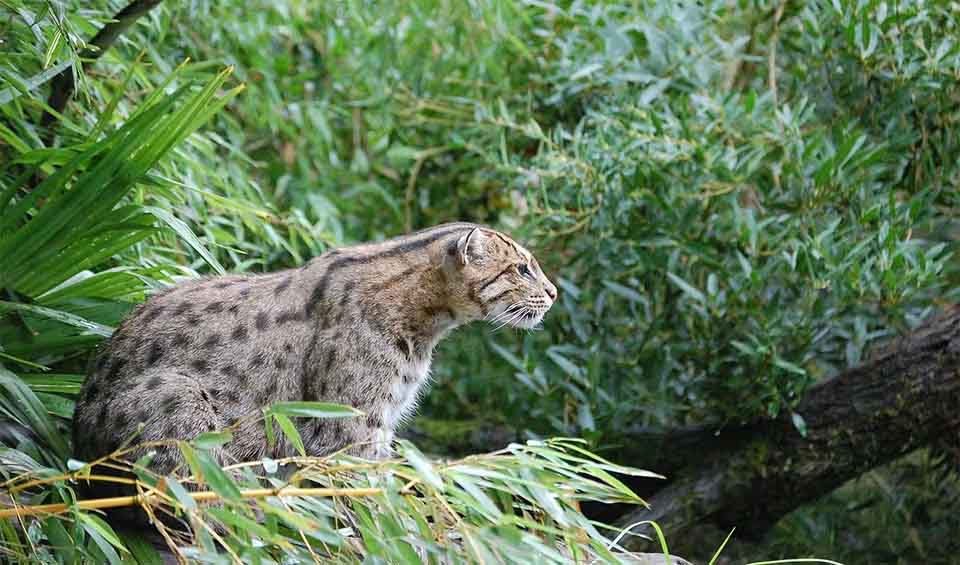
Fishing cat
Only look cuddly and cute; these cats can be very aggressive!
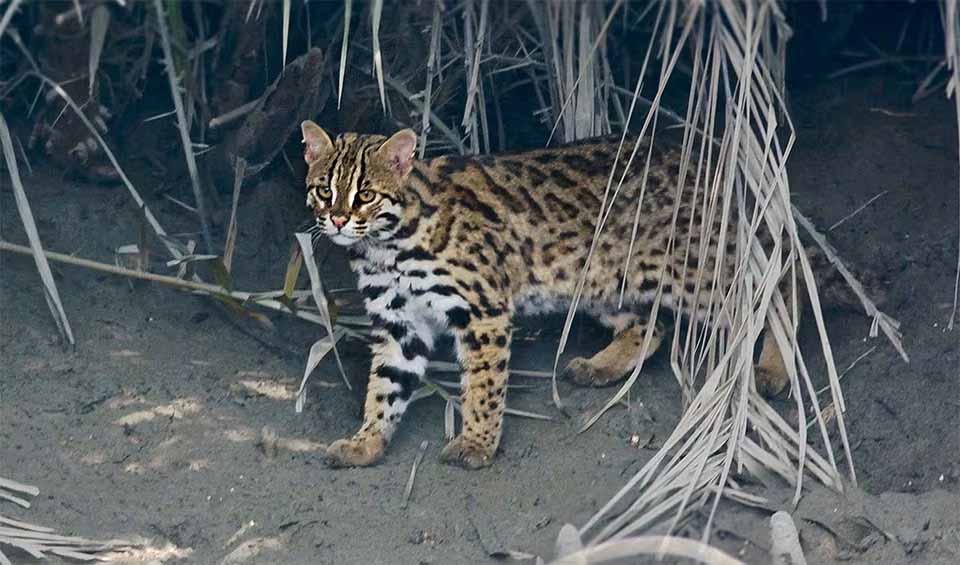
Leopard cat
A skilled predator with a unique coat and playful personality
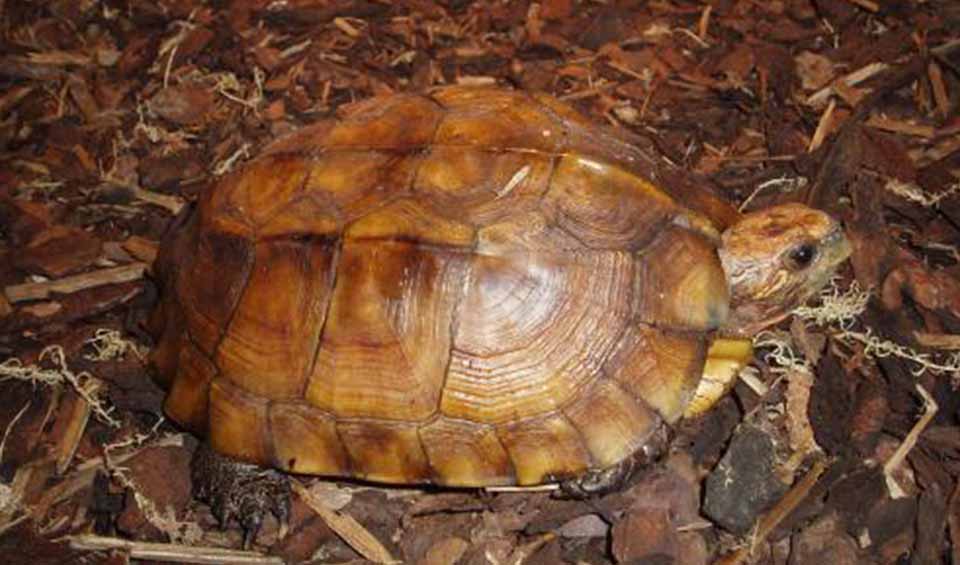
Keeled box turtle
Its rugged shell makes it look “exotic” to collectors, making it prone to illegal wildlife trade
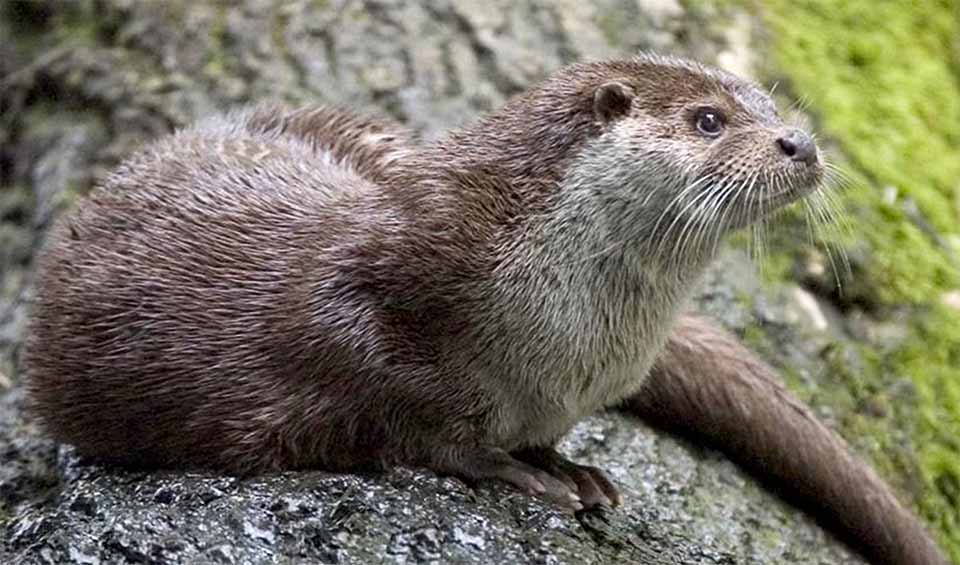
Eurasian otter
Fiercely territorial, marking their territory with scent to communicate with other otters
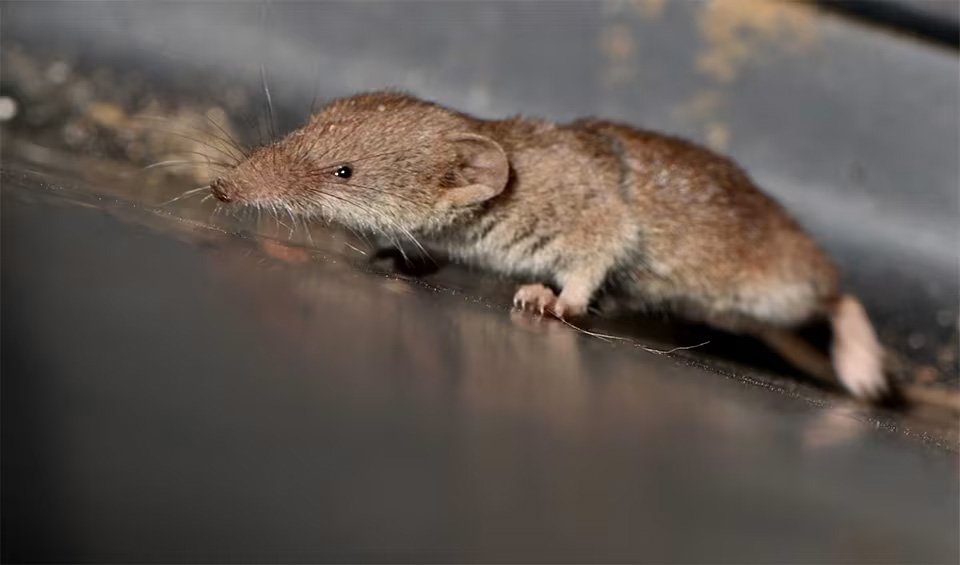
Etruscan shrew
Meet the world’s smallest mammal but a fierce predator
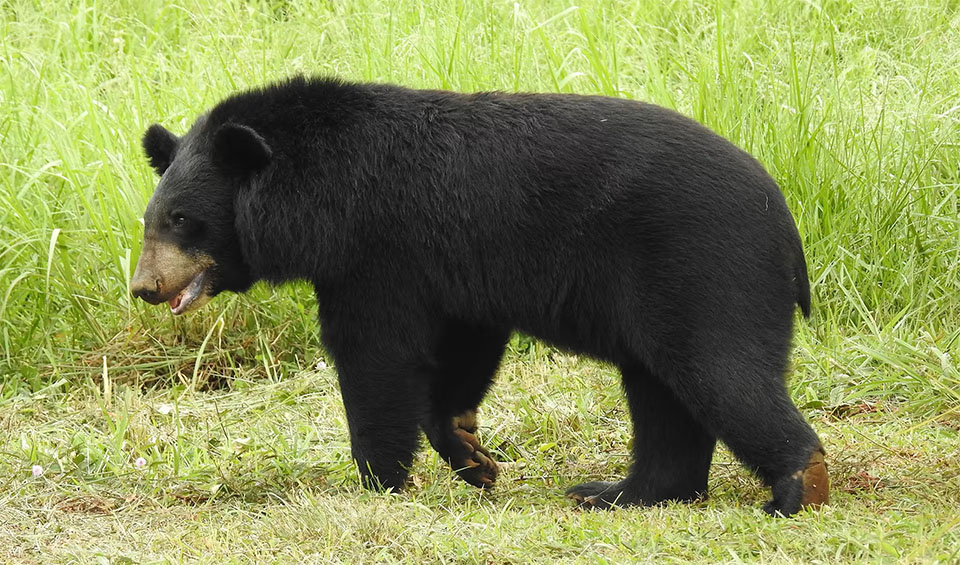
Asian black bear
In Vietnam, these bears are caught, crammed into tiny cages, have their teeth removed to extract bile – sold as “medicine”
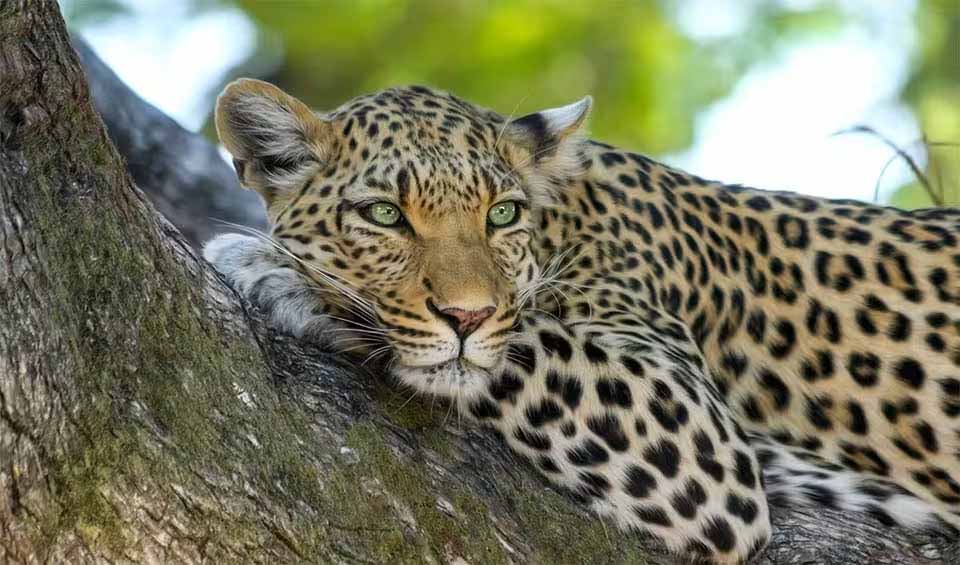
Leopard
Disappearing graceful shadows, this tree-climber is on the way to extinction

Malayan porcupine
Despite its intimidating armor, it is a peaceful creature that prefers retreat to confrontation
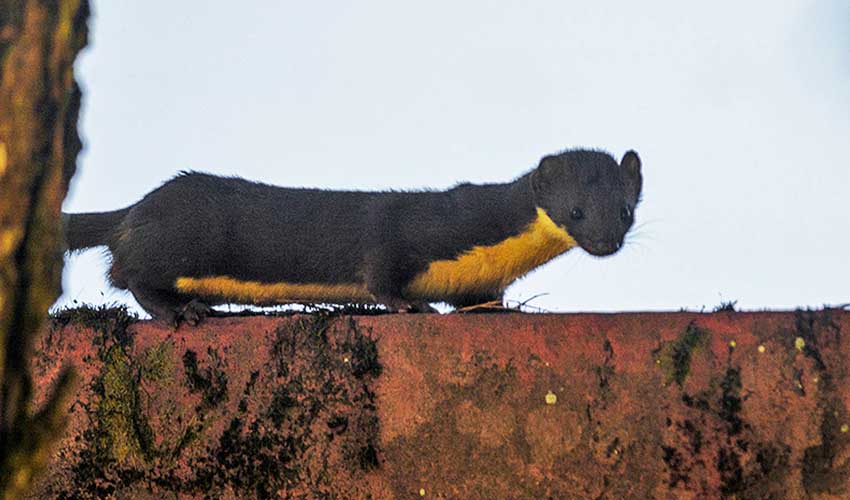
Yellow-bellied weasel
Admired for its ability to outwit larger animals
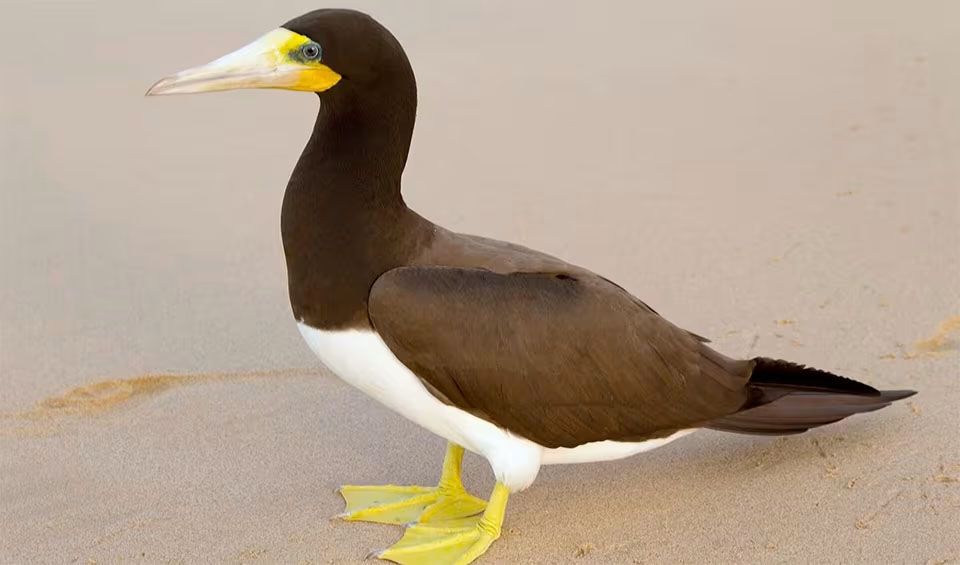
Brown booby
An impressively acrobatic bird that can catch flying fish mid-jump
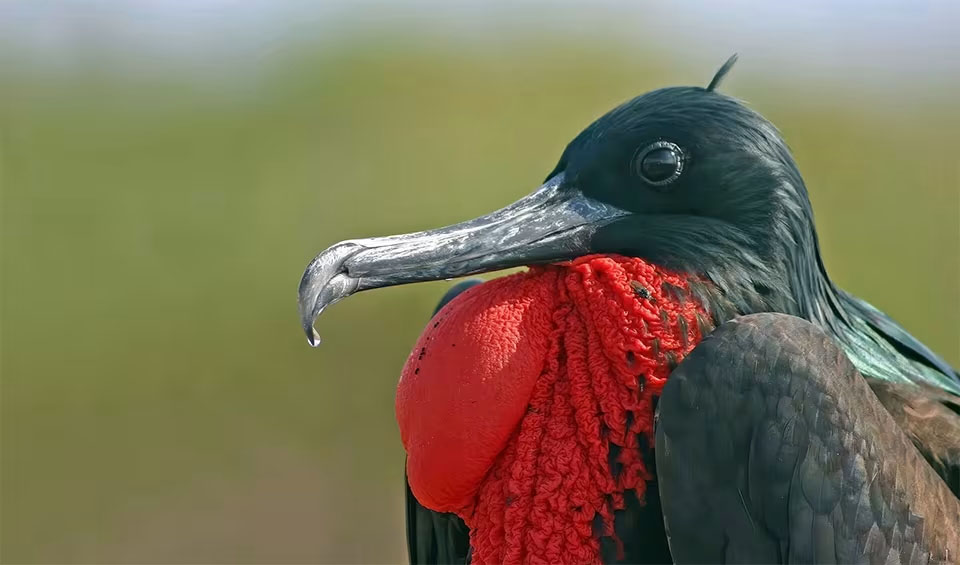
Great frigatebird
These birds spend weeks in the air and hunt, preen and even sleep while in flight
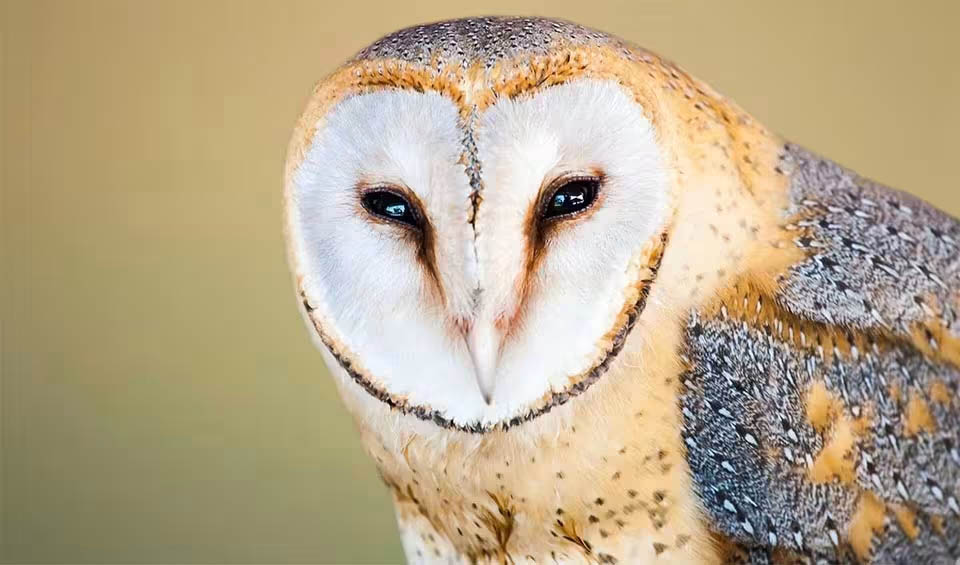
Barn owl
The most cosmopolitan of owls with home ranges extending across the globe
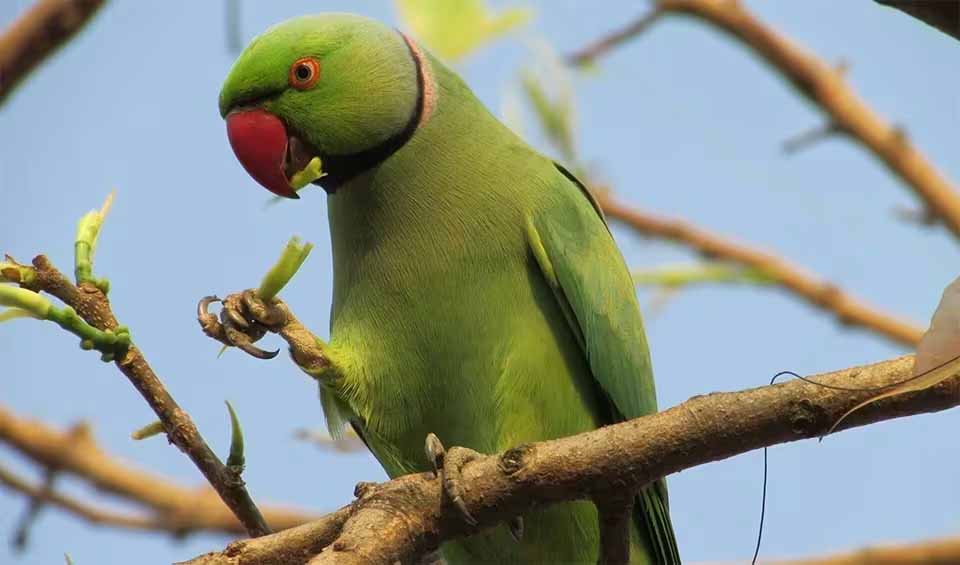
Rose-ringed parakeet
If you ever forget the tune of a song, don’t worry; this bird has your back
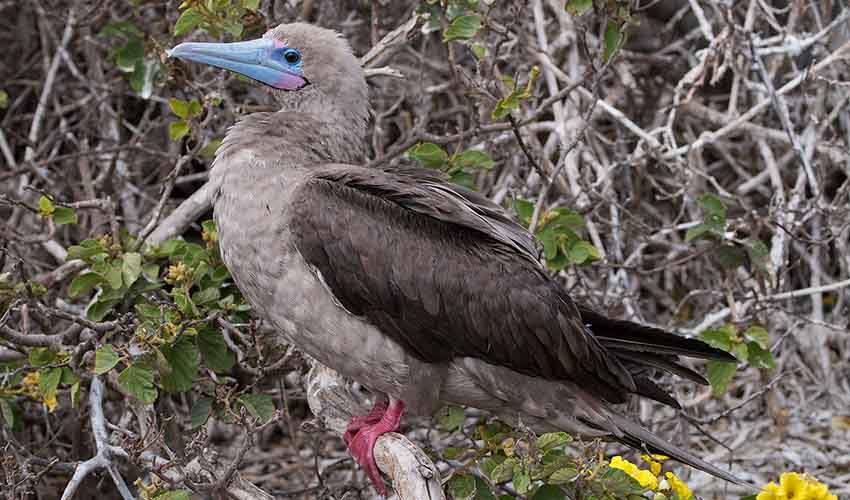
Red-footed booby
Goofy-looking yet evolutionarily refined for life above the waves
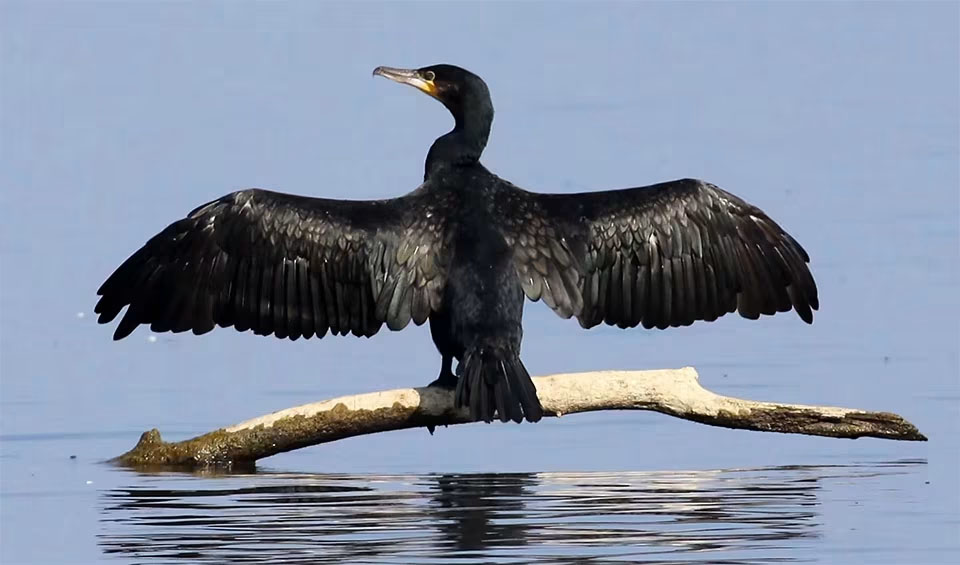
Great cormorant
Due to their adaptability and willingness to migrate to more favorable habitats, great cormorants are found worldwide
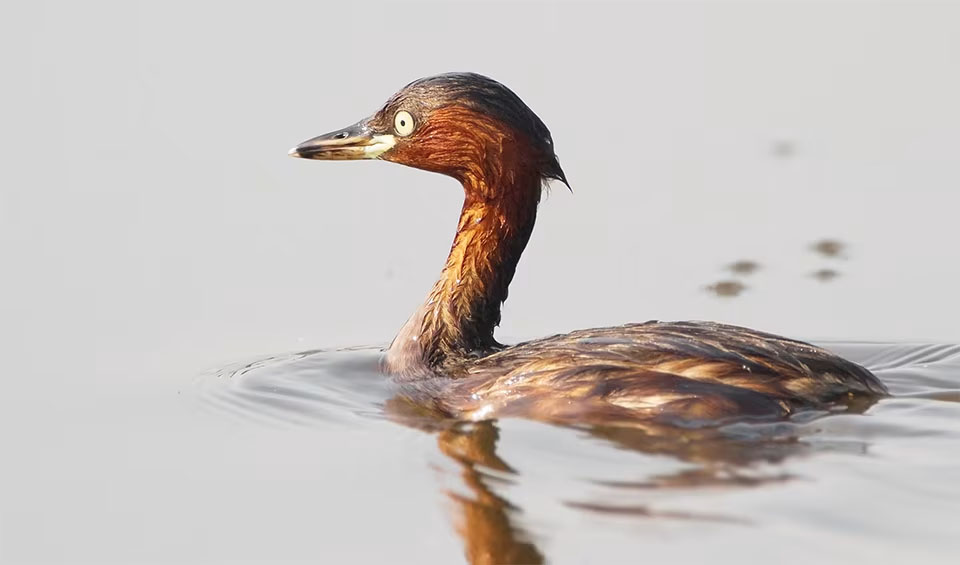
Little grebe
This cute and small bird is one of the most elite hunters below the water’s surface
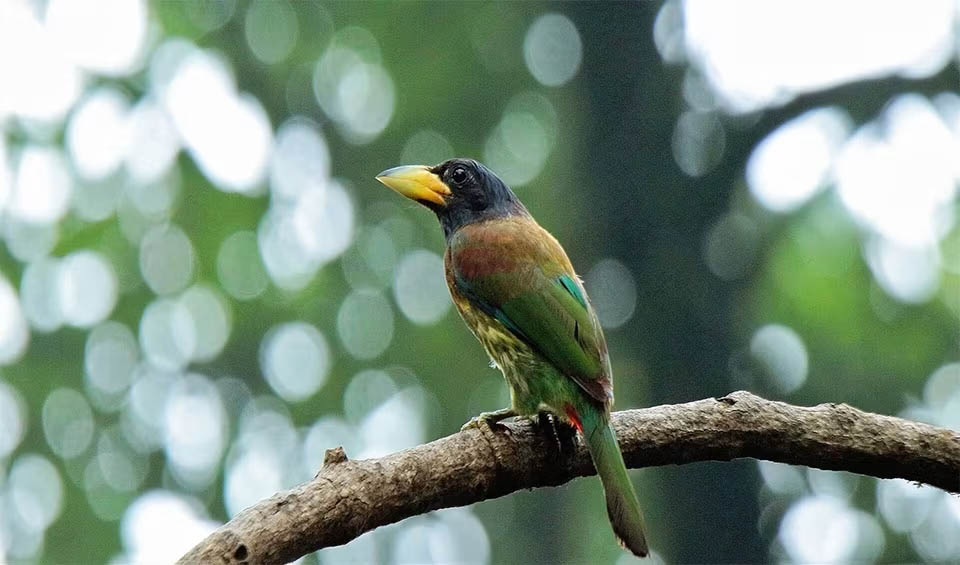
Great barbet
The largest of Old World barbets
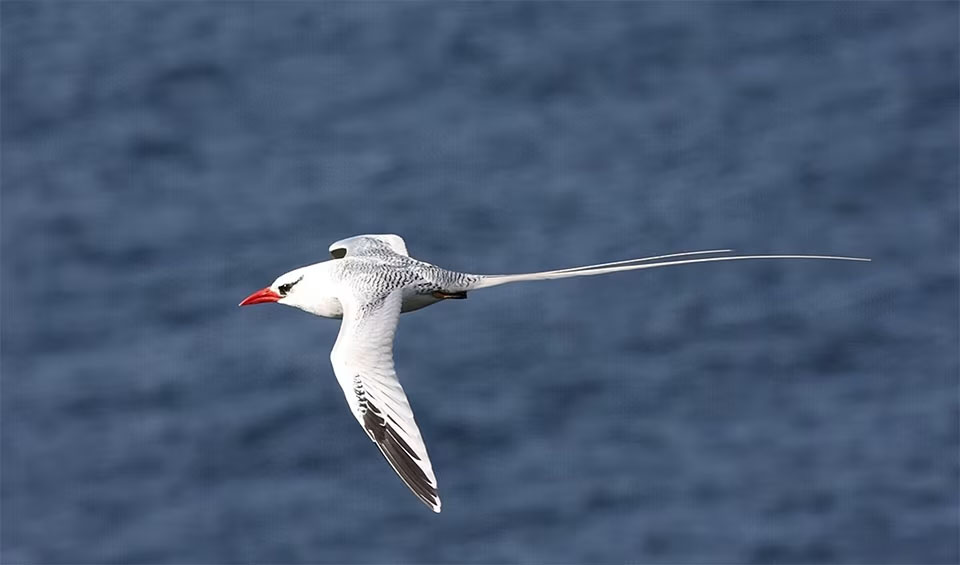
Red-billed tropicbird
Professional marine forecasters to optimize breeding success and prey availability
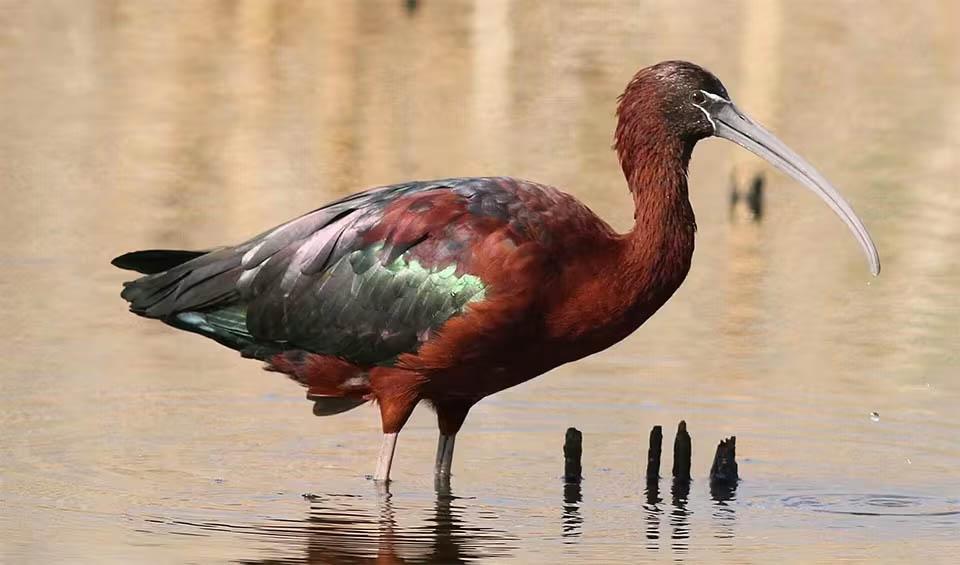
Glossy ibis
These birds seem to have lost their way to the beauty pageant
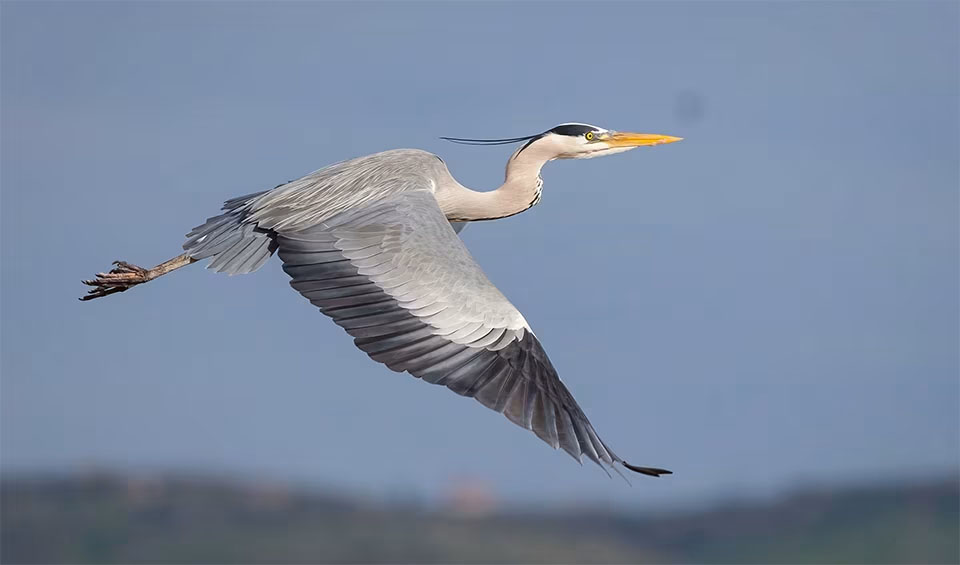
Gray heron
Exhibit powerful flight, with distinctive slow wing beats and an extended neck, defining features during their aerial movements
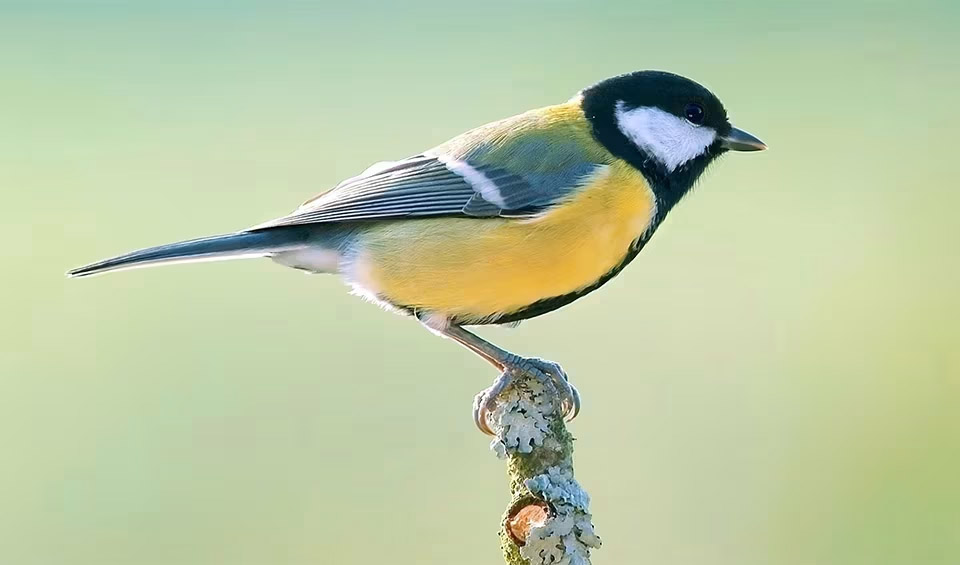
Great tit
The songbird that occasionally eats bats
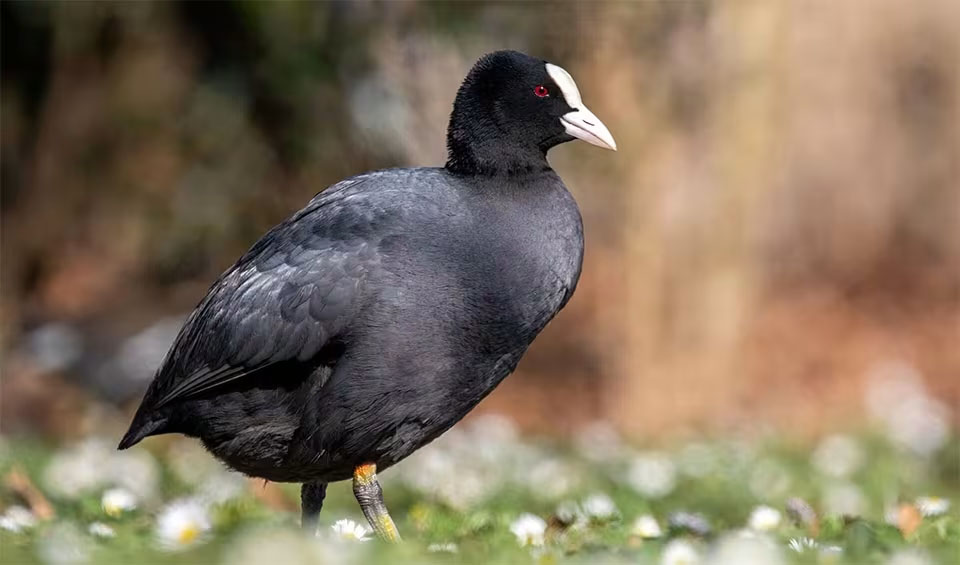
Eurasian coot
Like those bulging red eyes weren’t scary enough, they eat their innocent chicks when hungry
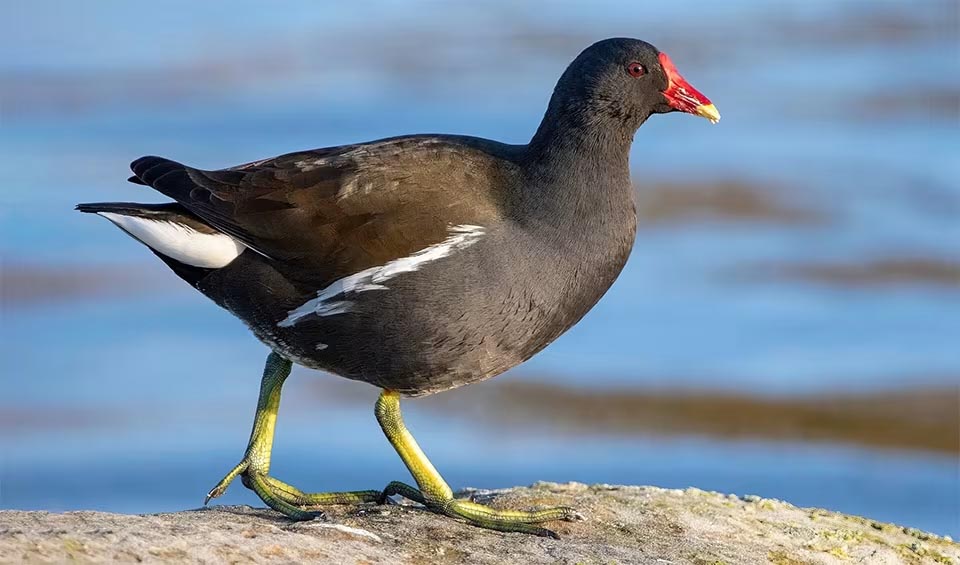
Common moorhen
Living around smelly brackish marshes is unthinkable, but these birds love their isolated habitat or don’t have a sense of smell
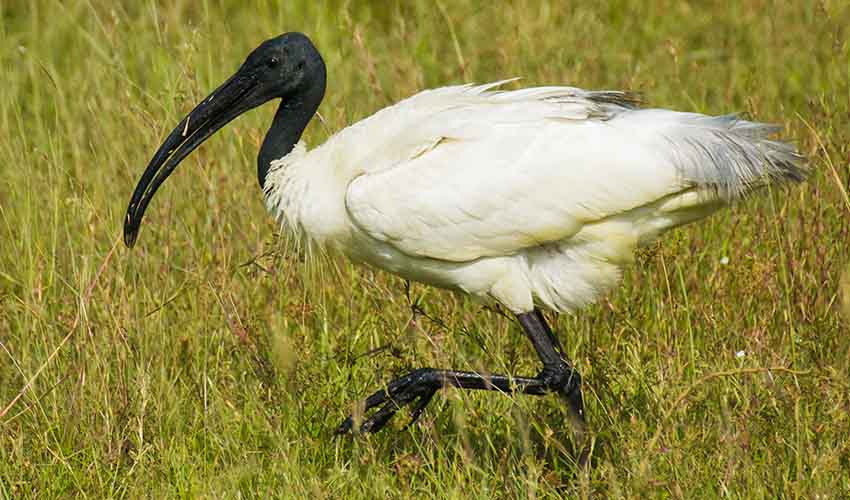
Black-headed ibis
Its long, curved bill works like a living “tweezer” and probe, helping it feel for food hidden under mud and shallow water
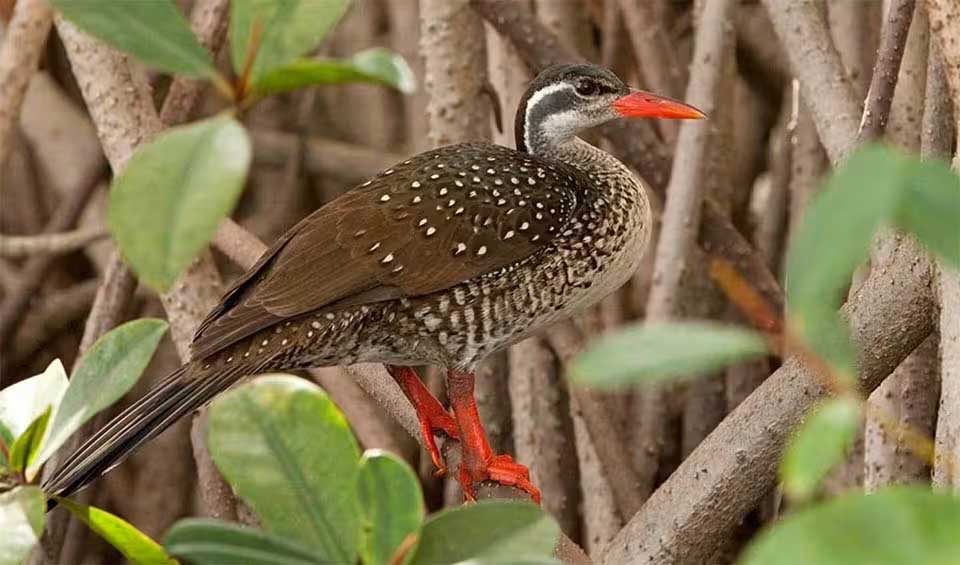
Masked finfoot
They are certified swimmers ruling mangroves and nearby bushes, but unfortunately, not many of them are left
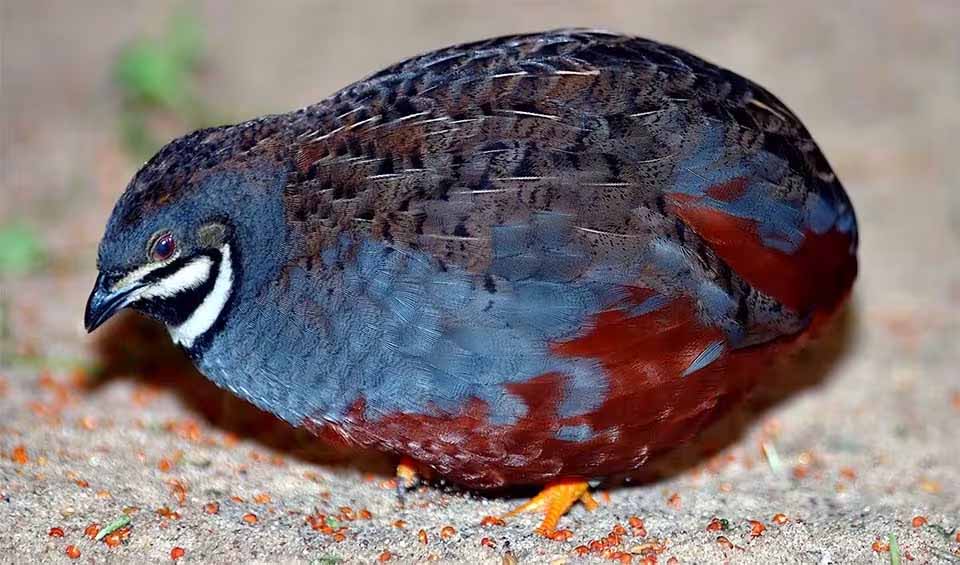
King quail
The smallest of all Galliformes lives on the ground, camouflaged from predators
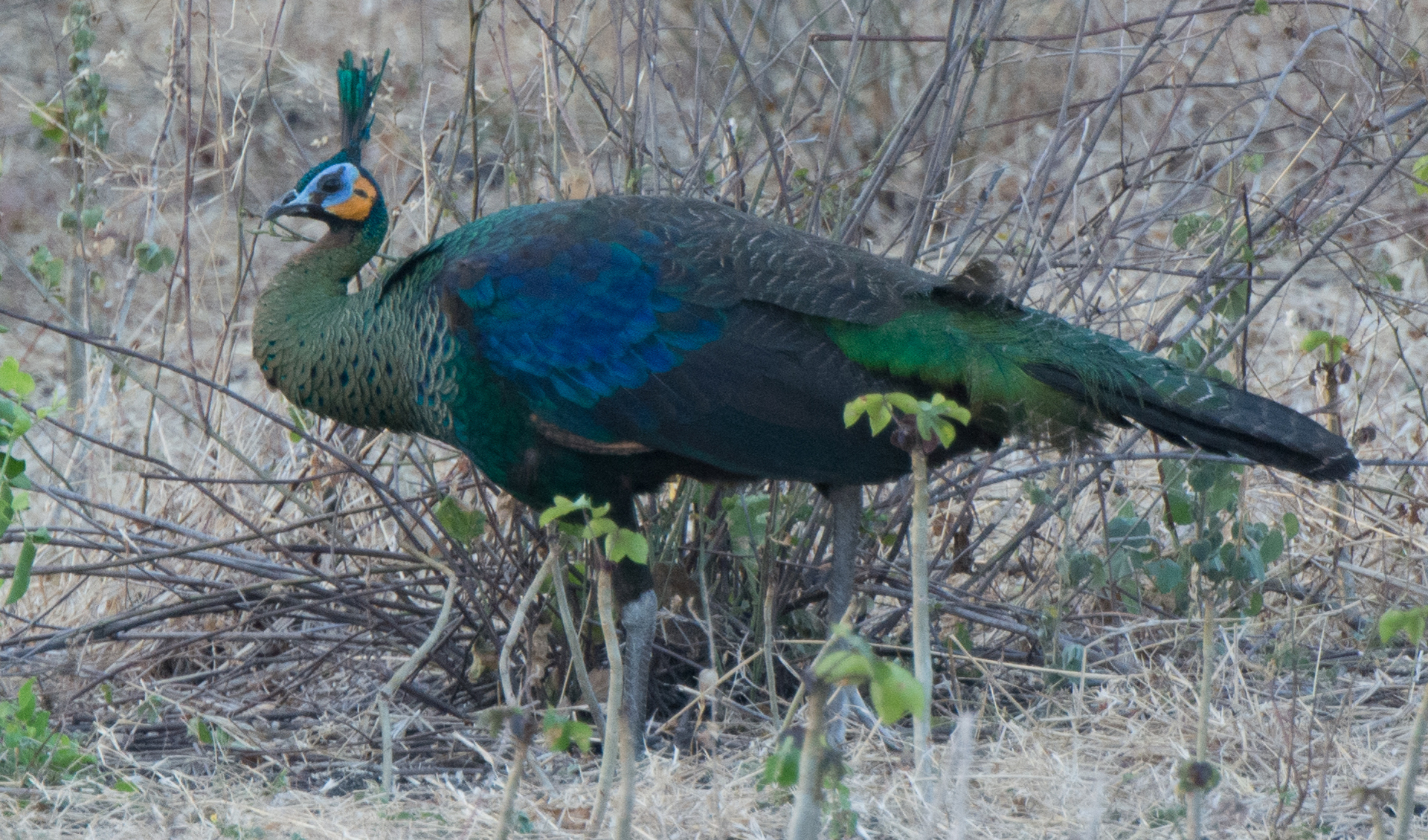
Green peafowl
The large forest bird is amongst the largest Galliformes; can hunt venomous snakes!

Laggar falcon
Can hunt under blazing sun when many birds slow down
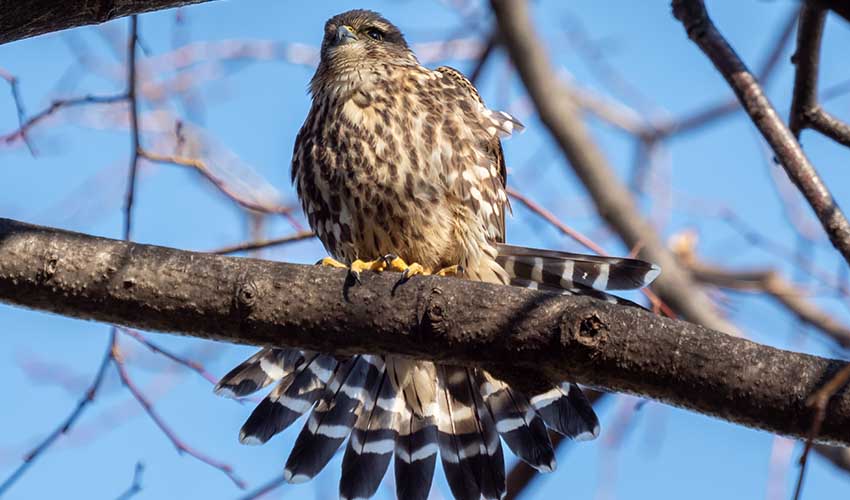
Merlin
The pocket-sized falcon with an eagle’s attitude
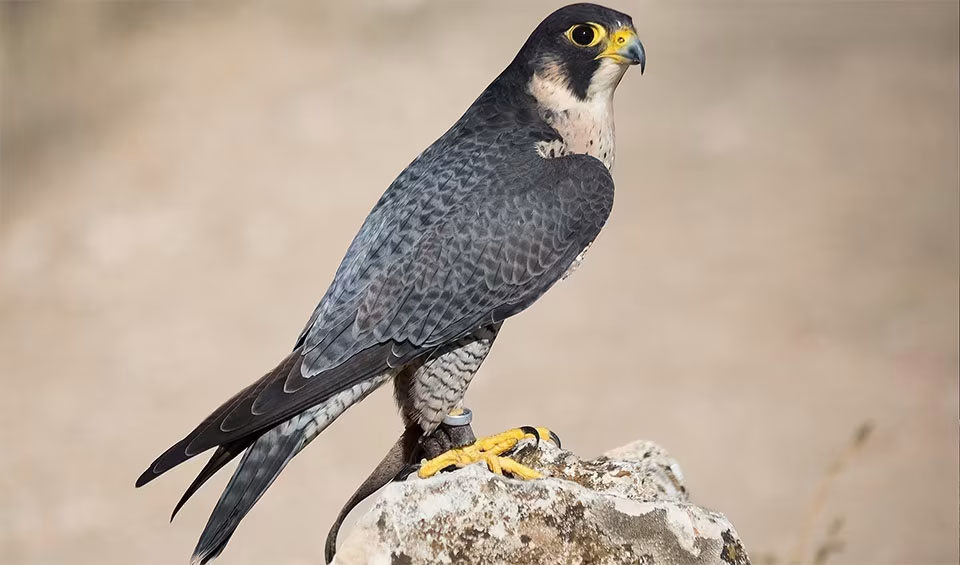
Peregrine falcon
At the speed of over 321 km/h (200 mph), this bird outraces a Formula1 car
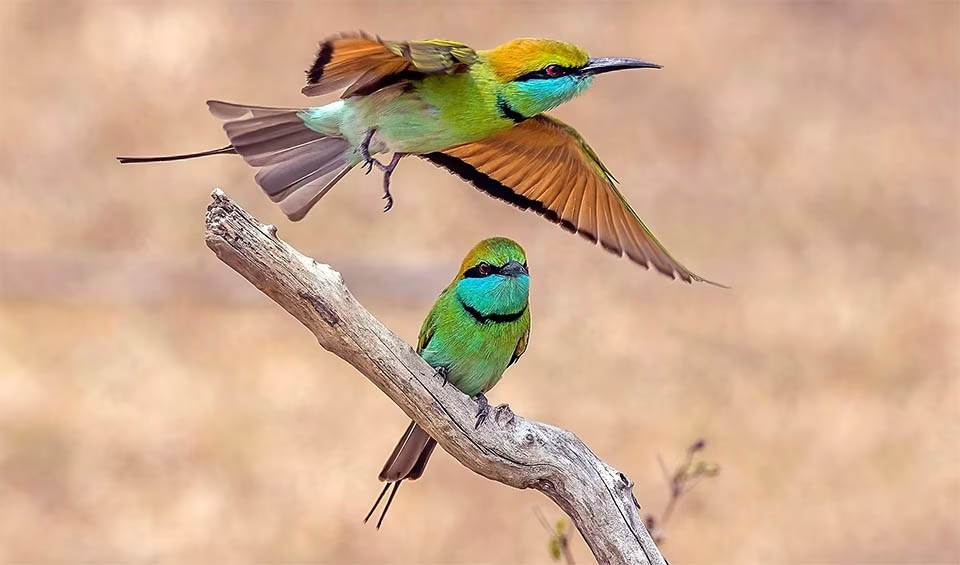
Asian green bee-eater
Having wide distribution across Asia, the beautifully colored bee-eater avoids living near water and only migrates from areas with rainfall
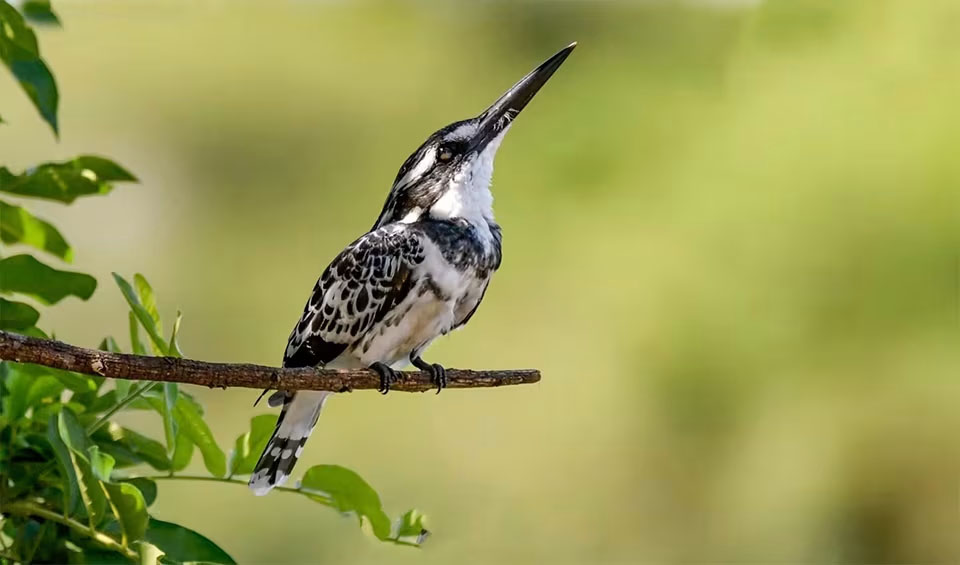
Pied kingfisher
The only member of the genus having wide distribution across Asia and Africa is sociable, unlike other members of its family
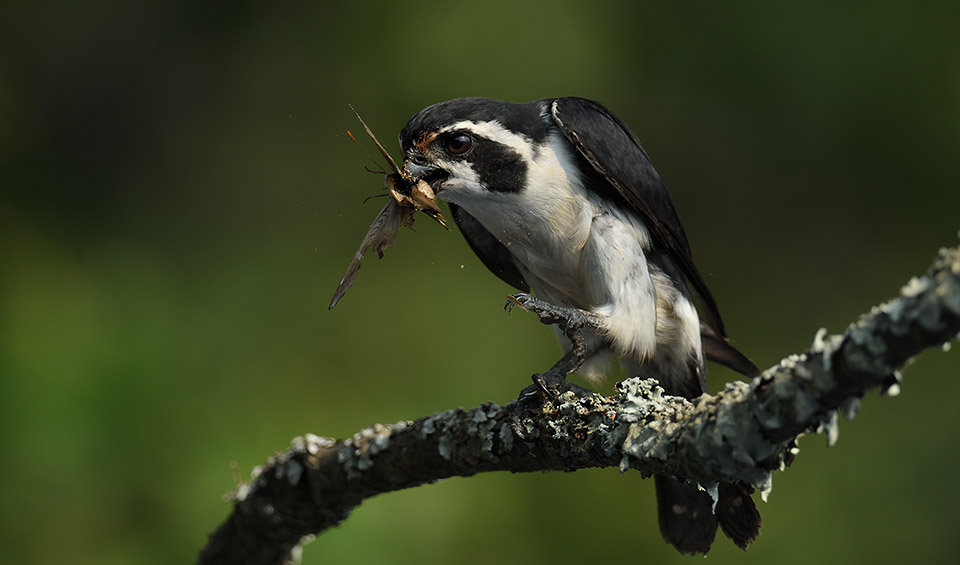
Pied falconet
A bird about the size of a sparrow but with sharp claws and a hooked beak – it’s like a miniature eagle
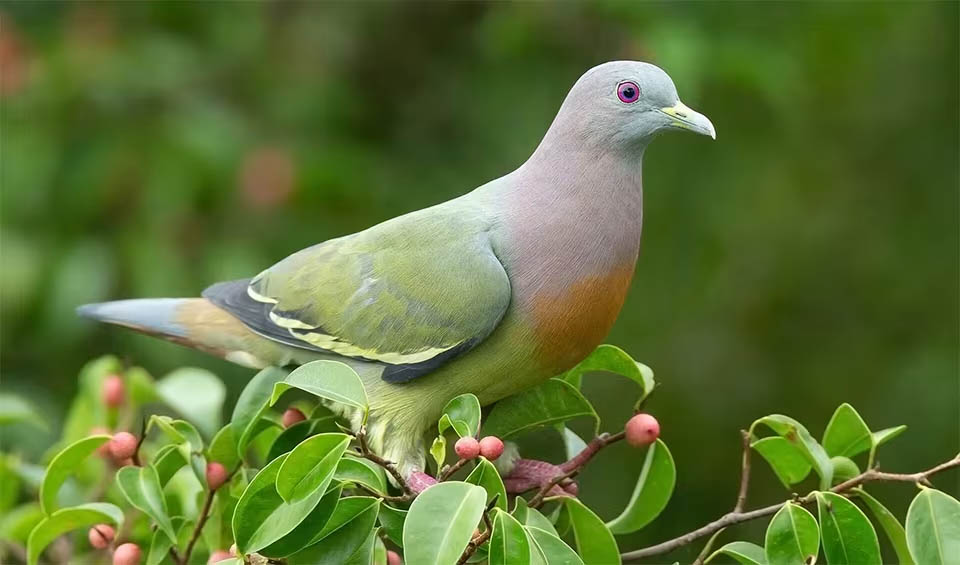
Pink-necked green pigeon
One of the most beautiful pigeons

Asian woolly-necked stork
That fluffy white collar isn’t fur at all—the “wool” is actually feathers
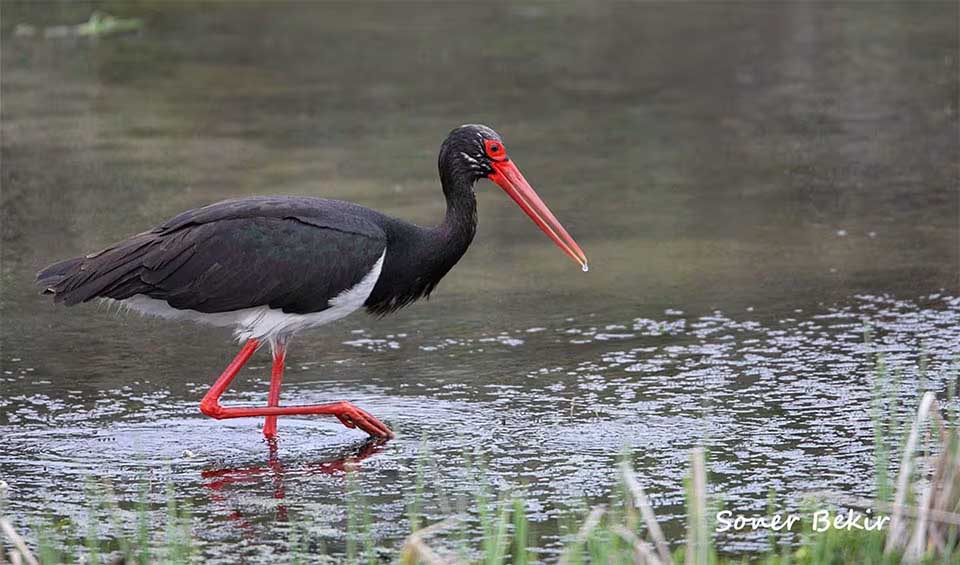
Black stork
The stork with the widest geographic range
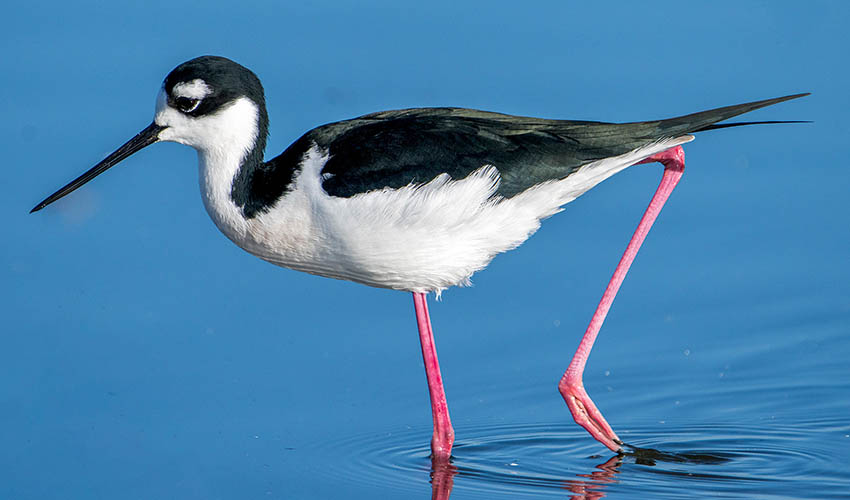
Black-necked stilt
Those impossibly long legs allow it to wade into deeper water than other shorebirds of its size
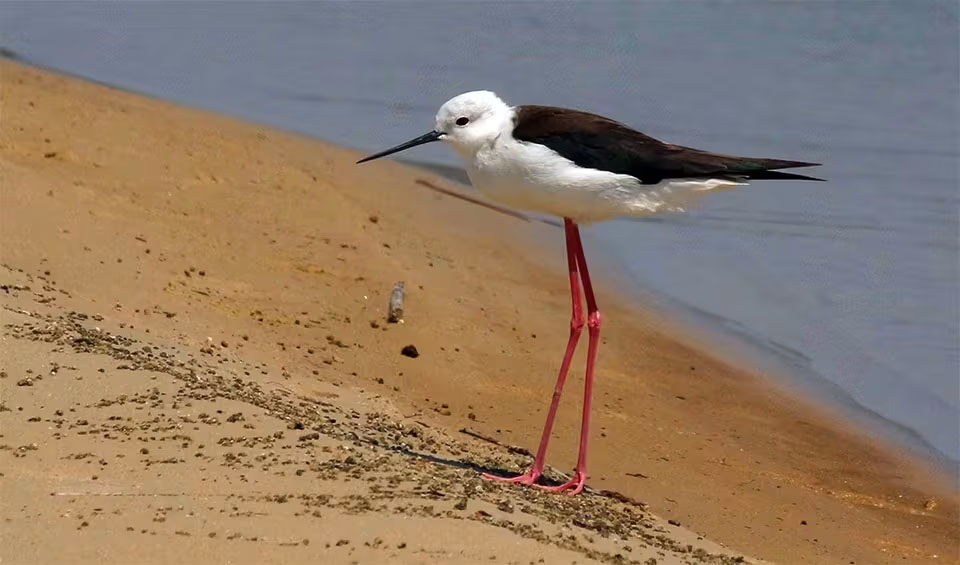
Black-winged stilt
Elegant long-legged wader, common almost worldwide
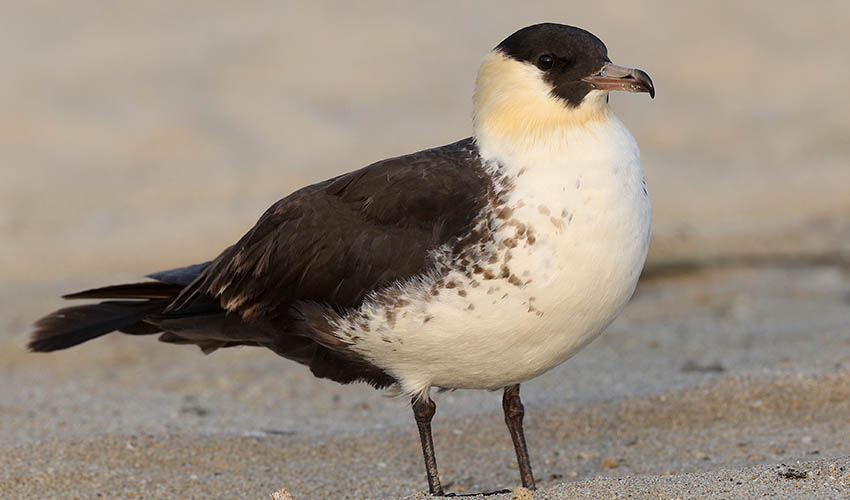
Pomarine jaeger
In the winter, they lose those iconic “spoon” tail feathers, making them much harder to identify
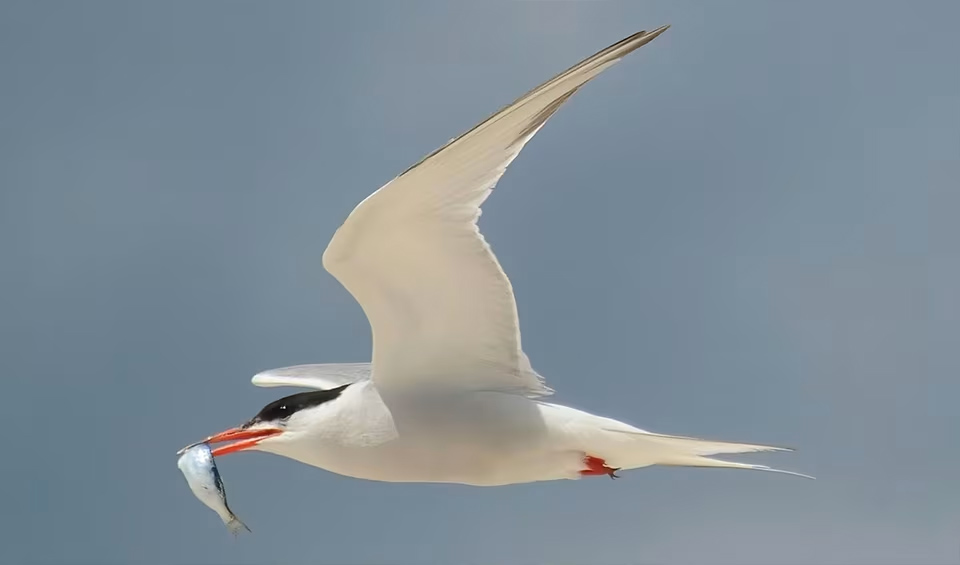
Common tern
This bird holds the record of the longest distance flown by any bird in recorded history
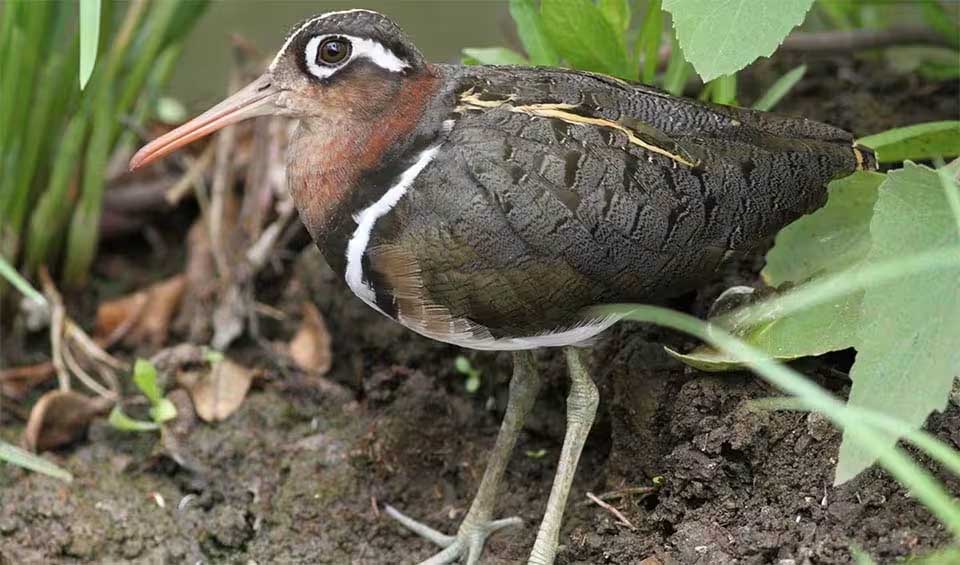
Greater painted-snipe
Looks no less than a renaissance masterpiece
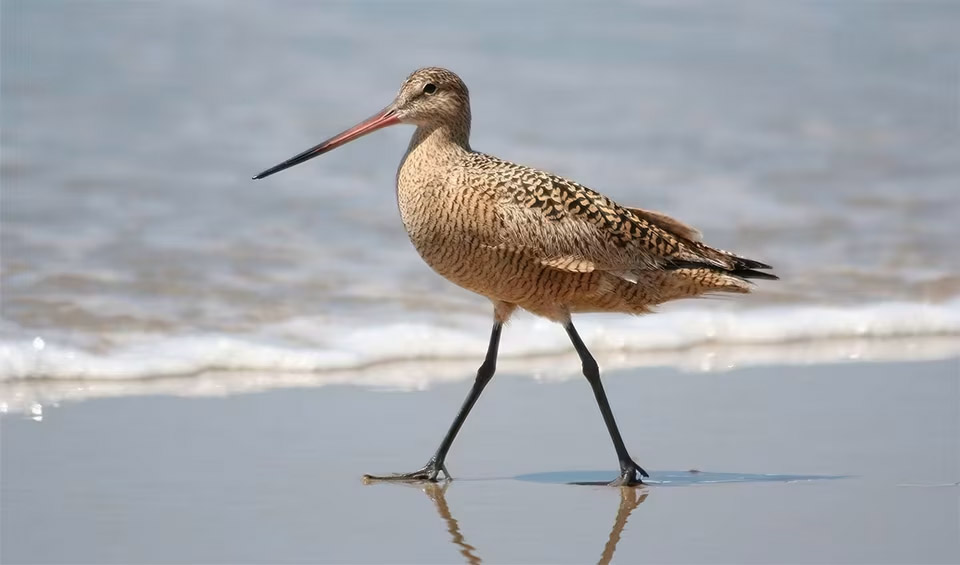
Black-tailed godwit
The most elegant of all godwit species
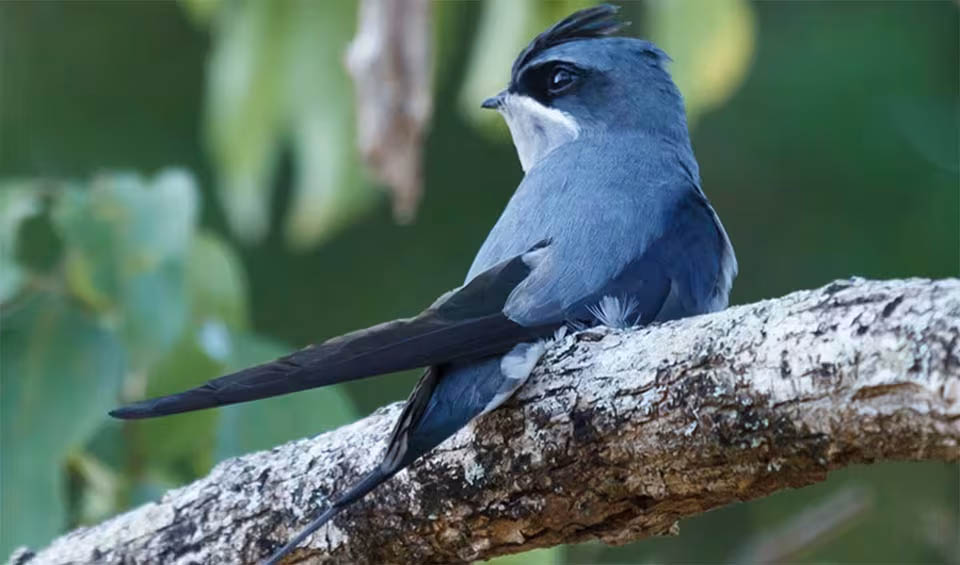
Crested treeswift
These little birds skillfully make their tiny nest on a tree branch and glue them with their saliva
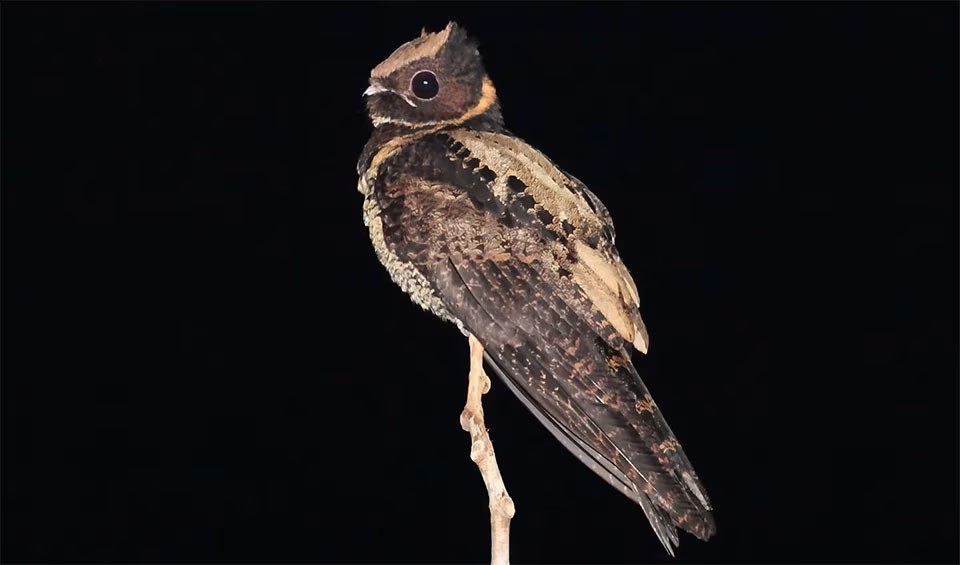
Great eared-nightjar
A nocturnal bird is fooling everybody with a tuft of feathers on its head resembling ears
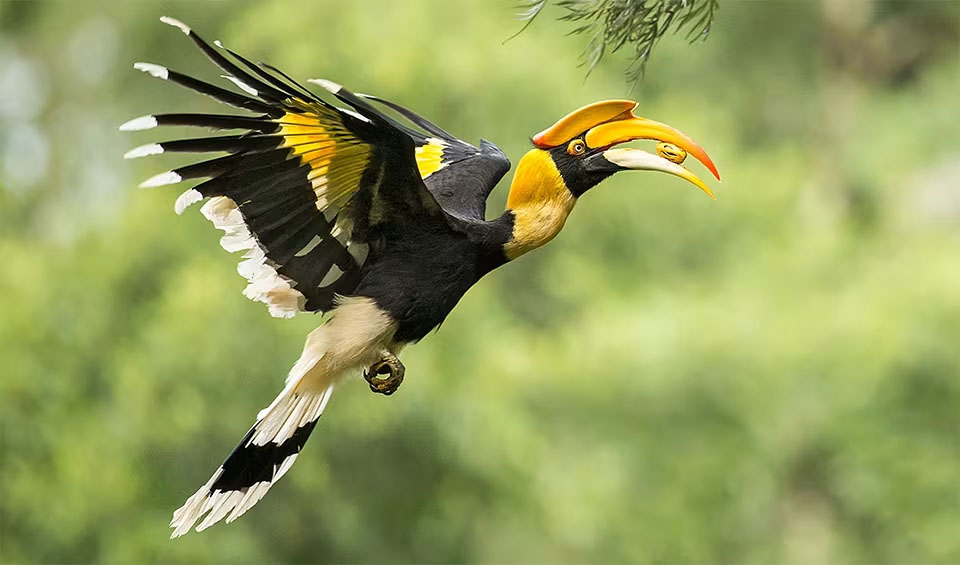
Great hornbill
They’re amazingly human-friendly — oh, but do we call it a friendship if we cost their population the chance to survive
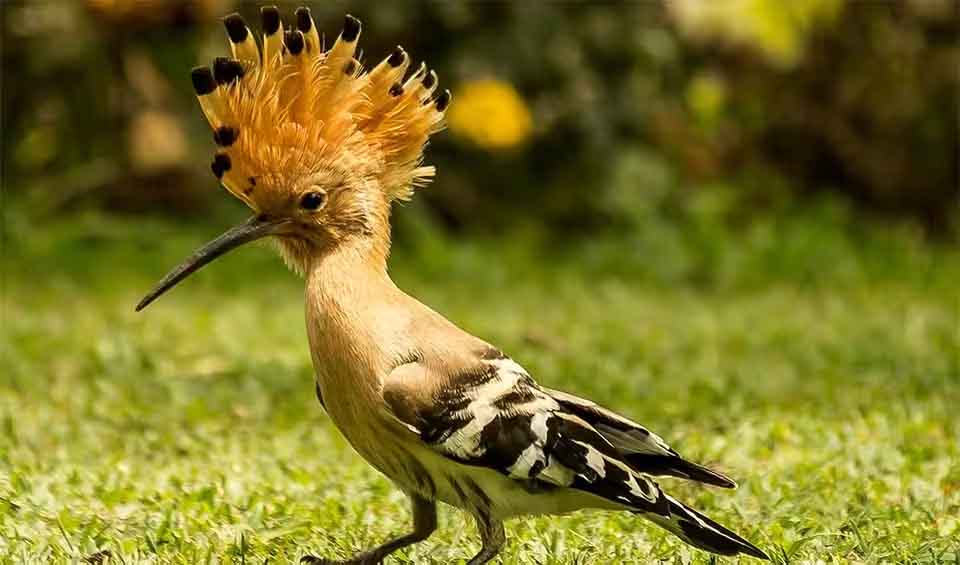
Eurasian hoopoe
Dependable wings and a muscular build. Nope, we aren’t talking about the next Redbull ad campaign
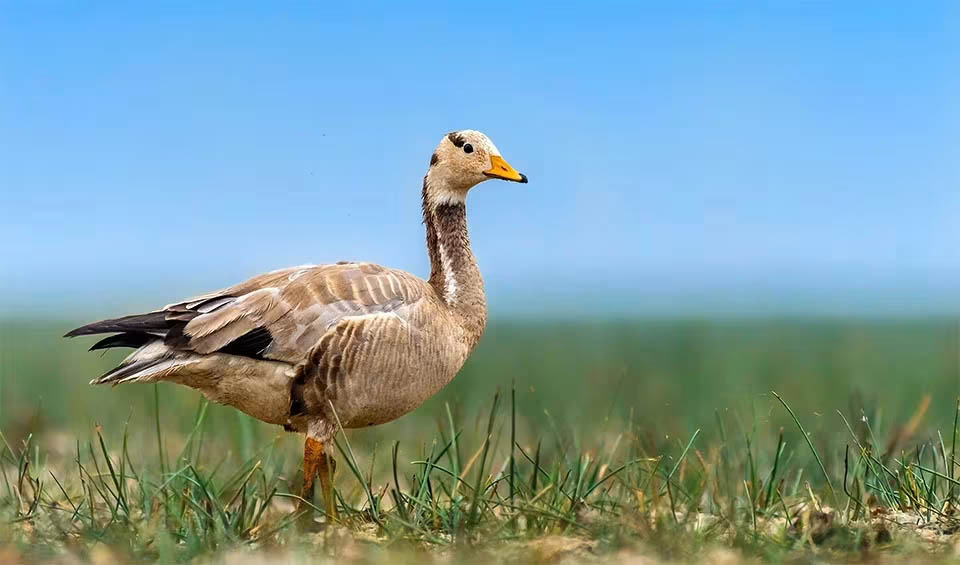
Bar-headed goose
These hardy birds are capable of flying at dizzying heights, where even helicopters can’t fly
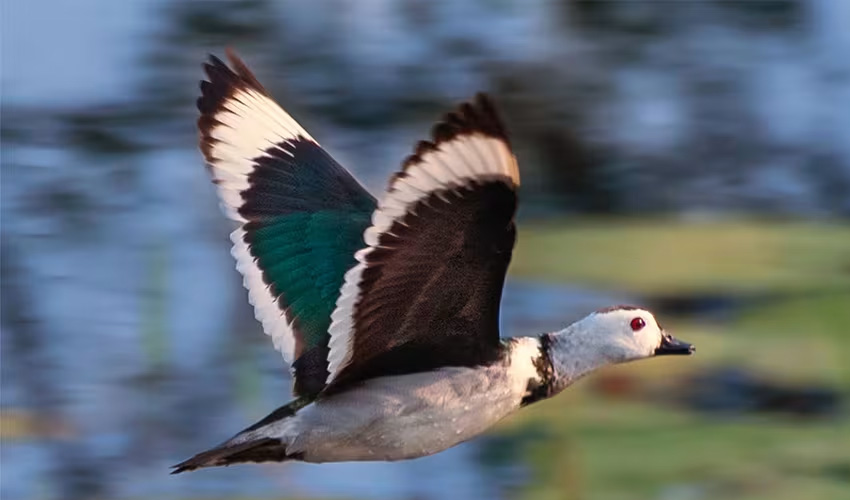
Cotton pygmy goose
Smaller than most iPads, meet the tiniest duck in the world
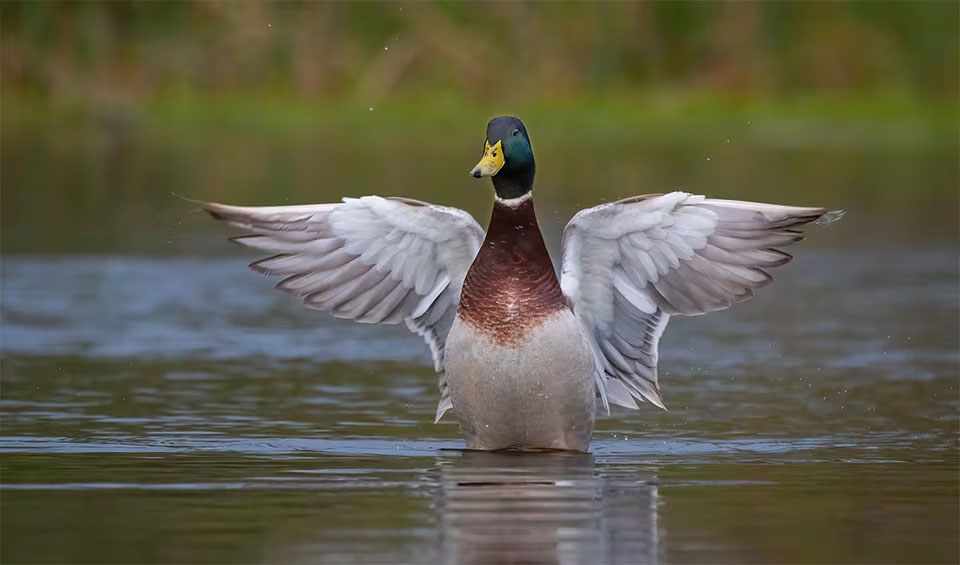
Mallard
This invasive species is the ancestor to most of the modern ducks
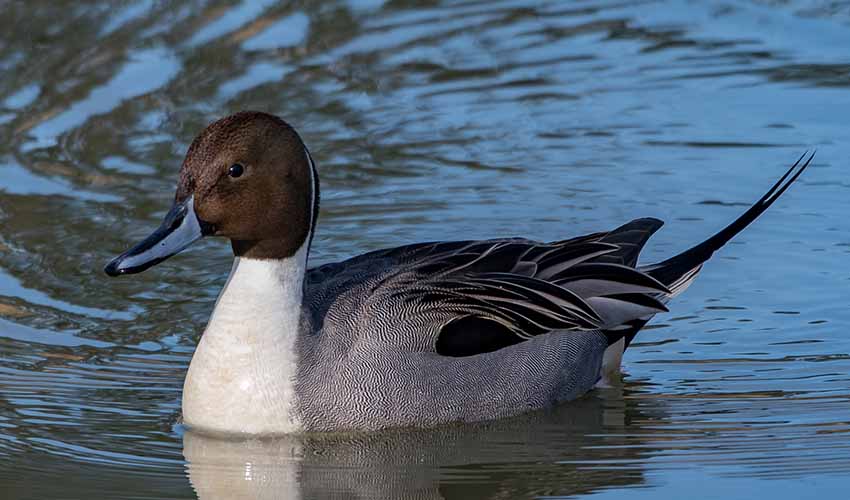
Northern pintail
Have been recorded at altitudes over 16,000 feet during migration—almost as high as small airplanes!
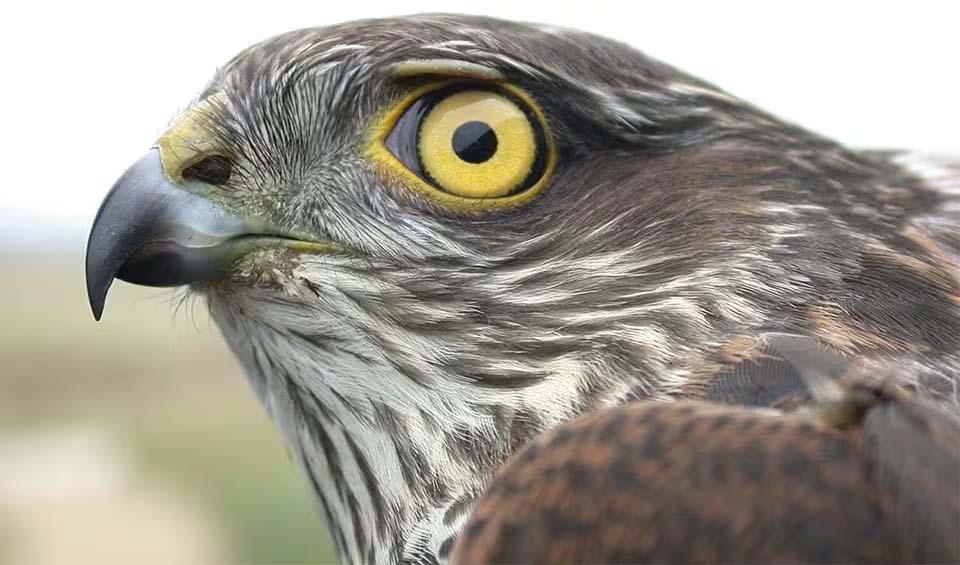
Eurasian sparrowhawk
Better call the ambulance before the Sparrowhawk comes to devour all those who are injured
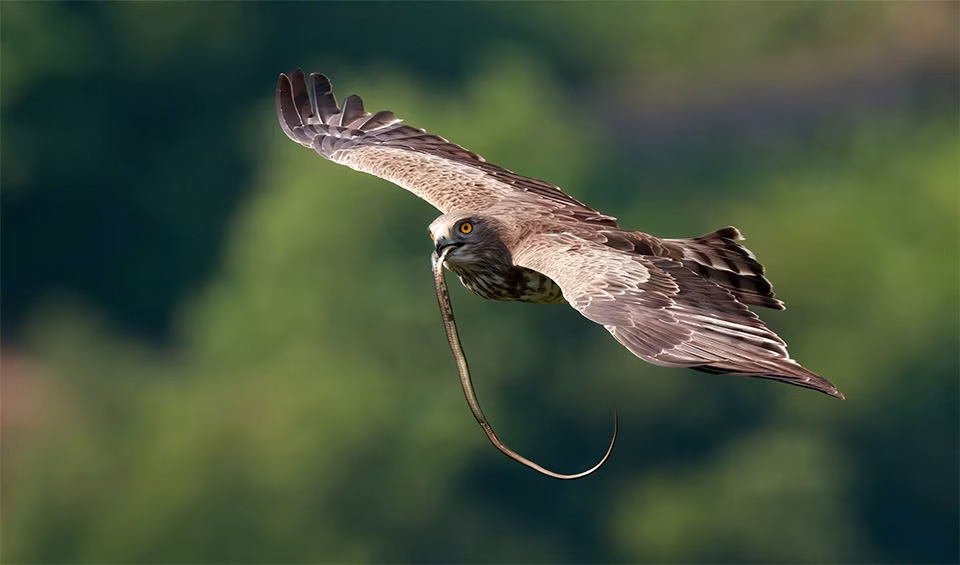
Short-toed snake eagle
A magnificent migratory bird with long, broad wings and a short tail that sings in the form of musical whistles
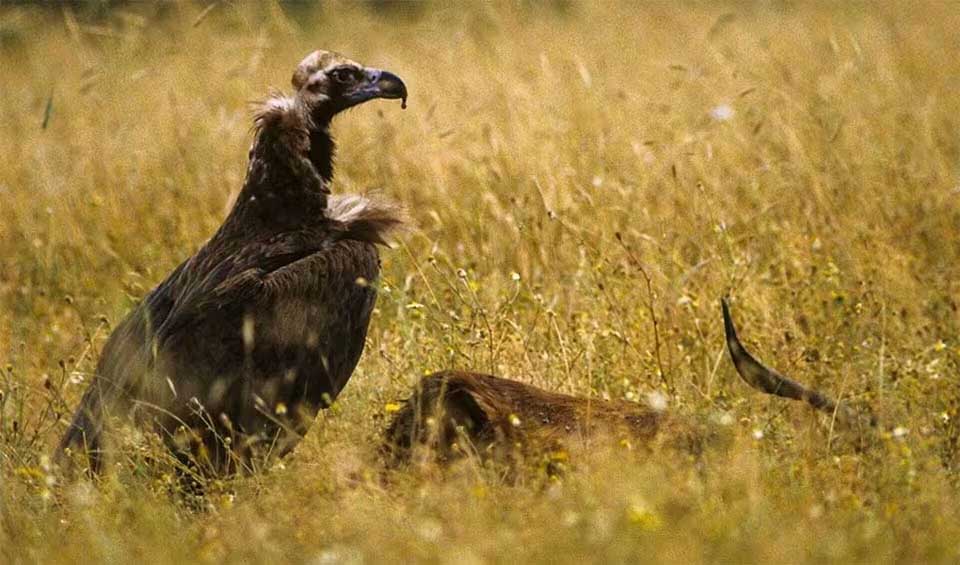
Cinereous vulture
Largest soaring vulture in the sky with extremely broad wings that assists an important role in nature as “clean-up” team
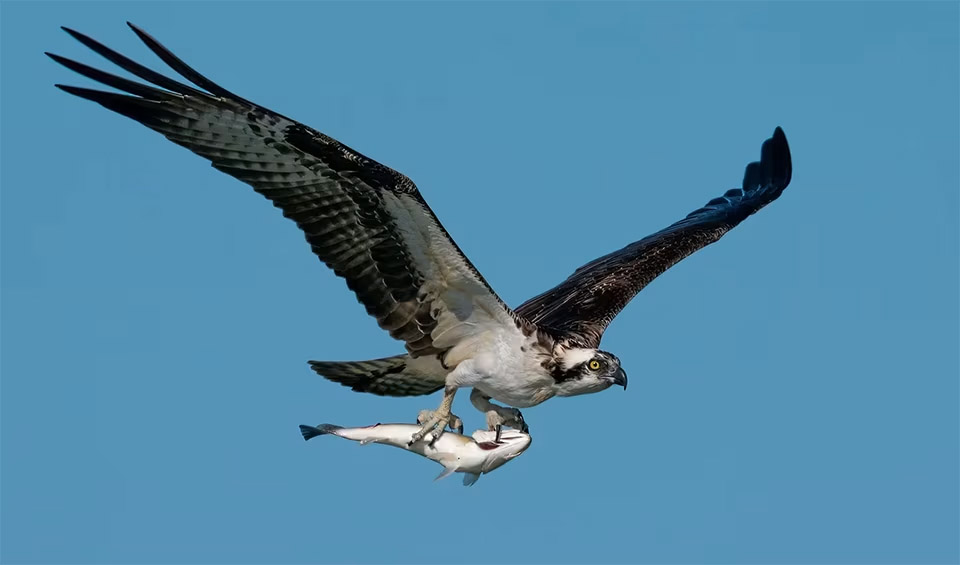
Osprey
One of only six land-birds with a cosmopolitan distribution habituating all continents except Antarctica
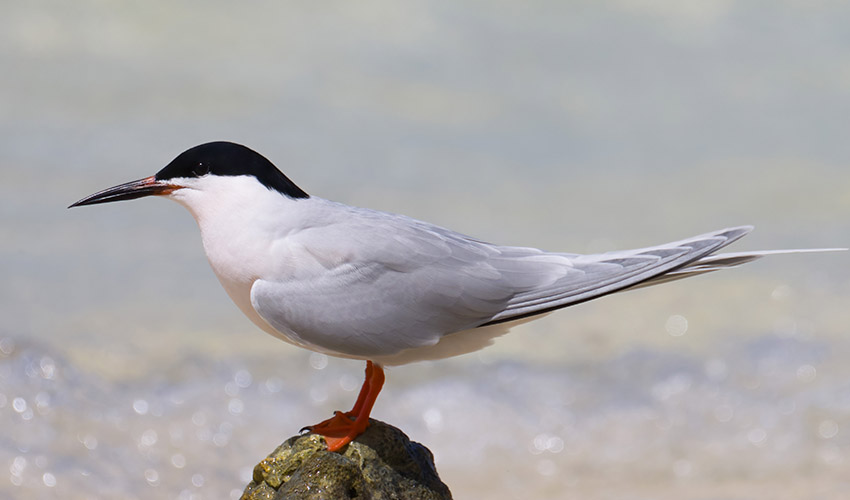
Roseate tern
One of the UK’s rarest breeding seabird
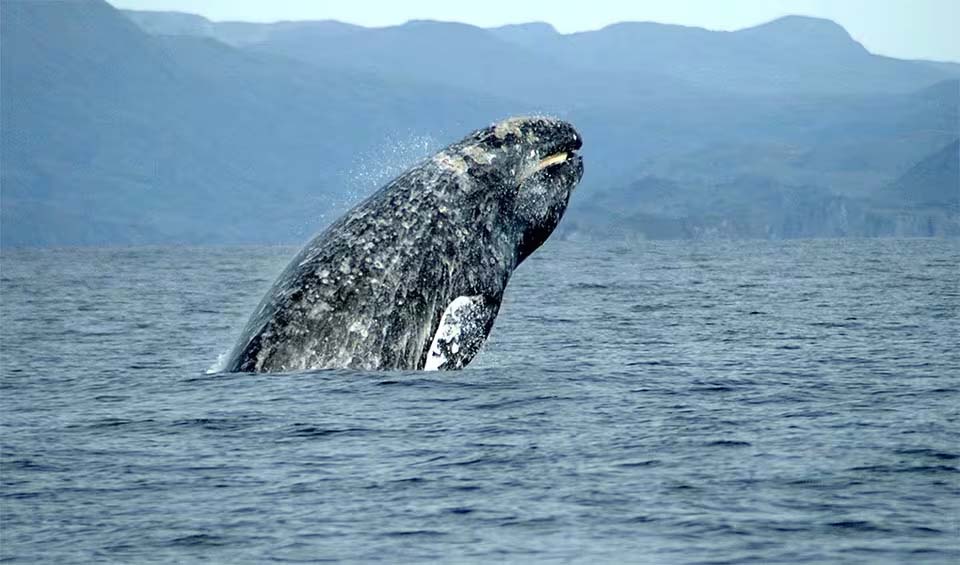
Gray whale
Once called ‘devil fish’ by whalers due to their fighting behavior when hunted
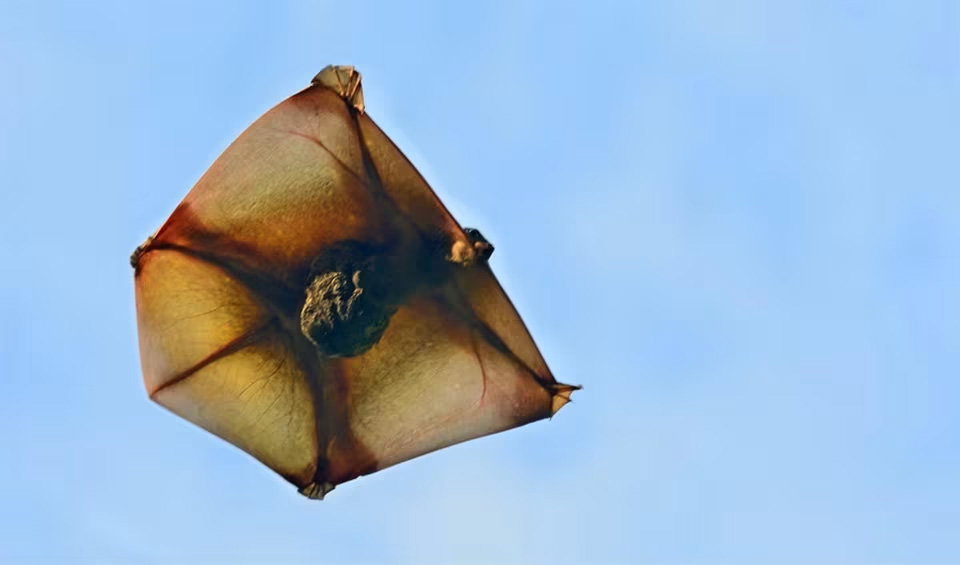
Sunda flying lemur
The common name was a smokescreen that confuses people because they are not a lemur and do not fly
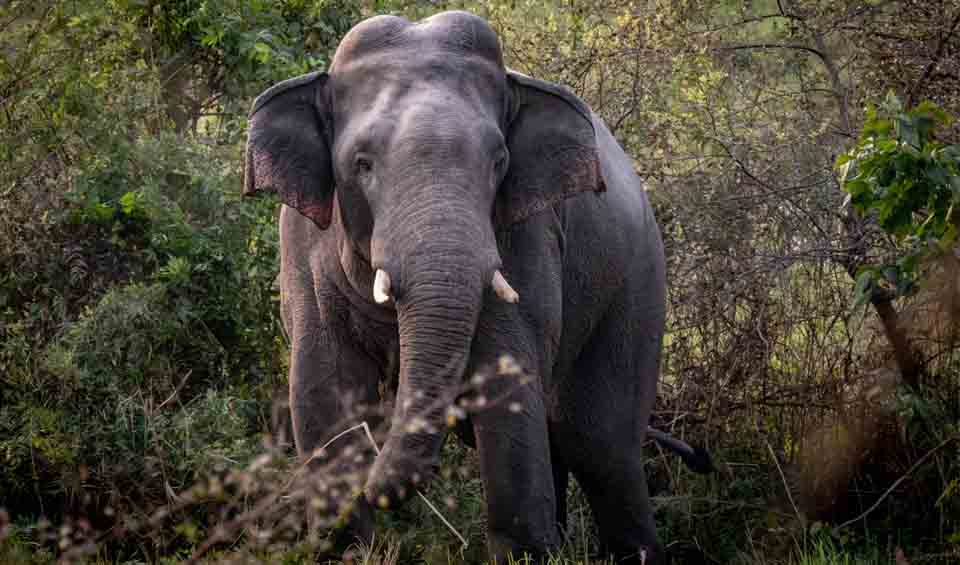
Asian elephant
Largest land mammal in Asia here!
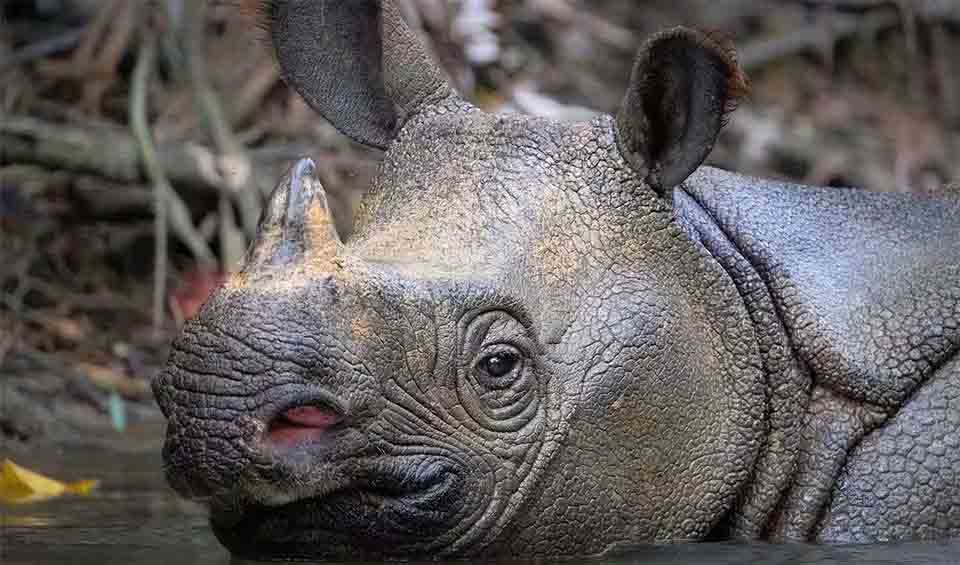
Javan rhinoceros
The rarest and most threatened of five extant rhinoceroses’ species
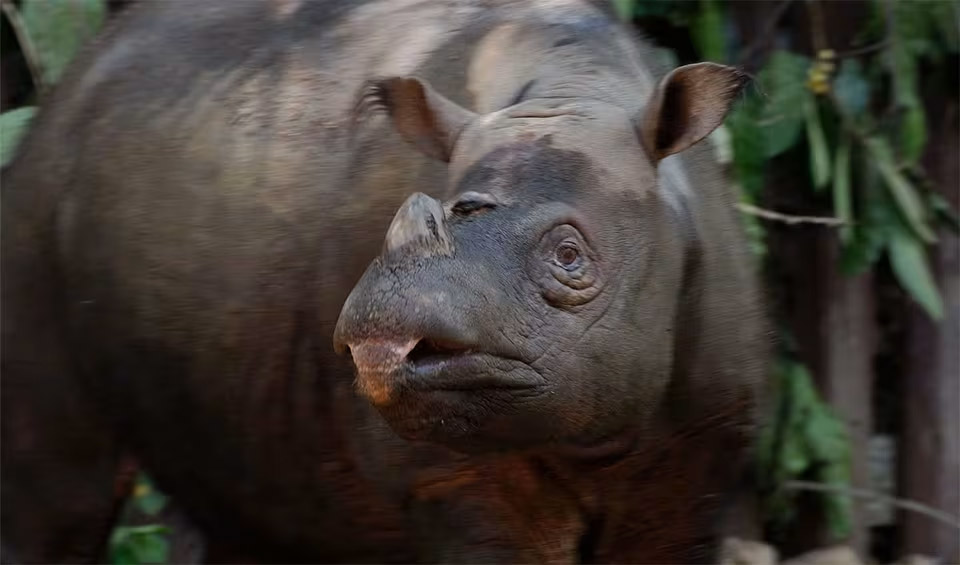
Sumatran rhinoceros
The only Asian rhino with two horns is the world’s smallest rhino
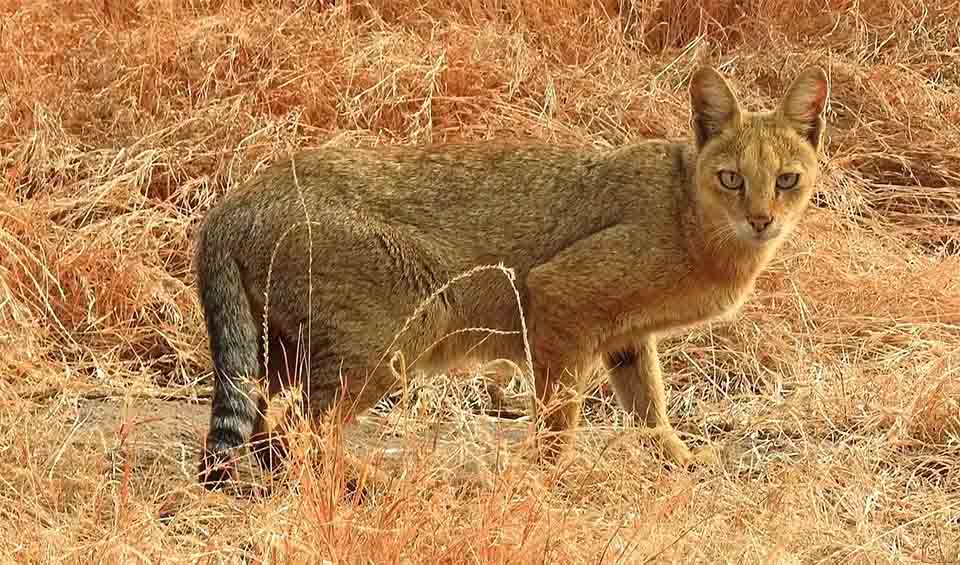
Jungle cat
One of the cats that were mummified and put into tombs in ancient Egypt as Egyptians worshipped a cat goddess
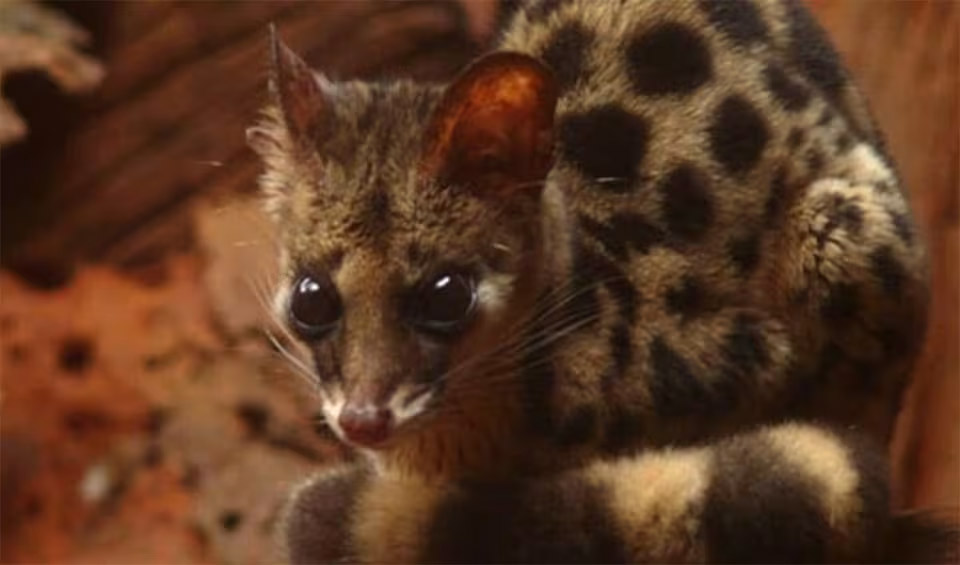
Spotted linsang
Body of a cat, face of a possum – meet the mysterious Asiatic linsangs
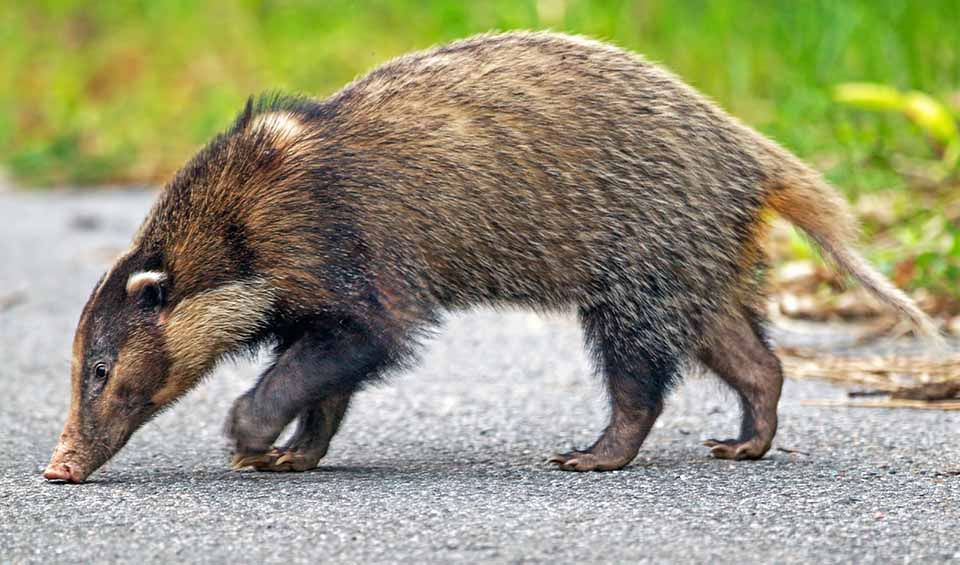
Greater hog badger
One of the world’s largest extant terrestrial mustelids based on body mass, possibly second only to the wolverine
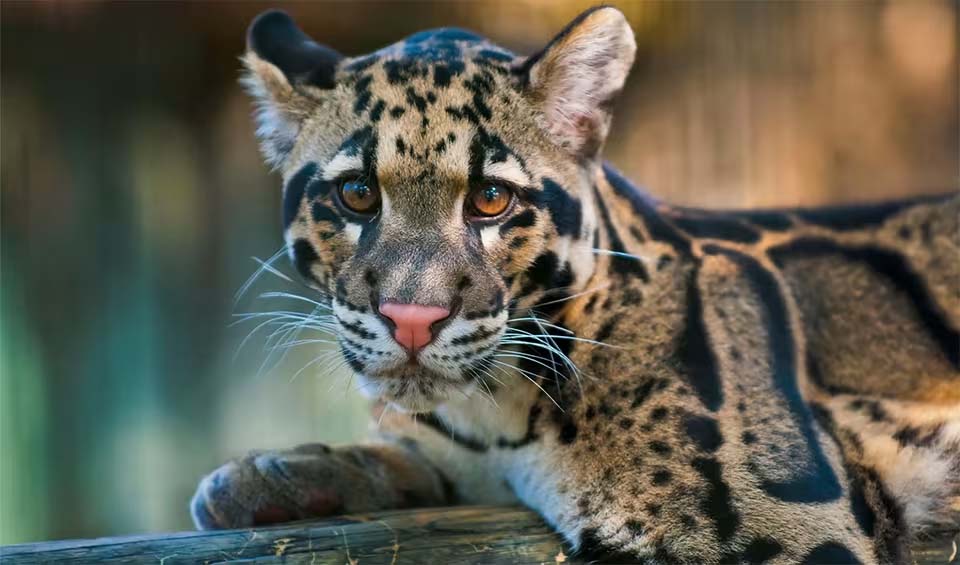
Clouded leopard
They can hang upside down from branches with their rear feet and climb trees almost like a monkey
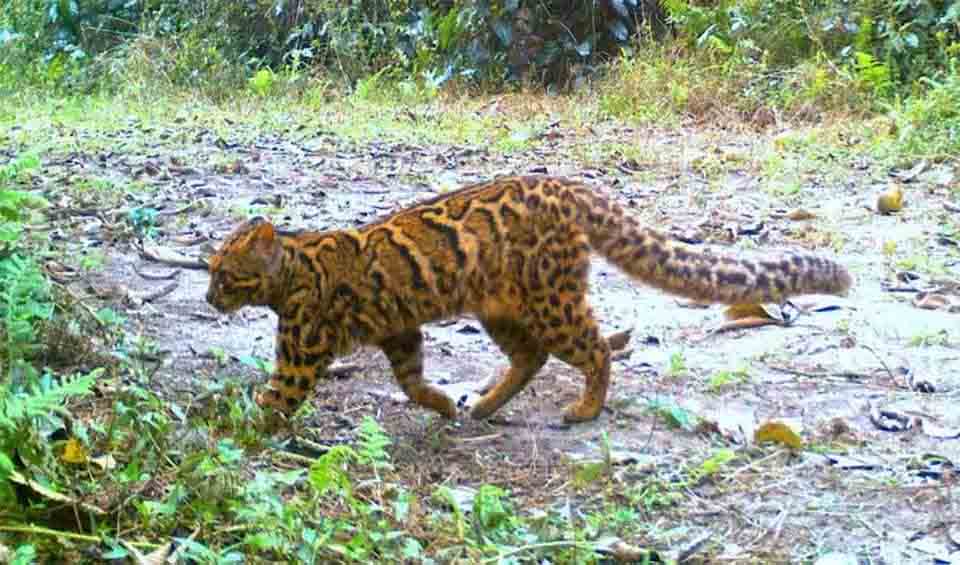
Marbled cat
When standing or resting, they are characterized by their arched back
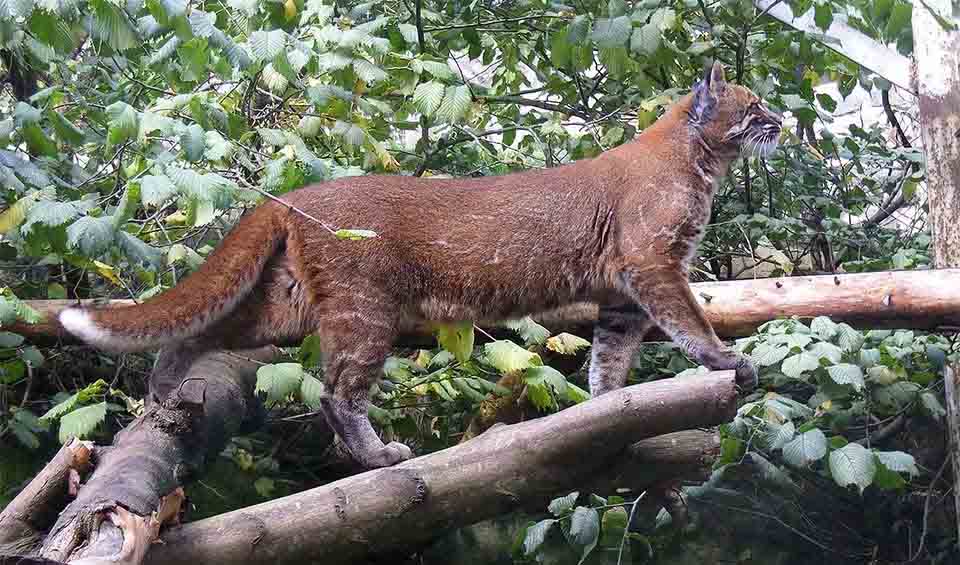
Asian golden cat
One of the least studied cats in tropical Asia; there is still a lot to discover!
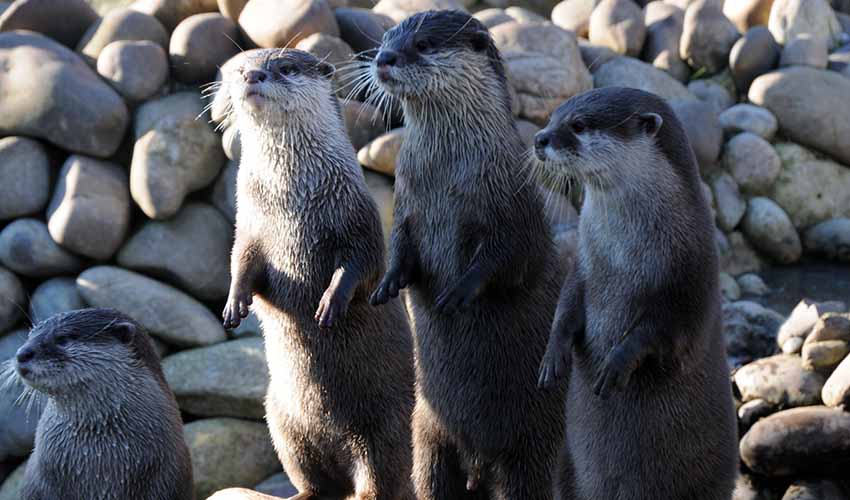
Asian small-clawed otter
Instead of fully webbed paws like other otters, it has tiny claws that don’t extend beyond the fingertips
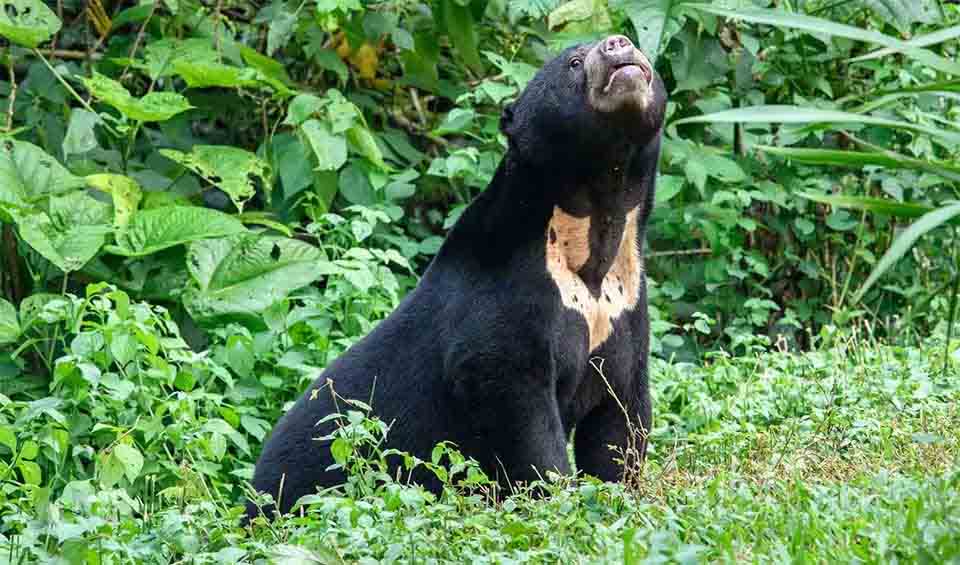
Sun bear
The smallest of bears is slowly vanishing from tropical forests of Southeast Asia
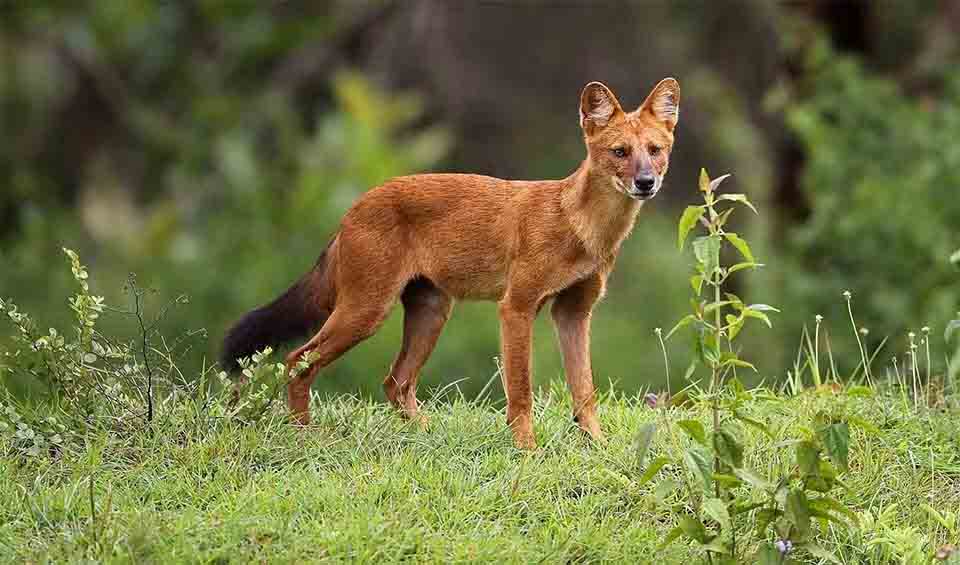
Dhole
Extinct in Europe and North America, probably due to landscape changes during the ice age, and currently can only be found in Asia
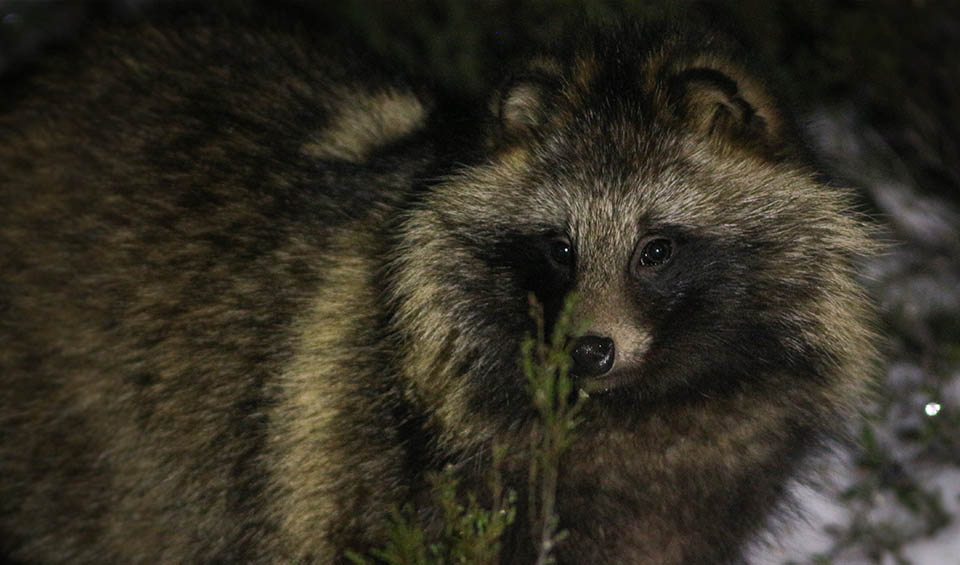
Common raccoon dog
Named after their superficial resemblance to the raccoon, however, they are not closely related to each other
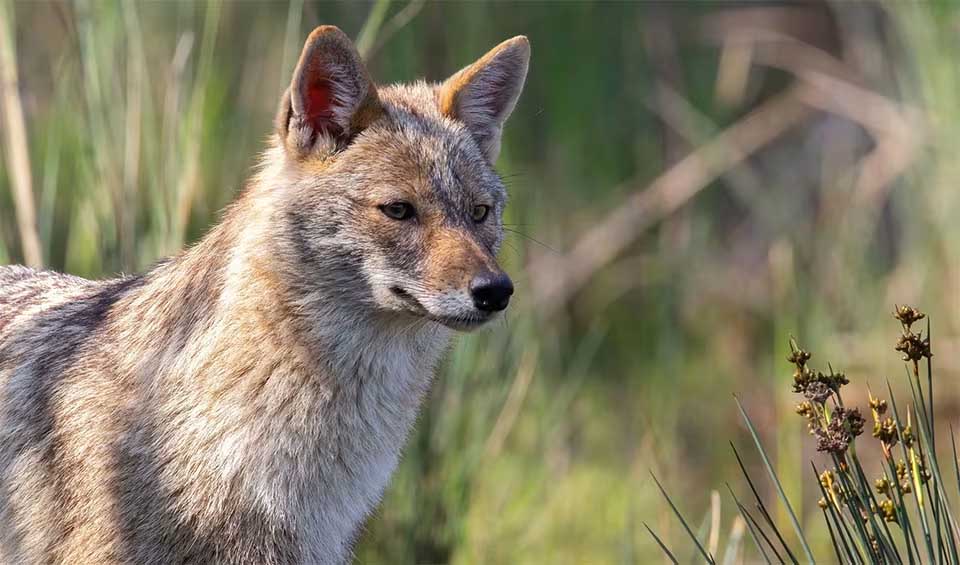
Golden jackal
Exceptional hunters, but they can feed solely on grass and survive in the absence of prey
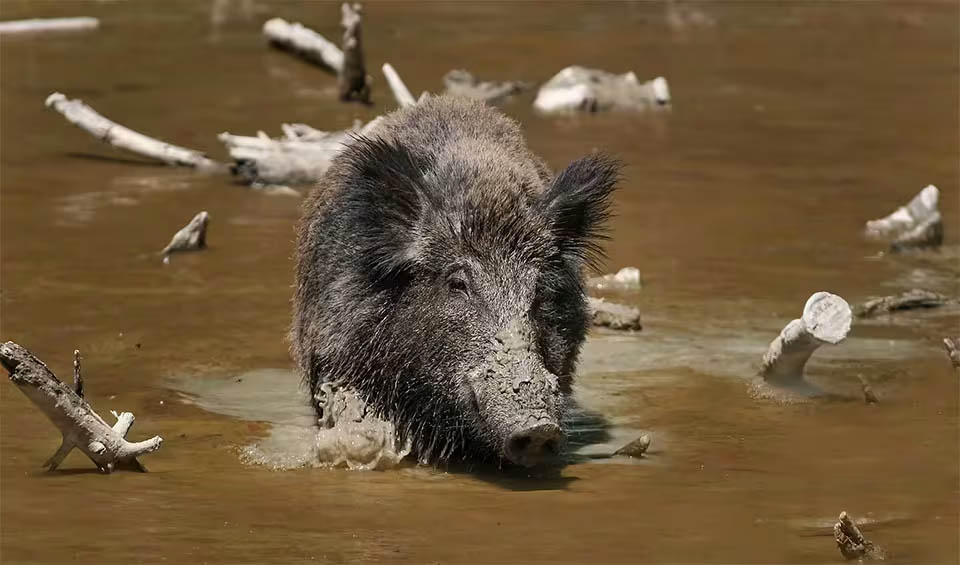
Wild boar
They have an elongated and elastic snout that can be used to dig out roots and bulbs
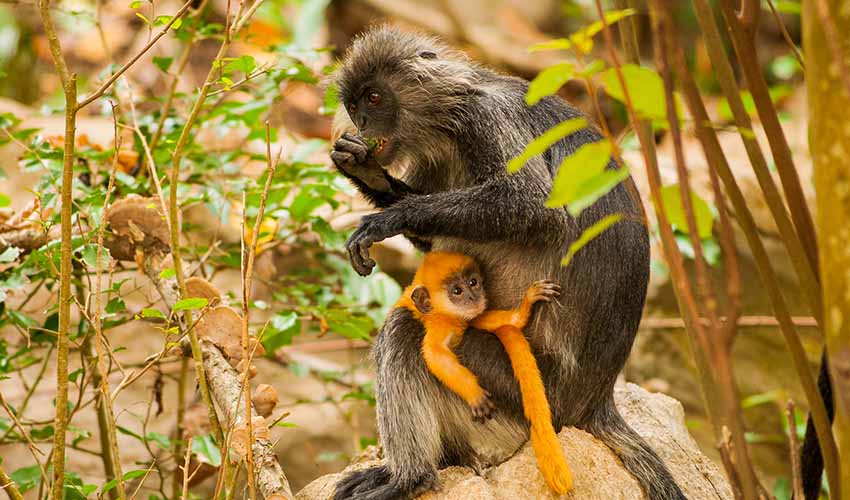
Germain’s langur
Newborns aren’t just orange—they’re bright neon orange
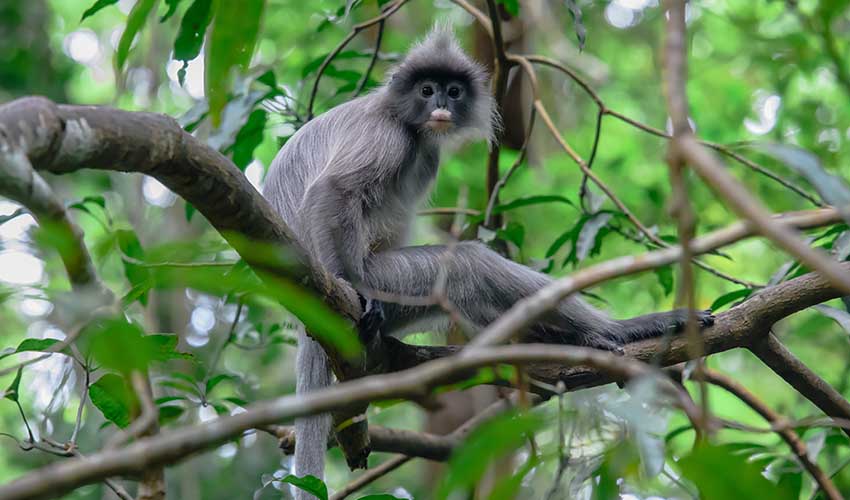
Indochinese grey langur
Its scientific name crepusculus means “twilight” in Latin, referring to its soft, dusky-gray coat

Red-shanked douc
The most colorful of all primates, known as the “Queen of primates” thanks to their unique and distinctive appearance

Yellow-cheeked gibbon
Known for their incredible agility and speed in the treetops, which has earned them the nickname “forest acrobats”

Green sea turtle
Largest hard-shelled sea turtle on earth
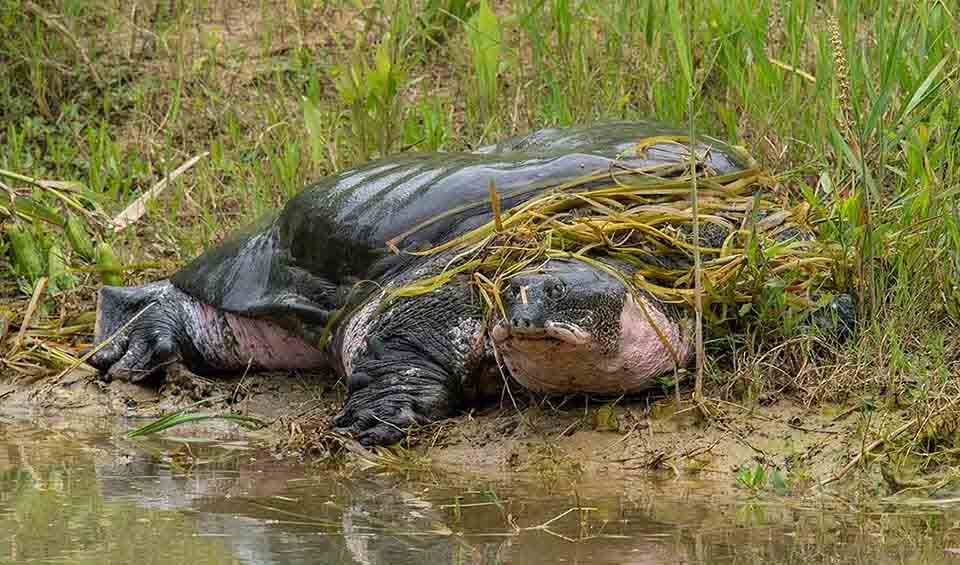
Yangtze giant softshell turtle
No other turtle is rarer than the Yangtze giant softshell turtle
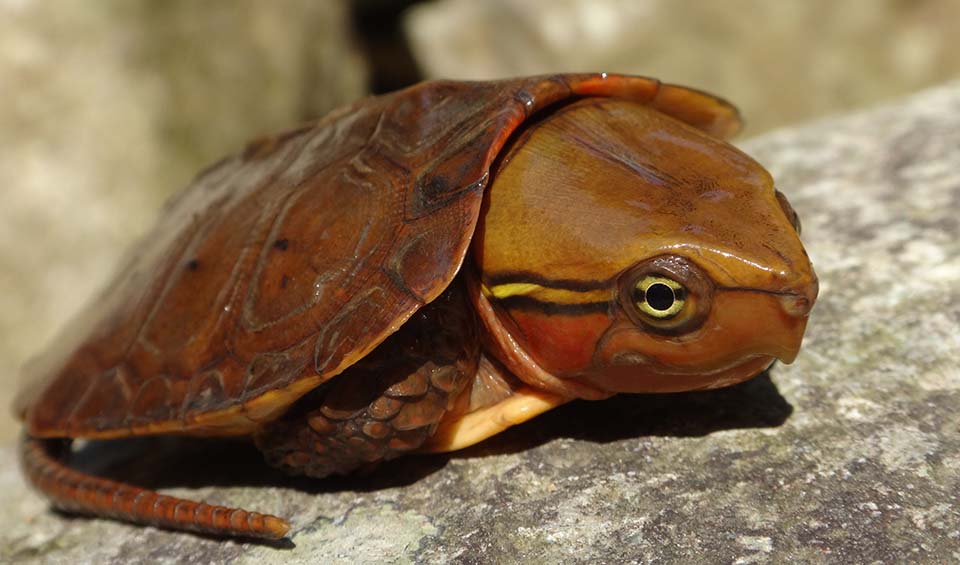
Big-headed turtle
They have heads so large that they cannot even be withdrawn into the shells
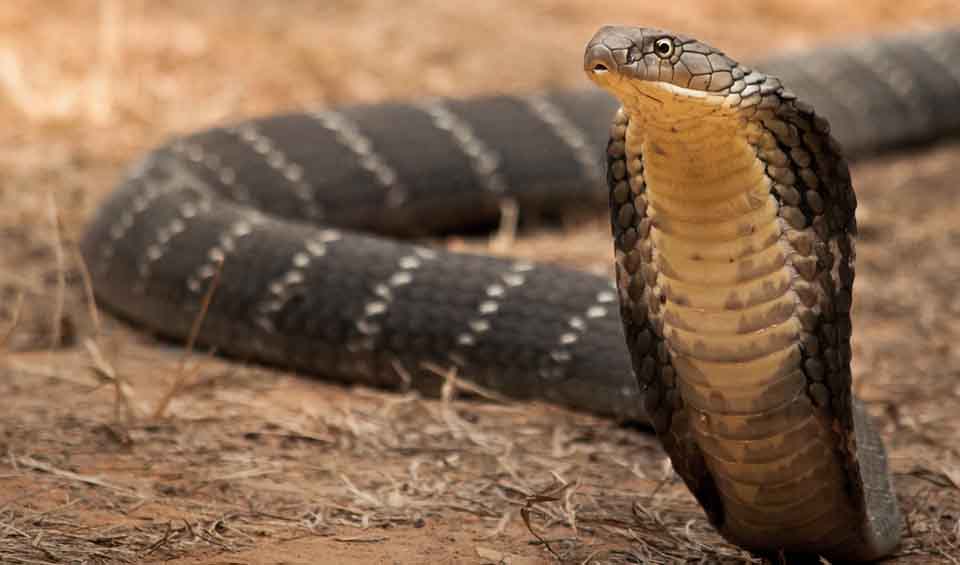
King cobra
Largest living venomous snake reaching lengths of up to 5.7 meters or 8.5 feet
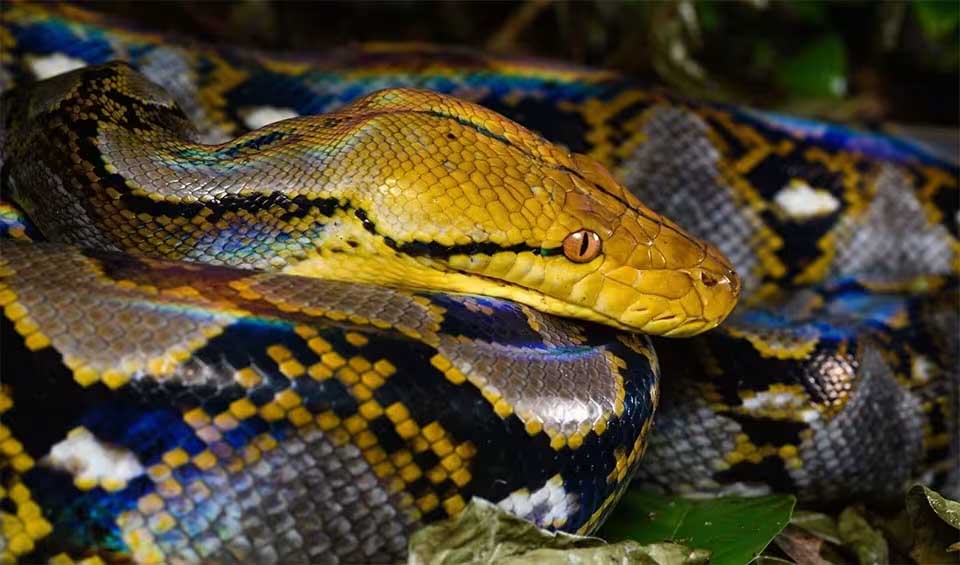
Reticulated python
Largest living snakes on the earth, reaching lengths of up to 7 meters of 23 feet
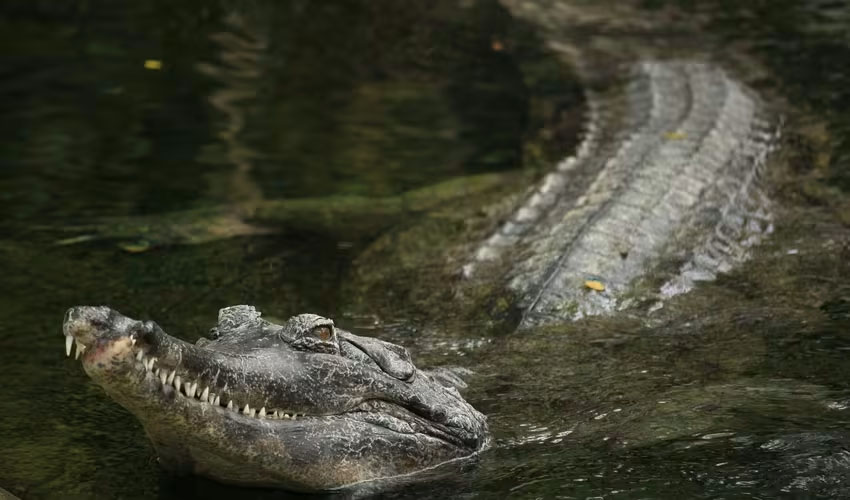
Tomistoma
‘Tomistoma,’ the scientific name of false gharial, literally means ‘sharp mouth’
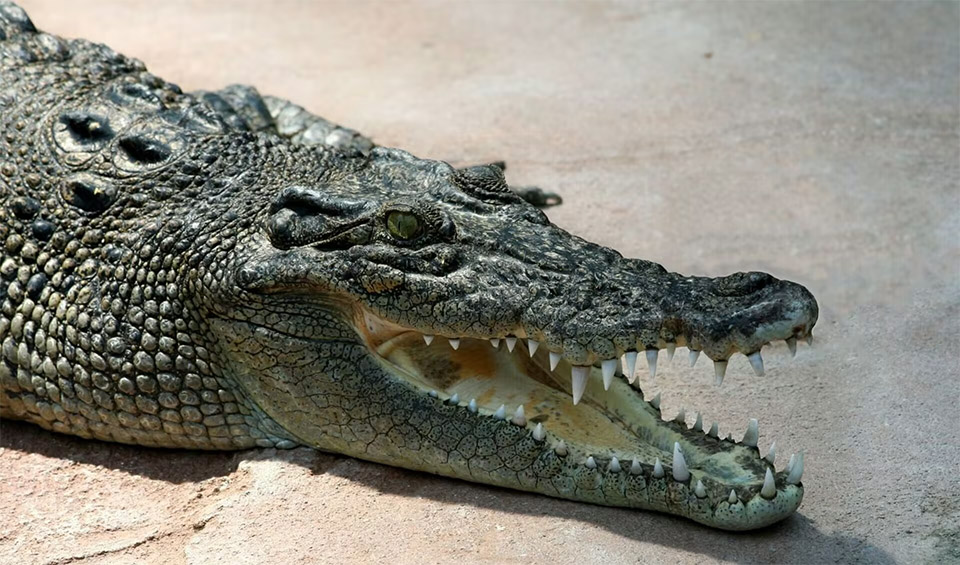
Saltwater crocodile
Largest of all living reptiles and the animal most likely to eat a human

